COCO ISLAND: Natural Heritage and Underwater Sanctuary
The famous Cocos Island lies 550 km southwest of Costa Rica’s Pacific coast. Located halfway between the American continent and the Galápagos Islands, it is an exclusive, unspoiled destination that has been protected and designated aUNESCO World Heritage Sitesince 1997.
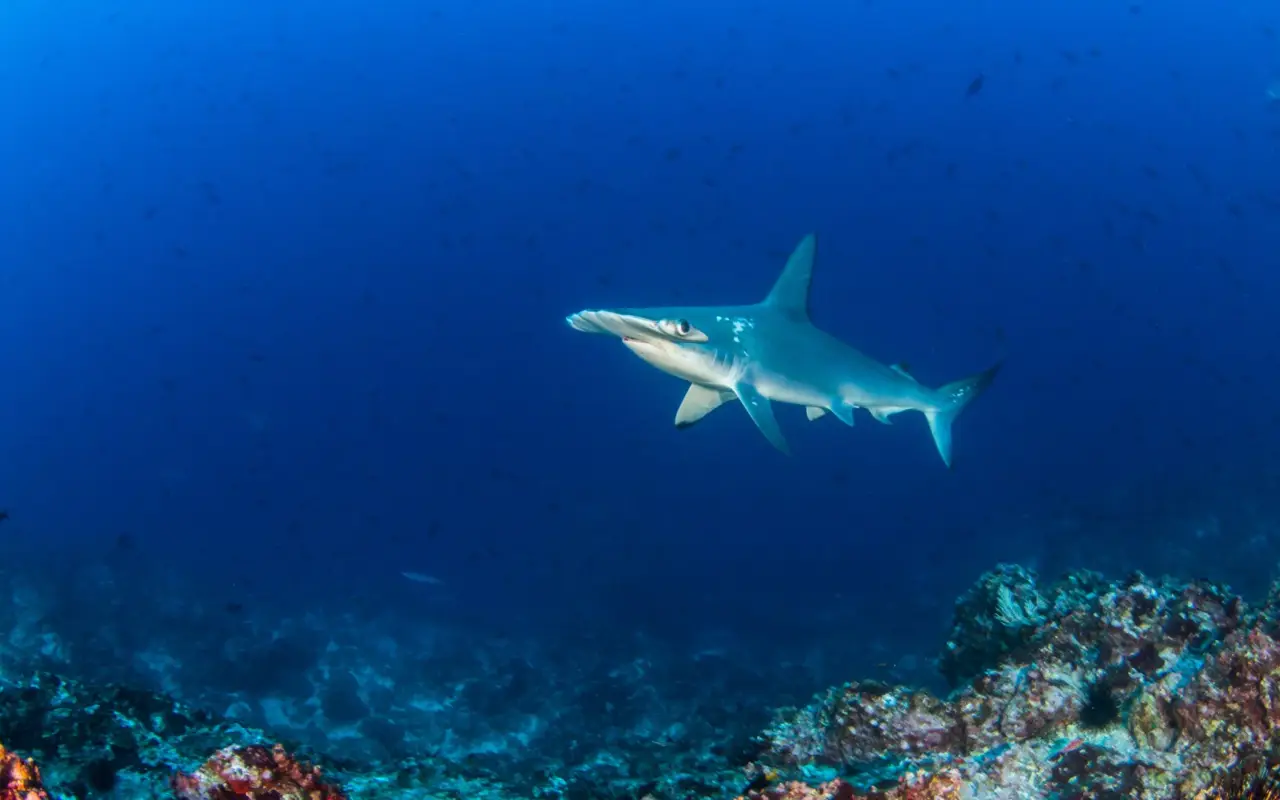
The island was named for the coconut palms that were brought there by settlers in the 17th century, when they sought to establish a settlement there. This 23-square-kilometervolcanic islandis home to spectacular waterfalls that cascade down to the sea, as well as a world-renowned diving site. The world’s largest uninhabited island attracts divers who come to explore the coral reefs and encounter hammerhead sharks, manta rays, barracudas, angelfish, giant moray eels, and more…
Nicknamed“Treasure Island,” it seems the island was once a hideout for many pirates… Could they have buried plundered treasures from merchant ships beneath the palm trees? It’s up to you to find out!
World Heritage Site
- UNESCO WORLD HERITAGE SITE
In recognition of the exceptional natural features of this island territory, the Government of Costa Rica established Cocos Island National Park in 1978, which was later designated a Marine Conservation Area. For the same reasons, in 1997, UNESCO designated it a World Natural Heritage Site. Similarly, in 1998, it was designated a Wetland of International Importance under the Ramsar Convention.
- NATURAL HERITAGE – Biodiversity
The expanses of coconut palms, whose nuts were sought after by pirates, have receded and have been gradually replaced by a tropical rainforest of exceptional humidity (7,000 mm of rainfall per year) that has virtually covered the entire territory; The terrain is rugged but generally low-lying, which gives the forest its vegetative unity of extraordinary exuberance. To date, 70 trees and plants believed to be endemic have been cataloged. Trails and paths, originally carved out by buccaneer hunters and later by 19th-century settlers, circle the island and offer beautiful hiking opportunities in the interior. The fauna is as exceptional as the ecosystem. More than 200 species (mostly insects), including several endemic species (such as the red lizard); ornithologists have recorded more than 100 bird species, including 3 endemic species (the coconut cuckoo, the flycatcher, and the finch, a distant cousin of the Galápagos finch).
Underwater Sanctuary
UNDERWATER SANCTUARY
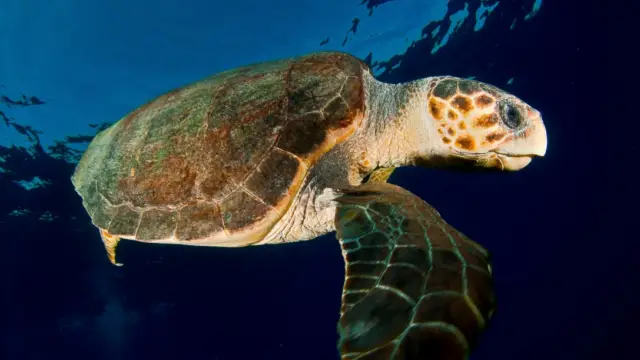
The underwater life here is renowned among experienced divers for its diversity: 30 varieties of coral, 300 species of fish, and numerous large marine creatures, including whale sharks, tuna, great white sharks, manta rays, and sea turtles…
Stories and Legends
HISTORIC SITE – Costa Rican Heritage
On October 11, 2002, the Government of Costa Ricadesignated Cocos Island as a Historic Site of Costa Rica. This designation is largely due to the site’s historical and cultural significance, which has been shaped since the 18th century by tourism and the settlement of people from Costa Rica and various parts of the world.The rock inscriptions in Chatham and Wafer Bays, as well as other cultural remains found on the island, bear witness to the site’s history.
In the Footsteps of Pirates
In 1526, the Spanish explorer Juan Cabezas was the first to land on the island and found it deserted, but with an abundance of water and fruit, including coconuts. The news spread among privateers and buccaneers, who made it a stopover to replenish their supplies of water and coconuts (which gave the island its name), reputed to be excellent for combating scurvy. 1544: first mentions on French maps.
Early 17th century: famous pirates such as William Thompson and William Davies stopped there to hide their loot. This activity lasted for two centuries, giving rise to legends—each more fabulous than the last—about the uninhabited island. The most famous and enduring of these is said to be a life-size statue of the Virgin and Child made of solid gold.
19th century: With the decline of piracy, treasure hunters flocked to the island, causing damage to the ecosystem and leaving behind domesticated animals that sometimes multiplied to dangerous levels. Costa Rica brought order to the situation. The few settlers who had established themselves in the late 19th century abandoned the island shortly thereafter.