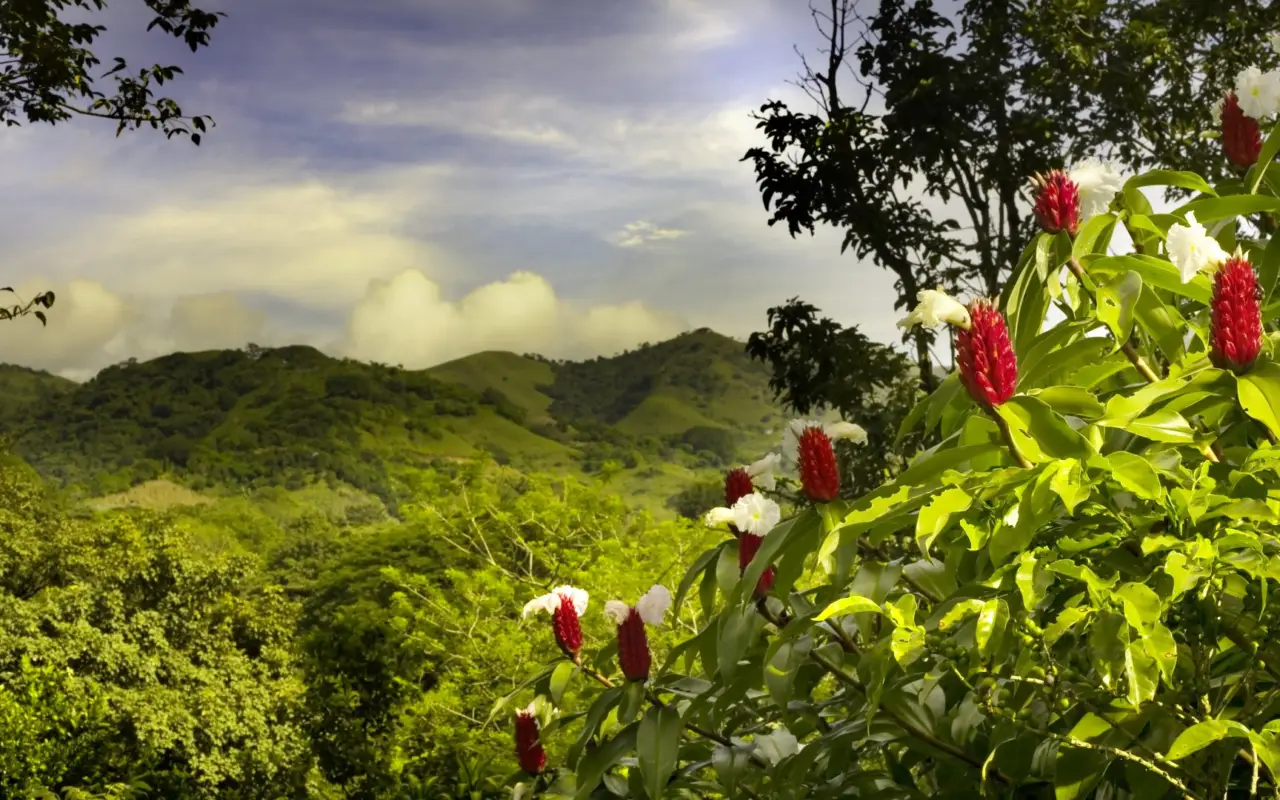
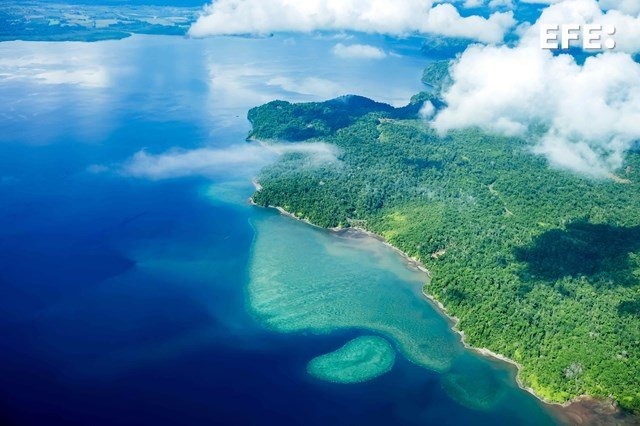
The Osa Peninsula, in the far southwestern corner of Costa Rica, is home to Corcovado National Park, the largest primary forest on the Central American Pacific coast. The region boasts exceptional wildlife, diving at Isla del Caño, the Térraba-Sierpe mangroves, and the Golfo Dulce. A visit to Corcovado requires a certified guide and a reservation. Bahía Drake serves as the main gateway.
Where is the Osa Peninsula?
The Osa Peninsula is located on the southern Pacific coast, near the Panamanian border. It encloses Golfo Dulce, protecting it from ocean swells. There are two main access points to the region. Bahía Drake, in the north, can be reached by boat from Sierpe, following a flight or drive to Palmar Sur. Puerto Jiménez, the peninsula’s largest city, serves the southern sections of the park. From San José, a domestic flight connects to the region in less than an hour.
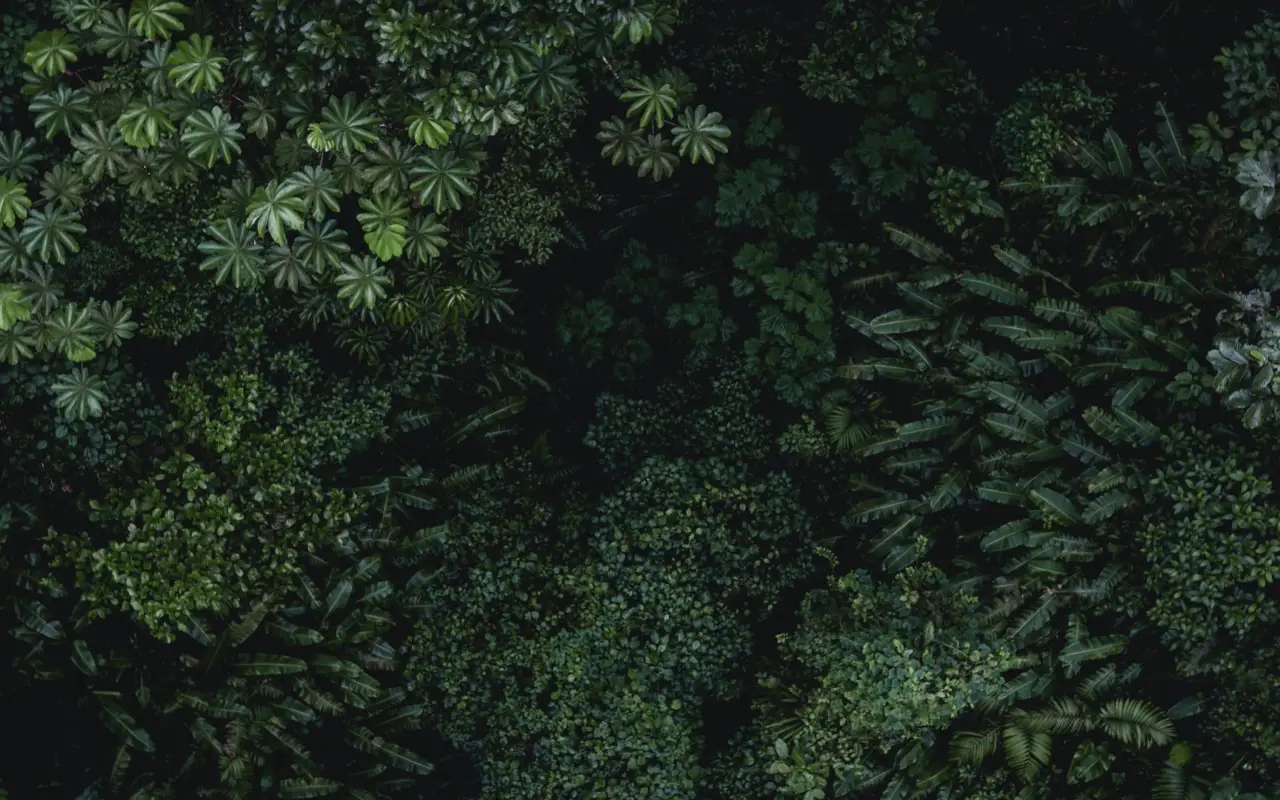
Southern Costa Rica is a sparsely developed region where the climate is hot and humid for much of the year. This allows it to boast the most beautiful stretches of tropical rainforest on the Central American Pacific coast: the pristine Osa Peninsula, home toCorcovado National Park.
As a result, the dense forests, large national parks, and protected natural areas make this region a paradise for ecotourism and biodiversity. It’s the perfect place if you want to see a wide variety of animals and enjoy some solitude during your vacation.
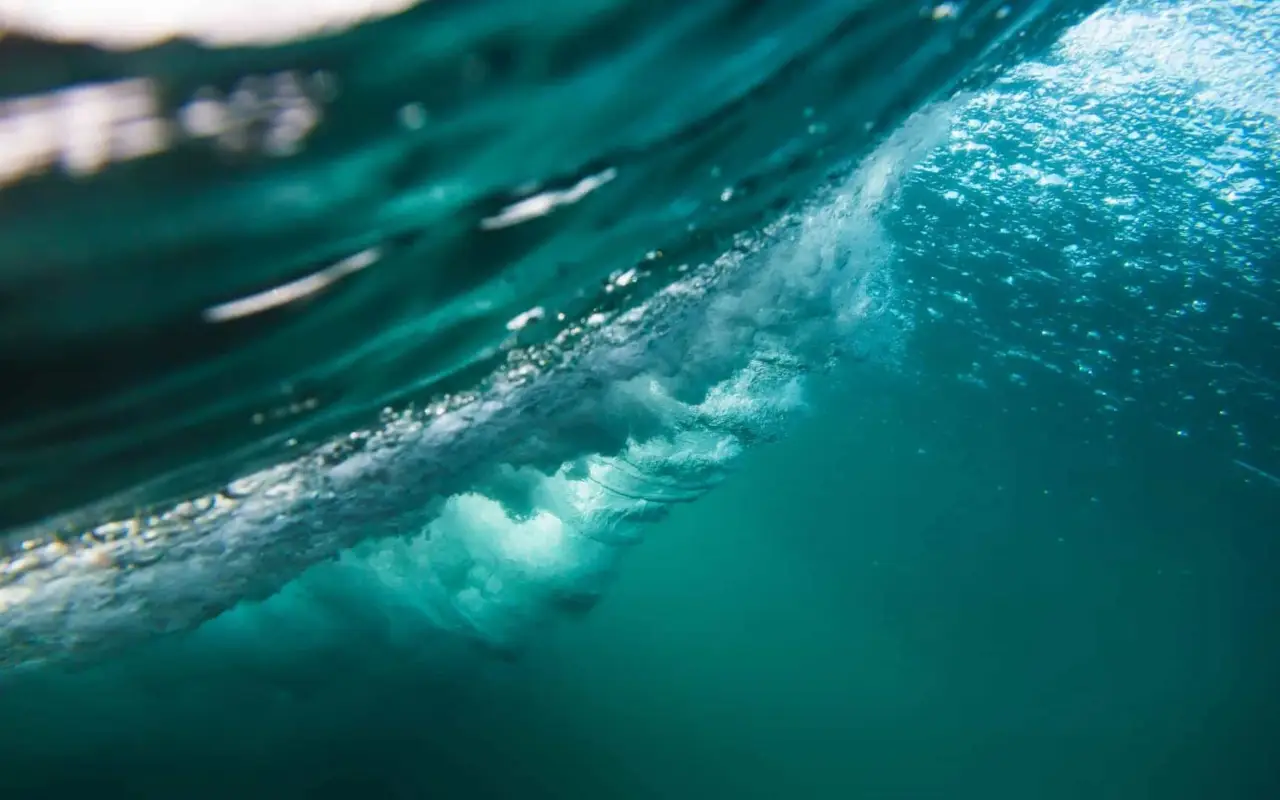
Sheltered from the swells of the Pacific Ocean, the Osa Peninsula attracts whales and dolphins that come here to breed. Lovers of marine life won’t want to miss a trip to the clear, warm waters of theIsla del Caño Biological Reserve, one of the country’s best diving spots.
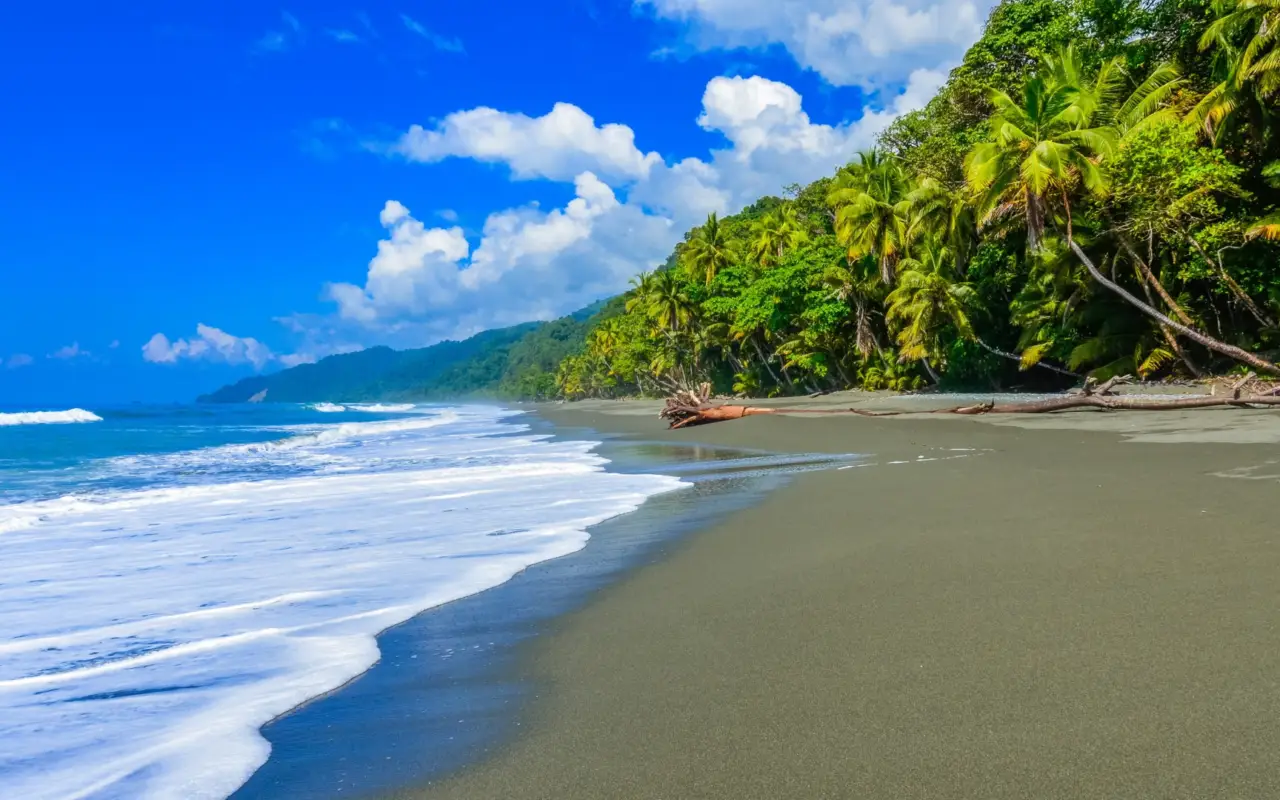
Bahia Drake, with its wild beach, sea teeming with dolphins and whales, rocky cliffs, and virgin forest, is the ideal starting point for exploring the region.
Corcovado National Park
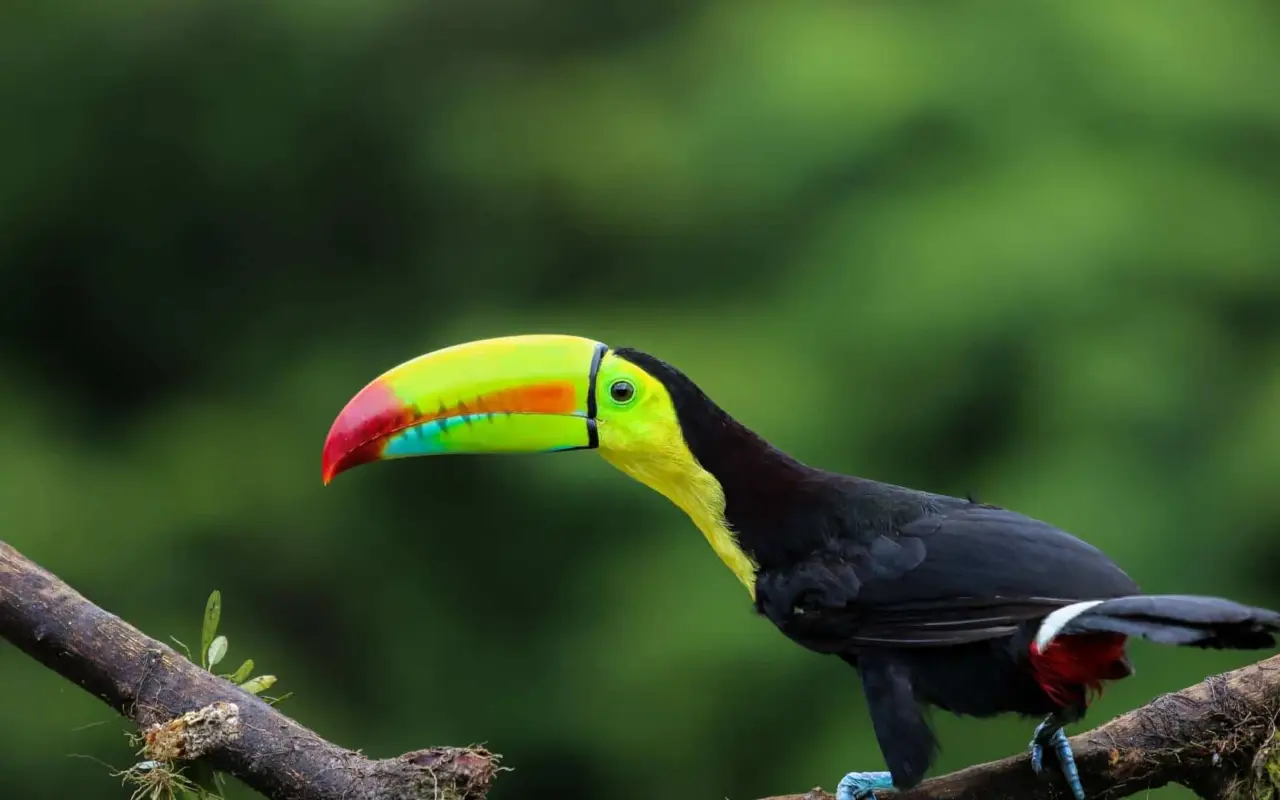
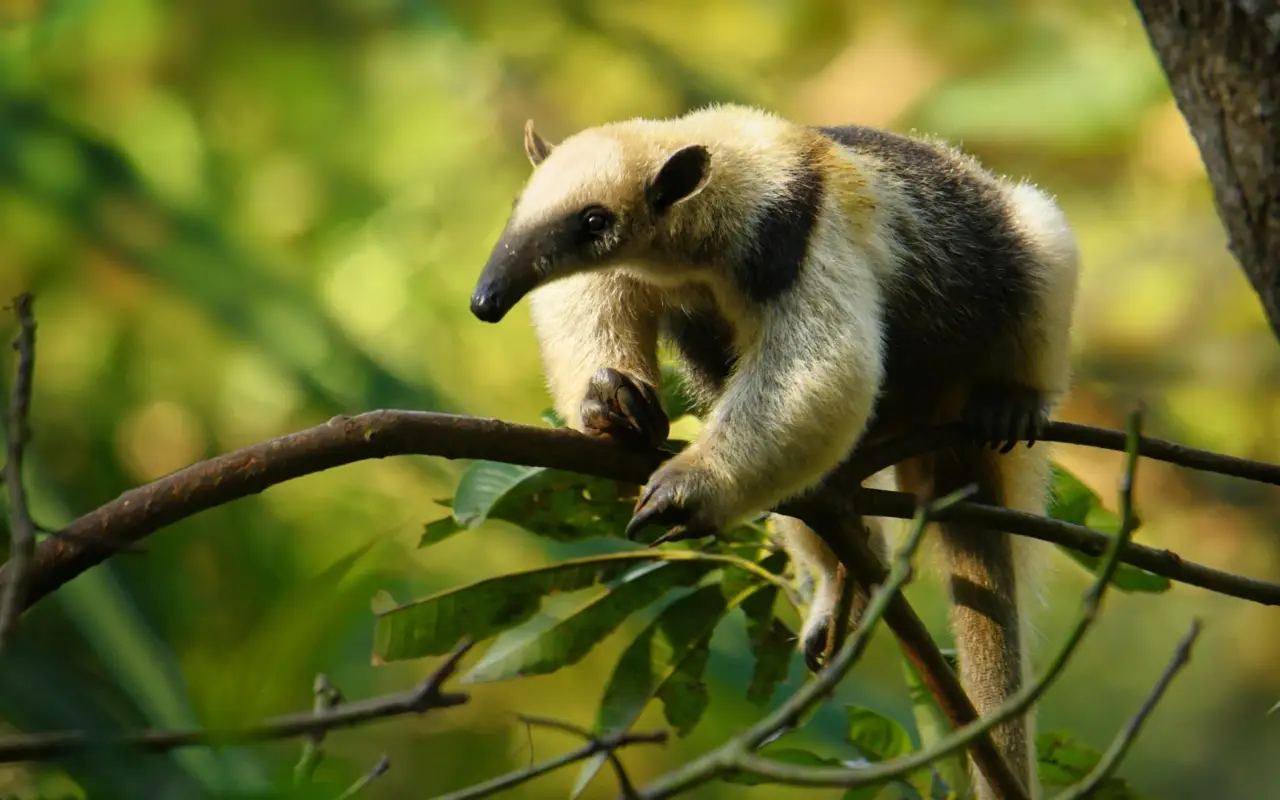
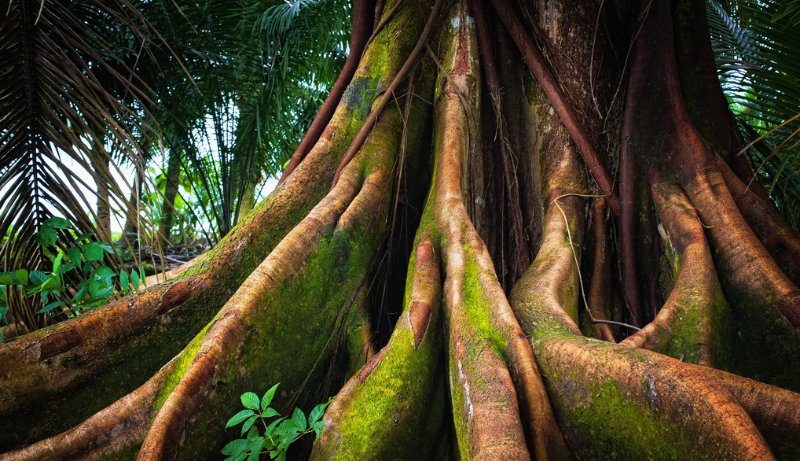
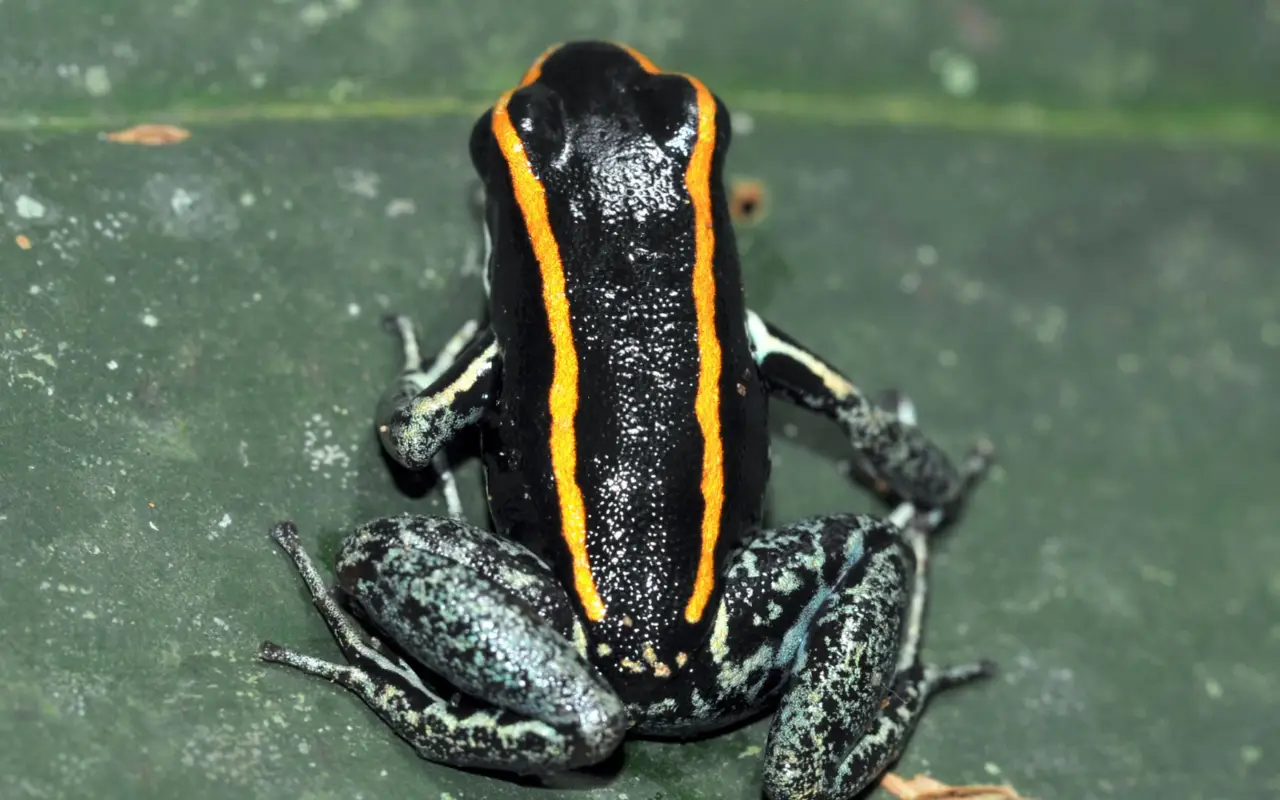
National Geographic has called Corcovado National Park “the most biologically diverse place on Earth.” It is the last large expanse of pristine tropical rainforest in the Pacific region of Central America. It is home to more than 500 species of trees, not to mention a thriving population of jaguars, coatis, toucans, and snakes. Its remarkable wildlife attracts the attention of tropical ecologists as well as visitors who come to explore this remote site and discover a wide variety of animals, including Baird’s tapir, the giant anteater, and the world’s largest bird of prey, the harpy eagle.
Since 2014, access to Corcovado has been required to be accompanied by a certified guide, regardless of the entry point. Reservations must be made through a local agency or lodge, and the number of spots is limited. The main stations are La Sirena, San Pedrillo, La Leona, and Los Patos. Trails range from easy, such as San Pedrillo, to difficult, such as La Sirena. We organize multi-day treks for small groups, with overnight stays on site.
Trek and Hikes in the Heart of the Jungle
Regardless of the trail you choose (La Sirena: moderate to difficult) or (San Pedrillo: easy to moderate), a hike inCorcovado National Parkis an adventure you won’t want to miss. The region remains off the beaten path and is considered the jewel of tropical rainforests. For travelers in small groups, we can organize multi-daytreks, following in the footstepsof gold prospectors…
Isla del Caño
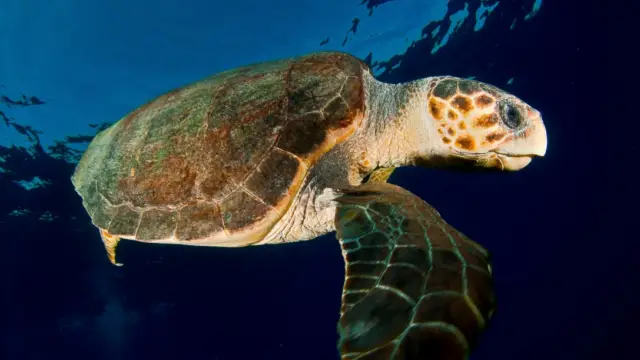
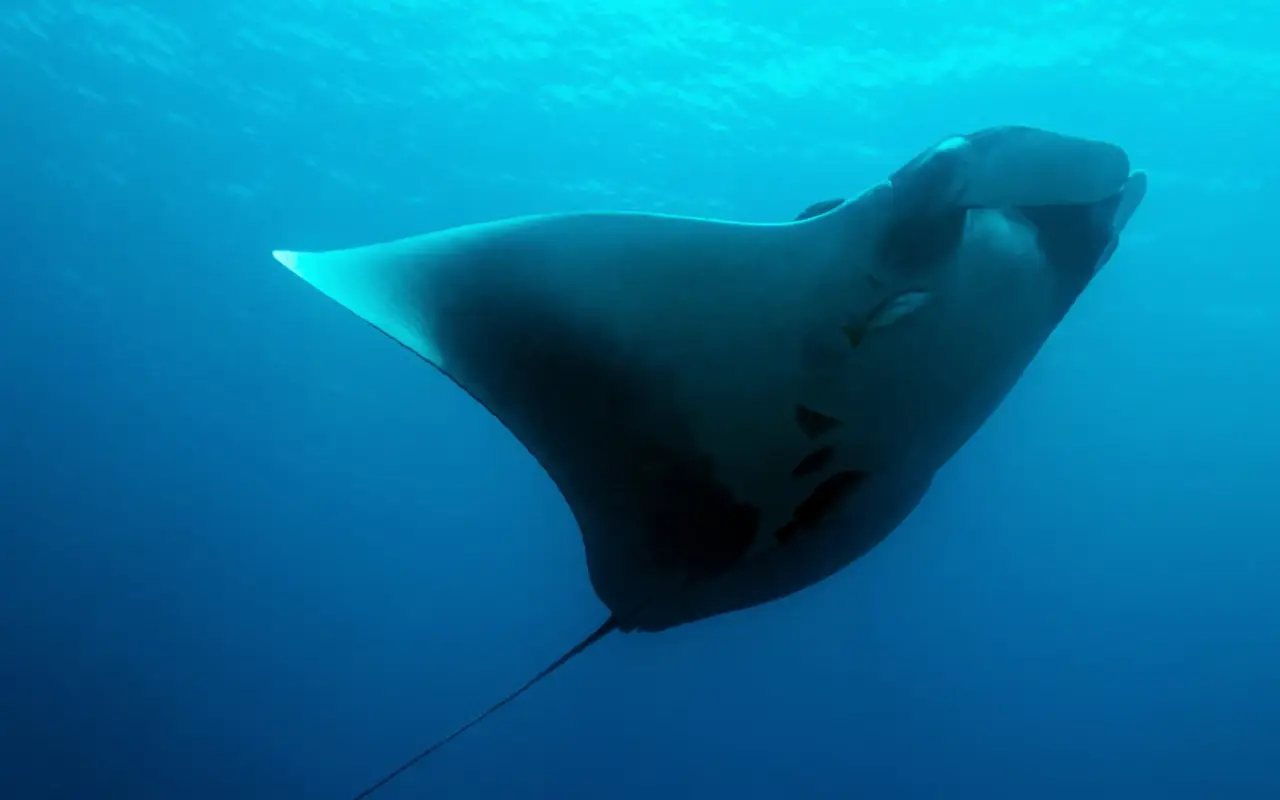
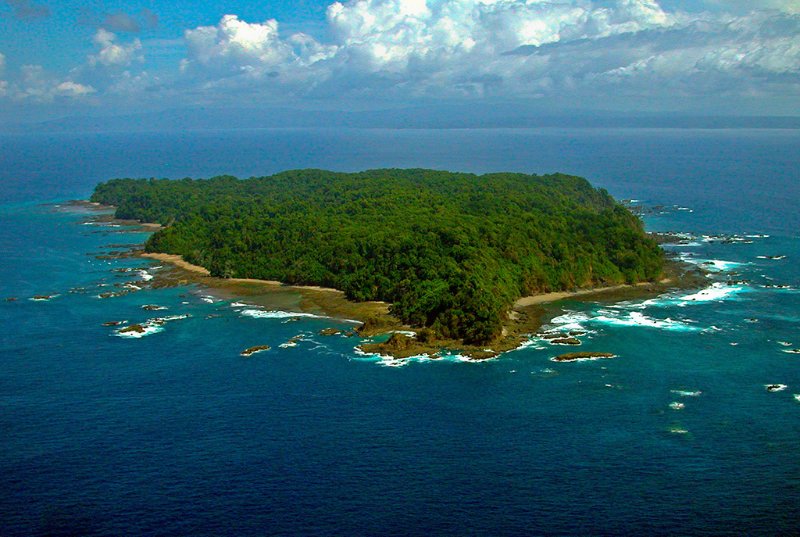
The Isla del Caño Biological Reserve is located about 15 kilometers offshore, across from Bahía Drake. Its volcanic rock formations create shallow reefs and deeper drop-offs. Visibility is good, and marine life is abundant: sea turtles, reef sharks, manta rays, moray eels, and groupers. It is one of the best diving and snorkeling sites in the country.
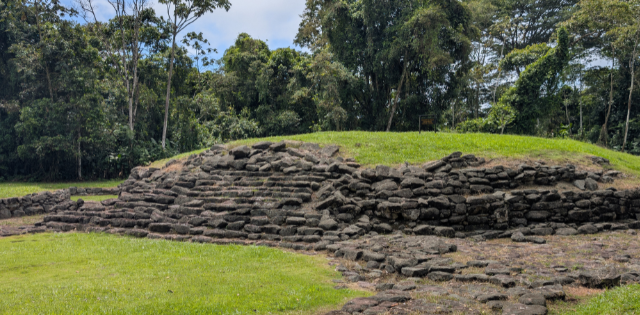
Access is strictly regulated. Only a small portion of the island is open to a limited number of visitors per day; the rest is reserved for research. The island is also of archaeological interest, featuring pre-Columbian stone spheres and an ancient indigenous cemetery. Several dive centers organize trips from Bahía Drake. See our guide to diving in Costa Rica.
The Terraba Sierpe Mangroves
Ramsar by Kayak
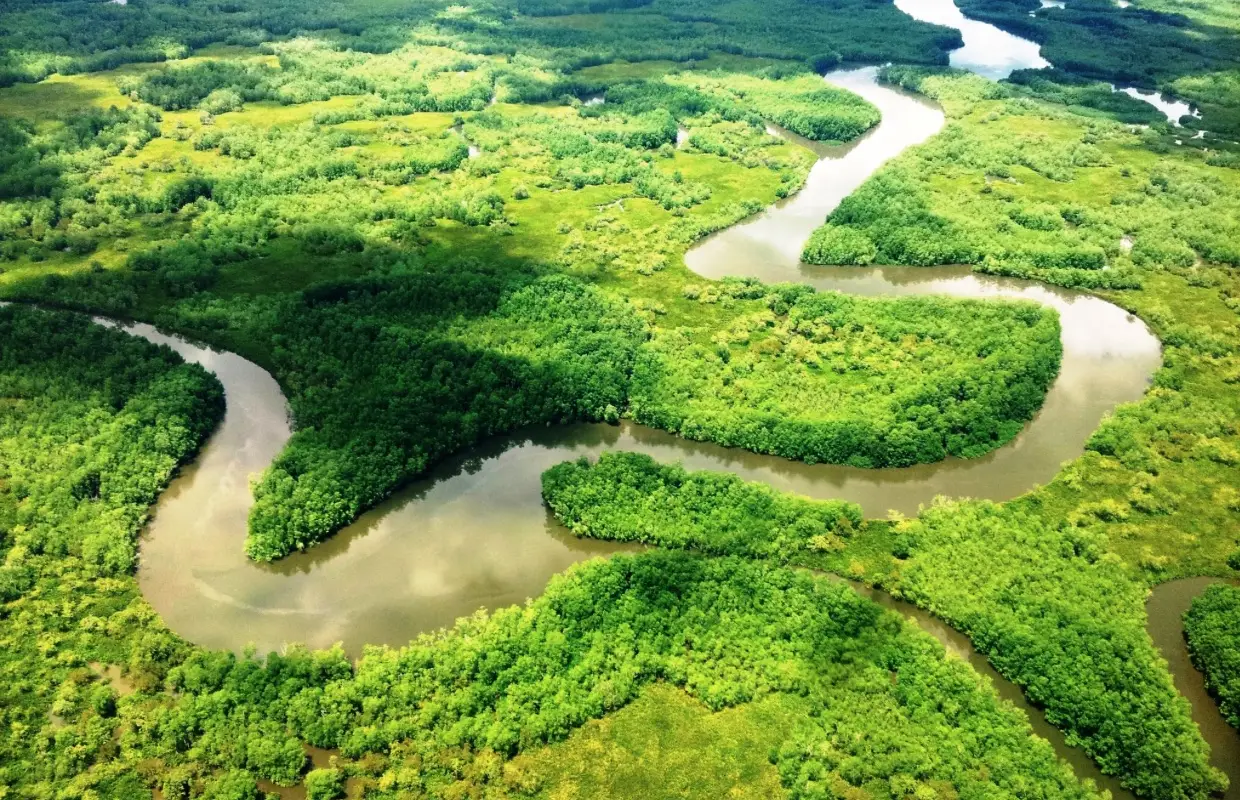
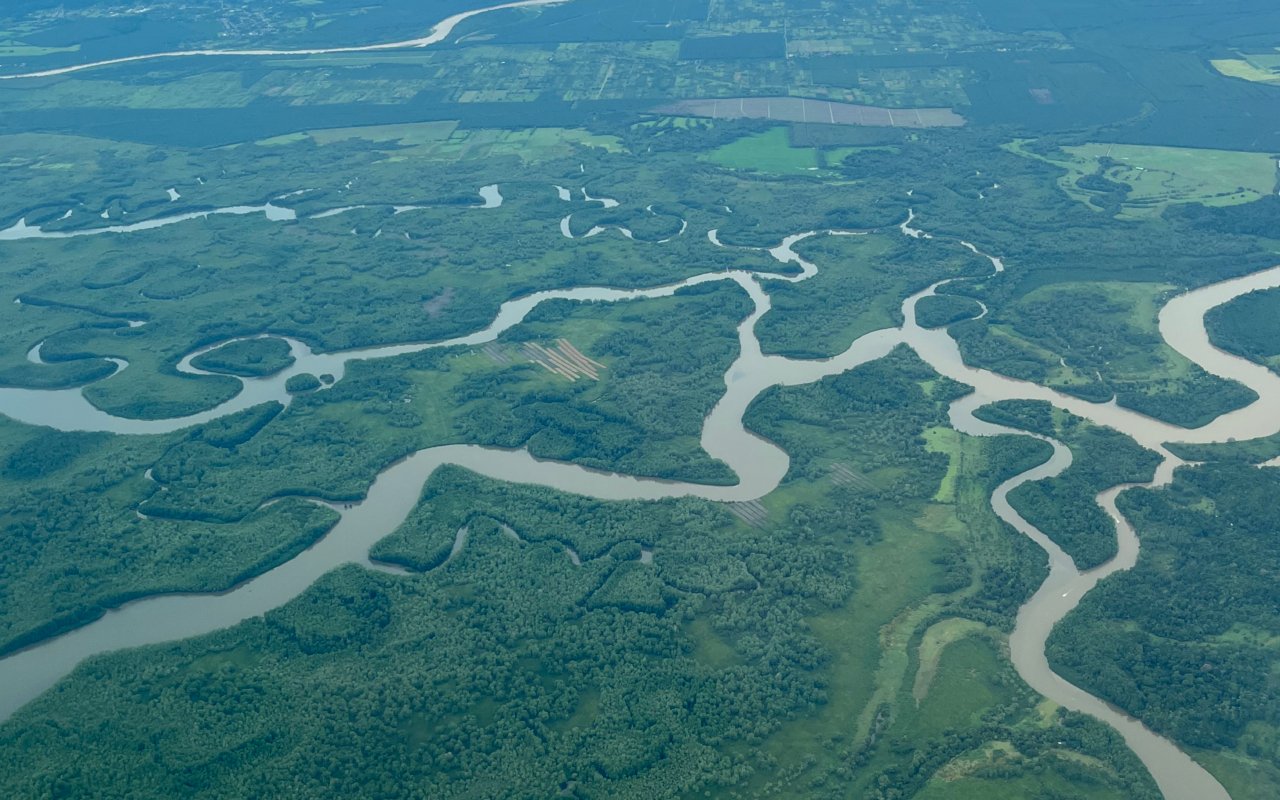
Located at the mouth of the Térraba and Sierpe rivers, this forest ecosystem is periodically flooded by the tides. The most characteristic species found here are red mangroves and caballero mangroves, as well as piñuelas (bromeliads). These mangroves also provide a habitat for numerous seabirds, fish, crustaceans, and mollusks that come here to reproduce. Several canals crisscross this ecosystem, which can be explored by canoe or through guided tours departing from Sierpe. Considered the world’s most biodiverse mangrove system, this area encompasses 27,066 hectares of protected forest. This reserve is home to a project unique to Costa Rica that involves the sustainable management of 200 hectares of forest, using both traditional and modern techniques to generate income from the mangroves while ensuring the ecosystem’s survival.
Golfo Dulce
Golfo Dulce is one of the world’s few tropical fjord-like gulfs, with deep, sheltered waters. Its shores are lined with a tropical rainforest similar to that of Corcovado. Piedras Blancas National Park protects part of the coastline there. Visitors can go kayaking to see dolphins, hiking, and orchid watching. Puerto Jiménez is the main town in the area. Our article on Playa Nicuesa describes a trip to the Gulf.
When is the best time to visit the Osa Peninsula?
The Osa Peninsula can be visited year-round, but it remains very humid. The dry season makes trekking and road travel easier. Whale-watching seasons often influence the choice of travel dates.
| Period | Conditions |
|---|---|
| December through April (dry season) | Easier treks, better road access, peak whale-watching season, higher visitor numbers |
| July through October | Second whale-watching season, lush forest, frequent rain |
| May through November (green season) | Very dense vegetation, some difficult access points, less-visited sites |
In summary
| Element | Details |
|---|---|
| Location | Southern Pacific Coast, near Panama |
| Flagship Park | Corcovado, 424 km² of primary forest |
| Access to Corcovado | Certified guide required; reservations required; limited capacity |
| Diving | Isla del Caño Biological Reserve |
| Whales | December through April and July through October |
| Base Cities | Bahía Drake, Puerto Jiménez, Sierpe |
| Recommended duration | 3 to 5 days, depending on the treks |
To plan a trip to this region, check out our itinerary featuring Pacific beaches, remote mountains, and untamed jungle.
Article updated on July 29, 2026.
About Terra Caribea
Terra Caribea is a local, inbound travel agency that has been based in Costa Rica since 2008 and also operates in Panama. Our office is located in San José, in the Barrio Escalante neighborhood, near France Park. Our team consists of Costa Ricans and French nationals who live locally and design each itinerary directly, without intermediaries. On the Osa Peninsula, we work with certified guides from Corcovado National Park and lodges committed to conservation. The agency is Travelife and Esencial Costa Rica certified and is part of the Terra Panamerica network. Why Travel with a Local Agency — Our Team — Our Travelife Certification — Custom-Designed Trips