Monteverde, in the Tilarán mountain range, is home to one of Costa Rica’s most famous cloud forests, known for the quetzal, the canopy, and its protected reserves. The region extends down to the Gulf of Nicoya, with its mangroves, small-scale fishing, and the Palo Verde Bird Sanctuary. It takes about three hours by car from San José to reach Monteverde.
The Monteverde and Gulf of Nicoya region is among the greenest in Costa Rica. To the east, the Tilarán mountain range is home to the Monteverde cloud forests, one of the country’s most famous attractions. To the west, the terrain slopes down to the Gulf of Nicoya, with its mangroves and fishing villages. The area offers wildlife viewing, canopy tours, and community-based tourism.
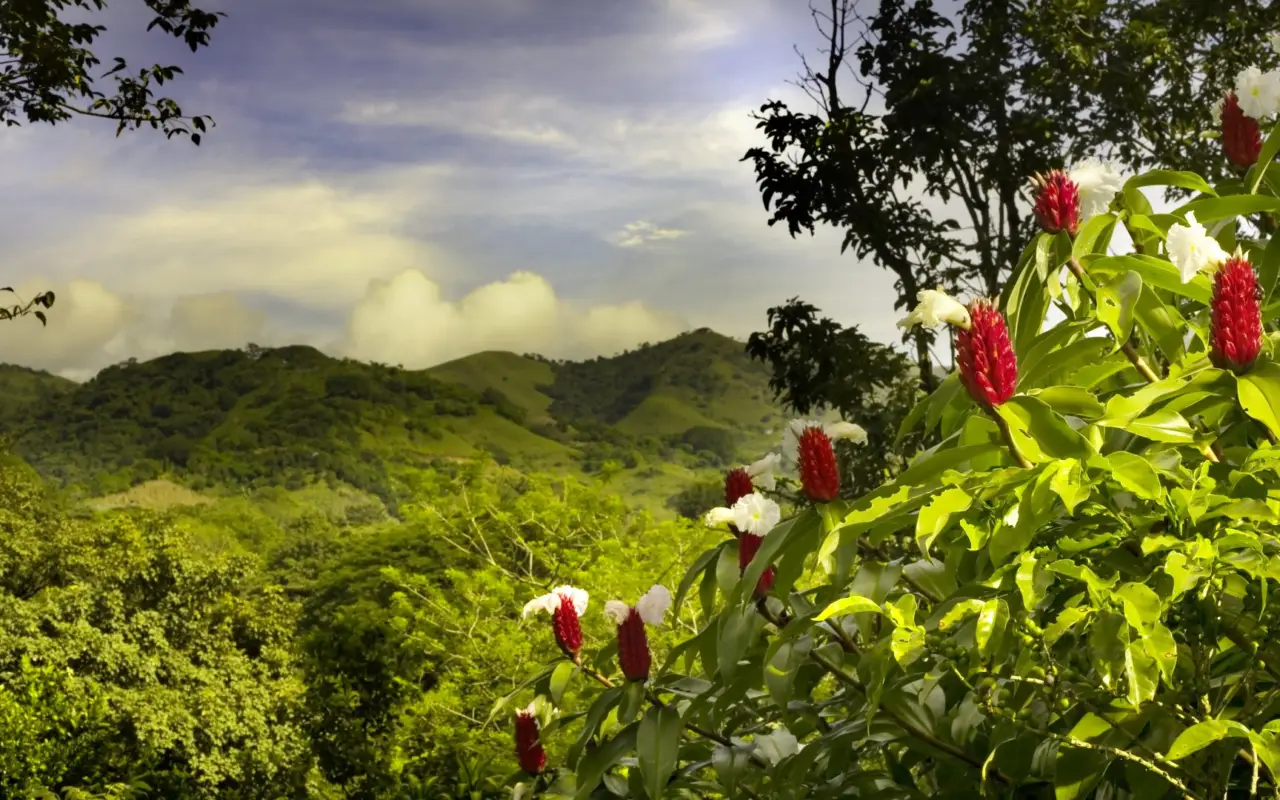
Known worldwide as a prime destination for ecotourism, the Monteverde and Gulf of Nicoya region offers stunning landscapes.
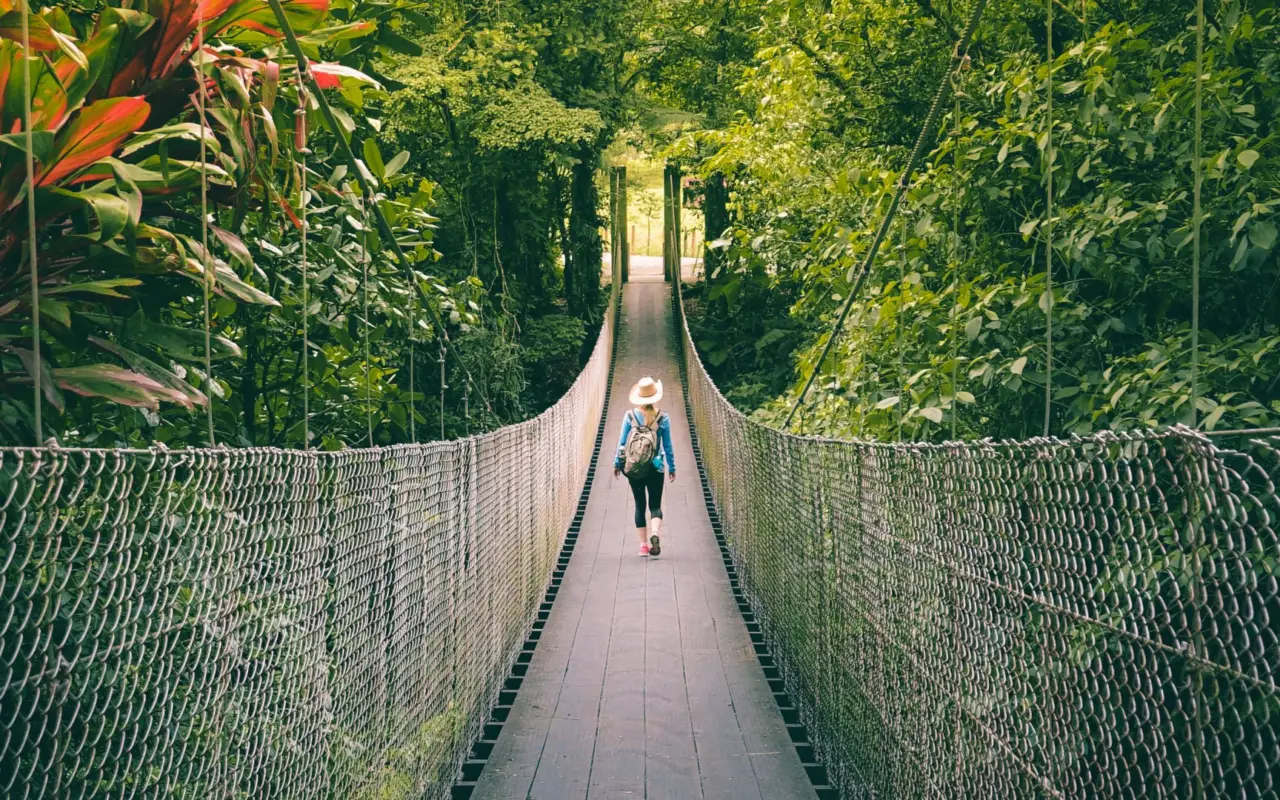
To the east, the Tilarán mountain range is partially protected by theMonteverde Biological Reserve. The cloud forests of Monteverde are perhaps Costa Rica’s most famous attraction. Enjoy an unforgettable experience on a zip line or walking across suspension bridges high above the canopy, and, with a little luck, you might spot a legendary quetzal.
Enjoy an exceptional view of theGulf of Nicoya, stroll along the coastline, explore the mangrove swamp, and observe the many crocodiles and waterbirds. Not far from there is Palo Verde Park, a richbird sanctuary where you’ll spot adorable agoutis, coatis, and peccaries. You can also meet the villagers who practice traditional fishing.
Where is Monteverde?
Monteverde is located in the province of Puntarenas, in the highlands of the Tilarán mountain range, at an elevation of about 1,440 meters. From San José, the drive takes about two and a half to three and a half hours, part of which is on winding roads. The climate is cool and misty for much of the day. The villages of Santa Elena and Monteverde serve as starting points for the nature reserves and activities.
The Monteverde Cloud Forest
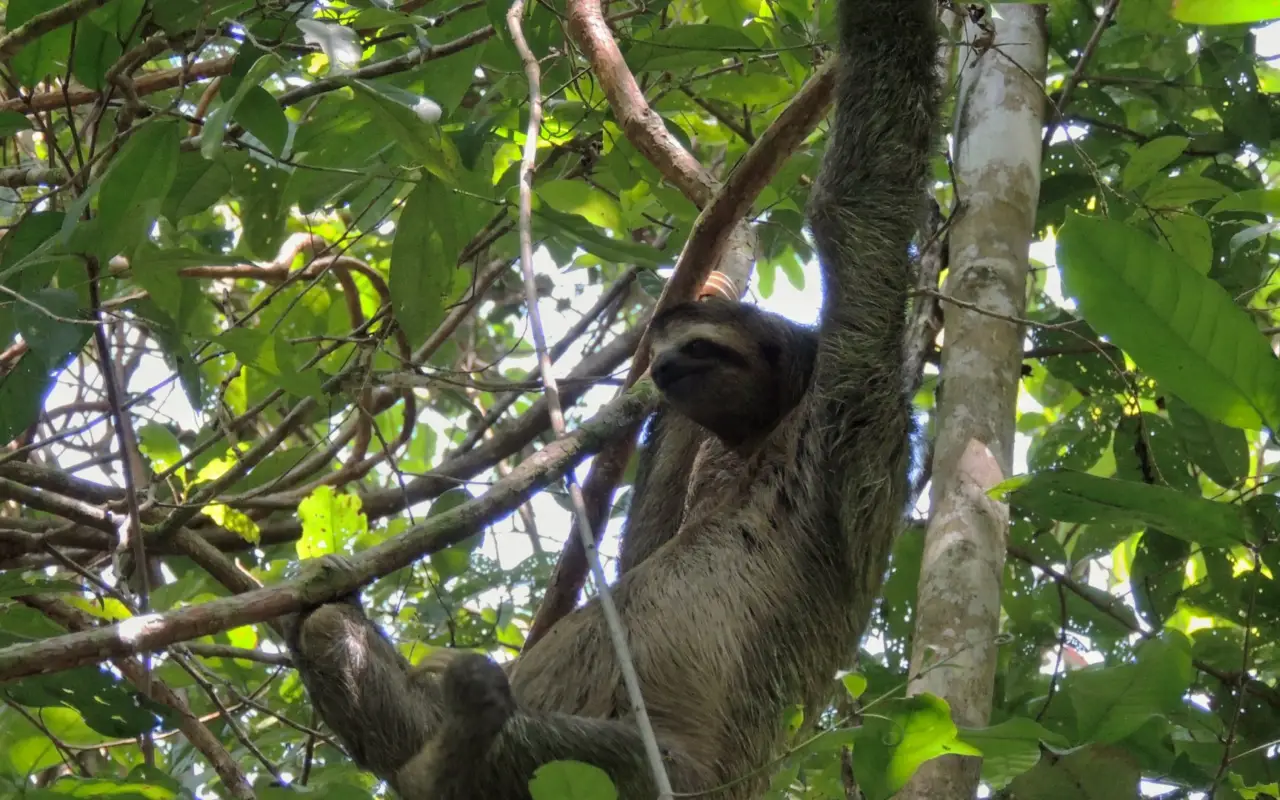
The Bosque Nuboso Monteverde Biological Reserve was established in 1972, on the initiative of scientists and a Quaker community that had settled there in the 1950s. It protects approximately 10,500 hectares of cloud forest, managed by the Centro Científico Tropical. Nearly 2,500 plant species have been recorded there, including several hundred orchids. The fauna includes more than 400 species of birds, about 100 mammals, and numerous reptiles and amphibians. The neighboring Santa Elena Reserve, managed by the local community, offers a quieter alternative.
What to See and Do in Monteverde
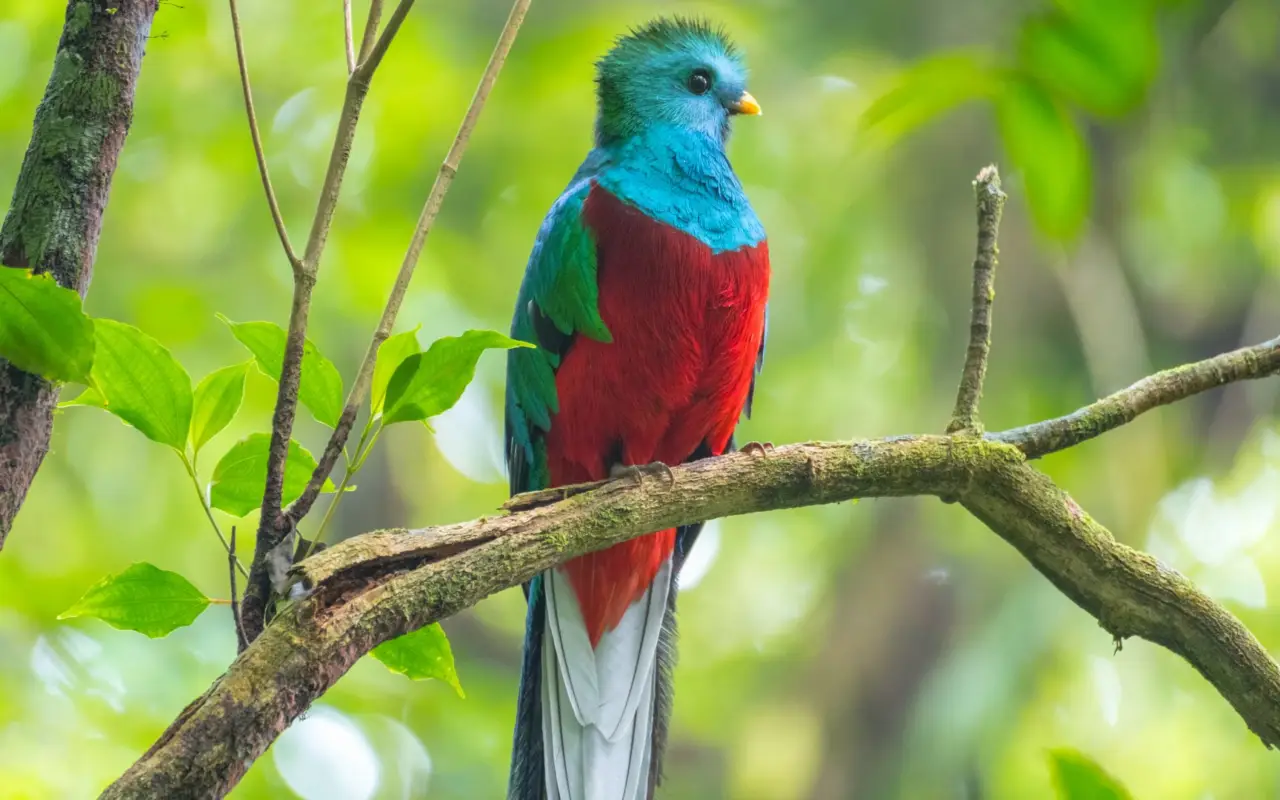
Birdwatching
Visitors explore the reserve with an ornithologist guide. It is home to the resplendent quetzal, the region’s iconic bird, as well as hummingbirds, the orange-throated trogon, and the three-crested araponga, also known as the Pájaro Campana. The quetzal is best observed from February through July, during its breeding season. The first tours depart early in the morning. See our birdwatching tour across the country.

ORCHID COLLECTION – Botanical Gardens
Tour of an orchid garden where nearly 500 species grow. This educational walk will delight lovers of miniature orchids, as a large part of the collection consists of Pleurothallis, Platystele, Dracula, Rodriguezia, Ornithocephalus… including the national flower, the “Guaria morada” (Guarianthe Skinneri).
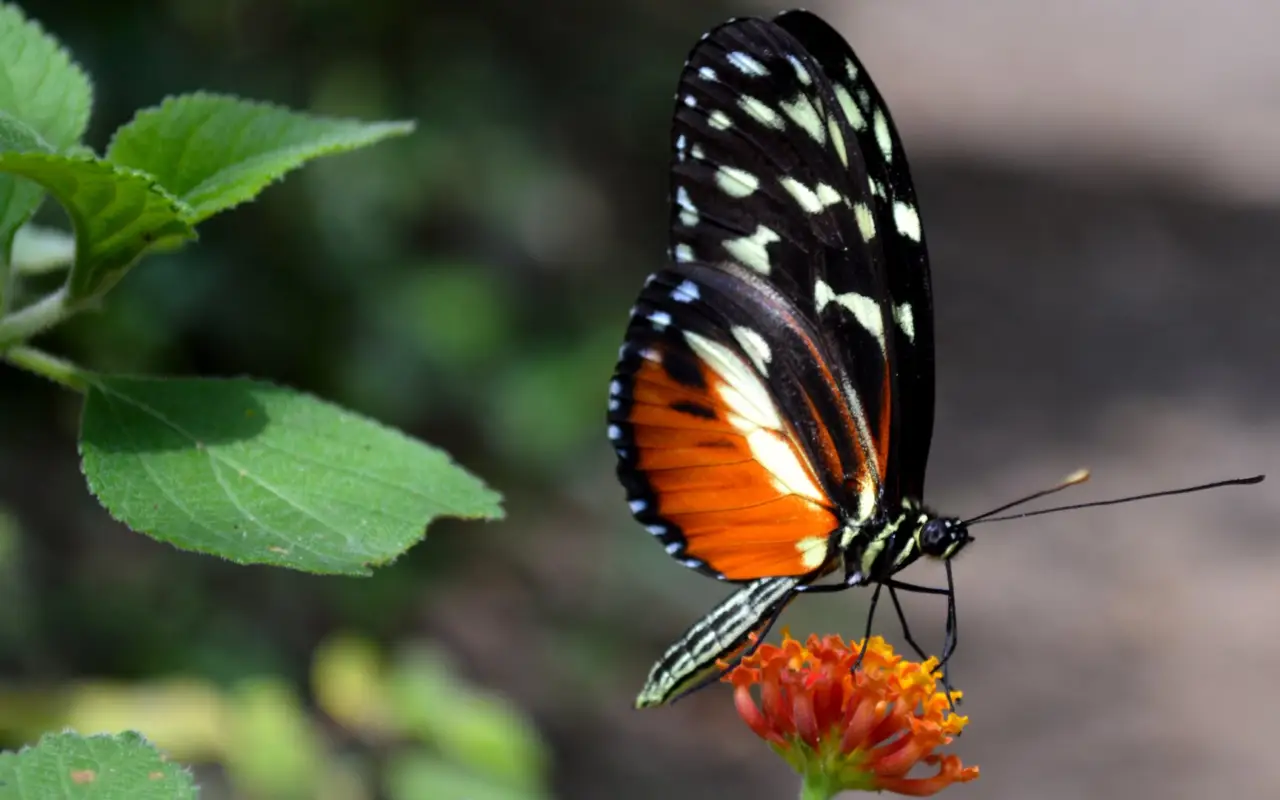
Orchid, Butterfly, and Insect Gardens
An orchid garden features nearly 500 species, including many miniature varieties and the national flower, the Guaria morada. Selvatura Park is home to the “Jewels of the Rainforest” exhibition, one of the world’s largest private collections of insects, assembled by entomologist Richard Whitten. It features thousands of butterflies, stick insects, and beetles organized by theme.

Snakes and Frogs
A vivarium, or ranarium, features more than twenty species of snakes from Costa Rican forests. Here you can see the terciopelo, or lancehead, one of the most feared snakes, as well as its predator, the mussurana. Several species of colorful frogs round out the visit.
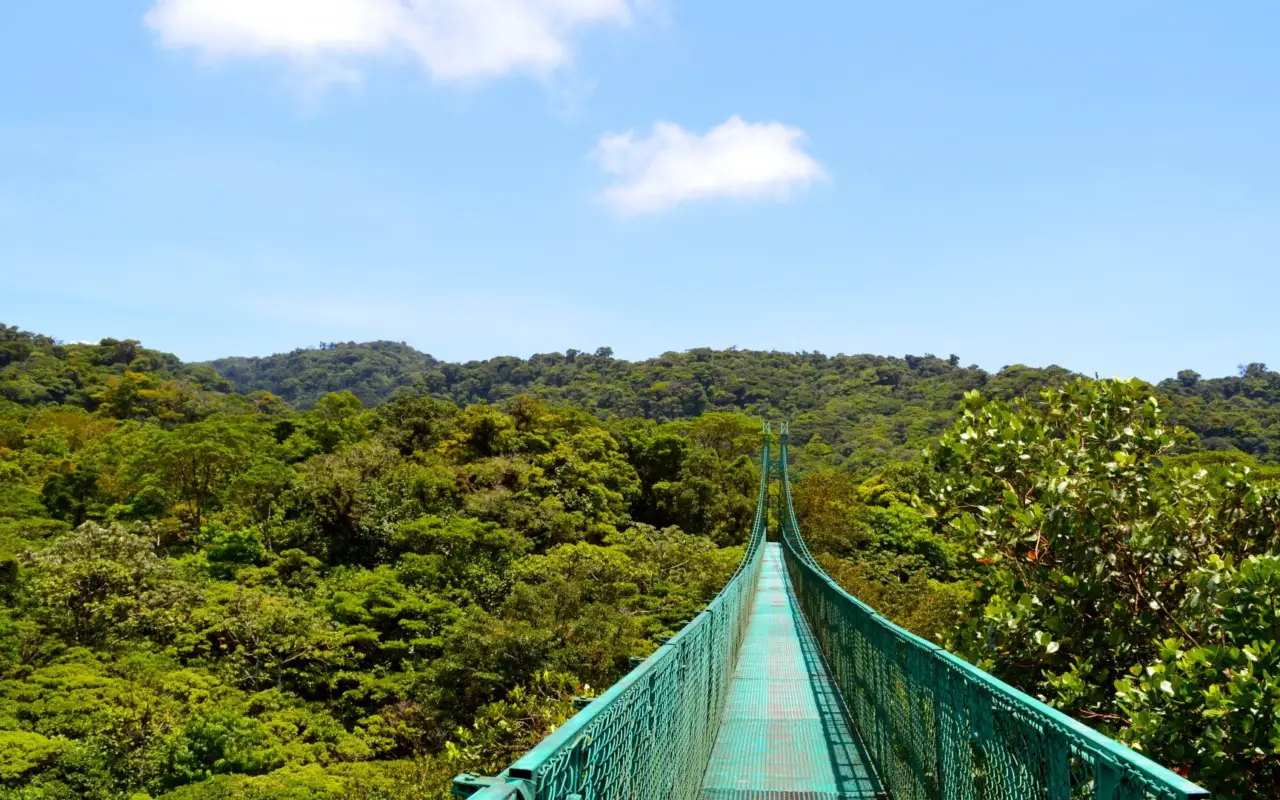
Canopy Tours, Zip Lines, and Suspension Bridges
Monteverde is the perfect place to explore the canopy. On a zip line, you glide from one platform to another high above the forest. On the suspension bridges, you walk at treetop level. A cable car also offers panoramic views of the vegetation. These trails are spread across several private parks in the region.
The Gulf of Nicoya
The Gulf of Nicoya separates the Nicoya Peninsula from the rest of the country. Its shores offer views of the coastline, mangroves, and an abundance of wildlife, including crocodiles and waterfowl. The city of Puntarenas serves as the gateway to the region. The gulf is home to several islands, including Isla Chira and Isla San Lucas, a former prison that has been turned into a national park. Small-scale fishing remains an important activity for local communities. The Nicoya region , one of the world’s “blue zones,” lies just beyond.
Palo Verde National Park
To the north of the gulf, Palo Verde National Park protects one of Central America’s last remaining dry tropical forests. A total of 279 bird species have been recorded there, a richness linked to the diversity of its habitats. The park features forested hills, freshwater and saltwater lagoons, mangroves, and marshes along the Tempisque River. It can be explored on foot or by boat. It is one of the country’s best birdwatching sites, particularly for waterbirds.
Coffee and Culture
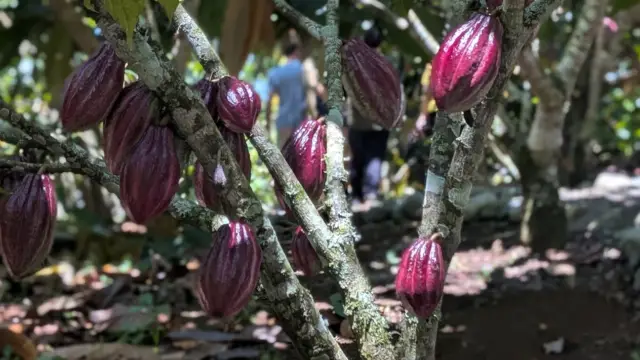
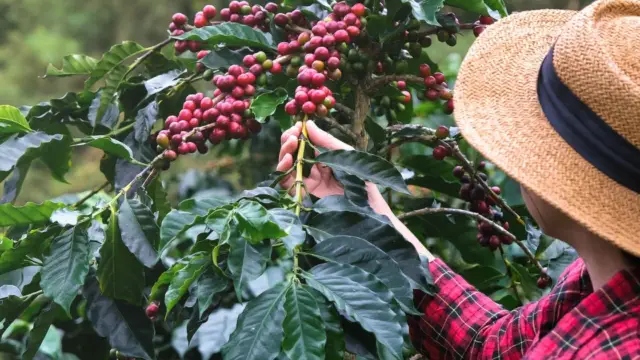
Costa Rica is renowned for its coffee. A visit to a finca allows you to follow the production process from seed to cup, complete with a tasting. Our article “Costa Rica, Land of Coffee” details this industry. In the heart of the gulf, Isla Chira offers a community-based tourism experience. Its residents have formed an association focused on small-scale fishing and mangrove tours.

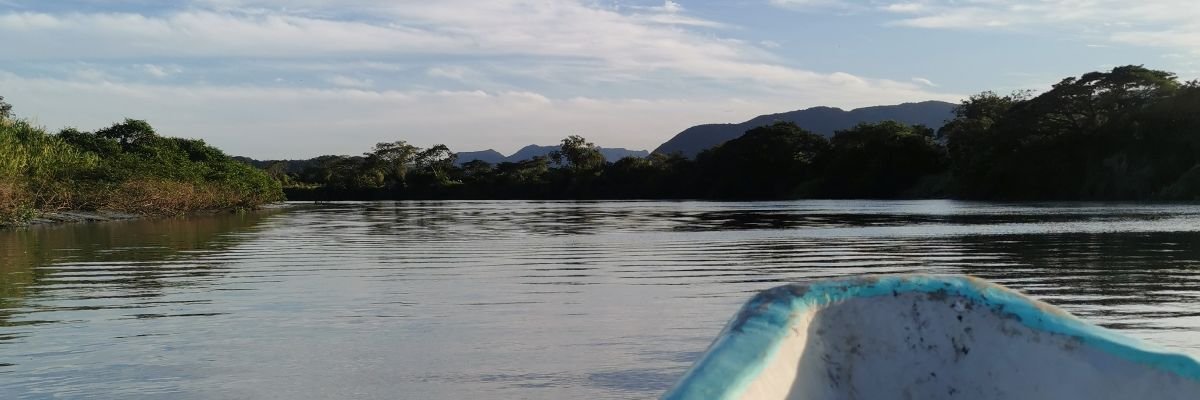
PALO VERDE – Bird Sanctuary
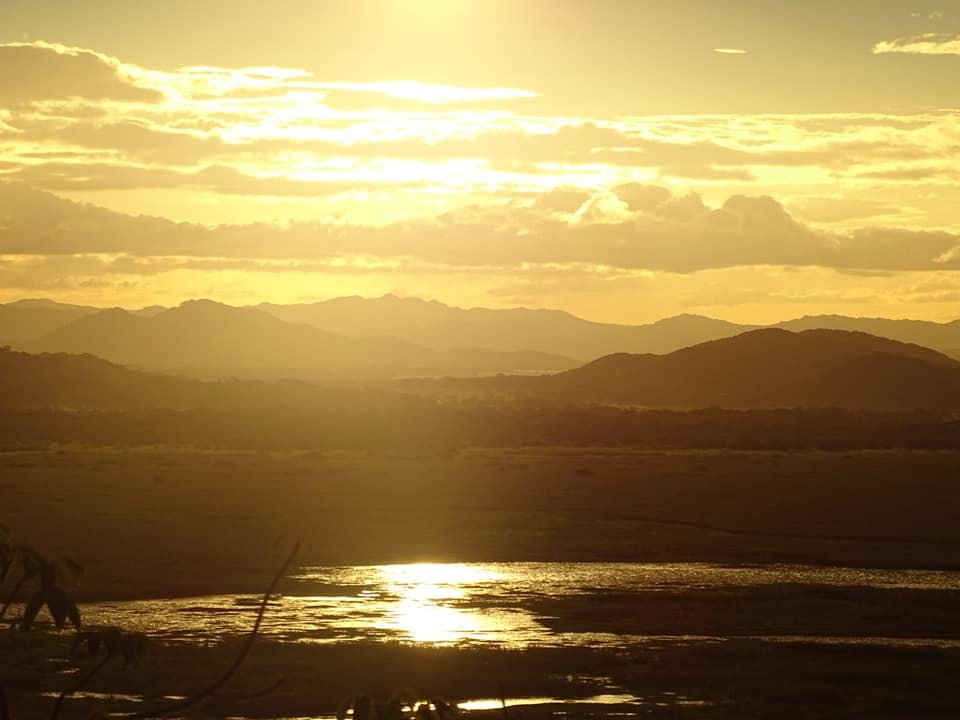
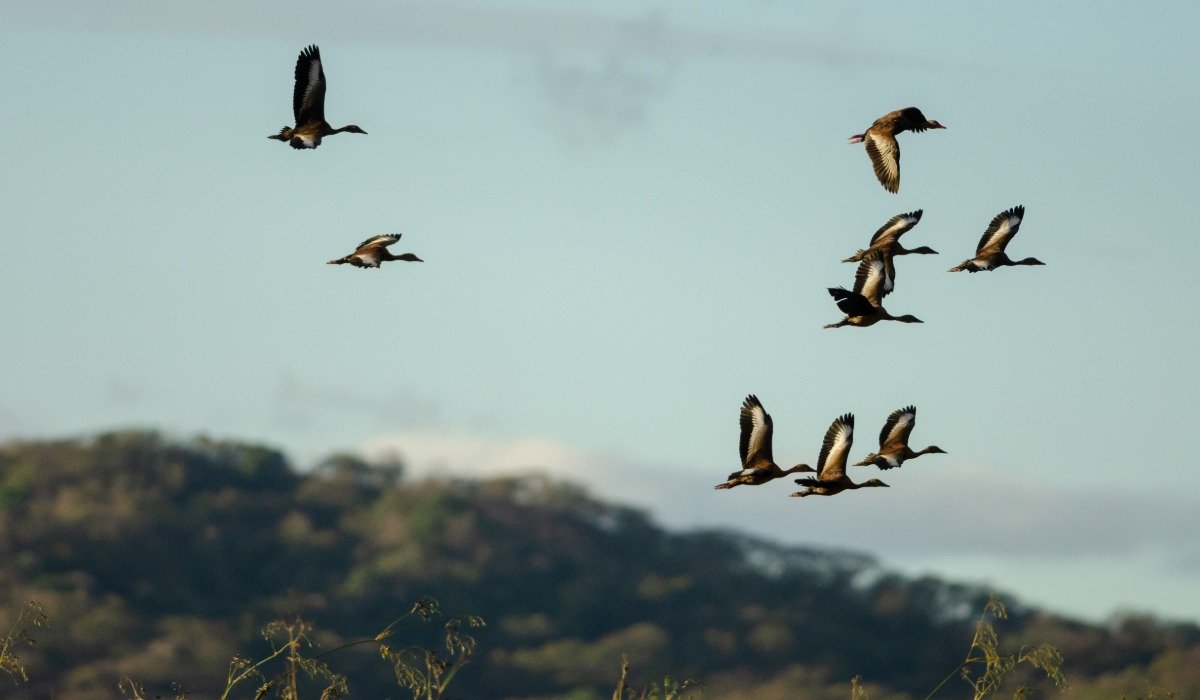
If you’re passionate about birdwatching, you’ll love visiting Palo Verde National Park, where 279 bird species have been recorded. The park’s rich avian diversity is largely due to the fact that it is home to a dozen different types of natural habitats. Among these are lowland dry tropical forests, consisting of wooded hills, saltwater and freshwater lagoons, mangroves, swamps, and vast grasslands.
NATURE RESERVES – Monteverde and Santa Elena
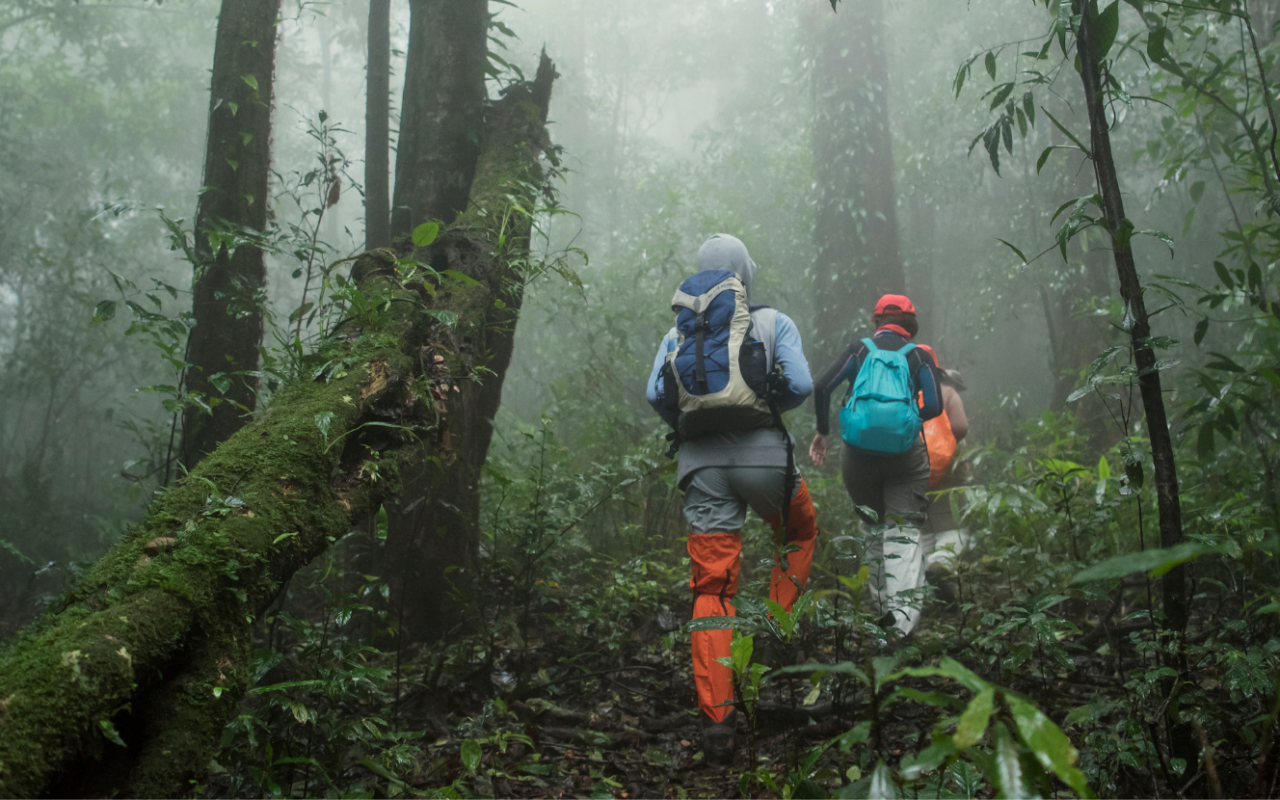
The region is one of the greenest in Costa Rica. The Monteverde Biological Reserve and the Santa Elena Cloud Forest Reserve are home to a wide variety of flora and fauna, most of which are “unique” in the world. The various trails (hiking, suspension bridge walks) allow visitors to observe the surrounding vegetation. Several hundred species of birds, butterflies, amphibians, and mammals have been identified here, along with thousands of plants and insects.
RAINFOREST – Typical Vegetation
This jungle, which feels almost mystical due to the light veiled by humidity (100%), is home to 400 species of birds, more than a hundred mammals, and around 120 species of reptiles. The trees are adorned with orchids and bromeliads, while moss, ferns, and all kinds of climbing plants grow everywhere thanks to the high humidity in the air. In total, nearly 2,500 plant species have been identified in the Monteverde region.
ISLA CHIRA – Mangroves and Traditional Fishing
In the heart of the Gulf of Nicoya, the women of Isla Chira have formed an association to generate new sources of income while contributing to the protection and sustainable development of their land’s natural resources. An authentic experience: cultural encounters, artisanal fishing, and a walk through the mangroves.
When to Visit
Monteverde can be visited year-round, but it remains cool and humid. The dry season makes access and birdwatching easier, while quetzals are best seen toward the end of the dry season.
| Season | Conditions |
|---|---|
| December through April (dry season) | Easier access, passable trails, quetzals visible from February to July, high visitor traffic |
| May through November (wet season) | Very humid and misty forest, dense vegetation, less crowded sites |
Frequently Asked Questions
Where is Monteverde located in Costa Rica?
Monteverde is located in the province of Puntarenas, in the Tilarán mountain range, at an elevation of about 1,440 meters. It’s about a three-hour drive from San José.
When isthe best timeto see the quetzal in Monteverde?
The resplendent quetzal is best seen from February through July, during its breeding season. An early morning outing with a guide increases your chances of spotting one.
How do you get to Monteverde from San José?
By car, the trip takes between two and a half and three and a half hours, part of which is on winding roads. The region can also be reached from Arenal Volcano, which is close by as the crow flies.
What is the difference between the Monteverde Reserve and the Santa Elena Reserve?
TheMonteverdeBiological Reserve is the best known and most visited. TheSanta ElenaReserve, managed by the local community, is quieter and located at a higher elevation.
What is the Gulf of Nicoya?
It is the large gulf that separates the Nicoya Peninsula from the rest of the country. It is home to mangroves, islands, and small-scale fishing, with Puntarenas serving as its gateway.
In summary
| Element | Details |
|---|---|
| Location | Tilarán Mountain Range, Puntarenas Province |
| Elevation | Approximately 1,440 m in Monteverde |
| Reserves | Monteverde and Santa Elena, cloud forests |
| Flagship wildlife | Resplendent quetzal, araponga, hummingbirds |
| Activities | Birdwatching, zip-lining, suspension bridges, coffee |
| Gulf of Nicoya | Mangroves, artisanal fishing, Palo Verde |
| Access | 2.5 to 3.5 hours from San José |
To continue your journey toward the coast, explore our Guanacaste region and the Nicoya Peninsula.
Article updated on July 29, 2026.
About Terra Caribea
Terra Caribea is a local, inbound travel agency that has been based in Costa Rica since 2008 and also operates in Panama. Our office is located in San José, in the Barrio Escalante neighborhood, near France Park. Our team consists of Costa Ricans and French nationals who live locally and design each itinerary directly, without intermediaries. In Monteverde, we work with naturalist guides and reserves dedicated to cloud forest conservation. The agency is Travelife and Esencial Costa Rica certified and is part of the Terra Panamerica network. Why Travel with a Local Agency — Our Team — Our Travelife Certification — Customized Travel