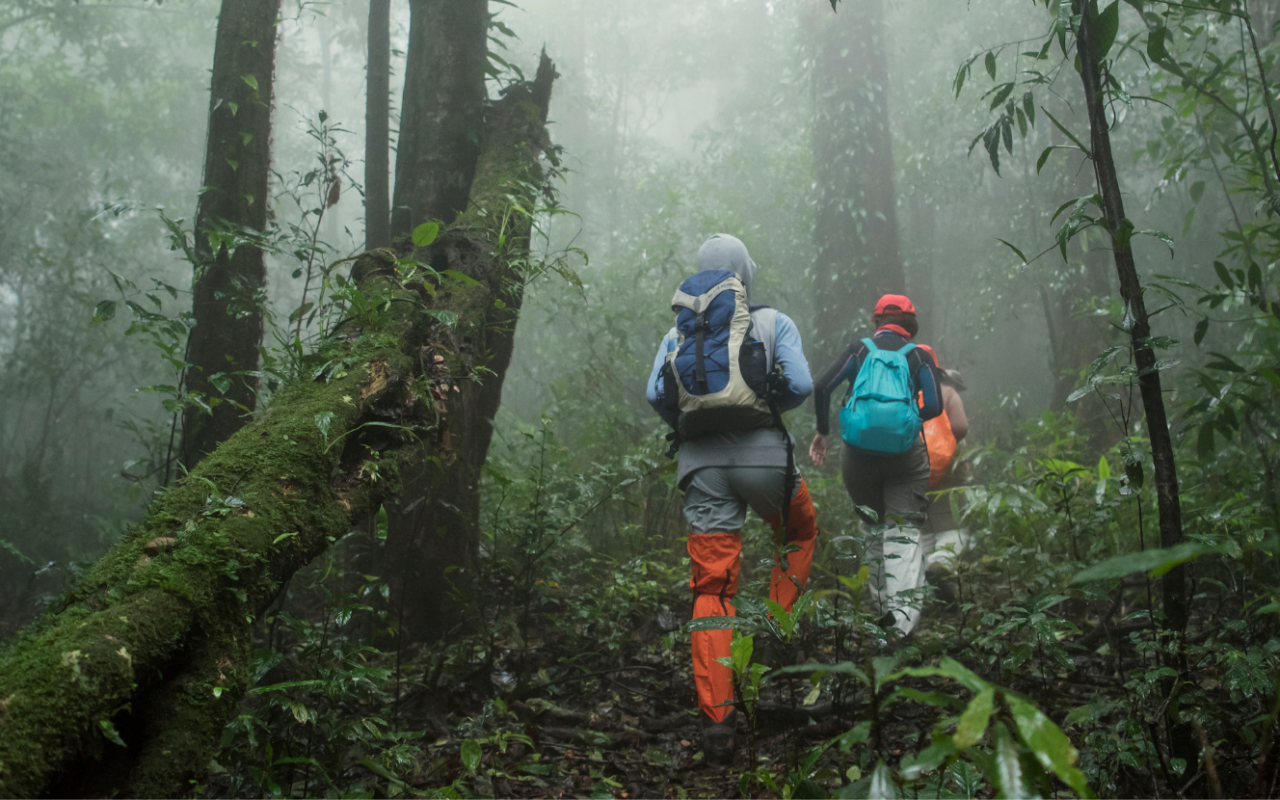
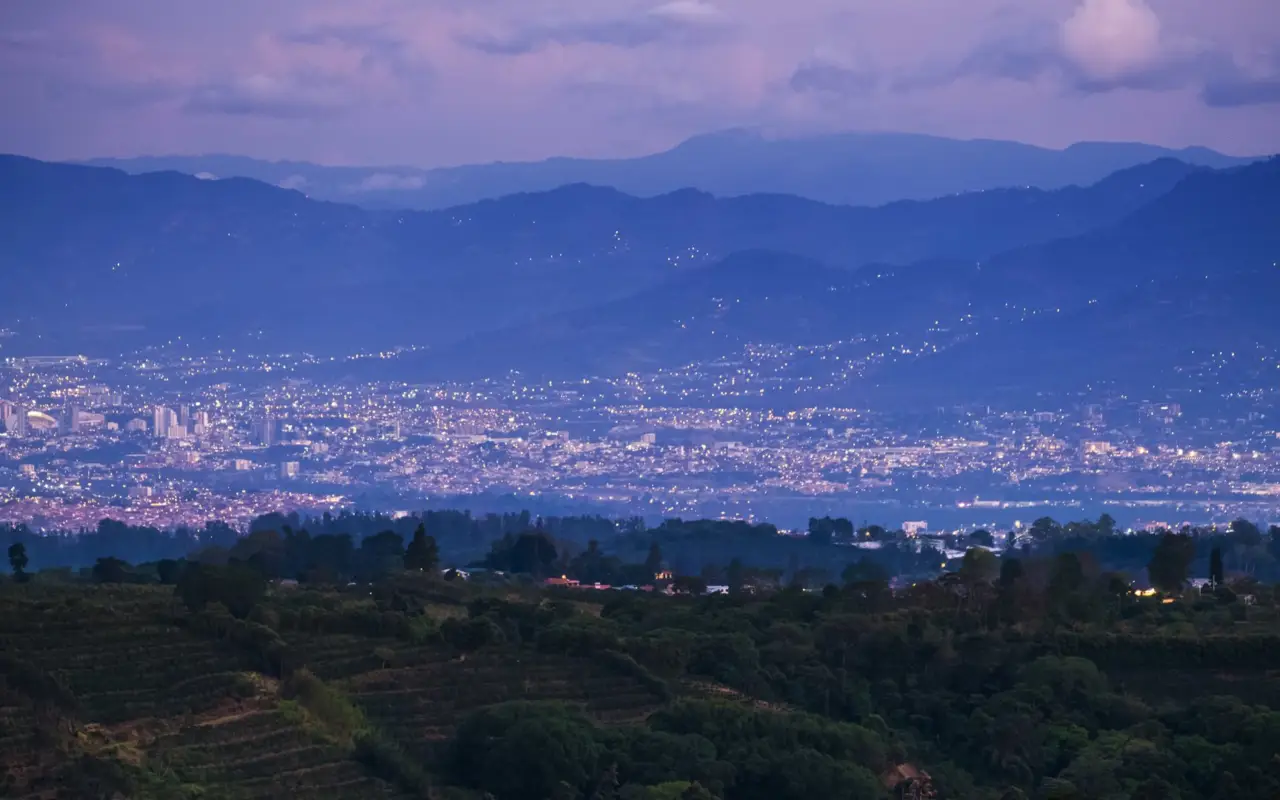
Costa Rica’s Central Valley is home to the capital, San José; three accessible volcanoes (Poás, Irazú, and Turrialba); two agricultural valleys (Orosi and Turrialba); and the country’s main archaeological site, Guayabo. Located at an elevation of between 1,100 and 3,400 meters, it can be visited year-round and serves as the starting point for most customized tours.
In the heart of the country, San José is surrounded by cultivated valleys and active volcanoes.The region is home to the country’s cultural highlights, coffee plantations, and several parks, all within a two-hour drive. It’s ideal for a first visit to Costa Rica or as a stopover between two regions. Most travelers spend time there at the beginning or end of their trip, upon arrival at San José Airport.
The lush landscapes of the Central Valley
San José, the capital of Costa Rica
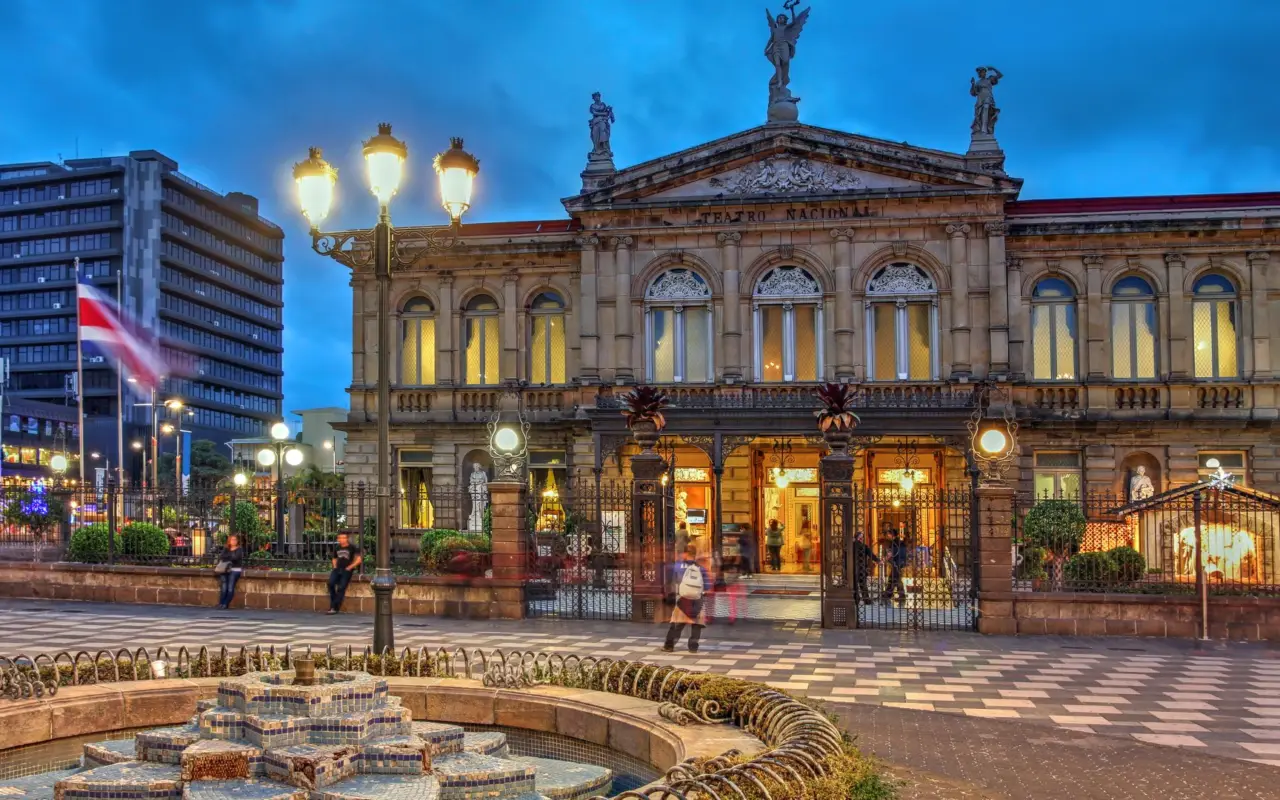
San José lies in the heart of the Central Valley, at an elevation of about 1,170 meters. This bustling city, with its lively markets, is home to more than a third of Costa Rica’s population. Here you can visit the Museum of Pre-Columbian Gold, the Jade Museum, and the National Theater, a fine example of late 19th-century neoclassical architecture. The Central Market and the Amón and Escalante neighborhoods round out the experience. Its year-round spring-like climate invites you to stroll and soak up the country’s motto, “Pura Vida.”
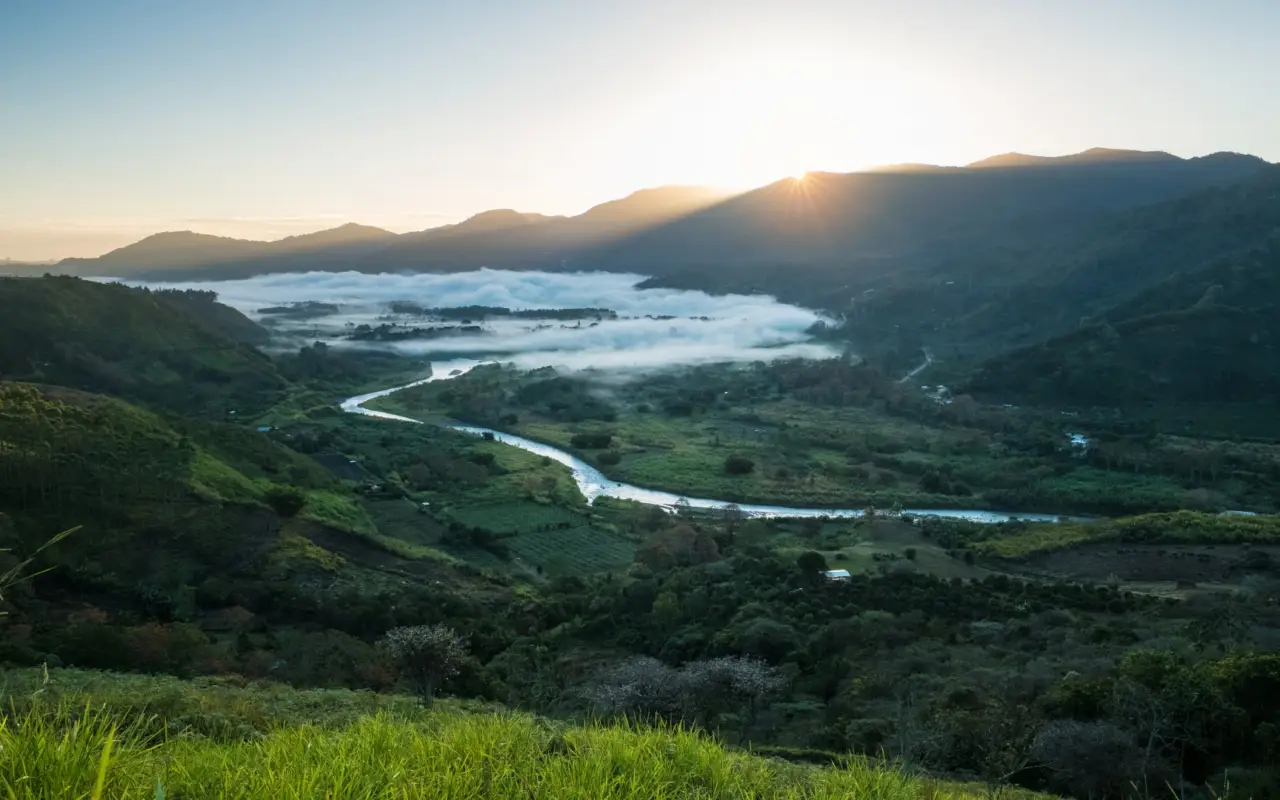
Orosi Valley, Picturesque Landscapes
With its idyllic landscapes, charming villages, and colonial churches, the Orosi Valley offers a wide variety of excursions. The colonial church in Orosi, built in the 18th century, is one of the oldest still in use in the country. Nearby, the ruins of Ujarrás and the Cachí Reservoir complete the scenic loop. The Lankester Botanical Gardens, managed by the University of Costa Rica, are renowned for their orchid collection. Tapantí National Park, one of the rainiest in the country, is an ideal spot for hiking and birdwatching.
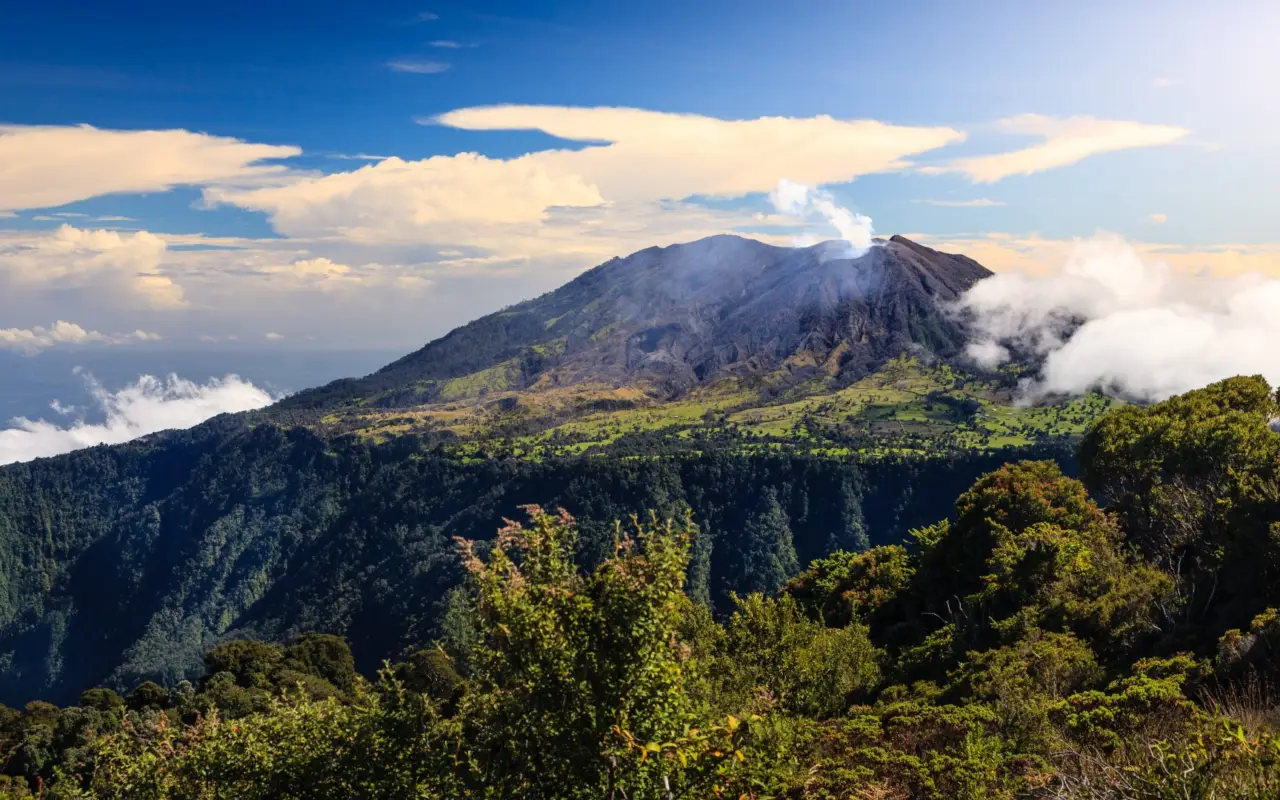
Turrialba Valley, Between Volcanoes and Coffee Plantations
The Turrialba Valley attracts rafting enthusiasts to the Pacuare and Reventazón Rivers, renowned for their rapids and wooded gorges. It also serves as a starting point for hikes on the slopes of the Turrialba Volcano and visits to CATIE’s tropical plantations. The Guayabo archaeological site, the most important in the country, is located about 20 kilometers northeast of the city.
Volcanoes
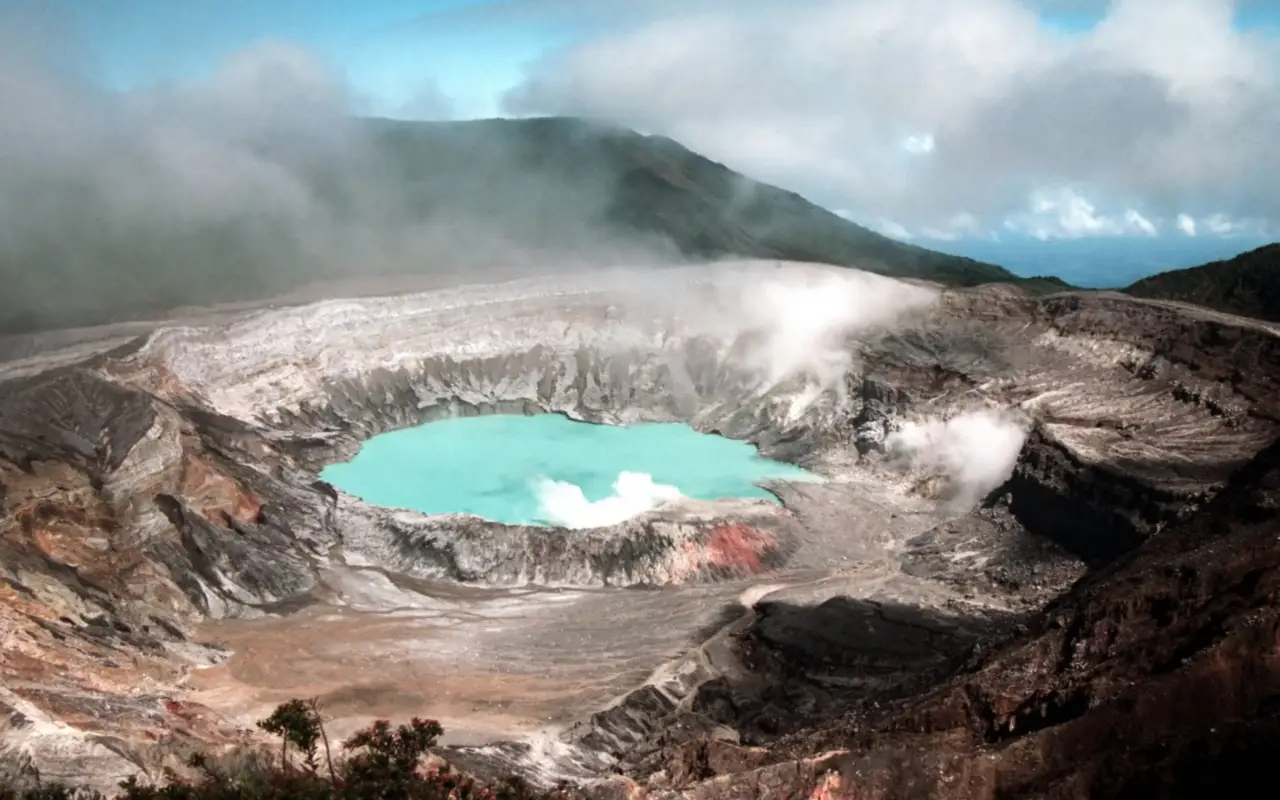
The Volcanoes of the Central Valley
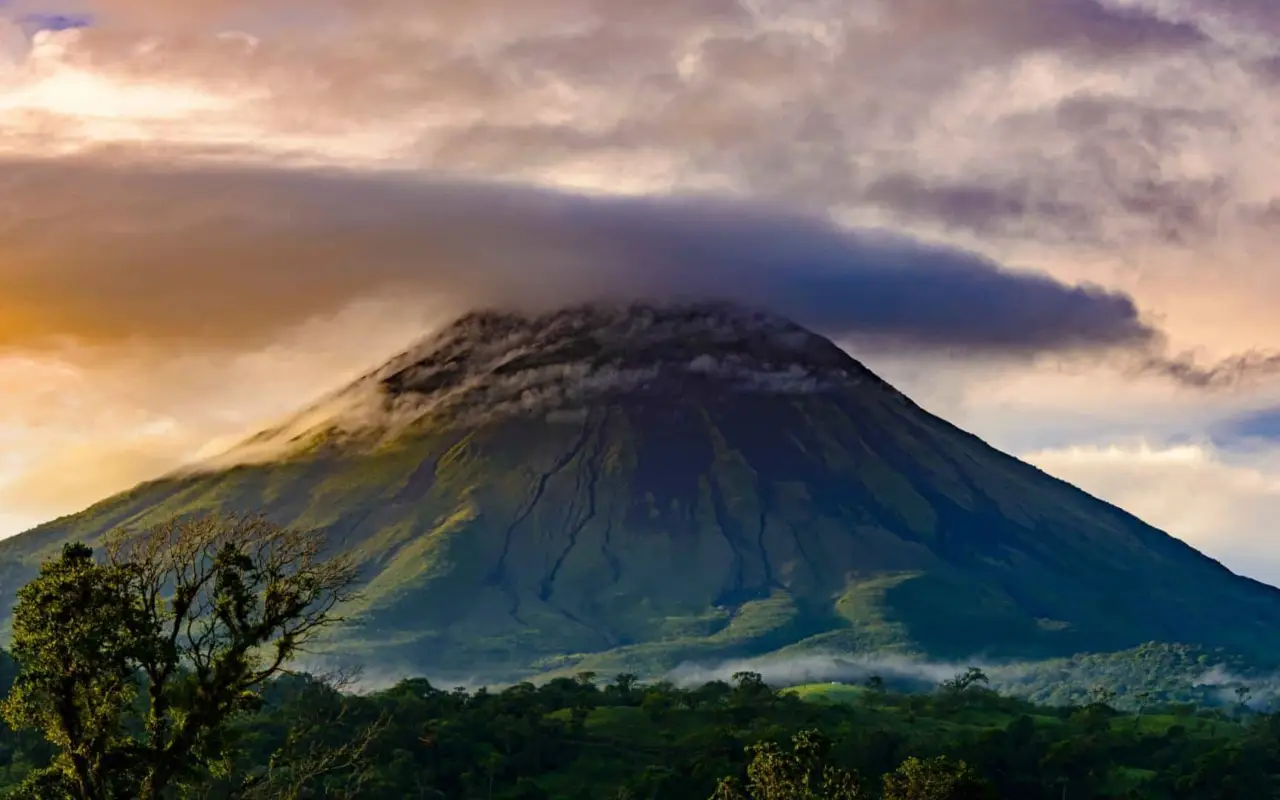
Three volcanoes dominate the region, all accessible by road from San José. Their craters, lagoons, and cloud forests are among the most visited landscapes in Costa Rica. The table below summarizes their main characteristics.
| Volcano | Elevation | Status | Access from San José | Things to See |
|---|---|---|---|---|
| Poás | 2,708 m | Active | About 1 hour and 30 minutes; SINAC reservation required | 1.5-km crater, acidic lake, Botos Lagoon |
| Irazú | 3,432 m | Active | About 1 hour and 30 minutes via Cartago | The country’s highest volcano, green crater lake |
| Turrialba | 3,340 m | Active | Varies; access closed during eruptions | Three craters, panoramic views of the Caribbean and the Pacific |
Poás. Rising to 2,708 meters, Poás is home to one of the world’s largest active craters, approximately 1.5 kilometers wide and 300 meters deep. A scenic road leads to the summit, overlooking the crater and its acidic lake. A marked trail then leads through the cloud forest to Botos Lagoon, a former crater filled with freshwater. The volcano experiences phreatic eruptions. Visits must be booked in advance online through SINAC; tickets are not sold on-site.
Turrialba. Turrialba Volcano National Park, established in 1955, protects the cloud forests on the upper reaches of the valley. The volcano is regularly active, with eruptions that sometimes result in the closure of access. From the summit, at 3,340 meters, you can see the active crater and, on a clear day, the Caribbean coast.
Irazú. At 3,432 meters, Irazú is Costa Rica’s highest volcano. An observation deck offers a bird’s-eye view of the main crater, which is 300 meters deep and one kilometer wide. Depending on the time of year, the lake within the crater takes on a distinct green hue. Its eruption from 1963 to 1965 covered part of the Central Valley with ash. The park has protected more than 2,000 hectares since 1955.
To learn more about the geological context of these peaks, visit our page on Geology and Volcanoes of Costa Rica. The complete list of protected areas can be found in our guide to national parks and reserves.
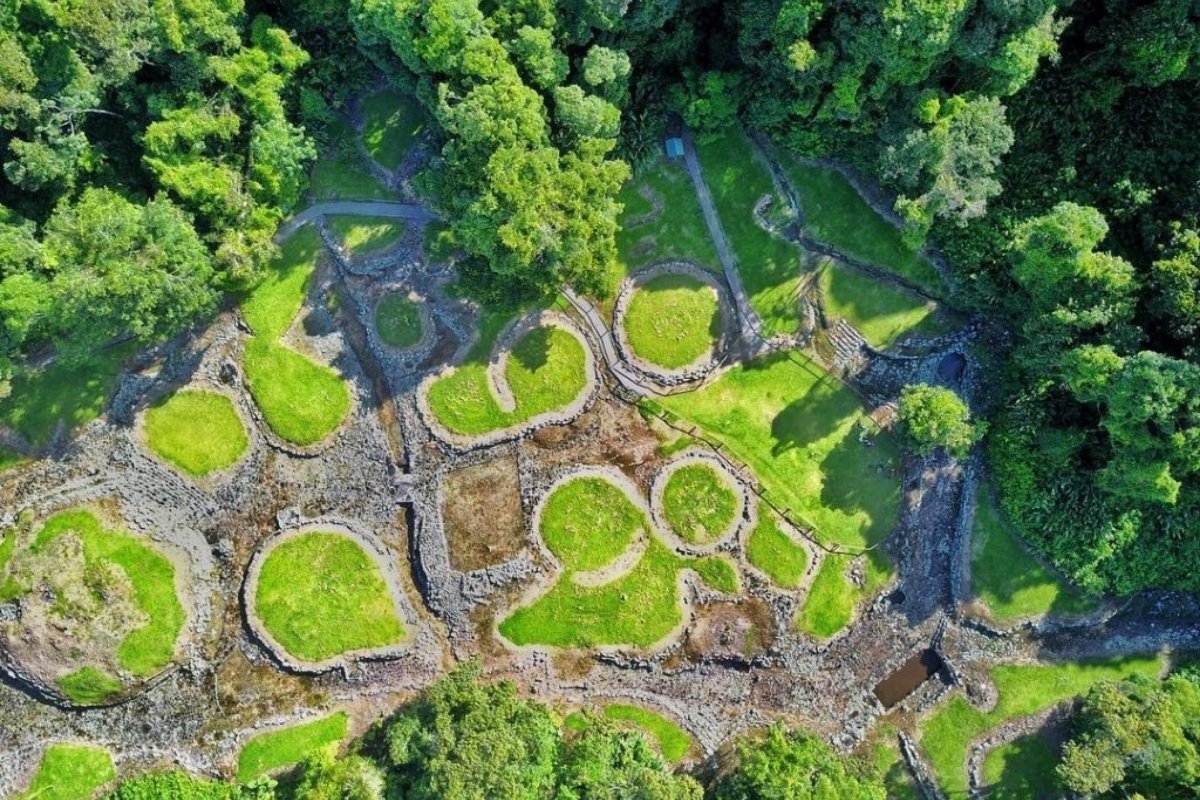
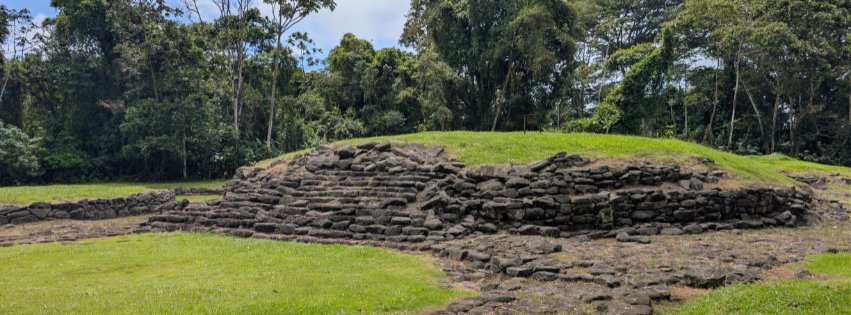
Guayabo, the country’s main archaeological site
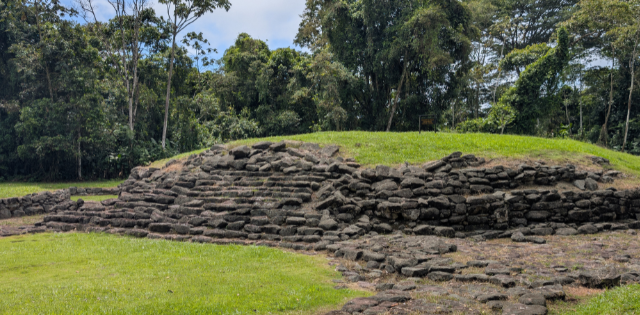
About 20 kilometers northeast of Turrialba, on the slopes of the volcano, the Guayabo National Monument preserves the remains of the oldest known pre-Columbian city in Costa Rica. The site covers approximately 232 hectares, including about 15 hectares of archaeological area, only part of which has been excavated. It was inhabited for nearly 2,400 years, from 1000 BCE to 1400 CE.
Features include circular mounds, paved roads, stairways, tombs, and a still-functional aqueduct system. Designated a national monument in 1973, Guayabo was awarded World Heritage of Civil Engineering status by the American Society of Civil Engineers in 2009. The site is managed by SINAC. Our dedicated article details the main archaeological sites in Costa Rica.
Tours and Activities
Coffee Fincas, Traditional Plantations
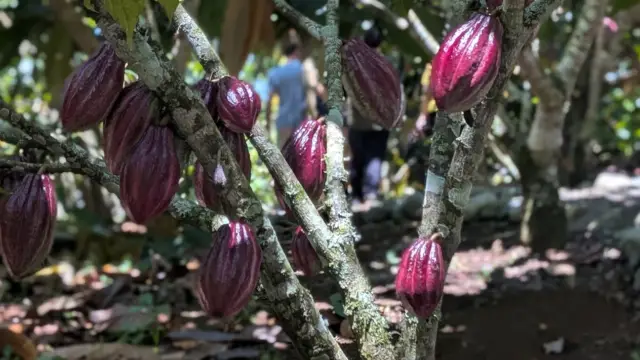
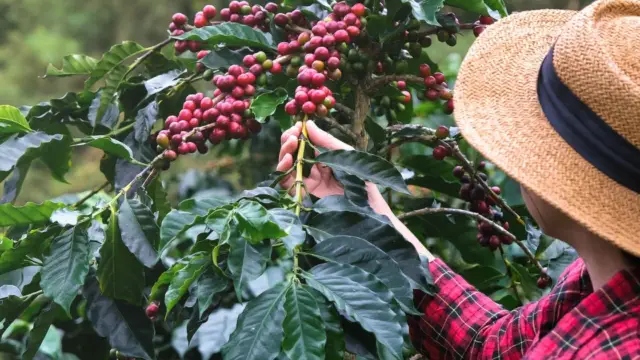
Costa Rica is renowned for its coffee. A visit to a finca lets you follow the production process, from seed to cup. You can stroll among the coffee trees, compare different flavors during a tasting, and visit a beneficio, the mill where the beans are processed. Our article “Costa Rica, Land of Coffee” provides a detailed look at this industry.
Rafting on the Pacuare River
The Pacuare is one of the world’s most renowned rafting destinations. Its rapids, rated Class III and IV, wind through forested gorges teeming with flora and fauna, punctuated by rapids and waterfalls. Some waterfalls plunge several dozen meters down the cliff faces. The activity can be arranged as a day trip or as a package that includes an overnight stay at a riverside lodge. See our adventures and extreme sports.
CATIE, Center for Tropical Agriculture
CATIE, a research and teaching center for tropical agriculture, is located in the Turrialba Valley. Agronomists consider it one of the leading agricultural research stations in the tropics. The tour covers the laboratories, greenhouses, seed banks, and experimental plots. You’ll discover the diversity of cultivated plants and their uses—whether medicinal, edible, or ornamental.
When to Visit
The Central Valley can be visited year-round, though conditions vary by season. Mornings generally offer the best views of the craters, before clouds form.
| Period | Conditions |
|---|---|
| December through April (dry season) | Clear skies in the morning, better visibility at higher elevations, higher visitor numbers |
| May through November (green season) | Lush green landscapes, showers in the late afternoon, less crowded sites |
Frequently Asked Questions
How much time should I spend in the Central Valley?
Two to three days are enough to see San José, one volcano, and either the Orosi or Turrialba Valley. This region is often included at the beginning or end of a tour.
Do I need to make a reservation to visit Poás Volcano?
Yes. Admission to Poás Volcano National Park must be booked in advance online through SINAC. Tickets are not sold on-site.
What is the highest volcano in Costa Rica?
Irazú, at 3,432 meters, is the country’s highest volcano. It is located in the Central Valley and is accessible by road from Cartago.
Is there rafting near San José?
Yes. The Pacuare and Reventazón rivers in the Turrialba Valley offer great rafting less than two hours from the capital.
What is there to see in Guayabo?
The site features pre-Columbian stone mounds, paved roads, tombs, and aqueducts. A tour of the structures takes about thirty minutes.
In summary
| Element | Details |
|---|---|
| Major Cities | San José, Cartago, Turrialba, Orosi |
| Elevation | From 1,100 m (San José) to 3,432 m (Irazú) |
| Accessible volcanoes | Poás, Irazú, Turrialba |
| Archaeological site | Guayabo National Monument |
| Top activities | Coffee, rafting, hiking, colonial heritage |
| Best time to visit | December through April for the best visibility |
| Recommended duration | 2 to 3 days, often at the beginning or end of a tour |
Article updated on July 29, 2026.