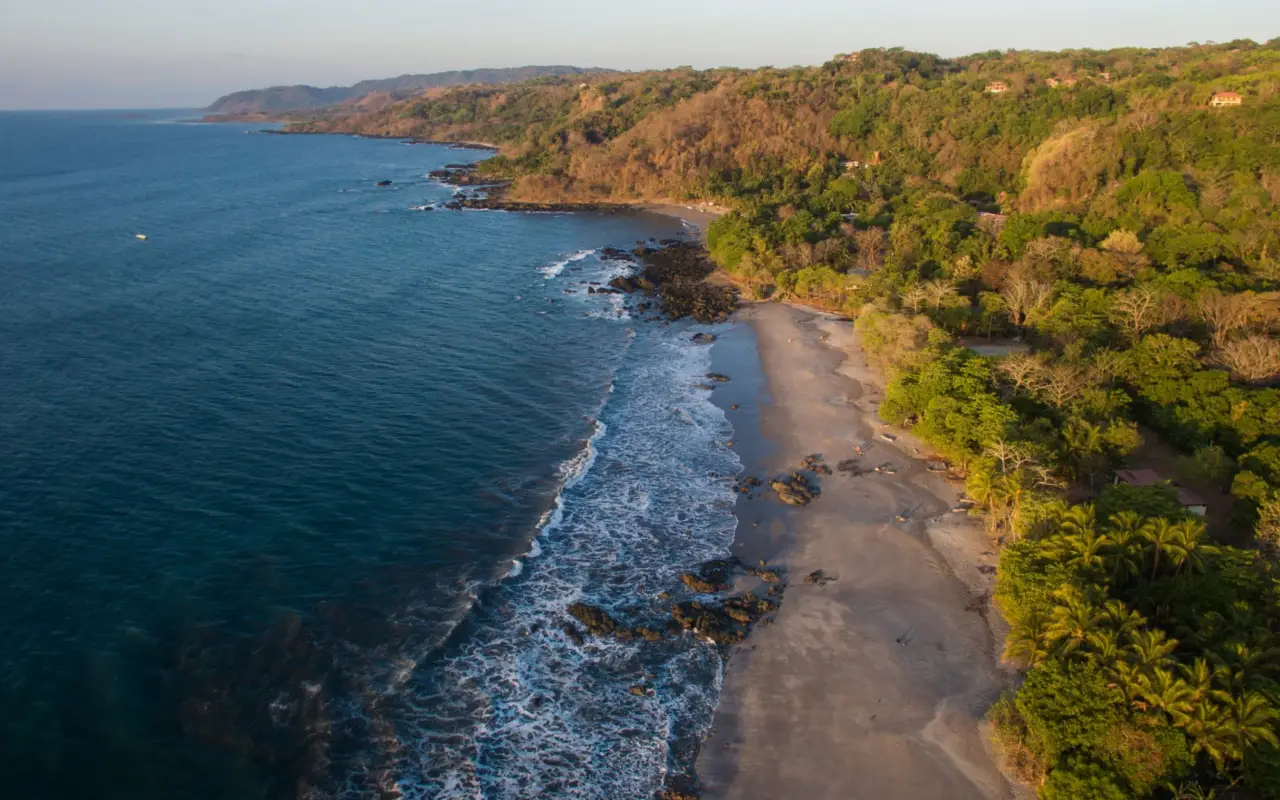
Costa Rica’s central Pacific coast stretches from Puntarenas to Uvita, passing through Jacó, Manuel Antonio, and Carara. It features easily accessible beaches, Manuel Antonio National Park and its wildlife, surfing, sport fishing, and whale watching at Marino Ballena. It takes about three hours by car from San José to reach Manuel Antonio.
An iconic and easily accessible destination in Costa Rica, the central Pacific coast is a favorite among those who love to relax, seasoned fishermen, and hiking enthusiasts. From Puntarenas to Uvita, via Manuel Antonio and Carara, the natural beauty of this region is sure to amaze you.
Manuel Antonio National Parkis a true gem, combining idyllic beaches with abundant flora and fauna: colorful butterflies, monkeys, sloths, raccoons, toucans… and so much more!
Further north,Carara National Parkis home to numerous bird species. It’s one of the last places where you can still spot scarlet macaws: admire them and listen to their distinctive, hoarse calls!
Thecentral Pacific coastwill also delight surfers, who won’t want to miss the chance to ride the waves at Jaco, Playa Hermosa, or Dominical.
Finally, from August through November, you can observe the migration of humpback whales inMarino Ballena National Park.
Where is the Central Pacific Coast?
The region runs along the Pacific Ocean in the center of the country. Puntarenas marks its northern end, and Uvita its southern end. The coastal highway, the Costanera, runs along the entire coastline. From San José, Jacó is about an hour and a half away, Quepos and Manuel Antonio are nearly three hours away, and Uvita is four hours away. The table below summarizes the region’s main parks.
| National Park | Main Attraction | Access |
|---|---|---|
| Manuel Antonio | Beaches, capuchin monkeys, sloths, coastal forest | Near Quepos, online booking |
| Carara | Red macaws, Tárcoles crocodiles, transition forest | North of Jacó |
| Marino Ballena | Humpback whales, whale-tail sandbar, coral reef | In Uvita, to the south |
Manuel Antonio: Beaches and Wildlife
Manuel Antonio National Park is one of the smallest in the country, but also one of the most visited. It combines tropical rainforest, beaches, and wildlife that’s easy to spot: iguanas, sloths, capuchin monkeys, howler monkeys, and squirrel monkeys—an endangered species also known as the titi monkey. The park features four beaches, each ideal for swimming, snorkeling, or strolling. A mangrove forest adds to its biodiversity. On the edge of the park, the public beach at Espadilla remains freely accessible.
Access to the park requires an online reservation, and the site is closed one day a week. Be sure to check these conditions before your visit, as they are subject to change. From the bay, a catamaran cruise follows the coastline, winding through islets and rock formations, sometimes with dolphins passing by. This excursion is available as a half-day or full-day trip.
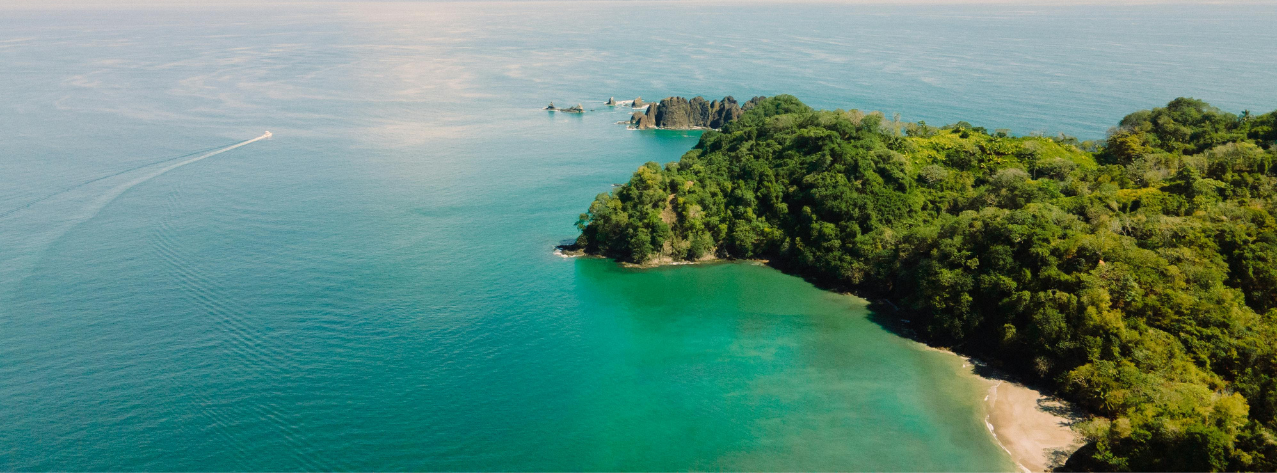

Parks and Nature Reserves
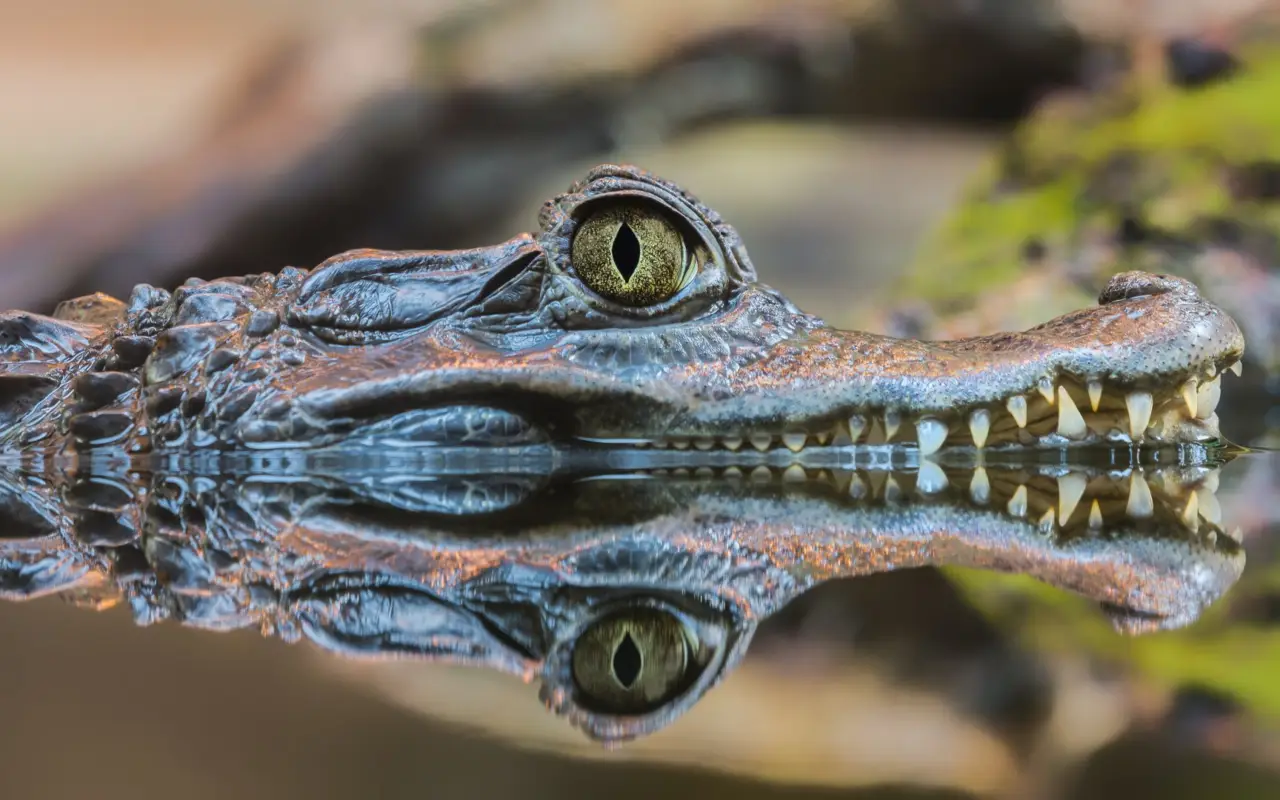
Carara National Park
Situated between dry and rainforests, Carara National Park features a wide variety of habitats. Despite its small size—about 52 km²—it is home to one of the country’s highest levels of biodiversity. Its population of scarlet macaws is remarkable. These birds migrate twice a day between the forest and the coastal mangroves. Large crocodiles live nearby, along the banks of the Tárcoles River. The park can be explored on foot or by boat.
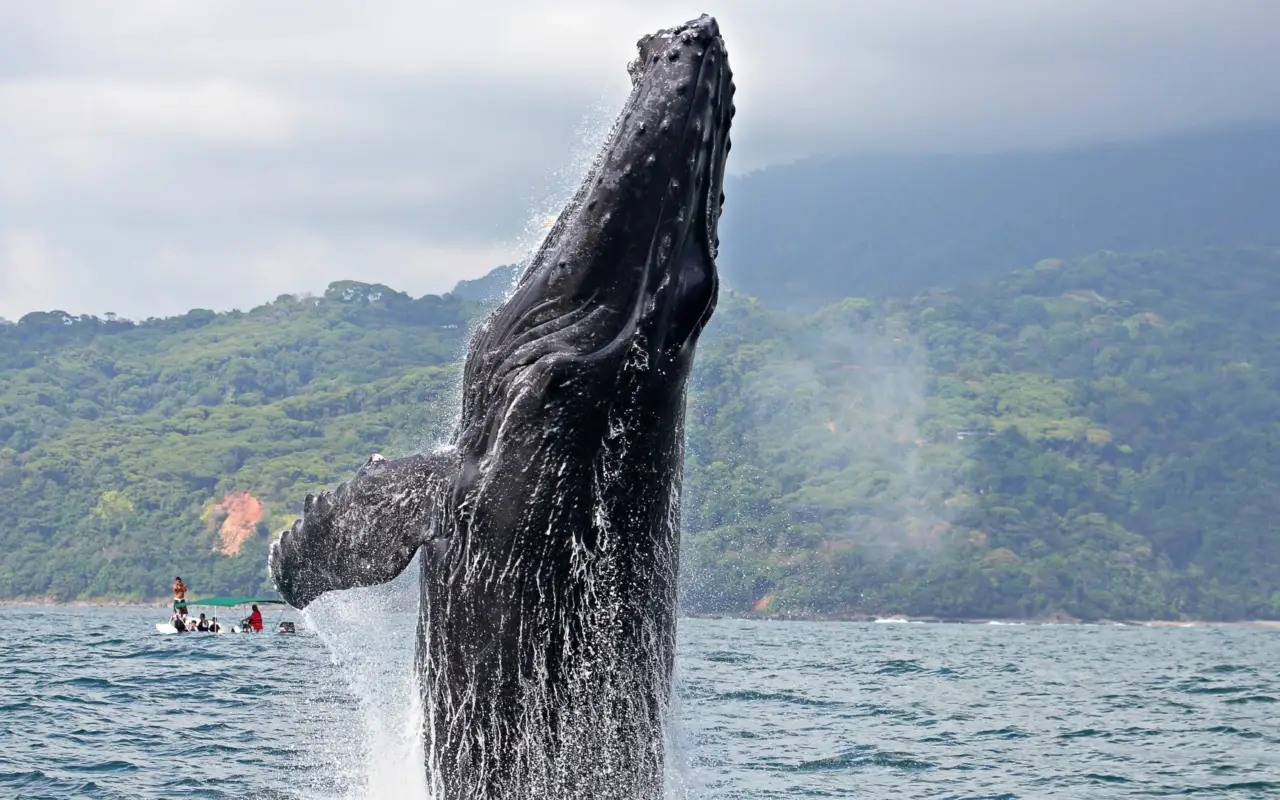
Marino Ballena National Park
Established in 1990, Marino Ballena is Costa Rica’s first marine national park. Located in Uvita, it protects the largest coral reef on Central America’s Pacific coast, stretching along approximately 15 kilometers of coastline. The park owes its name to humpback whales and its famous sandbar shaped like a whale’s tail, visible at low tide. Humpback whales visit these waters twice a year. Dolphins can be seen here year-round.
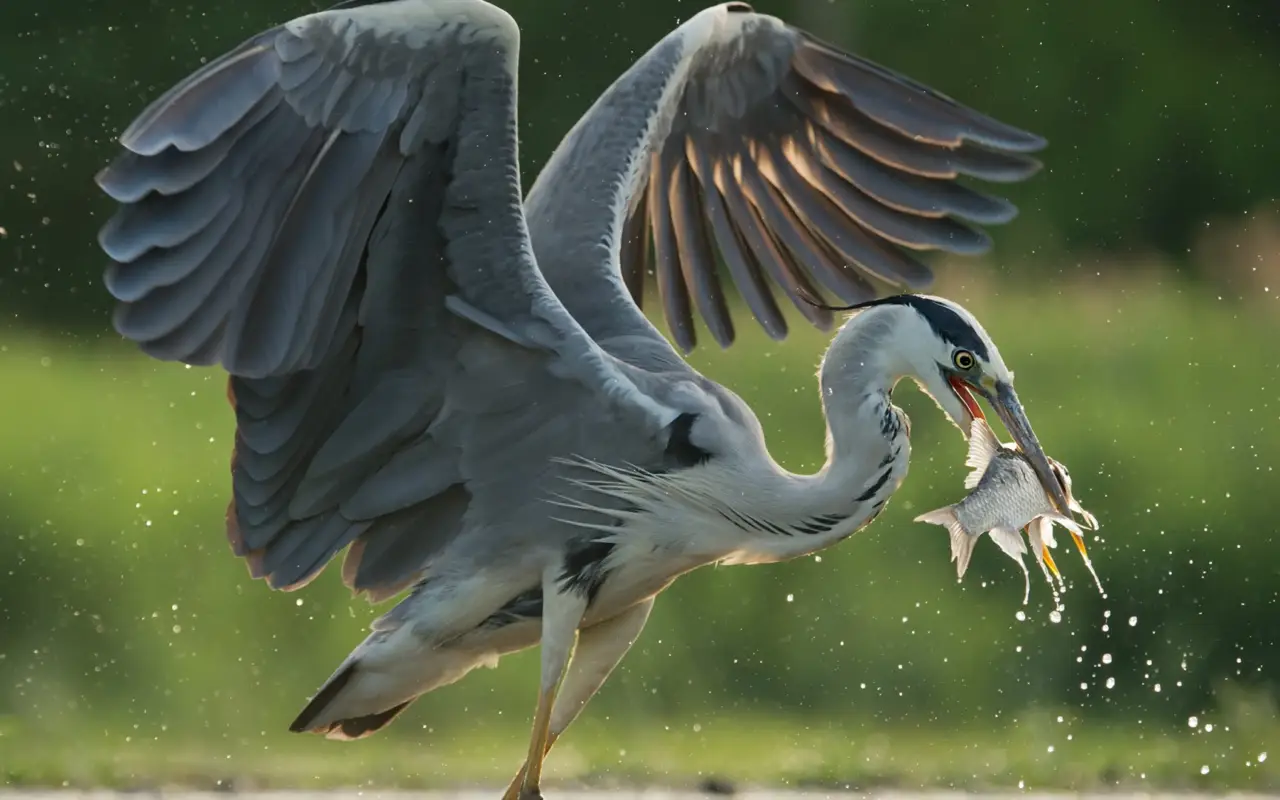
Barú Wildlife Refuge
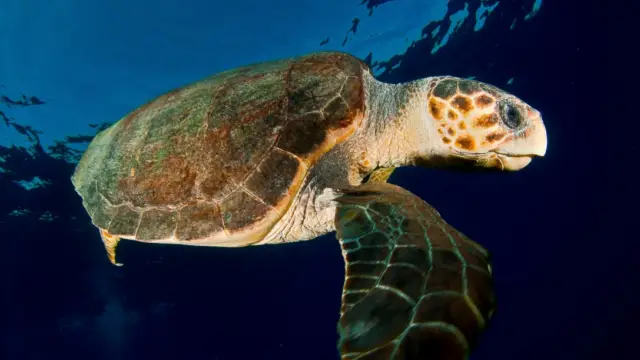
The private Finca Barú del Pacífico Wildlife Refuge is located about two kilometers north of Dominical. It is home to a mangrove forest where crocodiles and caimans live. It is also a habitat for many birds, such as herons and brown pelicans. Sea turtles come to lay their eggs on the nearby beach. Several guided tours allow visitors to explore the reserve’s various ecosystems.
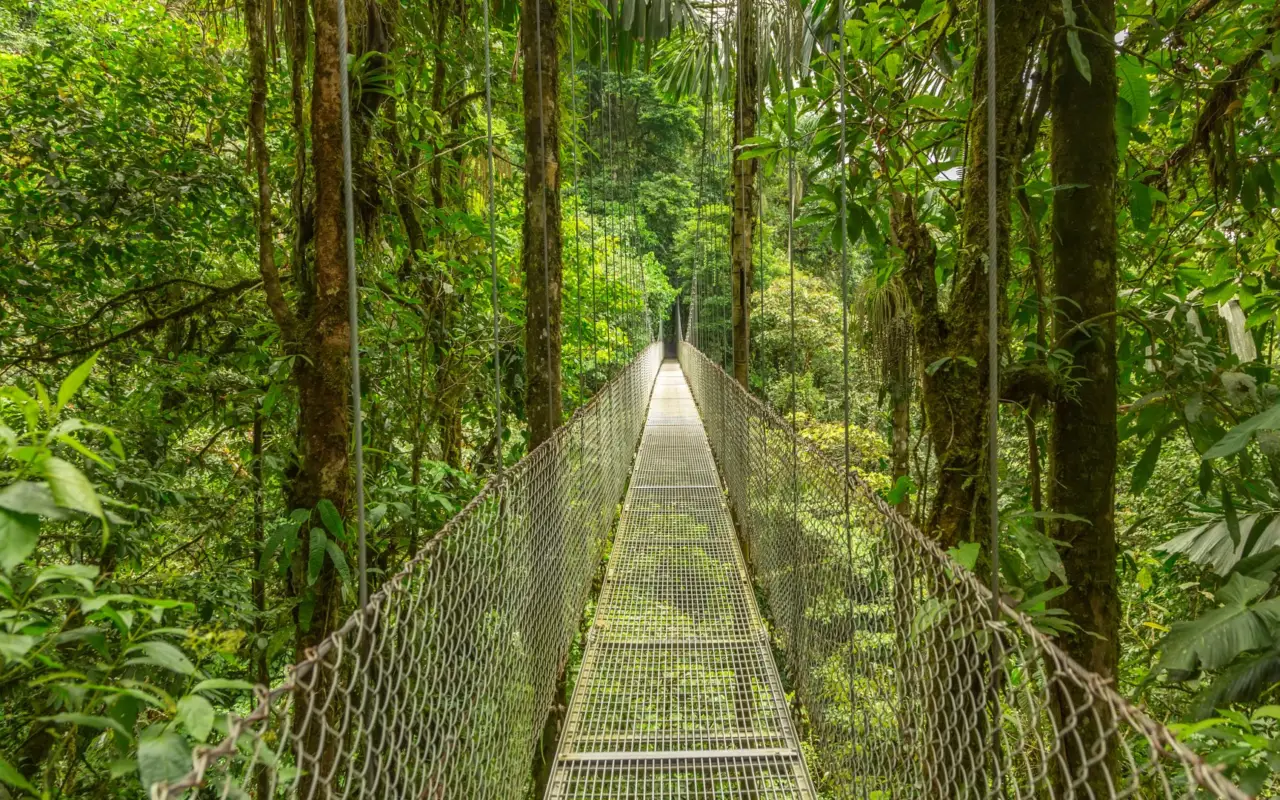
Los Campesinos, Nature Reserve and Sustainable Tourism
Located near Manuel Antonio, the Los Campesinos Reserve offers a nature-focused getaway featuring hiking, waterfalls, and suspension bridges in a tropical rainforest. The activities and accommodations are managed by a cooperative of former vanilla farmers. The initiative is part of a community-based and solidarity-driven tourism model.
Beaches and Surfing
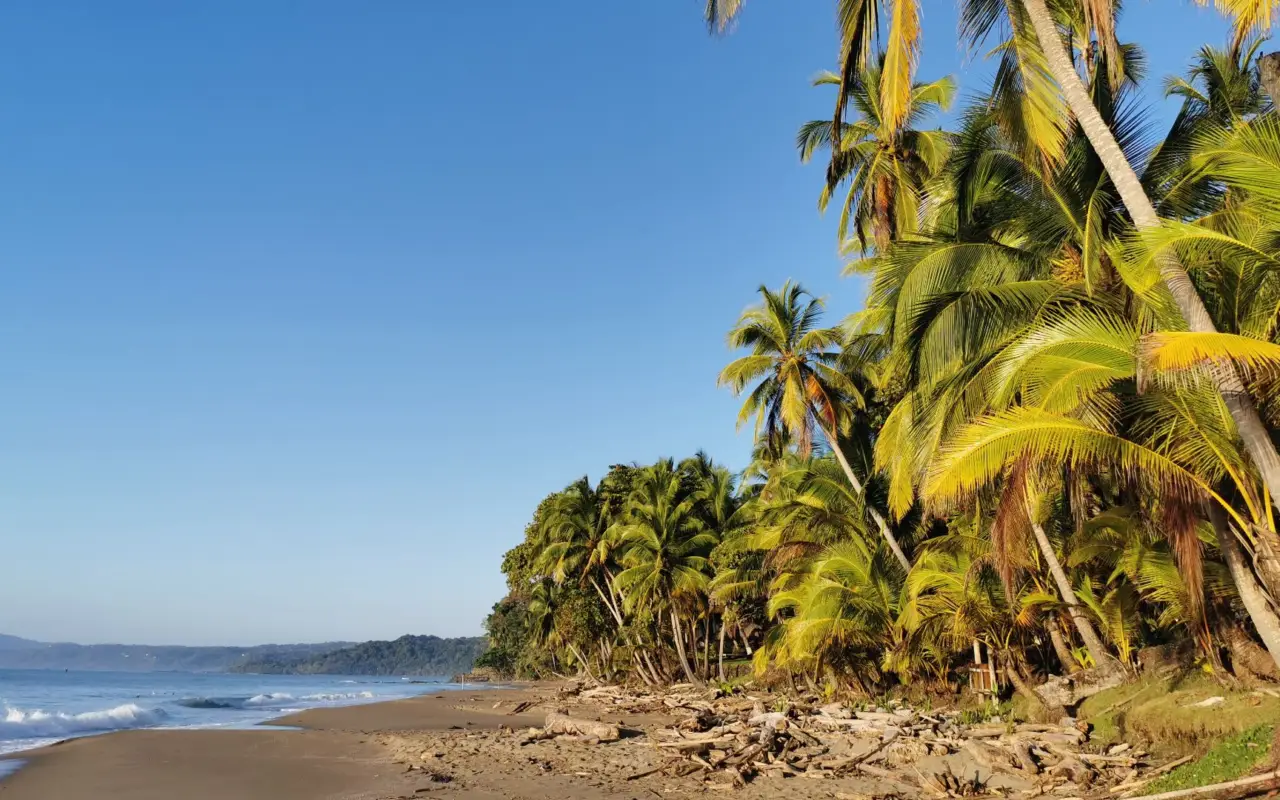
The central Pacific coast attracts surfers to the waves at Jacó, Playa Hermosa, and Dominical. Jacó remains the liveliest resort, located an hour and a half from San José. Herradura Bay forms a horseshoe shape, surrounded by hills. It is home to the Los Sueños marina to the north and a seabird sanctuary to the south. Its waters are ideal for swimming and water sports. For more information, check out our guide to surfing in Costa Rica and our selection of the most beautiful beaches.
Adventure Between Land and Sea
The region offers several low-impact adventure activities, set among rivers, mangroves, and waterfalls.
Rafting is available on the Rio Savegre Gorge or the Naranjo River, deep in the heart of the rainforest. The route includes stops to observe wildlife and swim at the base of the waterfalls. Kayaking takes you through the mangrove forest of Isla Damas, south of Parrita, crisscrossed by canals. There, you can spot coatis, capuchin monkeys, birds, crocodiles, and caimans.
On horseback, a trail leads to the Nauyaca Waterfalls, about a dozen kilometers from Dominical. Their wide, safe pools are perfect for swimming. Finally, Quepos is a renowned center for sport fishing. Big-game fishing is available year-round: tuna, sea bream, marlin, and swordfish. See our guide to fishing in Costa Rica.
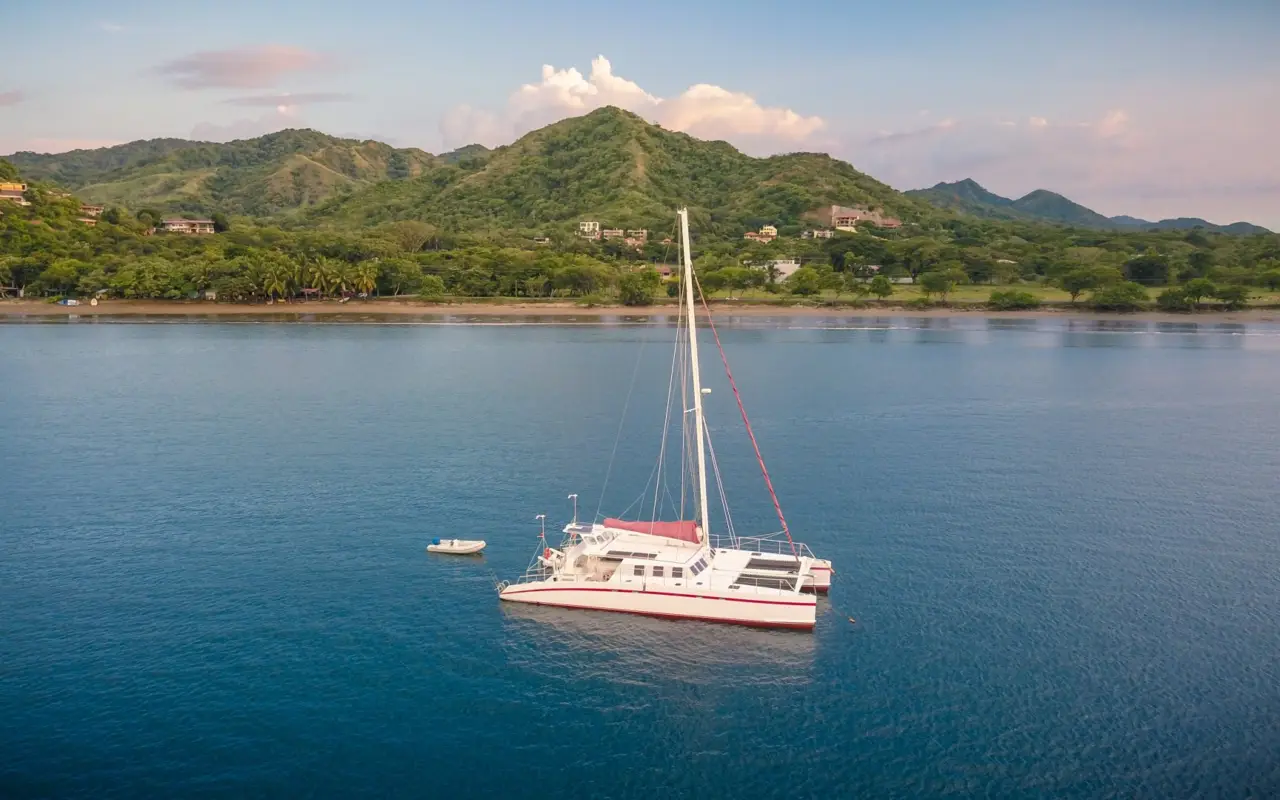
CATAMARAN: Bay Cruise
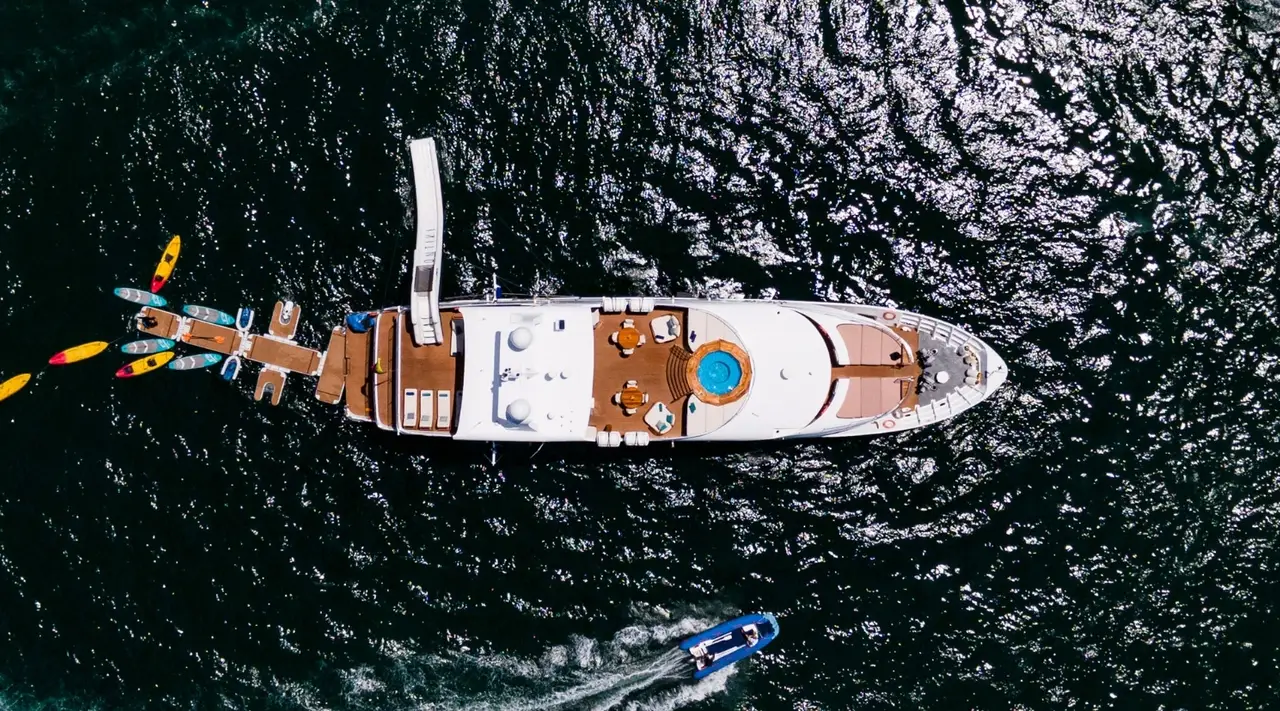
Hop aboard a catamaran for a cruise off the coast of Manuel Antonio National Park. You’ll have the chance to admire the idyllic scenery among islets and rock formations, and you might even be lucky enough to spot dolphins… This excursion is available as a half-day or full-day trip, including lunch on board, with the option to charter the boat privately.
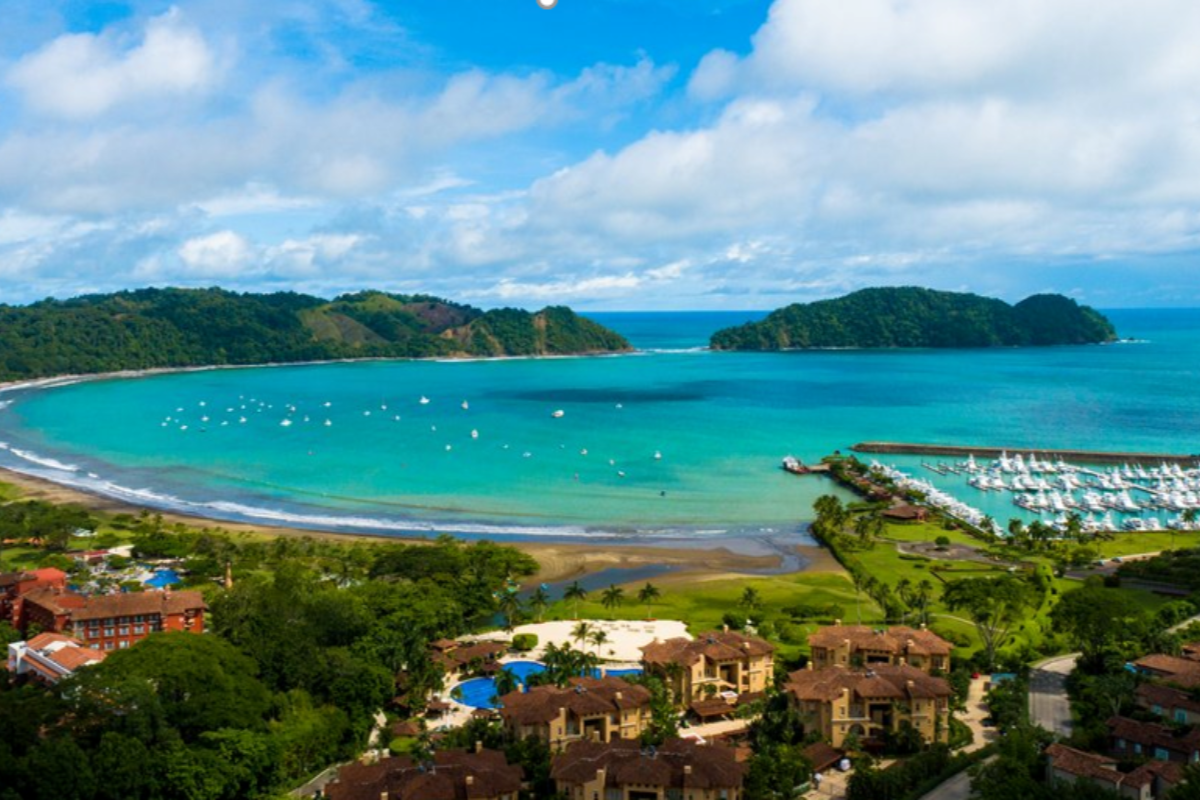
HERRADURA: Swimming and Marina
Covered in lush tropical vegetation, the bay is shaped, as its name suggests, like a horseshoe (Herradura). The two ends of the beach are flanked by hills that enhance the beauty of the landscape. A marina (Los Sueños) is located at the northern end, while Herradura Island—a natural refuge for various species of seabirds—occupies the southern end. The beach is ideal for swimming and a variety of water sports. The camping facilities there encourage domestic tourism.
An Adventure Between Land and the Pacific Ocean
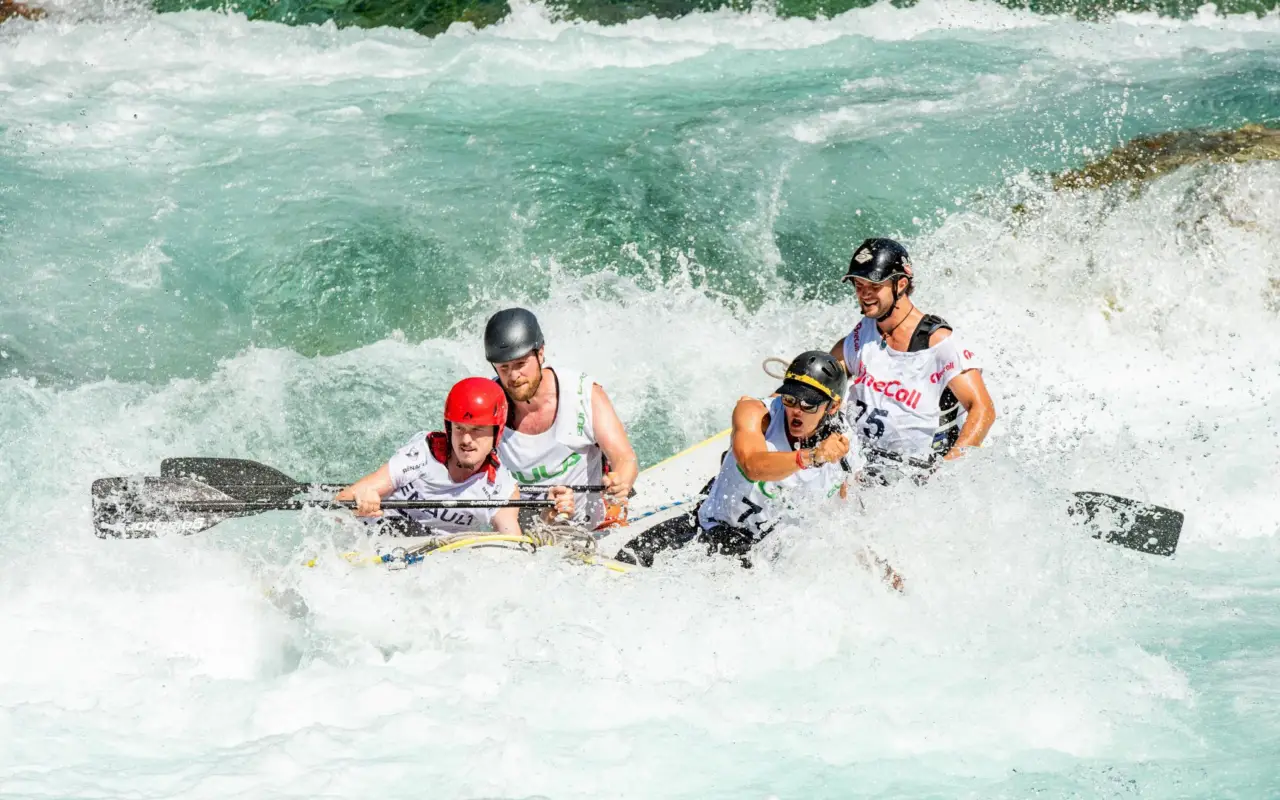
RAFTING – on the Savegre and Naranjo Rivers
Whether in the Rio Savegre Gorge or on the Naranjo River, you’ll float down the river on yourraft, deep in the heart of the rainforest. Along the way, you’ll stop to observe the local wildlife—cormorants, toucans, and kingfishers—and to take a dip in natural pools at the base of the waterfalls.
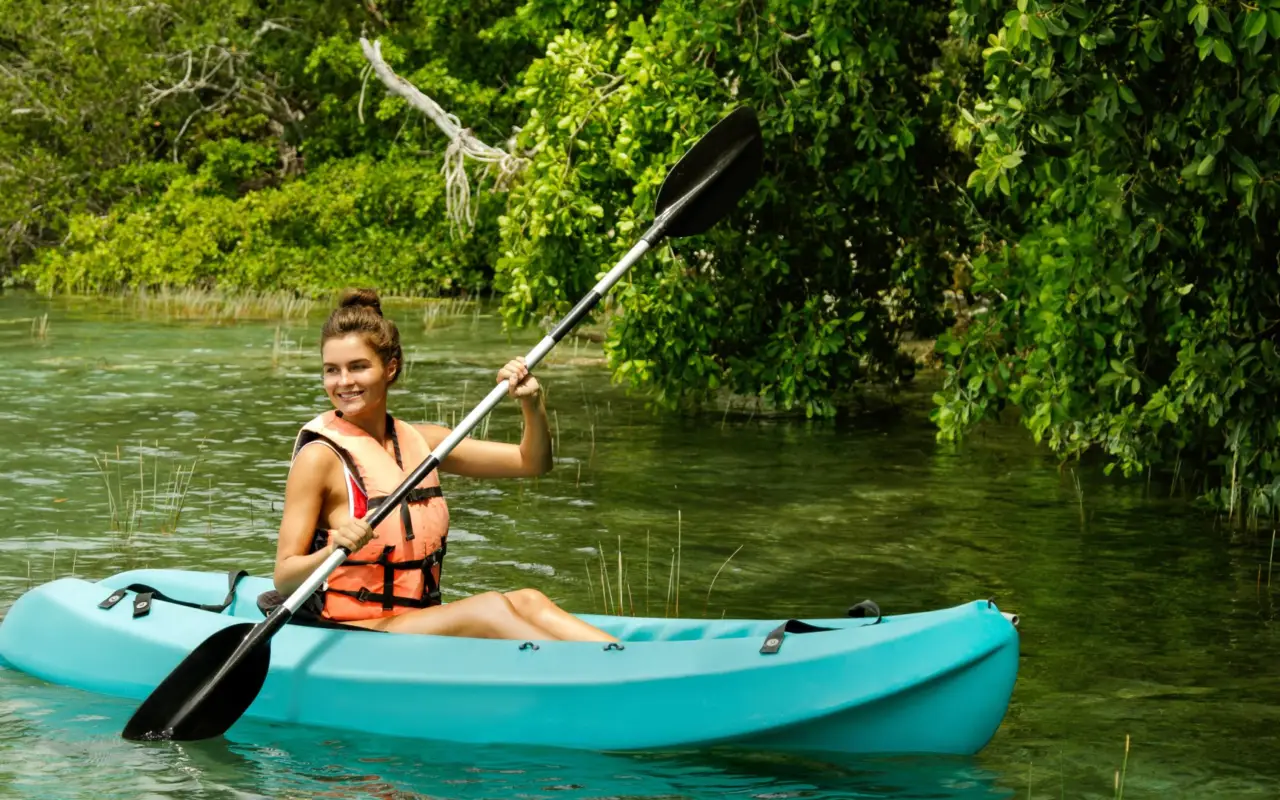
KAYAK – Isla Damas
A trip to Isla Damas, a mangrove-covered peninsula jutting out into a bay south of Parrita. Crisscrossed by countless marshes and channels, this vast mangrove forest runs along the coast between Parrita and Quepos. As you paddle, you’ll have the chance to explore this ecosystem and spot coatis, pumas, capuchin monkeys, and various species of snakes that share the habitat with crocodiles and caimans.
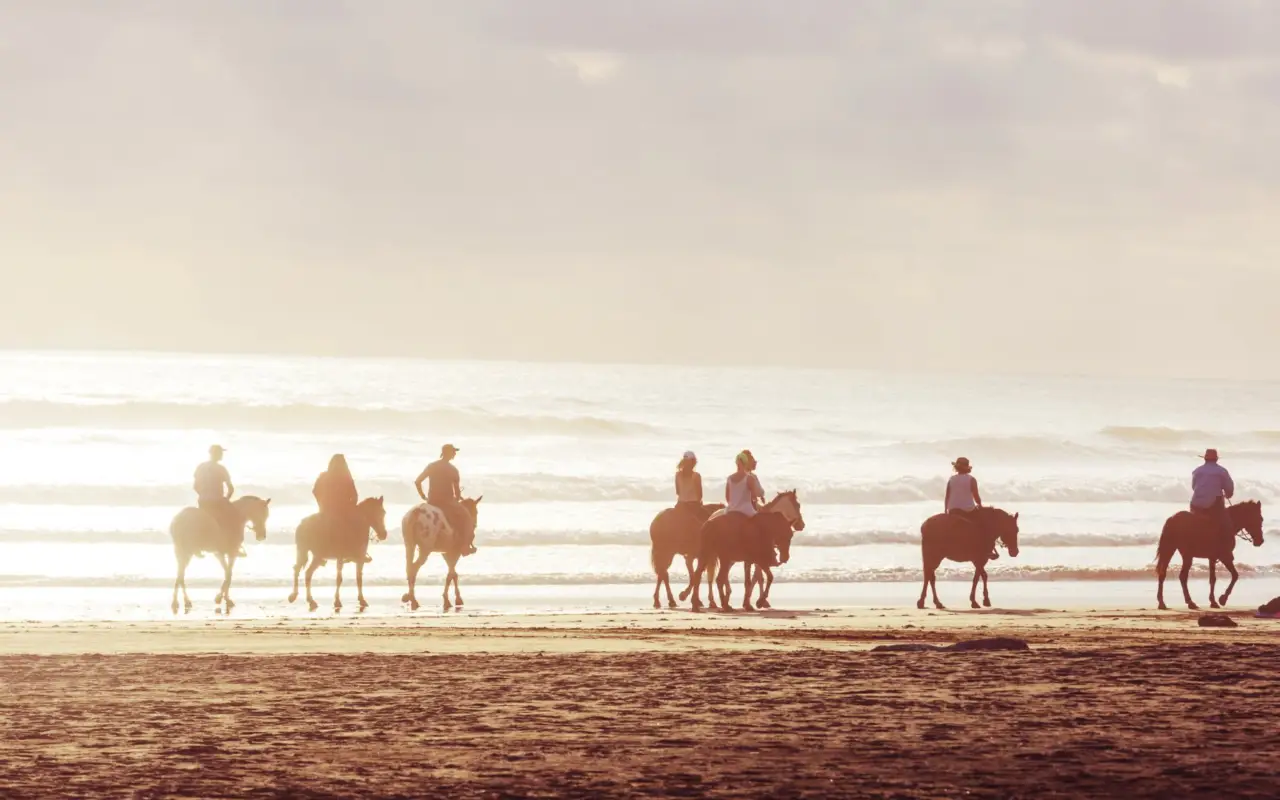
HORSEBACK RIDING – Ride to the Nauyaca Waterfalls
These magnificent waterfalls, also known as “del Santo Cristo o don Lulo,” are located about a dozen kilometers from Dominical, in the direction of San Isidro de El General. You can get there on horseback. Once there, these beautiful waterfalls, surrounded by lush vegetation, are perfect for swimming. The pools are spacious and safe for swimmers.
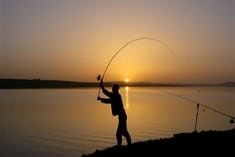
FISHING – Quepos, a Hotspot for Sport Fishing
Big-game fishing is available year-round along the Pacific coast. You can fulfill your dream of landing “miraculous” catches—tuna, bonito, snapper, swordfish, marlin, sea bream, and more—in this world-renowned region. There are many options available, including full-day and half-day trips, as well as all-inclusive packages lasting several days.
When to Visit
The region can be visited year-round. The dry season makes it easier to enjoy the beach and water sports. Whale-watching seasons often guide the choice of dates.
| Season | Conditions |
|---|---|
| December through April (dry season) | Best time for beaches and snorkeling; early whale-watching season; very crowded |
| August through October | Second whale-watching season at Marino Ballena, dense vegetation, showers |
| May through November (green season) | High river levels for rafting; less crowded sites outside of peak whale-watching seasons |
Frequently Asked Questions
Where is Costa Rica’s Central Pacific Coast located?
It runs along the Pacific Ocean in the center of the country, from Puntarenas to Uvita, passing through Jacó, Quepos, and Manuel Antonio. Manuel Antonio is about three hours from San José.
When is the best time to see whales in Costa Rica?
Marino Ballena has two seasons. Humpback whales from the Northern Hemisphere pass through from December to April, while those from the Southern Hemisphere pass through from August to October. The peak viewing periods are from January to March and from August to October.
What are the most beautiful beaches on the Central Pacific coast?
The beaches in Manuel Antonio National Park, Espadilla, Herradura, and Uvita Bay are among the most popular for both swimming and snorkeling.
How do you get to Manuel Antonio from San José?
By car, it takes about three hours via the Costanera coastal highway. Quepos, the neighboring town, has a small airport for domestic flights.
Can you see scarlet macaws in Costa Rica?
Yes. Carara National Park, north of Jacó, is one of the best places in the country to spot scarlet macaws, which migrate daily between the forest and the mangroves.
| Element | Details |
|---|---|
| Scope | From Puntarenas to Uvita, along the Costanera |
| National Parks | Manuel Antonio, Carara, Marino Ballena |
| Top Activities | Beach, surfing, sport fishing, whale watching |
| Base Cities | Jacó, Quepos, Dominical, Uvita |
| Whales | December through April and August through October |
| Access | 1.5 to 4 hours from San José, depending on the location |
| Recommended duration | 3 to 5 days, depending on activities |
For a complete itinerary, check out our Pacific Coast and Northern Volcanoes tour, or extend your trip to the Osa Peninsula and the South Pacific.
Article updated on July 29, 2026.
About Terra Caribea
Terra Caribea is a local, inbound travel agency that has been based in Costa Rica since 2008 and also operates in Panama. Our office is located in San José. Our team consists of Costa Ricans and French nationals who live locally and design each itinerary directly, without intermediaries. On the Pacific coast, we select water sports providers based on safety criteria and work with nature guides. The agency is Travelife and Esencial Costa Rica certified and is part of the Terra Panamerica network. Why Travel with a Local Agency — Our Team — Our Travelife Certification — Custom Travel