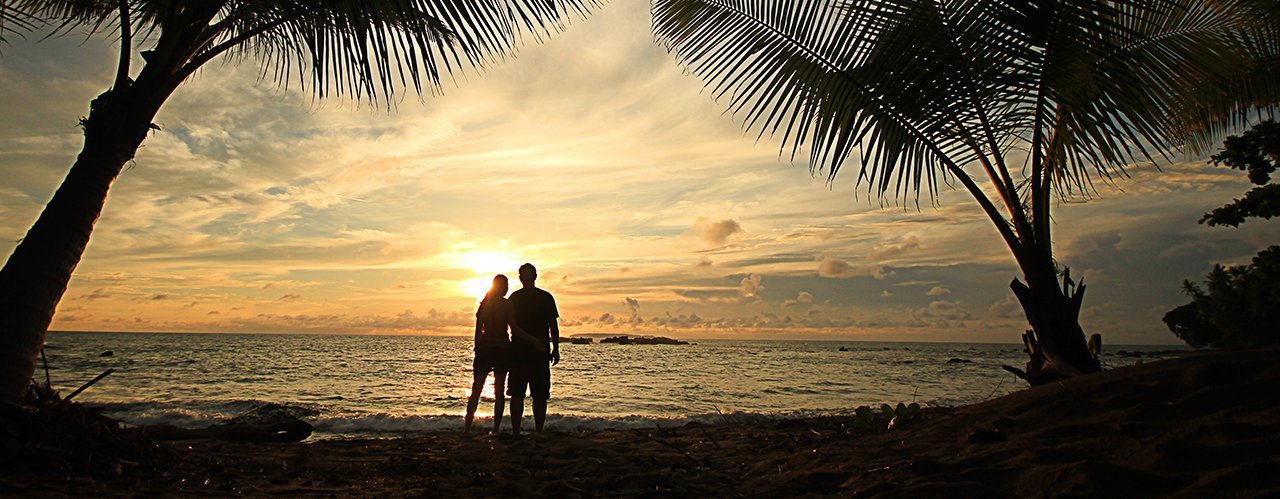
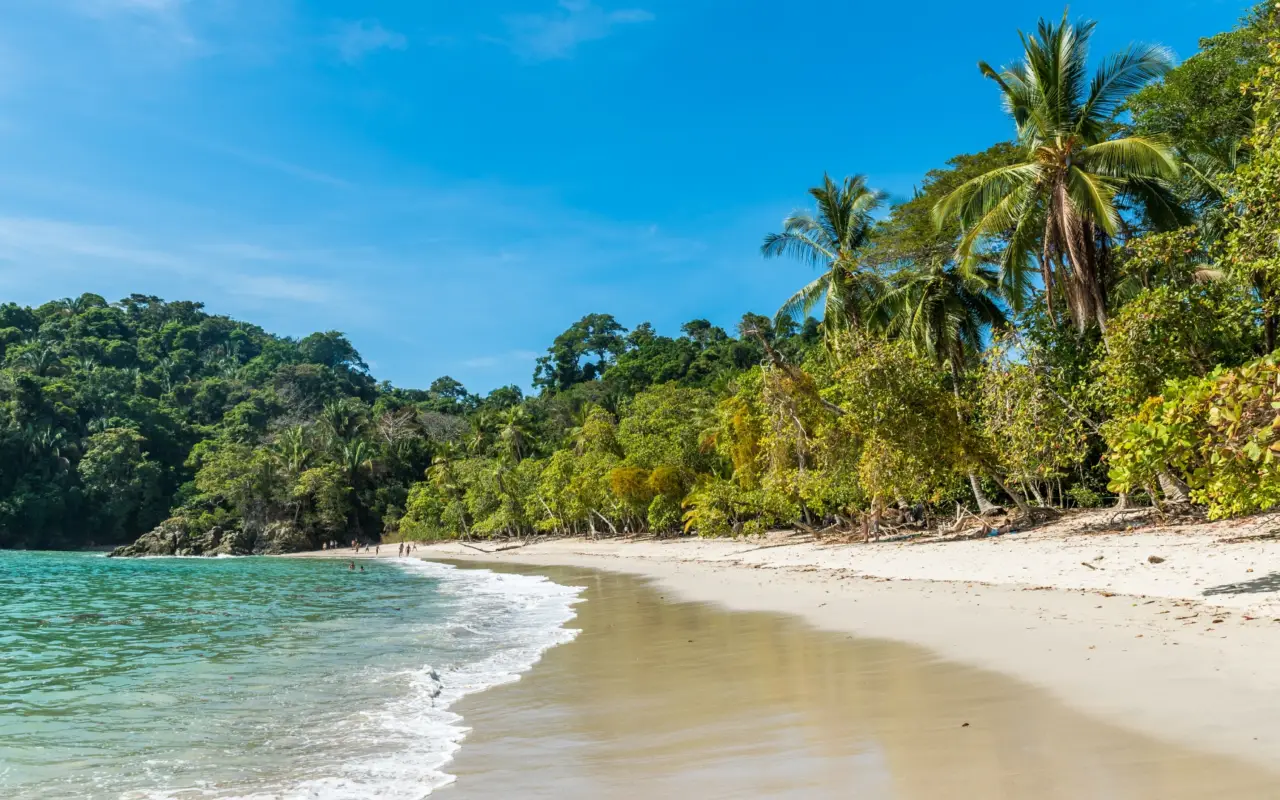
Just as white sand contrasts with the black sand of volcanic beaches, Costa Rica’s Caribbean coast stands out from the rest of the country. During your stay, leave the Latin rhythms behind and discover the Caribbean vibe and the cultural diversity of the Caribbean coast.
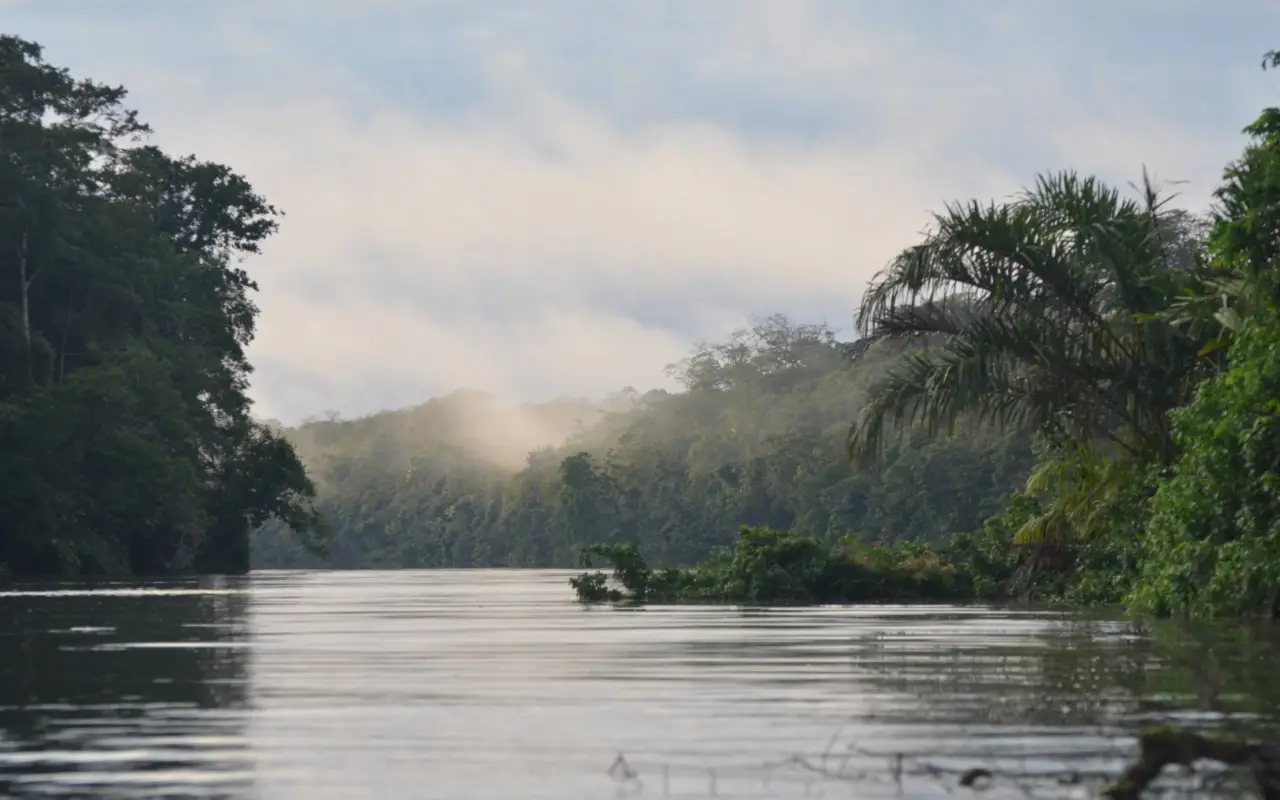
In the northern part of the Caribbean coast, you’ll find the famous Tortuguero National Park, which you can explore on a boat ride through its canals. This vast expanse of rainforest, crisscrossed by rivers and canals, is home to exceptional biodiversity.
Further south, meet the Afro-Caribbean residents of Puerto Viejo de Talamanca, watch sea turtles lay their eggs at Gandoca, discover the culture of the Bribri indigenous communities, explore the reefs of Cahuita and Manzanillo, or surf the waves at Playa Cocles.
If you’re looking for a less active vacation, you can interact with the Bribri or Cabécar indigenous communities, take walks through the rainforest and banana plantations, or experience the Caribbean culture of Puerto Limón, especially during its traditional carnival in October.
Costa Rica’s Caribbean coast thus offers a different side of the country: more tropical, more multicultural, and marked by a strong Afro-Caribbean identity.
Costa Rica’s Caribbean Coast: A Region Like No Other
The Caribbean Coast stretches along the province of Limón, between the borders of Nicaragua and Panama. It has a cultural and natural identity that is very different from that of the Pacific Coast.
The region is notably shaped by the influence of Afro-Caribbean populations, indigenous communities, and migrants from the Caribbean. The local music, cuisine, and traditions reflect this cultural blend.
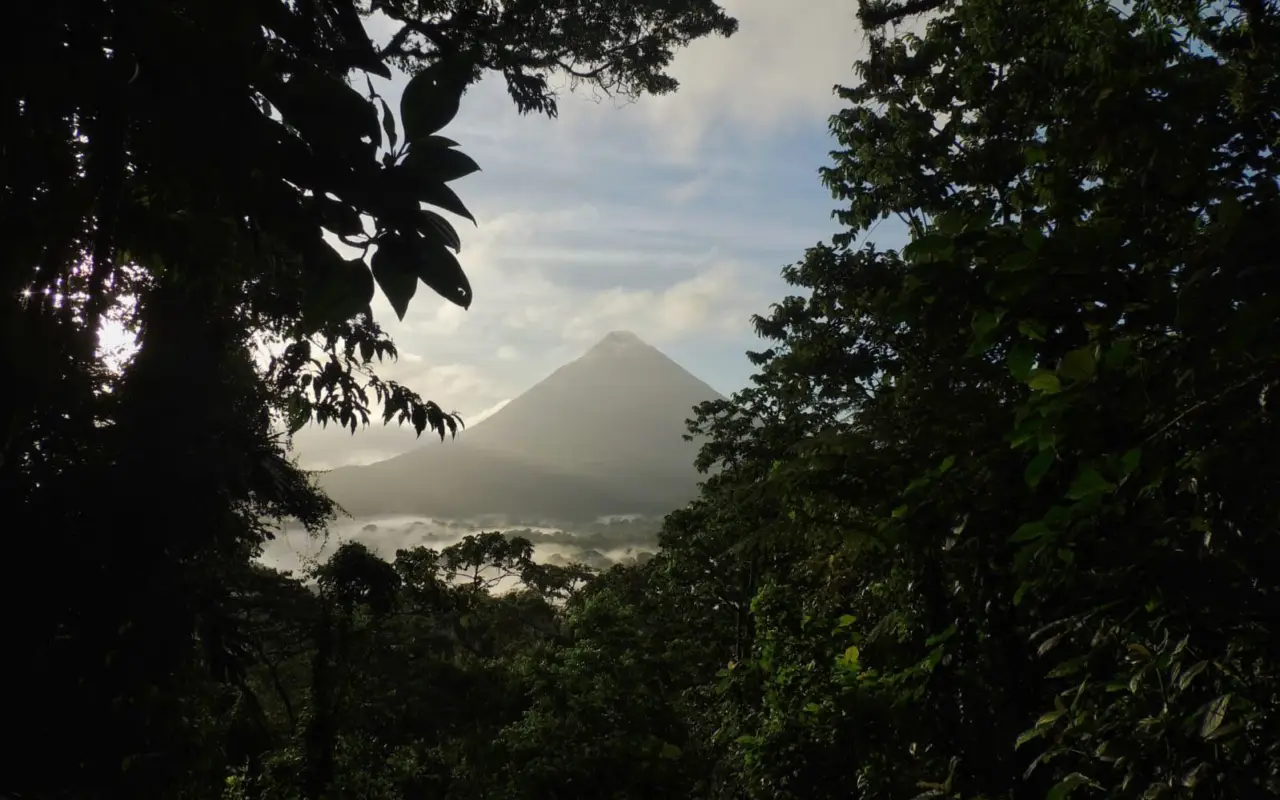
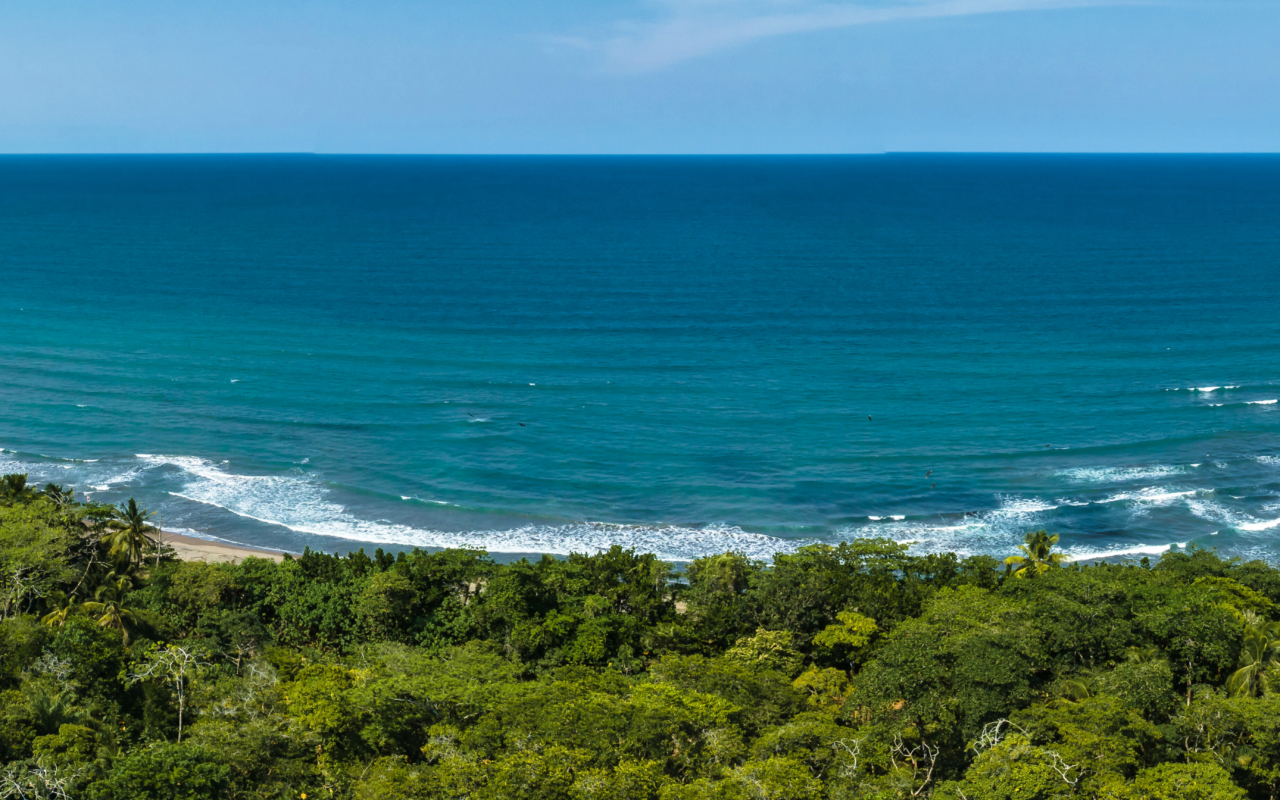
It is also a region particularly rich in biodiversity. Tropical forests, wetlands, mangroves, coral reefs, and beaches form a diverse array of ecosystems that are home to a wide variety of wildlife.
For a trip to the Caribbean coast of Costa Rica, two major areas stand out in particular: Tortuguero in the north and the region of Cahuita, Puerto Viejo, and Manzanillo in the south.
Cultural Diversity of the Caribbean Coast

Puerto Limón: The Caribbean Melting Pot
Puerto Limón is the main city on Costa Rica’s Caribbean coast and the historic heart of the region’s Afro-Caribbean culture.
A significant portion of the population of Limón Province is of Afro-Caribbean descent, particularly the descendants of workers who came from the Caribbean in the late 19th century—notably from Jamaica—to help build the railroad and work on the banana plantations.
This history has had a profound impact on the local culture. Music, cuisine, festivals, and certain linguistic expressions still bear witness to this heritage today.
Caribbean cuisine, Jamaican influences, reggae, and traditional celebrations give Puerto Limón and the entire Caribbean coast a cultural identity that is unique in Costa Rica.
The Limón Carnival, traditionally held in October, is one of the region’s major cultural events. Since dates and the program may vary from year to year, it’s best to check the official schedule before planning your trip.

Bribri Culture: Meeting Indigenous Communities
Traveling up the Yorkín River, near the border with Panama, you can visit Bribri communities that offer opportunities to explore their culture and environment.
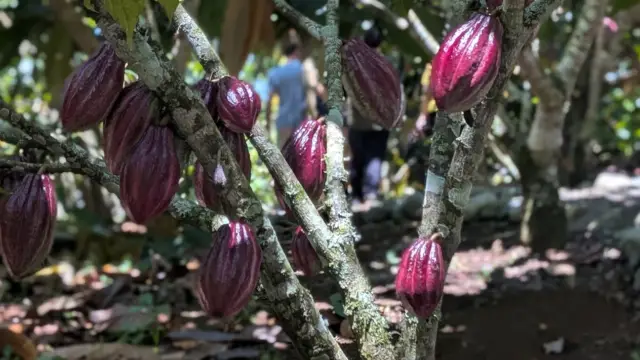
The region offers a unique opportunity to gain a deeper understanding of local traditions, the importance of cacao, agricultural practices, and the special relationship these communities have with the forest.
These encounters offer a unique way to discover Costa Rica, provided you prioritize experiences organized directly with local communities and respect their traditions and environment.

Rice and Beans: Caribbean Coast Cuisine
Food is one of the best ways to discover the culture of Costa Rica’s Caribbean coast.
In the Puerto Viejo and Gandoca region, you can sample local specialties such as patacones, rice and beans prepared with coconut milk, fish and meat served with spicy sauces, as well as a variety of tropical fruit juices.
Some local communities and families also offer culinary experiences that let you discover the recipes and traditions of Afro-Caribbean cuisine.

Cahuita and Puerto Viejo: Caribbean villages
The villages of Cahuita and Puerto Viejo de Talamanca, south of Limón, have a special charm.
Narrow streets, tropical vegetation, restaurants, small lodgings, and Caribbean beaches create a landscape very different from that of large beach resorts.
Puerto Viejo is now one of the main tourist hubs on the Caribbean coast, yet it retains a laid-back atmosphere. Cahuita, which is quieter, serves as an excellent base for exploring the national park of the same name.
Protected Natural Sites on the Caribbean Coast
Tortuguero National Park: Exploring the Heart of the Rainforest by Boat
Tortuguero National Park is one of Costa Rica’s most iconic natural sites.
Located on the northern Caribbean coast, it protects a vast network of canals, lagoons, beaches, and tropical rainforests. Access to the village of Tortuguero and most of the tourist areas is by boat or plane, which helps preserve the area’s unique atmosphere.
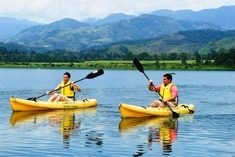
The best way to explore the park is to take a boat or kayak trip through the canals, accompanied by a naturalist guide. Monkeys, sloths, caimans, iguanas, and numerous bird species can be spotted along the way.
Tortuguero is also world-renowned for its sea turtles. Several species come to lay their eggs on the region’s beaches, notably the green sea turtle, whose nesting season generally runs from July to October.
Turtle viewing is strictly regulated to minimize disturbance to the animals. Nighttime excursions must be conducted with guides and in accordance with the rules established for the protection of the turtles.

Cahuita National Park: Rainforest and Coral Reefs
Located near the village of Cahuita, Cahuita National Park protects both terrestrial and marine habitats.
Established in 1978, the park is particularly known for its coral reef, beaches, and tropical rainforest. The trails allow visitors to walk along the coast and through various natural environments.
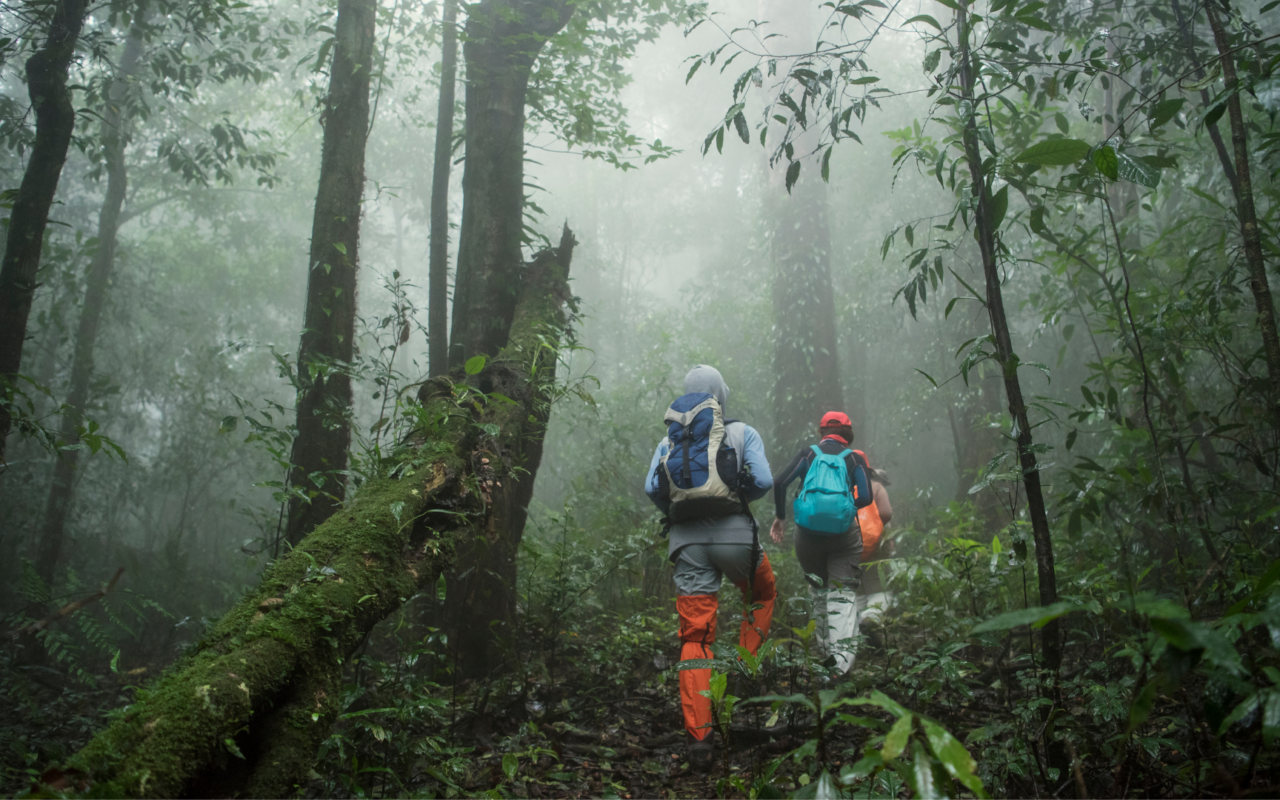
Hiking is one of the best ways to explore the park. With a little luck, you may spot monkeys, sloths, iguanas, and many species of birds.
The marine area can also be explored through authorized snorkeling excursions when conditions are favorable. However, underwater visibility depends on the weather and sea conditions.
Gandoca-Manzanillo Reserve: Beaches and Ecotourism
The Gandoca-Manzanillo National Wildlife Refuge protects a mosaic of ecosystems ranging from tropical rainforest to wetlands, mangroves, beaches, and marine habitats.
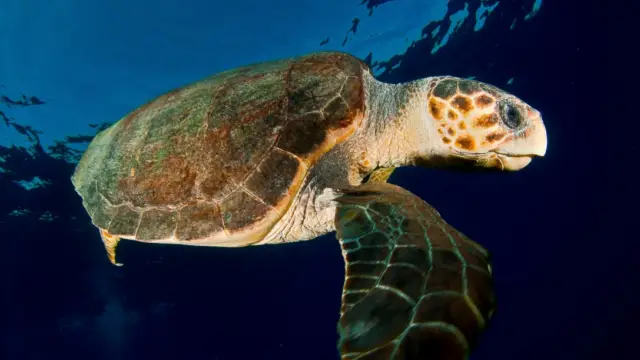
The region is particularly important for several species of sea turtles. Gandoca Beach, in particular, serves as a nesting site for the leatherback turtle, the largest of the sea turtles.
The nesting period varies by species and year. Observations are supervised to minimize disturbances to the animals.
The reserve also offers opportunities for hiking and nature observation. Access conditions and the areas open to the public may change depending on weather conditions and site management.


Hitoy-Cerere Reserve: An Immersive Experience Off the Beaten Path
Located in the hinterland of Limón Province, the Hitoy-Cerere Biological Reserve is one of the least-visited natural areas on the Caribbean coast.
Its exceptionally well-preserved tropical forests make it an attractive destination for travelers seeking a more intimate experience.
The reserve is particularly well-suited for nature lovers and wildlife watchers. Since access is more challenging than to the region’s major tourist national parks, it’s best to check visitation conditions in advance and opt for a local guide.
Coastal Wildlife Observation
Green Turtles in Tortuguero
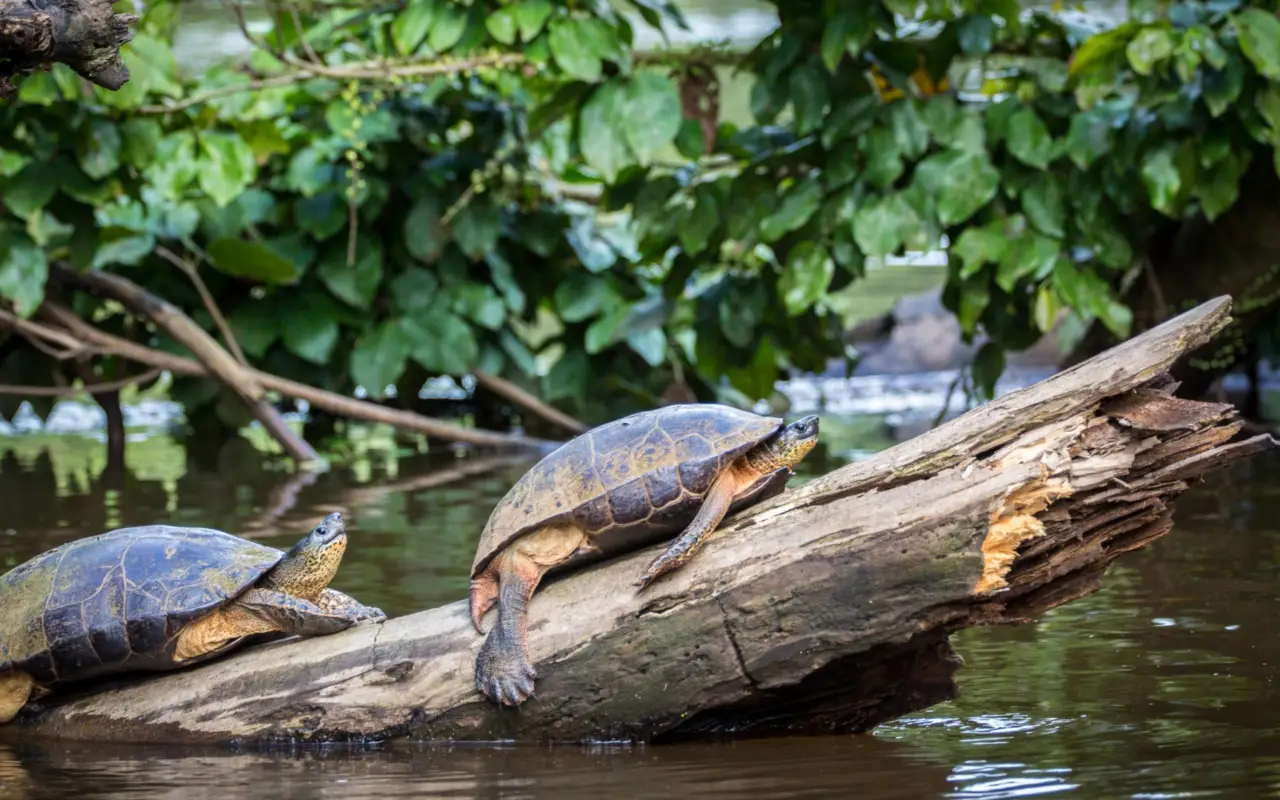
Tortuguero is one of the world’s most important breeding sites for green sea turtles.
Every year, thousands of turtles come ashore to lay their eggs. The main nesting season generally runs from July to October, though this can vary from year to year.
Nighttime observations are subject to strict rules. In particular, visitors must avoid direct light, refrain from using flash, and maintain the required distances.
The spectacle is extraordinary, but it is essential to adopt a responsible approach so as not to disturb the animals.
Migratory Birds in Keköldi
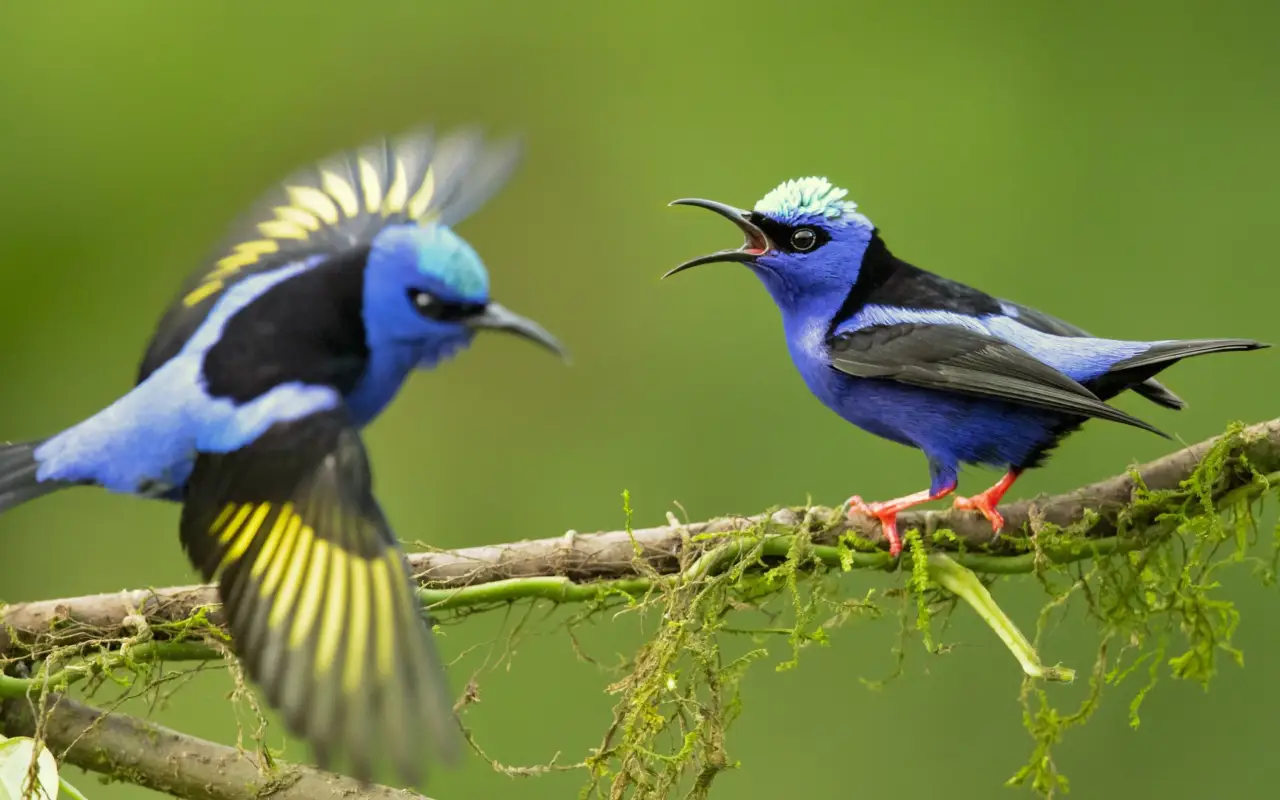
The Keköldi Reserve, located near Puerto Viejo, is known for birdwatching and, in particular, for the passage of numerous migratory birds of prey.
The migration is particularly spectacular at certain times of the year, when thousands of birds cross the region, following thermal currents.
Observation points allow visitors to experience this phenomenon with the help of local guides.
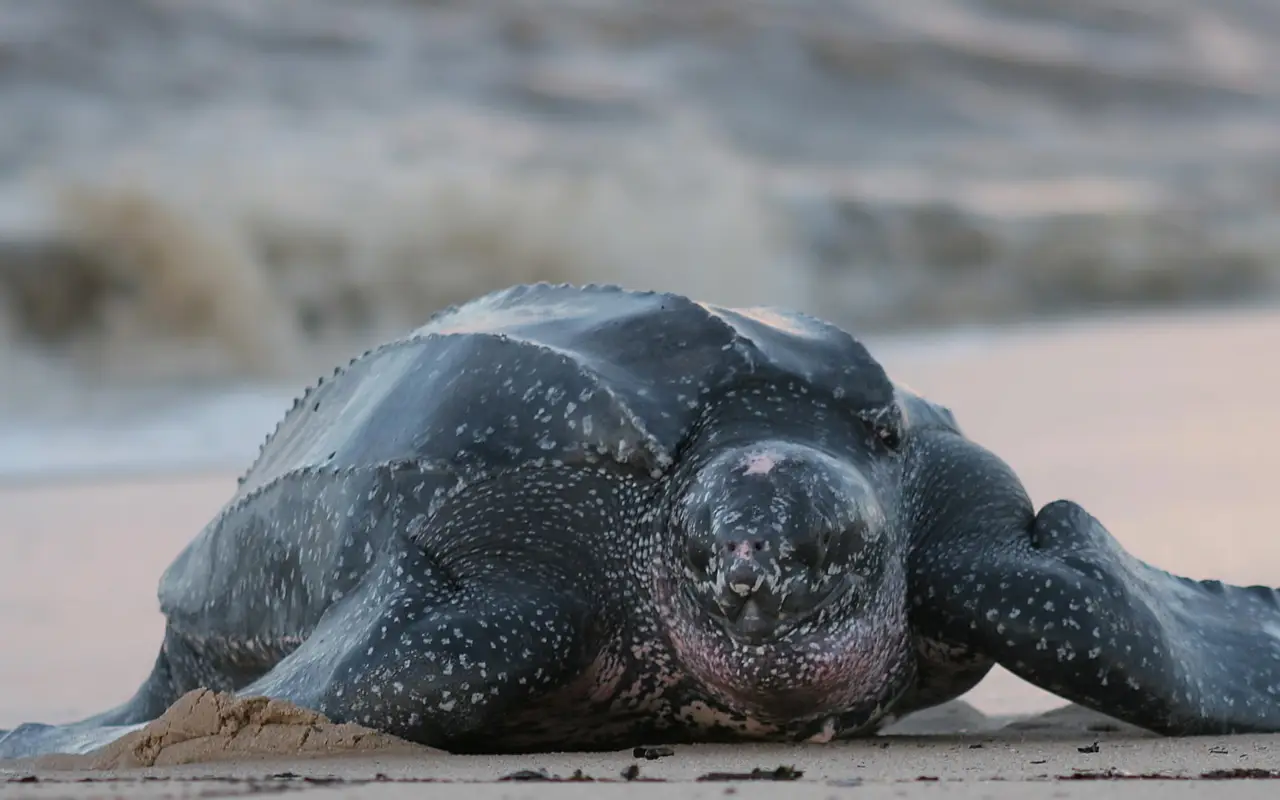
Leatherback Turtles in Gandoca
The beaches of Gandoca are an important nesting site for leatherback turtles.
The nesting season runs mainly from February to July, with a particularly active period in the spring. As in Tortuguero, turtle viewing is regulated and must be conducted in accordance with conservation protocols.
The leatherback turtle is the largest living sea turtle. It currently faces numerous threats, including bycatch in fishing operations, pollution, and the degradation of its nesting habitats.
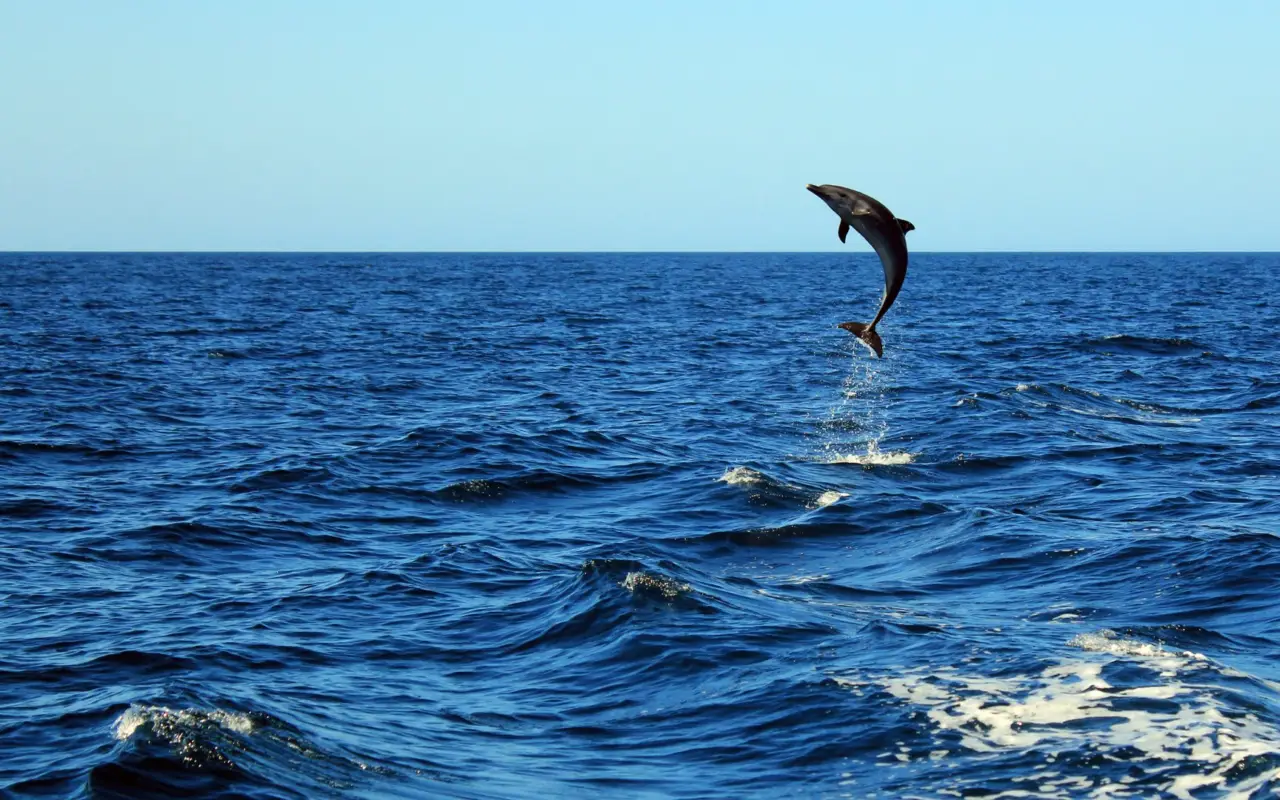
Dolphins off the coast of Cahuita and Manzanillo
The waters off the Caribbean coast are home to several species of dolphins.
Boat tours are available from Cahuita, Puerto Viejo, and Manzanillo to try to spot these animals in their natural habitat.
However, this is wildlife viewing: sightings cannot be guaranteed. Responsible tours prioritize a respectful approach to the animals and avoid chasing them or altering their behavior.
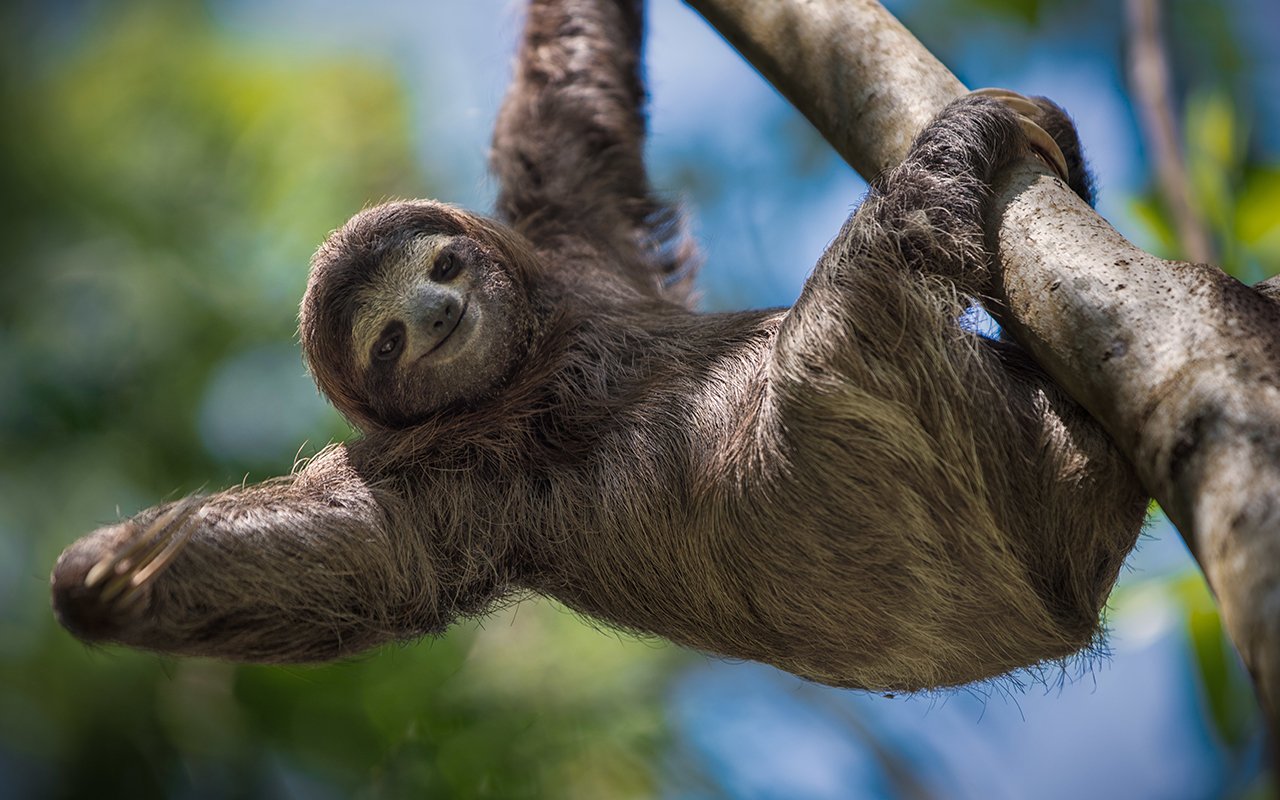
Sloths, monkeys, and iguanas
The rainforest in Limón Province is home to a particularly rich variety of wildlife.
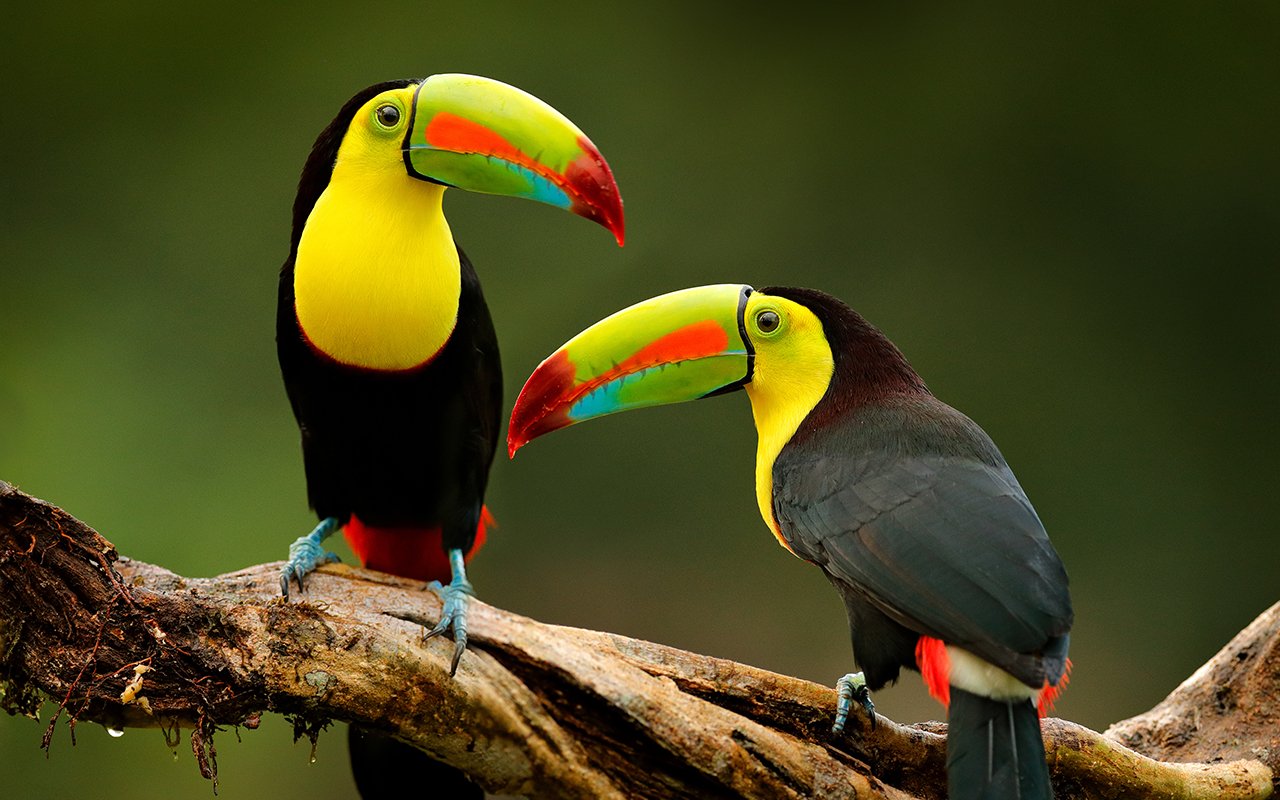
Sloths, howler monkeys, capuchin monkeys, iguanas, and numerous bird species are regularly spotted in the region.
To maximize your chances of spotting them, guided nature walks with a naturalist are highly recommended. An experienced eye can often spot an animal perfectly camouflaged in the vegetation within seconds.
Costa Rica's Caribbean Beaches
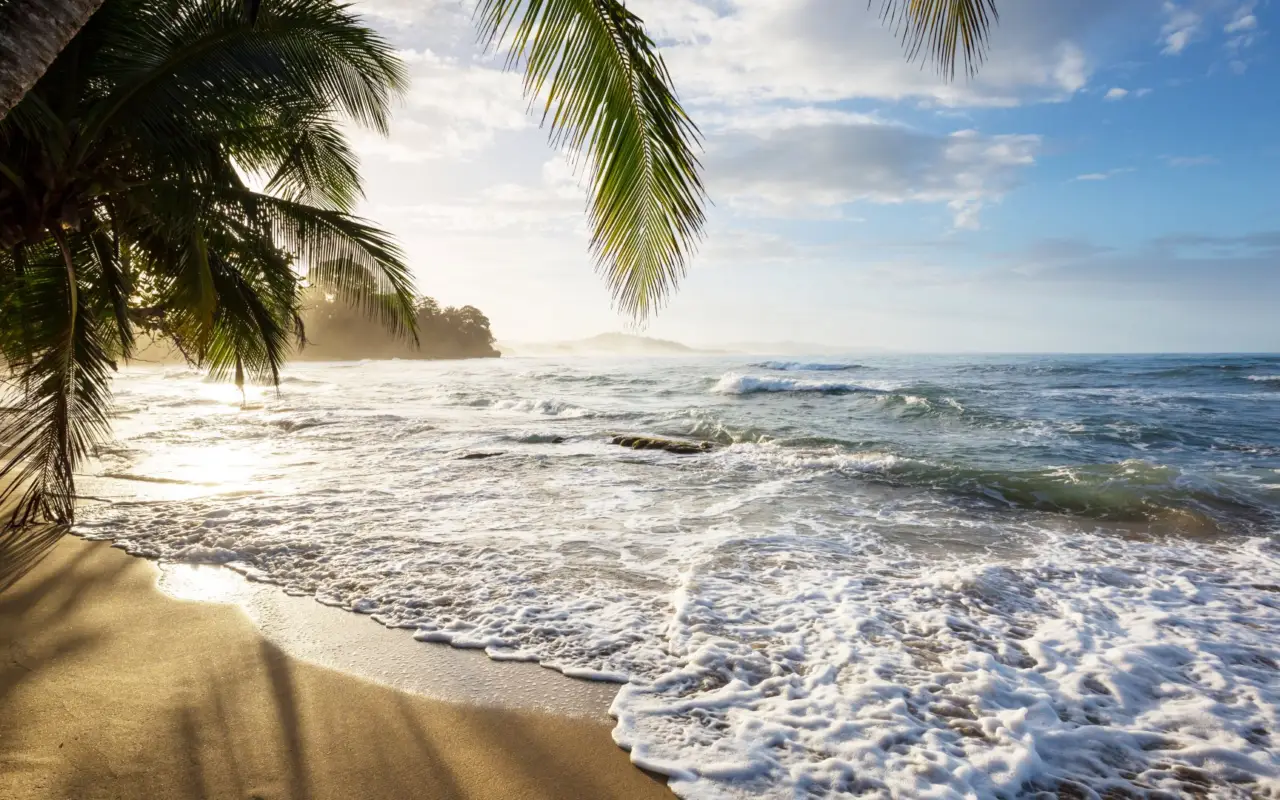
Playa Cocles: Swimming and Surfing
Playa Cocles is one of the most popular beaches around Puerto Viejo.
The beach is lined with tropical vegetation and offers conditions that are popular with surfers. However, the waves can be strong, and swimming conditions vary depending on the weather and sea conditions.
The beach is also a pleasant place to take a stroll and enjoy the region’s Caribbean atmosphere.
For beginner surfers, several local schools offer lessons tailored to different skill levels.
Manzanillo and Punta Uva: Beaches and Tropical Landscapes
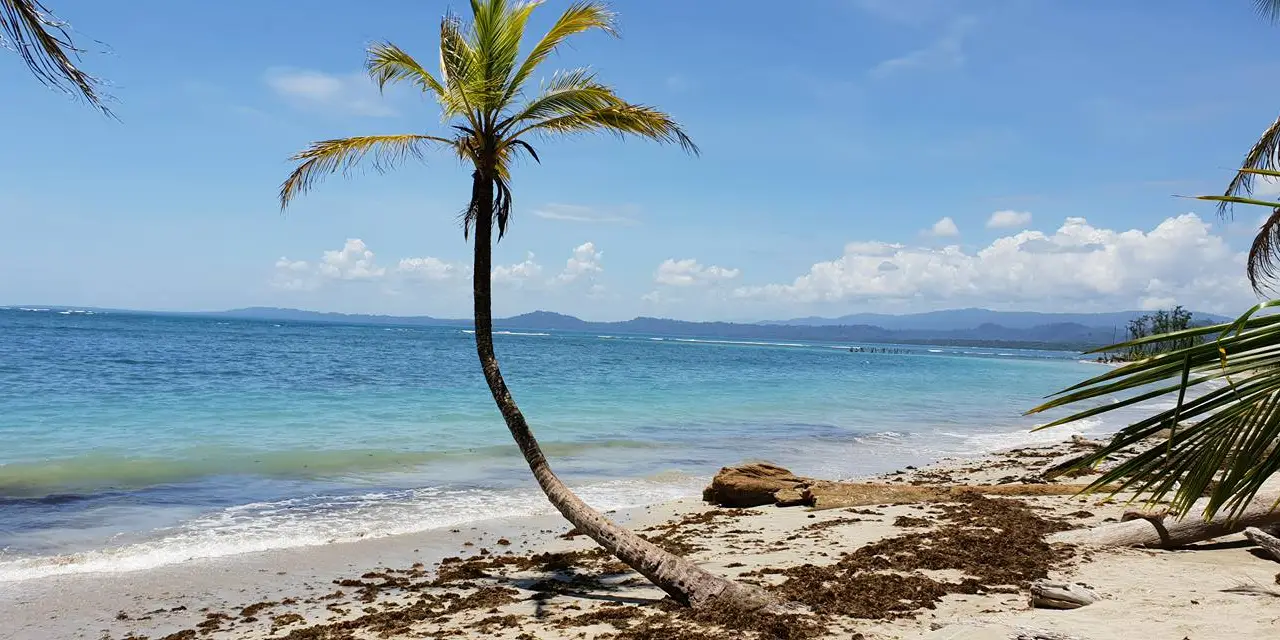
South of Puerto Viejo, the beaches of Manzanillo and Punta Uva offer some of the most beautiful scenery on the Caribbean coast.
Tropical vegetation often extends right up to the water’s edge, and the beaches are surrounded by forest.
Punta Uva is particularly popular for its natural setting and opportunities for exploring the sea when conditions are favorable.
The village of Manzanillo marks the end of the main coastal road. Beyond that point, certain areas can be explored on foot or as part of organized excursions.
Bocas del Toro: Extend Your Trip in Panama
The proximity to the Panamanian border makes it possible to extend a trip along Costa Rica’s Caribbean coast with an exploration of the Bocas del Toro archipelago.
From the Puerto Viejo area, the Sixaola border crossing is accessible by road. Once in Panama, the islands of Bocas del Toro offer a very different setting, with tropical beaches, boat tours, and snorkeling opportunities.
This extension may be of interest to travelers wishing to combine Costa Rica and Panama in a single trip.
Sports and Adventure on the Coast



Surfing: Waves for All Skill Levels
Surfing is an integral part of Caribbean coastal culture.
Puerto Viejo and the surrounding area offer several surf spots, with conditions varying by beach and season. Playa Cocles is particularly known for its waves and surf schools.
Beginners can take lessons with local instructors, while experienced surfers can seek out spots suited to their skill level.
Kayaking: Explore the rivers and mangroves
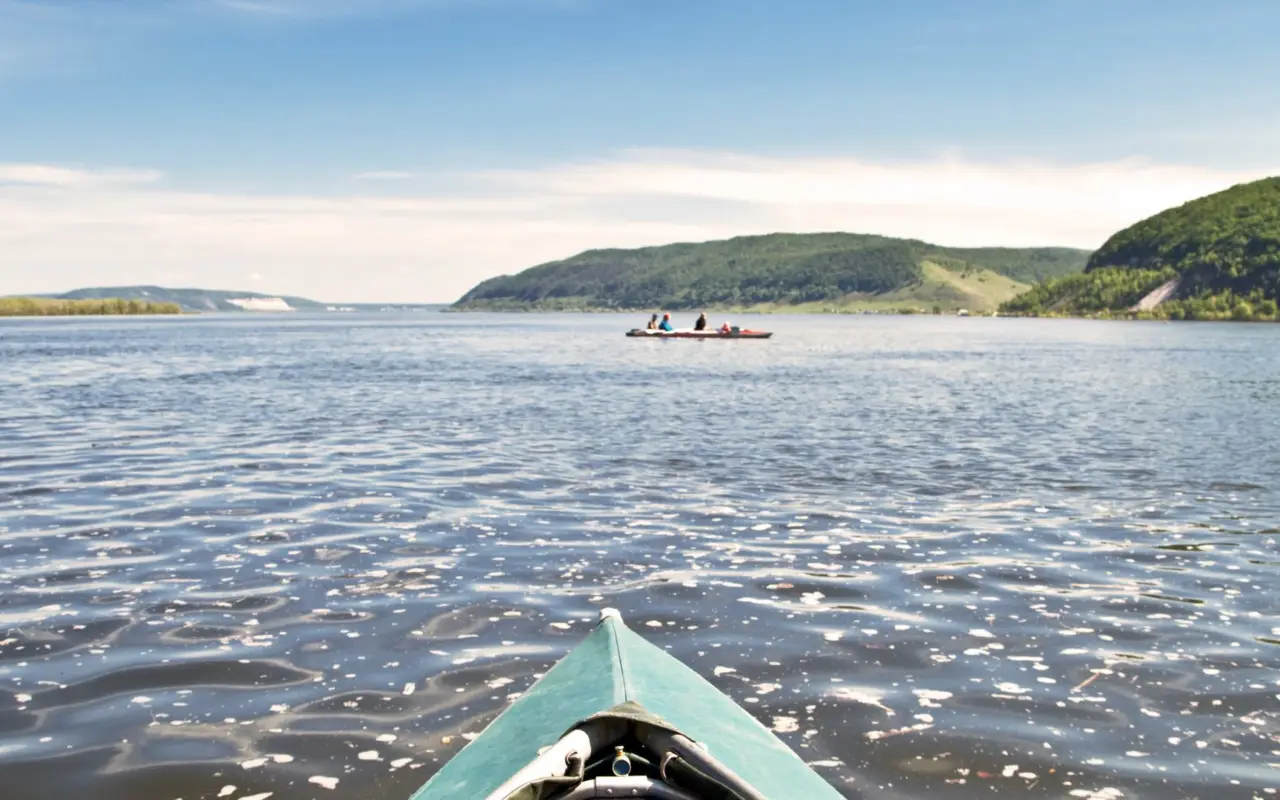
Kayaking is a great way to discover the aquatic ecosystems of the Caribbean coast.
In the Tortuguero region, the canals offer a chance to observe wildlife up close in the rainforest. Other excursions are available in the wetlands and mangroves of Limón Province.
The quiet glide of a kayak often allows you to approach animals more discreetly than a motorboat.
Artisanal fishing: Discover local traditions
In certain areas along the Caribbean coast, local fishermen offer tours that let you discover traditional fishing techniques.
These experiences offer a different way to understand the relationship between coastal communities and the Caribbean Sea.
Since available activities and regulations may vary, it is recommended to choose tours organized by local operators who comply with fishing and conservation regulations.
Biking and Horseback Riding: Between Beaches and Villages
The areas around Puerto Viejo and Manzanillo are particularly well-suited for cycling.
The coastal road makes it easy to connect several beaches and villages while enjoying the tropical vegetation.
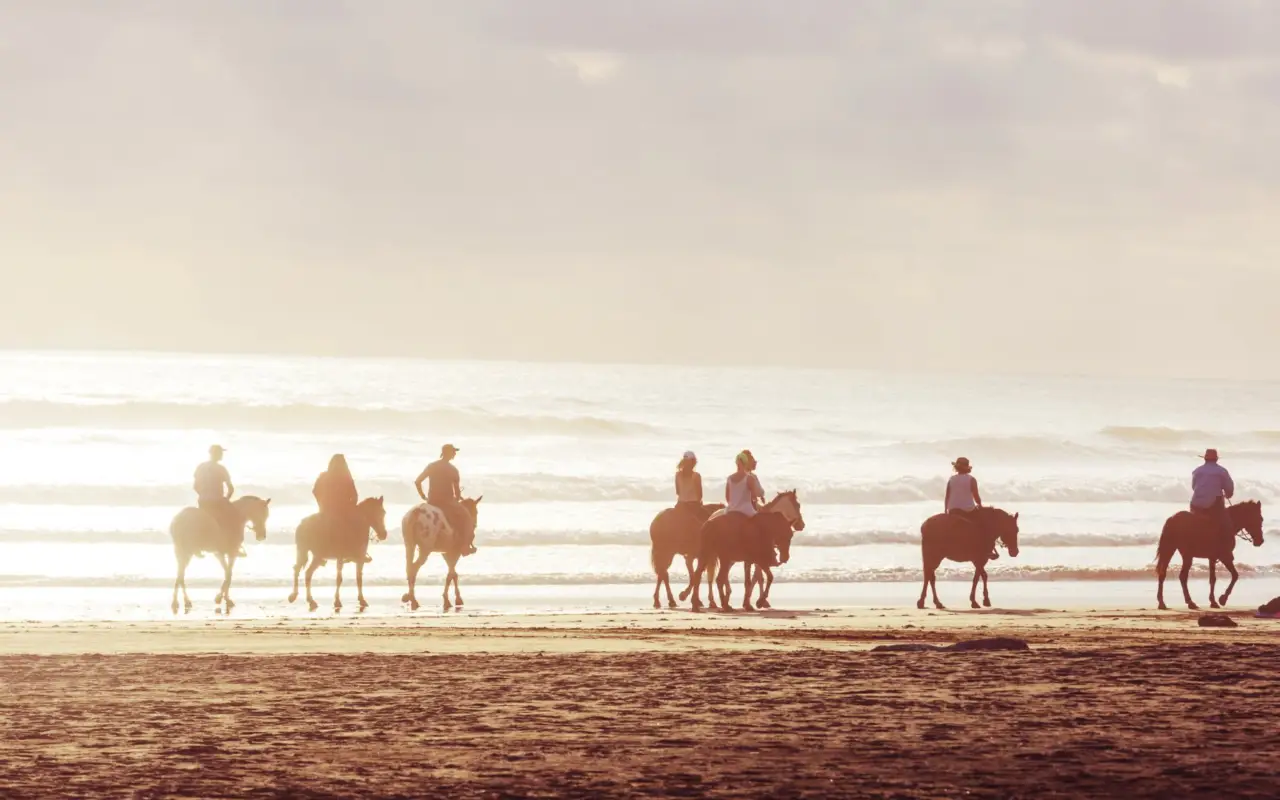
Horseback riding excursions are also available in the region. They offer a different way to explore the Caribbean coast’s landscapes, particularly along forest trails and through rural areas.

When is the best time to go?
The Caribbean coast has a different climate than the Pacific coast.
There isn’t really a dry season as distinct as on the Pacific side, and rain can occur at various times of the year.
Weather conditions are particularly important for water activities, hikes, and excursions in national parks.
For turtle watching, the best time depends on the species you’re looking for: the green sea turtle, for example, can be found in Tortuguero during its main nesting season, while the leatherback turtle nests on the beaches of Gandoca mainly during the first few months of the year and into early summer.
When planning a trip to Costa Rica’s Caribbean coast, it is therefore best to choose your dates based on the activities you wish to do rather than relying solely on the distinction between the dry season and the rainy season.
FAQ: Costa Rica’s Caribbean Coast
What is the most beautiful part of Costa Rica’s Caribbean Coast?
It all depends on what you’re looking for. Tortuguero is ideal for the rainforest, the canals, and wildlife viewing. Cahuita and Puerto Viejo offer a mix of beaches, nature, and Caribbean culture. Further south, Manzanillo and Punta Uva charm visitors with their natural surroundings and tropical beaches.
What to do on Costa Rica’s Caribbean coast?
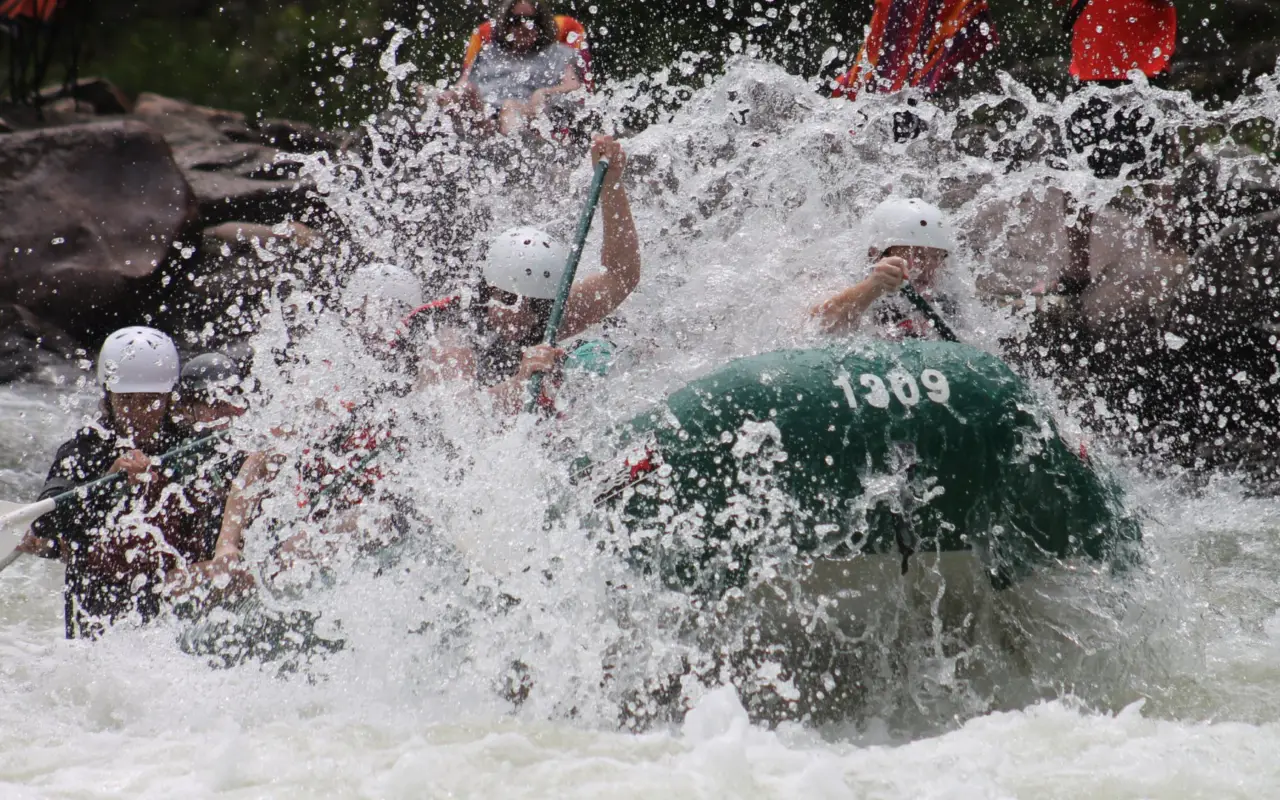
The Caribbean coast offers a variety of activities: boating on the Tortuguero canals, turtle watching, hiking in national parks, exploring Afro-Caribbean culture, meeting indigenous communities, surfing, kayaking, snorkeling, and exploring the beaches.
How much time should you set aside to visit Costa Rica’s Caribbean coast?
To explore Tortuguero and the Puerto Viejo, Cahuita, and Manzanillo areas at a leisurely pace, ideally plan for 5 to 7 days. A shorter stay allows you to explore one of the two main areas, while a week offers more time to combine nature, beaches, and culture.
Is Tortuguero worth a visit?
Yes, especially if you love nature and wildlife watching. Tortuguero has a very unique atmosphere, with a village accessible mainly by boat or plane and a network of canals in the heart of the rainforest.
Can you see turtles in Tortuguero all year round?
Turtles are present in the region, but the main nesting season for green turtles is generally between July and October. Sightings depend on the animals’ natural cycles and can never be guaranteed.
Can you see leatherback turtles in Costa Rica?
Yes. The Gandoca region, on the southern Caribbean coast, is a notable nesting site for leatherback turtles. The nesting season is mainly between February and July, though this varies from year to year. Sightings are monitored to protect the turtles.
When is the best time to visit Tortuguero?
Tortuguero can be visited year-round. The best time to visit depends mainly on your priorities: turtle watching, boating conditions, hiking, or wildlife exploration.
What is the difference between Tortuguero and Puerto Viejo?
Tortuguero is first and foremost a nature and wildlife-watching destination, centered around the canals, the rainforest, and sea turtles. Puerto Viejo offers a more beach-oriented and cultural experience, with beaches, surfing, restaurants, and a strong Afro-Caribbean identity.
Can you swim anywhere?
Yes, but conditions vary depending on the beach and the weather. Some beaches are better suited for swimming, while others are better known for surfing. It’s always best to check with locals about sea conditions before going for a swim.
Can you visit Tortuguero and Puerto Viejo on the same trip?
Yes. These two destinations complement each other and allow you to discover the two sides of Costa Rica’s Caribbean coast: the nature and canals of Tortuguero in the north, and the beaches and Caribbean culture around Cahuita and Puerto Viejo in the south.
Can you combine Costa Rica and Bocas del Toro?
Yes. The Sixaola border crossing allows you to travel from Costa Rica to Panama and continue your journey to the Bocas del Toro archipelago. This extension is particularly appealing for travelers who want to combine nature, beaches, and the chance to explore two Central American countries.

Tortuguero and the Caribbean Coast: A Different Perspective on Costa Rica
Costa Rica’s Caribbean coast has a unique character. From the Tortuguero canals to the rainforests, the beaches of Puerto Viejo and Manzanillo, the reefs of Cahuita, and the region’s indigenous communities, it offers exceptional diversity.
For a first trip to Costa Rica, the Caribbean Coast offers a chance to discover a side of the country that is often very different from that of the Pacific regions.
And for those who want to venture off the beaten path, it’s probably one of the most interesting regions to explore.
Author: Terra Caribea – Local travel agency in Costa Rica
This article was written by Terra Caribea, a local travel agency specializing in creating custom trips in Costa Rica.
Information regarding national parks, protected areas, and visiting conditions is based primarily on data from SINAC (Sistema Nacional de Áreas de Conservación) and Costa Rica’s official conservation and tourism agencies.
Last updated: July 2026.
Since park access requirements, wildlife viewing seasons, and regulations are subject to change, we recommend that travelers check official information before departure.