Cacao in Costa Rica: History, Traditions, and Encounters
Behind every square of Costa Rican chocolate lies much more than just a treat. It tells the story offarming families, ancestral traditions, agricultural expertise, and local initiatives that seek to balance production with the preservation of nature.
Today, cacao holds a special place in several regions of the country. Cultivated within agroforestry systems and processed by dedicated farming families, cooperatives, or small artisanal businesses, it represents both a major economic activity and a living heritage. From Talamanca to Sarapiquí, through the Tenorio region and the area around Arenal, cacao and its history will surprise you!
The Revival of Costa Rica Cacao
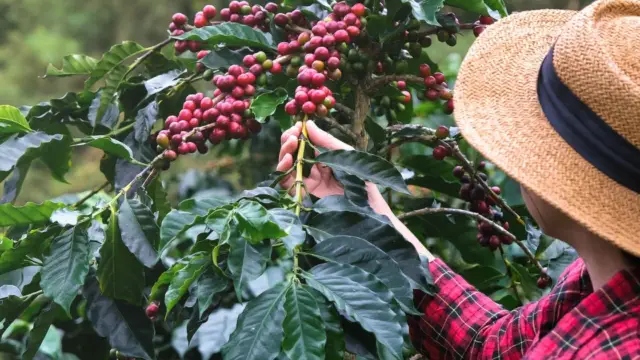
However, the Cacao industry has not always been as dynamic as it is today. Until the 1970s, Costa Rica was one of Central America’s leading cocoa producers. But the emergence of Monilia, a fungus that attacks cocoa pods and can destroy a large portion of the harvest, profoundly disrupted the industry. In many regions, plantations were abandoned, and numerous families turned to other crops, such as bananas or coffee.
Since the early 2000s, however, the cacao industry has been experiencing a true revival. Thanks to the introduction of disease-resistant varieties, the development of agroforestry systems, and the rise of high-quality artisanal chocolate, many producers are breathing new life into thisiconic crop. Rather than focusing on volume, Costa Rica has gradually shifted toward high-quality cocoa, promoting local expertise, on-site processing, and more sustainable agricultural practices.
Where is Cacao grown in Costa Rica?
Talamanca, the Cradle of Costa Rican Cacao
Located in the southern Caribbean region, Talamanca is Costa Rica’s main cacao-growing region and has historically accounted for a large portion of the country’s production. Cacao is primarily grown there by small family farms, often within agroforestry systems. Talamanca is also the ancestral homeland of the Bribri and Cabécar communities. For these indigenous peoples, cacao is not merely an agricultural crop: it plays an important role in their history, their traditional knowledge, and certain traditionsthat are still passed down today.
Our Suggested Experience: Immersion with a Bribri Family
With Terra Caribea, we invite you to meet a family from the Bribri community, in the heart of the Talamanca mountain range. Much more than just an introduction to cacao, this experience is an invitation to understand the deep connections between this plant and the community’s traditions, craftsmanship, and way of life.
Tenorio: Cacao at the Foot of the Volcanoes
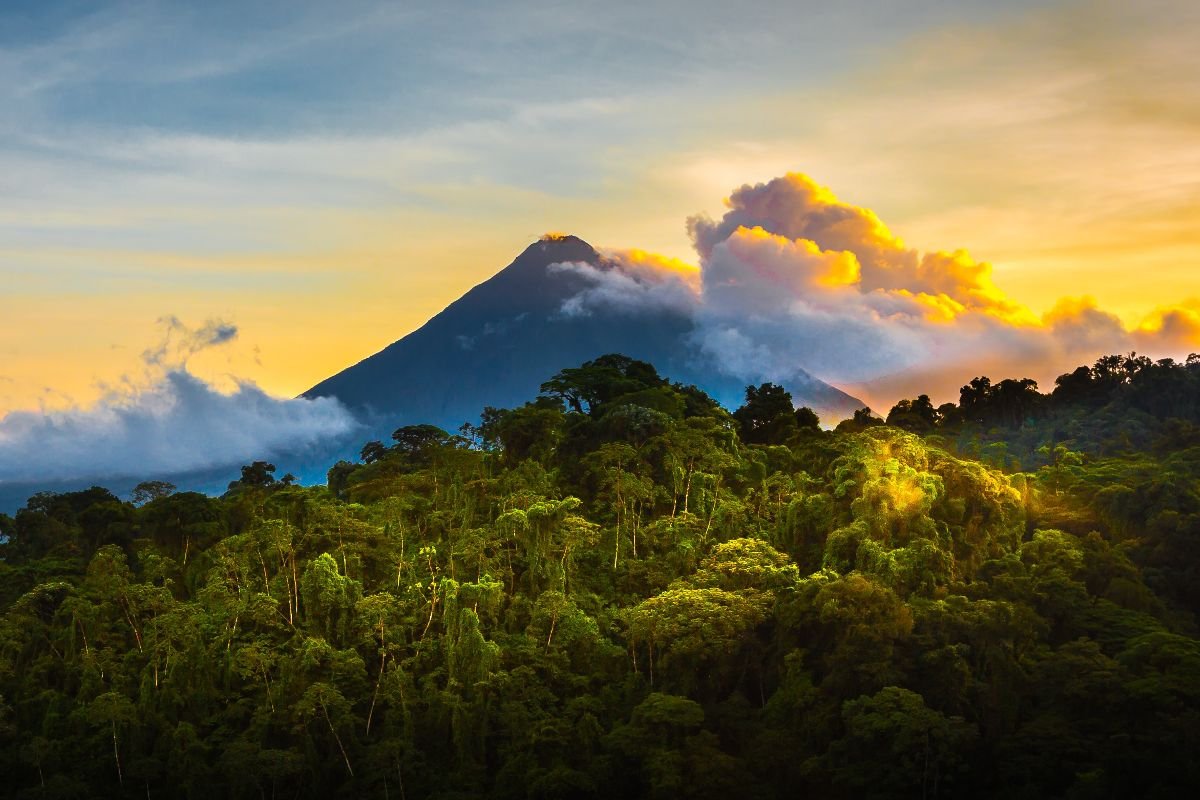
In the foothills of the Tenorio volcano, cacao thrives in a humid tropical environment characterized by volcanic soils and a microclimate shaped by the proximity of the Tenorio and Miravallesvolcanoes . Production here remains more limited than in Talamanca, but the region stands out for its many fincas committed to sustainable farming and artisanal cocoa processing, often taking the beans directly from the tree to the chocolate bar. Producers on our list of recommended farms particularly emphasize organic and agroforestry practices, as well as selected varieties of fine cacao.
Other producing regions to explore:
- the area around La Fortuna and the Arenal Volcano;
- the Sarapiquíregion, renowned for its fertile soil;
- the highlands of Turrialba ;
- certain areas in southern Costa Rica, particularly around Pérez Zeledón.
Terra Caribea takes you to Bernardita and Marvin’s home in Pérez Zeledón, where they welcome travelers from around the world to their family farm. This visit offers a firsthand look at the challenges and opportunities associated with artisanal cocoa production in rural Costa Rica today.
Visiting a cacao plantation: an experience that goes far beyond just tasting
Visiting a cacao plantation provides a hands-on understanding of the work involved in making chocolate. Throughout the tour, visitors typically observe the various stages of production, from harvesting the pods to processing the beans.
But above all, it’s also an opportunity to talk with the people who grow cacao every day and to gain a better understanding of the country’s agricultural realities. Beyond the tasting, these experiences allow you to put faces and stories to a product that we often consume without knowing its origin.
How is Cacao turned into chocolate?
Before becoming a chocolate bar, cocoa goes through several essential stages that directly influence its flavors.
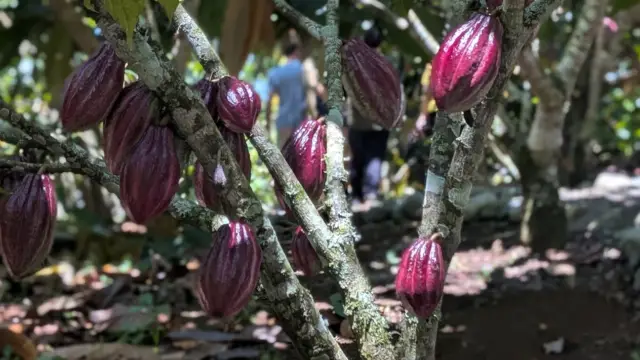
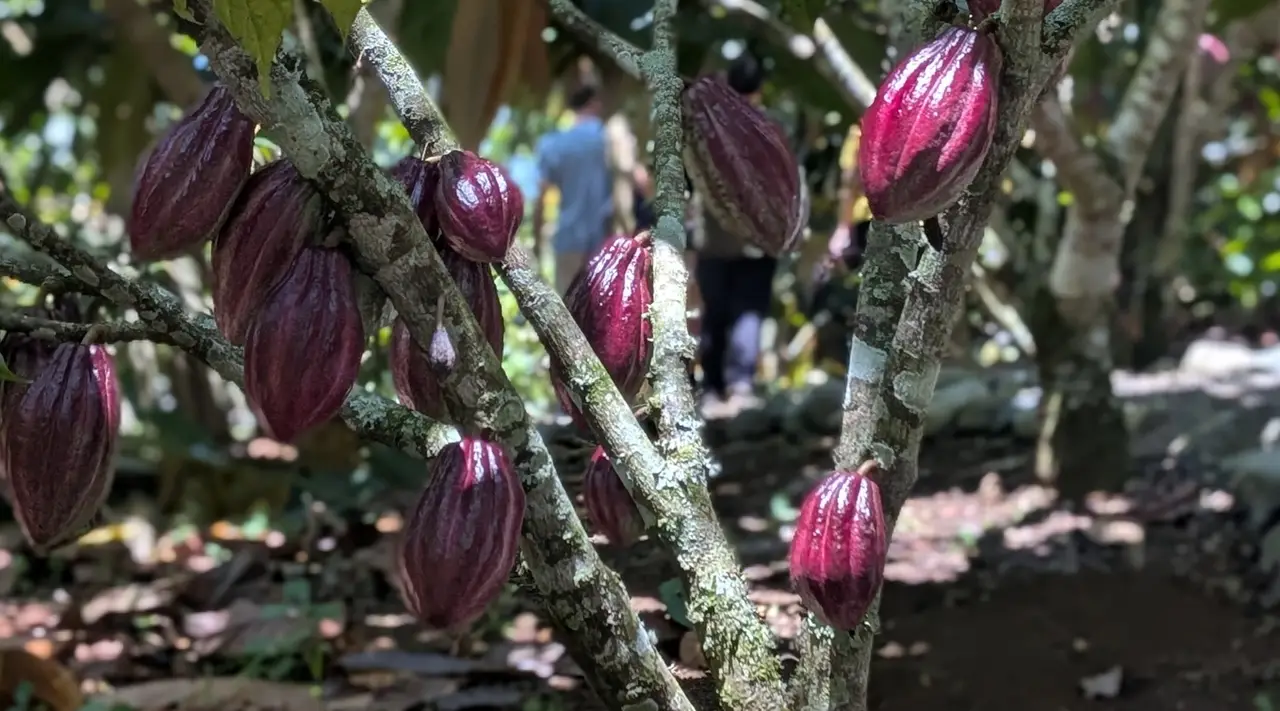
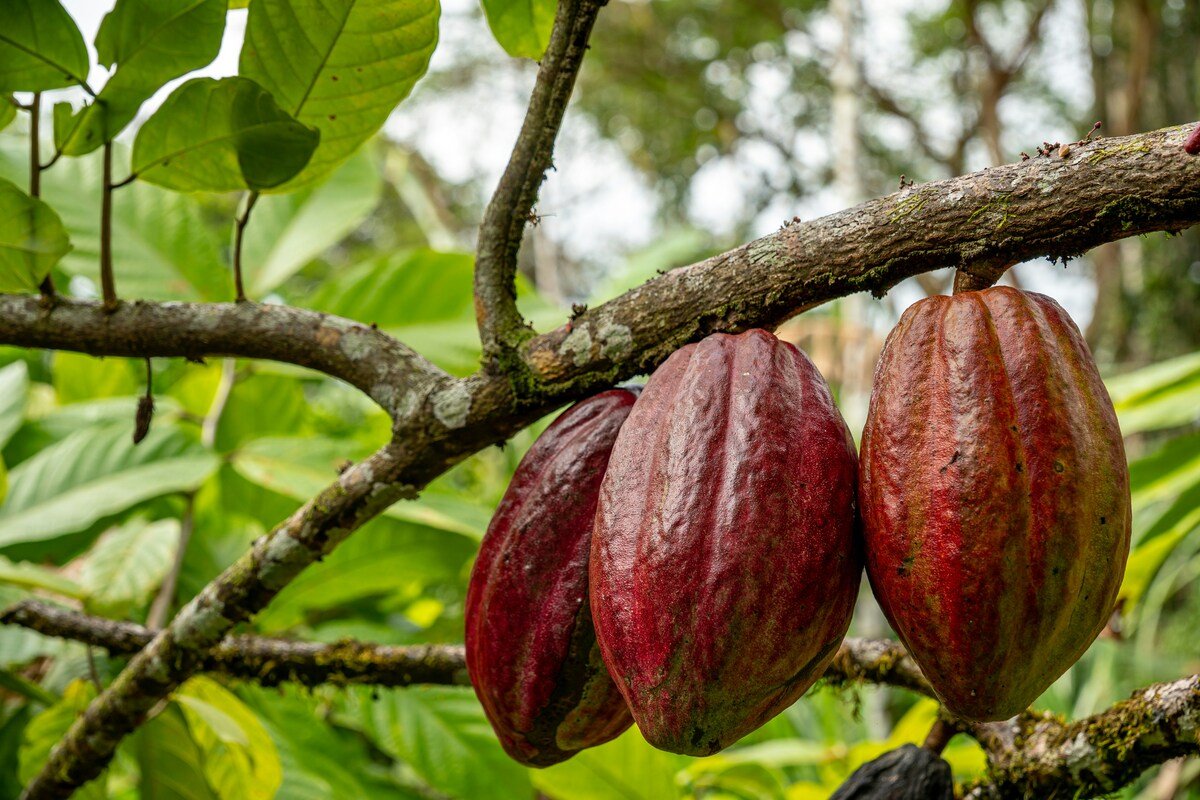
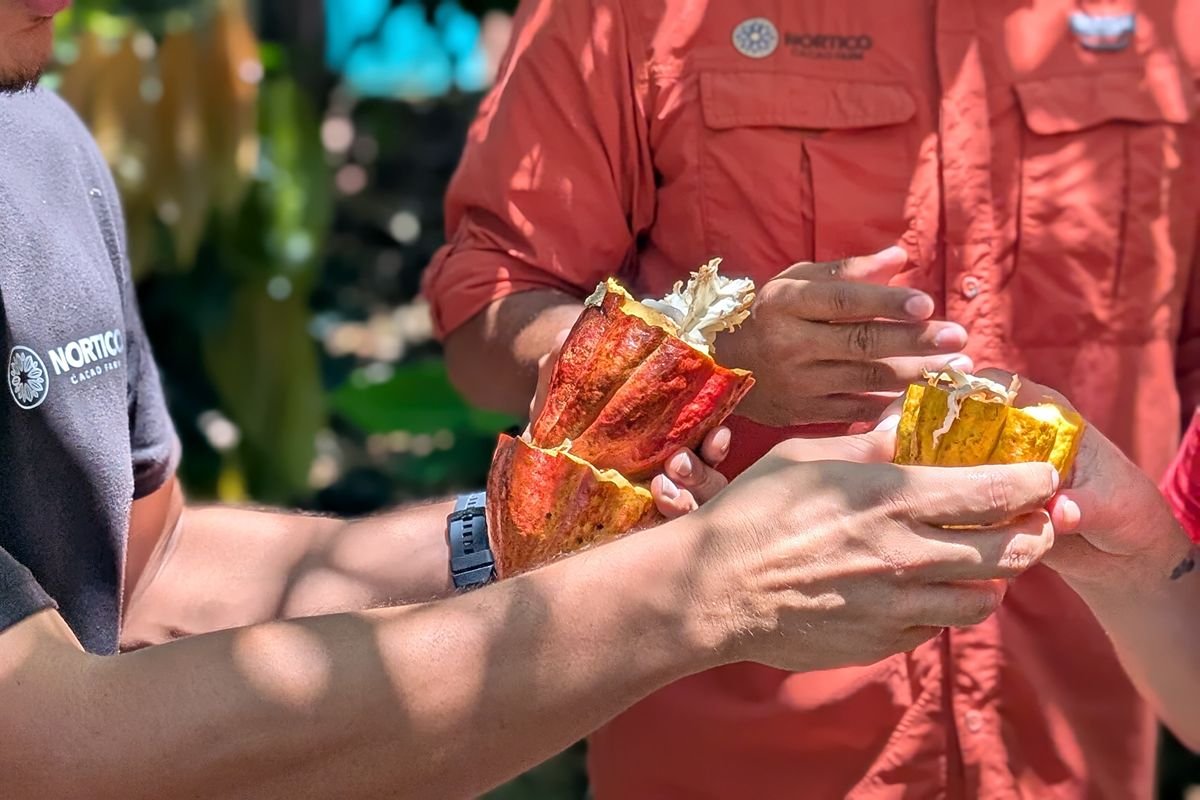
- Harvesting the pods: The fruits of the cacao tree, called pods, grow directly on the trunk and main branches of the tree. Once ripe, they are harvested by hand and then opened to extractthe beans, whichare surrounded by white pulp.
- Fermentation: This step is often considered one of the most important. The beans are placed in crates or covered with leaves for several days. Fermentation allows the aromatic precursors to develop, which will give the chocolate its characteristic flavors.
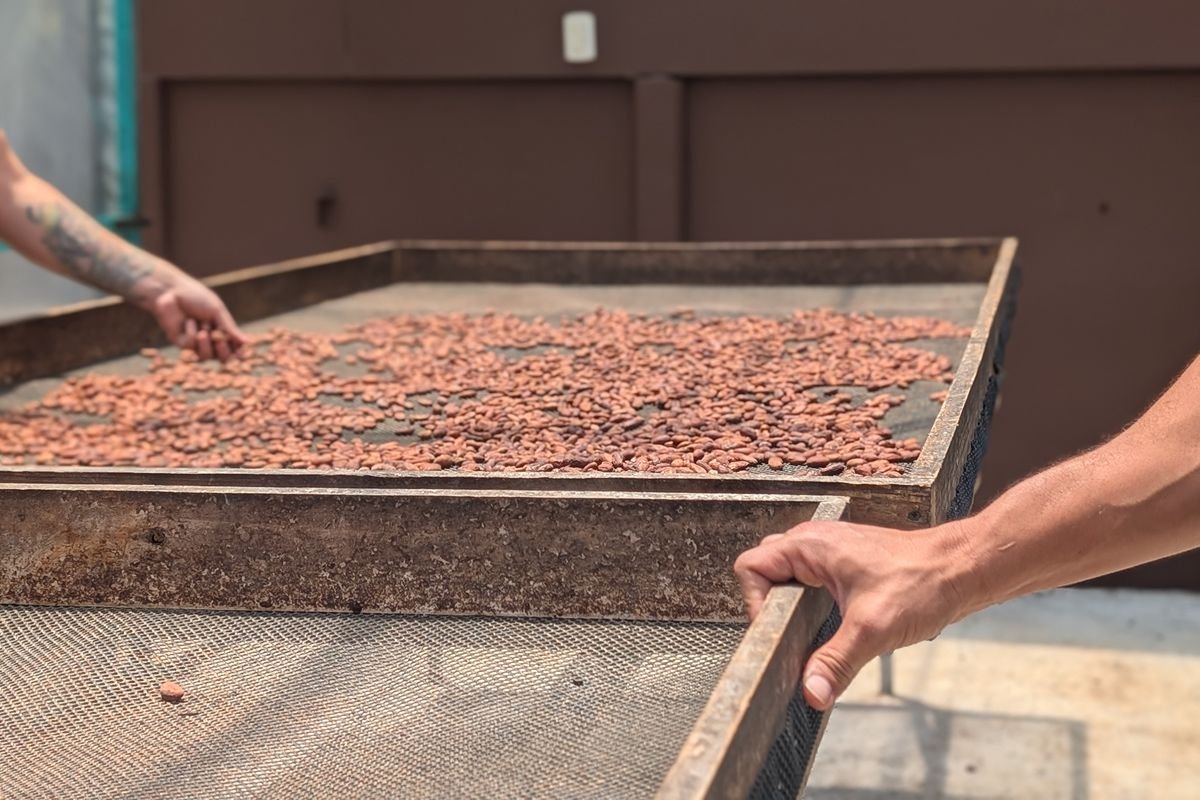
- Drying: After fermentation, the beans are dried in the sun for several days to reduce their moisture content and ensure they can be stored.
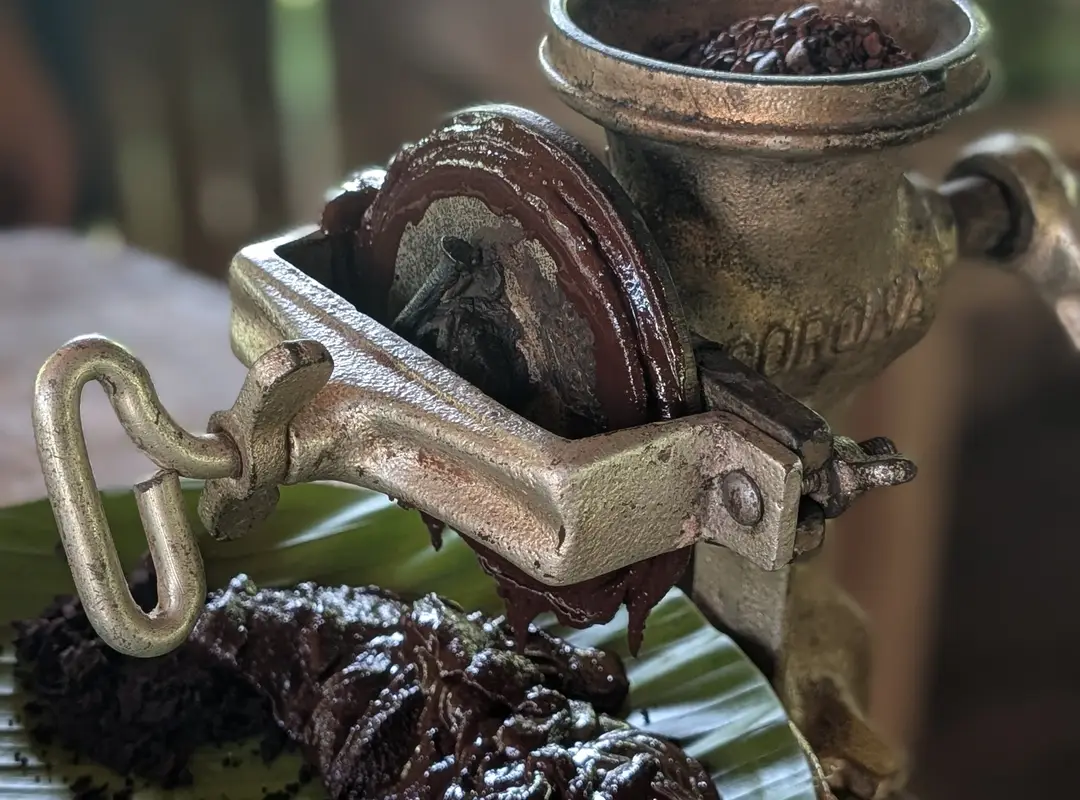
- Roasting and processing: Once dried, the beans are roasted and then ground. This process produces the cocoa paste, which is then used to make chocolate.
Shade-grown Cacao: an agricultural model often held up as an example
In Costa Rica, much of the cacao is grown using agroforestry systems, also known as “shade-grown” crops. Unlike intensive plantations where cacao trees are grown alone, agroforestry systems combine several plant species on a single plot: fruit trees, hardwood trees, banana trees, or other local species. This diversity creates a canopy that naturally protects the cacao trees from direct sunlight. These systems align with an approach often sought by travelers wishing to discover more sustainable agricultural practices.
For many travelers, these encounters also offer a way to better understand local initiatives that contribute to more responsible tourism and a more equitable distribution of economic benefits within the region.
How do you choose ethically sourced chocolate in Costa Rica?
If you’d like to bring a few bars back in your luggage, here are some tips to help you make a more informed choice:
- Look for chocolates made in Costa Rica (look for the small flag on the package)
- Check the origin of the cacao: some bars indicate the region of production (Talamanca, Tenorio, Sarapiquí…) or even the specific finca where the beans were grown, which ensures traceability.
- Look for the phrase “bean to bar,” which means the chocolatier oversees the entire production process, from selecting the beans to the final bar.
- Don’t rely solely on labels. While organic or fair trade certifications can be a useful guide, many small farms operate using sustainable practices without being certified, as the certification process can sometimes be costly for small producers.
- Buy directly from producers—it’s often the best way to support the local economy while discovering high-quality products.
At Terra Caribea, we maintain a guide to local favorites that we give to our guests upon arrival. In it, we share a selection of producers, artisans, and small local initiatives that allow guests to discover high-quality products—including cacao—while supporting the local economy!
The Terra Caribea Team