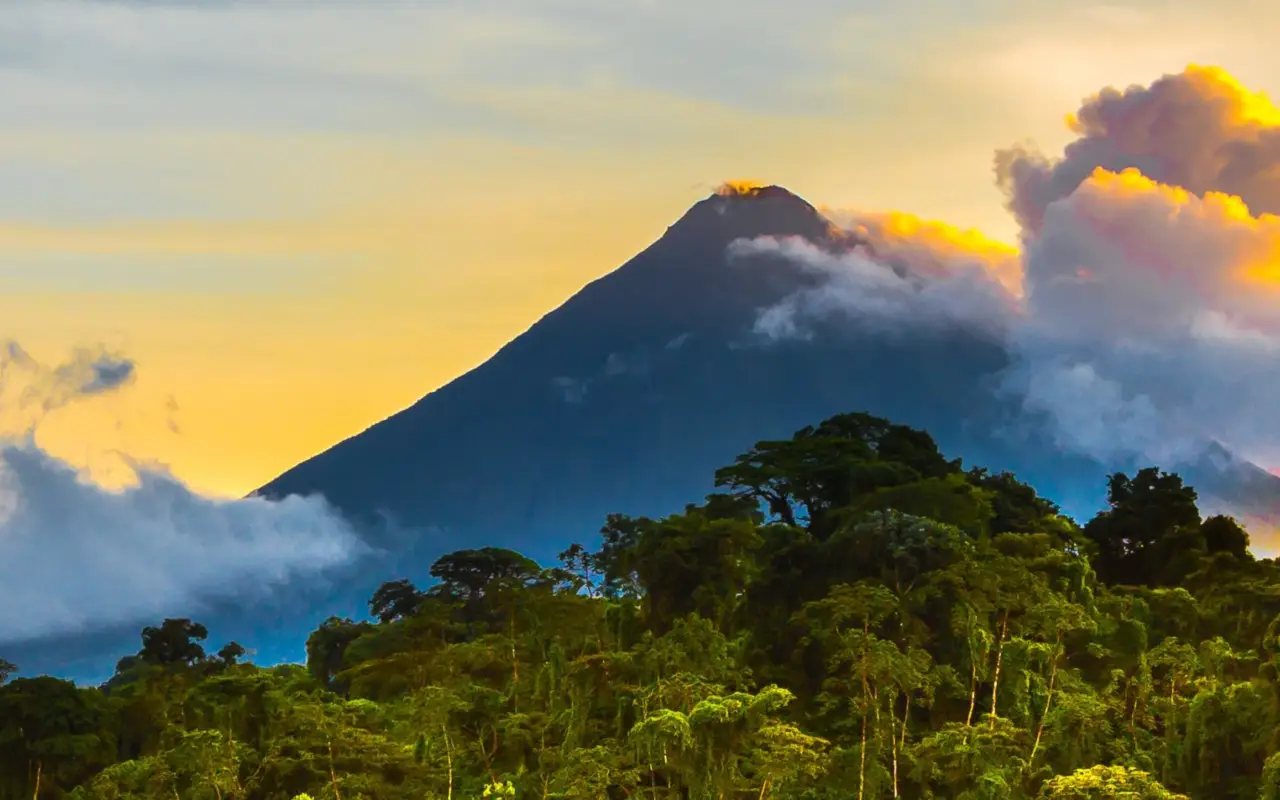
Northwestern Costa Rica is home to three major volcanoes. Arenal features a symmetrical cone and hot springs; Rincón de la Vieja has nine craters; and Tenorio is home to the Río Celeste and its turquoise waters. The region is ideal for hiking, soaking in hot springs, zip-lining, and meeting the Maleku indigenous community. La Fortuna serves as the main gateway.
Northwestern Costa Rica features a mix of volcanoes, forests, and hot springs. It is home to two of the country’s most active volcanoes, Arenal and Rincón de la Vieja, as well as the more low-key Tenorio. The region attracts travelers seeking adventure, nature, and community-based tourism. It can easily be combined with a visit to Guanacaste and its beaches, further to the west.
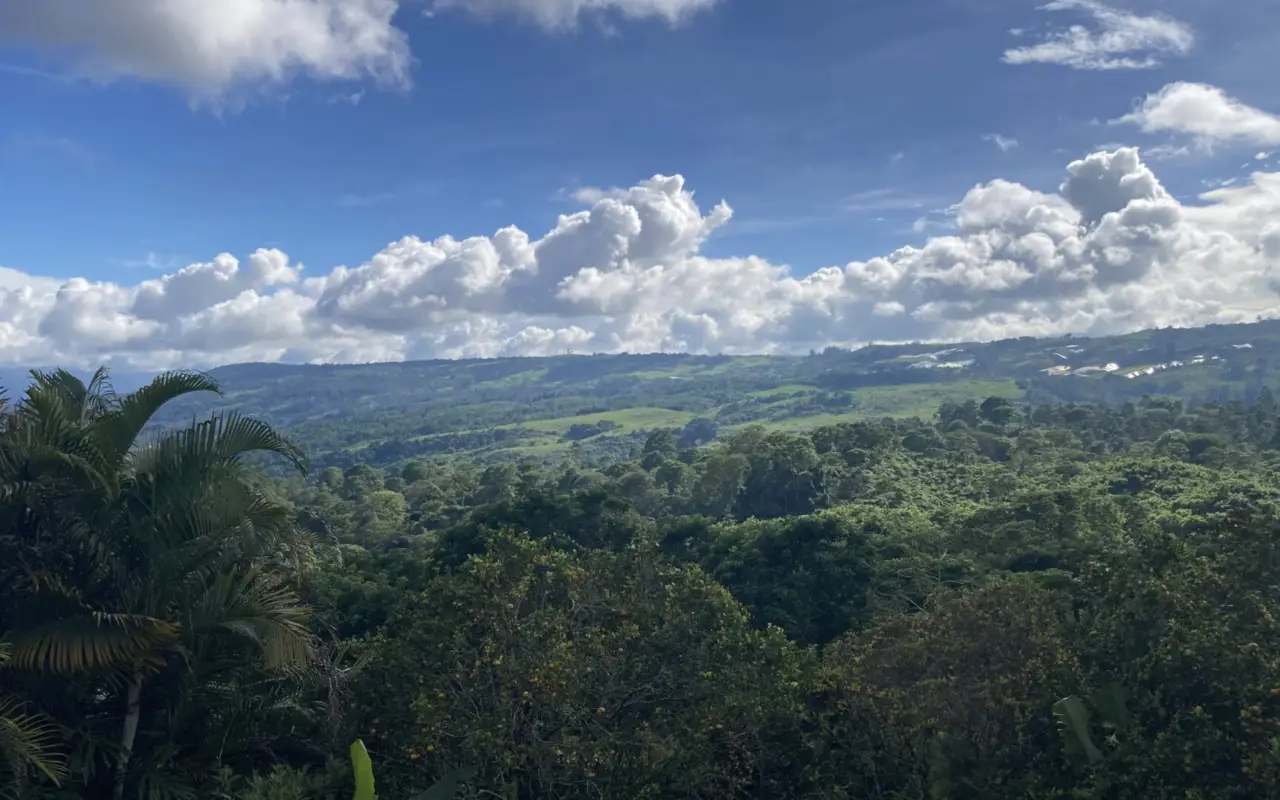
Take in the view from above and admire the incredible landscape that unfolds before you from the smoking volcanoes of northwestern Costa Rica, where the treetops brush against the clouds, and where volcanoes and hot springs alternate. The region is home to two of the country’s most active volcanoes—Arenal and Rincón de la Vieja—and is therefore considered one of Costa Rica’s must-see destinations.
Considered one of the country’s most beautiful sites, Arenal VolcanoNational Park is divided into several sections: the lake, the suspension bridges, and the nature reserve. So, feel free to go hiking, enjoy the hot springs, go fishing, or even go kayaking!
Rincón de la Vieja is a volcano composed of nine different craters. The national park entrance is the starting point for numerous hikes that wind through bubbling mud pools, fumaroles, and majestic waterfalls.
Between Arenal and Tenorio, meet theMaleku indigenous community, which continues to uphold its ancestral traditions.
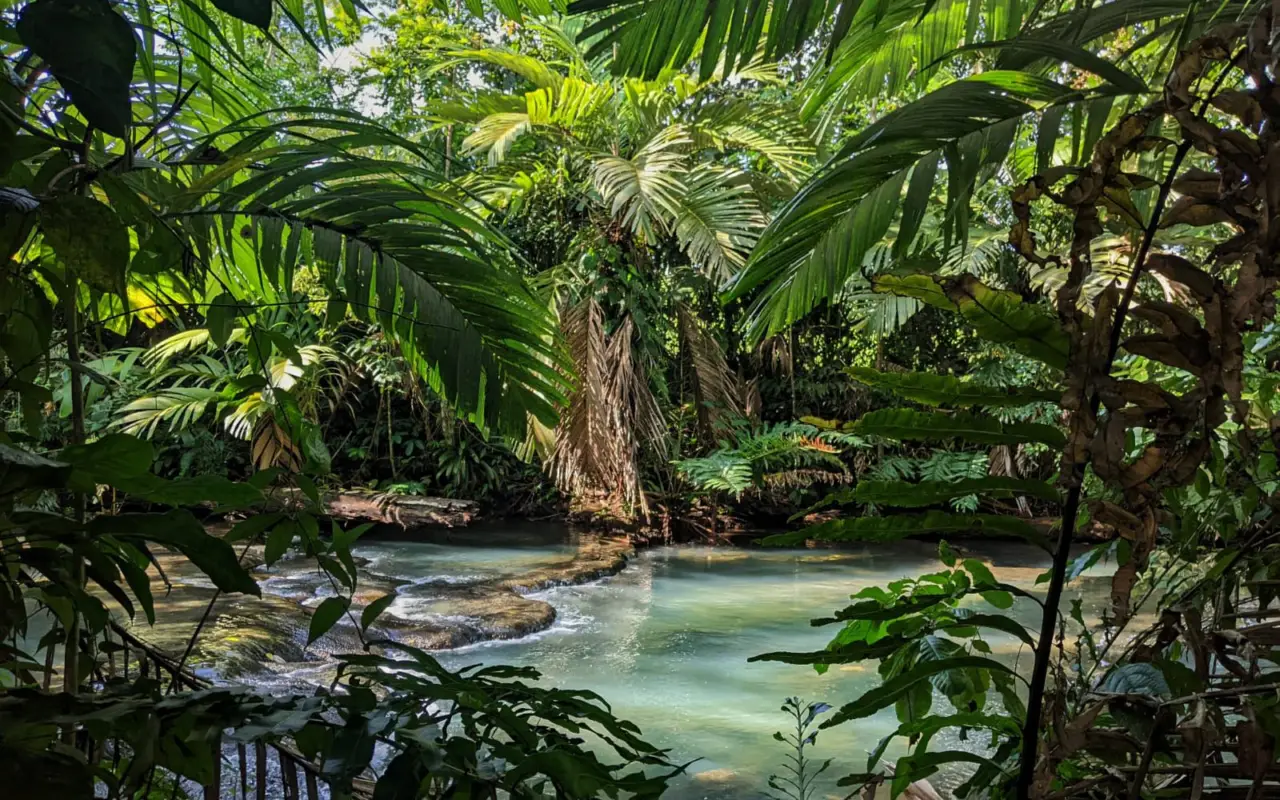
InTenorio, you’ll hike along trails that climb up to the volcano’s four peaks and two craters. The incredible turquoise-blue waters of the Rio Céleste, the waterfalls, and the small lagoons make this a magical place. In fact, legend has it that “When God finished painting the sky blue, he washed his brushes in the Rio Céleste.”
The region is a popular destination for lovers of adventure, nature, and community-based tourism.
Arenal, the iconic volcano
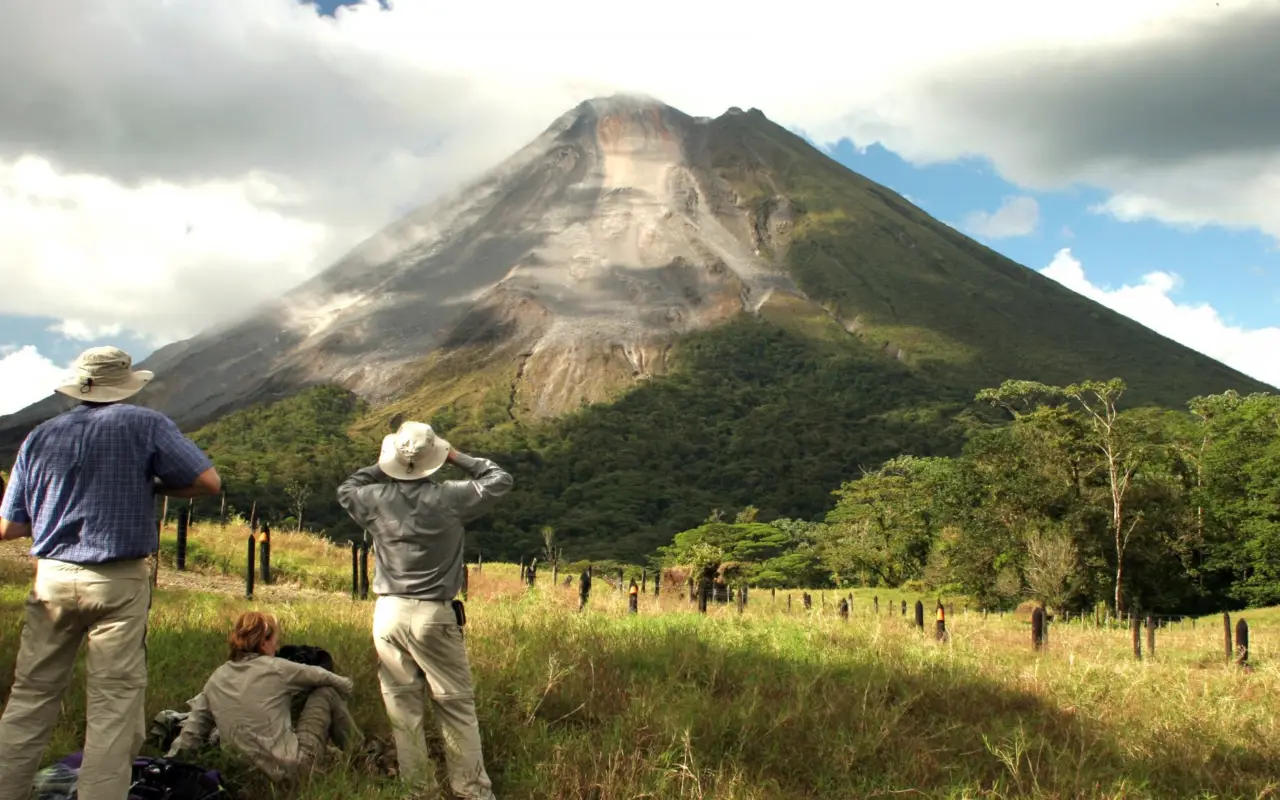
The Arenal, standing 1,633 meters tall, has an almost perfect cone shape. After a long period of activity between 1968 and 2010, it is now dormant, with no visible lava flows. The national park protects the volcano, the lake, the suspension bridges, and a forest reserve. There, you can hike, enjoy the hot springs, fish, or go kayaking. Our article provides detailsabout the Arenal Volcano region.
Suspension Bridges, Canopy, and Birds
A trail about three kilometers long winds through the primary forest via a series of bridges, several of which are suspended above the canopy. You’ll cross about fifteen fixed and suspension bridges, with views of the tropical vegetation and the volcano. A naturalist and ornithologist guide helps you observe the many birds in the private reserve. For a tour focused on birdlife, see ourbirding trip.
Hot Springs
The region’s hot springs draw their warm waters from the sources of the Arenal Volcano. Eco Termales offers an intimate setting, sheltered from mass tourism. Tabacón features pools fed by the Tabacón River, set amid dense vegetation. These baths are perfect for a relaxing break after a hike. Ournature and wellnesstrips include visits to these hot springs.
Lake Arenal
Lake Arenal is the largest lake in Costa Rica. Developed in the late 1970s for hydroelectric power generation, it supplies a significant portion of the country’s energy. A variety of excursions are available here, including boat trips, canoeing, kayaking, fishing, and windsurfing. During your outing, you can spot kingfishers, anhingas, and cormorants, or hear howler monkeys.
Rincon de la Vieja, the volcano with nine craters
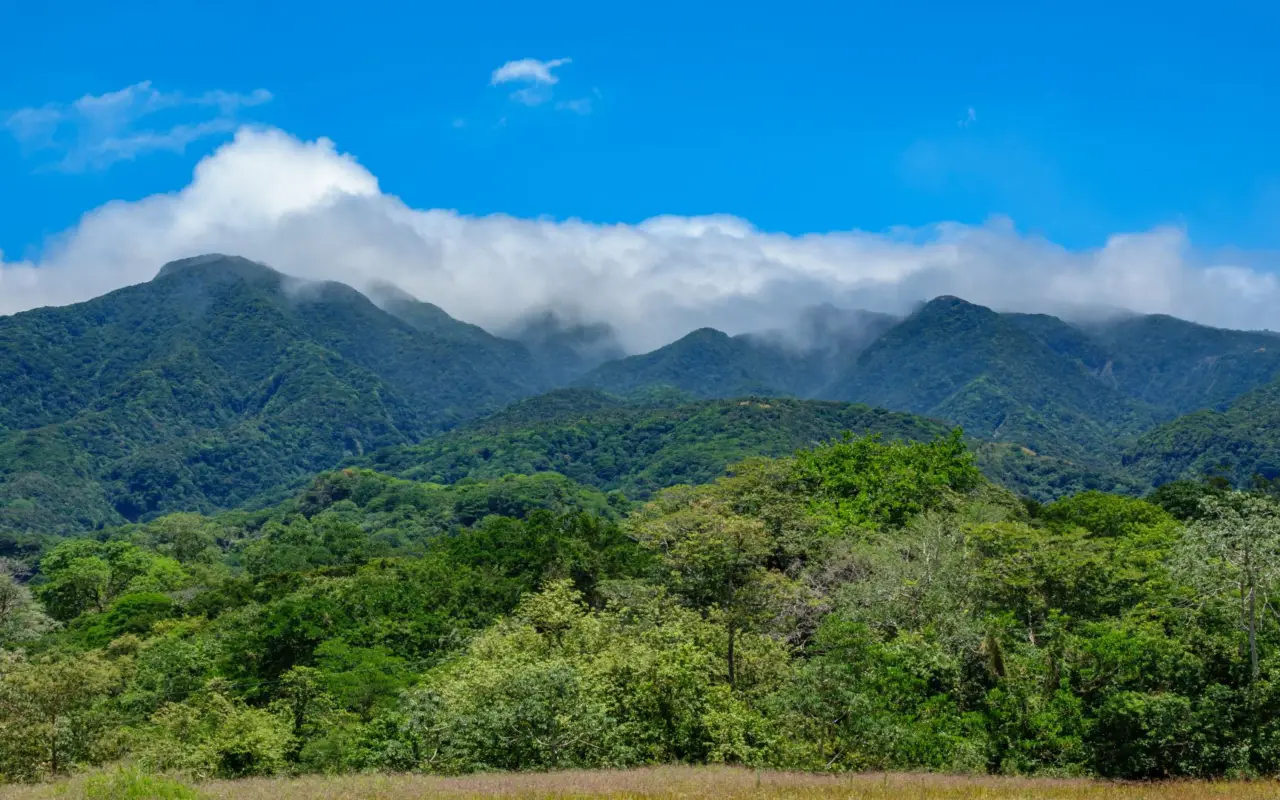
Rincón de la Vieja, the volcano with nine craters
Rincón de la Vieja is a volcanic massif in the Guanacaste Range, whose highest peak, Santa María, rises to 1,916 meters. It has nine vent sites. The volcano remains active, with regular phreatic eruptions that can lead to the temporary closure of certain areas. The national park features waterfalls, hot springs, fumaroles, and bubbling mud pools, all set amid abundant flora and fauna. Our dedicated page showcases theRincón de la Vieja region.
Hiking and Horseback Riding
The park has several trails that can be explored on foot or on horseback. You’ll pass near volcanic features such as waterfalls, solfataras, fumaroles, geysers, and mud lakes, from which the smell of sulfur wafts. Along the way, you may encounter coatis and howler monkeys and spot numerous birds.
Ziplining and Canyoning
You can also explore the forest from above. Secured in a harness, you’ll glide over the canopy on cables, passing birds and monkeys in their natural habitat. The course combines suspension bridges, rappelling sections, via ferrata, and jumps. It features a dozen cables, spread out above the trees and deep within the canyon. See ouradventures and extreme sports.
Craters Climb
The ascent of the north face leads to the Von Seebach crater, at 1,898 meters, and the Rincón de la Vieja crater, at 1,806 meters. The route passes through contrasting landscapes, from rainforests to expanses of volcanic rock. At the summit, you’ll see the active craters and enjoy a 360-degree panoramic view. This climb depends on the volcano’s activity and is not always open.
Tenerio and the Rio Celeste
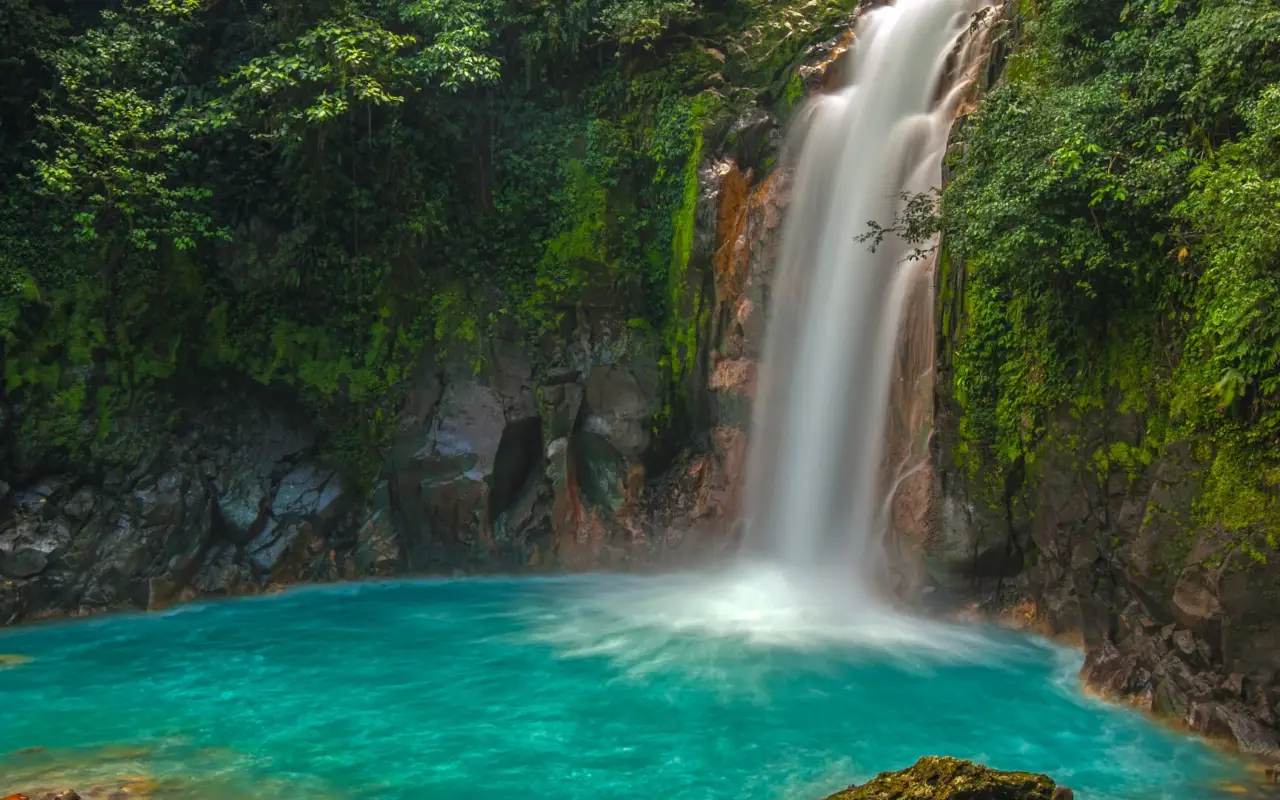
Tenorio Volcano National Park protects nearly 12,900 hectares of rainforests and cloud forests in the Guanacaste mountain range. The volcano rises to 1,916 meters and exhibits visible geothermal activity: fumaroles, hot springs, and bubbling pools. Its main attraction is the Río Celeste and its turquoise-blue waters. The site remains off the beaten path.
The color of the Río Celeste is the result of an optical phenomenon. At Los Teñideros, where the Río Buenavista and the Quebrada Agria converge, aluminum silicate particles are suspended in the water. These particles reach a size that scatters sunlight and reflects blue light. A trail about six kilometers long leads to the waterfall, the blue lagoon, and the hot springs. Swimming is prohibited in the park. Local legend sums it all up: when God finished painting the sky, he washed his brushes in the Río Celeste.
Meeting the Maleku
Between Arenal and Tenorio lives the Maleku indigenous community, also known as the Guatuso. They are one of Costa Rica’s smallest indigenous peoples. The visit offers a chance to discover their history and traditions, from medicinal plants to handicrafts. In the village, you’ll share a traditional meal and attend a ceremony. Painted bark cloths can be purchased on site.
When to Visit
The region can be visited year-round. The dry season makes it easier to see the mountain peaks, which are often covered in clouds, and brings out the vibrant colors of the Río Celeste.
| Period | Conditions |
|---|---|
| December through April (dry season) | Better visibility of the rock formations, more intense color of the Río Celeste, higher number of visitors |
| May through November (green season) | Dense vegetation, pleasant hot springs, less crowded sites, frequent showers |
Frequently Asked Questions
Is the Arenal Volcano still erupting?
No. After a period of activity from 1968 to 2010, the Arenal is now dormant. There are no longer any visible lava flows, but the cone and the surrounding area remain very popular.
Why is the Río Celeste blue?
The color is caused by an optical phenomenon. At Los Teñideros, where two rivers meet, aluminosilicate particles are suspended in the water, scattering light and reflecting blue hues.
Can you swim in the Río Celeste?
No. Swimming is prohibited within Tenorio Volcano National Park. Hot springs are located outside the park, near Bijagua.
Which town serves as a base for visiting Arenal?
La Fortuna, at the foot of the volcano, about three hours from San José. It offers a variety of accommodations, restaurants, and tour departure points.
Is Rincón de la Vieja still accessible?
The volcano is active and experiences phreatic eruptions. Certain areas of the park may be temporarily closed for safety reasons. Check the park’s status before you go.
In summary
| Element | Details |
|---|---|
| Volcanoes | Arenal, Rincón de la Vieja, Tenorio |
| Base City | La Fortuna, about 3 hours from San José |
| Top Activities | Hiking, hot springs, zip-lining, Río Celeste |
| Culture | Maleku Indigenous Community |
| Best time to visit | December through April for the best visibility |
| Combination | Guanacaste and its beaches, further west |
| Recommended duration | 3 to 4 days, depending on which volcanoes you visit |
Article updated on July 29, 2026.
About Terra Caribea
Terra Caribea is a local, inbound travel agency that has been based in Costa Rica since 2008 and also operates in Panama. Our office is located in San José, in the Barrio Escalante neighborhood, near France Park. Our team consists of Costa Ricans and French nationals who live locally and design each itinerary directly, without intermediaries. We know the roads of the northwest and how they change with the seasons, and we select service providers whom we’ve personally vetted. The agency is Travelife and Esencial Costa Rica certified and is part of the Terra Panamerica network. Why Travel with a Local Agency — Our Team — Our Travelife Certification — Custom Travel