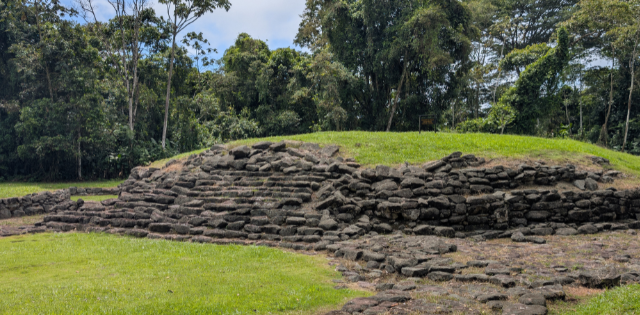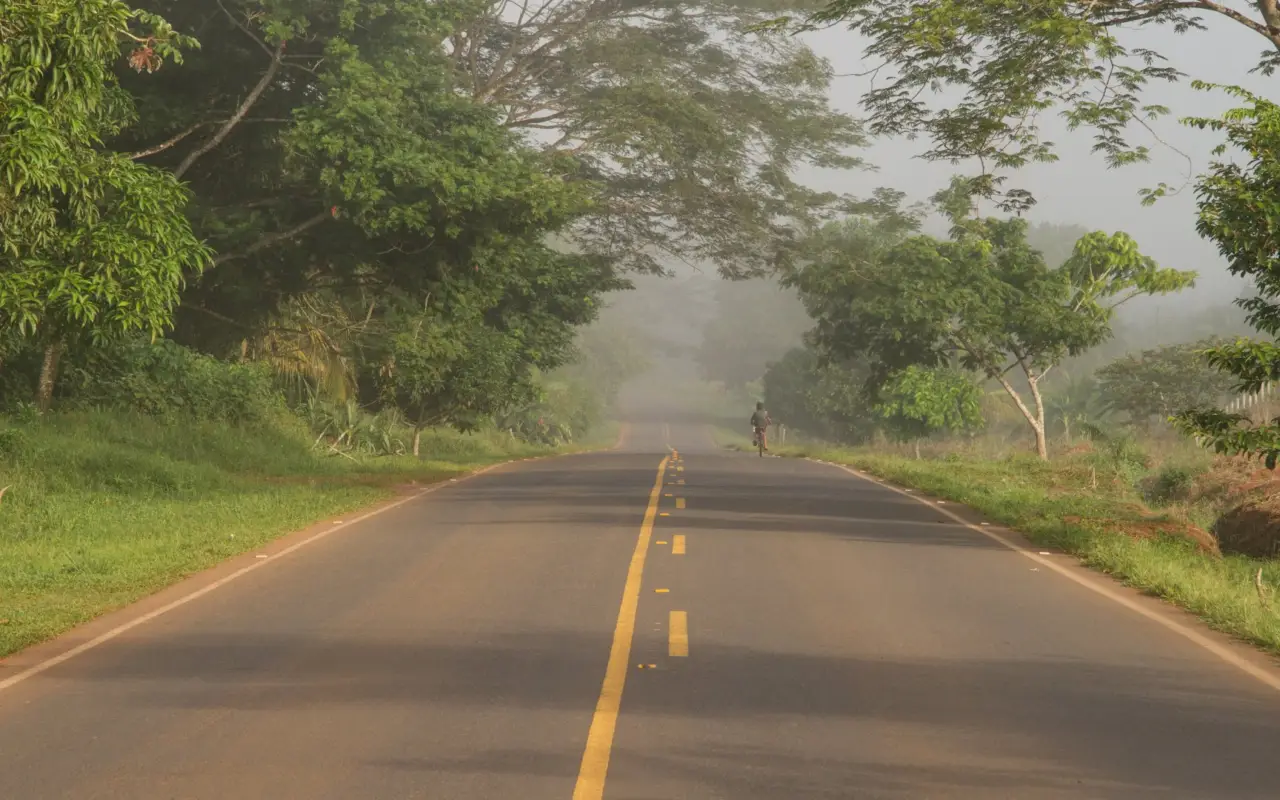
Sarapiquí, in the northern plains of Costa Rica, offers family-friendly rafting, agrotourism (cacao, pineapple, bananas), and biological stations renowned for birdwatching. Further north, the Caño Negro Refuge protects one of the country’s largest wetlands, which can be explored by boat. It takes about two hours by car from San José to reach Puerto Viejo de Sarapiquí.
The Northern Plains region is ideal for travelers interested in nature, low-key adventure, birdwatching, and agritourism. Puerto Viejo de Sarapiquí serves as a starting point for outdoor activities and plantation tours. Further north, the Caño Negro Nature Reserve rounds out the experience with its lagoons and migratory birds. A naturalist guide helps visitors observe the local flora and fauna.
Where is Sarapiquí, and how do you get there?
Sarapiquí is located in northern Costa Rica, in the province of Heredia. From San José, the road passes through Braulio Carrillo National Park and reaches Puerto Viejo de Sarapiquí in about one and a half to two hours. The journey takes you from a mountain climate to the lowland tropical rainforest.
Be careful not to confuse Puerto Viejo de Sarapiquí, in the northern lowlands, with Puerto Viejo de Talamanca, on the Caribbean coast. The two towns share the same name but are located on opposite ends of the country. Here, “Sarapiquí” refers to the inland region of forests, rivers, and plantations.
Things to Do in Sarapiquí
Puerto Viejo de Sarapiquí offers a wide range of sports activities and agricultural experiences suitable for families. The table below summarizes the main ones.
| Activity | Description | Audience |
|---|---|---|
| Rafting on the Sarapiquí | Level II to III rapids, with birdwatching and swimming | Family-friendly |
| Kayaking and Mountain Biking | Tours around Puerto Viejo and the river | Active |
| Agritourism | Guided tours of cacao, pineapple, banana, and palm heart plantations | For all ages |
| Hiking and night excursions | Trails through biological stations, rainforest wildlife | All levels |
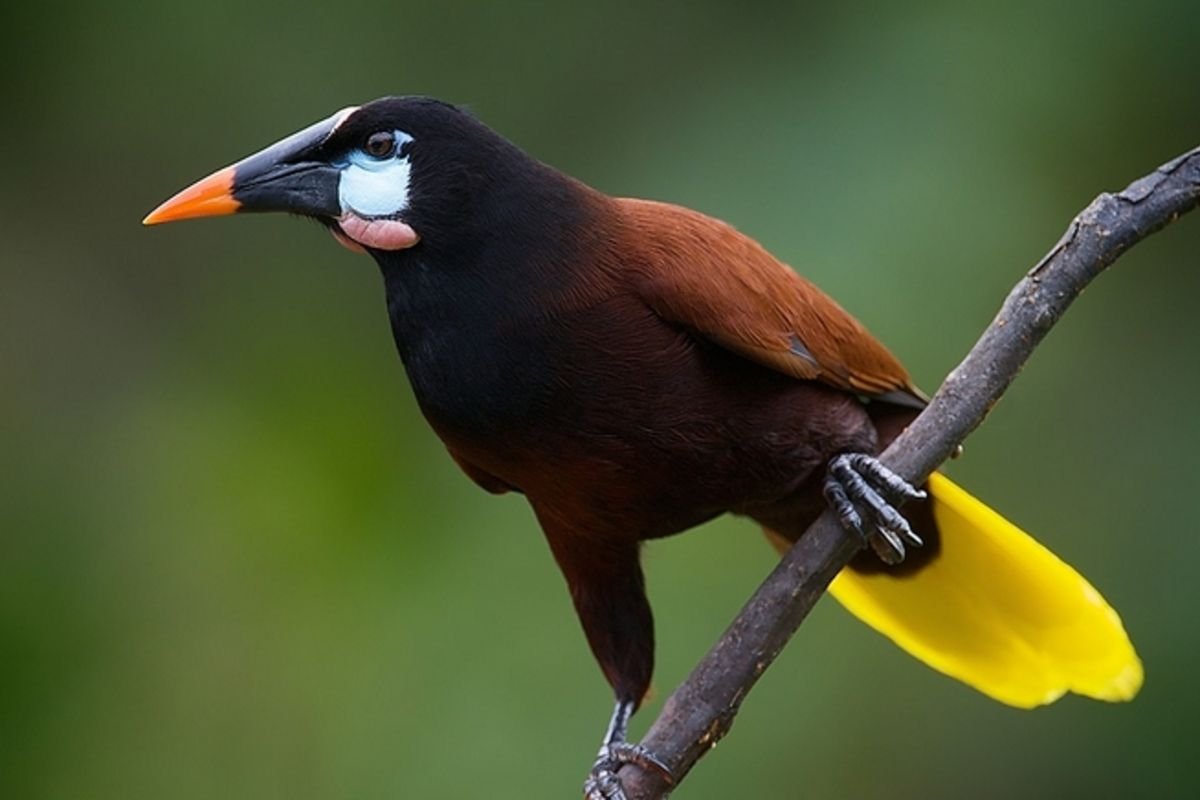
| Birdwatching | Birdwatching at La Selva, Tirimbina, and Caño Negro | Nature lovers |
Rafting on the Rio Sarapiquí takes you through protected areas and offers a wide variety of tropical birds. The route includes stops along the banks for swimming and sampling local fruits. This trip is less challenging than the more athletic rafting on the Pacuare. For more technical rapids, check out our adventures and extreme sports.
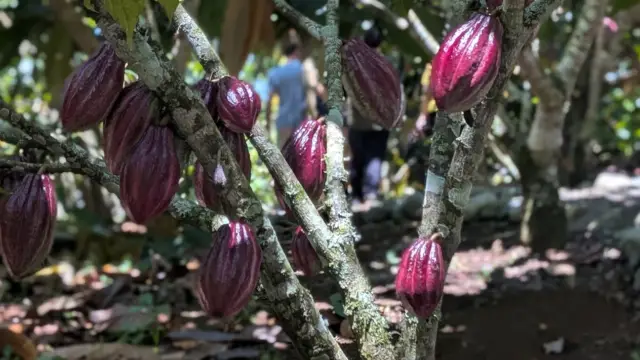
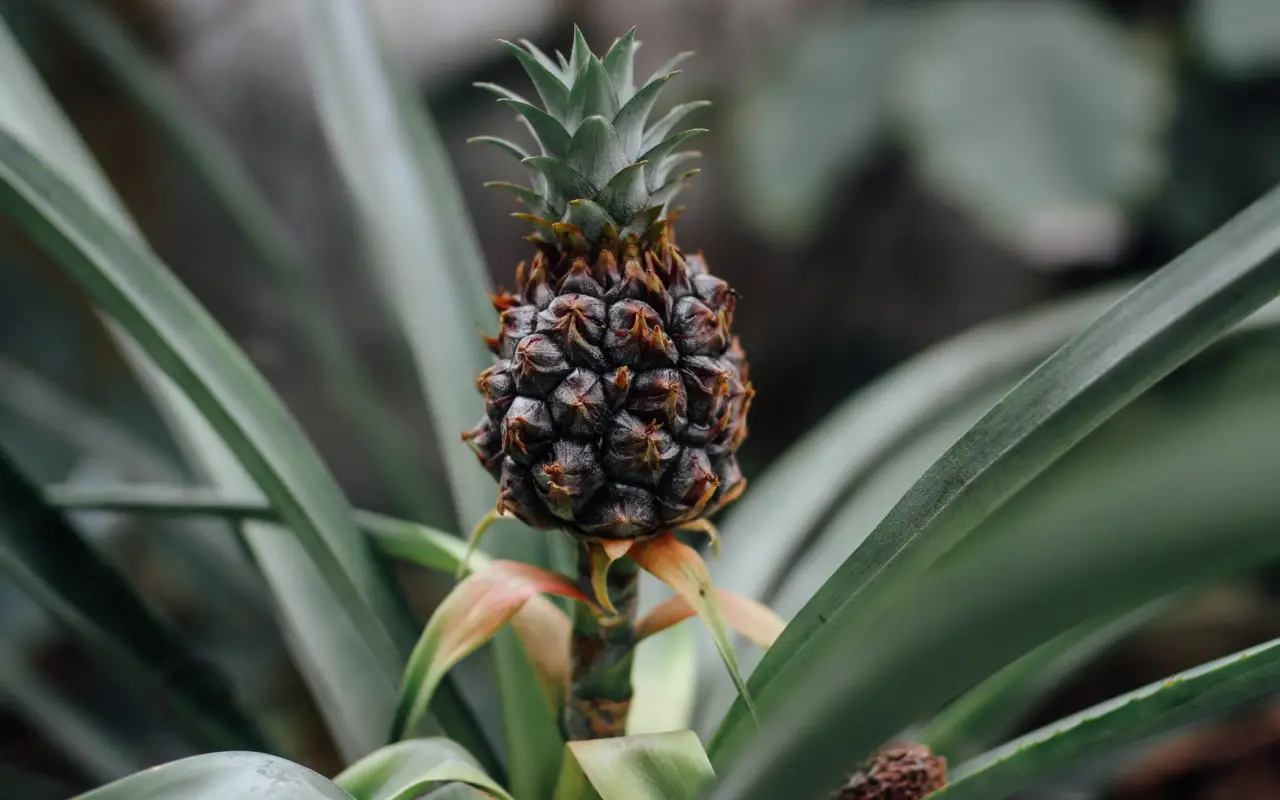
Agritourism is another highlight of the region. A visit to a pineapple plantation introduces you to organic farming and the stages of growth, from seed to packaging, complete with a tasting. As for cacao, you’ll follow the process of turning the bean into chocolate and sample the traditional drink. Our article on Costa Rican chocolate provides a detailed look at this industry.
Nature Reserves and Biological Stations
Sarapiquí is home to several private reserves and research stations, ideal for observing wildlife and flora. A naturalist guide significantly improves your chances of spotting wildlife.

La Selva Biological Station
Managed by the Organization for Tropical Studies, La Selva covers more than 1,500 hectares of mid-elevation rainforest, much of which is primary. It is an internationally recognized research and education center. Its trails are home to more than 400 species of trees, about 100 species of mammals, dozens of species of reptiles and amphibians, and nearly 500 species of birds.
Tirimbina Reserve
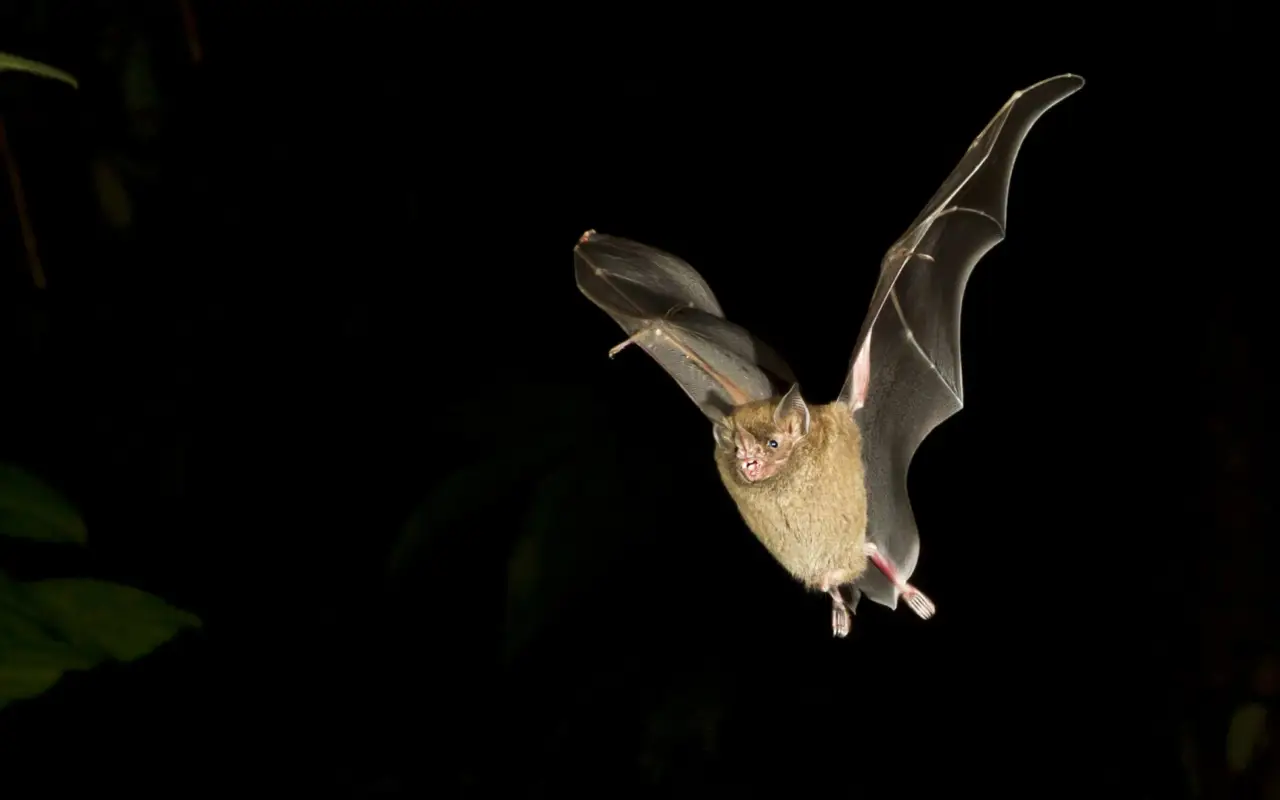
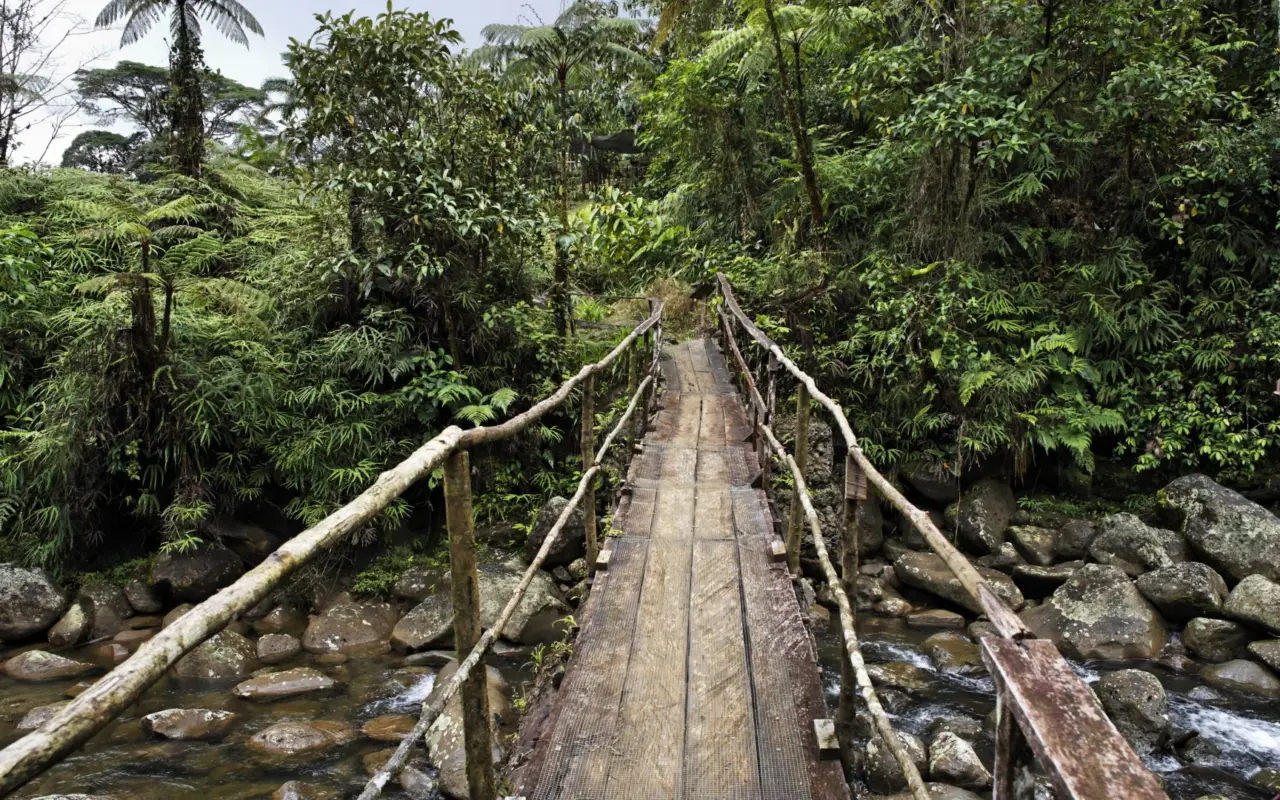
Located near La Virgen de Sarapiquí, the Tirimbina Reserve protects a tropical rainforest crisscrossed by long suspension bridges over the river. At dusk, a guided tour lets you observe the forest as nocturnal wildlife comes to life. You may encounter bats, insects, frogs, and nocturnal mammals. Costa Rica is home to more than 100 species of bats. The reserve also offers a tour dedicated to cacao.
Isla Las Heliconias
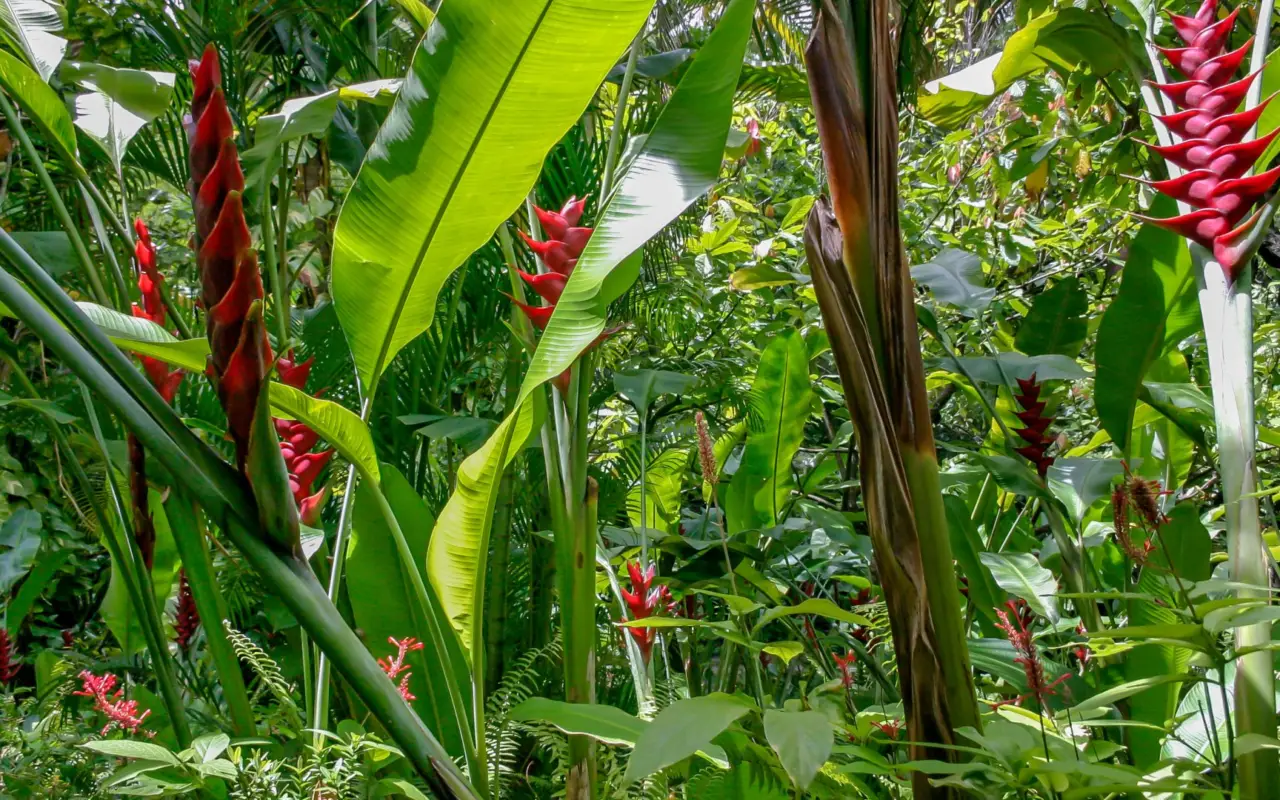
This botanical garden was established in 1992 on the banks of the Rio Puerto Viejo. Specializing in heliconias, or balisiers, it features more than 80 species. It is also home to several varieties of ginger, a collection of bamboos, and orchids. The site is of interest to enthusiasts of tropical vegetation.
Rara Avis
The Rara Avis Reserve, which means “rare bird,” is one of the wettest areas on the planet. It serves as a laboratory for canopy research and biodiversity surveys. Its founder, biologist Amos Bien, seeks to demonstrate the economic benefits of protecting the primary forest. The project involves local farmers through seed collection, ornamental plants, and butterfly farms.

Braulio Carrillo National Park
Named after a former head of state of Costa Rica, this park—covering approximately 47,000 hectares—features rugged terrain of mountains, rainforests, rivers, and waterfalls. It is home to more than half of the country’s plant species. The park is also home to about 100 species of amphibians and reptiles, approximately 135 species of mammals, and 350 species of birds, including the quetzal, toucans, and hummingbirds. The park borders the road between San José and Sarapiquí.
Caño Negro, Wildlife Refuge
The Caño Negro National Wildlife Refuge is located further north, in the Rio Frío basin, near Los Chiles, on the Nicaraguan border. It is not actually in Sarapiquí itself. It takes about an hour and a half to get there from Arenal Volcano, which is why a visit there is often combined with a stay in the La Fortuna area rather than in Sarapiquí.
Established in 1984 and designated a Ramsar Site of International Importance in 1991, the refuge covers approximately 10,000 hectares of marshes, lagoons, and forests. You can explore it by boat on the Rio Frío, departing from Los Chiles. During the dry season, from January to April, wildlife congregates around the water sources. You’ll easily spot crocodiles, caimans, and large mammals.

The refuge is a major birdwatching destination. It is home to migratory birds such as roseate spoonbills, jabiru storks, and cormorants. Their plumage sometimes takes on a pinkish hue due to their diet. To continue your journey westward, check out our page on the Arenal Volcano region, or our birdwatching tour across the country.
Culture and Indigenous Communities
The Centro Neotrópico Sarapiquís showcases Costa Rica’s living indigenous communities and the preservation of their culture. Housed in a large round palenque—a traditional thatched-roof structure—the museum features bark paintings, masks, and ritual and household objects. A visit here is a valuable complement to an exploration focused on nature. For a firsthand account, read our travelogue on northern Costa Rica.
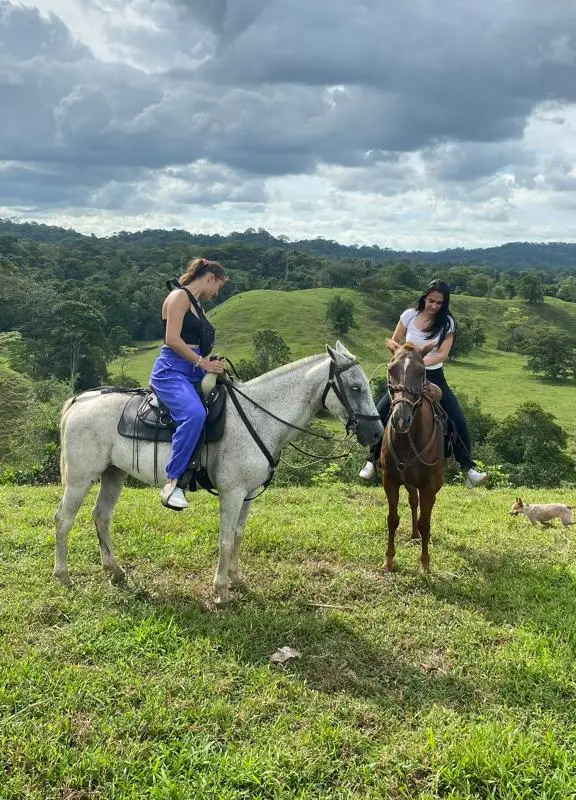
What Else Is There to Do in Sarapique? Cultural and Sports Activities
ETHNOGRAPHIC MUSEUM
The CENTRO NEOTROPICO SARAPIQUIS Museum is dedicated to Costa Rica’s living indigenous communities and the preservation of their culture. Housed in a huge round palenque (thatched-roof structure), the museum features an impressive collection: paintings on bark cloth, masks, and decorative, domestic, and ritual objects.
RAFTING – Sarapiqui River
Set off on a rafting adventure on the Sarapiqui River. This stretch of the river flows through protected areas, offering opportunities to observe local wildlife—particularly a wide variety of tropical birds. During the trip, you’ll have the opportunity to take a break on the riverbanks to swim and sample local fruits.
PINEAPPLE – Farm Tour
Visit a pineapple farm where you’ll learn about the history, organic farming practices, and all stages of pineapple growth—from planting and harvesting to the packing facility. At the end of the tour, you’ll be treated to a delicious piña colada!
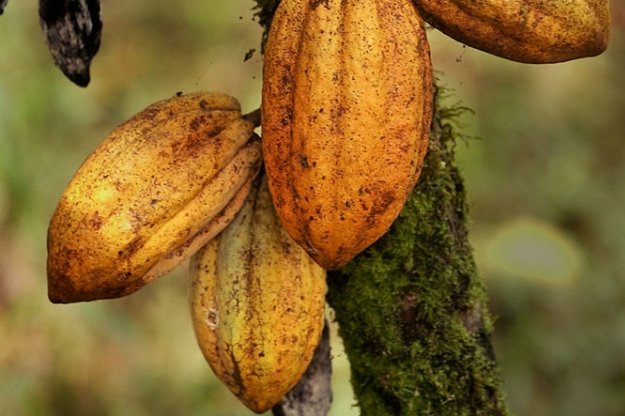
CACAO – Chocolate Making
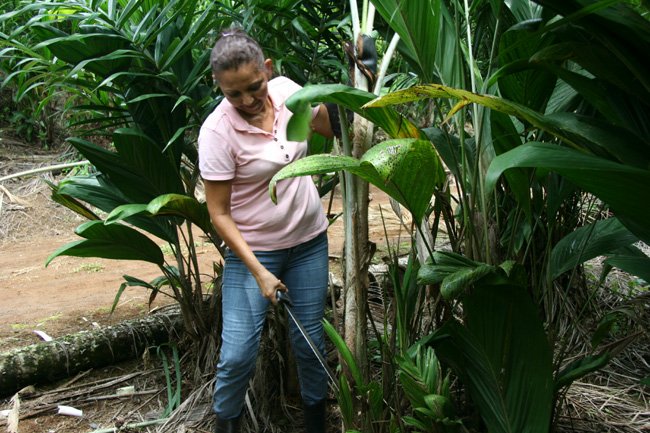
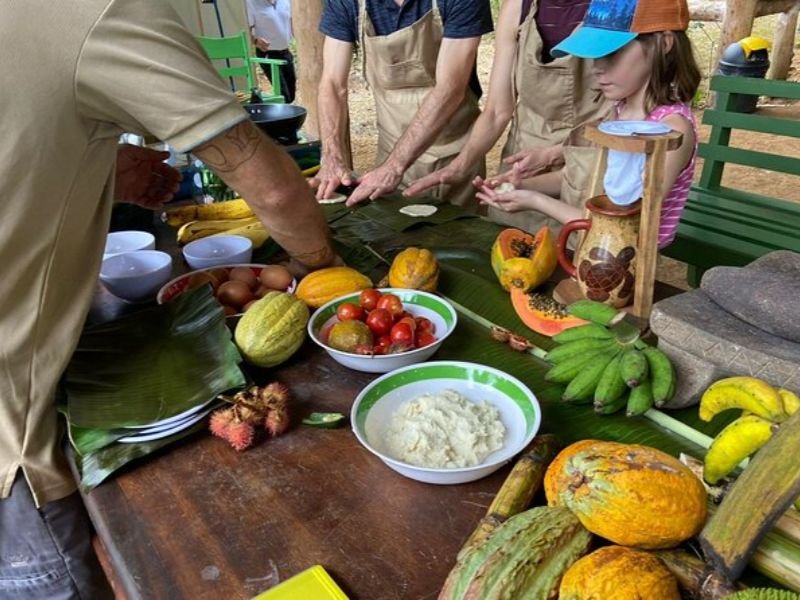
Discover the secrets and wonders of one of humanity’s favorite foods: chocolate. At the plantations, you’ll learn the process by which cacao is transformed into chocolate, and you’ll have the chance to taste traditional indigenous chocolate drinks as well as chocolate bars made from organic cacao.
When to Visit
The region can be visited year-round. The dry season makes it easier to spot wildlife in Caño Negro, while the green season showcases the vegetation of Sarapiquí.
| Period | Conditions |
|---|---|
| December through April (dry season) | Wildlife concentrated around water sources in Caño Negro; migratory birds; best viewing |
| May through November (wet season) | Dense vegetation in Sarapiquí, high river levels for rafting, less crowded sites |
Frequently Asked Questions
What is there to do in Sarapiquí?
Family rafting on the Sarapiquí River, kayaking, mountain biking, tours of cacao and pineapple plantations, hikes and nighttime excursions at biological stations, and birdwatching.
Where is Sarapiquí located in Costa Rica?
Sarapiquí is located in the Northern Plains, in the province of Heredia, one to two hours’ drive from San José, via Braulio Carrillo National Park.
Are Sarapiquí and Puerto Viejo de Talamanca the same place?
No. Puerto Viejo de Sarapiquí is in the Northern Lowlands. Puerto Viejo de Talamanca is on the Caribbean coast, on the opposite side of the country.
How do you visit Caño Negro?
You reach the refuge by boat on the Rio Frío, departing from Los Chiles. This is often combined with a stay near the Arenal Volcano, about an hour and a half away.
When is the best time for birdwatching?
The dry season, from January to April, draws wildlife to watering holes and coincides with the arrival of migratory birds.
Is it possible to have a nature guide?
Yes. A guide must be requested in advance and significantly enhances the experience of observing the flora and fauna.
In summary
| Element | Details |
|---|---|
| Region | Northern Plains, Heredia Province |
| Access | 1.5 to 2 hours from San José via Braulio Carrillo |
| Top Activities | Family rafting, agritourism, birdwatching |
| Reserves | La Selva, Tirimbina, Las Heliconias, Rara Avis, Braulio Carrillo |
| Caño Negro | Ramsar Wetland, approximately 10,000 ha, accessible by boat from Los Chiles |
| Recommended season | January through April for wildlife viewing |
| Recommended duration | 2 to 3 days in Sarapiquí and Caño Negro as an extension of a trip to Arenal |
Article updated on July 29, 2026.
About Terra Caribea
Terra Caribea is a local, inbound travel agency that has been based in Costa Rica since 2008 and also operates in Panama. Our office is located in the Central Valley, in San José. Our team consists of Costa Ricans and French nationals who live locally and design each itinerary directly, without intermediaries. For the northern lowlands, we work with naturalist guides and biological stations dedicated to research and conservation. The agency is Travelife-certified. Our Team — Our Travelife Certification — Custom-Designed Trips