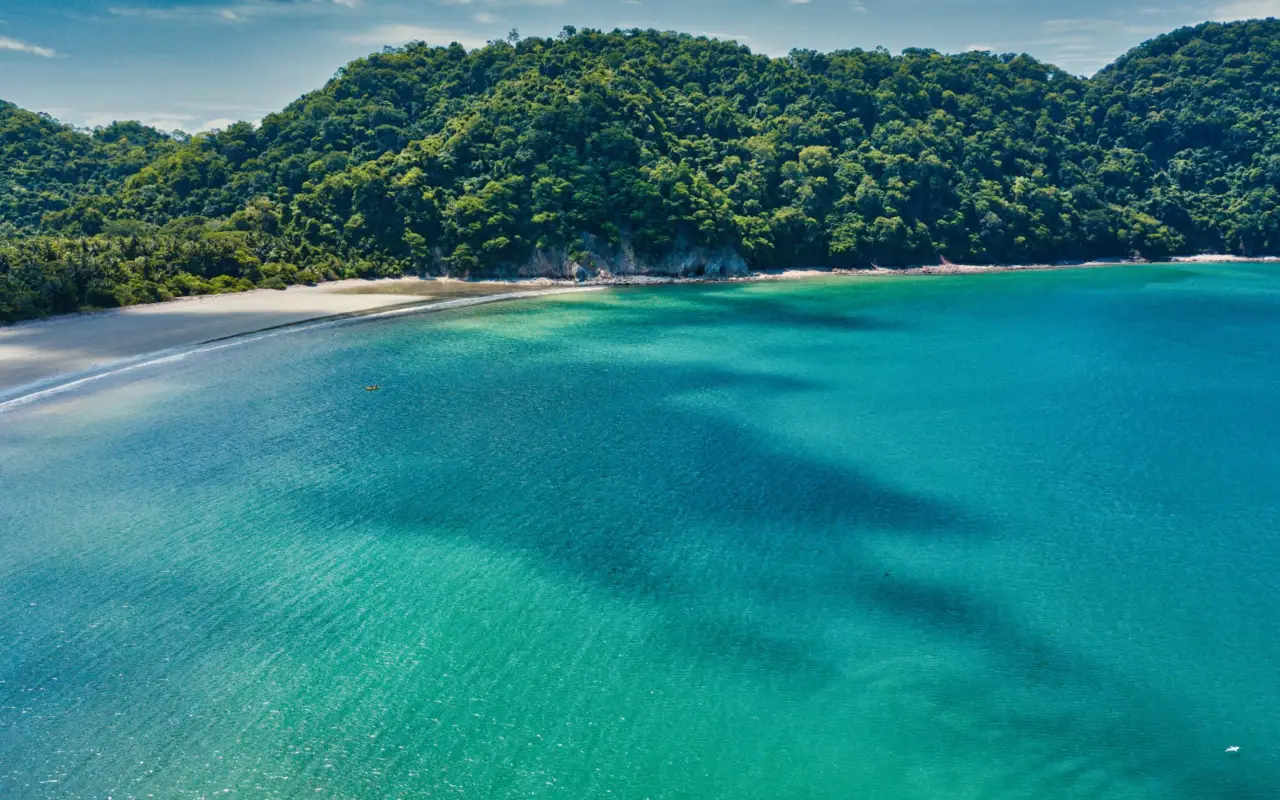
Guanacaste is the northwestern province of Costa Rica, on the Pacific coast. The Nicoya Peninsula encloses the gulf of the same name. It is divided between this province to the north and the province of Puntarenas to the south.
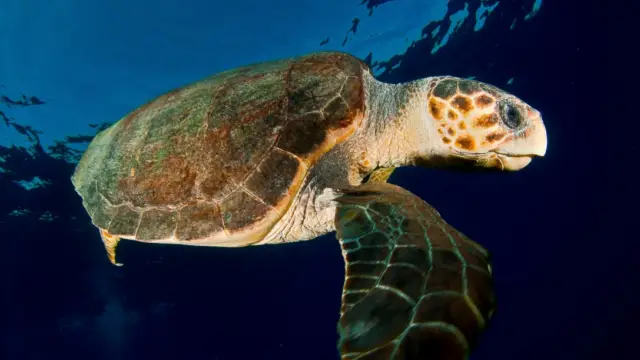
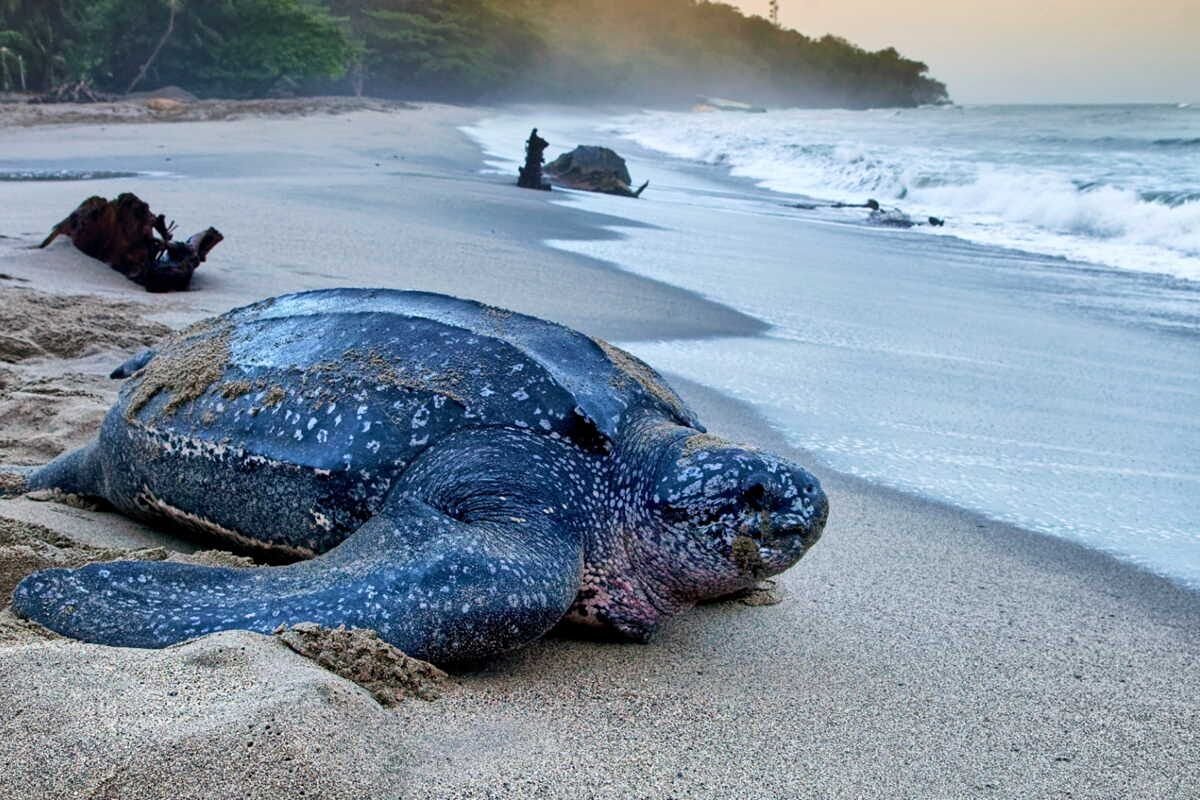
People come here for three main reasons. First, the sunniest beaches in the country, from Tamarindo to Santa Teresa. Second, sea turtle nesting—leatherback turtles at Las Baulas and olive ridley turtles at Ostional. Finally, the dry forests in parks like Santa Rosa and Barra Honda.
Best time to visit: the dry season, from December to April. A 5- to 6-hour drive from San José.
Welcome to Costa Rica’s Wild West!
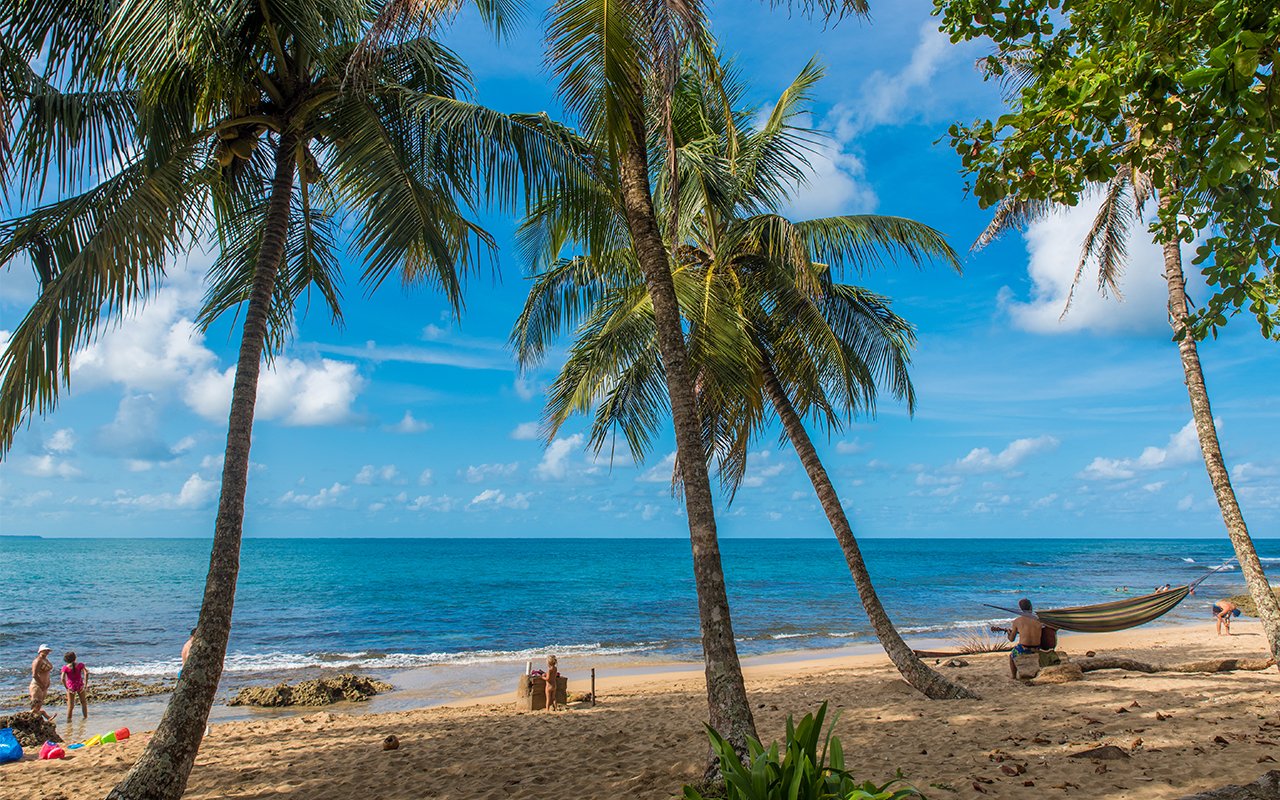
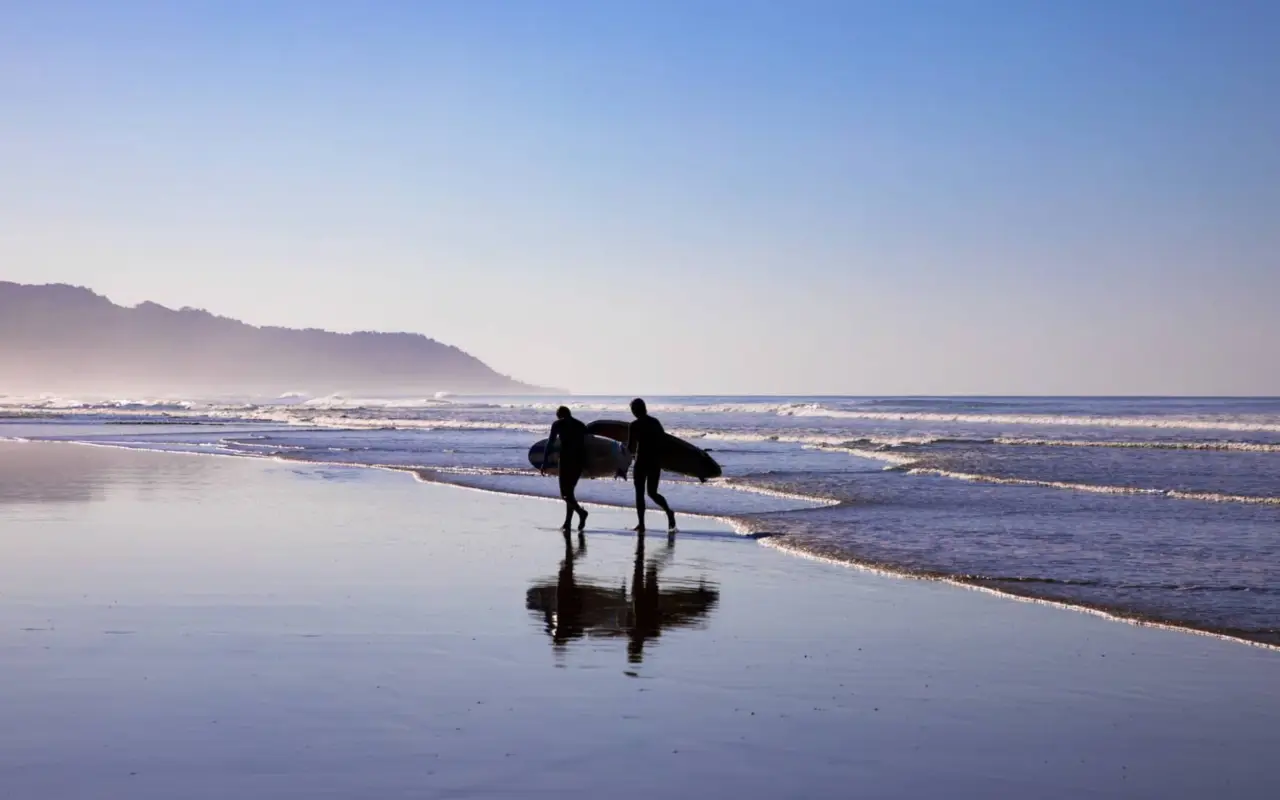
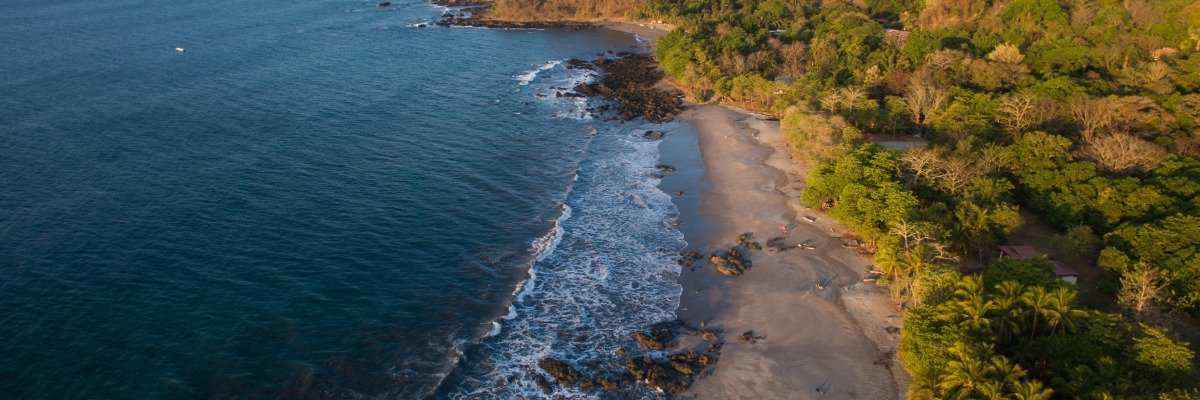
A premier beach destination, the Guanacaste coastline is perfect for relaxation and water activities: golden-gray or pristine white sand, rows of coconut palms or arid mountains, lounging or diving—there’s something for every taste and every age.
The province ofGuanacasteand theNicoyaPeninsula are the driest regions in the country. The dry deciduous forests and sun-drenched beaches make this a special place steeped in a unique culture. What’s more, this region is ideal for horseback riding, whether along the coast or deep in the forests.
Horseback riding, rodeos, and bullfights are all part of the peninsula’s culture and atmosphere, a legacy of the traditions of hacienda life and livestock farming.
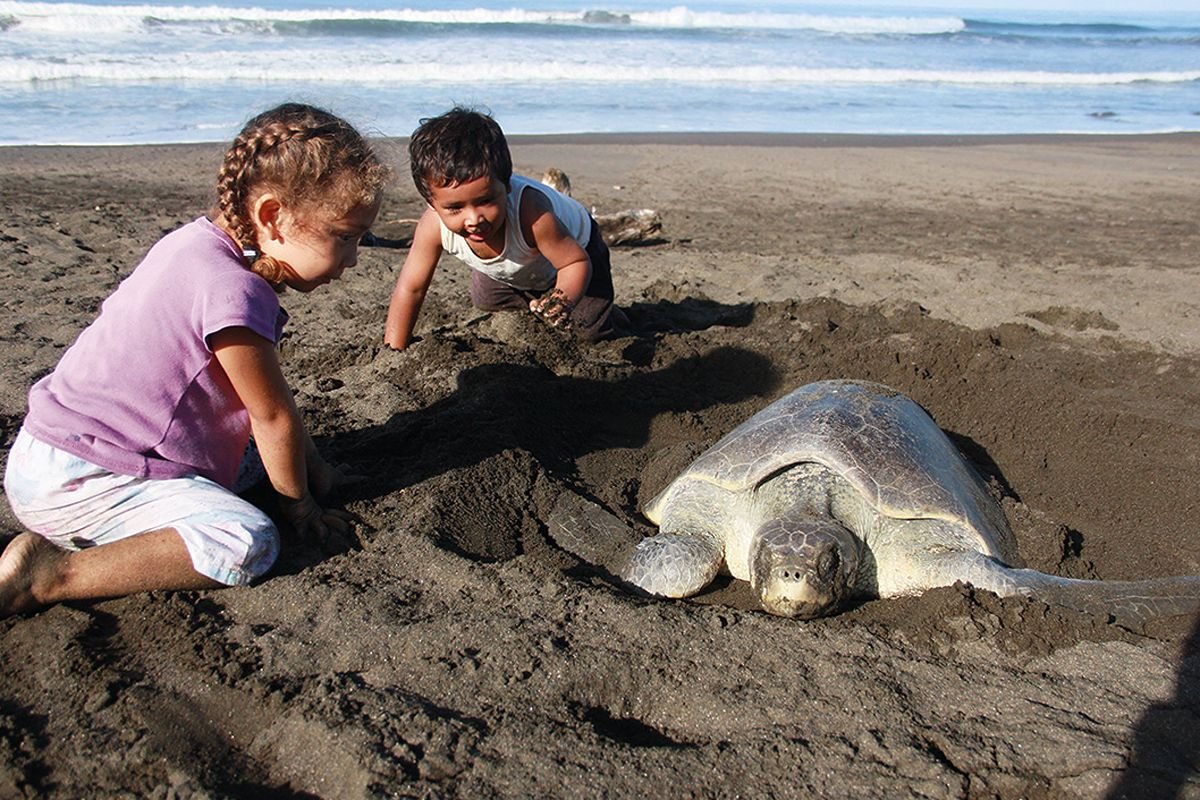
During the rainy season, if you take a trip to Ostional Beach a week before the new moon, you might be lucky enough to witness the incredible phenomenon ofthe“Arribadas”: several thousand turtles dig into the black volcanic sand to lay their eggs—it’s incredible!
Even though the region is experiencing explosive growth thanks to its sunny, wild beaches—such as Playas del Coco, Conchal, Hermosa, Flamingo, and Tamarindo, you’ll easily be able to find yourself alone in a little corner of paradise (which dolphins and sea turtles also love!).
This region is also the starting point for diving around theMurcielagosand CatalinasIslands.
Guanacaste or the Nicoya Peninsula: What’s the Difference?
Confusion is common because the three names overlap on a map. Here’s a clear distinction.
Guanacaste is a province, one of Costa Rica’s seven. The peninsula is a geographical feature—a peninsula separated from the mainland by the gulf and the Tempisque River. Nicoya, finally, is a city and a canton located within the province. The name is thought to come from Nahuatl, where it refers to a piece of land surrounded by water on both sides.
In practice, the northern half of the peninsula belongs to Guanacaste, and its southern tip is part of Puntarenas. For a traveler, this administrative distinction matters little. The coast forms a cohesive landscape of beaches, dry forest, and fishing villages, stretching from the Gulf of Papagayo to Montezuma.

Where is Guanacaste located in Costa Rica?
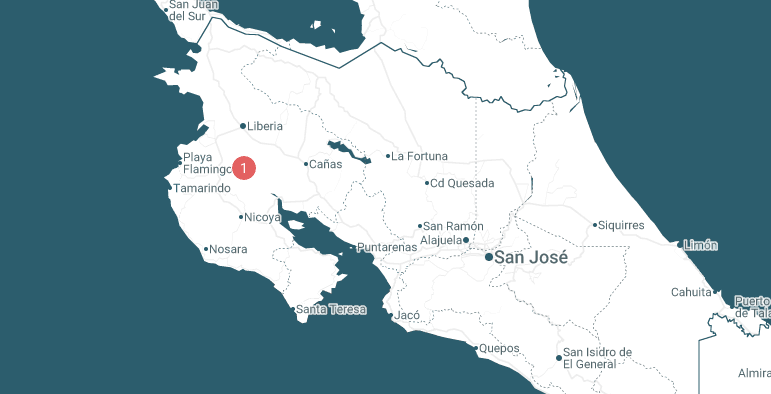
The region occupies the northwestern corner of the country, along the Pacific coast. It is bordered by Nicaragua to the north, the province of Alajuela to the east, and the province of Puntarenas to the southeast. Its capital is Liberia.
With an area of 10,141 km², it is the country’s second-largest province, but the least populous, with approximately 400,000 inhabitants according to Wikipedia. Its coastline stretches for nearly 200 kilometers. The territory’s name comes from the guanacaste tree (Enterolobium cyclocarpum), which is Costa Rica’s national tree.
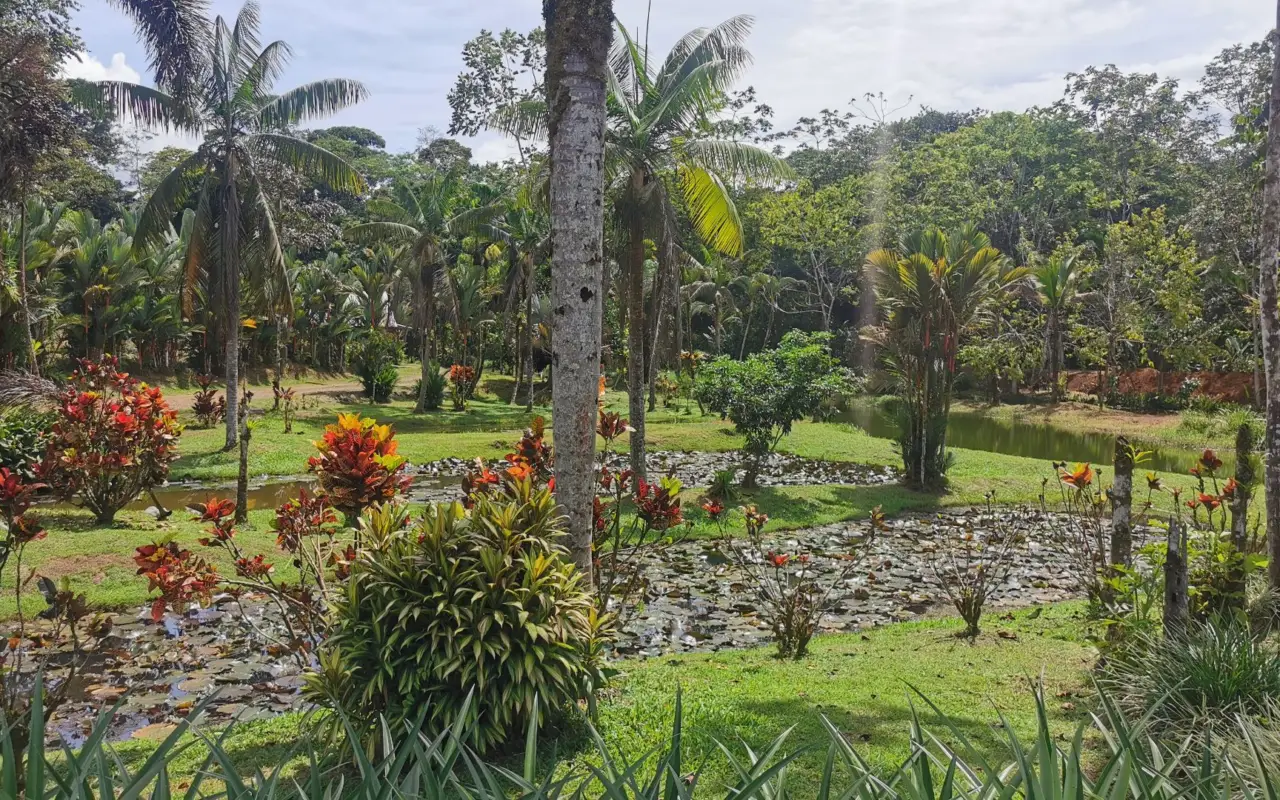
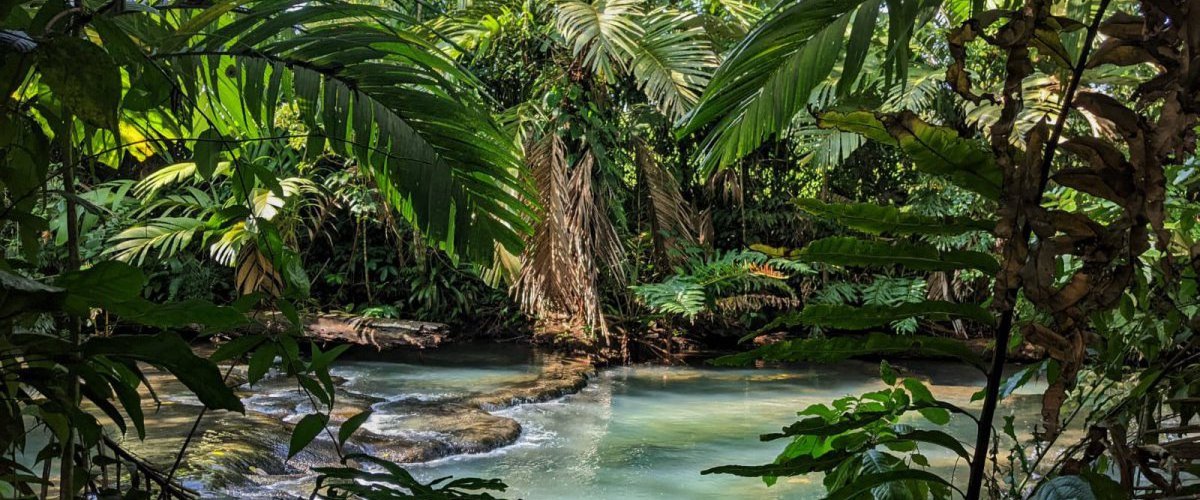
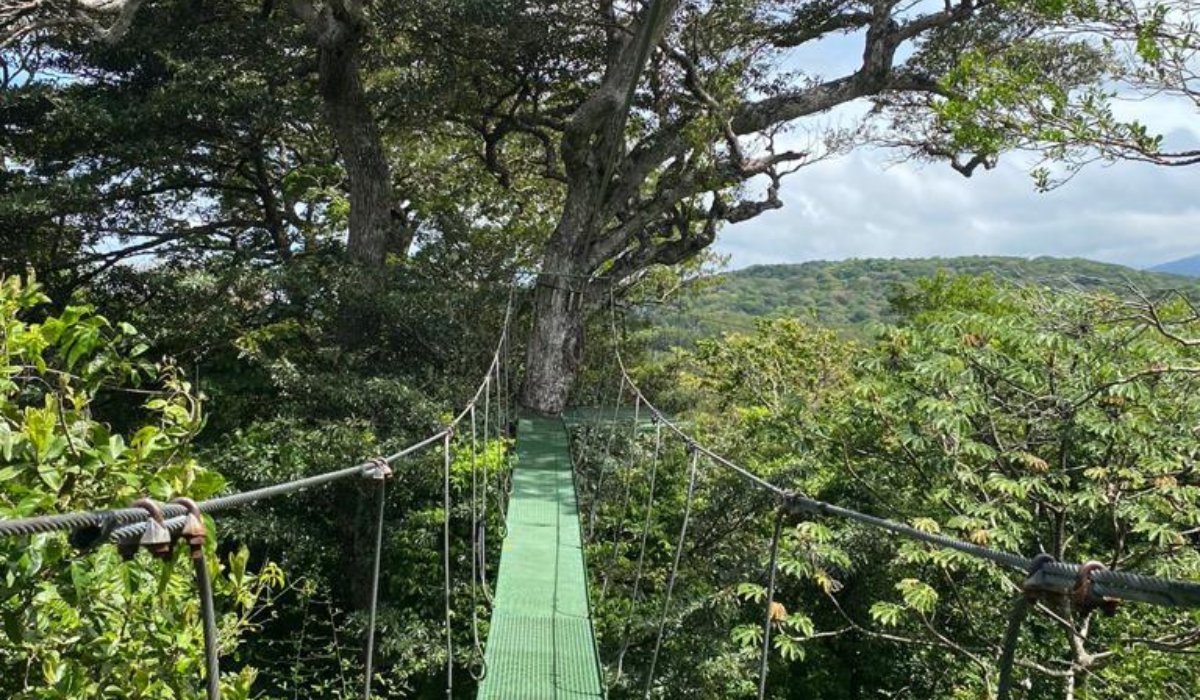
What truly sets the province apart from the rest of the country is its climate. The northwest is drier and sunnier, dominated by the dry tropical forest, a rare ecosystem in Central America. During the dry season, the trees shed their leaves and the landscape takes on ochre hues, a far cry from the image of lush green jungle found in the rest of the country.
When is the best time to visit Guanacaste and Nicoya?
The dry season, from December to April, offers the most sunshine and calm seas. It’s the ideal time for the beach and water sports, but it’s also the busiest time of year. The wet season, from May to November, brings showers that often occur in the late afternoon, lush greenery, and lower prices.
Certain natural phenomena follow their own schedule. Leatherback turtles come to lay their eggs at Las Baulas Marine Park from October through March. The olive ridley turtle arribadas at Ostional occur mainly during the rainy season, a few days before the new moon. To plan your trip, check out our detailed guide to find out when to go.

Which beaches should you choose in the region?
The coast offers a wide variety of beaches: calm waters for family swimming, steady swells for surfing, and secluded coves for peace and quiet. The table below will help you choose based on your preferences.
| Beach | Atmosphere | Ideal for |
|---|---|---|
| Tamarindo | Lively resort, many hotels | Beginner surfing, amenities, nightlife |
| Playa Grande | Wild, protected | Leatherback turtle nesting, surfing |
| Playas del Coco / Ocotal | Fishing village, sheltered bay | Swimming, diving base |
| Conchal | Shell sand, clear waters | Swimming, snorkeling |
| Flamingo / Potrero | Quiet coves | Peace and quiet, sport fishing |
| Sámara / Carrillo | Quiet bay, coconut palms | Family, relaxation |
| Nosara (Guiones) | Nature, yoga, mangroves | Surfing, wellness, wildlife |
| Santa Teresa / Malpaís | Tip of the peninsula, laid-back | Surfing, youthful vibe |
| Montezuma | Bohemian village, waterfalls | Natural setting, budget-friendly for backpackers |
The North: Papagayo, Coco, Flamingo, Conchal
This is the most developed area, the one that has earned the northwest its reputation as a beach destination. Playas del Coco is a traditional fishing village located in a bay with calm waters ideal for swimming. Nearby Ocotal serves as a starting point for diving off the Catalina and Murciélagos Islands. Playa Conchal stands out for its sand made of crushed seashells and its crystal-clear waters, perfect for snorkeling. Potrero and Flamingo, a little further north, feature a string of quieter coves, prized for their tranquility and fishing.
Tamarindo and Playa Grande: Surfing and Turtles
Tamarindo is the province’s main beach resort. The Pacific waters there remain warm year-round, ranging from 26 to 28 degrees. There are surf schools, numerous hotels, and a wide range of services. On the other side of the estuary, Playa Grande is part of Las Baulas Marine Park and remains much more pristine. To learn more about the surf spots, check out our guide to surfing on the Pacific Coast.

The central and southern parts of the peninsula
Further south, the atmosphere changes. Sámara is a small, quiet resort at the end of a four-kilometer bay lined with mangroves. Carrillo, five kilometers away, features rows of coconut palms along a crescent-shaped sandy beach with calm waters. Nosara combines surfing on Guiones Beach with a community focused on yoga and wellness. At the very tip of the peninsula, Santa Teresa, Malpaís, and Montezuma form a string of laid-back villages, nestled among beaches and waterfalls, in a setting that has remained unspoiled.
Ocotal: A Diving Destination
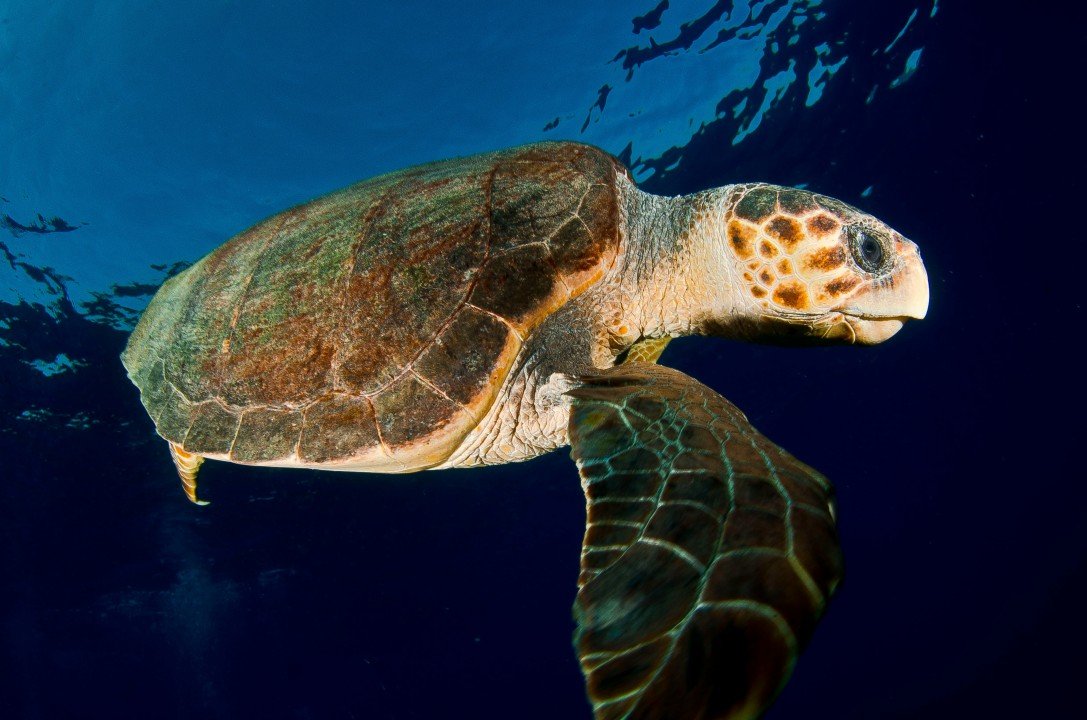
The Ocotal region is the ideal starting point for exploring the Pacific Ocean’s underwater world. We offer trips of any length for scuba diving, with numerous excursions off the Catalina and Murcielagos Islands, both day and night. You’re sure to have the chance to see a wide variety of marine life there: sharks, rays, turtles…

Nosara: Nature and Water Sports
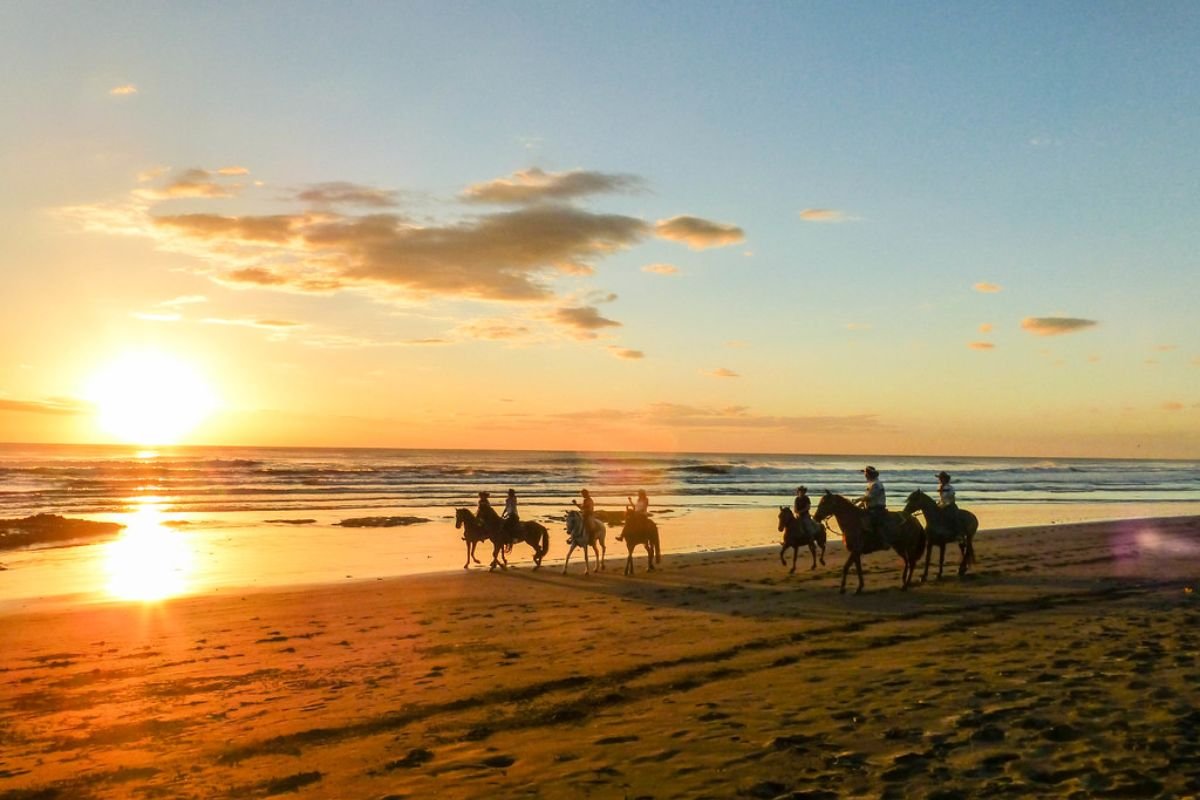
Nosara Beach features a beautiful estuary and a large mangrove forest (Río Nosara), which you can explore to observe its wildlife—primarily birds—and its flora. The town of Nosara and its surroundings offer every kind of tourist service imaginable, including horseback riding and kayaking.
Santa Teresa, Malpais, Montezuma: Pura Vida!
A somewhat secluded region set in an enchanting landscape of beaches and waterfalls. A youthful and laid-back atmosphere in this little paradise at the end of the world. Nestled at the tip of the Nicoya Peninsula, the two small villages of Santa Teresa and Malpais will welcome you as special guests, right on the shores of the Pacific Ocean, far from the hustle and bustle of civilization.
Which national parks and reserves are worth visiting?
The dry forest is home to several protected areas managed by SINAC, Costa Rica’s national parks agency. These areas complement the beach with their wildlife and geology.
Las Baulas Marine Park: The Leatherback Turtle
Established in 1991, this park encompasses Playa Grande, near Tamarindo. It protects one of the world’s primary nesting sites for the leatherback turtle (Dermochelys coriacea), the largest sea turtle on the planet. From October through March, guided and strictly supervised nighttime tours allow visitors to observe the females coming ashore to lay their eggs. The sighting is never guaranteed. Rangers wait until a turtle’s presence is confirmed before allowing small groups to approach. Our article on leatherback turtles details the conservation challenges.
Ostional: The Olive Ridley Turtle Arribadas
The Ostional Wildlife Refuge is one of the few sites in the world where tens of thousands of olive ridley sea turtles nest together. The phenomenon, known as an arribada, lasts only a few days and nights. It is observed only in Costa Rica, India, and Mexico, mainly during the rainy season, around the time of the new moon.
Santa Rosa, Barra Honda, and the Southern Reserves
Santa Rosa National Park was Costa Rica’s first national park. Its dry tropical forest is home to howler monkeys, capuchin monkeys, and white-tailed deer, which are easier to spot during the dry season when the animals gather near water sources. Barra Honda Park, northeast of the city of Nicoya, protects a network of limestone caves adorned with stalactites, including the Terciopelo Cave, which is open to the public. On the southern tip, the Curú Refuge and Isla Tortuga round out the picture, featuring coastal wildlife and white-sand beaches. Details on these visits can be found in our guide to national parks and reserves.
Curú Refuge – Flora and Fauna
This little-visited reserve (85 ha) is part of a vast private estate owned by a “Tica” family .” Its hills are home to capuchin monkeys, howler monkeys, anteaters, agoutis, sloths, as well as several species of wild cats and more than 220 species of birds. Off the coast of three magnificent beaches (Playa Colorada, Playa Curú, and Playa Quesera), whales and dolphins can sometimes be spotted, while the marshes and lagoons along the Río Curú are teeming with caimans…
Barra Honda: Underground Caves
Located 20–22 km northeast of Nicoya, Barra Honda National Park covers an area of 2,295 hectares and is home to a significant geological feature: a network of limestone caves formed by stalactites and stalagmites. Nearly 19 caves have been explored, including the Terciopelo Cave, which is open to the public due to its easy access. The stalactites and stalagmites found there are the result of the dissolution of the calcium carbonate from which they are formed, caused by a chemical reaction when they come into contact with water.
Isla Tortuga: Swimming and the Seabed
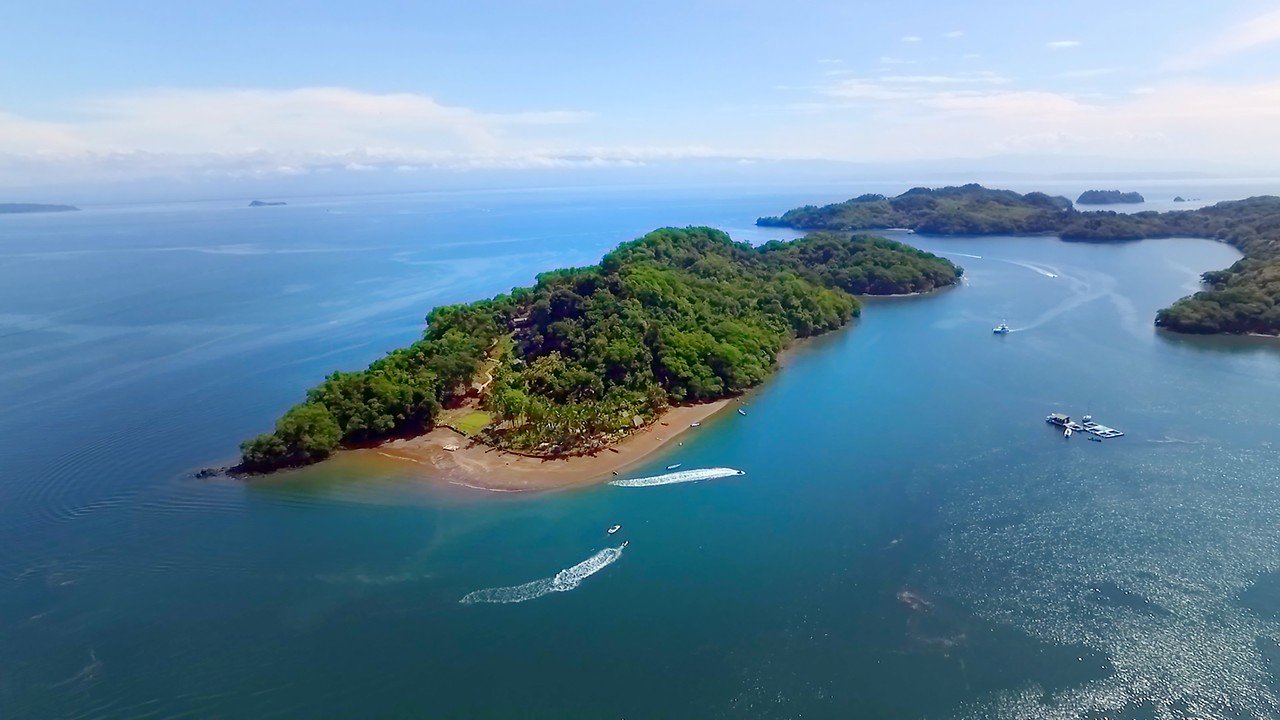
Bathed in sunlight, this magnificent private nature reserve off the coast of Curú is actually made up of two twin islets: Isla Tolinga and the uninhabited Isla Alcatraz. Isla Tortuga is surrounded by white-sand beaches that slope into dazzling turquoise waters. Don’t miss the chance to explore Isla Tortuga, one of the most exotic getaways to enjoy its white-sand beaches. On the agenda for the day: swimming, relaxing, and snorkeling.
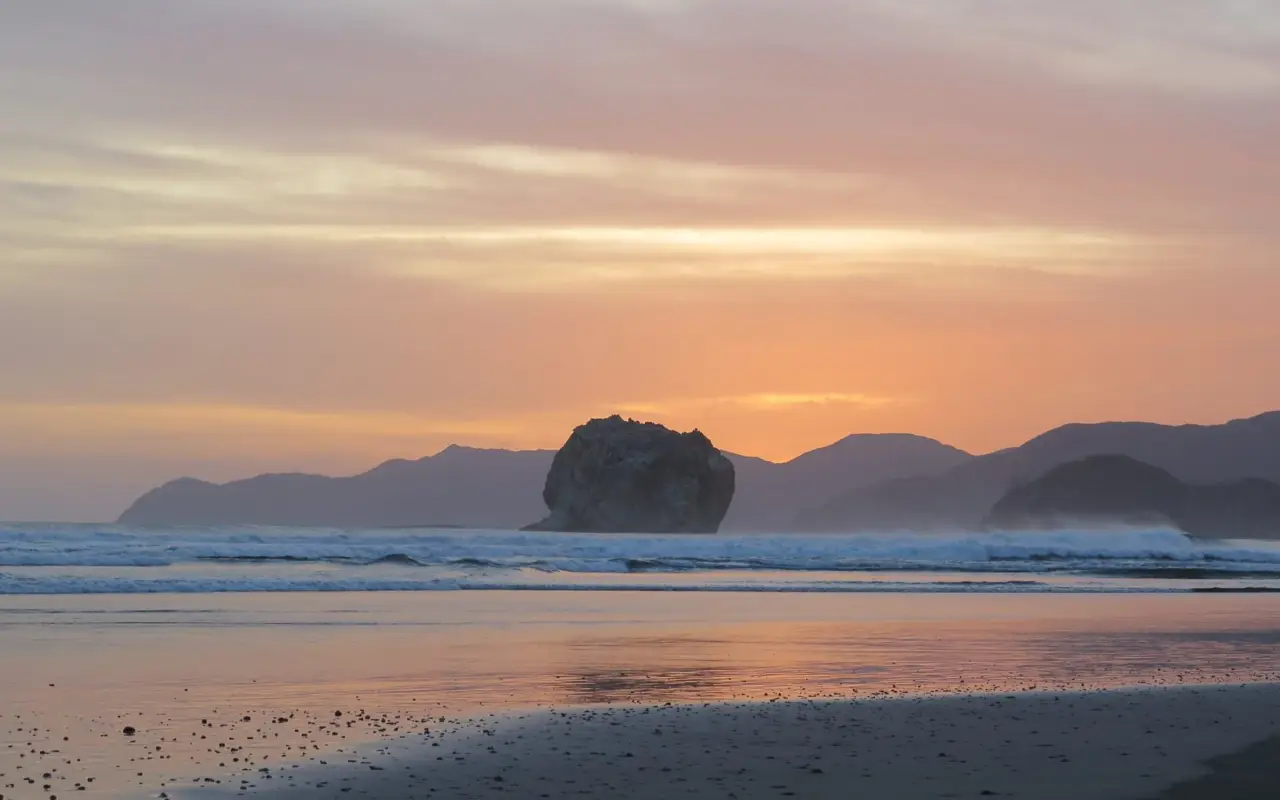
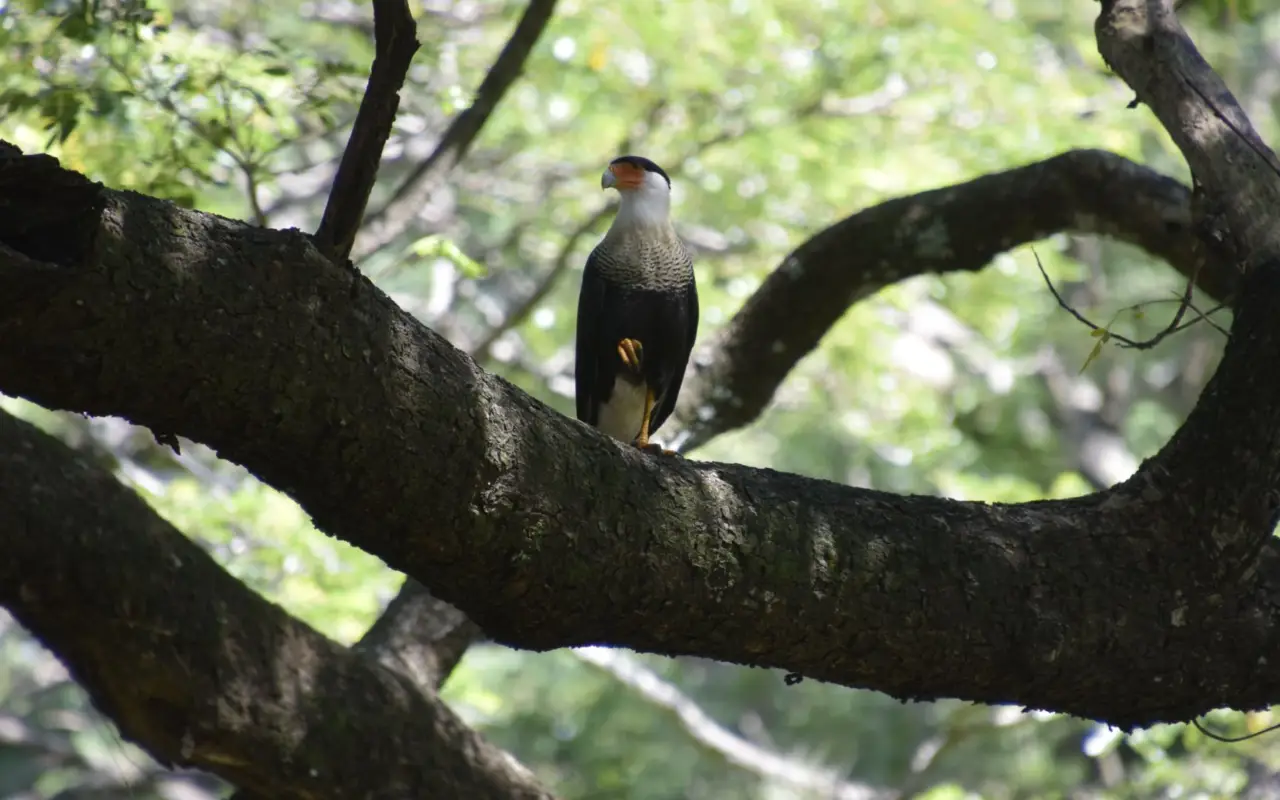
Our Favorite Beaches in Guanacaste
Potrero: Quiet Beaches
A small, quiet village a few kilometers north of Flamingo, Potrero features a string of small coves and tiny beaches with fine sand stretching along the Pacific coast. With its tropical ambiance, Playa Potrero is ideal for travelers seeking tranquility but also offers a range of activities: snorkeling, sport fishing, kayaking, horseback riding, and more.
Conchal: Beaches and Seashells
Considered one of the most exotic beaches in the country, Playa Conchal is a magnificent beach with an almost perfect climate year-round and is bathed in sunshine most of the time. The water remains at a comfortable temperature year-round and is ideal for swimming or diving. The proximity to Guanacaste’s national parks, the giant sea turtle nesting at Playa Grande, and the many sports activities available are all great reasons to explore this laid-back and friendly beach resort.
Punta Islita: A Relaxing Destination
Bathed by calm waters in a crescent-shaped cove, the beach takes its name from a rocky islet adjacent to the tip of Islita in the northeastern part of the bay. It features two estuaries that enhance the beauty of the landscape, which can be admired from the top of the road leading to Corozalito, further south. High cliffs overlook the ocean. In addition to swimming and sunbathing, activities such as 4×4 and ATV tours, mountain biking, and boat trips for fishing and scuba diving are available.
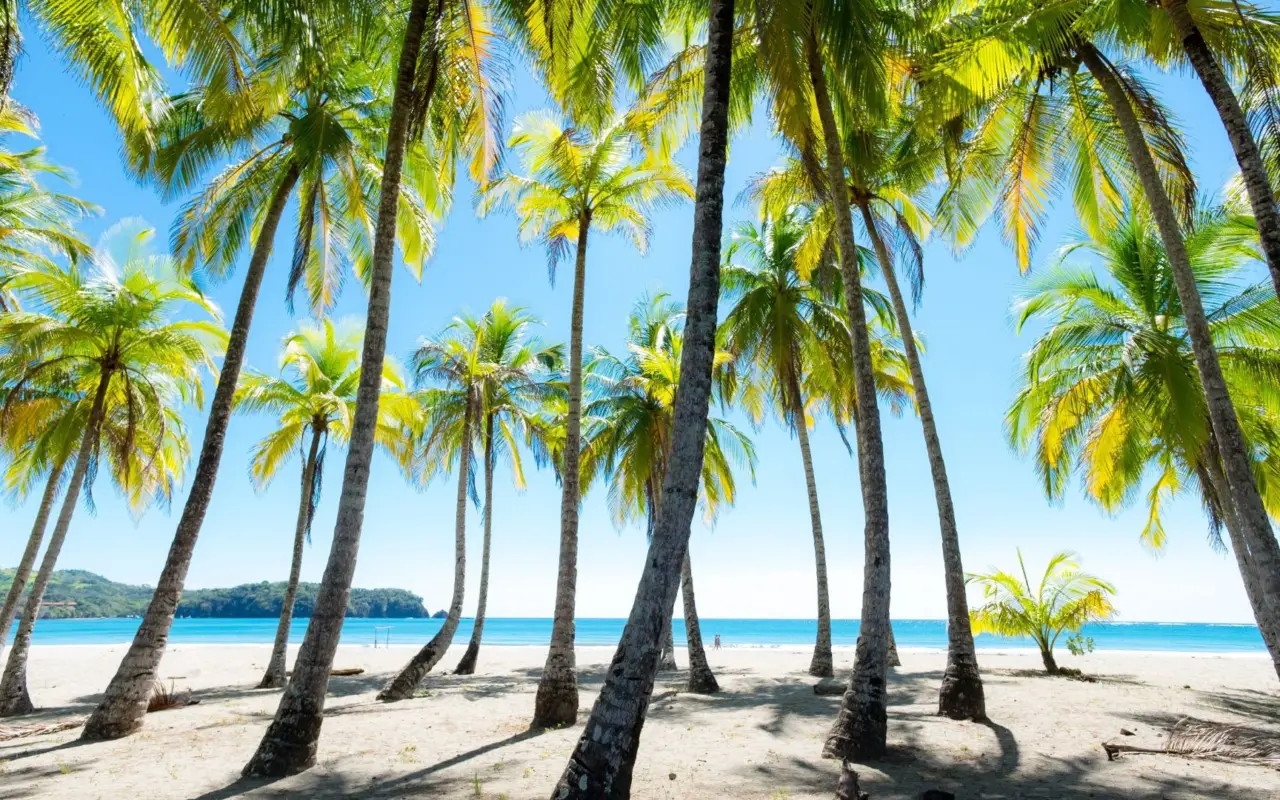
Carrillo: Coconut Palms and White Sand
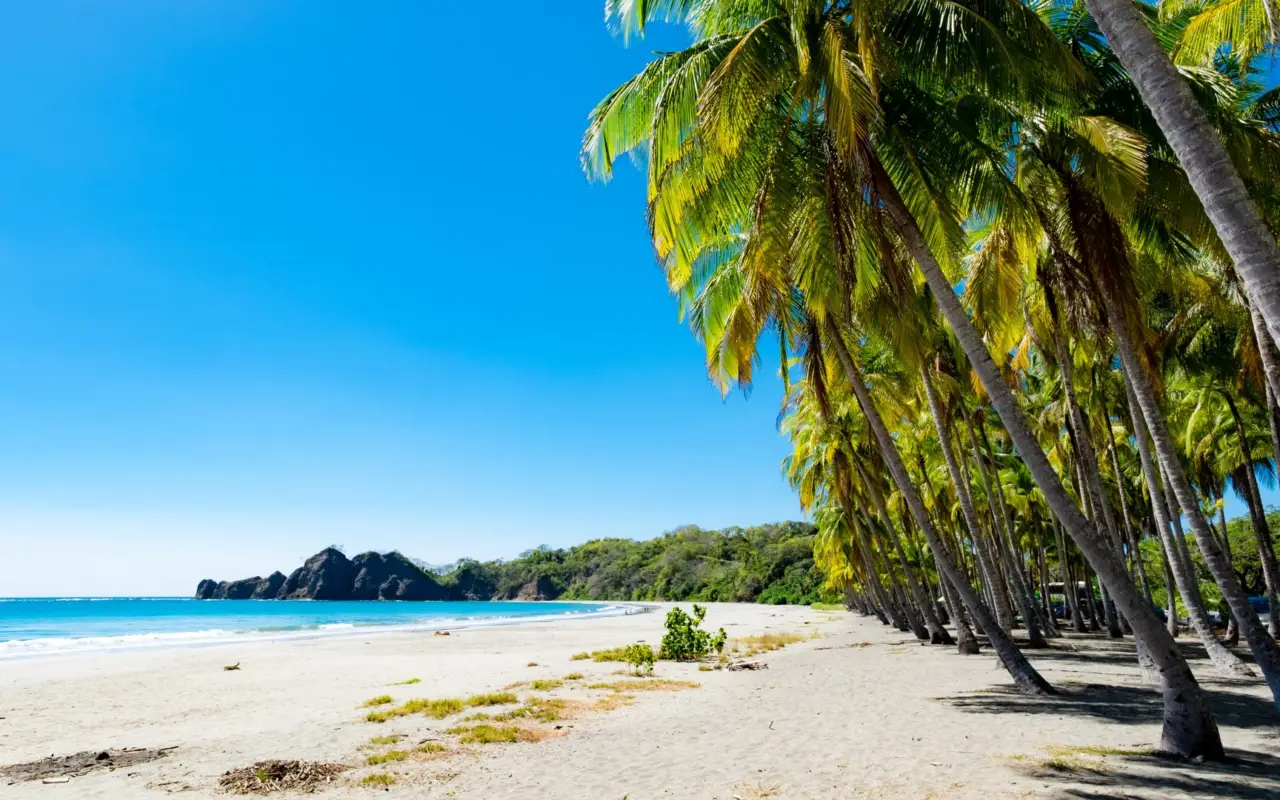
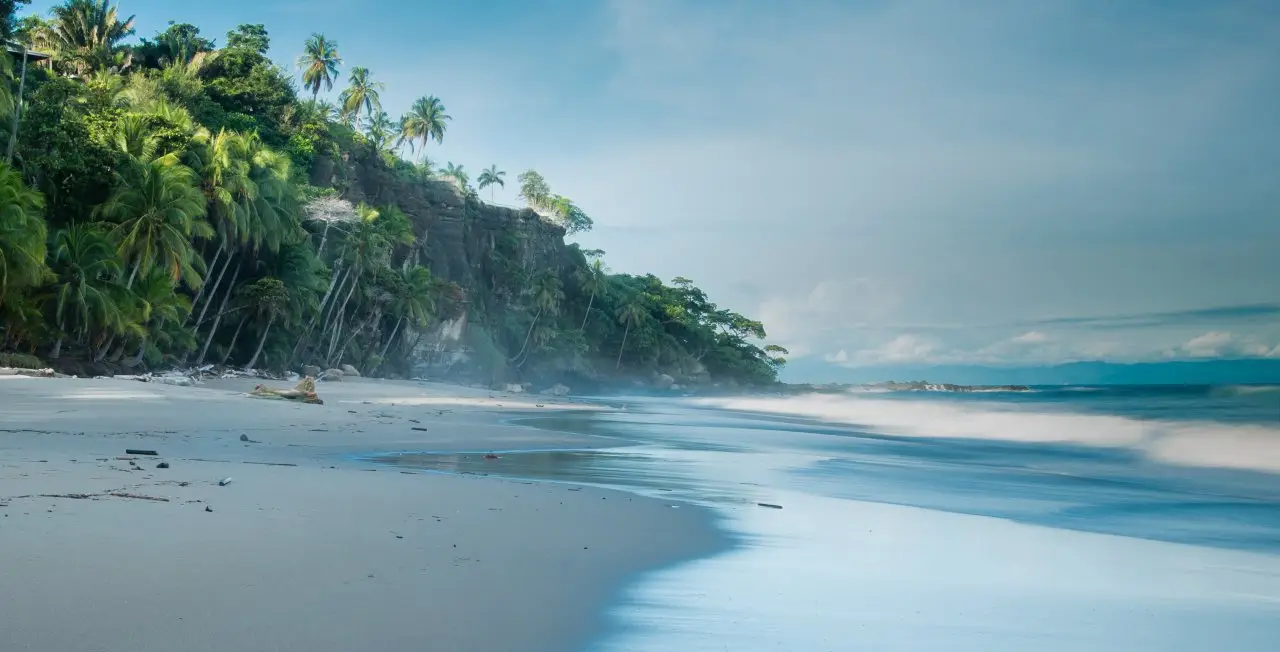
Located 5 km from Samara, this bay boasts a magnificent beach with very calm, inviting waters that are ideal for swimming, especially toward the south where, running parallel to the beach and following the same direction as the road, a row of coconut palms adorns the coastline, offering visitors plenty of shaded spots. Carrillo is also perfect for sunbathing and strolling. A rocky cliff rises to the south of the beach, from which you can admire the bay in all its splendor.
Things to Do in Guanacaste: Surfing, Diving, and Water Sports
The coast is perfect for most beach activities. Surfing is available for all skill levels, from Tamarindo for beginners to Santa Teresa for more advanced surfers. Scuba diving trips mainly depart from Ocotal and Playas del Coco to the Catalina and Murciélagos Islands, where you can encounter rays, sharks, and turtles. Our Costa Rica diving guide lists the best sites.
Beyond the water, the local culture revolves around livestock farming. Horseback rides along the coast or through the dry forest remain a hallmark of the northwest. Kayaking in the mangroves, sport fishing, and boat trips round out the activities. To compare the coastal towns, see our page on the country’s beach resorts.
The Nicoya Peninsula, a “Blue Zone” of Longevity
The peninsula is one of five regions in the world identified as “Blue Zones” by journalist Dan Buettner and National Geographic. It is listed alongside Okinawa (Japan), Sardinia (Italy), Ikaria (Greece), and Loma Linda (California). The term refers to areas where life expectancy is significantly higher than average. The Costa Rican Blue Zone encompasses five cantons: Nicoya, Santa Cruz, Hojancha, Nandayure, and Carrillo.
The explanations put forward relate to lifestyle. A diet based on Mesoamerican agriculture (beans, corn, squash, fruits), daily physical activity related to farm work, and strong family and social ties. According to Terra Caribea, Costa Ricans have the highest life expectancy in Central America.
To be fair, a caveat is necessary. A study published in 2023 in *Demographic Research* by demographer Luis Rosero-Bixby showed that the local longevity advantage has diminished for people born after 1930. The concept of a “Blue Zone” itself is the subject of scientific debate. The region remains a fascinating case study, but the myth should be viewed with caution. Our dedicated article explores the secret of the Nicoya Blue Zone.
Sabanera Culture: Costa Rica’s “Wild West”
Before the Spanish arrived, this territory was inhabited by the Chorotegas, under the authority of the chieftain of Nicoya. Today, the region’s identity remains shaped by cattle ranching and life on the haciendas. The sabaneros—the local herdsmen—rodeos, and village festivals are all part of the area’s unique atmosphere.
The date July 25, 1824, is central to this identity. It commemorates the annexation of the Nicoya district to Costa Rica, a decision made by the residents themselves. The province’s motto, “De la patria por nuestra voluntad” (To the homeland by our own will), refers directly to this event. Our article takes a look back at the Nicoya Annexation Festival.


Frequently Asked Questions
What is the difference between Guanacaste and the Nicoya Peninsula?
Guanacaste is a province in northwestern Costa Rica. The Nicoya Peninsula is divided between Guanacaste Province to the north and Puntarenas Province to the south. Nicoya is also a city located in Guanacaste.
How do I get to Guanacaste?
The fastest way is to fly to Liberia International Airport (LIR), about 10 kilometers from the city. This avoids the five- to six-hour drive from San José and provides direct access to the northern beaches.
When is the best time to visit Guanacaste?
The dry season, from December to April, offers the most sunshine and calm seas, but it’s also the busiest time of year. The green season, from May to November, features lush, green landscapes and lower prices, with showers often occurring in the late afternoon.
Where can you see turtles in the region?
Leatherback turtles nest in Las Baulas Marine Park, near Tamarindo, from October through March. Olive ridley turtles arrive in large numbers at Ostional during the arribadas, especially during the rainy season, a few days before the new moon.
What are the most beautiful beaches in Guanacaste?
The best known are Tamarindo for its lively atmosphere and surfing, Conchal for its clear waters, and Sámara and Carrillo for their peaceful, family-friendly settings. Nosara appeals to surfing and yoga enthusiasts. Santa Teresa offers the laid-back vibe of the end of the world.
Why is Nicoya called a Blue Zone?
The peninsula was identified as one of the world’s five Blue Zones by Dan Buettner and National Geographic, due to its above-average life expectancy. However, a 2023 study qualifies this benefit for generations born after 1930.
Can you swim anywhere?
Many beaches are suitable for swimming, such as Playas del Coco, Conchal, Sámara, and Carrillo, where the waters are calm. Others, more exposed to swells—such as Playa Grande and Santa Teresa—are better suited for surfing.
How much time should you plan for a trip along the coast?
Five to seven days will allow you to visit several beaches, a national park, and go on a diving or surfing trip. To reach the southern tip (Santa Teresa, Montezuma), allow for additional travel time.
Plan Your Trip to Guanacaste
The northwest coast and the Nicoya Peninsula bring together Pacific beaches, dry forest, and remarkable wildlife in a single region. Our local team at Terra Caribea creates each itinerary from scratch, whether it’s a family-friendly beach resort getaway or a nature-focused road trip. Check out, for example, our campervan road trip or our beach-and-adventure tour.
Sources
- Costa Rican Tourism Institute (ICT): visitcostarica.com, Guanacaste
- SINAC, Costa Rica’s National System of Conservation Areas: Las Baulas, Santa Rosa, and Barra Honda Parks
- Wikipedia: Guanacaste Province (area, cantons, history)
- Luis Rosero-Bixby, “The Vanishing Advantage of Longevity in Nicoya, Costa Rica,” Demographic Research, vol. 49, 2023
- Dan Buettner / National Geographic, “Blue Zones” concept
Page updated on July 27, 2026.