When is the best time to visit Costa Rica?
The best time to travel to Costa Rica is during the dry season, from December to April, when there is plenty of sunshine and ideal conditions for the beach and national parks. But the wet season (May through November) offers major advantages: prices reduced by 20 to 30 percent, humpback whale watching, sea turtle nesting, and lush natural scenery. Costa Rica is a pleasure to visit year-round—the choice of when to go depends on your priorities.
Renowned for its biodiversity, Costa Rica is a tropical country where rain is a constant feature of the landscape. This humidity sustains dense forests that are home to nearly 6% of the world’s biodiversity within an area of just 51,100 km². Most travelers come to discover this extraordinary flora and fauna, whose existence is inextricably linked to the tropical climate.
At Terra Caribea, a travel agency based in Costa Rica since 2009, we help hundreds of travelers each year choose the best time to visit. Here is our comprehensive guide, based on our on-the-ground experience, to help you determine when to visit Costa Rica based on your preferences.
Costa Rica at a Glance: A Tropical Country with Diverse Microclimates
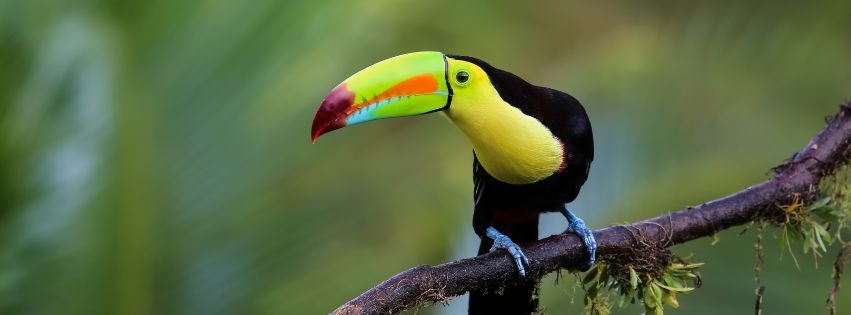
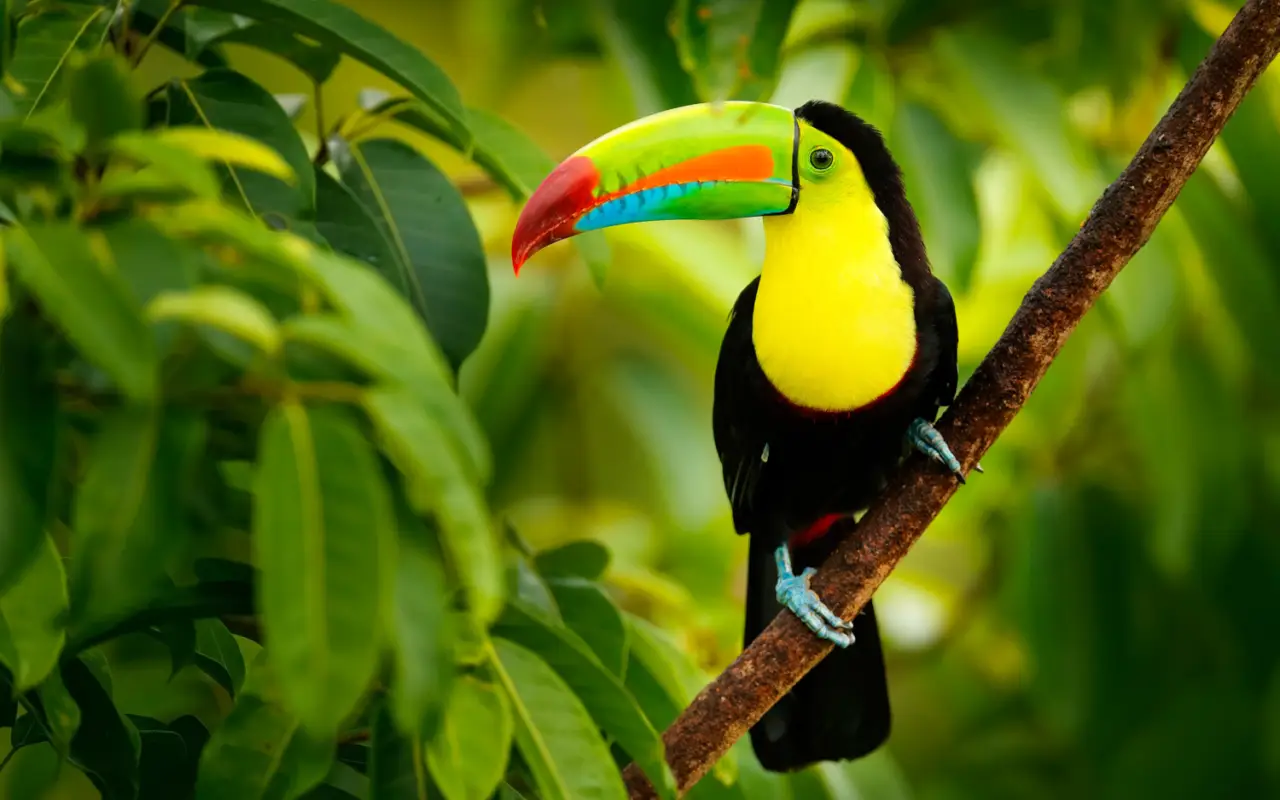
Located in Central America between Nicaragua and Panama, Costa Rica covers only 0.03% of the world’s land area (51,100 km², comparable to Switzerland) but is home to approximately 6% of the world’s biodiversity, according to the Instituto Nacional de Biodiversidad. The country is home to more than 500,000 animal and plant species, including 900 bird species, 12,000 plant species, and 230 mammal species.
More than 25% of the national territory is protected under the supervision of SINAC (Sistema Nacional de Áreas de Conservación), which manages 27 national parks and more than 160 protected areas in total. In 2025, the country welcomed 2.69 million tourists arriving by air, according to the Instituto Costarricense de Turismo (ICT), including approximately 70,000 French visitors and 260,000 Canadians.
This natural wealth is directly linked to Costa Rica’s tropical climate. Rain nourishes the dense forests that cover 52% of the country. Understanding the seasons and microclimates will help you plan a trip tailored to your preferences.
Our tours to explore Costa Rica’s natural beauty

Outdoor Adventures and Hidden Gems of Costa Rica

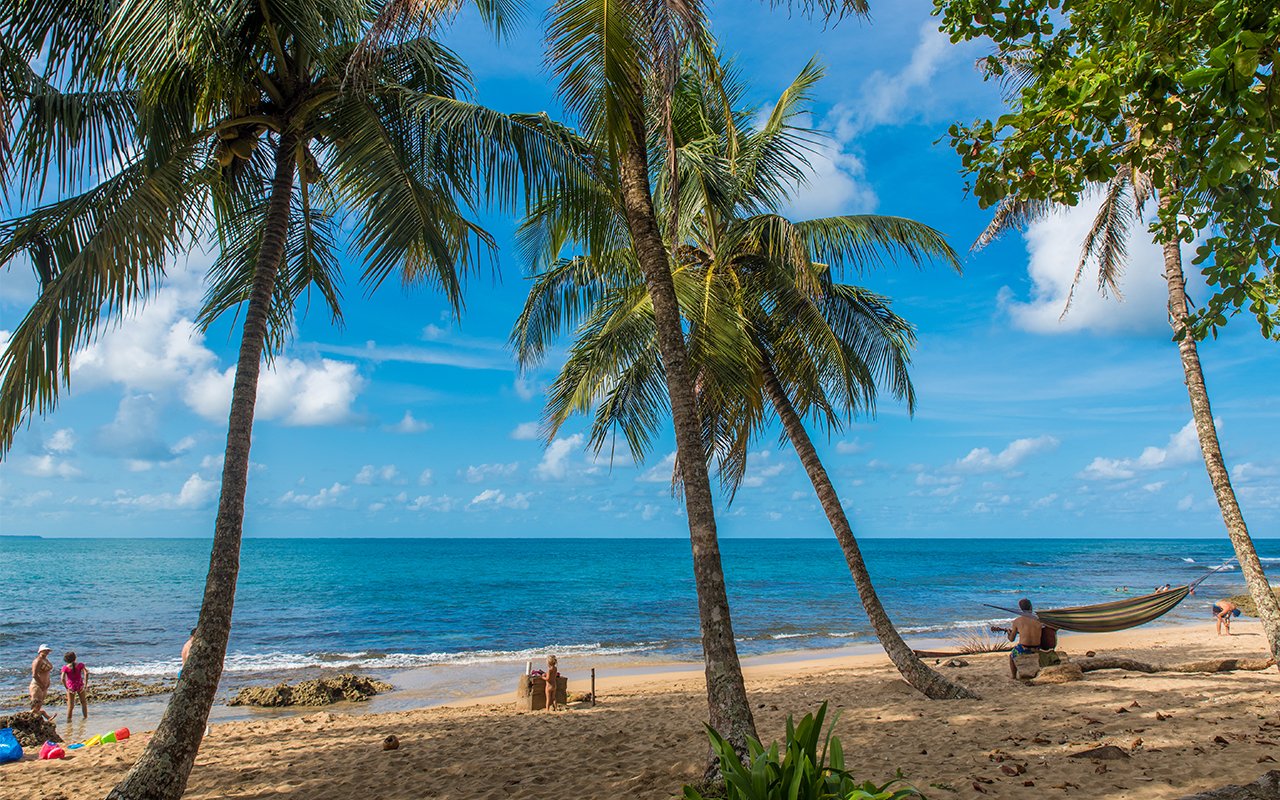
Nature and the beach: a perfect combination for an exclusive trip to Costa Rica
Nature Tour: Costa Rica – Nicaragua in 2 weeks
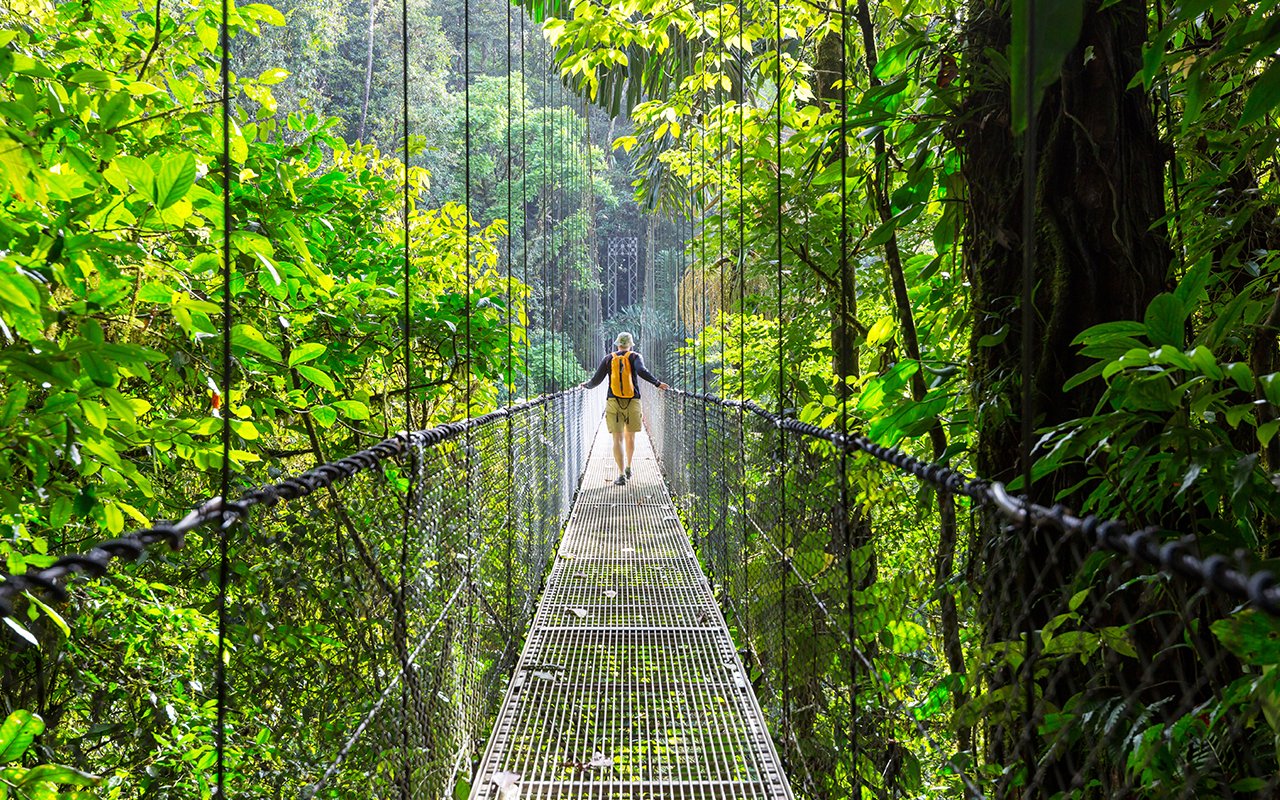
Treks and Hikes in Costa Rica Natural Sites and Exploration
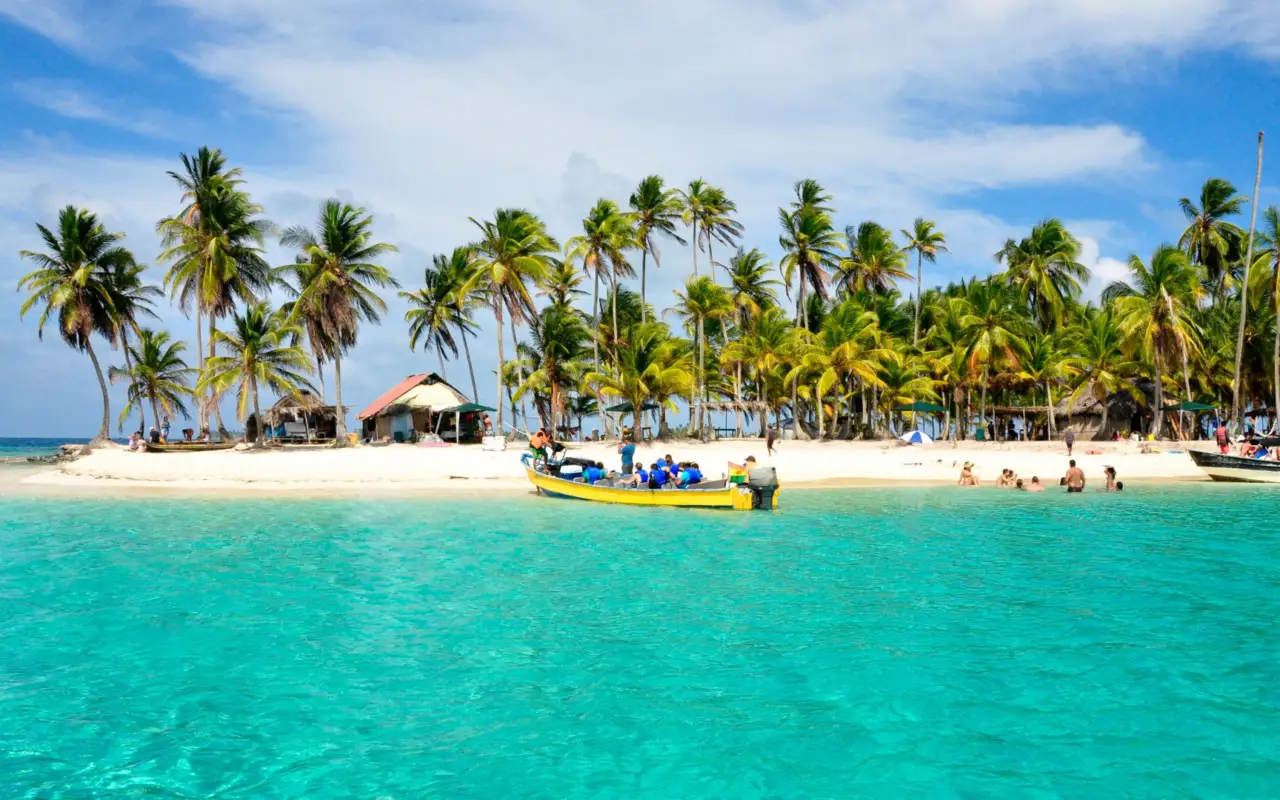
Nature and Culture Tour from Panama to Costa Rica
Dry Season and Rainy Season: Understanding Costa Rica’s Climate
Two Distinct Seasons
Costa Rica has a tropical climate characterized by two main seasons. The dry season runs from mid-December through April. The rainy season, known locally as the “green season” (temporada verde), runs from May through mid-December, with a notable lull in July and August called veranillo (“little summer”).
Three Climate Zones to Know
Costa Rica has three main climate zones, determined by elevation and proximity to the coast:
- The Central Valley (San José, 1,170 m above sea level): an “eternal spring” with average temperatures around 19.5 °C year-round and annual rainfall of about 2,700 mm.
- The Pacific Coast: temperatures between 28 and 35 °C, with a distinct dry season from December through April. The province of Guanacaste in the northwest is the driest region in the country.
- The Caribbean Coast: consistently warm (30 °C during the day, 21 °C at night), with high humidity year-round. An important feature: its climate is often the opposite of that in the rest of the country.
The Inverted Climate of the Caribbean Coast
Few travelers realize this, but the Caribbean Coast experiences its sunniest months in September and October—precisely when the Pacific Coast receives its heaviest rains. This unique feature allows you to plan a smart itinerary: by combining visits to both coasts depending on the season, you can enjoy favorable conditions almost all year round.
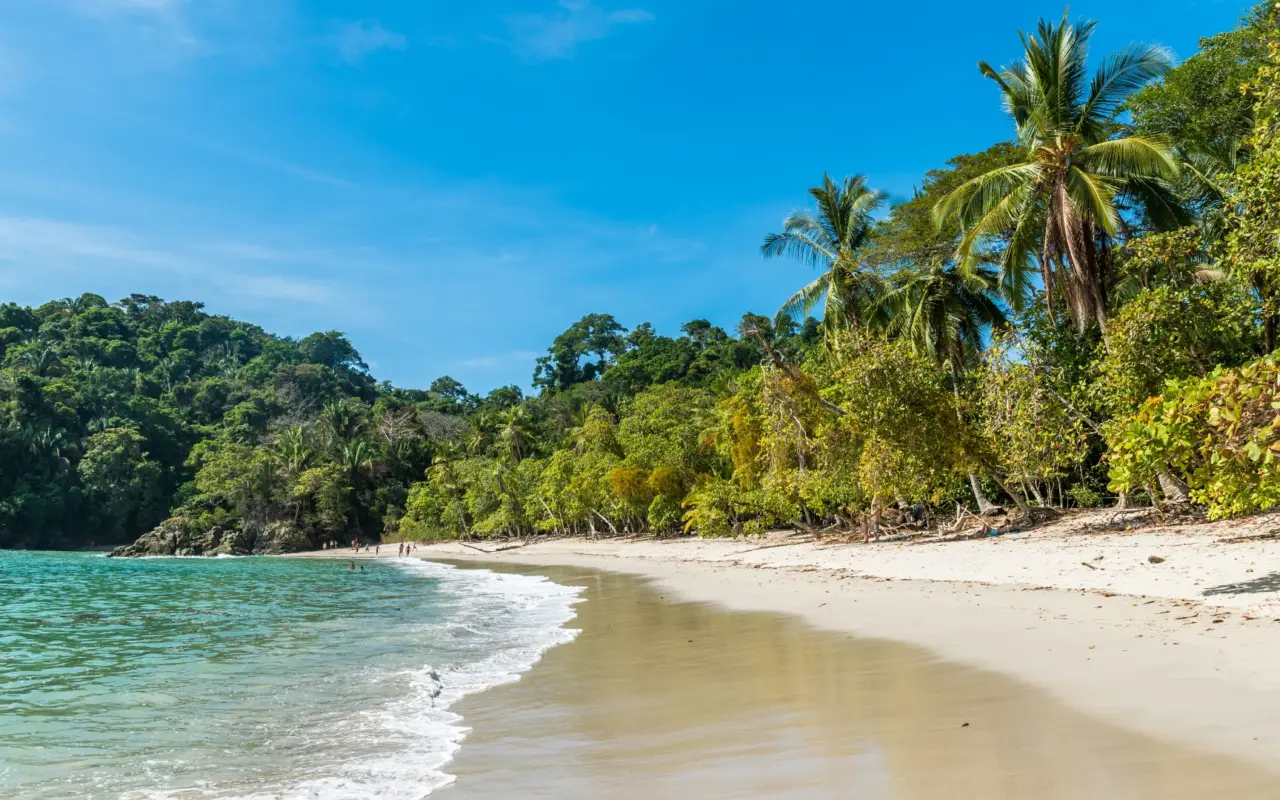
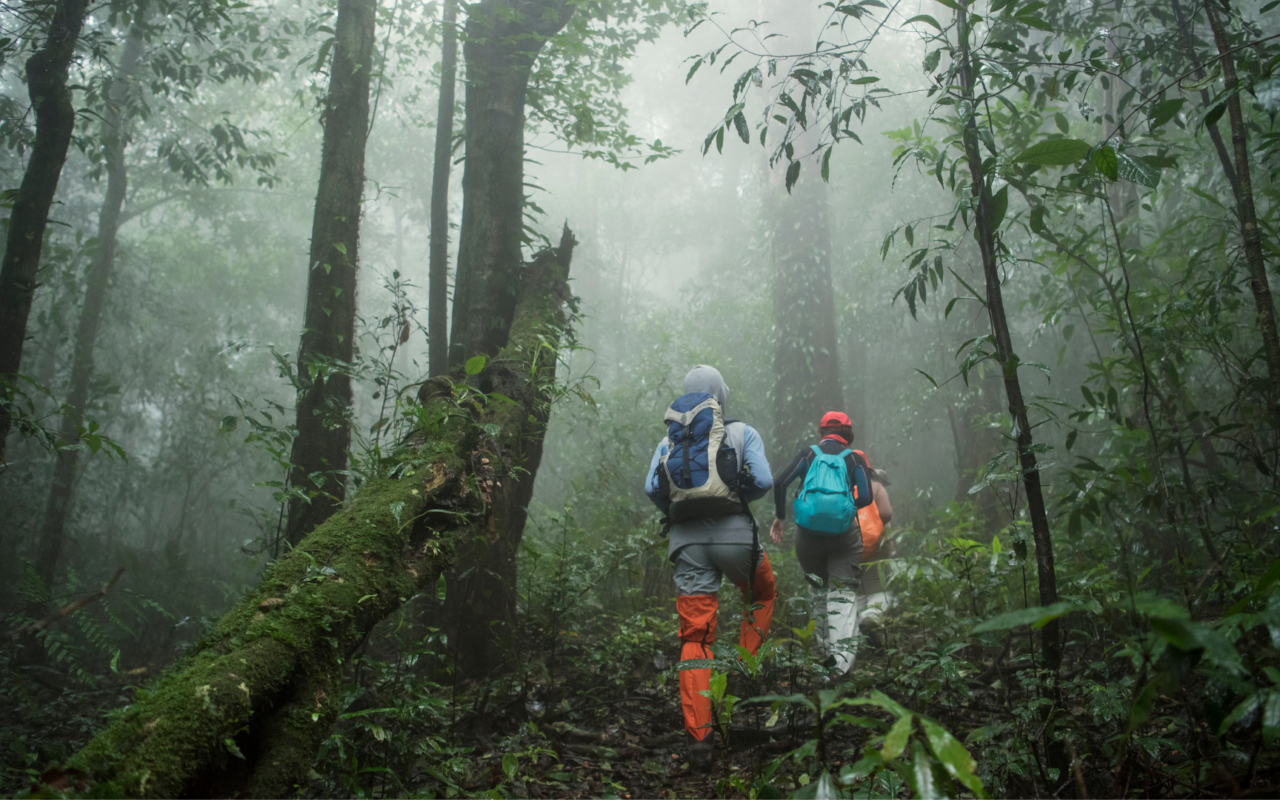
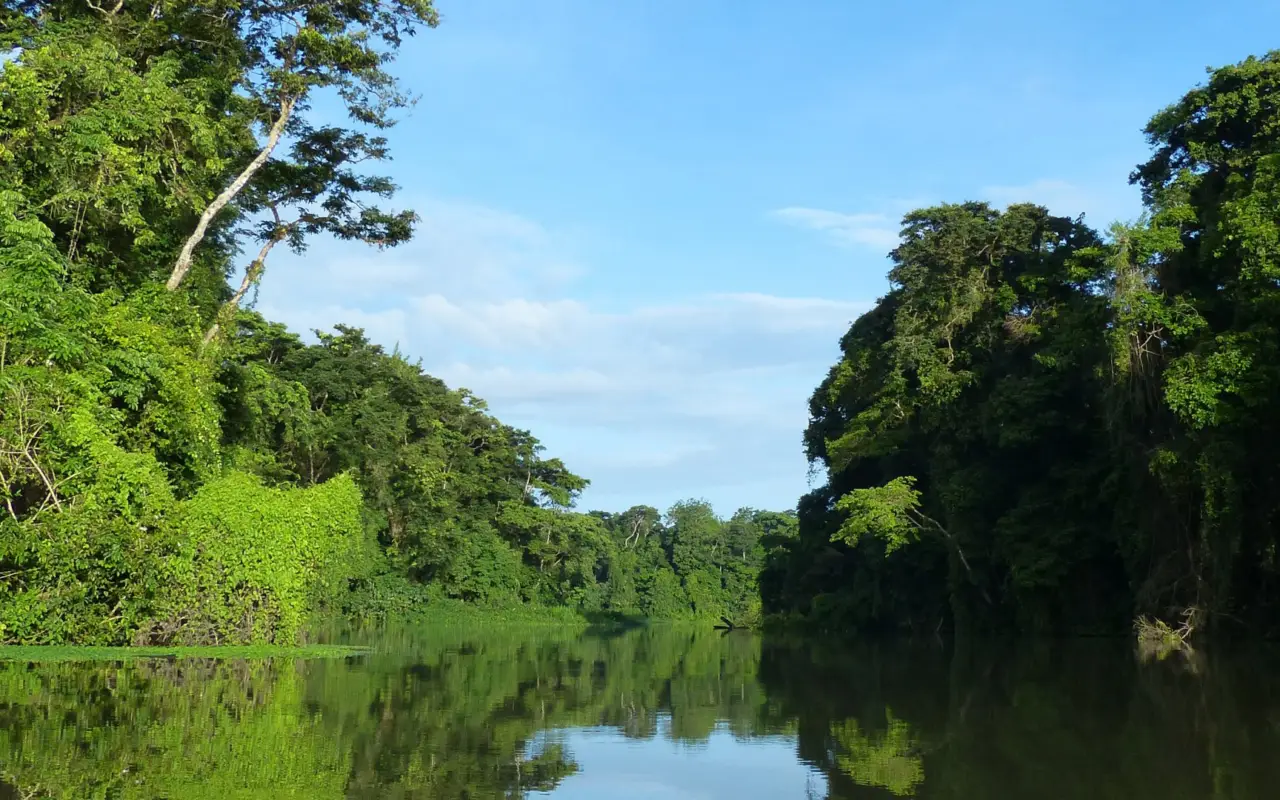
The Climate in Costa Rica Month by Month: Temperatures and Precipitation
Monthly Climate Table
The temperatures listed are averages for the Pacific Coast and the Central Valley, the two most visited regions in Costa Rica.
| Month | Pacific Coast Temp. | Central Valley Temp. | Precipitation | Season | Tourist Traffic |
|---|---|---|---|---|---|
| January | 30–33 °C | 18–26 °C | Low | Dry | High |
| February | 30–34 °C | 18–27 °C | Very low | Dry | High |
| March | 31–35 °C | 19–28 °C | Very low | Dry | High |
| April | 31–35 °C | 19–28 °C | Rising | Transition | Very high (Holy Week) |
| May | 29–32 °C | 18–27 °C | Moderate | Green | Low |
| June | 28–31 °C | 18–26 °C | Strong | Green | Low |
| July | 28–31 °C | 18–26 °C | Moderate | Green — veranillo | Average |
| August | 28–31 °C | 18–26 °C | Moderate | Green — veranillo | Average |
| September | 28–30 °C | 18–26 °C | Strong (Pacific) / Weak (Caribbean) | Green | Low |
| October | 28–30 °C | 18–25 °C | Very strong (Pacific) / Weak (Caribbean) | Green | Low |
| November | 28–31 °C | 18–26 °C | Declining | Transition | Low |
| December | 29–32 °C | 18–26 °C | Light (except in the Caribbean) | Dry | Very high (holidays) |
In green: the most favorable months of the dry season. In yellow: transitional periods or “veranillo” offering a good balance of weather, price, and crowds.
Recent Climate Trends
Climate change is gradually altering the usual patterns in Costa Rica. The all-time high temperature was recorded in April 2024 at Daniel Oduber Airport in Guanacaste, at 38.7 °C. February 2025 was the warmest February in 27 years (averaging 26.2 °C). March 2025 had only 7 days of rain—a 20-year record for the driest February. These changes make seasonal forecasts less predictable than in the past, but the general dry season/wet season pattern remains reliable.
Sea temperatures in Costa Rica range from 26 to 29 °C year-round. They can drop to 20–24 °C during the dry season at certain dive sites in the Pacific due to upwelling.

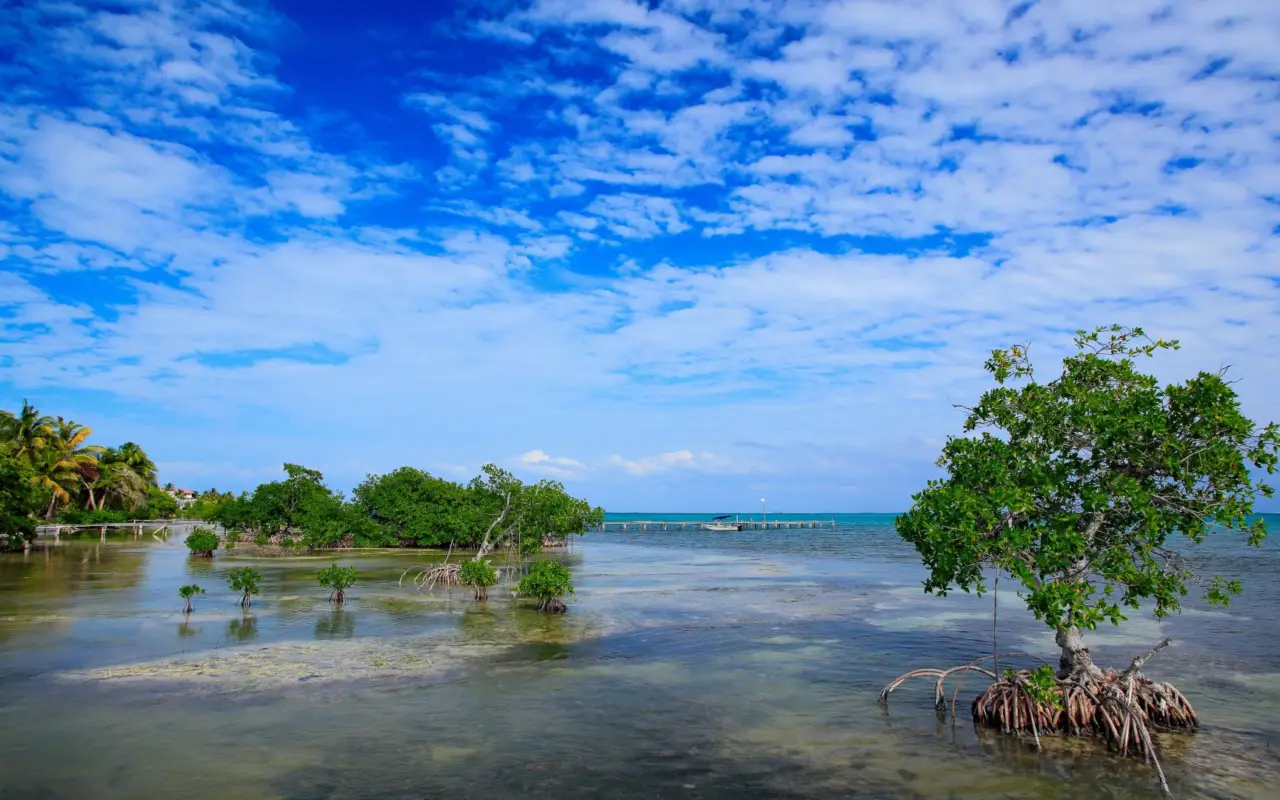
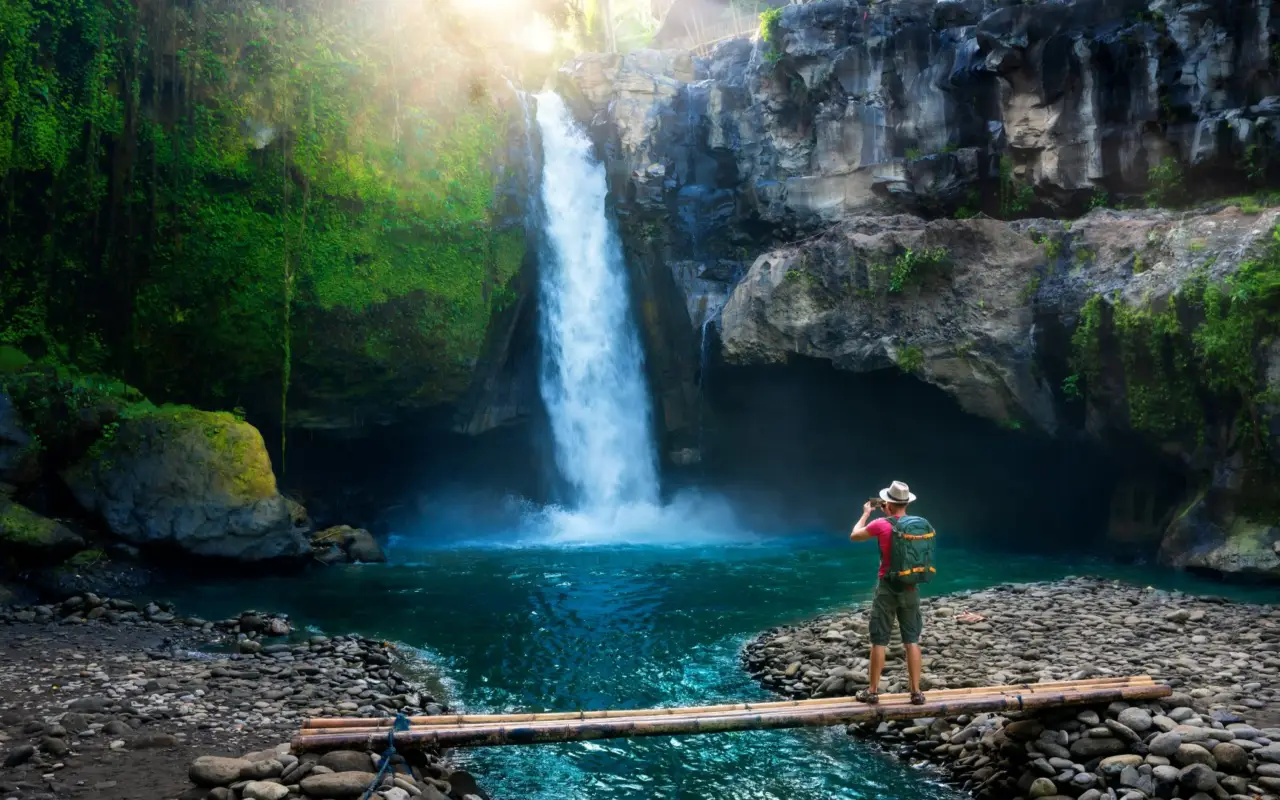
The dry season (December through April): sunshine, beaches, and peak tourist season
Ideal conditions for a first trip
The dry season is the most popular time to travel to Costa Rica. The skies are clear, the trails are accessible by 4×4, and conditions are perfect for outdoor activities: hiking in national parks, swimming, surfing, and wildlife viewing in less dense vegetation (animals are easier to spot).
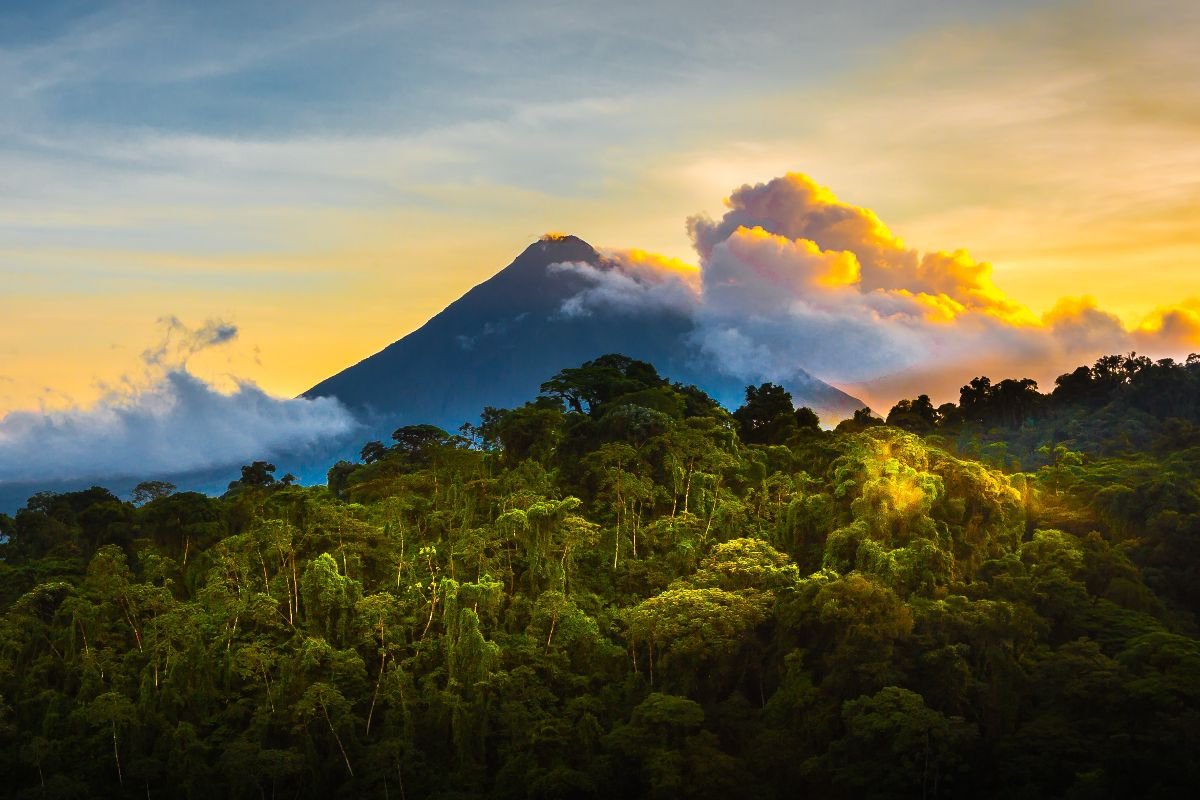
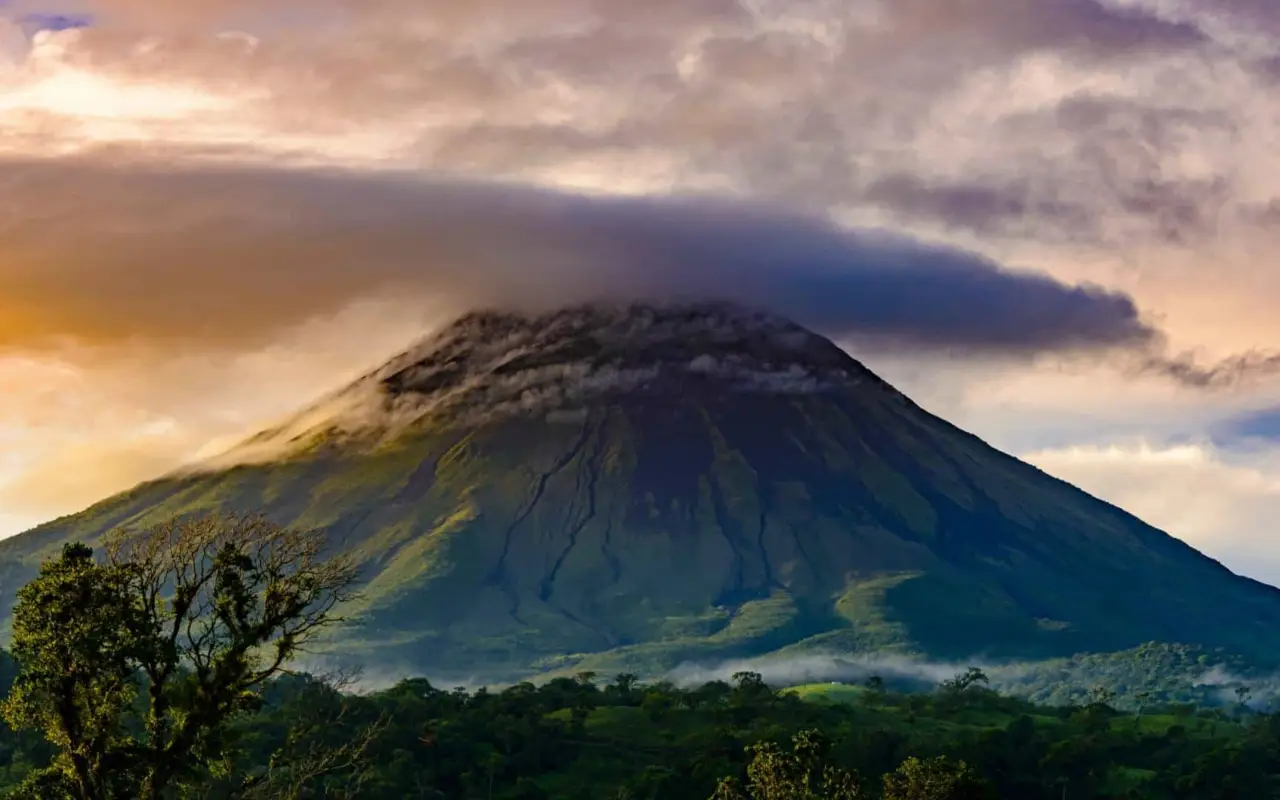
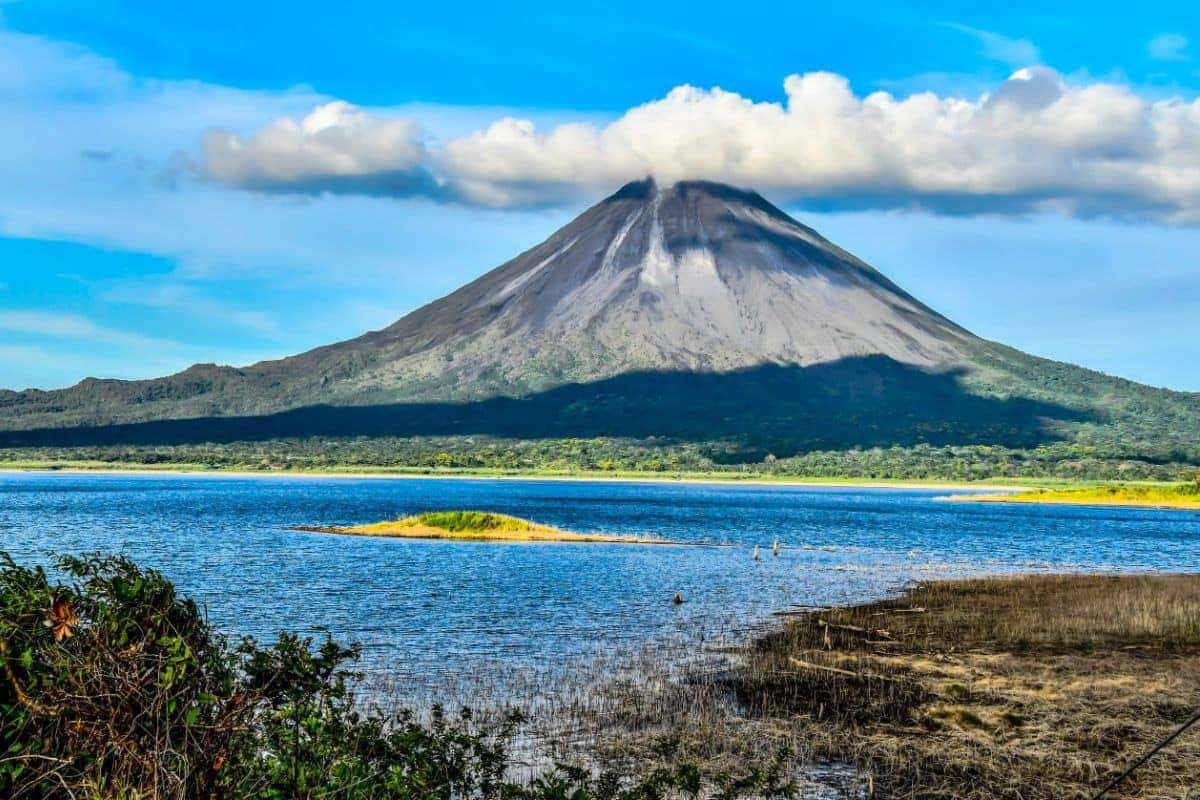
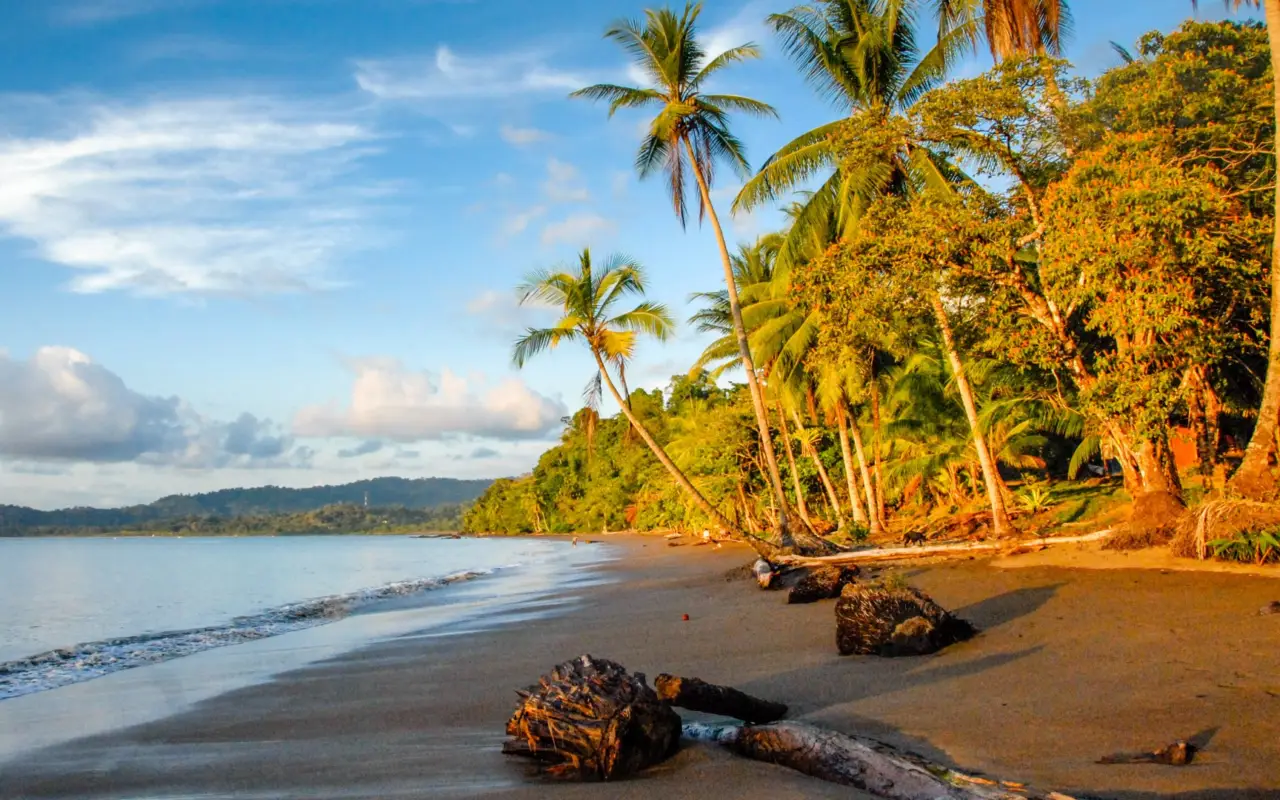
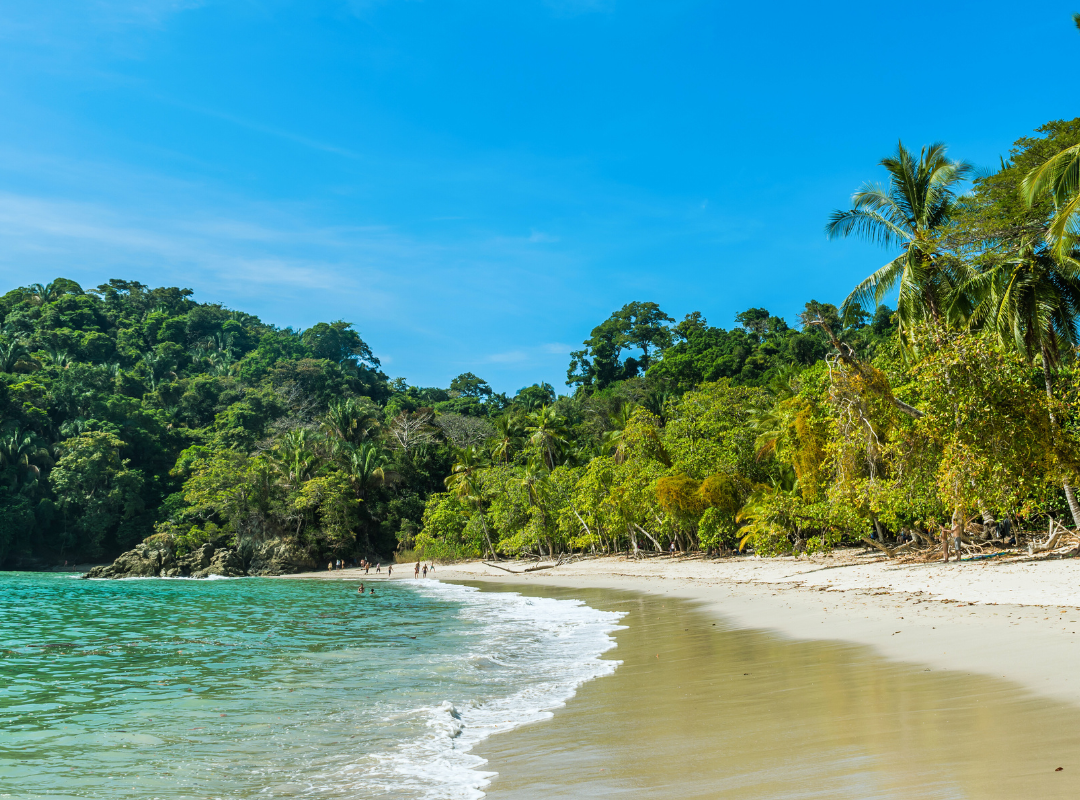
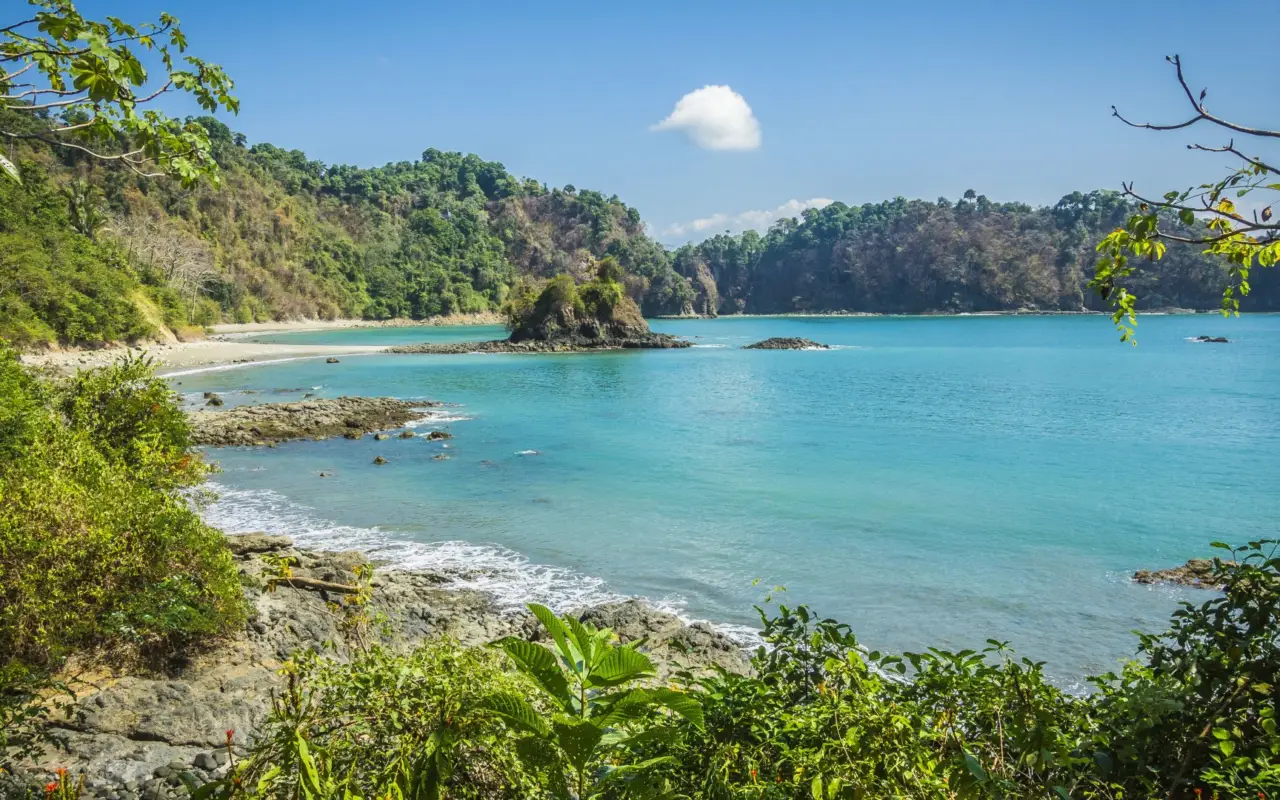
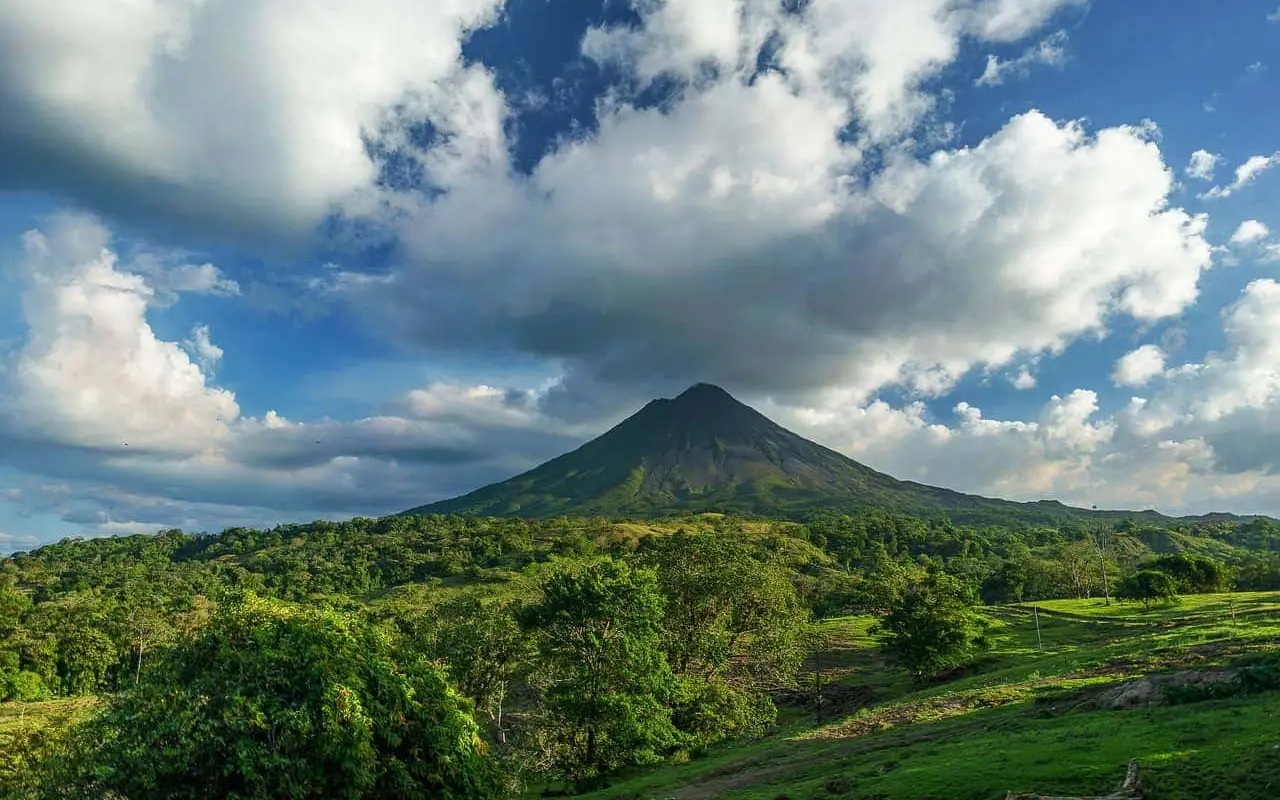
The province of Guanacaste, in the northwest, enjoys the driest climate. Rainfall is virtually nonexistent there from January through March, and temperatures regularly exceed 33 °C. The Nicoya Peninsula, Manuel Antonio National Park, and the Arenal Volcano region are also at their best during this time.
The downside: crowds and high prices
The peak tourist season coincides with North American holidays and local festivals. Costa Ricans themselves travel in large numbers during the end-of-year holidays and Holy Week (Semana Santa, usually in March–April). During these peak periods:
- The beaches on the Pacific coast are packed.
- Hotels are fully booked months in advance.
- Accommodation rates increase by 30 to 50% compared to the off-season.
- The most popular national parks (Manuel Antonio, Arenal) experience heavy visitor traffic.
Our advice for traveling during the dry season
At Terra Caribea, we recommend that travelers who prefer the dry season choose January or February —outside of school vacation periods—and plan their itinerary around less-visited regions such as the Osa Peninsula or the Caribbean coast. Book at least 3 to 4 months in advance for quality accommodations.
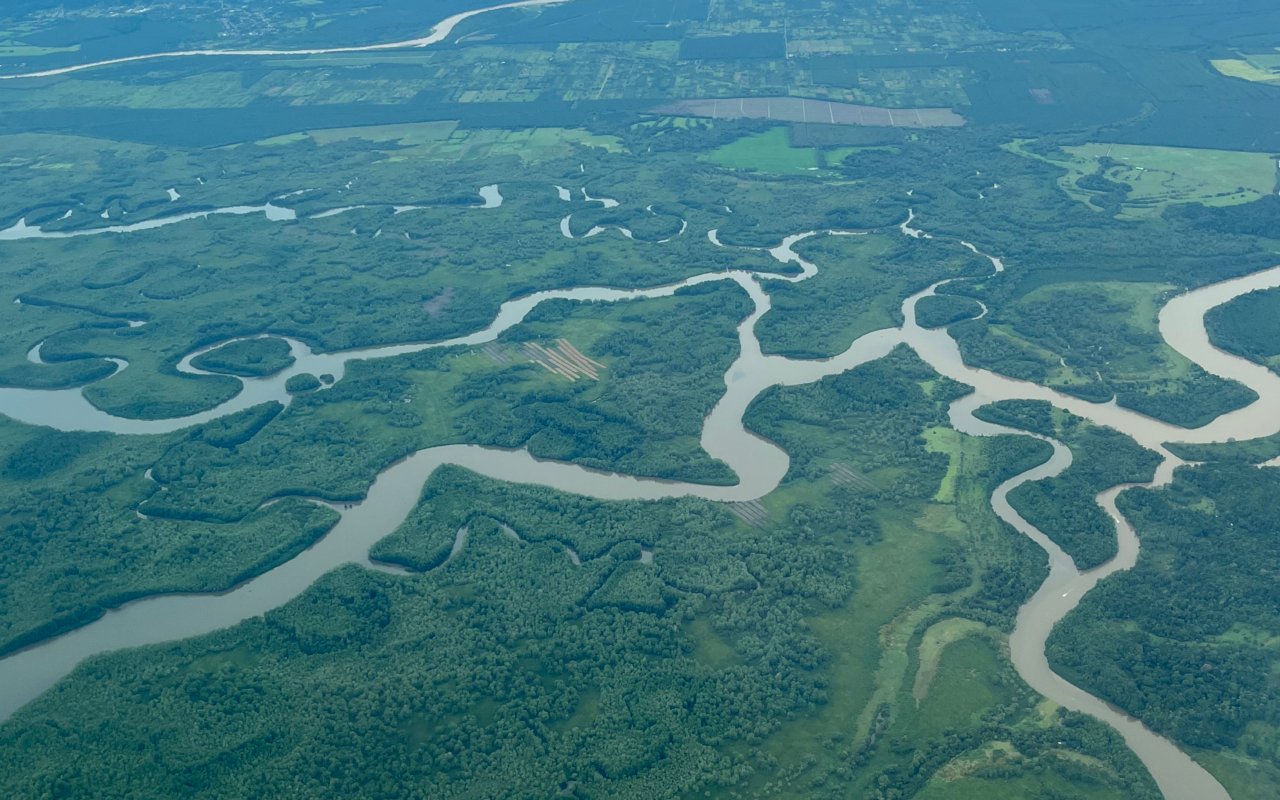
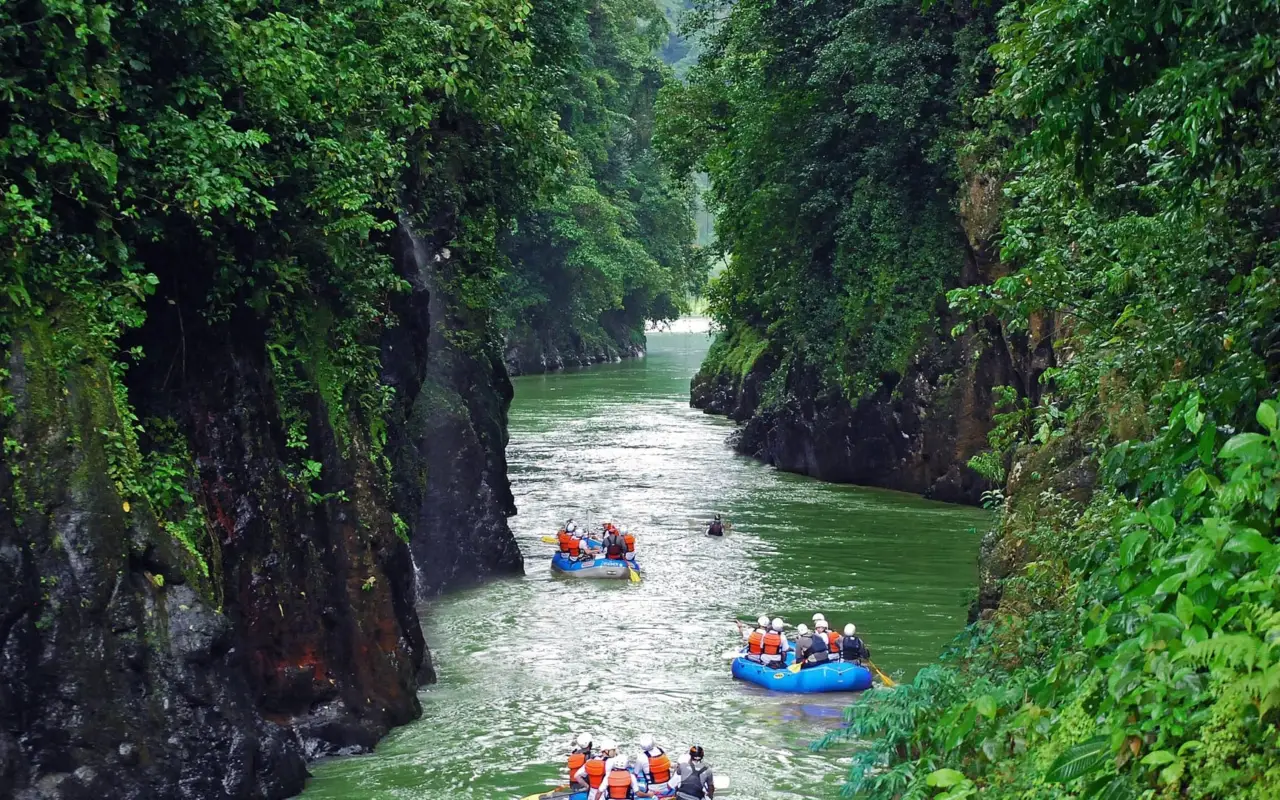

The green season or rainy season (May through November): lush nature, active wildlife, and great rates
Tropical rains, not a constant downpour
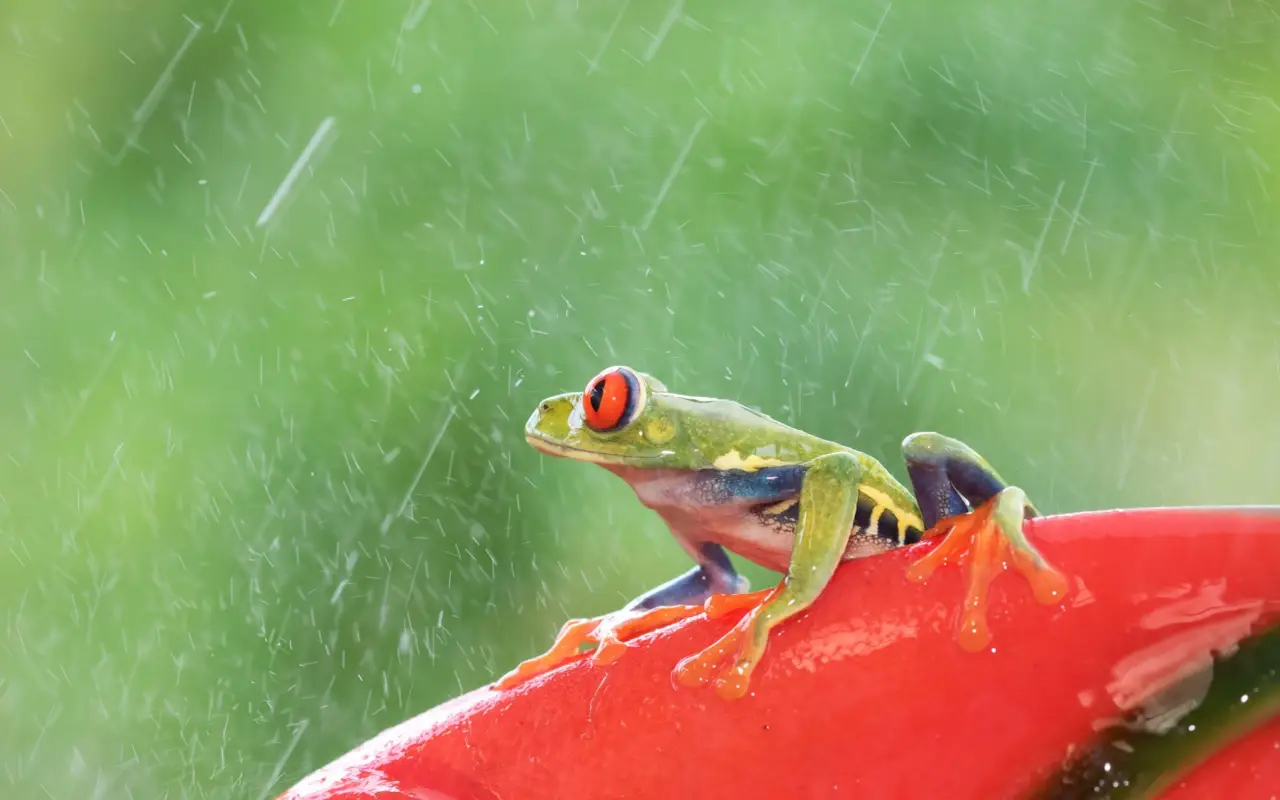
Costa Rica’s rainy season is often underestimated. It doesn’t rain all day: mornings remain sunny, and tropical showers occur in the mid- to late afternoon, lasting an average of 2 to 3 hours. The rainfall is intense but brief—a pattern very different from the drizzles in Europe.
The Veranillo: a “mini-summer” in July–August
Between July and August, rainfall decreases significantly across the entire country. This climatic phenomenon, known as the veranillo, offers conditions similar to the dry season, with the added benefits of moderate tourist traffic and off-season rates. It’s one of the best times to visit Costa Rica.
Nature at Its Best
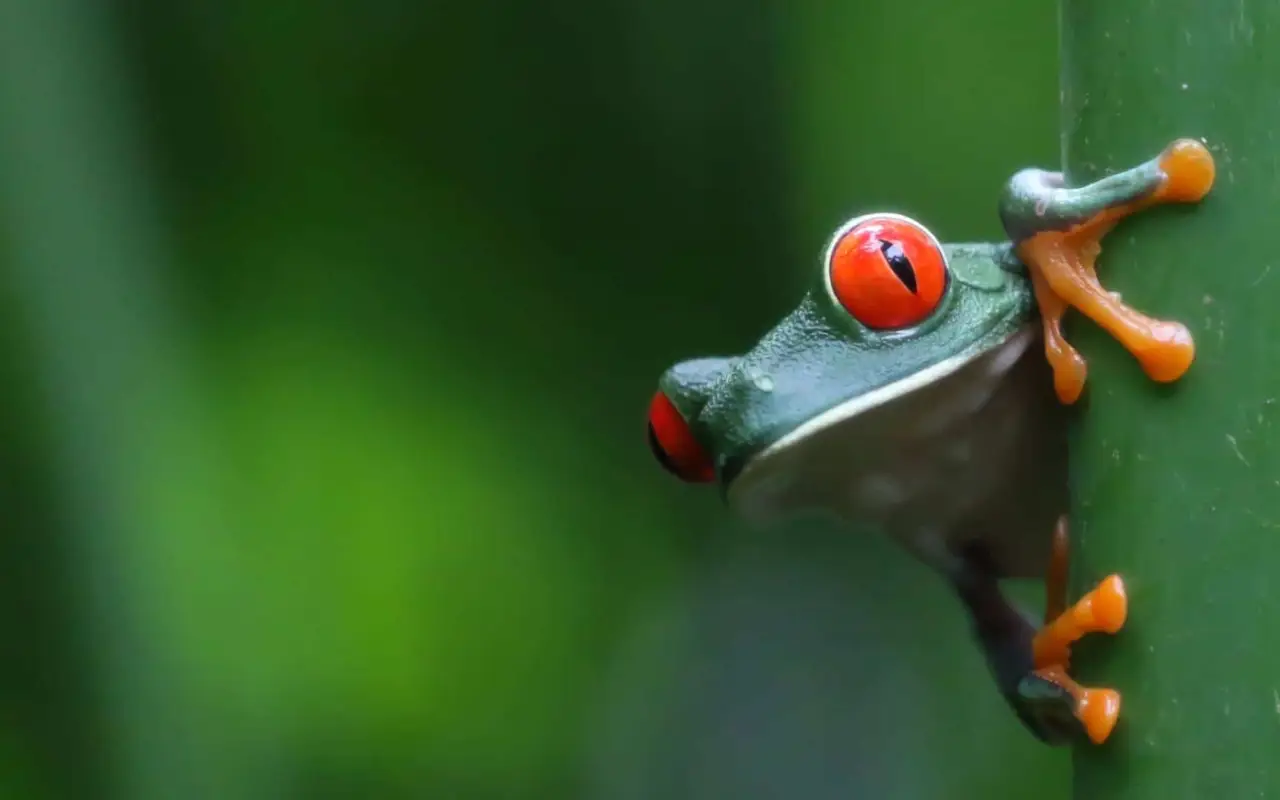
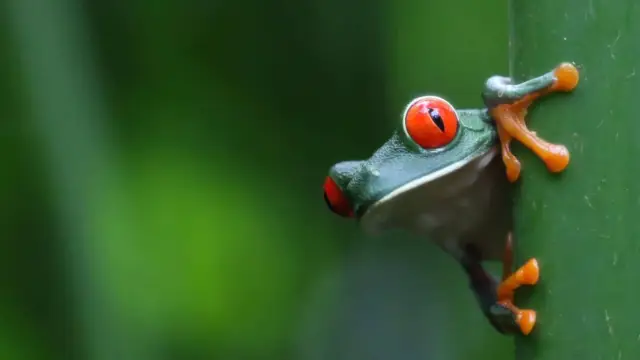
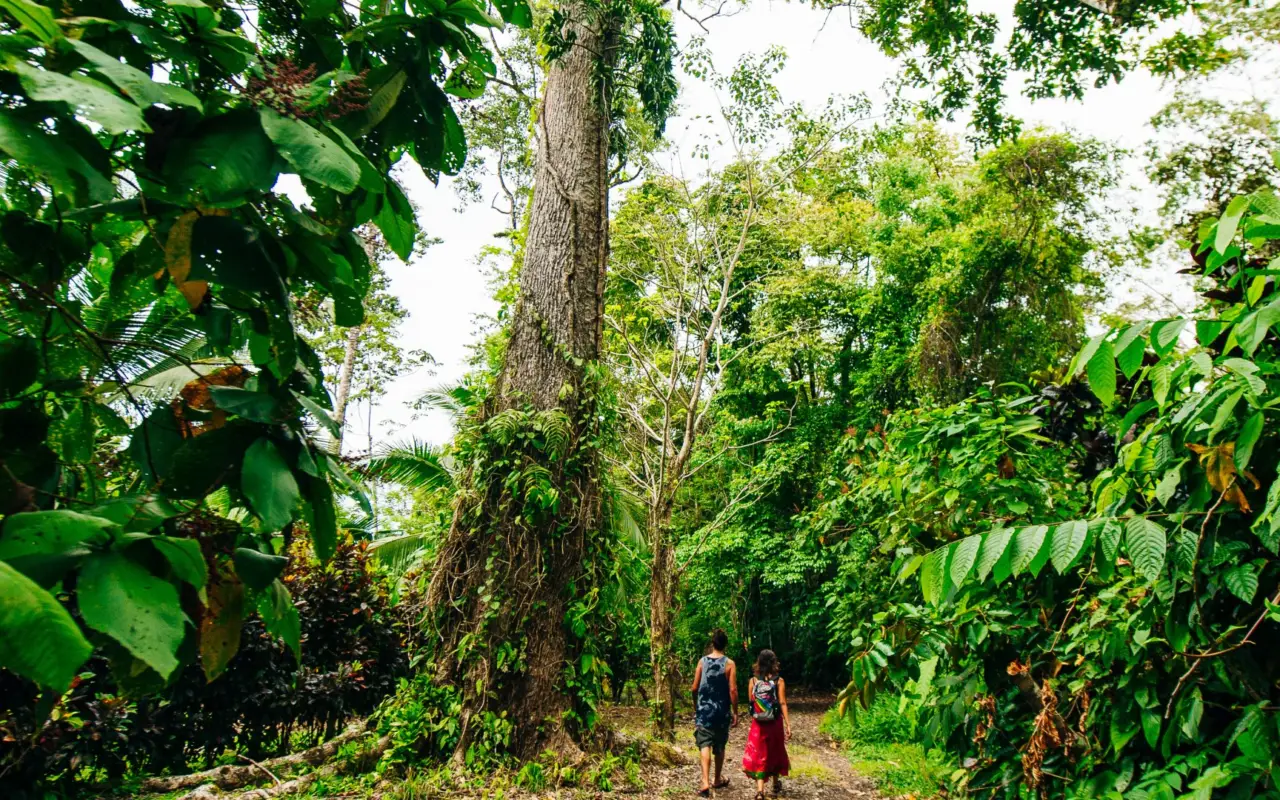
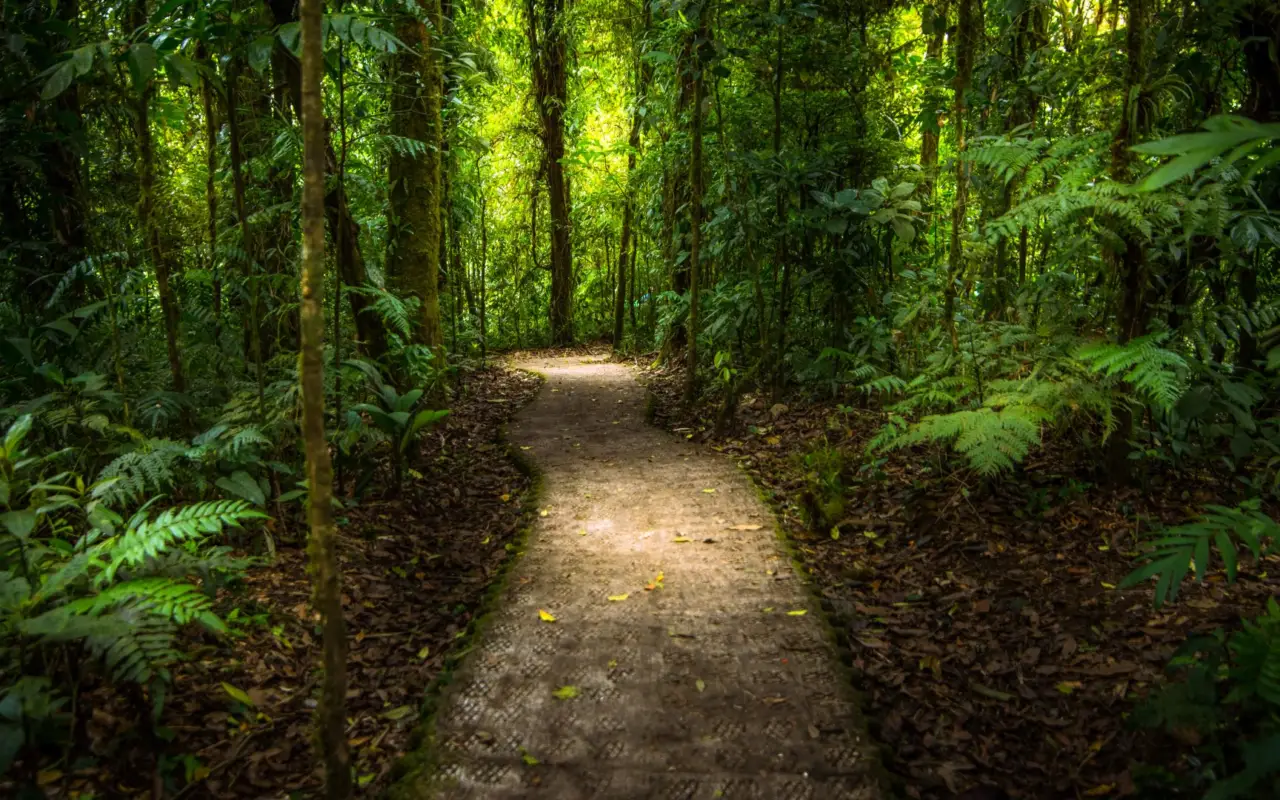
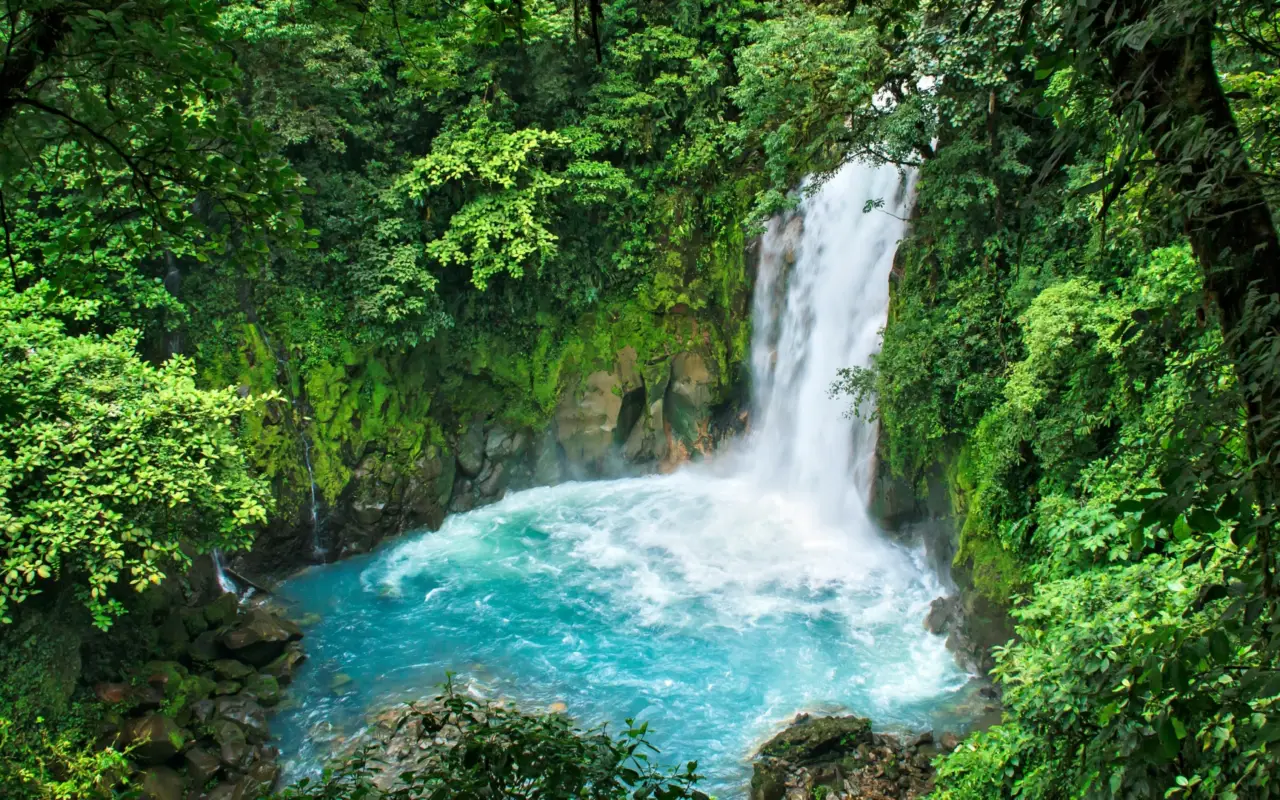
During the wet season, the vegetation is spectacular. Waterfalls in the national parks reach their peak flow, the forests turn lush green again, and wildlife is noticeably more active. This is the best season to spot the resplendent quetzal in the cloud forests of Monteverde or San Gerardo de Dota. Frogs, insects, and birds are more visible, and the forests are teeming with food sources that attract animals.
Significant Savings
The green season coincides with the hotel off-season. Accommodation rates drop by 20 to 30%, national parks are less crowded, and availability is better—no need to book four months in advance. Be sure to check out the story of a French family who traveled to Costa Rica during the green season, or our article on off-season travel in Costa Rica.
Get inspired by our favorite itinerary: exploring Costa Rica during the rainy season
When Is the Best Time to See Wildlife in Costa Rica? Turtles, Whales, and Quetzals
Costa Rica is home to 5 of the 7 species of sea turtles found worldwide, and its waters are home to at least 34 species of cetaceans, according to the International Whaling Commission (IWC). The time of year you choose to travel directly influences which species you’ll be able to see.
Sea Turtle Nesting: A Unique Spectacle
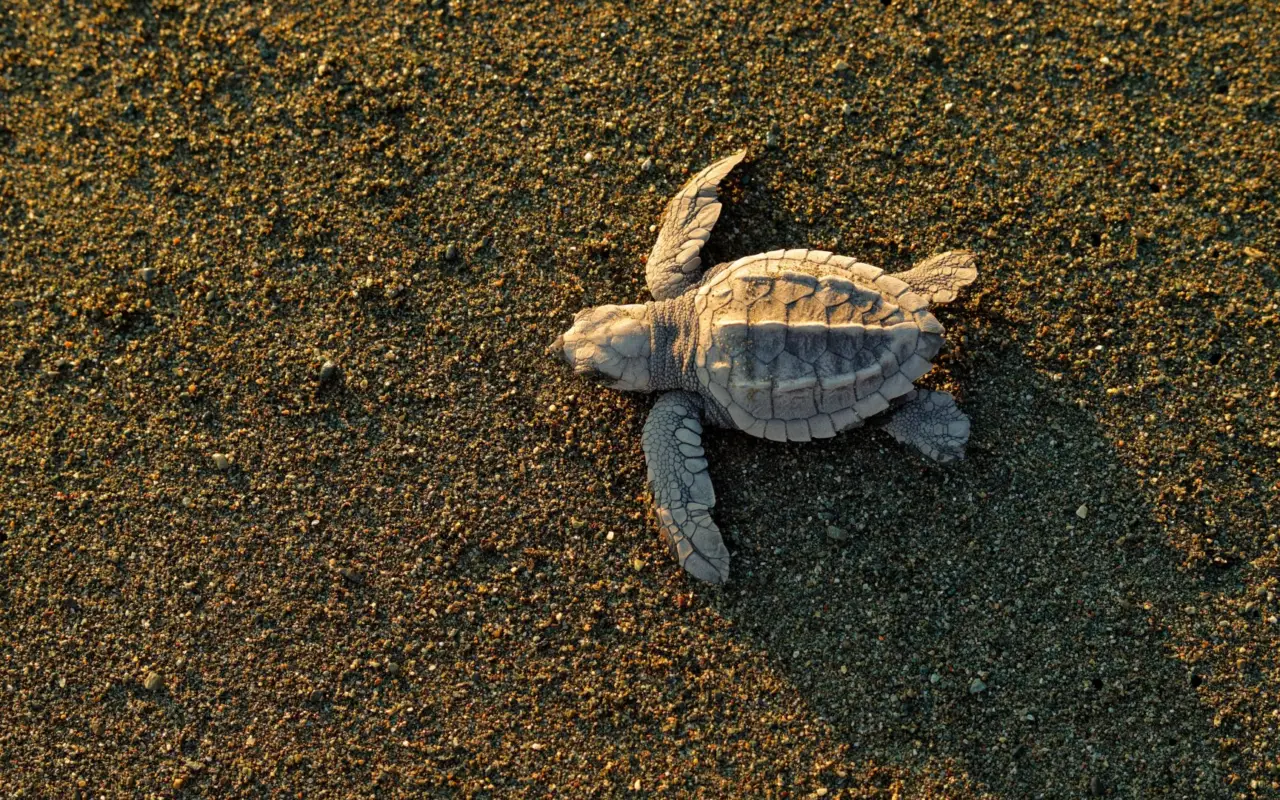
Tortuguero National Park, on the Caribbean coast, is one of the world’s most important nesting sites for the green sea turtle (nesting season runs from July through October). On the Pacific coast, the arribadas —massive arrivals of thousands of olive ridley sea turtles—occur at Playa Ostional between July and December. The leatherback turtle, the world’s largest sea turtle (up to 2 meters and 700 kg), nests from March through July at Playa Grande and on both coasts.
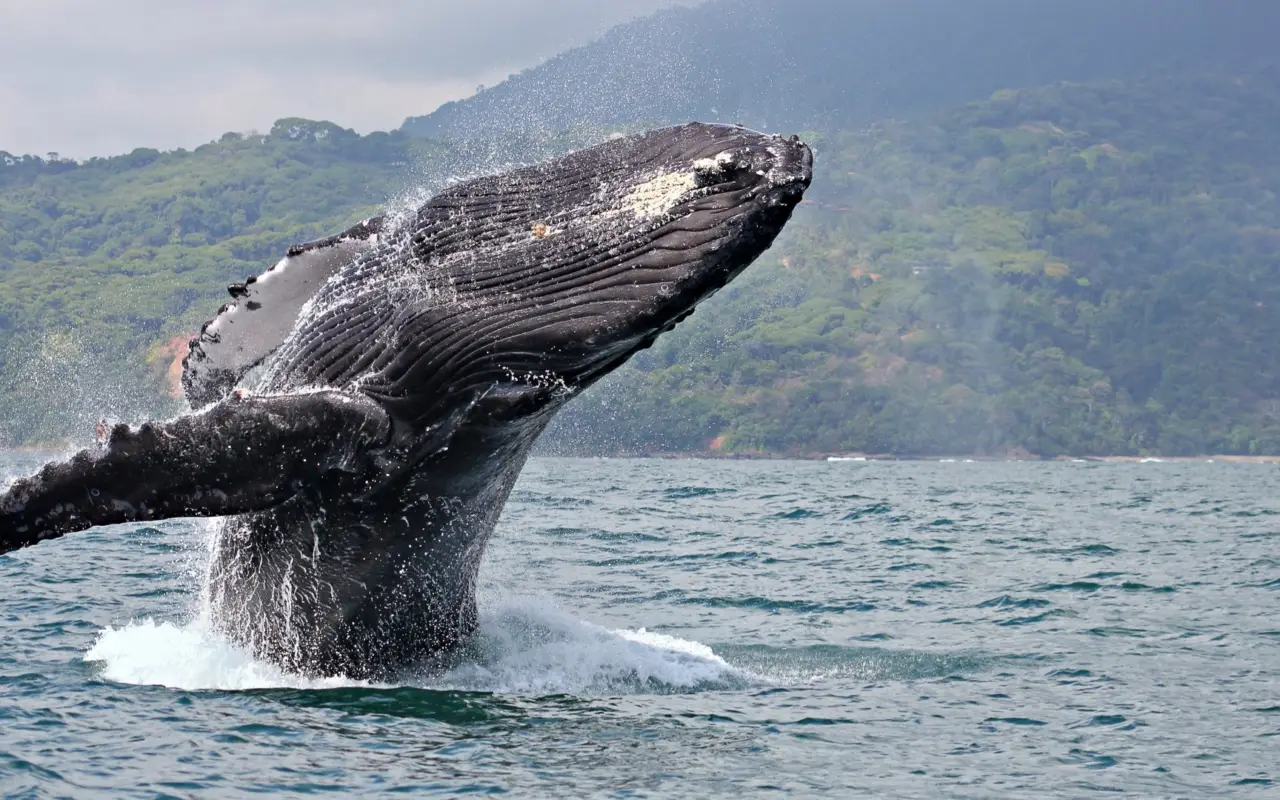
Humpback Whale Migration: A Two-Part Season
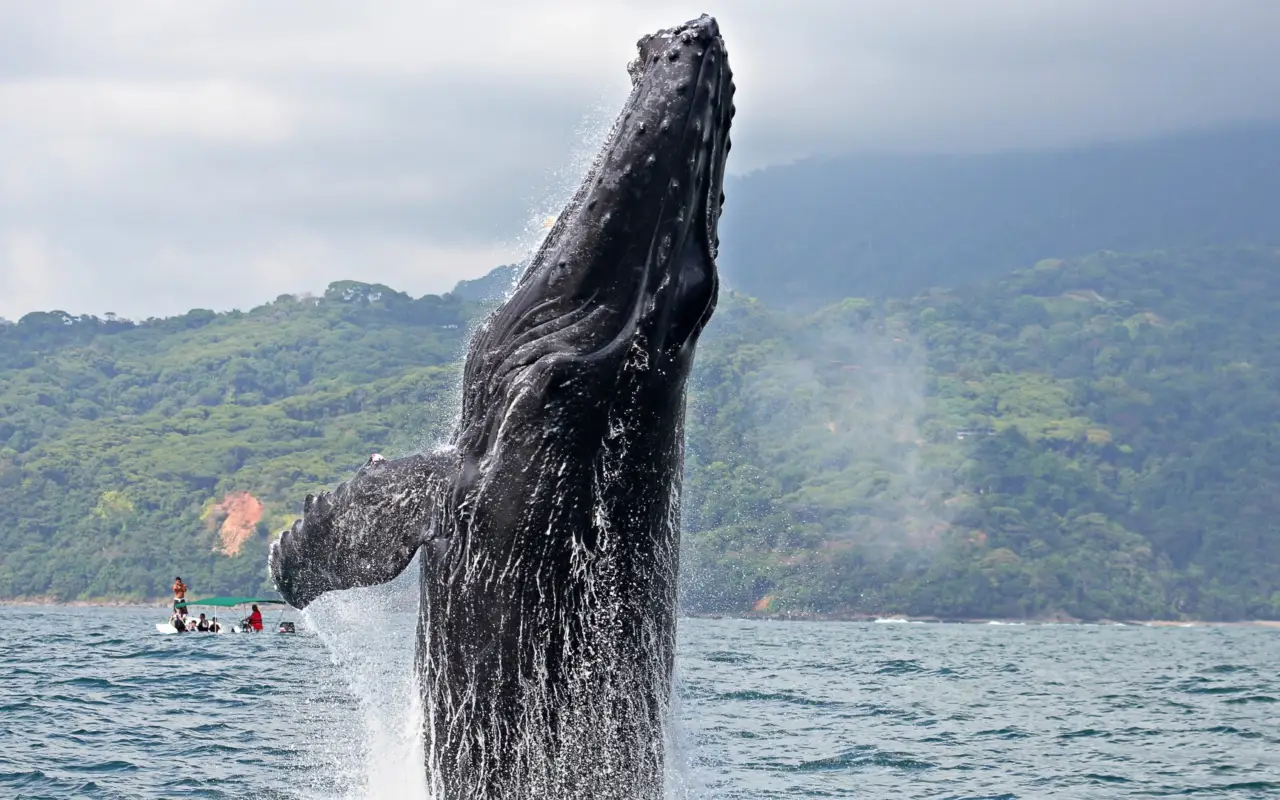
Costa Rica is one of the few countries in the world to host two annual humpback whale migrations. From December through March, whales from the Northern Hemisphere travel down from the cold waters of the North American Pacific to breed. From July to November, those from the Southern Hemisphere travel north from Antarctica and southern Chile—undertaking one of the longest migrations ever recorded for this species. Marino Ballena National Park, in Uvita, is the prime viewing spot. Every year in September, the community of Uvita organizes a whale festival.
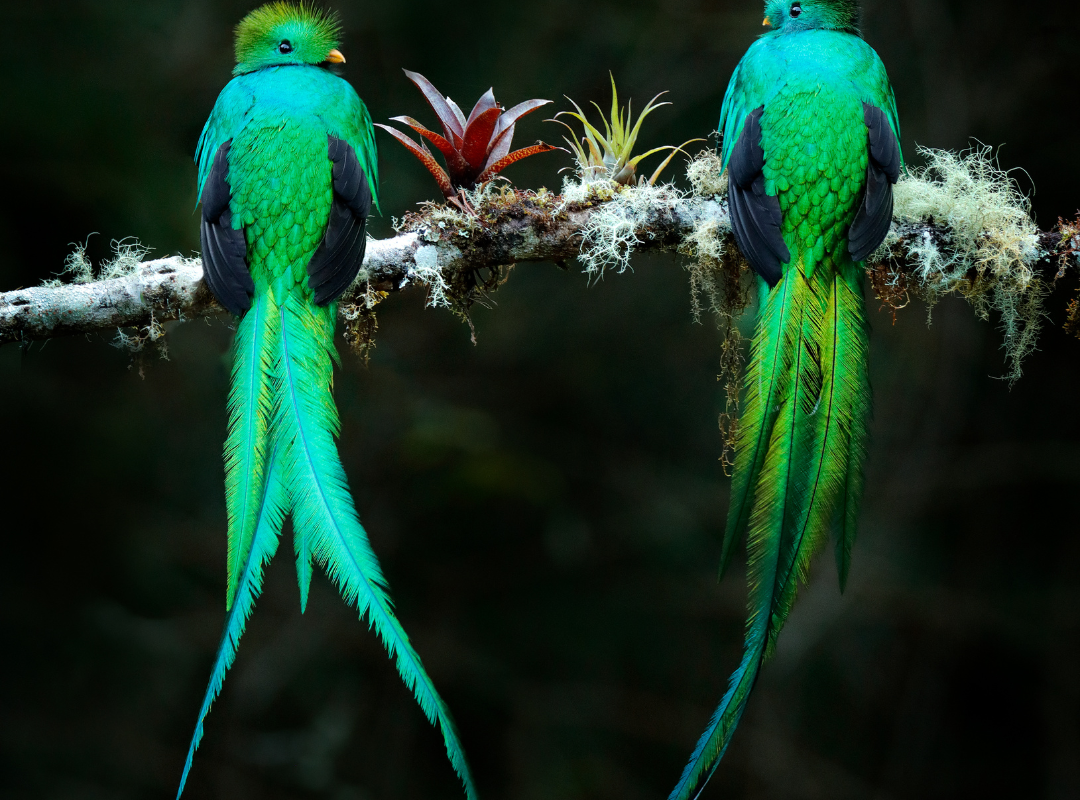
Quetzals, sloths, and other iconic species
The resplendent quetzal, considered one of the most beautiful birds in the world, nests from February through May in the cloud forests of Monteverde and San Gerardo de Dota, at elevations between 1,500 and 3,000 meters. Sloths can be seen year-round in the tropical rainforests, particularly in Manuel Antonio, Tortuguero, and Cahuita. Whale sharks frequent the Pacific waters from May through August, and manta rays from November through May.
Complete Wildlife Calendar by Season
| Species | Best Time to See | Where to see it |
|---|---|---|
| Green Sea Turtle | July through October | Tortuguero (Caribbean) |
| Leatherback turtle (up to 700 kg) | March through July | Playa Grande, Pacific and Caribbean coasts |
| Olive ridley sea turtle (arribadas) | July through December | Playa Ostional (Pacific, Guanacaste) |
| Humpback whale (Northern Hemisphere) | December through March | Uvita, Drake Bay, Gulf of Papagayo |
| Humpback whale (Southern Hemisphere) | July through November | Uvita, Corcovado, Drake Bay |
| Resplendent quetzal | February through May (nesting season) | Monteverde, San Gerardo de Dota |
| Whale shark | May through August | Coco Island, Bat Islands (Guanacaste) |
| Manta ray | November through May | Caño Island, southern Pacific coast |
| Sloth | All year round | Manuel Antonio, Tortuguero, Cahuita |
| Scarlet macaws | Year-round | Osa Peninsula, Central Pacific |

Which region should you visit depending on the season?
Costa Rica’s mountainous terrain and its two coastlines create a variety of microclimates. Tailoring your itinerary to the season allows you to enjoy the best conditions in each region.
Dry Season Regions (December through April)
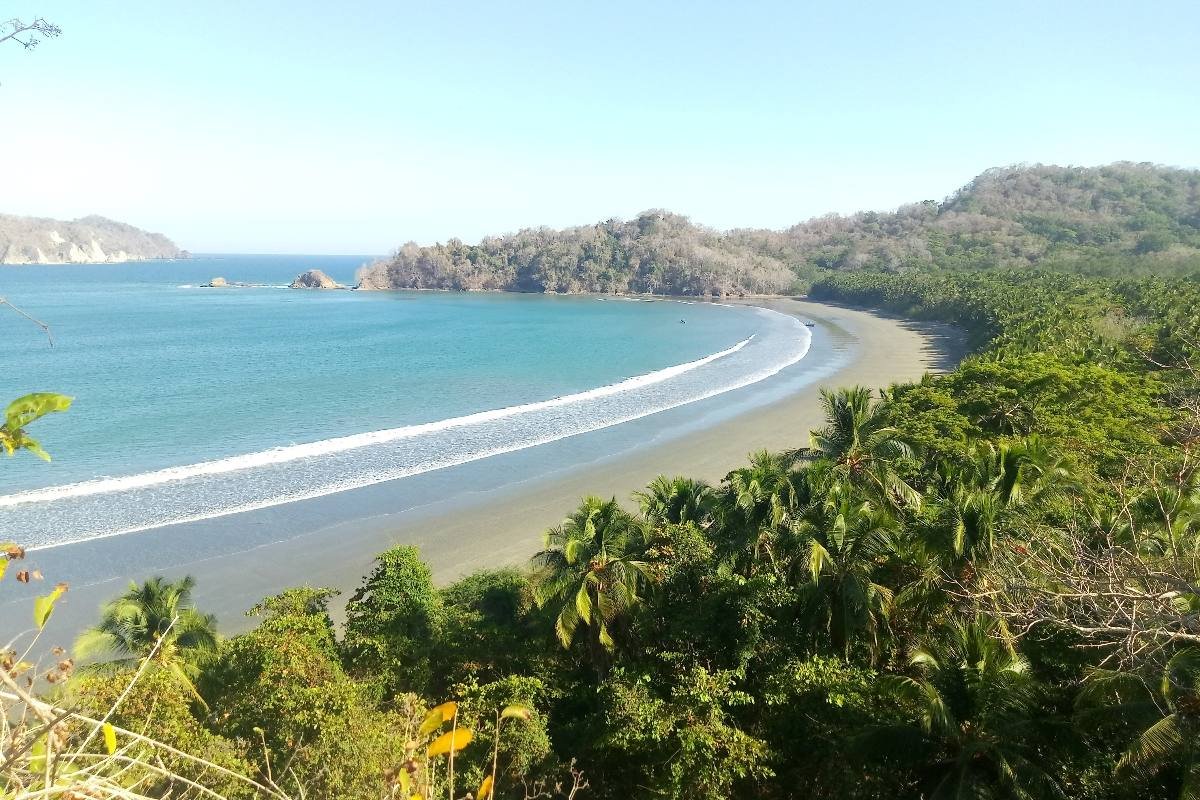
The Northern Pacific Coast (Guanacaste, Nicoya Peninsula) has the driest climate in the country. The Central Pacific (Manuel Antonio, Jacó) and the Monteverde region are also at their best. This is the ideal time for beaches, surfing, and hikes in the dry forest.
Green season regions (May through November)
The Caribbean coast (Cahuita, Puerto Viejo, Tortuguero) is often sunny when the Pacific is rainy, especially in September and October. The Osa Peninsula is the best place for whale watching from July through November. The Central Valley remains pleasant year-round.
Summary table by region
| Region | Best time to visit | Why |
|---|---|---|
| Guanacaste / North Pacific | December through April | Longest dry season, beaches, temps 26–33 °C |
| Central Pacific (Manuel Antonio) | December through April | Sun guaranteed, monkeys, sloths, beaches |
| Osa / South Pacific (Corcovado) | Dec.–April + July–Nov. (whales) | World-record biodiversity, humpback whales |
| Caribbean Coast (Cahuita, Tortuguero) | Feb.–April + Sept.–Oct. | Reverse climate: sunny when the Pacific is rainy |
| Arenal / North | Feb.–Apr. (less humid) | Volcano, hot springs, waterfalls. Accessible year-round |
| Monteverde | Dec.–May (quetzals: Feb.–May) | Cloud forest, 2,000 plant species, quetzals |
| Central Valley (San José) | All year round | “Eternal spring” at 19–20 °C, museums, markets |
How long should I plan to stay, and what budget should I set aside depending on the season?
Ideal Length of Stay
As locals, we can confirm that it will be difficult to see everything in just a few days. A trip of at least 15 days allows you to explore several regions—the Pacific Coast, the Caribbean Coast, and the central volcanoes—while maintaining a leisurely pace with at least two nights at each stop. Plan to spend 4 to 5 days at the end of your trip in one place to unwind.
If you have less time, we’ll suggest a selection of regions based on your interests. If you have more time, consider an 18- to 21-day Costa Rica–Panama combination trip.
Flight costs vary by season
Airfare varies significantly depending on the time of year. Here are the average price ranges observed for 2025–2026:
| Expense Category | High season (Dec.–April) | Low season (May–November) |
|---|---|---|
| Round-trip flight from Paris | €950 to €1,400 | €700 to €950 |
| Round-trip flight from Montreal | CAD 700 to 1,100 | 500 to 800 CAD |
| Mid-range accommodations | €80 to €180 per night | 60 to 130 € per night |
| Eco-lodge | 120 to 250 € per night | €90–180 per night |
| 4×4 rental | €50 to €80 per day | €35 to €60 per day |
| Whale-watching excursion | — | €80 to €120 per person |
| National park admission | $12 to $18 per person per day (depending on the park) | |
Tips for saving money
Statistically, May is the cheapest month for flights from France (about 805 € round-trip on average).August is the most expensive month (about 1,200 € round-trip). Booking 2 to 3 months before departure offers the best value for money. From Paris, Air France offers direct flights to San José (about an 11-hour flight). Airlines with layovers: Iberia (via Madrid), Avianca (via Bogotá), KLM (via Amsterdam). For a detailed budget, check out our pages on Travel Budget in Costa Rica and Cost of Living in Costa Rica in 2026.
Practical Tips for Traveling During the Rainy Season
Plan Your Days Around the Weather
Mornings are generally sunny during the rainy season. Plan hikes, park visits, and boat trips before noon. Tropical showers typically occur in the early to mid-afternoon and rarely last more than 2 to 3 hours. Take advantage of this time to relax at the hotel, soak in the hot springs near Arenal Volcano, or go on a cultural tour.
Equipment and Preparation
Bring a poncho or lightweight raincoat instead of an umbrella—it’s more practical in the rainforest. Waterproof hiking boots are essential for muddy trails. Check out our complete packing checklist for Costa Rica.
Combine Regions Wisely
Alternate between the Pacific Coast (which gets more rain from September through October) and the Caribbean Coast (which is often sunny during the same period). Opt for a 4×4 vehicle: some roads, particularly those leading to the Osa Peninsula or Monteverde, become muddy during the rainy season. Find out about suitable transportation options.
Good to know: Corcovado National Park closes certain sections in October due to heavy rains. Check access conditions before planning this stop.
FAQ: Your Questions About the Best Time to Visit Costa Rica
When is the best time to visit Costa Rica?
The dry season (December through April) offers the most stable weather conditions for a first trip to Costa Rica, with plenty of sunshine and temperatures ranging from 28 to 35 °C along the coast. The wet season (May through November) is perfectly suitable and offers advantages in terms of cost (20 to 30% cheaper) and wildlife viewing.
Which months should you avoid when traveling to Costa Rica?
September and October are the rainiest months on the Pacific coast, which can limit certain activities and make trails impassable. If you’re traveling during this time, plan your itinerary around the Caribbean coast (Cahuita, Puerto Viejo), where these months are among the sunniest of the year thanks to the reverse climate pattern.
Is the weather nice in Costa Rica in August?
Yes. August is part of the “veranillo” (“little summer”), a break in the rains between July and August. Mornings are sunny, and showers are generally limited to a few hours in the late afternoon. It’s also the ideal time to spot humpback whales and sea turtles.
When is the best time to see sea turtles in Costa Rica?
Green sea turtles lay their eggs from July through October in Tortuguero (Caribbean). Olive ridley sea turtles arrive in large numbers (“arribadas”) at Playa Ostional from July through December. Leatherback sea turtles lay their eggs from March through July. Overall, sightings are possible almost year-round if you choose the right site and coastline.
When can you see whales in Costa Rica?
Costa Rica hosts two humpback whale migrations per year. Whales from the Northern Hemisphere frequent Costa Rican waters from December through March, while those from the Southern Hemisphere visit from July through November. The peak viewing season is between August and October off the coast of Uvita and Drake Bay. A total of 34 species of cetaceans have been recorded in Costa Rican waters.
How many days should you plan for a trip to Costa Rica?
A 15-day trip is the recommended minimum to explore several regions (the Pacific, the Caribbean, and the volcanoes). This itinerary allows you to spend at least two nights at each stop and end with 4–5 days of relaxation. For a trip that includes the Osa Peninsula or a combined Costa Rica–Panama itinerary, plan on 18 to 21 days.
Is the rainy season really a problem?
No. Tropical rains are intense but short (2 to 3 hours), concentrated in the mid- to late afternoon. Mornings remain clear. Nature is at its best, prices drop by 20 to 30%, and tourist sites are significantly less crowded. The only thing to watch out for is unpaved roads and occasional park closures (Corcovado in October).
What is the water temperature in Costa Rica?
The water temperature ranges from 26 to 29 °C year-round on both coasts, making swimming pleasant no matter the season. At some diving spots on the Pacific coast, it can drop to 20–24 °C during the dry season due to upwelling.
Plan Your Trip to Costa Rica with Terra Caribea
Costa Rica is a great destination to visit year-round—each season offers a different experience. The dry season entices with its constant sunshine and beaches, while the green season captivates with its lush nature, affordable prices, and extraordinary wildlife encounters. Choosing the best time to visit depends on your priorities: beach and sun, a budget-friendly trip, wildlife viewing, or tranquility.
At Terra Caribea, our team of experts—based in Costa Rica since 2009—designs a custom trip for you, taking into account the season, your preferences, and local conditions. We rigorously select our hotel partners and service providers to guarantee you a high-quality experience, and we are Travelife-certified for sustainable tourism.
→ Request your personalized quote —our advisors live locally and know every region of Costa Rica inside and out.
Article updated in April 2026 by the Terra Caribea team.
Sources and References
- Costa Rican Tourism Institute (ICT) — Tourist Visitor Statistics 2024–2025, semi-annual reports: ict.go.cr/estadisticas
- SINAC (National System of Conservation Areas) — Data on Costa Rica’s protected areas and national parks: sinac.go.cr
- National Meteorological Institute (IMN) — Climate data, temperatures, and precipitation in Costa Rica: imn.ac.cr
- Visit Costa Rica (official tourism website) — Climate and biodiversity information: visitcostarica.com/climate
- International Whaling Commission (IWC) — Costa Rica profile, cetacean species, and migration periods: wwhandbook.iwc.int/costa-rica
- National Institute of Biodiversity (INBio) — Biodiversity data for Costa Rica (500,000+ species, 6% of global biodiversity)
- Historical climate data — Temperature records for 2024–2025, Daniel Oduber station (Guanacaste): donneesmondiales.com