How Can You Travel Sustainably in Costa Rica?
Traveling to Costa Rica means entering a country where nature plays a central role in its landscapes, culture, and economy. But this wealth also comes with responsibilities.While it’s true that we can’t travel “perfectly,” it is possible to travel with awareness, making choices that are more respectful of the environment.
In this article, we offer clear guidelines and practical resources to help you travel more responsibly in Costa Rica: better understand existing frameworks, plan your trip carefully, and consciously extend the experience after you return.
Understanding the Key Concepts of Sustainable Tourism to Make Better Choices
Certifications as Reference Points for Travelers
In Costa Rica, several certifications and programs govern sustainable tourism practices .They primarily serve as benchmarks to help travelers identify committed accommodations, activities, and service providers.
Among the best known are:
- the CST (Certification for Sustainable Tourism), administered by the Costa Rican Tourism Institute, which evaluates businesses based on environmental, social, and cultural criteria and is one of the country’s most widely recognized standards.
- the Bandera Azul, which emphasizes environmental management, particularly regarding water quality, waste management, and environmental awareness.
- PANIAMOR, an organization dedicated to protecting children’s rights, actively engaged in preventing the sexual exploitation of minors in the tourism sector.
- The RED SOFIA network, which brings together tourism stakeholders committed to combating the commercial sexual exploitation of children and adolescents.
These certifications and programs serve as guidelines for travelers to make more informed choices. At Terra Caribea, this approach is integrated from the outset: our methodology for evaluating and selecting service providers is based on these frameworks to support our travelers and relieve them of this mental burden.
When the selection of service providers has already been made for you
Choosing a responsible service provider requires time, an understanding of local criteria, and on-the-ground knowledge. This is precisely where a committed inbound travel agency comes in. Our approach to selecting our partners incorporates environmental, social, and ethical criteria.
Protected Areas and Designations: Key Reference Points for Understanding the Territory
Costa Rica has an extensive network of protected areas with various designations: national parks, biological reserves, wildlife refuges, privately managed protected areas, and more. These designations reflect different conservation objectives, and it’s important to understand that these areas significantly shape the travel experience. To learn more about this topic, we invite you to read our dedicated article.
Turn Your Trip into a Catalyst for Positive Impact
Plan Ahead for More Sustainable Travel
Planning your trip is a key step in reducing certain impacts and better adapting to local conditions. This involves, in particular:
- choosing the right season, taking into account the climate and tourist traffic: check out our article onthe essence of Costa Rica outside the tourist season.
- settinga realistic travel pace, with an understanding of distances and travel times: learn about the different modes of transportation in Costa Rica
Why does a custom-designed trip to Costa Rica make sense? Because it allows you to travel in a more seamless, balanced, and environmentally conscious way. By designing an itinerary tailored to the time of year, your preferences, and your own pace, it becomes easier to avoid overcrowded sites and discover lesser-known regions. A custom trip also allows you to select accommodations and activities that align with the traveler’s values and interests, while taking local realities into account.
The result: a more enjoyable trip with a more manageable positive impact!
- Avoiding crowded areas is all the more important given that the country is home to a wide variety of ecosystems within a relatively small area. This diversity makes it possible to choose alternatives that offer similar experiences: while Tortuguero is very crowded, the Caño Negro region is an attractive alternative for observing wildlife and wetlands in a quieter setting.
- Cultural preparation is an integral part of traveling responsibly. Taking the time to learn about cultural norms and local customs helps you better understand the places you’re visiting. We’ve written manyarticles on Costa Rican art and culture to help you get ready to discover the Pura vida!
Packing Your Suitcase Responsibly
Packing your suitcase is a simple way to reduce the environmental impact of your trip, and a few simple steps can make a big difference:
- Travel light and pack appropriately: Researching the climate, activities, and local customs in advance helps youpack appropriate clothing and avoid unnecessary purchases while you’re there. A lighter suitcase is more comfortable and helps limit CO₂ emissions from transportation.
- Opt for reusable items: Bringing durable items like a reusable water bottle, a cloth bag, or a sturdy toiletry bag helps reduce waste throughout your trip and gives you more independence.
- Choose eco-friendly products: It’s essential to opt for sunscreen and mosquito repellents that are ecosystem-friendly, as well as biodegradable hygiene products, especially in destinations where wastewater treatment is limited.
- Minimize waste while you’re there: Using a reusable water bottle (the water is safe to drink in most of Costa Rica), reusable containers, and a cloth bag helps reduce plastic waste, especially in natural areas. For smokers, a portable ashtray is essential, as cigarette butts are very harmful to the environment.
Choosing Sustainable Souvenirs in Costa Rica
What Kind of Souvenirs Should We Choose to Be Environmentally Responsible?
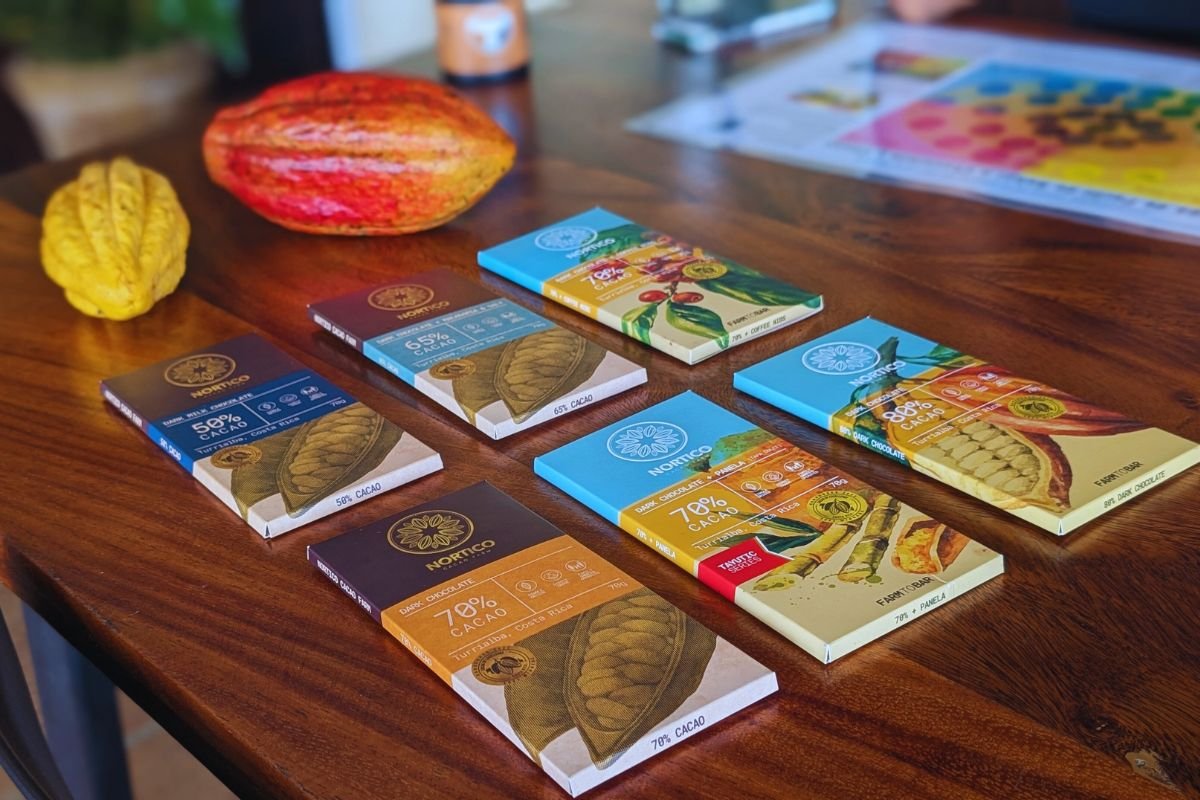
Souvenirs are an integral part of traveling, but they’re worth thinking about. Choosinglocal handicrafts, understanding the origin of items, and avoiding products made from protected species or through questionable practices helps support a more ethical economy. Check out our article onhandicrafts in Costa Rica for meaningful souvenirs.
At Terra Caribea, supporting small-scale producers and local artisans is especially important to us! That’s why our welcome gifts are unique and eco-friendly, reflecting the spirit of the “Land of Green Gold.” In addition, our guidebook—designed specifically for our travelers on the ground—features a selection of small local shops where you can discover beautiful, one-of-a-kind products to take home.
Can I bring back natural souvenirs from Costa Rica?
No. Items taken from nature (shells, feathers, plants, seeds, coral, etc.) must remain where they were found. Exporting them is prohibited and may result in penalties during customs inspections.
Are certain souvenirs prohibited from purchase?
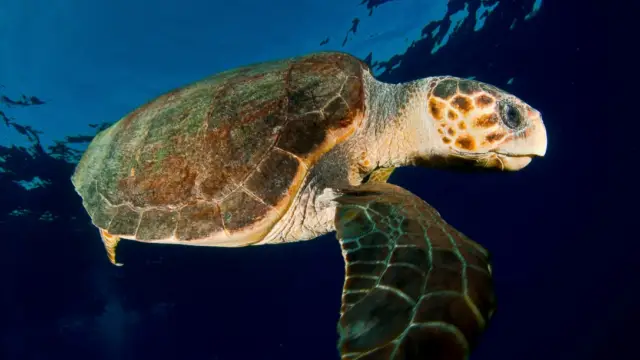
Yes. The sale of products derived from protected animal or plant species is strictly prohibited in Costa Rica. This includes, in particular, items made from turtle shells or coral, certain plants or seeds, as well as pre-Columbian artifacts (pottery, statues, archaeological objects).
Related articles and resources available to learn more about sustainable tourism:
Blog posts:
- The Responsible Traveler’s Charter in Costa Rica
- Agroecology in Costa Rica
- Costa Rica: A Source of Inspiration for the Rest of the World
- Costa Rica: A Model for Ecotourism and a Challenge for Terra Caribea
Related resources:
- Ecotourism in Costa Rica: An Overview
- Global Tourism Plastics Initiative: A Comprehensive Approach
- Leave No Trace—Basic Tips for Enjoying Outdoor Activities (in English)
- A Plastic Ocean—a free-to-watch film to raise awareness about the impact of plastic pollution (in English—French subtitles available)
Best Practices for Sensitive Activities in Costa Rica
Be part of the change! Below, you’ll find various documents summarizing best practices to follow when carrying out a sensitive activity in Costa Rica:
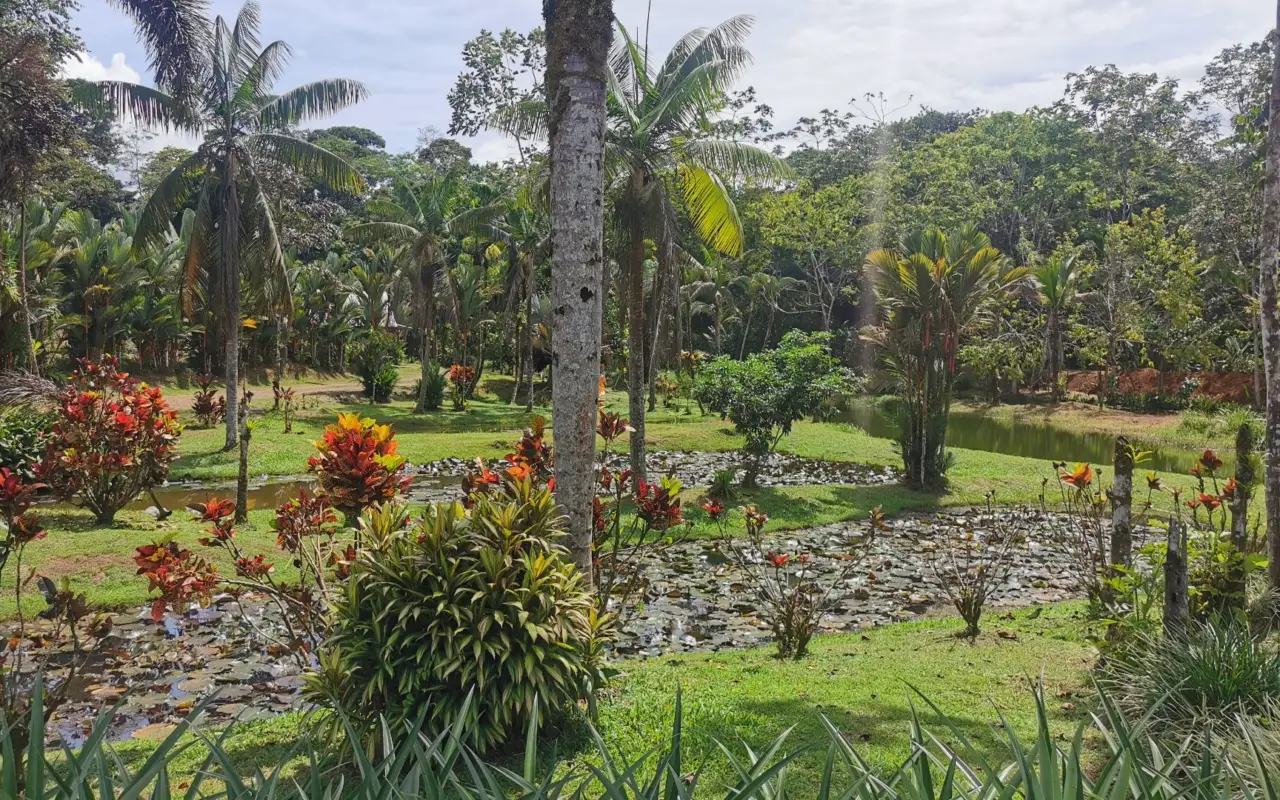
An ecotourism adventure in Costa Rica!

I’m traveling responsibly in Costa Rica!
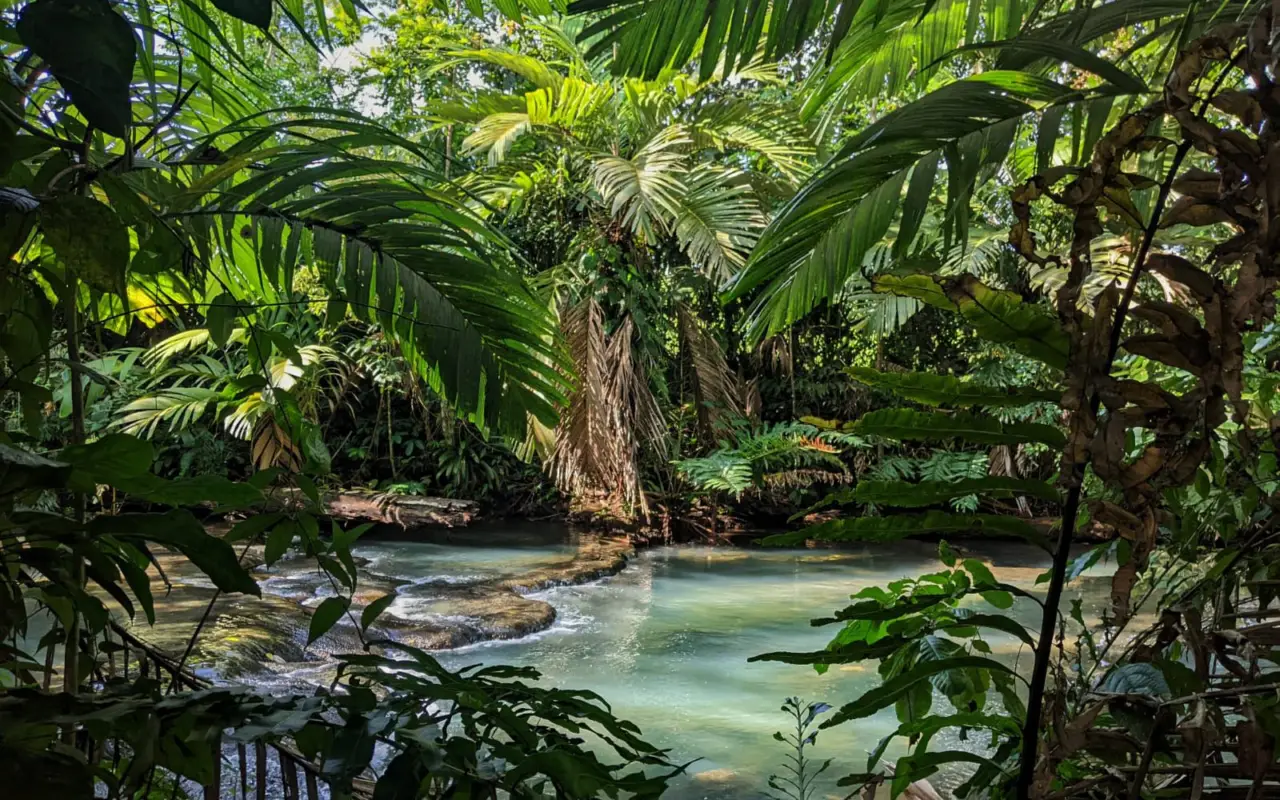
Adventure Travel and Pura Vida in Costa Rica
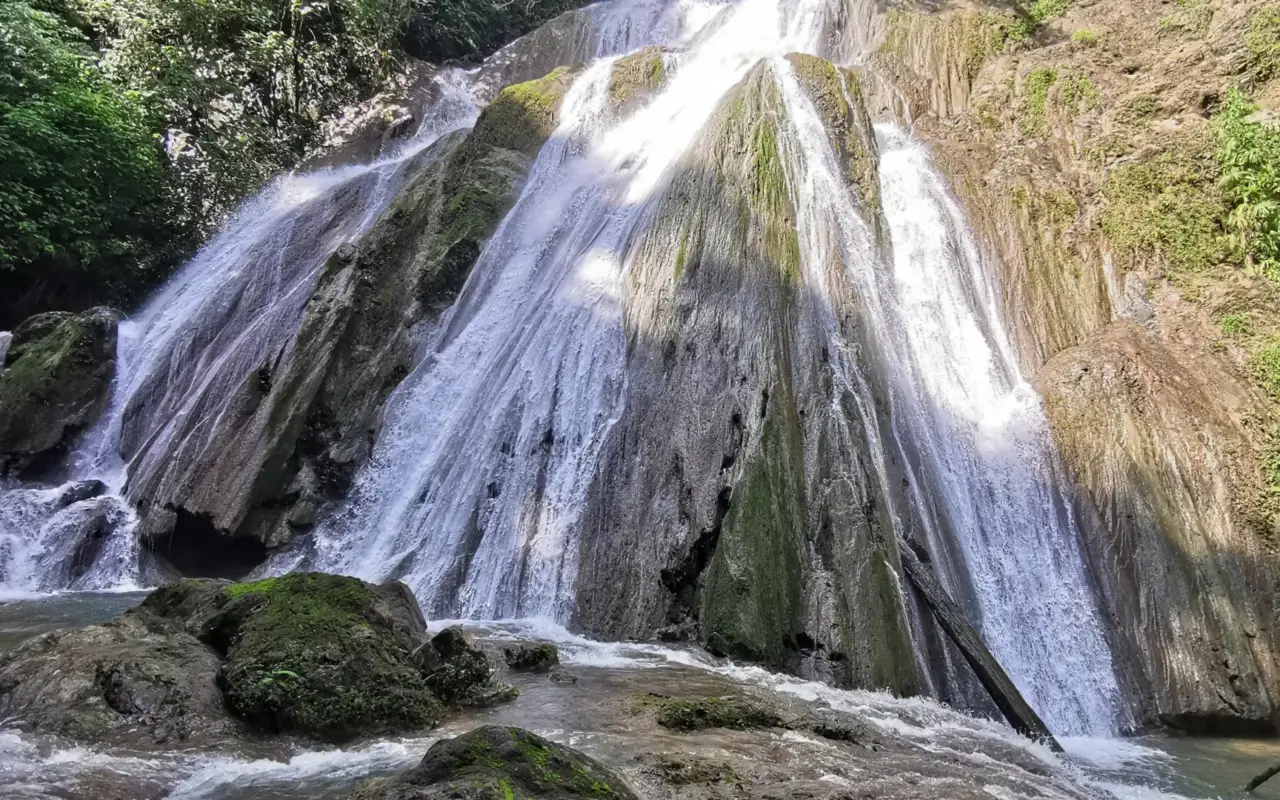
Road Trip in Costa Rica Exploring Guanacaste in a CamperVan!