Daily Budget for Costa Rica 2026 – Comparison Table
Estimated costs per person per day based on travel style
DAILY BUDGET BY CATEGORY
| Category | Backpacker | Average Traveler | Comfort | Luxury |
|---|---|---|---|---|
| Total budget per day | $35–$50 | $80–$120 | $150–$250 | $300–$500 |
ACCOMMODATIONS
| Type | Backpacker | Average traveler | Comfortable | Luxury |
|---|---|---|---|---|
| Options | Hostels, dorms, basic cabins | 2-3* hotels, private rooms | 4* hotels, eco-lodges | 5* resorts, premium lodges |
| Cost per night | $15–$25 | $40–70 | $80–$150 | $200–$400 |
DINING
| Meals | Backpacker | Average traveler | Comfort | Luxury |
|---|---|---|---|---|
| Breakfast | $3–$5 (sodas, local coffee shops) | $8–$12 (hotels, cafes) | $15–$25 (restaurants, buffets) | $25–$40 (resorts, fine-dining restaurants) |
| Lunch | $4–$8 (casados, sodas) | $12–$18 (local restaurants) | $20–$35 (tourist restaurants) | $35–$60 (upscale restaurants) |
| Dinner | $5–$10 (sodas, markets) | $15–$25 (restaurants) | $25–$45 (specialty restaurants) | $50–80 (fine dining, lodges) |
| Total meals per day | $12–$23 | $35–$55 | $60–$105 | $110–$180 |
TRANSPORTATION
| Type | Backpacker | Average traveler | Comfort | Luxury |
|---|---|---|---|---|
| Public buses | $2–$8 (local/regional trips) | Occasional | Rare | Not used |
| Shared shuttles | $10–$25 | $15–$35 (average trips) | $20–$40 | Occasional |
| Car rental | $35–$50/day (shared) | $40–$60/day | $60–$80/day (SUV) | $80–120/day (premium 4×4) |
| Private Transfers | Rare | $50–$100 (long distances) | $80–$150 | $100–$300 |
| Domestic flights | Avoided | $80–$150 | $100–$200 | $150–$400 |
ACTIVITIES & EXCURSIONS
| Activity Type | Backpacker | Average traveler | Comfort | Luxury |
|---|---|---|---|---|
| National Parks | $16 (standard admission) | $16–$25 (with a local guide) | $25–$50 (private guides) | $50–$100 (VIP experiences) |
| Zip lines | $40–$60 | $60–$80 | $80–$120 | $120–$200 |
| Wildlife viewing | $20–$35 | $45–$70 | $70–$120 | $120–$250 |
| Hot Springs | $15–$25 (public) | $30–$50 | $50–$100 (spas) | $100–$200 (resorts) |
| Rafting | $45–$65 | $65–$85 | $85–$120 | $120–$180 |
| Night Outings | $25–$40 | $45–$65 | $65–$100 | $100–$200 |
MISCELLANEOUS
| Positions | Backpacker | Average traveler | Comfort | Luxury |
|---|---|---|---|---|
| Souvenirs | $2–$5 | $5–$15 | $15–$30 | $30–$100 |
| Drinks/Snacks | $3–$8 | $8–$15 | $15–$25 | $25–$50 |
| Tips | $2–$5 | $5–$10 | $10–$20 | $20–$50 |
| Internet/Phone | $1–$3 | $3–$5 | $5–$10 | Included |
Sample Budgets for Different Durations
10-day trip
- Backpacker: $350–$500 + international flights
- Average traveler: $800–$1,200 + international flights
- Comfort: $1,500–$2,500 + international flights
- Luxury: $3,000–$5,000 + international flights
15-day trip
- Backpacker: $525–750 + international flights
- Average traveler: $1,200–$1,800 + international flights
- Comfort: $2,250–$3,750 + international flights
- Luxury: $4,500–$7,500 + international flights
Tips for Maximizing Your Budget
Potential savings
- Travel during the rainy season (May–November): 20–40% discounts on lodging
- Staying with a local host: an authentic experience for $15–30 per night
- Cook occasionally: local markets are very affordable
- Combine public and private transportation depending on the route
- Book activities directly with local providers
Fixed expenses
- National park entrance fees: $16 per park
- Gas: high prices (gas at approximately $1.20 per liter)
- Adventure activities: standardized rates nationwide
Seasonal variations
- High season (December–April): 30–50% higher prices for lodging and activities
- Rainy season (May–November): better rates, more lush nature
- Holy Week and Christmas: peak rates
These estimates are based on 2025 rates and may vary depending on the regions visited, with Arenal and Manuel Antonio generally being more expensive than Monteverde or Puerto Viejo.
Costa Rica, a Leading Destination of the 21st Century
We’d like to present a comprehensive three-part series that addresses the question of“how much it costs to travel to Costa Rica,” as we’ve noticed that this is an important topic that warrants further discussion.
This comprehensive guide will provide you with as much information as possible about Costa Rica as a destination and the budget required to travel there. To that end, we’ll start with a brief historical overview to discuss the development of tourism in Costa Rica. Next, in this first part, we’ll discuss the factors that help explain the cost of a trip to Costa Rica. In the second part, we’ll cover the cost of a package tour organized by Terra Caribea. Finally, in the third part, we’ll offer tips on how to reduce the cost of your trip to Costa Rica.
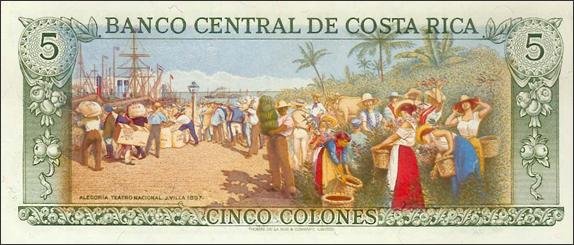
Costa Rica, the Ultimate Ecotourism Destination
Costa Rica has thus become one of themust-visit tourist destinationsover the past twenty years. The country is now known as the “Land of Green Gold ,” and its reputation is world-renowned!
We’ll see that this success stems from many factors, and that part of it is due to the country’s strong brand image as the ultimate ecotourism destination, where nature is at its most beautiful and can be admired in exceptional conditions. This is particularly true in the country’s many national parks (more than 60% of its territory is thus preserved).
Tourism: Costa Rica’s Leading Economic Activity
It’s important to note that tourism is now the country’s leading economic activity. This is made possible by the diversity and quality of Costa Rica’s landscapes (paradisiacal beaches, tropical forests, mountains and volcanoes, lush green plains…), combined with the country’s good accessibility —particularly for North Americans and, later, for the rest of the world with the widespread adoption of air travel. Along with other factors, this has enabled rapid growth in tourism.
As a result, travel to Costa Rica has been steadily increasing for nearly 100 years now, even though the range of hotel options remains limited in terms of both the types of accommodations and the number of establishments.
A Popular Destination Among Travelers
Today, despite an industry impacted by two years of crises linked to the COVID-19 pandemic, Costa Rica continues to attract a large number of travelers. These tourists have varied expectations, but a large proportion have been influenced by a shared image characterized by exoticism, the beauty of the natural landscapes, and the relaxed lifestyle in Costa Rica. However, in the hope of preserving as much as possible these characteristics that define Costa Rica as a destination, the country has embarked on a more or less widespread move toward higher-endtourism by focusing on high-value-added tourism offerings , such as green or responsibletourism.
Increasingly High-End Services
This growth in tourism in Costa Rica is reflected in the creation of high-value-added touristestablishments and activities, offering services that are increasingly comfortable, customizable , and better adapted to their surroundings. Conversely, this is accompanied by rising prices, as the size and number of tourist establishments are partly regulated by environmental protection policies. These policies are also the basis for taxes and entrance fees implemented by the Costa Rican government, which recognizes the importance of tourism revenue for the country’s development and applies these measures across the entire tourism sector (activities, hotels, restaurants, and transportation).
As a result: higher prices and larger travel budgets
With this in mind, it’s essential to plan your budgetcarefully and organize your trip to Costa Rica so that you’re as well-prepared as possible. Ideally, you should do your research to get a handle on the biggestexpense categories. To do this, you can enlist the servicesof travel experts like us to help you optimize your budget and tailor it to your desire to explore Costa Rica.

Costa Rica, a rapidly growing destination
Travel to Costa Rica: The Reasons Behind Its Success and at What Cost
1. HIGHLY ATTRACTIVE NATURAL ASSETS: a wide variety of environments, landscapes, and activities.
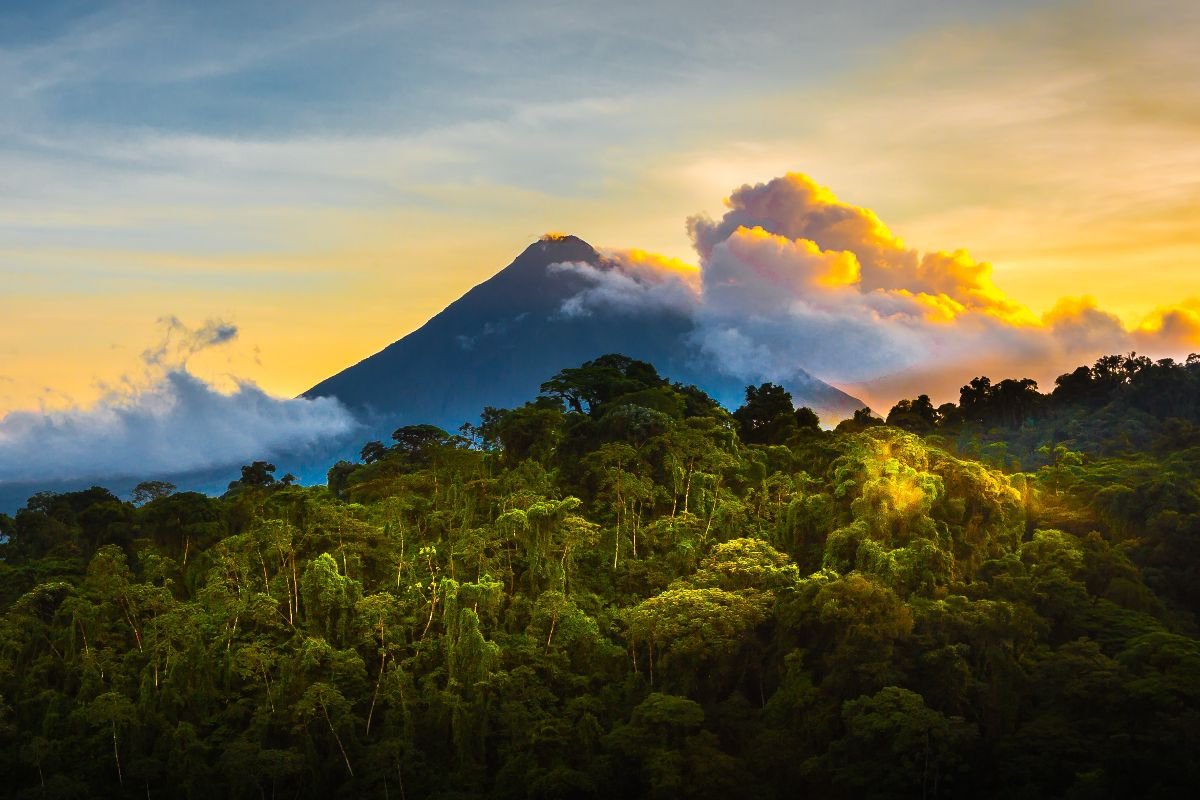
Costa Rica boasts an impressive wealth of landscapes for such a small country, stretching from the Pacific Ocean to the Caribbean. This volcanic land carved out of the jungle offers a superb range of experiences.
We won’t cover each of these regions, nor will we attempt to list all possible activities, as Costa Rica is brimming with possibilities and areas to explore. From the north, near the border with Nicaragua, to the south, near the border with Panama, the country is divided into a wide variety of environments, all characterized by rich biodiversity, whether in terms of flora or fauna (as a reminder, Costa Rica accounts for more than 6% of the world’s biodiversity).
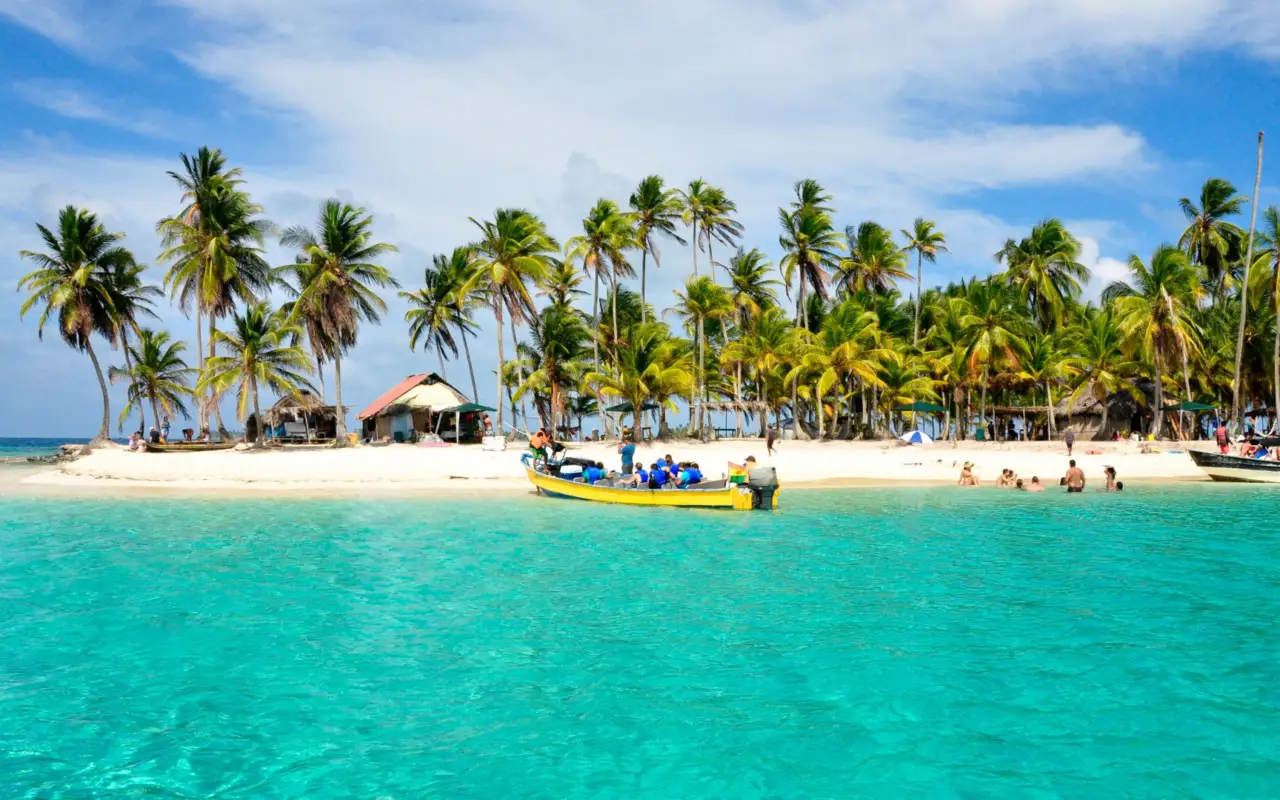
To give you an idea, if you’d like to tour the country in just a few days, you can explore tropicaloceans and emerald-green lakesnestled in volcanic craters ; trek through mangroves, mountains , and jungles ; stay in cabins, tents, villas, and chalets ; encounter caimans, sloths, turtles, and toucans; and hear birds and monkeys of all kinds; walk in the shade of palm trees on the beach, agave plants on the highlands, or through primary forests; savor exotic flavors, and take in the scent of flowers, rain, and wind; and then end your journey with the sound of waves, perhaps whales and dolphins, but certainly with smiles and the natural kindness of the local people.
If you’d like to follow this itinerary (see “Costa Rica Through the 5 Senses”), which is perfect for exploring the country, you’ll need at least 14 days on a self-drive tour (though even then you won’t be able to experience the country’s full diversity), with a minimum budget of 2,500 euros per person for a couple wishing to stay in 2- and 3-star hotels, including a few specific activities.
2. SIGNIFICANT INVESTMENTS IN COSTA RICA’S TOURISM SECTOR :
Undoubtedly, significant investments have been made to develop tourism in Costa Rica, whether in hotel infrastructure, activities, or the creation and maintenance of national parks and similar areas, as well as all the organizations that enable the Tico tourism system to function (residents and, more generally, anything originating from Costa Rica are referred to as “Tico” or “Tica”).
These investments are supported by environmental protection policies. To preserve its most beautiful assets, the Costa Rican government—with the support of the local population and, in particular, academics—has developed numerous national parks, aswell as nature reserves and biodiversity sanctuaries , to maintain the ecosystems that make the destination so attractive. The challenge now is to allow the tourism sector to benefit from the appeal of these exceptional natural areas without damaging them, hence the need to regulate tourist flows and make the destination more exclusive.
3. AN AMBITIOUS AND INNOVATIVE COMMUNICATION STRATEGY:
To support these investments, which have enabled the development of Costa Rica’s tourism infrastructure, the country maintains an ambitious communication strategy aimed at consolidating its brand image as the premier ecotourism destination. As evident on its tourism website, the country highlights the many opportunities for sustainable tourism and ecotourism activities available, emphasizing the importance of protected natural areas and their appeal to potential visitors.
Costa Rica thus employs a communicationstrategy in step with the times, featuring a strong brand image as a green, exclusive , and experientialdestination, which complements a well-established tourism policy that has proven its worth over many years.
As an example, the responsiveness and modernity of Costa Rica’s tourism sectorcan be seen in the rapid adoption ofthe Safe Travel certification by 80% of tourism operators in a short period of time. This label promotes safe tourism and requires service providers to adhere to strict health and safety measures —both internally, with travelers, and in the services they provide. It’s worth noting that Terra Caribea holds this label, as we are committed to offering ethical, safe, high-quality tripsthat foster close ties with local communities.
Another important certification to consider—and one that illustrates Costa Rica’s pioneering approach to this issue—is the CST certification (which stands for “Certification for Tourism Sustainability”). Created in 1997, it recognizes professionals who excel in the management of natural, cultural, and social resources to promote responsible tourism.
Building on this expertise, Costa Rica is now able to share its unique approach with other tourist destinations seeking to draw inspiration from the success of its “ecotourism” model. For example, the South regionof France has formed a partnership with Costa Rica on issues related to the management of Regional Nature Parks and National Parks, and more generally, the regulation of tourist flows and the preservation of natural sites.
Reasons Why a Trip to Costa Rica Is Worth the Price
1. HIGH-QUALITY TOURISM: More Sustainable and Innovative Accommodations
First and foremost, it’s important to note a significant expansion of Costa Rica’s accommodation options. This is partly reflected in the upgrading of tourist facilities, with an ever-increasing number of accommodations offering high-end services. There is also a more diverse range of options, such as the opportunity to spend unique nights in hotels that ingeniously integrate the surrounding nature into their facilities, offering immersive experiences within the country’spreserved ecosystems .
To give you a sense of this diverse, sustainable, innovative, and high-quality range of accommodations, here is an overview of the different typesof accommodations we recommend in Costa Rica :
– Ecolodges: Today, the core of the Costa Ricanlodging options we offer consists largely ofecolodge-style hotels, meaning they offer an immersive experience in small- to medium-sized properties (we prefer establishments with fewer than 20 rooms) that are adapted to their surroundings and provide personalized, warm , and eco-friendlyservice. These “ecolodge”-style properties are on a human scale, unlike most of the country’s resorts. Eco-lodges have become commonplace in Costa Rica and allow guests to enjoy an authentic experience that is in harmony with the environment and the local economy , while often offering excellent value for money compared to other tourist options.
Generally speaking, our goal is to feature establishments that strive to support the local economy,preserve their surroundings, become more self-sufficient , or simply reduce their carbon footprint. This is most often the case with ecolodges, which is why we are so committed to this type of establishment.
Please note: a room at an ecolodge isn’t necessarily a budget-friendly option. In fact, the nightly rate will be somewhat higher due to the exclusive and authenticnature of the experience , and depending on the establishment’s standard, the price can vary significantly (expect an average of between 70 and 200 euros per person per night).
– Sustainable accommodations: What’s interesting is that more and more establishments are trying toadapt to environmental requirements while still offering high-quality services. Establishments committed to this type of service will therefore support the local economy, develop their self-sufficiency — often by sourcing a large portion of their offerings from their own vegetable gardens—seek to reduce their energy and water consumption, and, more generally, improve their carbon footprint. We invite you to consult the list of CST-certified accommodations to discover the diversity of establishments working toward these goals in Costa Rica.
In another way, these types of facilities strive to be increasingly in harmony with local ecosystems. To achieve this, architectural ingenuity is sometimes required to adapt to the environment and thus stay as close as possible to Costa Rica’s unspoiled nature. These high-value-added services entail a certain level of quality and, consequently, a higher cost.
– Unique accommodations: You can stay in many types of “unique” accommodations in Costa Rica , such as the “tree houses” at Maquenque Eco-Lodge (see blog post: “Maquenque Eco-Lodge: Our Top Pick for an Immersion in the Forest”), the luxury tents at Nayara Tented Camp, the eco-decks at Hacienda Monte Claro, the cabins at Leona Eco-Lodge, or even all-inclusive experiences, such as reaching your hotel—tucked away in the jungle—directly by raft: Pacuare River Lodge.
– Luxury and high-end accommodations : Luxury and high-end options are now also well represented, with several regions home to 4- and 5-star properties offering top-tier amenities (hot springs, spas, golf courses, helicopter transportation, private excursions, or personalized services…). This partly illustrates the shift toward higher-end tourism in Costa Rica, as evidenced, for example, by the recent“Best Hotel in the World”award won by a Costa Rican hotel based on TripAdvisor guest reviews for 2022: Tulemar Bungalows & Villas.
For your information, at Terra Caribea we prefer more intimate 4-star hotels, such as Nantipa in Santa Teresa or the Hotel Amor in Arenal, whose exceptional services have also been recognized by the tourism industry.
Generally speaking, to appreciate the value of Costa Rica’s lodging options, one need only look at the numberof high-end properties in the country (Booking lists 773 4-star and 5-star hotels). It’s worth noting that we have our own system for ranking establishments, as we rely only partially on official hotel classifications—particularly those listed on Booking.
– Resorts: It should be noted, however, that resorts have also developed in Costa Rica, most often offering “all-inclusive” stays. These properties have opted for less exclusive travel experiences and are located in certain highly touristic regions. You should be aware that these properties will never offer you the comprehensive, personalized experience of the country that a custom-designed trip provides . That is why we offer very few resorts at Terra Caribea—only those that manage to bring real added value to their offerings, such asthe Hacienda Guachipelín in the Rincon de la Vieja area.
DEMAND EXCEEDS SUPPLY:
As we’ve seen, Costa Rica isn’t just about luxury accommodations—quite the contrary. It’s above all about a wide variety of possibilities, with one guiding principle: experiencing tourism that respects the environment and local communities. Nevertheless, these developments in responsible tourism have not really led to an increase in accommodation capacity that could potentially help regulate nightly rates in Costa Rica.
On the contrary, prices tend to rise, a result of demand often exceeding the available lodging supply, particularly during the high season. As a result, a night’s stay in Costa Rica isn’t affordable for every budget, whether you’re staying at an ecolodge or a traditional hotel… However, rest assured that our selection of accommodations will guarantee you a high-quality stay, with impeccable comfort and always in line with your preferences.
2. CONTROLLED TOURISM: The Effort to Regulate Tourist Flows
As we’ve seen, Costa Rica has implemented voluntary restrictions to curb the development of mass tourism, which would be of lower quality and more harmful to the environment (though less expensive). Tourism development therefore adheres to specific conditions unique to Costa Rica, including , for example , an environmental court that verifies that each tourism provider is fully complying with itsmandated sustainability commitments .
In this sense, we can observe a“widespreadintegration into the tourismsector” of every ecotourism activity in the country. Thus, every activity requires payment and is subject to various taxes, even those that only require an entrance fee (for example: waterfalls, hiking trails, and beaches in national parks…). This regulation of tourism activities ensures fair compensation for service providers (who are generally local residents), as well as effective preservation of the sites and maintenance of the infrastructure used.
For more details on Costa Rica’s policy on sustainable tourism, we invite you to visit the following page: responsible tourism.
Alternatively, you can read our feature on ecotourism in Costa Rica.
3. SEASONALITY AND THE DIFFERENT REGIONS:
When it comes to Costa Rica’s peak tourist seasons, keep in mind the two busiest periods : the week from Christmas through New Year’s and Holy Week (dates vary each year; in 2023, it runs from April 2 to 8). During these periods ,special rates apply , and the cost per night can sometimes triple.
Generally speaking, the entire dry season—from December through mid-April—is considered the peak tourist season. During this time, hotel rates and activity prices are higher, and availability is more limited, depending on when you book.
However, tourist traffic—and therefore prices—will vary depending on the region of the country. As a result, regions such as Guanacaste (Papagayo, Tamarindo, Santa Teresa), the mountainous areas of Monteverde and Arenal , and regions home to famous national parks such as Manuel Antonio, Tortuguero, or Corcovado have all been recognized for years as must-see destinations in Costa Rica and are featured in 100% of the country’s guidebooks. As a result, prices in these regions may be higher than in other, less popular areas, particularly during the peak tourist season.
For more information on this topic, we invite you to read our article: What is the best time of year to travel to Costa Rica?
4. TOURISM TAX:
To support measures aimed at protecting the country’s territory and ecosystems, Costa Rica imposes specific taxes on all sectors of the tourism industry, ranging from 7% to 13%, depending on the service (restaurants, hotels, transportation, or tourist activities). This tax is being phased in gradually, with an annual increase through 2024. It is one of the factors behind the rise in the budget needed to travel to Costa Rica in recent years.
5. COST OF LIVING:
Finally, the last factor that may explain the high cost of a trip to Costa Rica is the day-to-day cost of living. It’s worth noting that Costa Rica is one of the most developed countries in Central America, with a society that is well integrated into globalization and notably influenced by the U.S. economy. As a result, the cost of living is high, requiring a budget equivalent to what you might spend in France on food and transportation. For example, you can refer to the Numbeo pages below, which list Tamarindo, San José, and Manuel Antonio as reference cities:
The Importance of Planning Your Budget Carefully Before Traveling to Costa Rica
As you can see, Costa Rica has become a major tourist destination, requiring a substantial budget to fully enjoy the various activities and high-quality accommodations the country has to offer. That’s why it’s essential to prepare thoroughly for your trip and, above all, to plan your budget carefully before you start organizing your stay—whether you’re planning it on your own or with the help of a local travel agency like Terra Caribea. To plan your budget correctly, you’ll need to answer a number of questions, which ultimately come down to defining the type of trip youwant to take.
First, you’ll need to consider the budget you want to allocate to your plane tickets, as this is a major expense when traveling to Costa Rica. To do this, we recommend using various online flight comparison sites ( a quick tip: use incognito mode so prices don’t go up the next time you check). Note that flights from Madrid are often the cheapest; you can combine them with a train trip and an overnight stay there, which can sometimes save you several hundred euros.
Once you’ve assessed the cost of your potential flights, you’ll need to determine the level of accommodation you’d like to stay in, which will be your second-largest expense. As we’ve seen, Costa Rica offers a wide range of accommodations, from hostels (which we do not recommend) to 5-star hotels.
Next, you’ll need to determine your budget for activities while you’re there. As a reminder, there are virtually no free activities in Costa Rica, so to enjoy the exceptional natural sites, you’ll need to thoroughly research the access requirements (note that Terra Caribea hasspecial rates with its service providers and easier access conditions—feel free to contact us).
Another factor to consider is transportation. There are various ways to get around the country: buses, domestic flights, rental cars, and private drivers (see the available transportation options in Costa Rica). At Terra Caribea, we recommend self-drive tours with a rental car— it’s the most economical and safest option, offering great flexibility in planning your itinerary.
Finally, you’ll need to estimate your budget for meals while you’re there. Although some accommodations offer full-board packages, we suggest opting for breakfast only and taking advantage of the diverse dining options available throughout Costa Rica for your other meals. Of course, if the accommodation you’ve chosen is in a remote location, it’s best to eat there, though you should be aware that many daytime activities include lunch.
Keep in mind that planning your trip well in advance will ensure availability at accommodations offering the best value for money , allowing you to save on the overall cost of your stay. In fact, the Costa Rican Tourism Board emphasizes the importance ofbooking well in advance to properly plan your trip to Costa Rica.
You now have a good understanding of the budget required to travel to Costa Rica and the reasons behind the sometimes significant cost of a trip to the Land of Green Gold.
Now, in the second part of our series, we’ll provide you with some answers regarding: