Costa Rica, a country with a long agricultural tradition
Do you dream of immersing yourself in the heart of the country’srural and agriculturallife? Terra Caribea offers immersive experiences developed by the local communities themselves. This is an exceptional opportunity to learn about Costa Rican rural culture and participate in agricultural activities, helping to preserve the country’s centuries-old traditions and protect the environment.
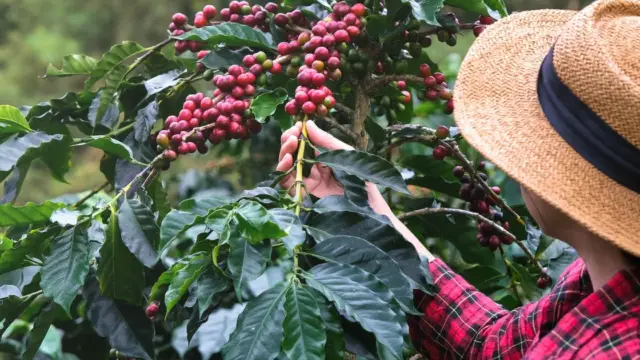
COFFEE
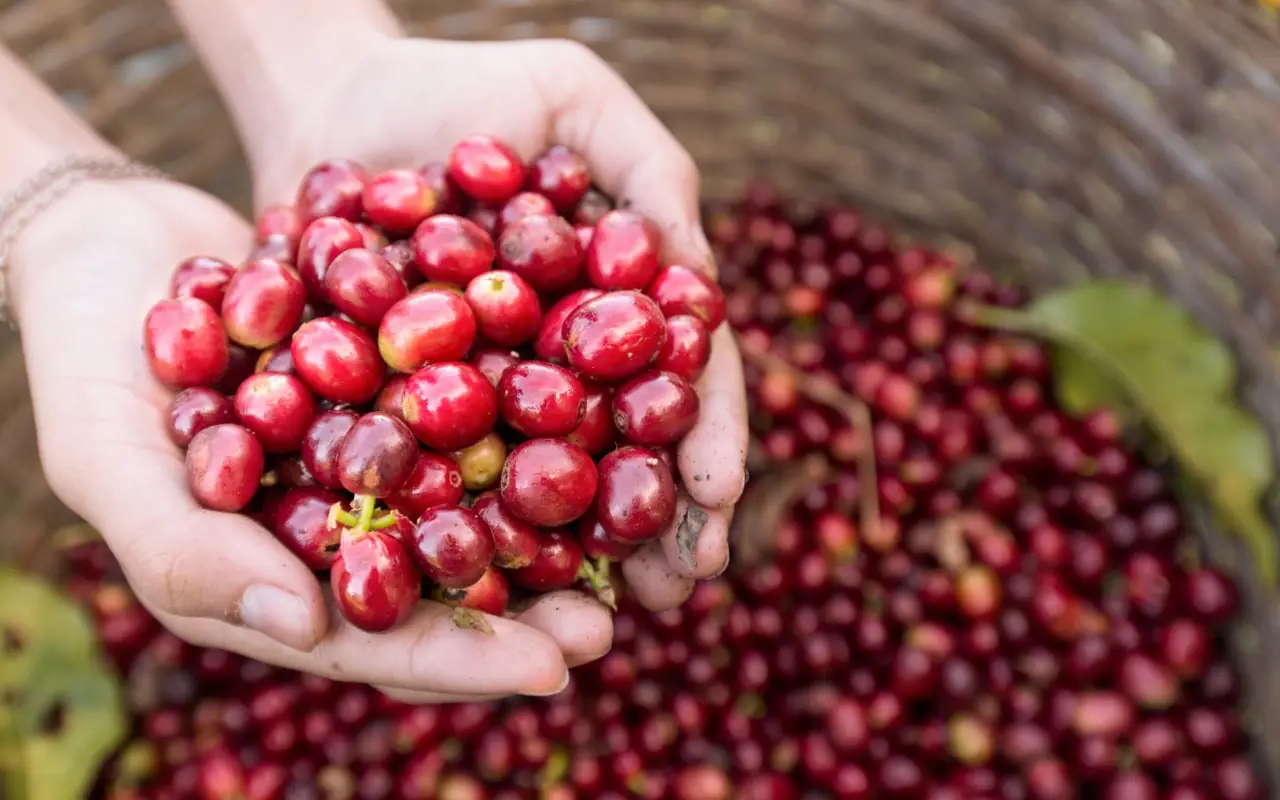
Costa Rica is renowned worldwide for the quality of the coffee it produces. Indeed, the country is now a major coffee producer and exporter, but this has not always been the case.
Initially known only to doctors and botanists, coffee gradually became accessible to people in the East. In the early 17th century, trade between the East and the West accelerated, and coffee slowly became more widespread. Then, two centuries later, coffee was being grown in nearly every country in Latin America. It is believed that the British introduced Arabica coffee to Costa Rica in 1779, and the government strongly encouraged its production.
Consequently, by the early 19th century, there were numerous “fincas” located primarily in the central highlands, due to conditions favorable to coffee cultivation (warm temperatures, alternating wet and dry seasons, and fertile, well-irrigated slopes). From 1830 onward and for more than a century, coffee was the country’s primary source of income and financed the construction of many monuments.

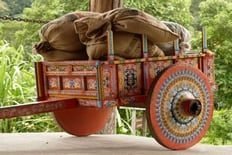

Today, coffee ranks only fourth among the country’s agricultural products (in terms of contribution to GDP—source: SEPSA). The “Grano de Oro” (Golden Bean) accounts for about 5% of the value added by agricultural products, which in turn account for about 8% of the country’s GDP.
If you’re a coffee lover, don’t miss the chance to visit a finca (a farm with coffee plantations) and learn about the coffee production process from seed to cup! You can stroll among the blooming coffee trees and enjoy a delicious tasting of different flavors!
Terra Caribea’s favorite coffee finca: Finca Monte Claro
Located in Turrialba,Finca Monte Clarois a family-run, eco-friendly farm that’s truly worth a visit. The setting is beautiful, and there are plenty of activities to enjoy: coffee tours, hiking, horseback riding, visiting the farm animals, mountain biking, and canyoning. You can even stay for several days, as they also offer lodging and meals.
In addition, Finca Monte Claro is part ofNaturalba, a cooperative of small local producers who, individually, would not have had access to traditional distribution channels. Every effort is made to ensure that the coffee beans are sold as processed products rather than as raw materials, and the majority of the revenue goes to the farmers rather than to commercial intermediaries. The 100% pure Arabica coffee produced there is either organic or grown using environmentally friendly farming practices.
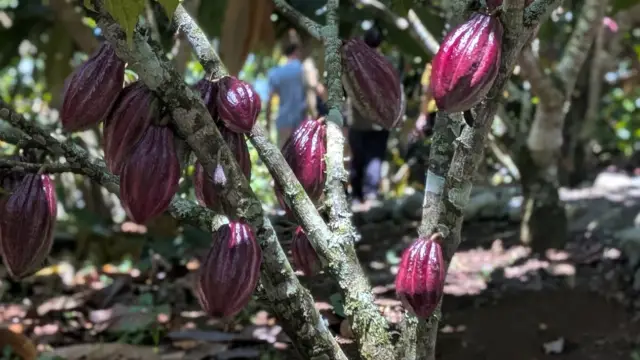
CACAO
Costa Rica is one of the first countries in Central America where cacao was cultivated. The industry was highly developed at the beginning of the century, but gradually declined, giving way to coffee, bananas, and pineapples.
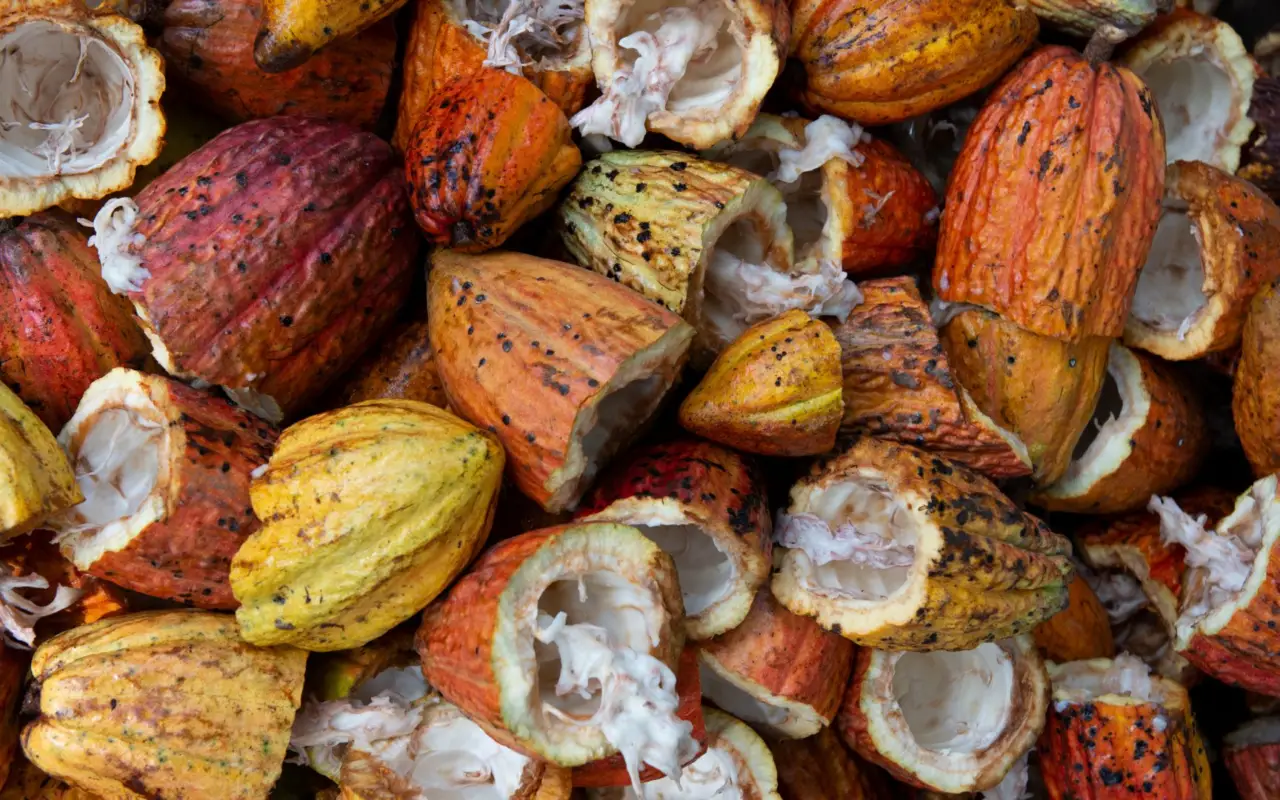
Originally considered “a gift from the gods,” the cacao tree was not only used to make a beverage during major festivals but also served as a medium of exchange during the precolonial period. In fact, you’ll notice that several cacao beans are still depicted on coins (Colones).
It was primarily the Amerindian ethnic groups who cultivated cacao beans in the lowlands of the Pacific and southern Caribbean coasts (the Bribri and Cabécar indigenous communities). In fact, Costa Rica has ideal conditions for growing cacao beans: latitude, a humid and mild climate, mild temperatures, and trees that protect the plantations from the wind. These factors are very important, since the climate and the quality of the Originally considered “a gift from the gods,” the cacao tree was not only used to make a beverage during major festivals but also served as a medium of exchange during the pre-colonial period. In fact, you’ll notice that several cacao beans are still depicted on the coins (Colones).
However, the production of pods (the fruit of the cacao tree) is becoming increasingly rare due to the emergence of a fungus (“moniliasis”). The outbreak of this disease has caused a loss of nearly 75% of production. Cacao trees affected by this disease produce fewer pods, but fortunately, it does not affect the quality of the few beans that are produced.
Terra Caribea’s favorite chocolate tour: among the Bribri Indians
Discover the secrets and wonders of one of humanity’s favorite foods: chocolate. On the plantations, you’ll learn the process by which cacao is transformed into chocolate, and then you’ll have the chance to taste it.
Witness the steps involved in making chocolate according to the ancestral traditions of the Bribri people. Passed down from generation to generation for over 300 years, they’ll help you uncover the secrets of its production. In their culture, cacao is used to treat many ailments. You’ll end the day by enjoying a cacao drink and chocolate bars.
THE PALM HEART
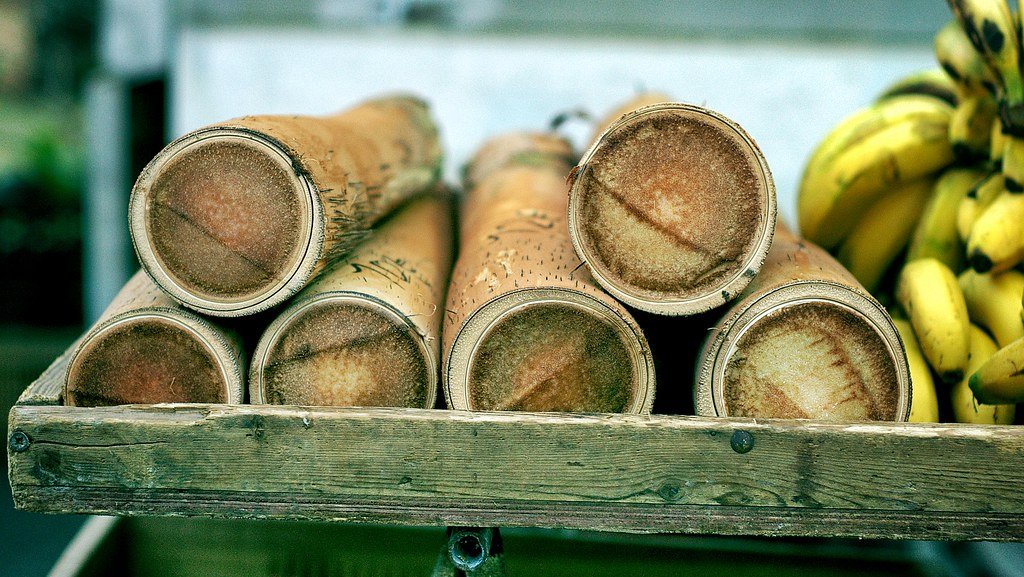
Since France is the leading consumer of palm hearts, why not take advantage of your trip to Costa Rica to visit a finca that produces them?
In fact, Costa Rica is the world’sthird-largest producer of palm hearts.
Terra Caribea’s favorite palm heart tour: the Sarapiqui Palmitour.
During this tour, you’ll have the chance to stroll through the heartof the plantations, then watch your guide cut open a palm trunk, split it open, and let you taste it.
You’ll love the freshness and crunch of a fresh palm heart! We also recommend staying for lunch there—it’s a real treat! This stop offers a nice change from the traditional “casado.” Enjoy a full-course meal (appetizer, main course, and dessert) made with palm hearts: an original meal and, in our opinion, one of the best lunches in Costa Rica!
PINEAPPLE
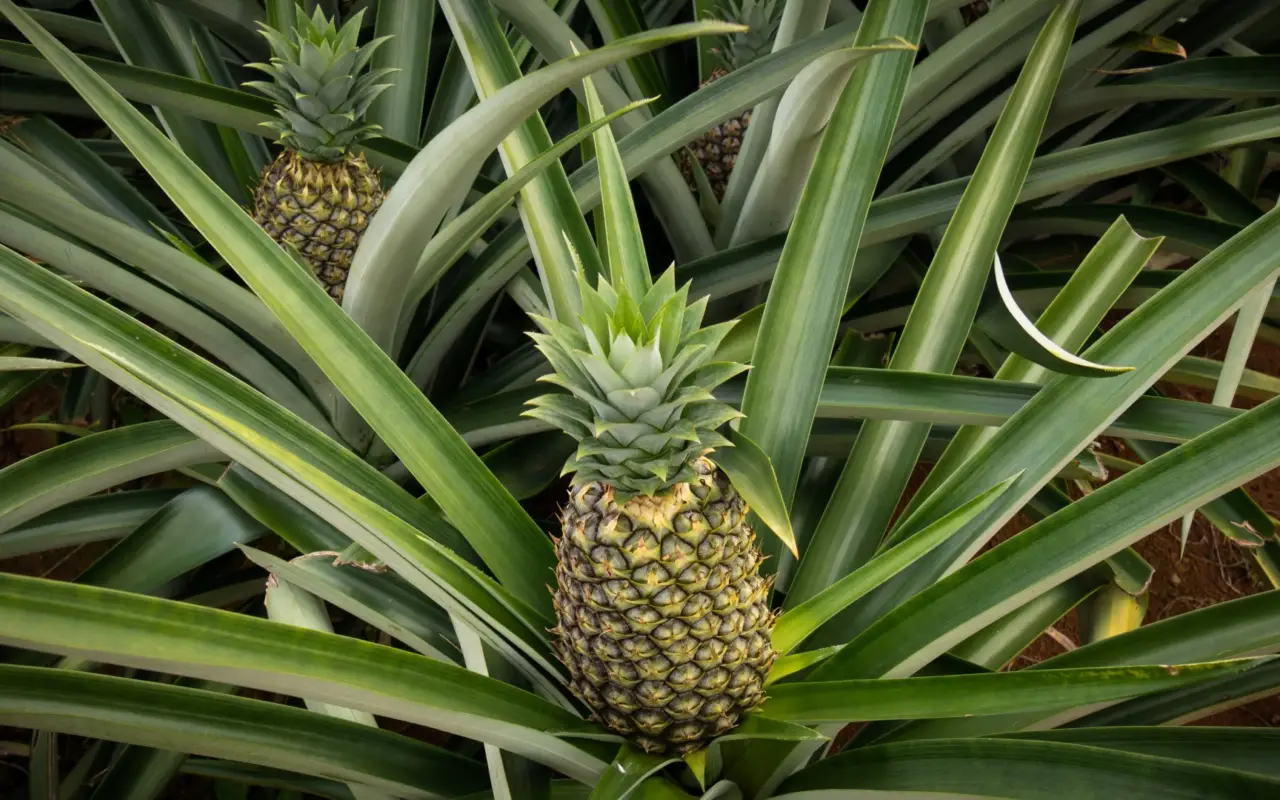
Long considered a rare and precious commodity, the pineapple is an exotic fruit prized around the world for its sweet and tangy flavor and its high vitamin content.
Pineapple cultivation is now very important in Costa Rica, as the country has been exporting fresh pineapples since 1983.
In fact, known as the world’s largest exporter of fresh pineapples, Costa Rica alone accounts for 55% of the global market for fresh fruit.
Terra Caribea’s favorite pineapple tour: Swiss Tropical
A tour of a pineapple farm where you’ll learn about the history and all stages of pineapple growth, from planting and harvesting to the packing facility. At the end of the tour, you’ll get to enjoy a delicious Piña Colada!
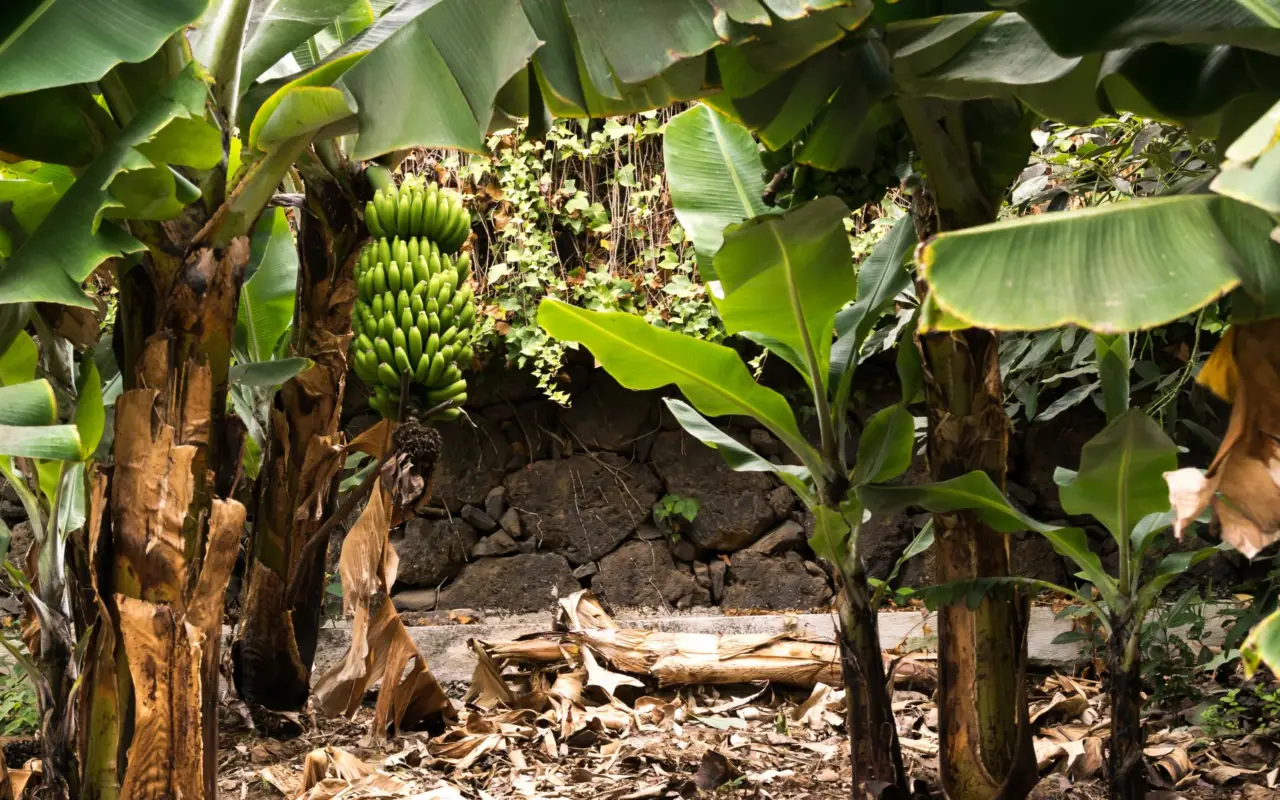
BANANA PLANTAIONS, SUGAR CANE FIELDS…
There are many other “rural” stops you can make in different regions of Costa Rica to discover the traditional culture for which the country is famous.
If you’re passionate about agriculture, don’t miss CATIE (Center for Tropical Agronomy)
This research and educational center for tropical agriculture is located in the Turrialba Valley.
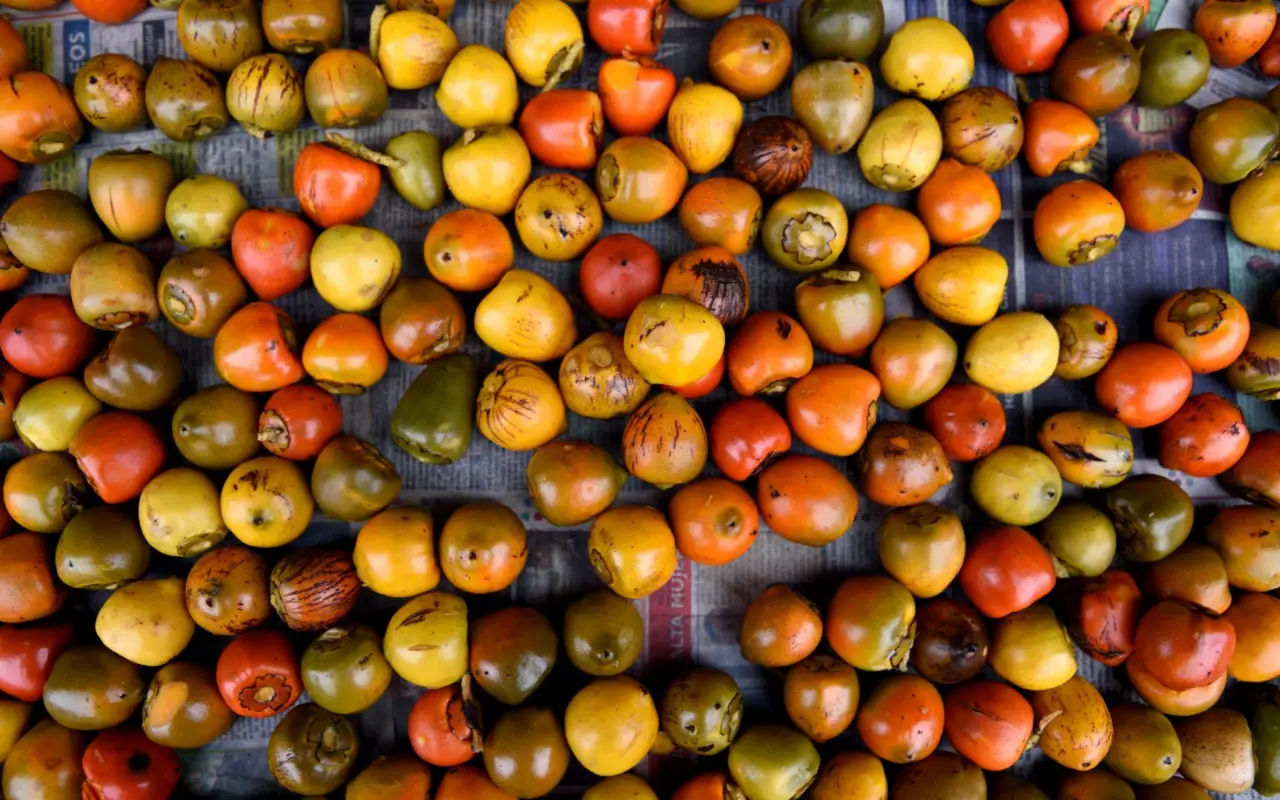
Agronomists around the world consider it one of the most important agricultural research stations in the tropics. Visitors can tour various agricultural projects there, including laboratories, greenhouses, seed banks, and experimental plots. You’ll learn about the variety of cultivated plants, as well as their respective uses (medicinal, stimulant, insecticide, ornamental, etc.).