In short: Costa Rica is home to more than 110 volcanoes, including ten major ones and five that are still active. The five active volcanoes are Poás, Irazú, Turrialba, Rincón de la Vieja, and Arenal, which has been dormant since 2010. Four of them can easily be visited in a single day: Poás and Irazú by road to the crater overlooks, and Rincón de la Vieja and Tenorio on foot via forest trails. You cannot climb to the summit of any active volcano: the craters of Arenal and Poás remain closed, and access to Turrialba depends on its activity. The table below summarizes the ten main volcanoes: elevation, status, region, and distinctive feature.
The Volcanoes of Costa Rica
A Spectacular Birth
Three million years ago, North America and South America were two continents separated by an ocean, with a few scattered volcanic islands. That’s when an extraordinary geological phenomenon occurred: the Cocos Oceanic Plate began subducting beneath the Caribbean Plate at a rate of 9 centimeters per year. This titanic collision triggered intense volcanic activity that, layer by layer, eruption after eruption, literally built Costa Rica.
This “Great American Rift” thus closed, creating the Isthmus of Panama and allowing animal and plant species from the two Americas to intermingle for the first time—an event scientists call the “Great Inter-American Exchange.”
How many volcanoes are there in Costa Rica?
Today, Costa Rica is home to 112 identified volcanoes, five of which are considered active: Arenal (dormant since 2010), Poás, Irazú, Turrialba, and Rincón de la Vieja. This small country of 51,000 km²—smaller than Belgium—has more volcanoes than all of Europe combined!
Some facts about these active volcanoes
- Irazú (3,432 m) is so high that on a clear day, you can see both oceans from its summit
- The crater lake of Poás is one of the most acidic in the world (pH of 0), more corrosive than car battery acid
- Arenal was the world’s most active volcano between 1968 and 2010, with daily eruptions visible from 20 km away
- Rincón de la Vieja is home to more than 30 hot springs and geysers within a single national park
A wide range of geological features
Classic stratovolcanoes
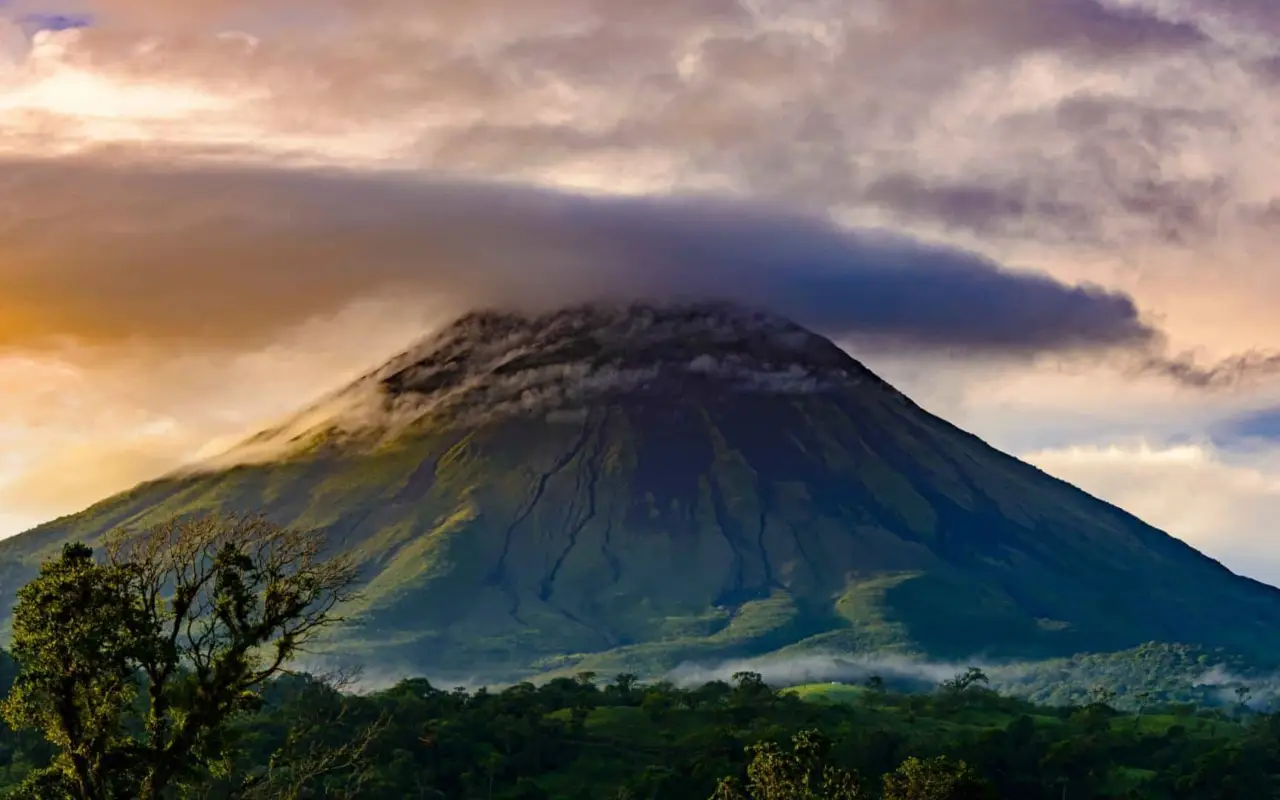
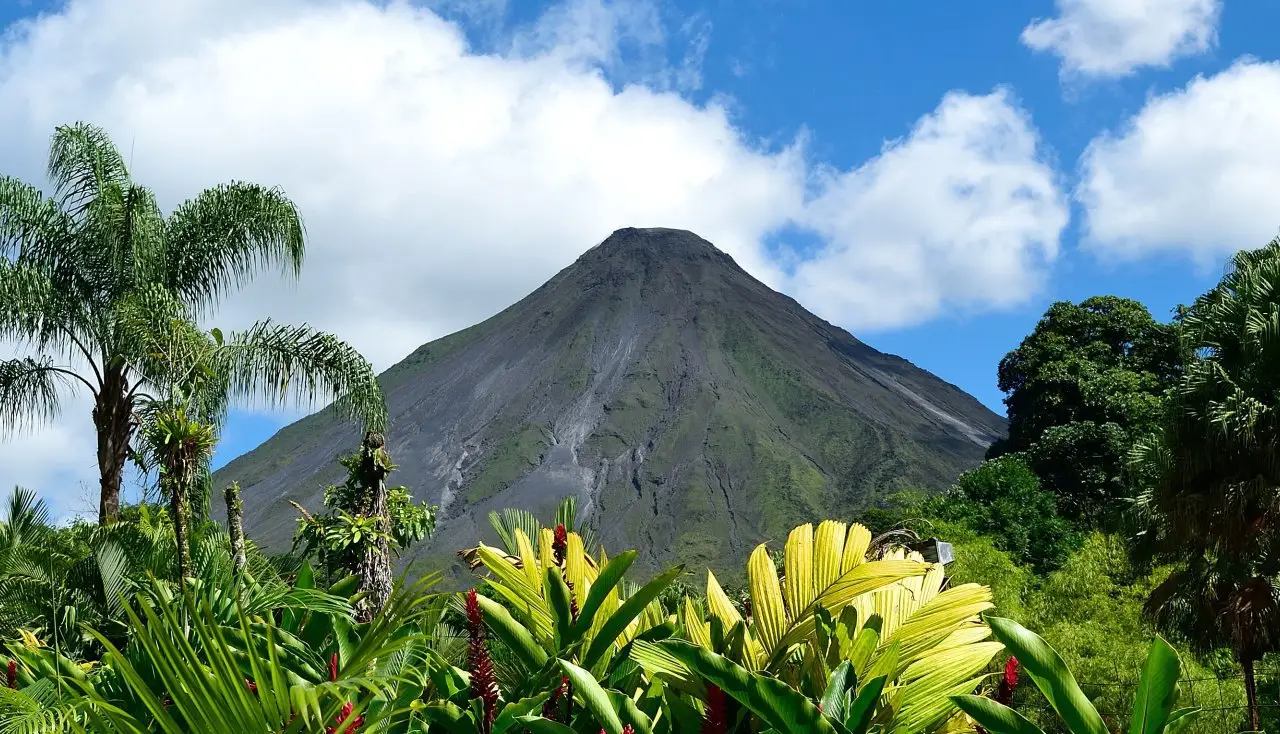
These conical giants, like Arenal, were formed by alternating lava flows and explosions, creating perfect shapes that inspire postcards.
Complex volcanoes
Rincón de la Vieja has nine distinct craters and resembles a Martian landscape with its blue fumaroles and pools of bubbling mud.
Giant calderas
Some volcanoes, such as Barva, have erupted so violently that they created immense circular craters, now filled with mysterious lakes surrounded by cloud forests.
Why visit them?
Each Costa Rican volcano offers a unique ecosystem. Around Poás, dwarf forests adapted to the acidic soil thrive; near Arenal, natural hot springs offer a chance to relax after a hike; at Rincón de la Vieja, you can see mud pools reaching 90°C.
These volcanoes also serve as natural climate barometers: their slopes are home to 12 of the planet’s 24 life zones, ranging from tropical beaches to near-Arctic peaks—all within a radius of just a few kilometers!
Costa Rica is part of the Pacific Ring of Fire, a chain of 450 volcanoes that encircles the Pacific Ocean and accounts for 75% of the world’s volcanic activity. But here, this force has become a driver of biodiversity and has shaped the landscapes.
| Volcano | Elevation | Status | Region / National Park | Can it be visited or climbed? | Main feature |
|---|---|---|---|---|---|
| Irazú | 3,432 m | Active | Cartago, Central Cordillera (Irazú Volcano National Park) | Accessible by car to the crater viewpoints; summit not accessible on foot | The country’s highest volcano; both oceans are visible on clear days |
| Turrialba | 3,340 m | Active | Cartago, Central Cordillera (Turrialba Volcano National Park) | Access is very restricted; often closed depending on volcanic activity | One of the most active volcanoes; recurring ash eruptions since 2010 |
| Barva | 2,906 m | Dormant | Heredia, Central Cordillera (Braulio Carrillo National Park) | Accessible on foot (hike) to the crater lakes | Cloud forest and Copey Lagoon; last eruption around 6050 BC |
| Poás | 2,708 m | Active | Alajuela, Central Mountain Range (Poás Volcano National Park) | Accessible via a short trail to the overlook; access is sometimes limited | One of the most acidic crater lakes in the world (pH close to 0) |
| Platanar | 2,183 m | Dormant | Alajuela, Central Cordillera (Juan Castro Blanco National Park) | Minimally developed; no marked trail to the summit | Protected forest area, the region’s natural water reservoir |
| Miravalles | 2,028 m | Dormant | Guanacaste, Guanacaste Mountain Range | Visited for its hot springs and geothermal area | The country’s largest operational geothermal field |
| Rincón de la Vieja | 1,916 m | Active | Guanacaste (Rincón de la Vieja National Park) | Accessible via trails (fumaroles, waterfalls); summit occasionally closed | Fumaroles, geysers, and bubbling mud pools |
| Tenorio | 1,916 m | Dormant | Alajuela/Guanacaste border (Tenorio Volcano National Park) | Accessible on foot to the Río Celeste waterfall; summit not accessible | Turquoise-blue Río Celeste (optical phenomenon at Los Teñideros) |
| Orosí | 1,659 m | Dormant | Guanacaste, near the Nicaraguan border (Guanacaste National Park) | Rarely visited, with no open trail to the summit | The country’s northwesternmost volcano |
| Arenal | 1,633 m | Dormant since 2010 | Alajuela, La Fortuna (Arenal Volcano National Park) | Hiking on the lava flows at the base; summit off-limits | Nearly perfect cone; continuously active from 1968 to 2010 |
Our suggested itineraries for exploring Costa Rica’s most beautiful volcanoes
Adventure Travel and Pura Vida in Costa Rica
Treks and Hikes in Costa Rica Natural Sites and Exploration
To track all volcanic activity and view the country’s active volcanoes, visit the OVISCORIwebsite .
Active Volcanoes in Costa Rica’s Central Valley
The Active Poás Volcano: a stratovolcano
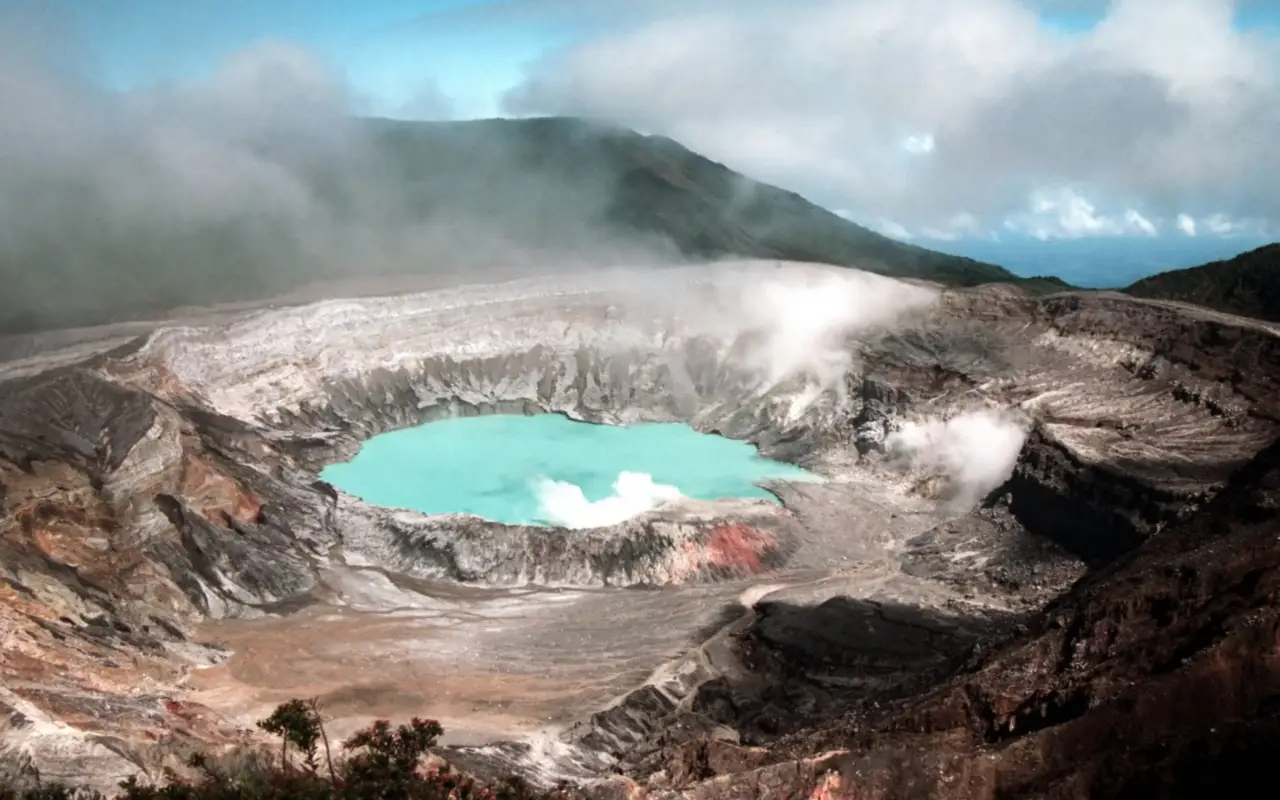
Rising to 2,708 meters, the Poás Volcano is one of the country’s most active volcanoes. Once you reach the summit via a scenic road, you’ll discover the impressive power of an active volcano.
Nearby, a marked trail leads through the cloud forest to Lake Botos, an ancient crater now filled with water and surrounded by lush vegetation. The small interpretive center will teach you about its history and the formation of volcanoes on Earth.
Turrialba: Another Stratovolcano
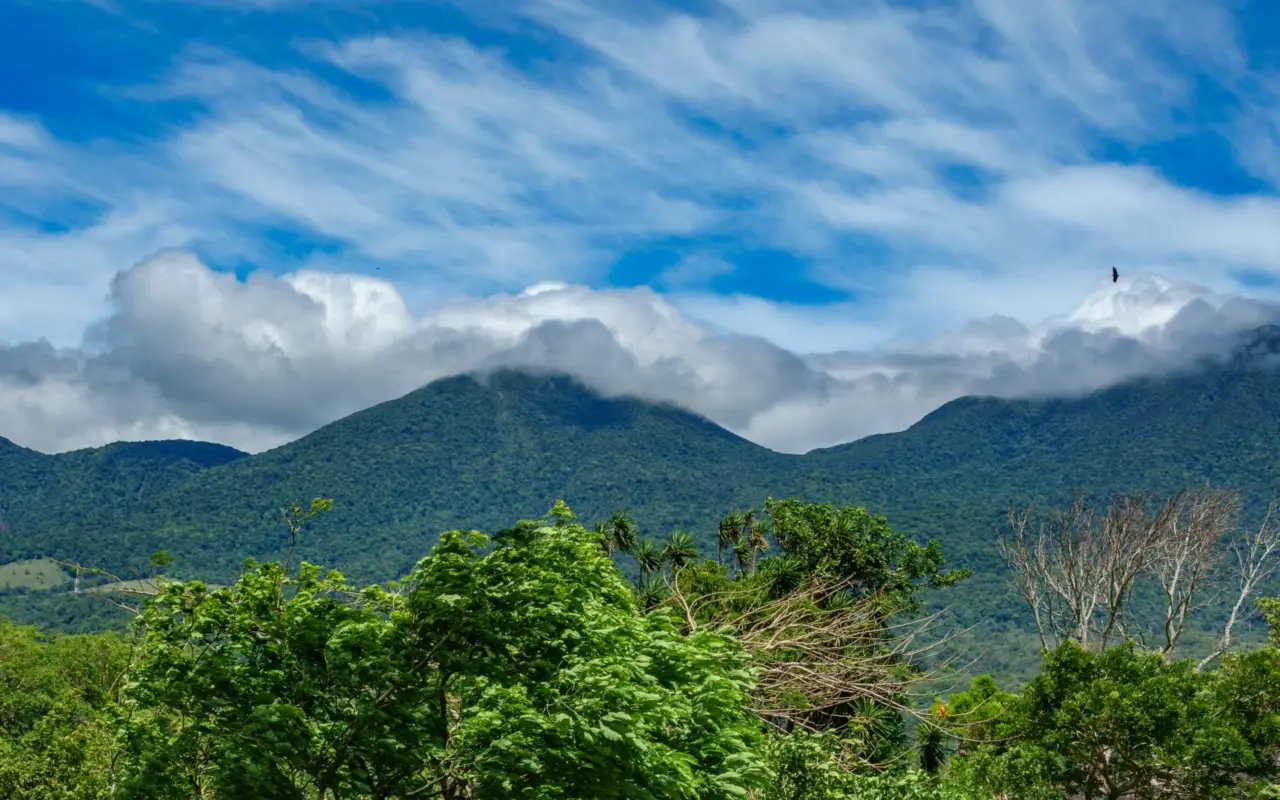
This volcano, which shares its name with the charming Turrialba Valley, is a symbol of strength and pride for the area’s residents.
Established in 1955, Turrialba National Park protects 13 km² consisting mainly of cloud forests. The area is often active. From the summit (3,340 m above sea level), you can see the active crater, and, weather permitting, you can even see the Caribbean coast!
The Irazú Volcano
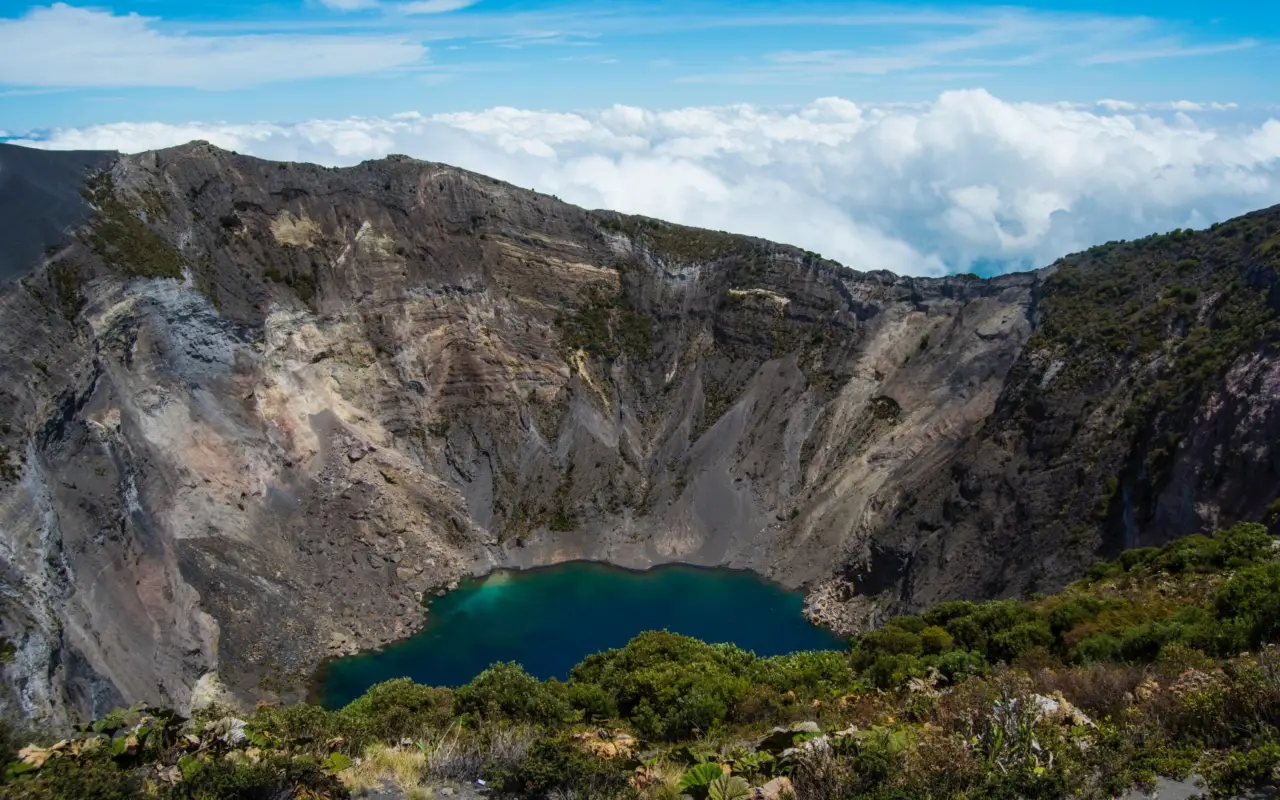
Rising 3,450 meters above sea level and shrouded in clouds, Irazú is Costa Rica’s highest volcano and historically its most active. An observation deck offers visitors a bird’s-eye view of the crater, which is 300 meters deep and 1 km wide.
News: Which volcanoes can you visit in Costa Rica in 2026?
Access to Costa Rican volcanoes changes regularly depending on volcanic activity, weather conditions, and safety measures implemented by SINAC. Before planning a visit, it is therefore recommended that you check the access conditions and the volcano’s recent activity.
Turrialba Is Once Again Open to Visitors
Good news for travelers interested in geology: Turrialba Volcano National Park now has organized access arrangements for visitors. The park offers very early morning visiting hours, with supervised access and a guided tour service available by reservation. Official access is via the Tapojo sector on Cantonal Road 020, through Finca Monte Calas.
However, a visit to Turrialba remains very different from that of a typical tourist volcano. Conditions may change depending on the volcano’s activity, and visitor facilities are limited. It is therefore best to plan this excursion with a guide and check access conditions before departing.
Poás: A Highly Regulated Visit
Poás remains one of the most impressive volcanoes and one of the easiest to include in a trip to Costa Rica. The park is open daily, but entry is by reservation only through SINAC’s official system. The last entry for visitors is at 2:00 p.m., which helps you better plan your excursion.
However, regulations can change quickly in the event of unusual volcanic activity. It is therefore advisable to book your time slot shortly before your visit and to check the official information on the day of your trip.
Irazú: Still One of the Most Accessible Volcanoes
Irazú Volcano National Park remains open to visitors and is one of the easiest volcanic sites to explore in Costa Rica. The crater area is accessible daily, and tickets must be purchased in advance through SINAC’s online system.
The volcano is currently showing mainly fumarolic activity on the northern wall of the main crater. However, its high elevation means that weather conditions can change very quickly: a clear sky in the morning can give way to clouds just a few hours later.
What about Arenal?
The Arenal Volcano has not been erupting since 2010, but it remains easily accessible and is one of the highlights of a trip to Costa Rica. You can’t climb the volcano itself, but Arenal Volcano National Park offers the chance to explore ancient lava fields and several trails with stunning views of the volcanic cone.
It’s also one of the best regions in the country for combining hiking, nature observation, hot springs, and exploring Lake Arenal.
The Volcanoes of the Northern Plains
Arenal Volcano: the country’s iconic stratovolcano
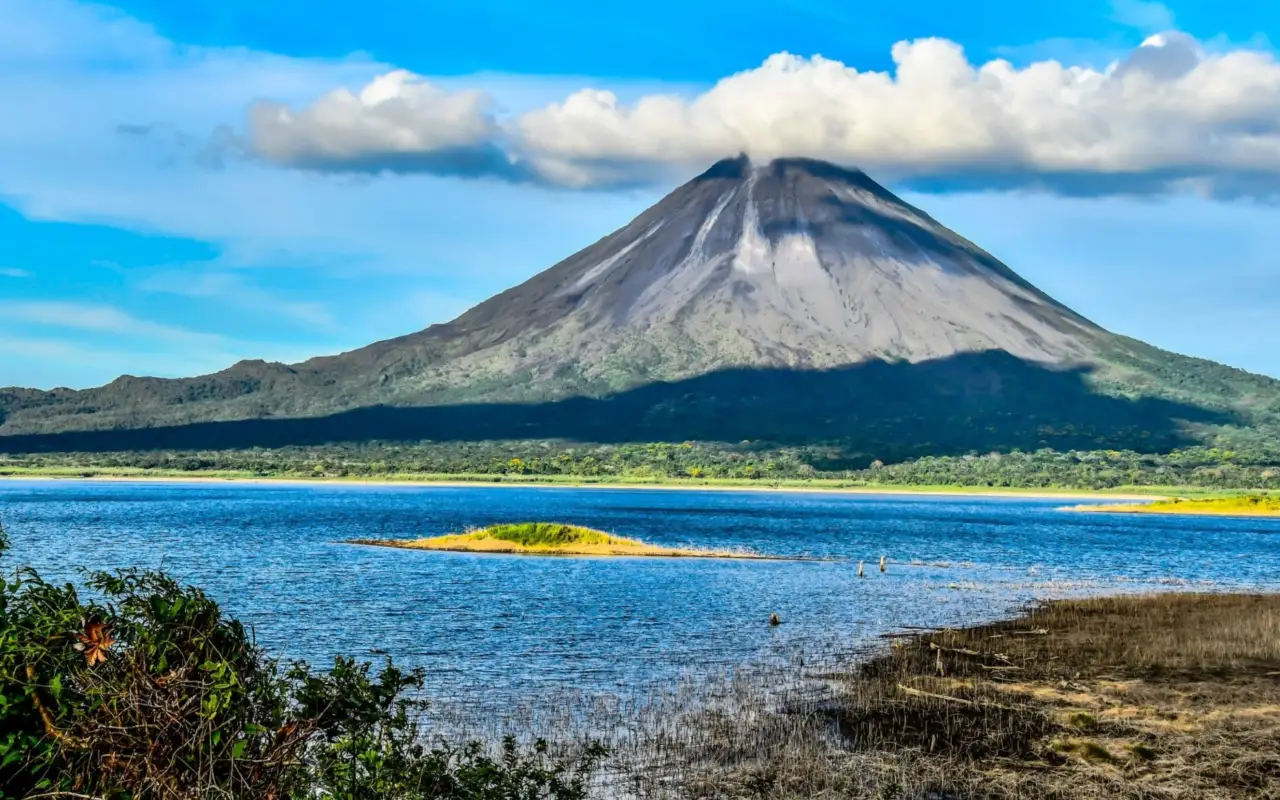
An icon of Costa Rica! Imagine a perfectly conical volcano, its peak often shrouded in clouds; at its base, a lake where all kinds of boats can sail, and all around it, a national park… Open your eyes—you’re there. Pre-Columbian tribes believed it was the home of the god of fire. At the end of the day, don’t forget to enjoy a relaxing moment in the hot springs.
Rincon de la Vieja: a complex volcano
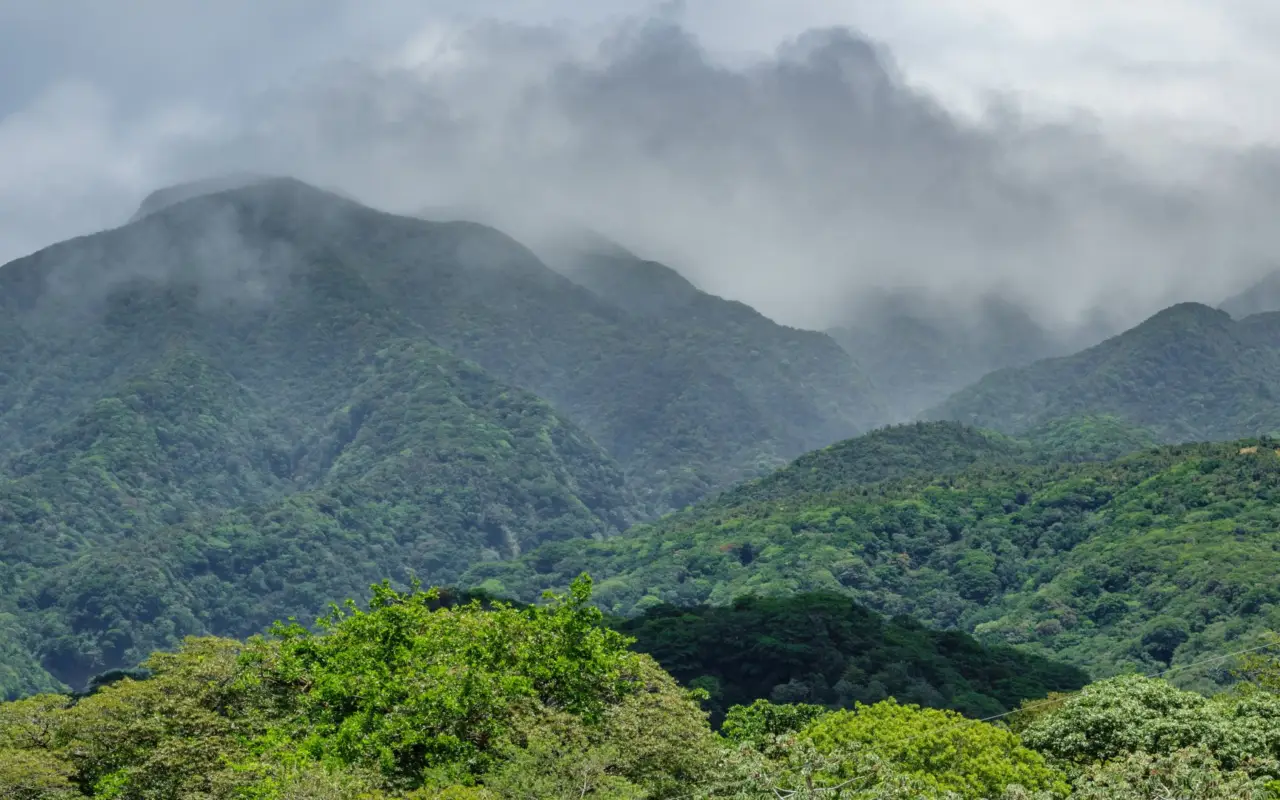
This volcano consists of several peaks, the highest of which is Santa Maria (1,916 meters). The region is dotted with fumaroles, warm springs, and small pools spewing out rather foul-smelling mud (the smell of sulfur is very strong). Well-maintained trails, though sometimes very steep, provide access to these incredible landscapes. Since the late 1960s, volcanic activity has been frequently recorded.
Tenorio: The Celestial Waters
“This is the river where God washed his paintbrushes after painting the sky,” says Celso Alvarado poetically…
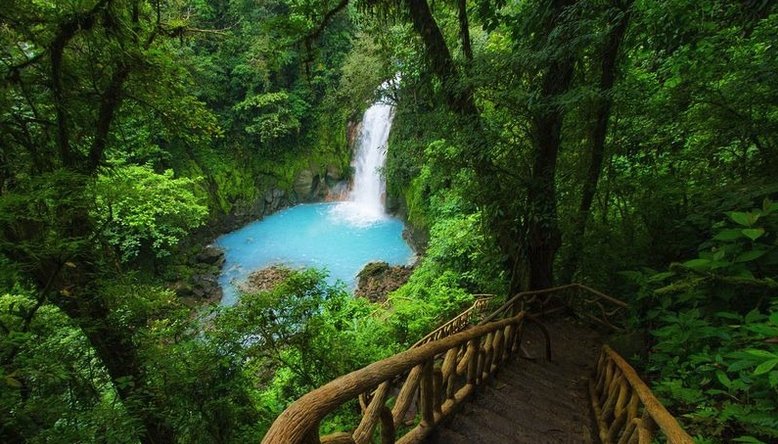
Fumaroles, hot springs, bubbling pools, and a waterfall with an enchanting turquoise-blue hue—that’s what Tenorio Volcano National Park has to offer. Don’t miss the Río Celeste—its color will leave you with an unforgettable memory. This site, still off the beaten path, will delight hiking and nature enthusiasts.
Be sure to check the conditions before you go
In Costa Rica, access to a volcano can change rapidly depending on seismic or eruptive activity, gas emissions, heavy rain, or trail conditions. Schedules and booking procedures may also change.
To plan your visit, check SINAC’s information on national parks and monitor volcanic activity as reported by OVSICORI-UNA. It is especially important to verify this information if your itinerary includes a visit to Poás, Turrialba, or Rincón de la Vieja.
Which volcano should you visit in Costa Rica?
The choice depends mainly on what you’re looking for.
To see a large volcanic crater: Poás is probably the most spectacular choice.
To explore the country’s highest volcano: head to Irazú, which is easily accessible from the Central Valley.
To enjoy a postcard-perfect landscape: Arenal is a must-see, with its volcanic cone towering over the forest and the lake.
To observe volcanic and geothermal activity: Rincón de la Vieja is particularly interesting with its fumaroles, hot springs, and mud pools.
For a more intimate and geology-focused experience: Turrialba is an interesting option, depending on access conditions and the volcano’s activity.
To combine volcanoes and nature: Tenorio is ideal for exploring the Río Celeste and the region’s lush landscapes.
Practical information for visiting Costa Rica’s volcanoes
Do you need to make a reservation to visit the volcanoes?
For several national parks, yes. Poás and Irazú, in particular, use SINAC’s online reservation system. Turrialba operates with organized access and a guided tour service that must be booked in advance.
Arenal, on the other hand, does not currently offer online reservations for park admission: tickets are purchased directly at the ticket office on the day of the visit, with payment by credit or debit card.
When is the best time to visit the volcanoes?
The dry season, generally from December to April, offers the best weather conditions for enjoying the panoramic views. However, Costa Rica’s climate varies greatly depending on the region and elevation.
To increase your chances of seeing the volcanoes without clouds, it’s often best to start your visits early in the morning. Poás, Irazú, and Arenal, in particular, can become shrouded in clouds as the day progresses.
Can you climb to the summit of the volcanoes?
Not always. While some volcanoes can be explored up to the vicinity of the craters, many summits are not accessible to hikers.
Arenal, for example, cannot be climbed. To explore the volcano, you must follow the trails along its slopes and within the national park.
Can you see both oceans from a volcano?
From the summit of Irazú, on exceptionally clear days, it’s possible to enjoy a sweeping view of Costa Rican territory and catch a glimpse of the country’s two coastlines. However, this view depends heavily on the weather and visibility.
Are Costa Rica’s volcanoes dangerous?
Costa Rican volcanoes are constantly monitored, and access to the most exposed areas may be restricted depending on their activity.
It is important to follow the authorities’ instructions and never venture into a closed-off area or off authorized trails. A volcano may appear calm but still pose risks related to gases, ejections, fumes, or a sudden increase in activity.
What should you bring on a volcano excursion?
Even for an easy hike, be sure to bring hiking shoes, a waterproof jacket, warm clothing, and water. At higher elevations, temperatures can be significantly cooler than on the coast.
For Poás and Irazú, also bring protection from the sun and wind. For Rincón de la Vieja and Tenorio, bring hiking boots suitable for trails that can sometimes be muddy or slippery.
Which volcano should you visit from San José?
From San José, the Poás and Irazú volcanoes are the easiest to include in a day trip. Poás is particularly well-suited for a first glimpse of Costa Rica’s volcanic landscapes.
Irazú can also be combined with other stops in the Central Valley or the Cartago region.
Is it possible to visit several volcanoes on the same trip?
Yes, and it’s actually a great way to explore Costa Rica’s geological diversity. For example, an itinerary could combine Poás and Irazú in the Central Valley, followed by Arenal in the northern plains and Rincón de la Vieja in the Guanacaste region.
Each volcano offers a different experience: a large crater, tropical rainforest, lava fields, geothermal phenomena, or rivers with stunning colors.
Key Takeaways
Volcanoes are one of the best ways to explore Costa Rica. They connect a wide variety of landscapes, from the cloud forests of the Central Valley to the hot springs and rainforests in the north of the country.
The most important thing is not to treat a volcano visit as a set itinerary. Access conditions and safety rules may change depending on volcanic activity. Before you go, always check the latest information from SINAC and OVSICORI-UNA.
For a first-time visit, the Poás–Arenal–Rincón de la Vieja trio likely offers the best overview of Costa Rica’s volcanic diversity. Travelers passionate about geology can round out their itinerary with Irazú and, when conditions permit, Turrialba.
Author: Terra Caribea – Local travel agency in Costa Rica
This article was written by Terra Caribea, a local travel agency specializing in creating custom trips in Costa Rica. Our team shares its on-the-ground knowledge and advice to help travelers discover Costa Rica in an authentic way, beyond the typical itineraries.
Sources and references:
- SINAC – National System of Conservation Areas of Costa Rica: official information on national parks, access requirements, reservations, and visitor guidelines.
- OVSICORI-UNA – Observatorio Vulcanológico y Sismológico de Costa Rica, Universidad Nacional: scientific data and information on volcanic activity in Costa Rica.
- OVSICORI-UNA – Weekly Volcanic Monitoring Bulletins: tracking recent activity at the Poás, Rincón de la Vieja, Turrialba, Irazú, and Arenal volcanoes.
- Costa Rican Tourism Institute (ICT): general information on destinations and tourism in Costa Rica.
Last updated: July 2026
Since access conditions to national parks and levels of volcanic activity are subject to change, we recommend that travelers consult official information from SINAC andOVSICORI-UNA before any excursion.