Camille and Cristo's Reconnaissance Trip to Costa Rica for Terra Caribea
How fortunate are Camille andCristo, who took a wonderful scouting trip to Costa Rica…
December 2022—here we are, on our way to explore Costa Rica—or at least a good part of the “Green Gold” country, stretching from the southern Pacific coast to the volcanoes in the north.
Our goal:to explore these different regions in search of new hidden gems for our clients, so we can offer the best possible experience in Costa Rica!
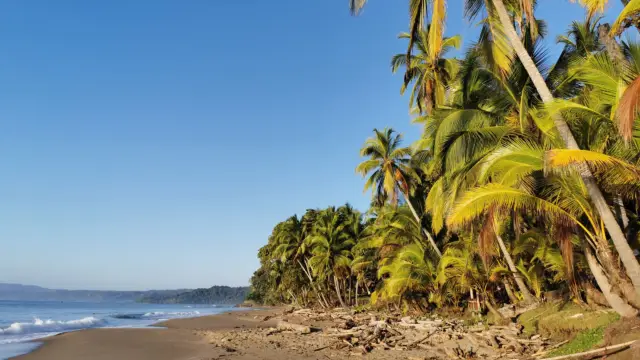
Costa Rica's Pacific Coast: From Manuel Antonio to Tambor
Manuel Antonio—Between Land and Sea:
First Stop: Manuel Antonio!
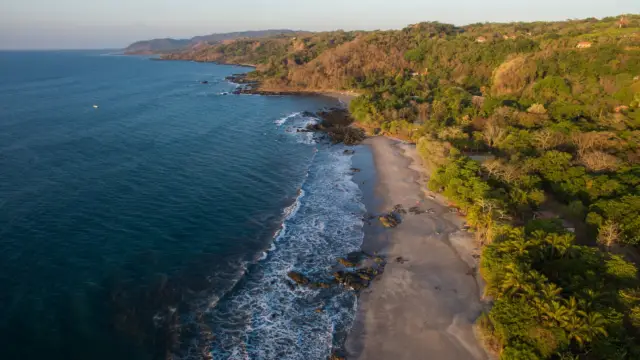
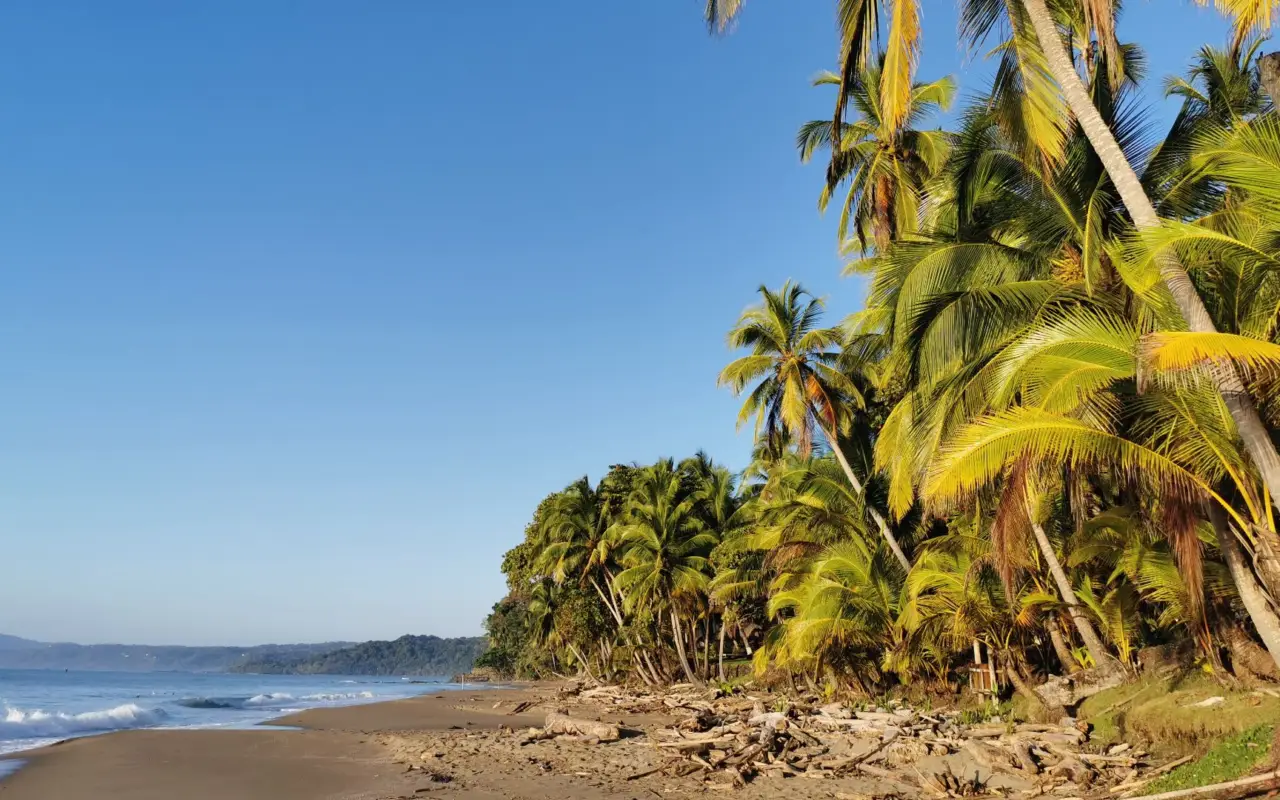
Known for its national park, Manuel Antonio is full of beautiful beaches where Costa Ricans and foreign tourists gather to watch the sunset at the end of the day. Of course, Manuel Antonio National Park is a must-see classic, renowned for its incredible flora and fauna . But this region has more to offer, with a wide variety of activities.
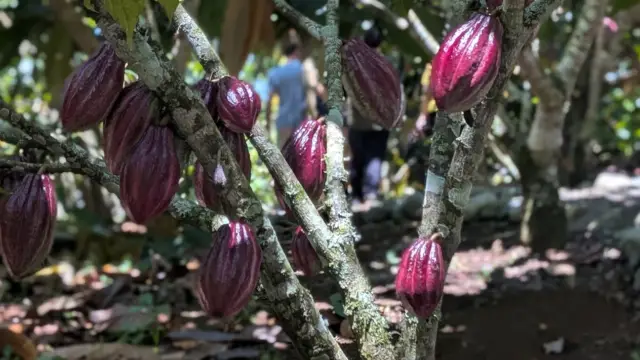
For example, you’ve surely heard of Costa Rican chocolate…So how about a guided tour of an organic spice farm, Villa Vanilla, which grows not only vanilla but also cacao?
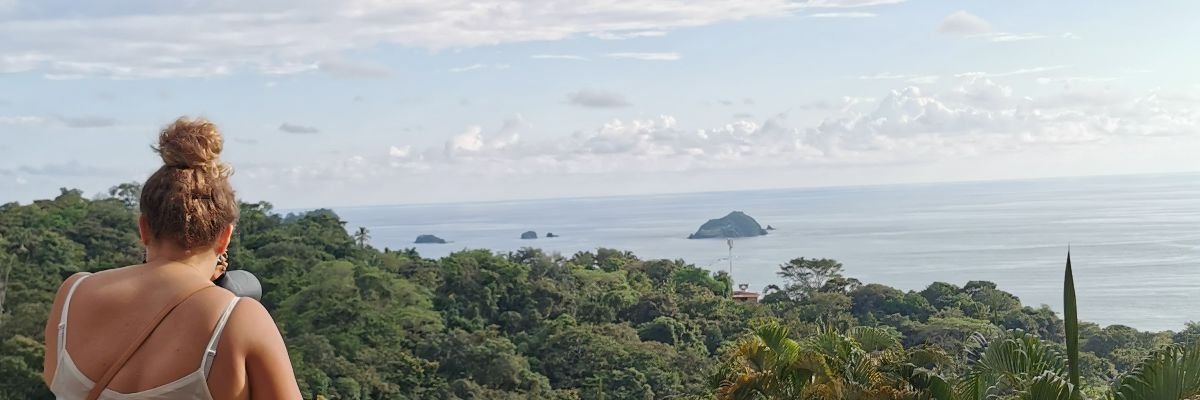
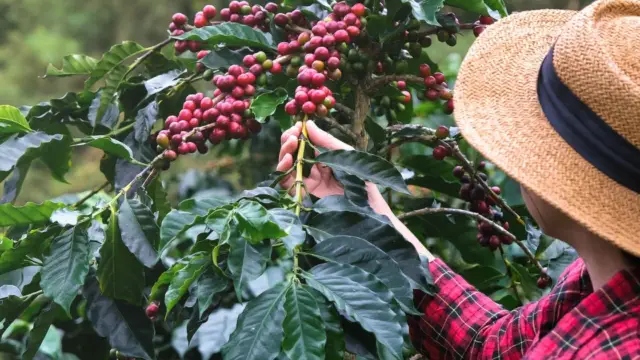
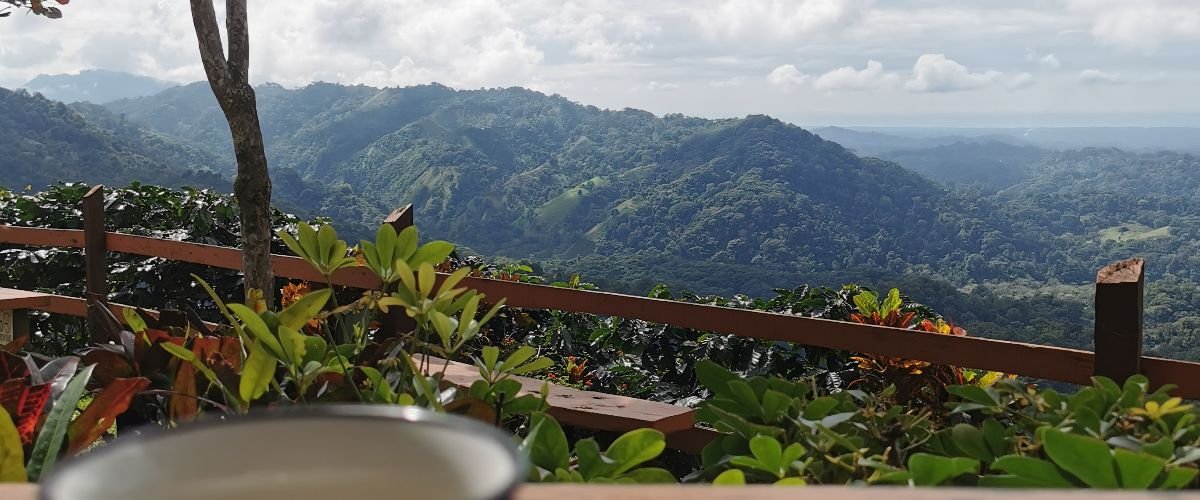
We then set off on an adventure to the Santa Juana Lodge, a resort perched on the hills above Manuel Antonio, offering breathtaking views of the forest andthe Pacific Ocean in the distance. The scenery is magnificent. The drive there is no easy feat, but it’s well worth the trip. The welcome is very warm; we’re offered Costa Rican coffee, brewed on-site, and we take a stroll along the hiking trails ofthe vast property, stopping at scenic overlooks and then atwaterfalls…to cap off this exploration with a lunch featuring a typical Costa Rican dish, the“casado”(a serving of meat, fish, or egg served with rice, red beans, and vegetables).
In the itinerary we’ve designed based on our scouting trip, we suggest spending a night at this unique establishment, which is one of our most wonderful discoveries.
Parrita—a peaceful retreat:
Second stop: Parrita!
And our journey continues, still along the Pacific coast, to Parrita, a charming little beach town and a less crowded alternative to Manuel Antonio. From this little town, you can visit Manuel Antonio National Park, but you can also enjoy other experiences unique to the area, such as taking a boat tour through the mangroves of the Damas Islands.
During this stop, we had the chance to visit a charming little hotel run by a French couple, the Beso del Viento. Reserved for adults only, it feels just like home, and the owners know all the best local spots to help their guests fully experience the region and all it has to offer.
Tarcoles—a birdwatcher’s paradise:
Third stop: Tarcoles!
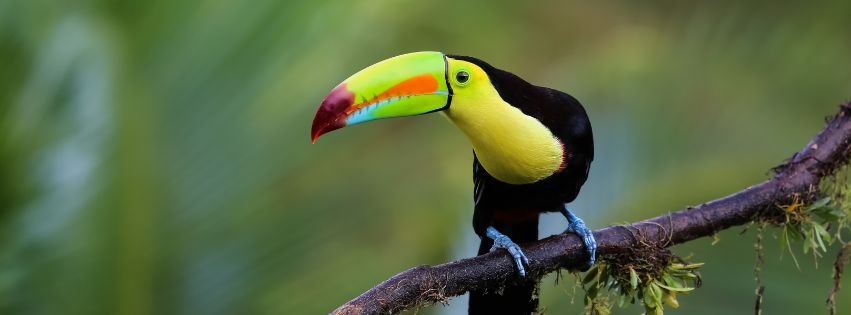
After Parrita, we made a short stop in Tarcoles—the perfect spot to spot all kinds of birds, as well as charming little monkeys and squirrels. A nature-filled, authentic destination, ideal for both budding and seasoned birdwatchers!
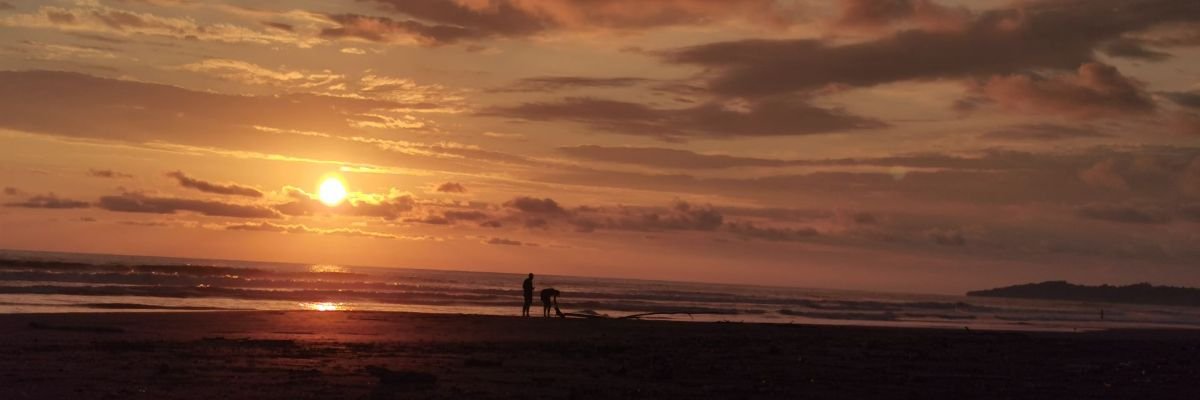
Tambor—the beauty of the southern Nicoya Peninsula
Fourth stop: Tambor!
A change of scenery—off to the Nicoya Peninsula! We set out from Tarcoles for Puntarenas, where we’ll take the ferry to Paquera. After about an hour on the ferry, we’re on the Nicoya Peninsula, driving along winding roads that offer stunning scenery all the way to Tambor. That same evening, we head to the Curu Reserve for an incredible experience: bioluminescence.
What a discovery that was! We boarded a small boat that took us out to the open sea, into total darkness, where we could observe this extraordinary phenomenon. There we were—we jumped into the water and were lucky enough to witness and be part of a magnificent spectacle… the dark water lit up with tiny blue particles with every movement we made.
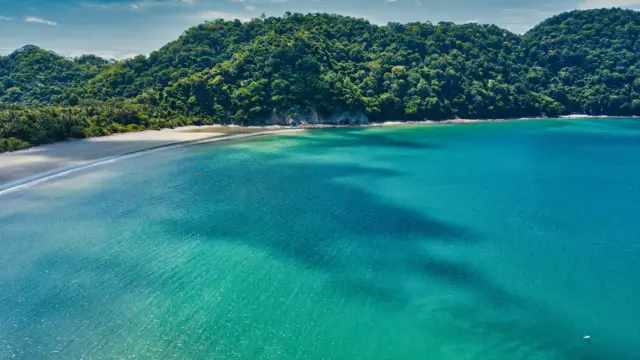
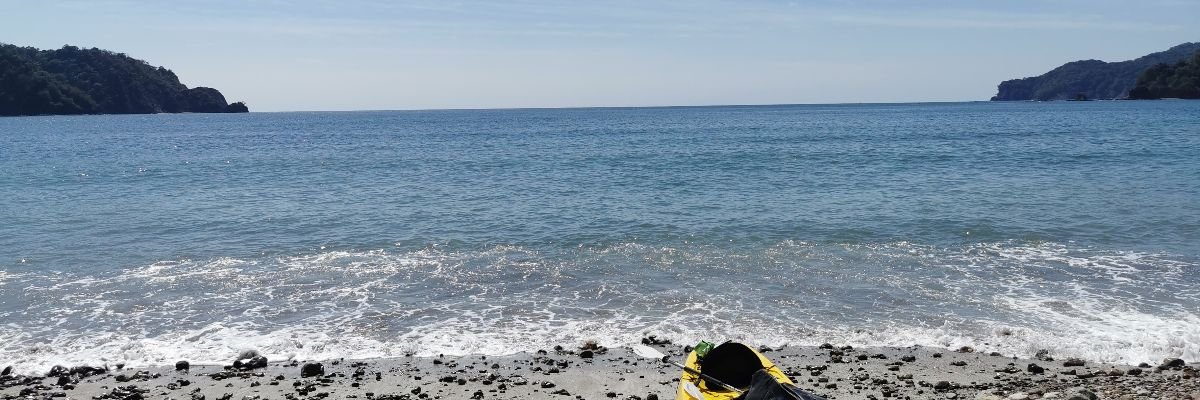
The next morning, we returned to the Curu Reserve, where this time we rented kayaks to explore the marine part of the reserve. We had two hours and decided to paddle to a deserted beach, straight out of a postcard. We took advantage of this time to swim in the choppy waters and try to observe the marine life using a mask and snorkel. Even though the water wasn’t the clearest, Cristo was lucky enough to spot some pretty little leopard stingrays.
Northern Costa Rica: From Palo Verde to the Northern Volcanoes
Palo Verde—a unique green gem:
Fifth stop: Palo Verde!
The journey continues… this time we’re taking a beautiful road that winds through part of Guanacaste, offering stunning views of the Gulf of Nicoya, and leading us to Rancho Humo Estancia, in the heart of Palo Verde National Park. This hacienda is located in a private reserve in Guanacaste, one of the last protected nature conservation areas of this scale in Guanacaste and situated in one of the world’s most important “blue zones,” the Nicoya Peninsula…
Rancho Humo, which has been transformed from a cattle ranch into an international model for wetland conservation, offers the chance to experience a variety of ecosystems— mangroves, wetlands, dry tropical forest, and pastures—allowing visitors to observe a wide variety of flora and fauna…This is yet another paradise for birdwatchers.
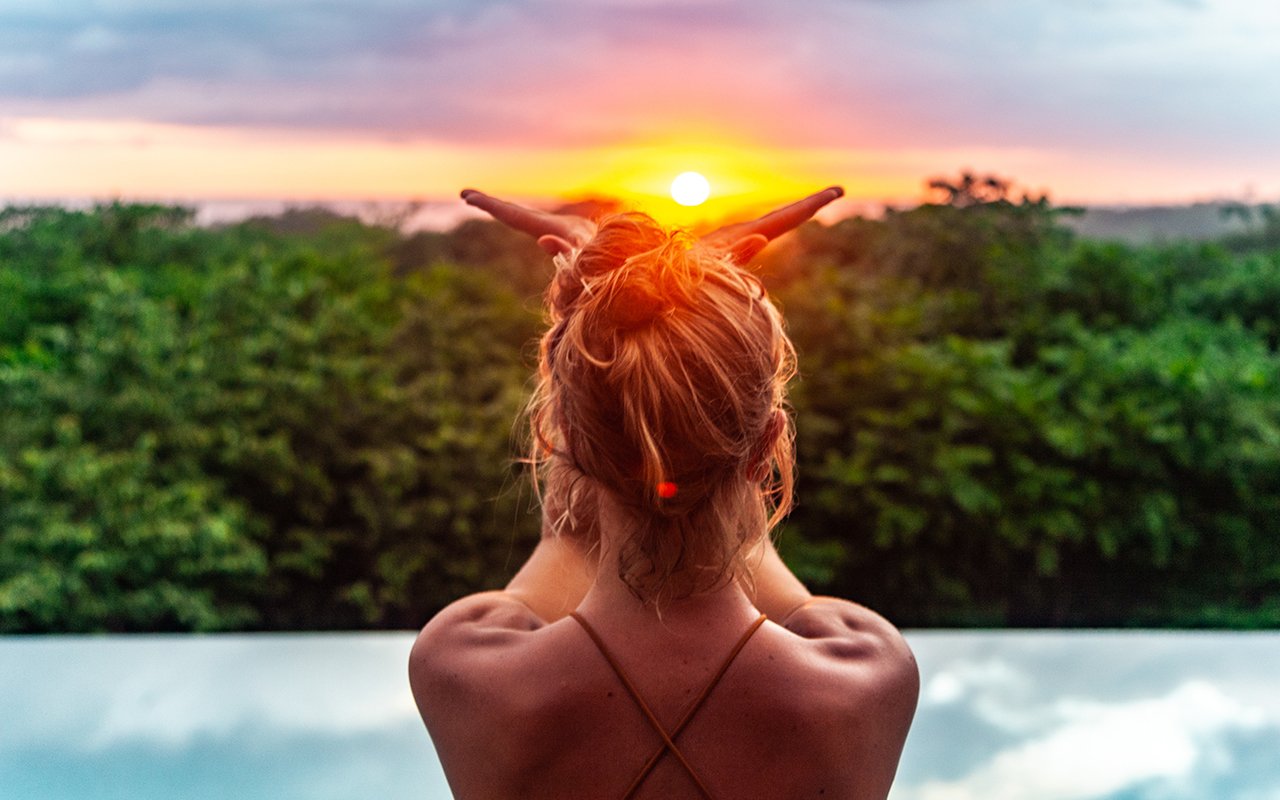
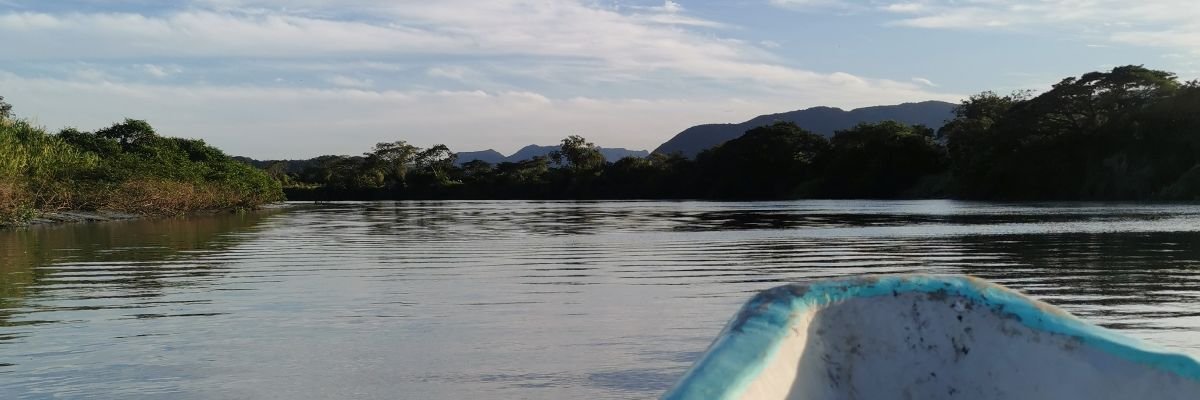
During our stay at Rancho Humo, we had the chance to board a small motorboat to explore the wildlife and riverbanks of the magnificent Rio Tempisque. We let ourselves be lulled by the gentle lapping of the water as our little boat glided along. We listened to the sounds of nature all around us—the breeze gently disturbing the natural stillness of the trees, the fish and possible crocodiles furtively emerging from the water to observe the day’s visitors, and, of course, the flapping of wings and songs of the many birds we encountered. And to top it all off, we witnessed a sunset of great beauty.
Tenorio – Volcano and Rio Celeste:
Stage Six: Tenorio!
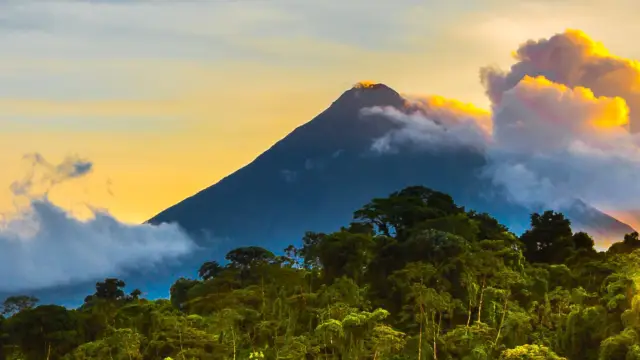
Our trip is slowly coming to an end, and we’re back on the road heading to the Tenorio volcano region in the north of the country!
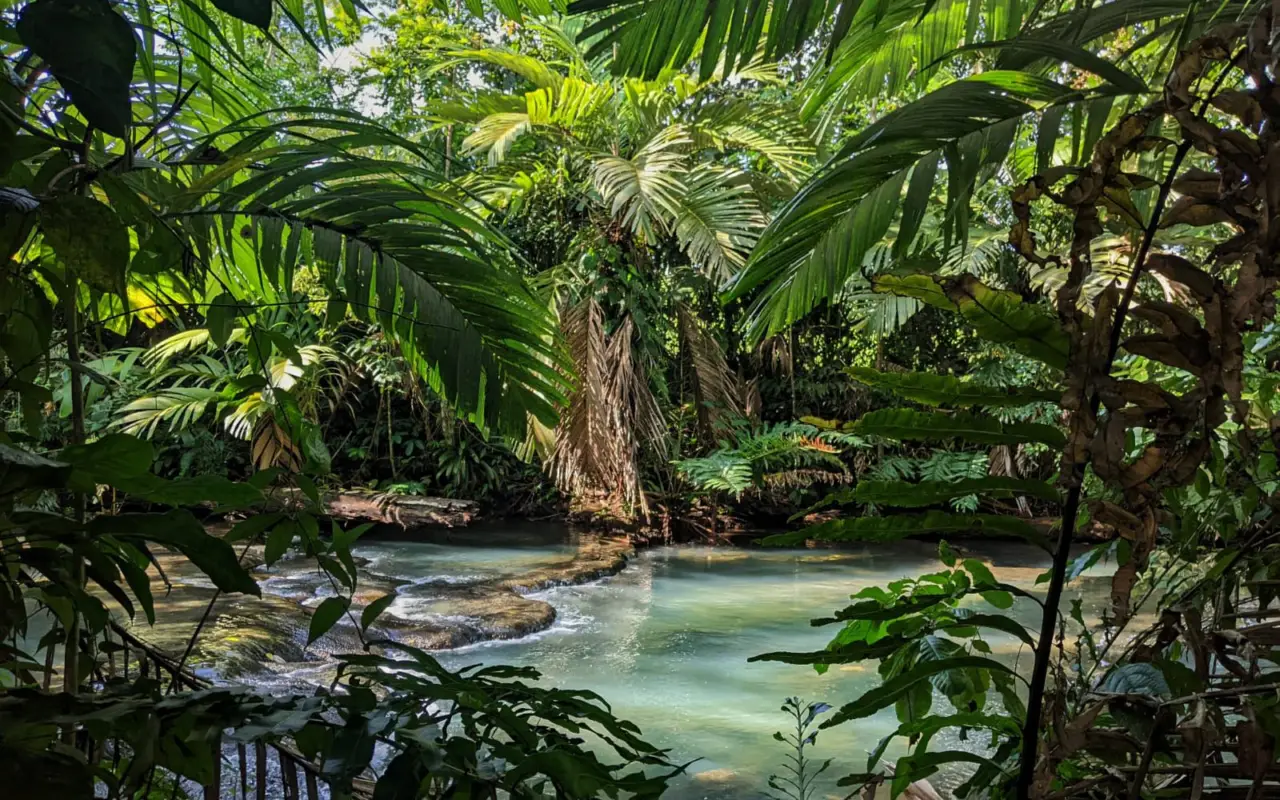
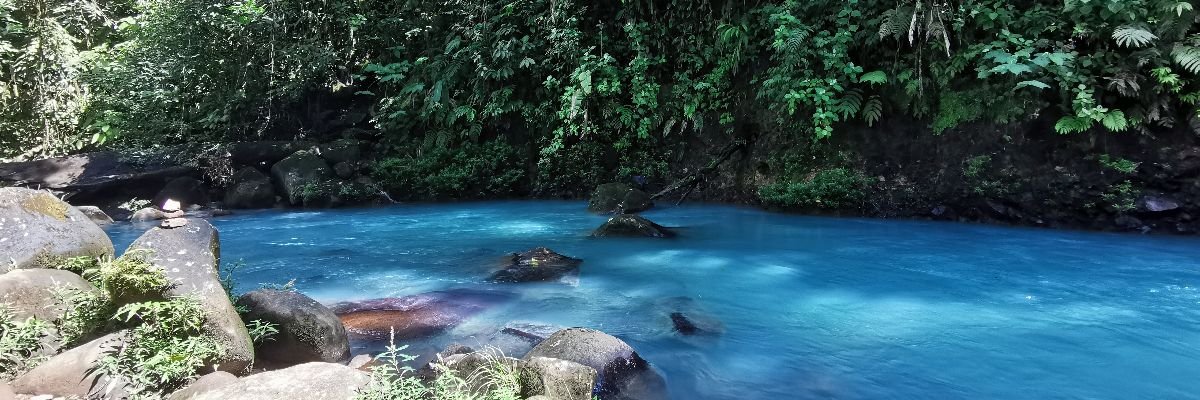
On the agenda: horseback riding in Tenorio National Park, swimming in the turquoise waters of the Rio Celeste, and wonderful encounters.
We arrive at Finca Mei Tai, where we’ll spend the night. Run by a charming Belgian couple, Cécile and Eric, who settled in the Tenorio region with their family nine years ago, Finca Mei Tai is much more than just a place to stay. Located between the Tenorio and Miravalles volcanoes , it naturally boasts a rich biodiversity of flora and fauna.
After receiving a warm welcome from the couple, we step into a true oasis spanning 40 hectares, where you might spot monkeys, all kinds of birds, amphibians, and much more… In fact, upon their arrival, Cécile and Eric immediately embarked on a reforestation project. They’ve planted hundreds of native trees and fruit trees, as well as 2,000 cacao trees, which they use to make their own chocolate (a real treat, by the way).
They’re also part of the government’s program toprotect tropical forests. A commitment from the very beginning! Cécile and Eric spoke to us with great passion about this gem of a place, Finca Mei Tai, which they continue to care for with love every single day.
The Poás Volcano —Costa Rica’s “Little Switzerland”: “Chalet and Fresh Air”
Seventh Stop: Poasito!
And since all good things must come to an end, we set off on our final leg through Costa Rica’s Central Valley. First, we head to the Poas Volcano region. Imagine our surprise when the temperature dropped by 15 degrees in just a few hours’ drive!
That’s right—Costa Rica also has a mountainous climate. Near our destination, we stop at Mirador Cinchona, a traditional restaurant offering an extraordinary view of a waterfall below and a wonderful taste of Costa Rican cuisine: on the menu,“casado” and“olla de carne”(the Costa Rican equivalent of pot-au-feu)—true classics!
We then set out on a short hike that allowed us to discover landscapes we’d never seen before in Costa Rica—similar to alpine pastures, with cows as an integral part of the scenery. We stayed at the Poas Volcano Lodge, a lovely place where the rooms are designed in the style of a mountain chalet, with a fireplace and a Christmas tree in the common room, as well as space heaters and thick blankets in the bedrooms. It reminded us a bit of the holiday atmosphere back home in France.
The next day, we head to the Poás Volcano, hoping to see the turquoise-blue water of the acidic lake at the heart of the crater, despite the fog we’re facing. We had to be patient; we strolled along the surrounding trails while we waited—and surprise!—the crater finally revealed itself.
Another highlight of this mountain getaway: Poas strawberries!
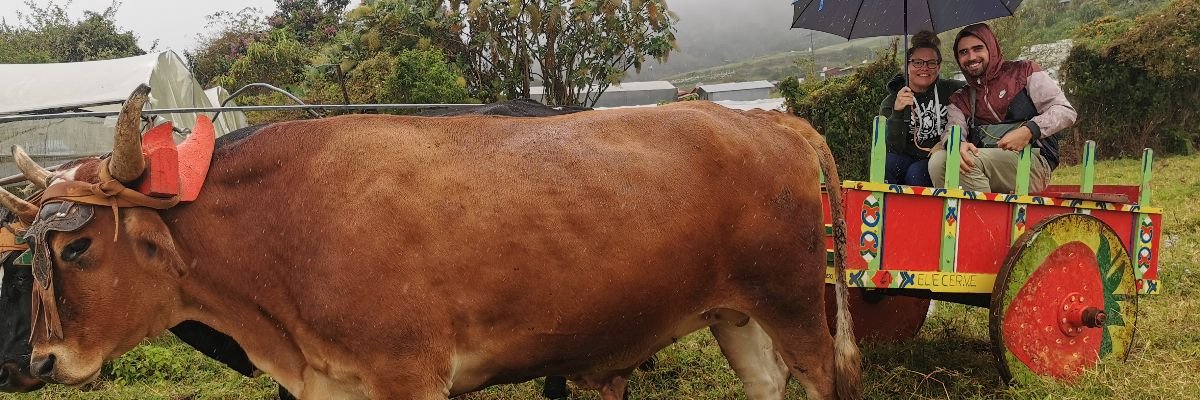
Yes, the region is famous for this delicious fruit. So we visited a strawberry farm. For over two hours, our guide first treated us to some delicious strawberry juice, then took us on a tour of the property—first on foot and then in a traditional ox-drawn cart. We learned more about how this fruit is grown, especially through cultural anecdotes. And what better way to understand just how much our guide loves these strawberries than by tasting the ones grown right here on the farm?
We spend our last night before returning to San José at the Chayote Lodge, a charming hotel offering breathtaking views of the Central Valley. We strike up a friendship with the staff, including the chef, with whom we watch the World Cup final the next morning.
We finally returned home after spending about ten days exploring this beautiful country, our heads filled with memories!
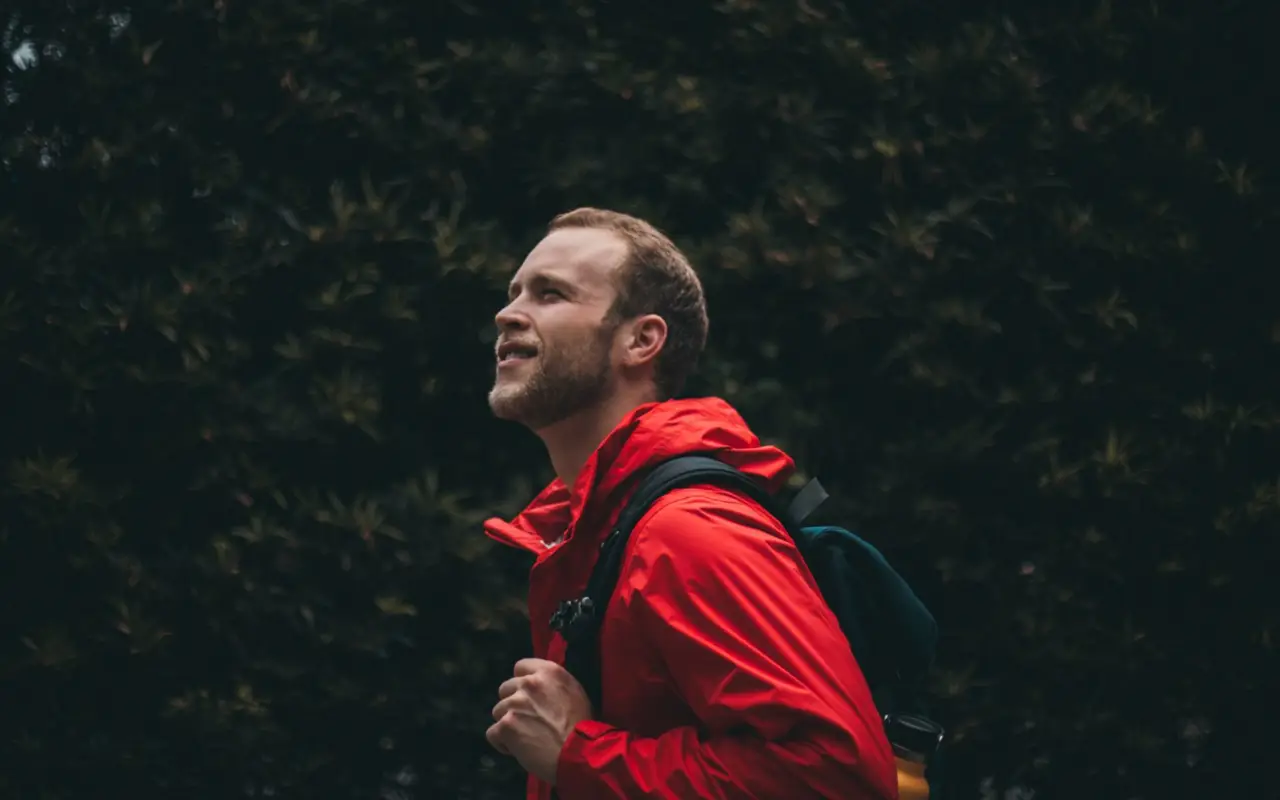
Camille and Cristo, travel agents at Terra Caribea
Regions visited: