As experts on Costa Rica, we’ll introduce you to Tortuguero and its alternatives, highlighting their attractions and limitations, so you can get an accurate picture of the experiences offered by these must-see destinations in the country.
Tortuguero and Alternatives to Costa Rica’s Wetlands
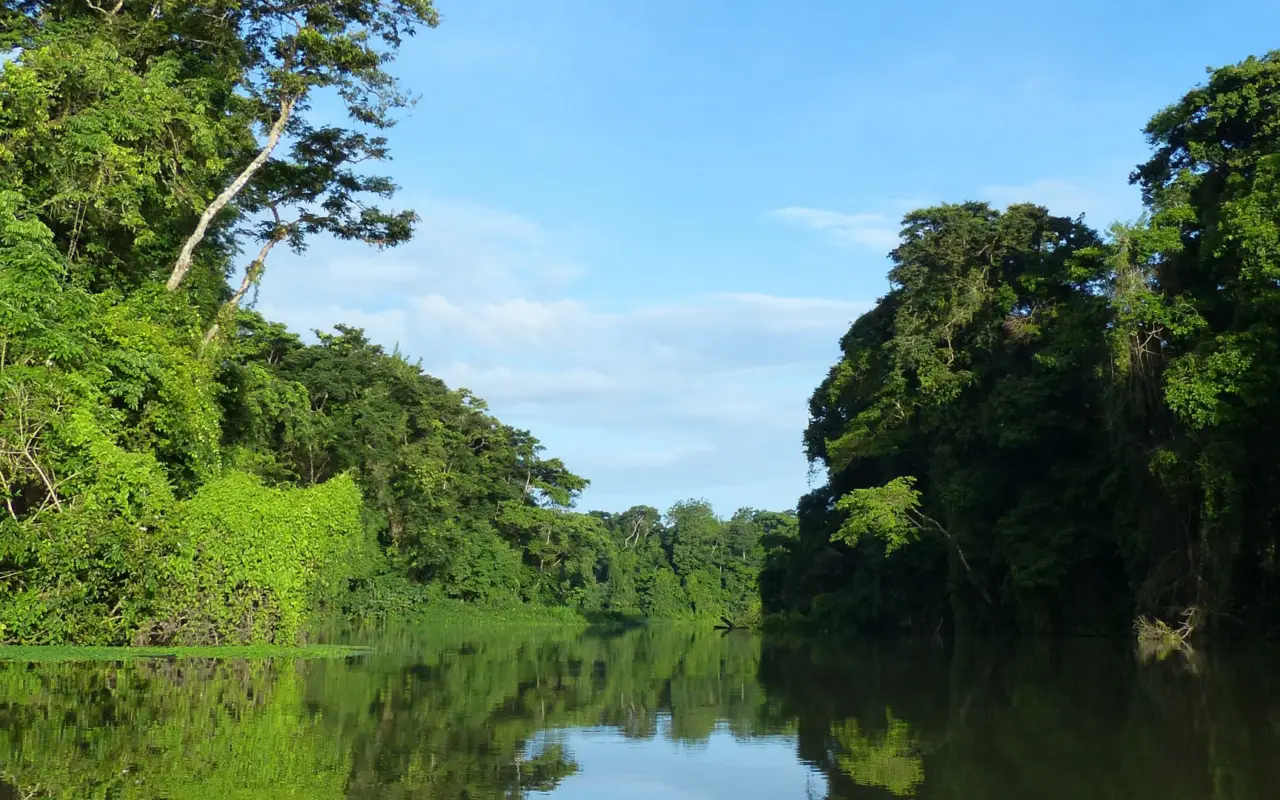
Tortuguero is one of Costa Rica’s most iconic natural regions, famous for its canals, mangroves, biodiversity, and sea turtle nesting grounds. But this remote and highly touristed destination isn’t the only option for exploring the country’s wetlands. Boca Tapada, Barra de Pacuare, Palo Verde, Caño Negro, and the Sierpe mangroves offer different experiences—sometimes more off the beaten path and better suited to certain itineraries. The choice will depend on your preferences, your itinerary, and your tolerance for the sometimes rustic conditions of these tropical environments.
Where is Tortuguero?
Tortuguero, an exceptional natural site in Costa Rica
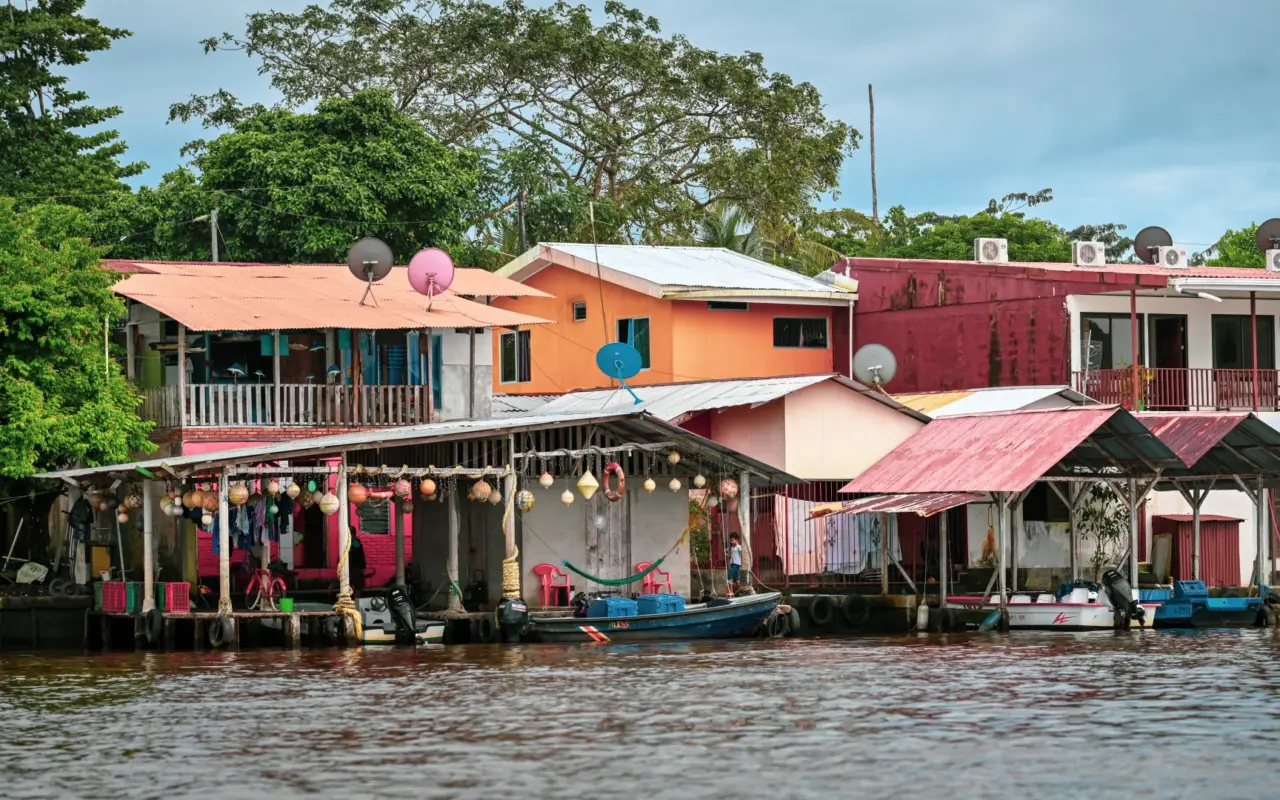
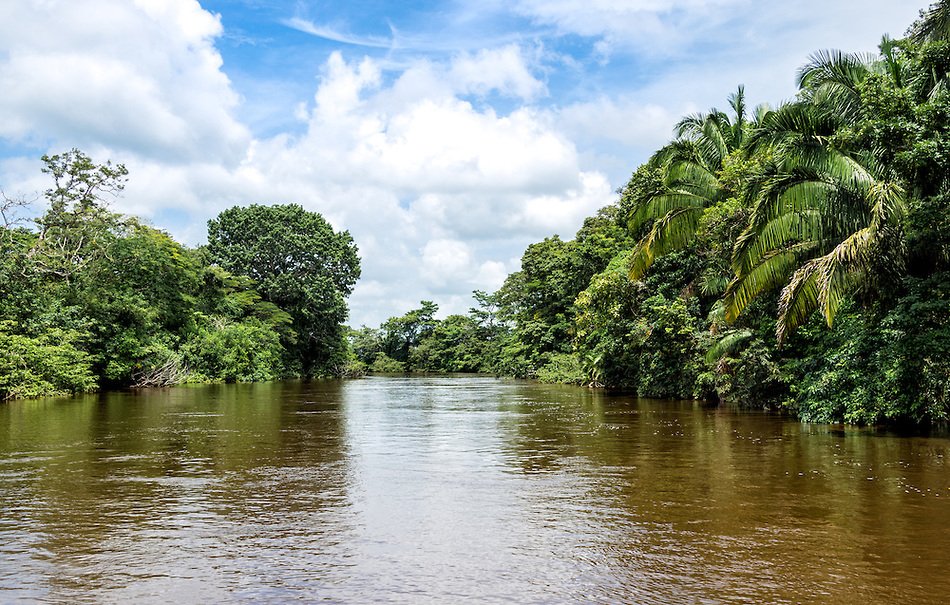
To begin with, we’ll introduce you tothe Tortuguero region, located on Costa Rica’s northernCaribbean coast. Typically, when people talk about Tortuguero, they’re referring to a small, traditional village, isolated in the heart of a dense mangrove forest and accessible only by boat via the various canals that crisscross this lush ecosystem.
Why is Tortuguero compared to the Amazon?
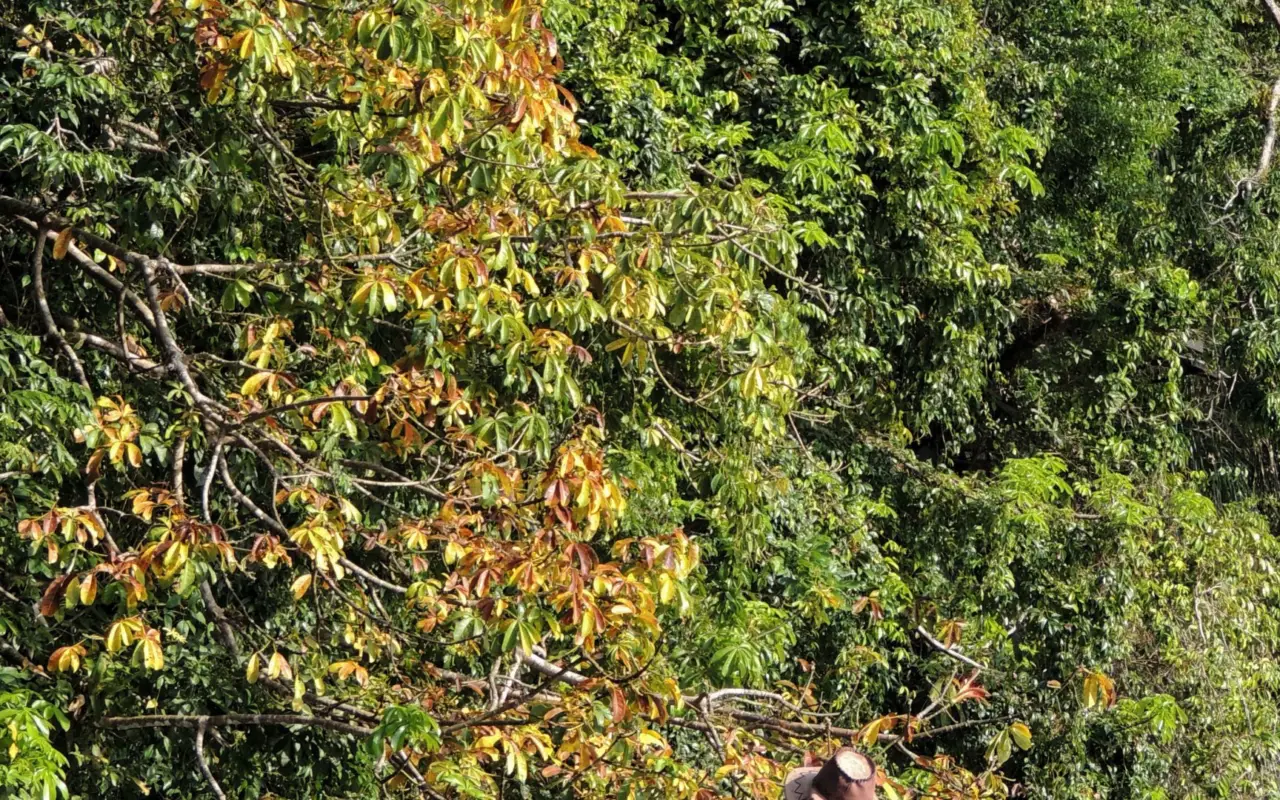
The reason this site is particularly famous today is due to the development of Tortuguero National Park, which offers the experience of immersing oneself in this unique environment, with its exceptionally rich biodiversity—which people often compare to that of the Amazon. Indeed, as a vast wetland dominated by mangroves and tropical jungle, the Tortuguero region boasts fascinating features that, much like the Amazon, allow visitors to observe exotic flora and fauna endemic to these ecosystems.
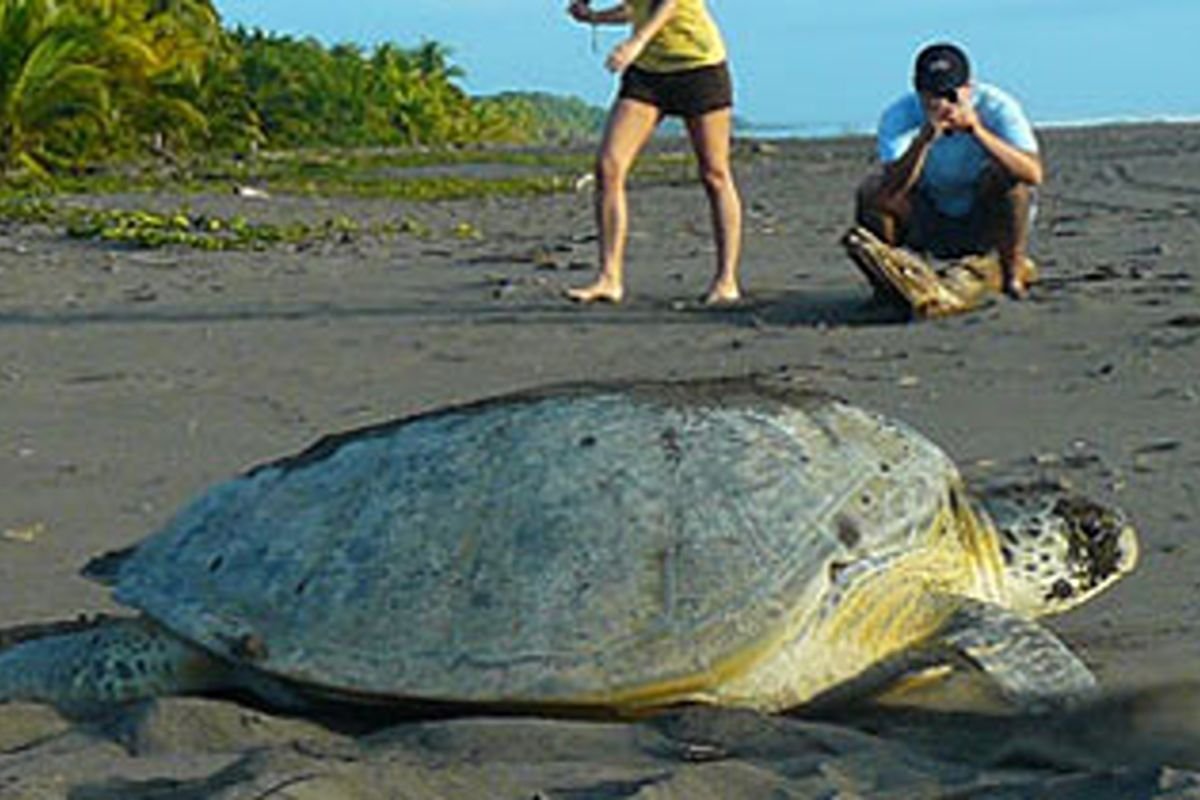
Today, Tortuguero can be considered a must-see destination for travelers seeking a comprehensive view of Costa Rica, as it serves as a perfect example of a mangrove environment. Furthermore, this stop fits well into an itinerary starting from San José, as most accommodations in Tortuguero include transportation from the capital, making it easy to reach this remote and truly exotic region. For us, it’s the ideal first stop to soak up the atmosphere of Costa Rica and begin your trip with a deeply moving experience surrounded by breathtaking nature. It’s also worth noting that the region is famous for sea turtle nesting, with turtles arriving regularly from July through October.
For more information: “Leatherback Turtles: An Exceptional Species in Costa Rica That Must Be Preserved!”
Tortuguero – A Brief Practical Guide
Why visit Tortuguero?
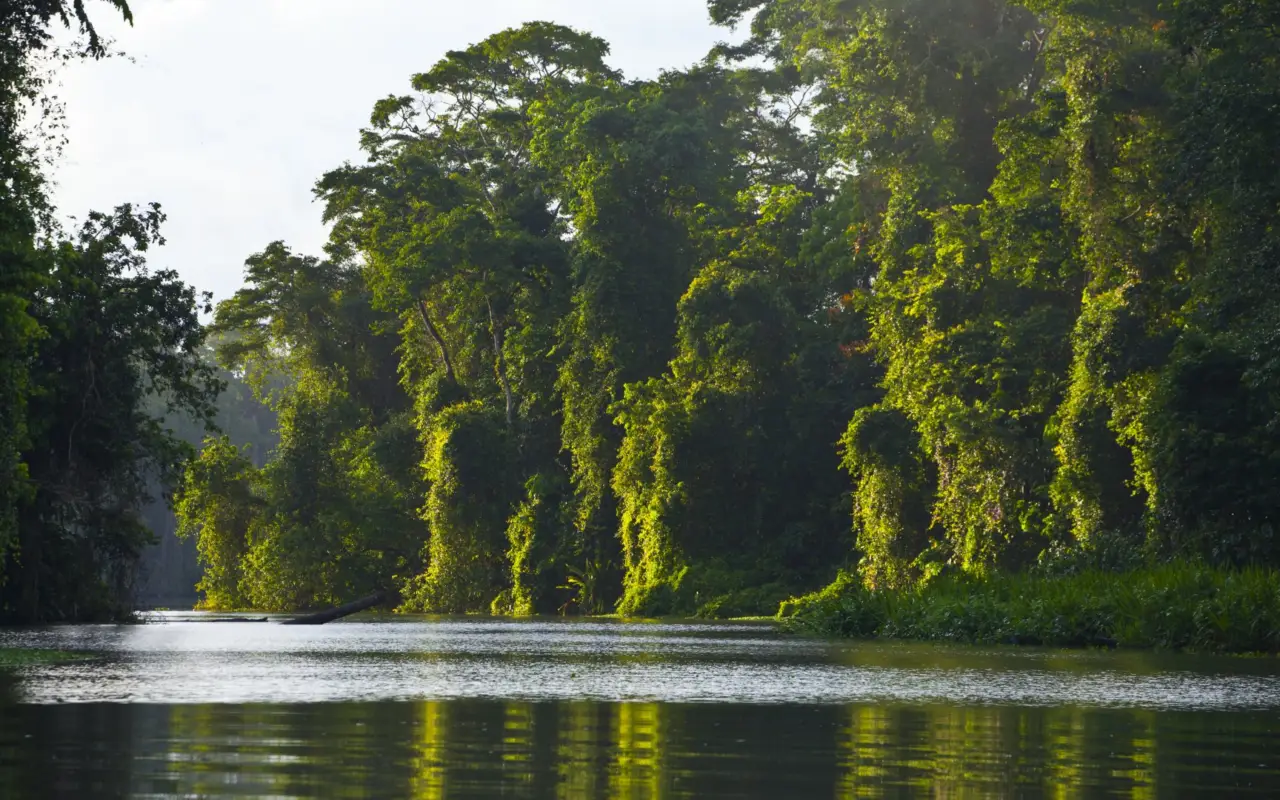
Tortuguero offers a total immersion in Costa Rica’s unique mangrove ecosystem. It’s one of the few places in the world where you can navigate through a network of natural canals surrounded by lush tropical vegetation.
Must-sees:
- Sea turtle watching (July through October)
- Boat tour through the mangrove canals
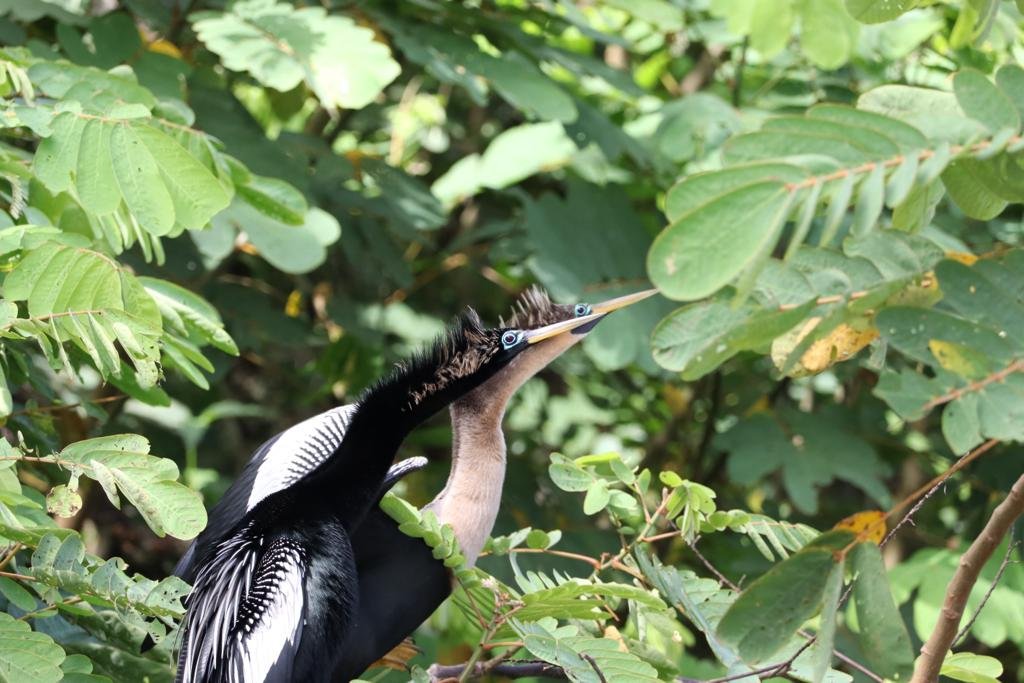
- Discovering exceptional biodiversity: sloths, monkeys, iguanas, crocodiles, and more than 300 species of birds
- Exploring a traditional village accessible only by boat or plane
What are the drawbacks to be aware of?
- High cost: an expensive stop despite rustic accommodations
- Large crowds of tourists during the dry season (December through April)
- Accessible only by boat or plane (no roads)
- Weather conditions: constant humidity, possibility of rain
What kind of traveler is Tortuguero best suited for?
Perfect for:
- Travelers curious about nature
- Adventurers seeking authenticity
- Wildlife lovers willing to accept the challengesof the naturalenvironment
- Families with children (suitable for all ages)
- People looking to completely disconnect
Less suitable for:
- Travelers seeking modern comforts
- People who are uncomfortable with humidity and insects
When is the best time to visit?
Best time to visit: July through October
- Lush nature thanks to the rainy season
- Canals are full, making for optimal navigation
- Sea turtle nesting season
- Fewer tourists than during the dry season
Other periods:
- December through April: less rain but more tourists
- May–June: transition period, a good compromise
How long should you stay in Tortuguero?
Recommended length of stay: 2 to 3 nights
Sample itinerary:
- Day 1: Arrival and first boat tour
- Day 2: Visit to the national park, hike, tour of the village
- Day 3: Turtle watching (if in season), walk on the beach, departure
How to get to Tortuguero?
Option 1: Boat from Caño Blanco/La Pavona
- Ground transportation from San José (3 hours) + boat (1 hour 30 minutes), more economical
Option 2: Plane from San José
- 30-minute flight; more expensive but saves a considerable amount of time
Where to Stay in Tortuguero?
Types of Accommodations:
- Eco-tourism lodges: rustic comfort, surrounded by nature
- Family-run hotels in the village
- Cabinas: budget option
Good to know: There is no luxury accommodation; the focus is on the nature experience.
What are the must-do activities in Tortuguero?
Must-do activities:
- Boat tour through the canals (wildlife viewing)
- Hike through the national park
- Tour of the village and its turtle museum
- Night tour to watch turtles (July–October)
- Walk along Caribe Beach
What animals can you see?
Land wildlife:
- Two-toed and three-toed sloths
- Monkeys (howler, capuchin, squirrel)
- Green iguanas
- Colorful frogs
Aquatic wildlife:
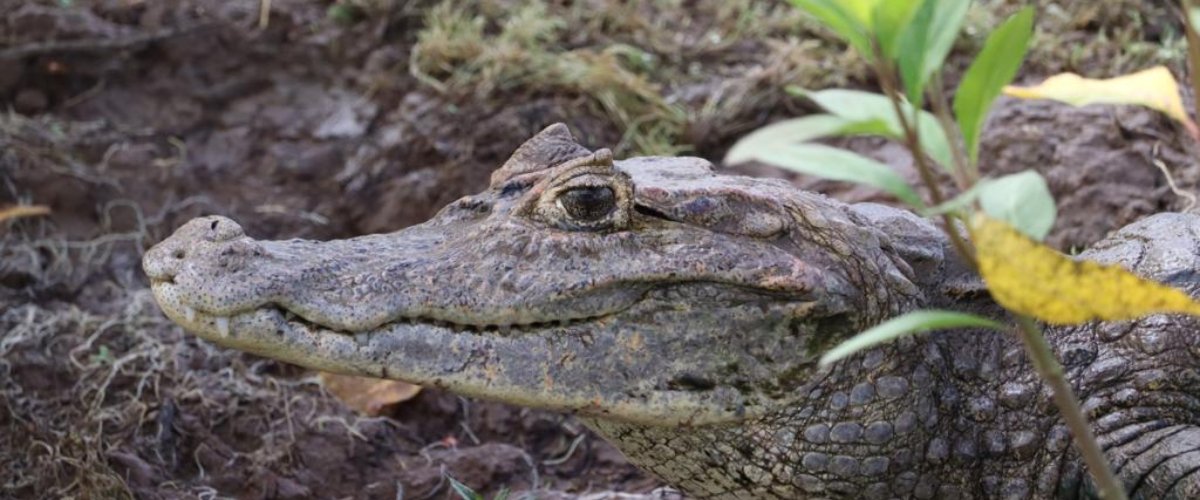
- American crocodiles
- Caimans
- Manatees (more rare)
- Sea turtles (nesting season)
Birds:
- Toucans
- Green macaws
- Herons
- Kingfishers
- More than 300 species recorded
How much should you budget?
Estimated cost per person for 2–3 days:
- Transportation: $80–150 (depending on the option chosen)
- Lodging: $60–120 per night
- Meals: $25–$40 per day
- Activities: $20–$50 per excursion
Approximate total: $300–$500 for 2–3 days
Practical Tips
Whatto bring:
- Strong mosquito repellent
- Waterproof clothing
- Waterproof hiking shoes
- Waterproof bag for gear
- Binoculars for wildlife viewing
Note:
- No ATMs in the village
- Limited internet access
- Power outages sometimes occur at night
- Please follow the national park rules
Reservations recommended: Especially during peak season (December–April) and for turtle watching.
What to Know Before Visiting Tortuguero in 2026
In 2026, Tortuguero National Park remains one of Costa Rica’s must-see destinations for exploring the Caribbean coast’s waterways and observing exceptional biodiversity. The park is accessible from La Pavona, from where visitors can reach the village of Tortuguero by boat.
Since visiting conditions and fees are subject to change, it is recommended that you check SINAC’s information before departure and reserve your admission through the official system when required. The park is open daily, with visiting hours divided between the morning and afternoon.
The sea turtle nesting season remains one of the region’s major attractions. However, observation is strictly regulated to limit the impact of tourism on the animals and their nesting sites. During the beach protection period, from March 1 to October 31, beach access is prohibited between 6:00 p.m. and 6:00 a.m. Turtle-watching excursions must be conducted in accordance with the rules established by the park and with authorized guides.
For a different kind of experience, Cerro Tortuguero, located near the village, is also an interesting option. This site offers beautiful views of the forest and the surrounding wetlands. Visits are organized under a regulated framework, requiring advance reservations and mandatory guidance by a tour guide.
Our tip: Tortuguero remains a particularly interesting stop for travelers wishing to explore the ecosystems of the Caribbean coast, but it’s best not to choose this destination solely to see turtles. Tortuguero’s appeal also lies in its canals, rainforests, and wildlife. If your itinerary doesn’t coincide with the nesting season, or if you’re looking for a more intimate experience, other wetlands in Costa Rica can be excellent alternatives.
Alternatives to Tortuguero for experiencing wetlands off the beaten path
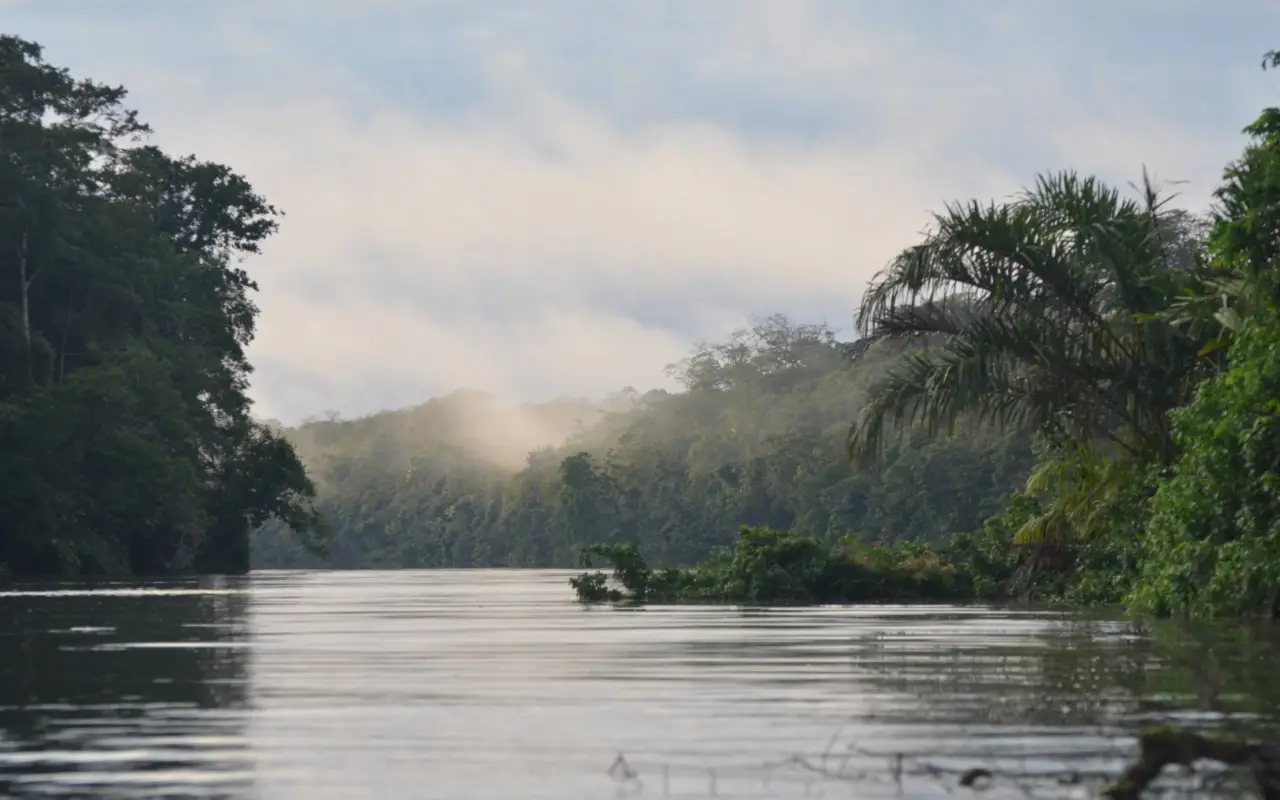
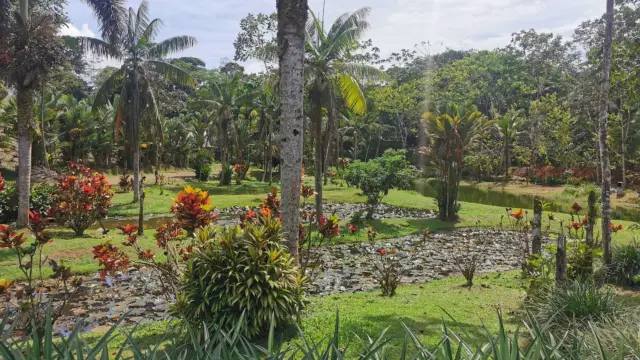
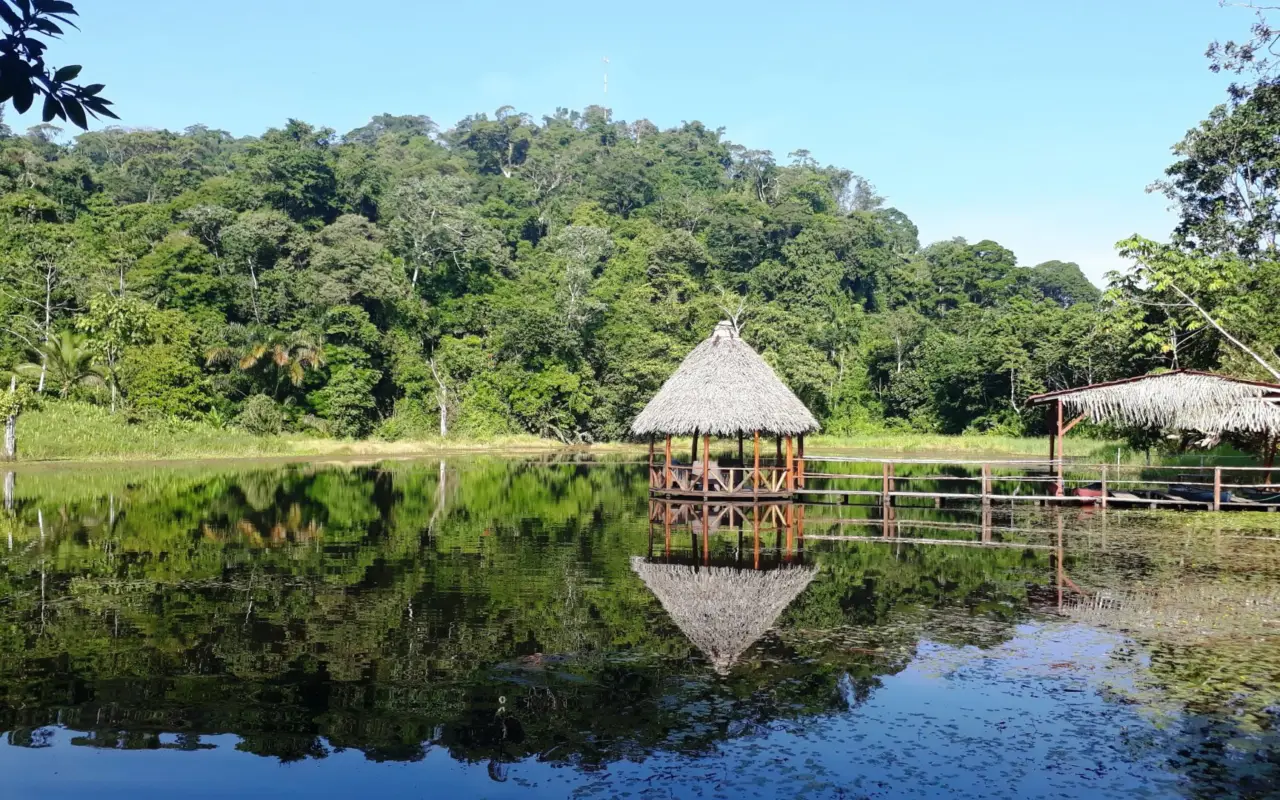
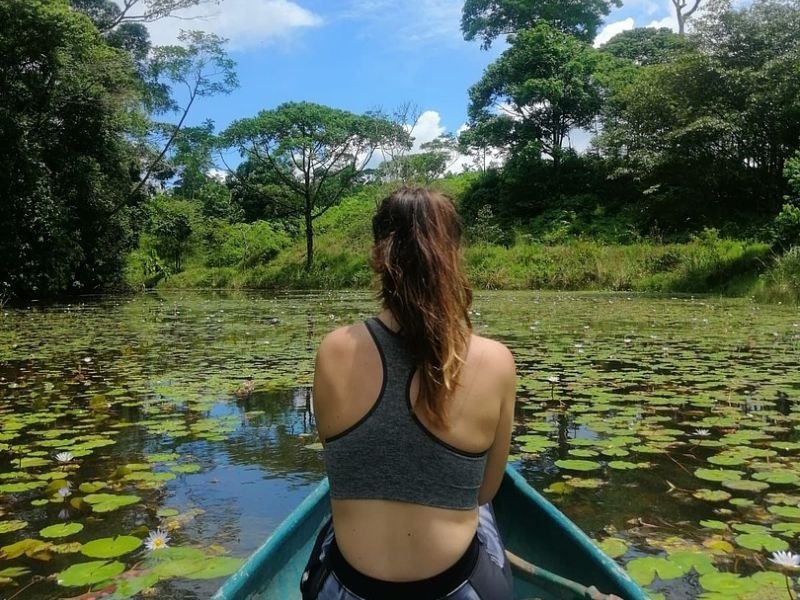
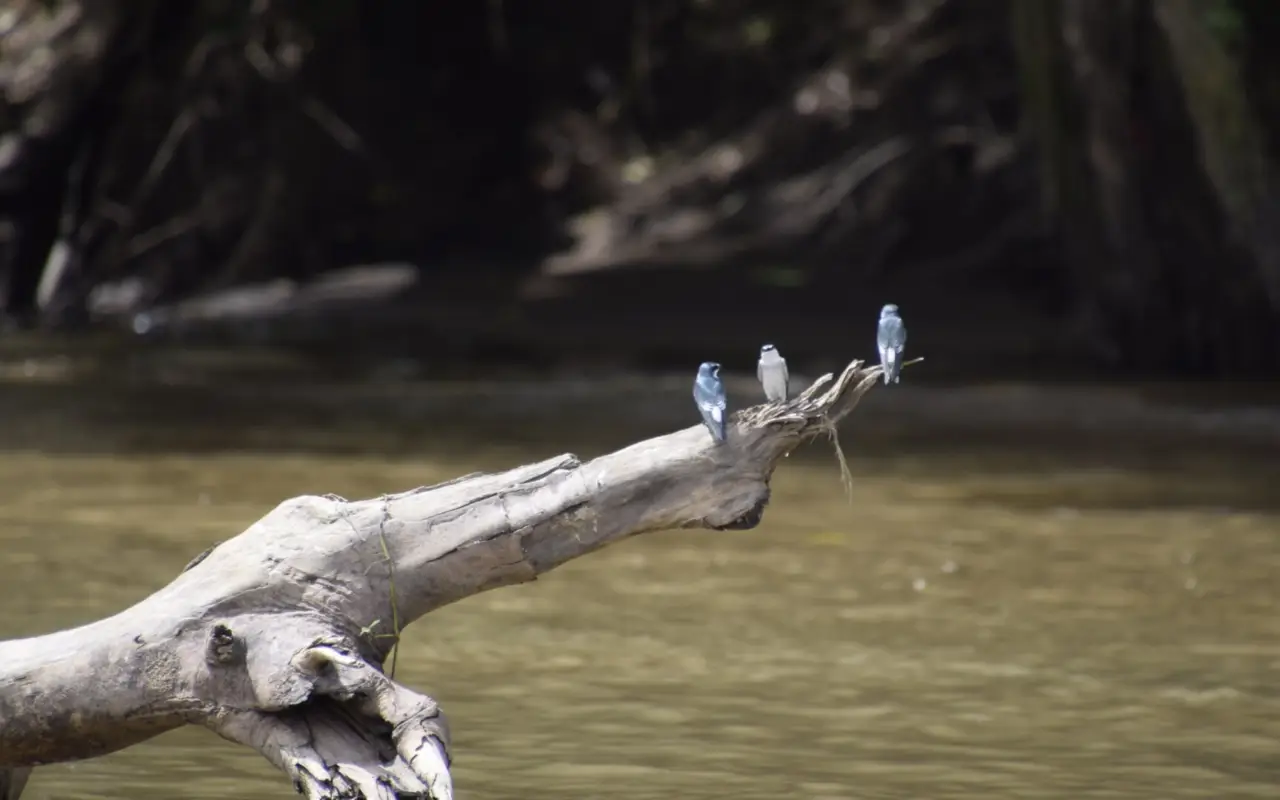
Now, because of these characteristics, the Tortuguero region is among the most expensive in Costa Rica, as it necessarily involves full-board accommodations and additional costs to consider (transfer, local guide, national park entrance fee, etc.). That’s why we also like to offer our clientsalternatives , such as the Boca Tapada region, located upstream along the San Juan River, which forms the border with Nicaragua and feeds the Tortuguero Delta. It is another wetland area, located further inland, that offers the opportunity to enjoy similar activities, such as a floating safari through winding waterways.
Trip to Boca Tapada
- Pros: an authentic wetland offering a pleasant living environment that’s more affordable than Tortuguero
- Cons: a lush environment, but not strictly speaking a mangrove ecosystem
- Ideal for: curious travelers, adventurers, nature lovers (who appreciate its challenges)—suitable for all ages
- Best time to visit: Avoid September and October, as heavy rains can make access to the village of Boca Tapada difficult
- Optimal length of stay: 1 to 2 nights to take a floating safari on the San Carlos River, followed by a hike in a local nature reserve if desired
Sample itinerary in Costa Rica that includes Boca Tapada
Alternatives South of Tortuguero
Another alternative to Tortuguero would be the Barra Pacuare area, located south of Tortuguero and sharing the same ecosystem—a mangrove-dominated wetland atthe mouth of a major Costa Ricanriver , which feeds a network of lagoons and canals.
The advantage of these two alternatives is that they can serve as the first leg of a complete loop through the country and are more economical.
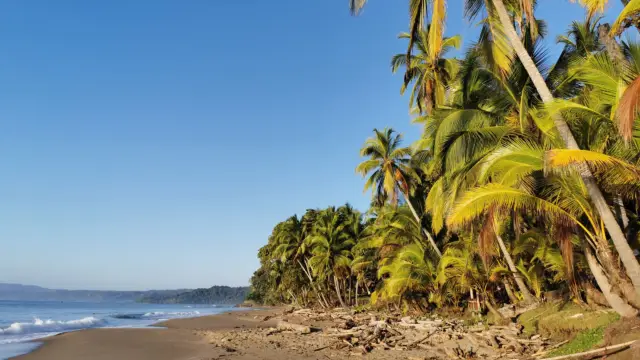
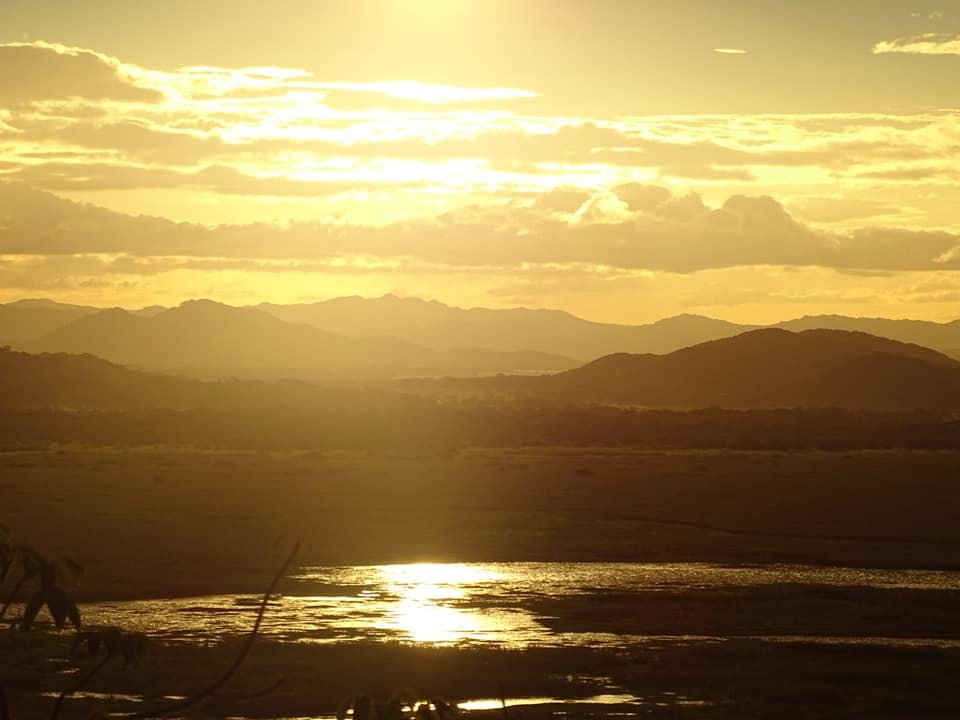
However, there are other interesting wetlands in Costa Rica, such as the Palo Verde National Park area, which is notable for its location straddling the influence of the dry tropical forest—a very unique ecosystem—and the tropical rainforest. This region can serve as a stopover, particularly when traveling to the province of Guanacaste.
A Trip to Palo Verde
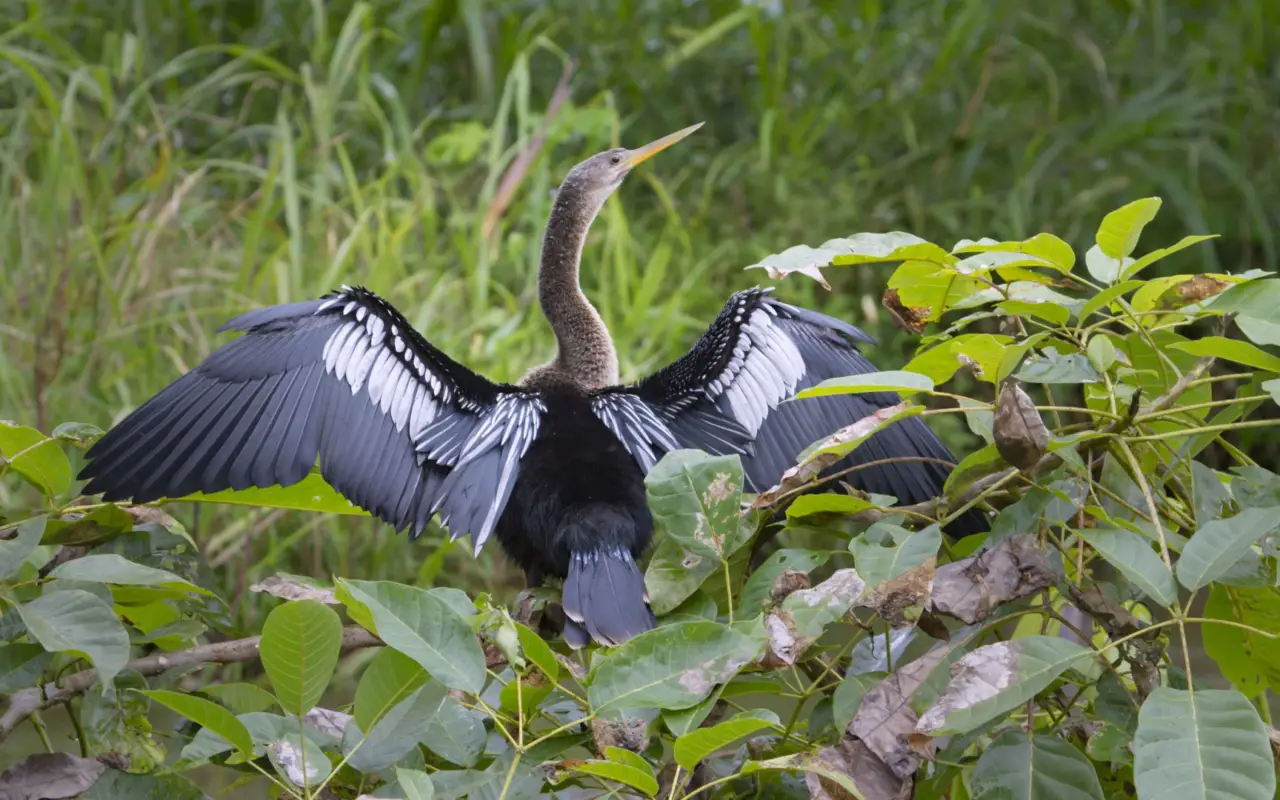
- Pros: A unique naturalsite in Costa Rica, a wetland comparable to the Camargue (a delta-shaped floodplain that attracts large numbers of migratory birds).
- Cons: The national park is fairly remote and not the easiest to navigate; there are few lodging options nearby.
- Ideal for: birdwatchers, experienced hikers
- Best time to visit: November through April, during the dry season, for those who don’t like rain; May through September for those who want lush vegetation
- Optimal duration: 1 to 2 nights to take a river safari on the Tempisque River followed by a hike in Palo Verde National Park
Example of a route through Palo Verde

The Caño Negro Region
Another interesting region, comparable to the Palo Verde area, is the Caño Negro region in the north of the country—another floodplain that is particularly appealing to birdwatchers. However, this site is more difficult to incorporate into a typical tourist itinerary, so it’s best suited for enthusiasts seeking a specific experience.
More information: The Authentic North of Costa Rica by Milena and Céline of Terra Caribea

Mangroves in the Sierpe Region
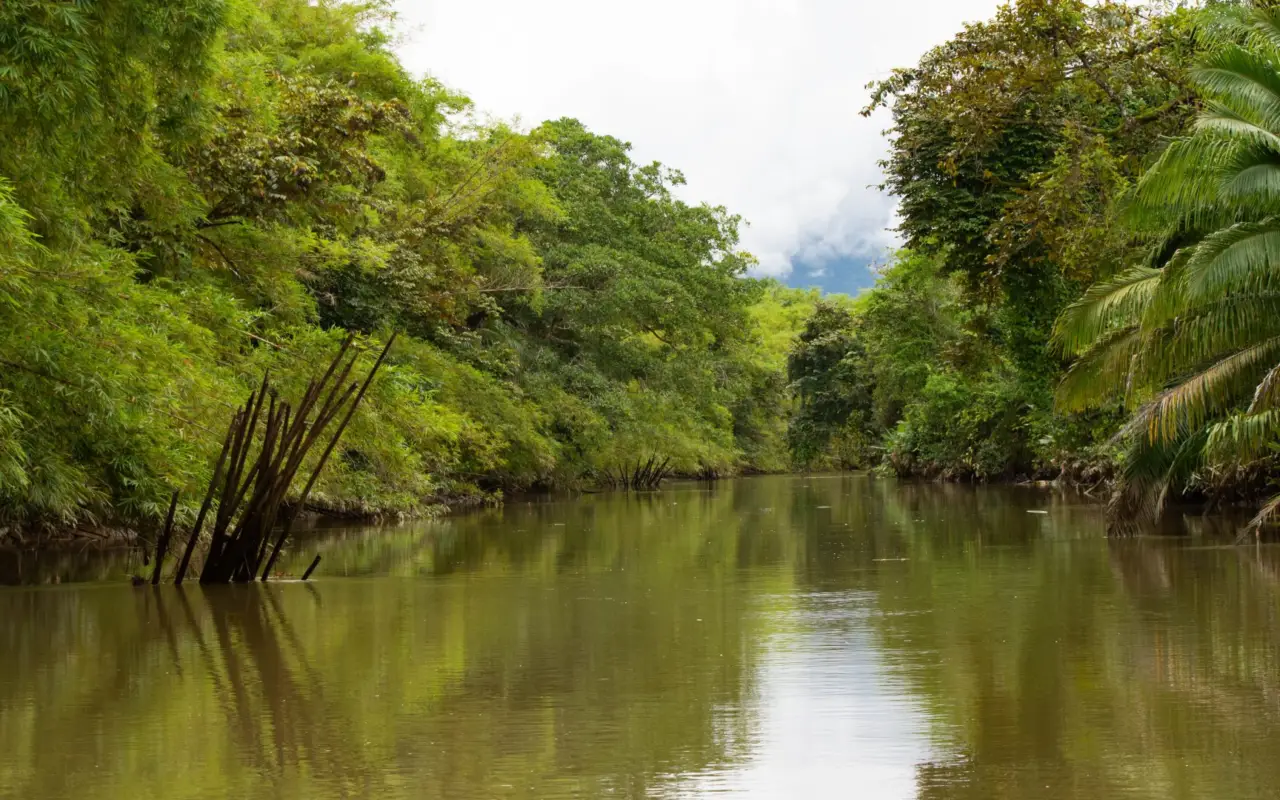
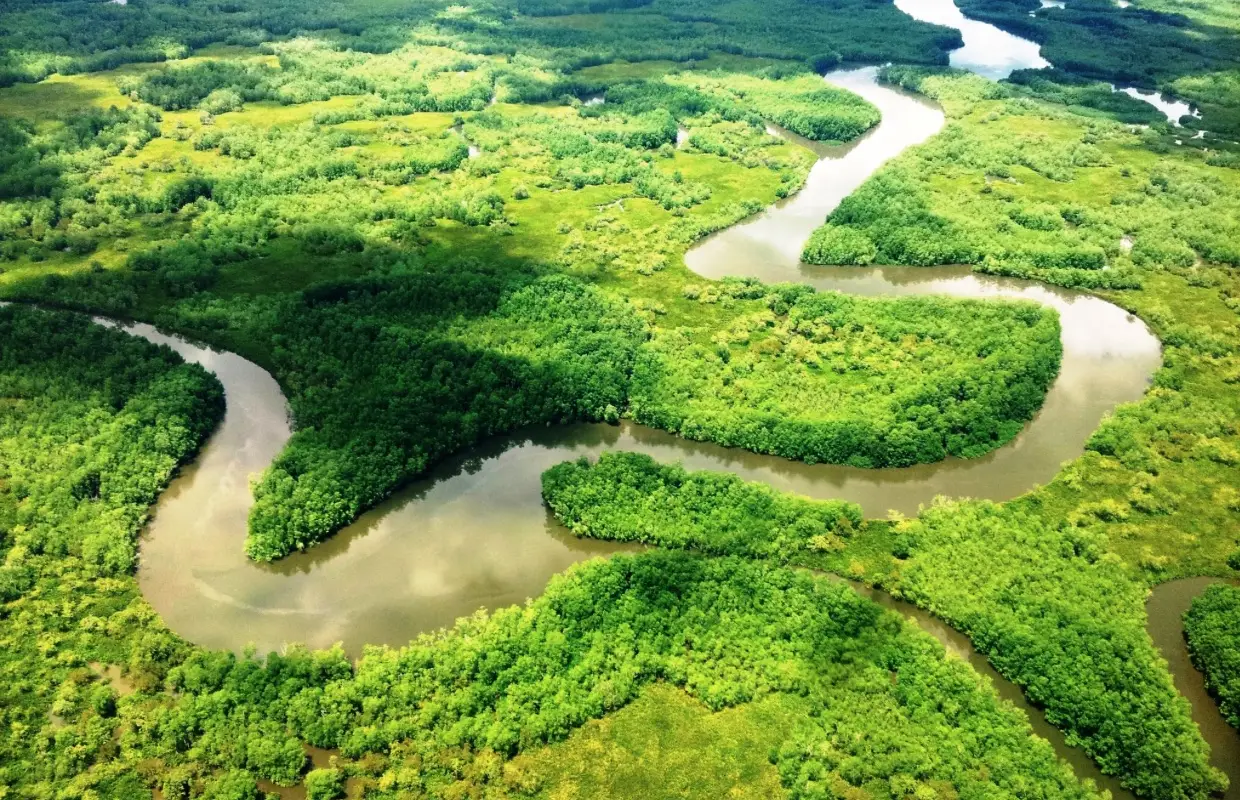
Finally, when discussing Costa Rica’s mangroves, one cannot overlook the Sierpe region on the Pacific coast, home to the country’s second-largest mangrove forest. This exceptional natural site is less well-known than Tortuguero, but it’s an impressive mangrove forest that you’ll inevitably pass through on your way to Bahia Drake, the gateway to Corcovado National Park! However, at Terra Caribea, we don’t offer accommodations strictly within the Sierpe mangrove itself; the best option is to stay, for example, in Ojochal, a small beach resort on the southern Pacific coast, and take a day trip to the Sierpe mangroves (also possible from Uvita).
Factors to consider:
Off-the-beaten-path destinations for adventurous travelers
Of course, it’s worth noting that these wetlands and mangrove regions are best suited for more adventurous travelers seeking to immerse themselves in nature, even under sometimes challenging conditions: intense heat and humidity, large numbers of mosquitoes, and limited access to electricity and the Internet… These are the hallmarks of Costa Rica’s rustic, particularly authentic regions.
As a result, another way to discover the vastness and scale of the mangrove channels in Sierpe or Tortuguero is to view them from the sky during a domestic flight between the capital and these remote regions of Costa Rica.
At Terra Caribea, we generally offer this option to facilitate the return to San José and provide one last breathtaking experience for our travelers, who—after having traveled the country by road—will take to the skies and appreciate the richness of Costa Rica’s landscapes from a small plane. We therefore rarely offer this option for Tortuguero, which is usually at the start of your trip; however, it may be worth including it for a return trip from Drake Bay, Puerto Viejo de Jiménez, or Golfito—the three main tourist destinations on the Osa Peninsula and in the Golfo Dulce.
If you, too, would like to experience nature up close and discover Costa Rica’s mangroves and wetlands, contact us and our travel agents will craft a custom itinerary perfectly tailored to your preferences!
Written by Cristo, a young writer at Terra Caribea
Sources and References
To learn more about the information presented in this article, we recommend consulting the following institutional and specialized sources:
- SINAC – Sistema Nacional de Áreas de Conservación: official information on Costa Rica’s national parks and protected areas.
- ICT – Instituto Costarricense de Turismo: official tourism information on Costa Rica’s regions and destinations.
- Tortuguero National Park: information on the biodiversity, waterways, activities, and conservation of this ecosystem.
- Terra Caribea: expertise and on-the-ground experience from our local team, which specializes in creating custom trips to Costa Rica.
Practical information and access conditions may vary depending on the season, weather conditions, and local regulations. We recommend that you check official information before your departure.