Learn about the history of Nicoya, in Guanacaste
The Partido de Nicoya was a region with a certain degree of political autonomy. After Central America gained independence from Spain in 1821, this region enjoyed a period of partial autonomy.
On September 15, 1821, the provinces of Central America, including the Partido de Nicoya, seceded from Spain. Subsequently, the Partido de Nicoya remained under the jurisdiction of the Provincial Council of Nicaragua, as it had been part of the Intendancy of León since 1787. However, on July 25, 1824, the Partido de Nicoya voluntarily chose to join Costa Rica during a public meeting known as a cabildo abierto.
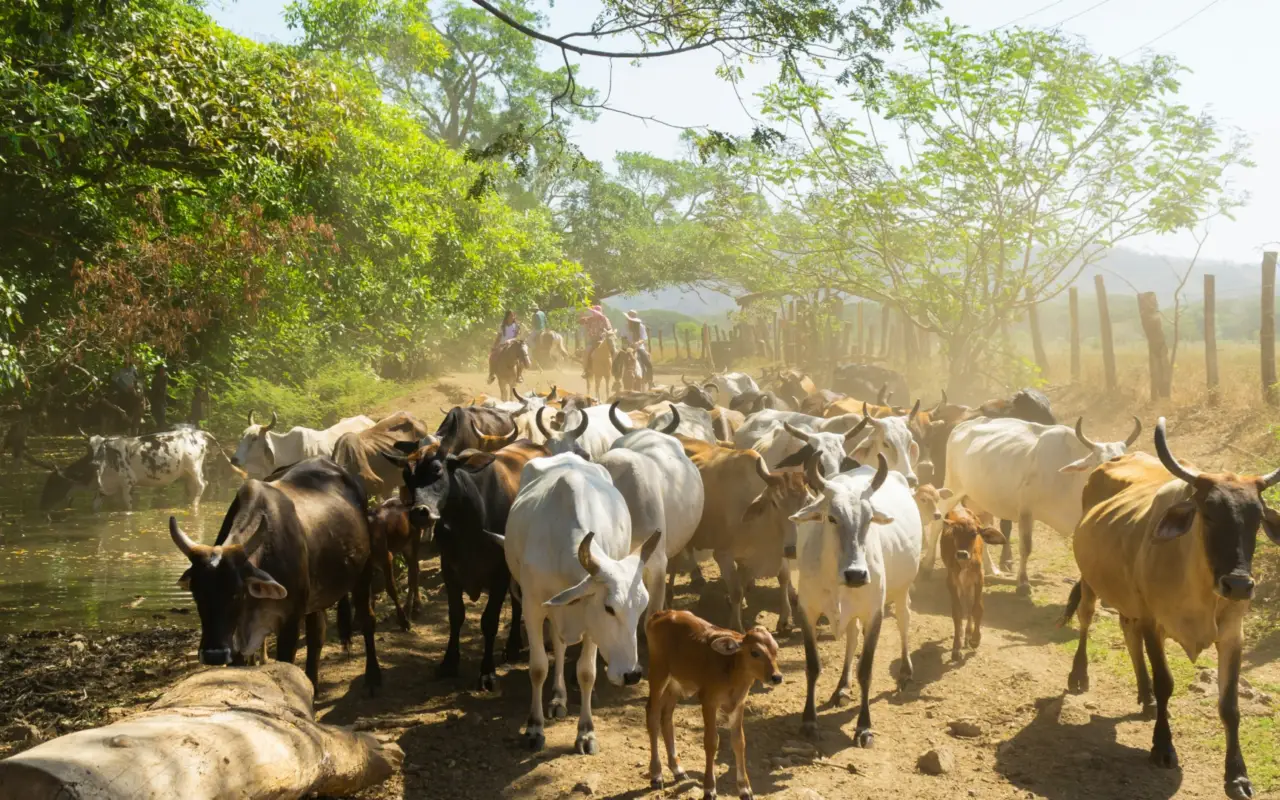
So, to the north was the Government ofNicaragua, to the south the Government ofCosta Rica, and in between: thePartido de Nicoya(roughly corresponding to present-day Guanacaste). This territory had belonged to Costa Rica for one period and to Nicaragua for another, but, curiously, had existedautonomously for 180 years(crazy, isn’t it?). So, onJuly 25, 1824, through a popular assembly,the inhabitants of the Partido de Nicoya decided to declare their allegiance to Costa Rica.
July 25 is a holiday in Costa Rica; we joyfully celebrate Guanacaste for all the cultural and natural riches it has contributed to Costa Rican culture. But so as not to bore you with any more historical facts, let me show you in pictures what I mean by “riches”:
Traditional dishes served during the annexation of Nicoya
Tortillas
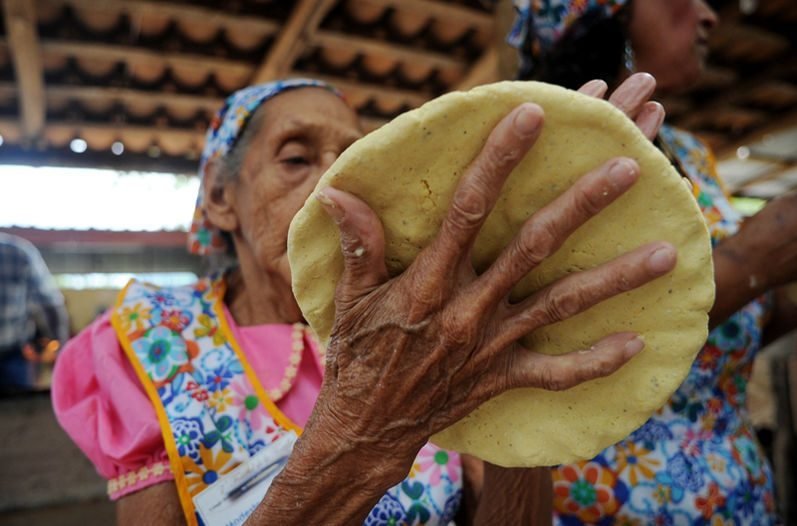
It may not be the dish that best represents Guanacaste’s culture, but it’s definitely one of my favorites. What sets the Guanacaste tortilla apart from all other tortillas is how it’s made. I wouldn’t dare try to explain the technique (obviously because I certainly haven’t mastered it), but I strongly encourage you to see it for yourself during your visit to Costa Rica.
They can be made from purple corn, called pujagua, which gives the tortillas a purple color. This corn comes directly from the Guanacaste region.
The local drink
Coyol wine, typical of the Guanacaste region, is an artisanal beverage made from the sap of the coyol palm. Its mild, sweet taste may seem harmless, but beware: it’s a treacherous drink that quickly goes to your head!
Music and Dance
Tambito is the traditional music of Guanacaste. Characterized by the use of the marimba, tambito celebrates love, joy, and country life. Below, I invite you to discover “Caballito Nicoyano,” a must-hear in Costa Rican folklore.
Traditional dances were adopted as national folklore, in part because the country did not have a clearly defined folklore tradition at the time it was forging its cultural identity.
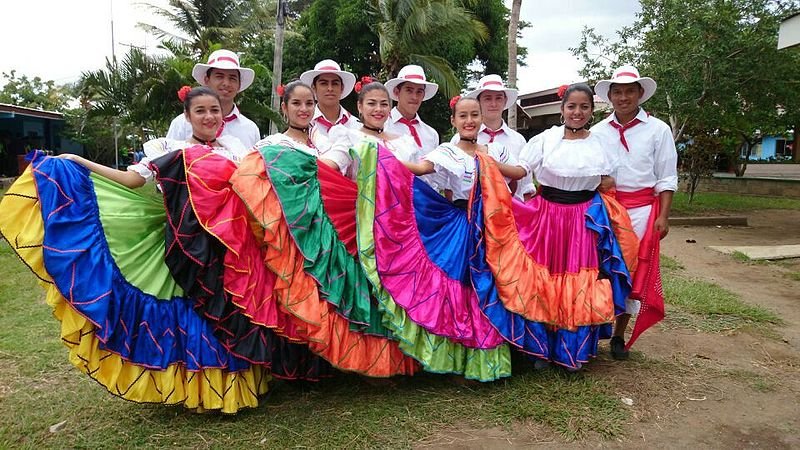
A little local anecdote: “At evening gatherings or folk festivals, you sometimes hear ‘coplas’ and ‘retahilas’—rhymes recited at breakneck speed, like a song without music. Part wordplay and part vivid expression of everyday life, they convey culture with humor and spontaneity.”
Click here to discover the dances and music of Costa Rica.
Our tours to explore the Guanacaste region
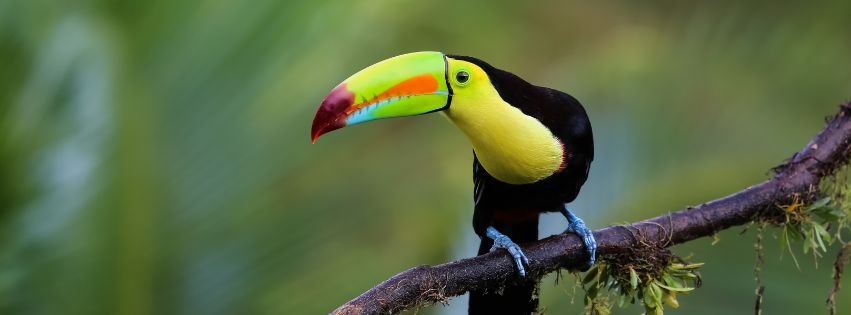
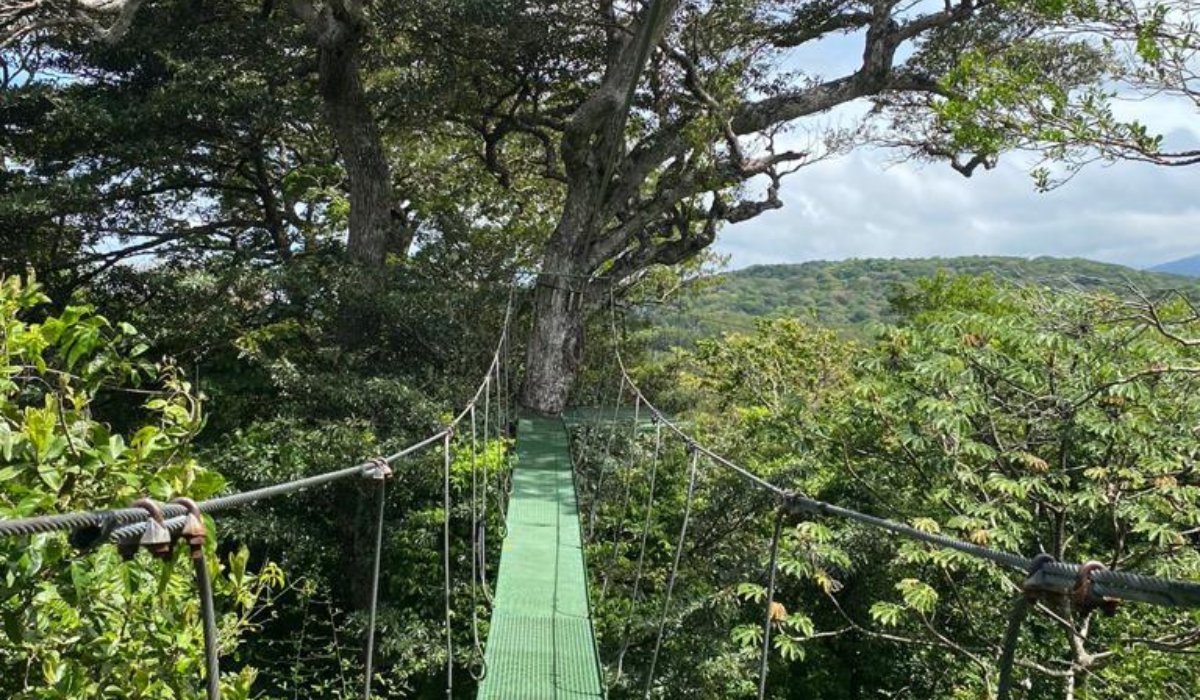
The Authentic Side of Northern Costa Rica
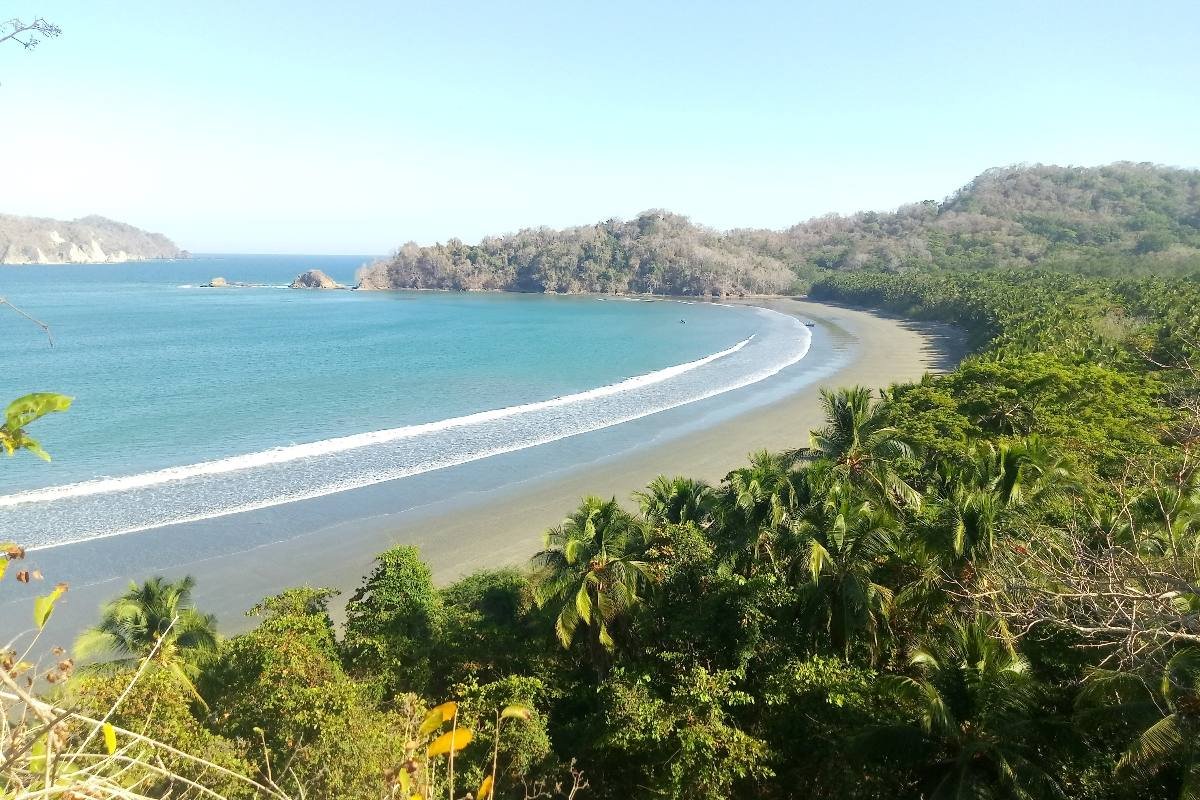
Nature Tour: Costa Rica – Nicaragua in 2 weeks
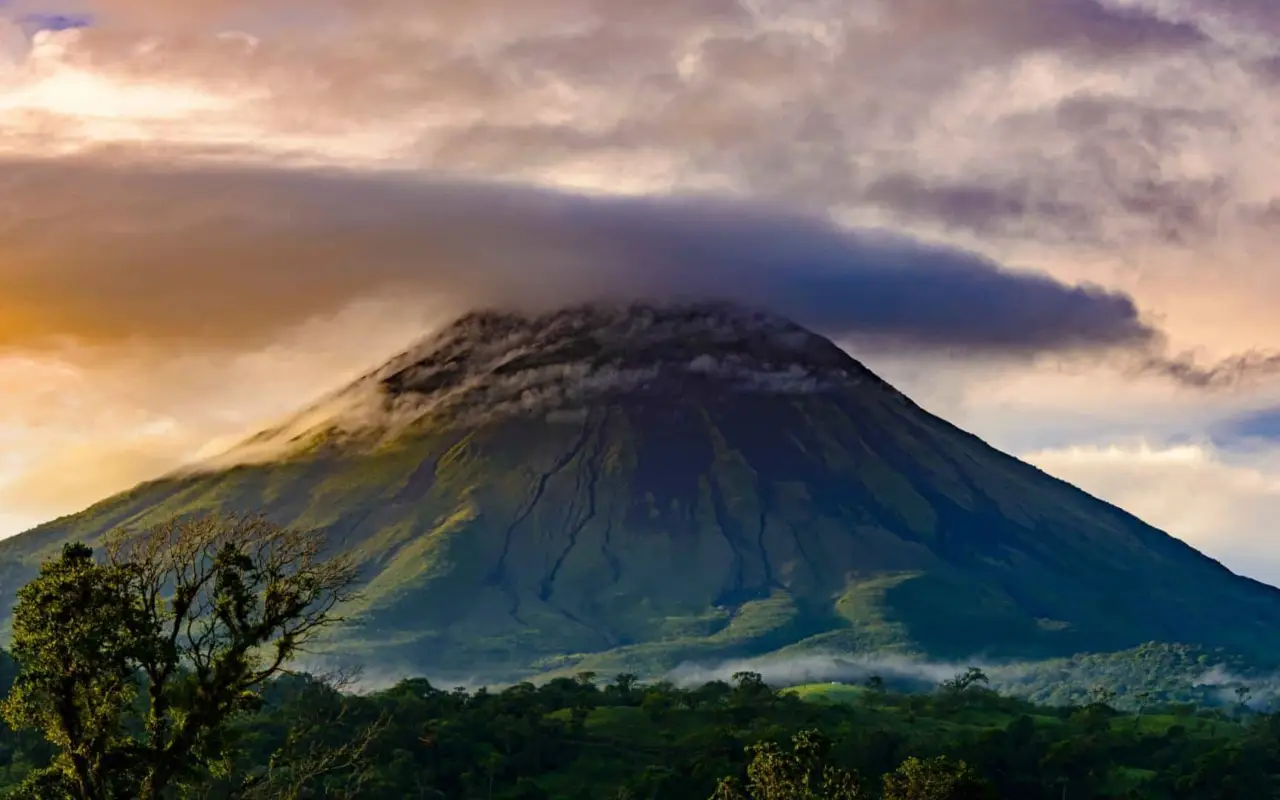
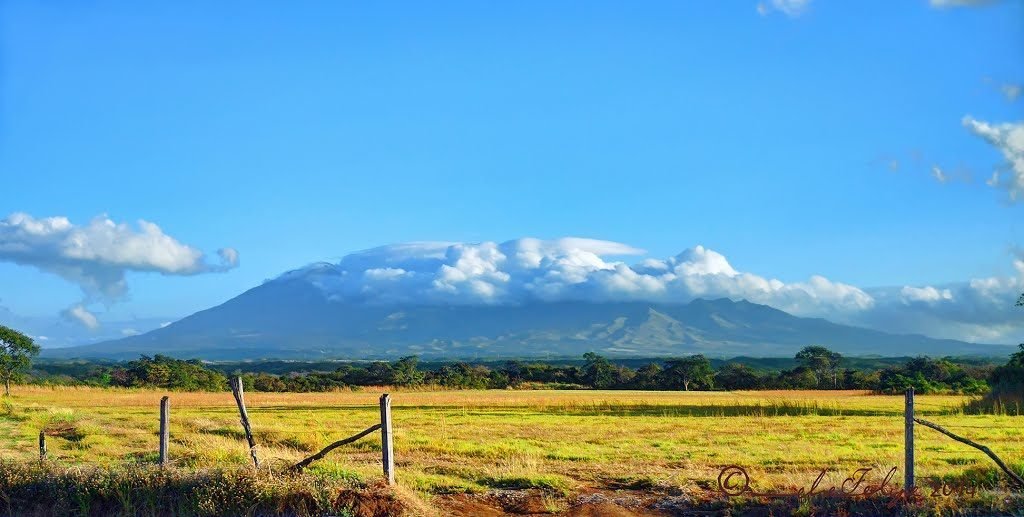
The 3 Volcanoes of Guanacaste
Numerous volcanoes run from north to south through the Guanacaste region.
The Rincón de la Vieja, Miravalles, and Tenorio volcanoes form an iconic trio in the Guanacaste region of Costa Rica.
1 – Rincón de la Vieja is active and famous for its fumaroles, hot springs, and spectacular hikes.
2 – Miravalles, the tallest of the three, is home to geothermal areas and natural mud baths.
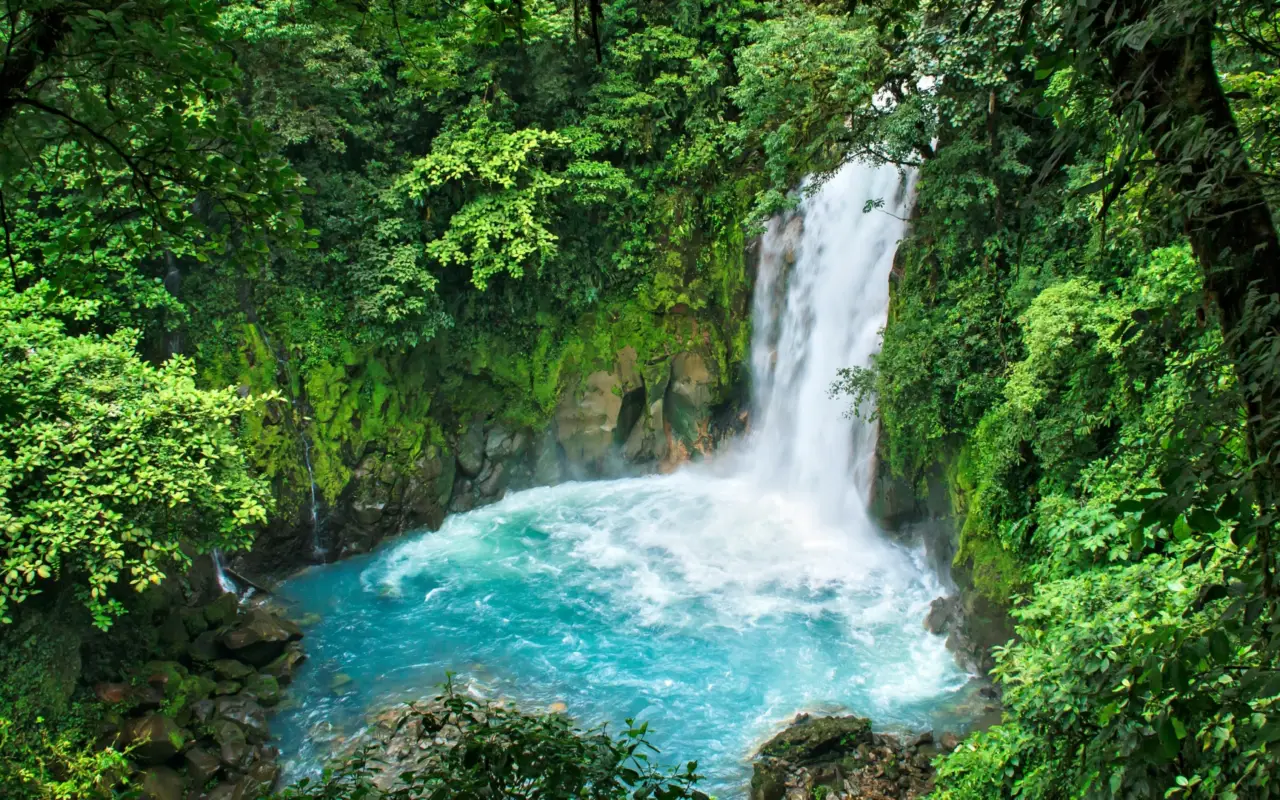
3 – Tenorio charms visitors with its tranquility and the legendary Río Celeste, a turquoise-blue river created by volcanic activity.
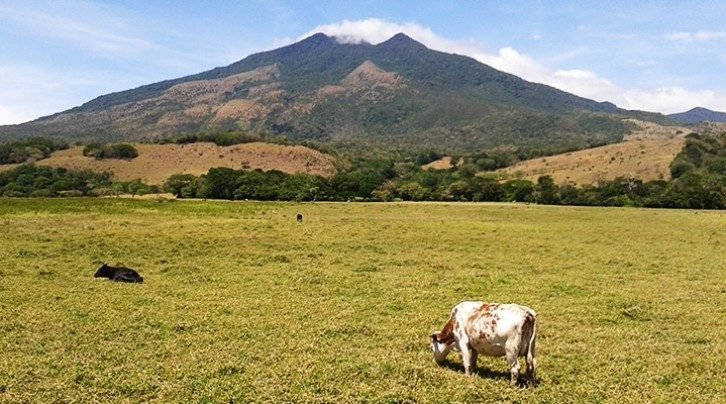
The Beaches of Nicoya and Guanacaste
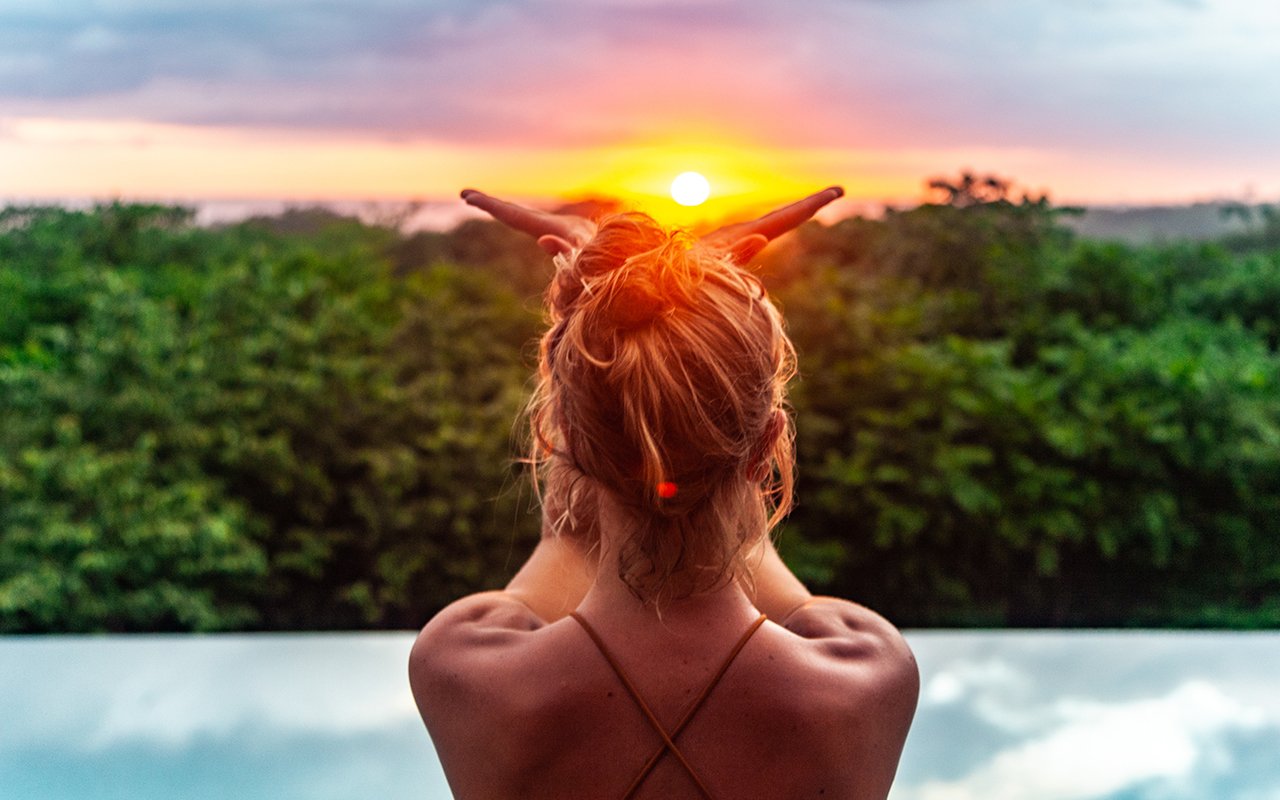
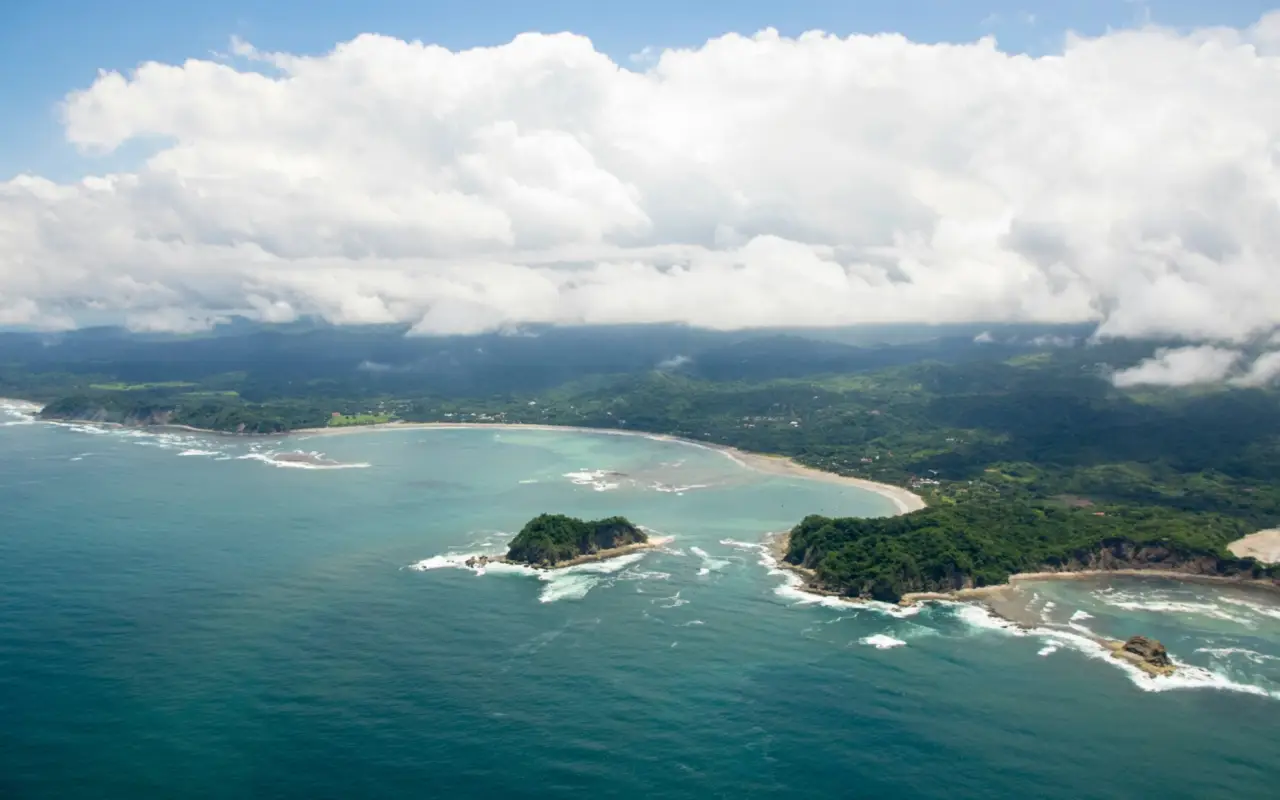
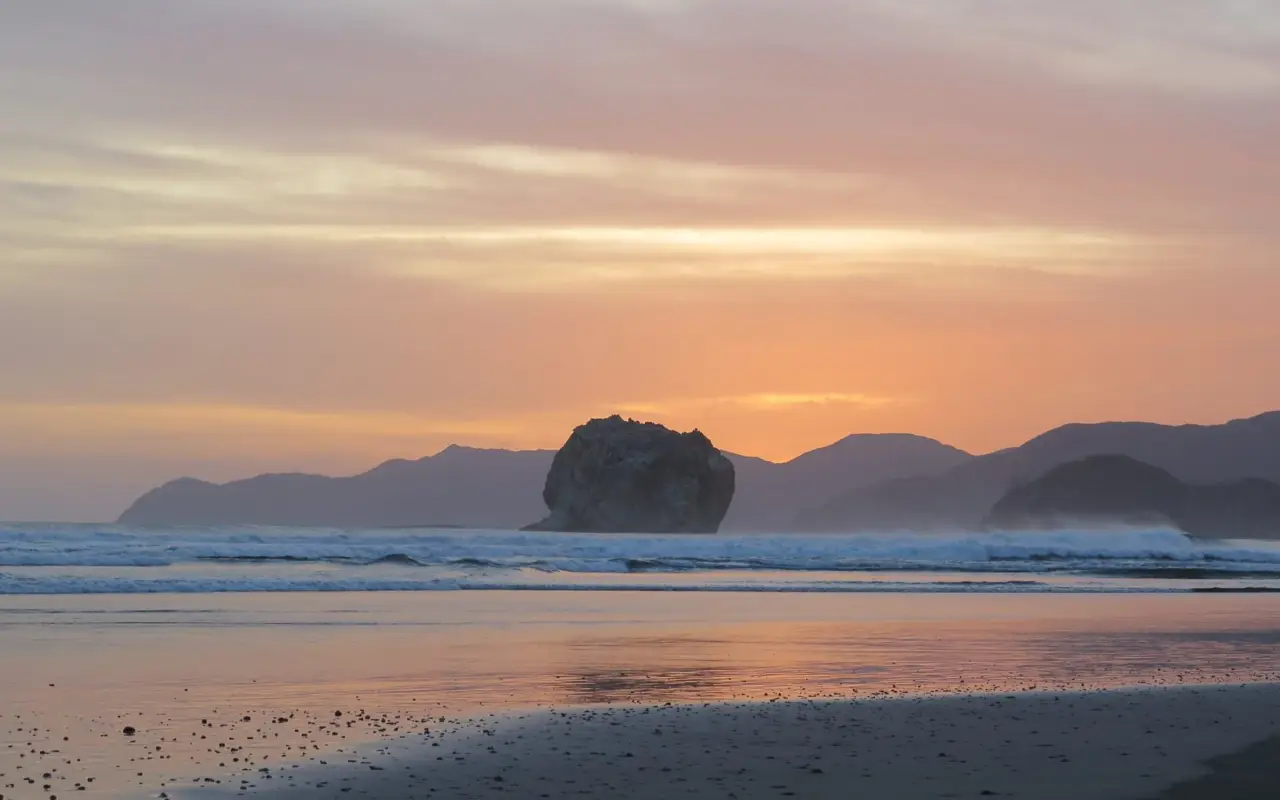
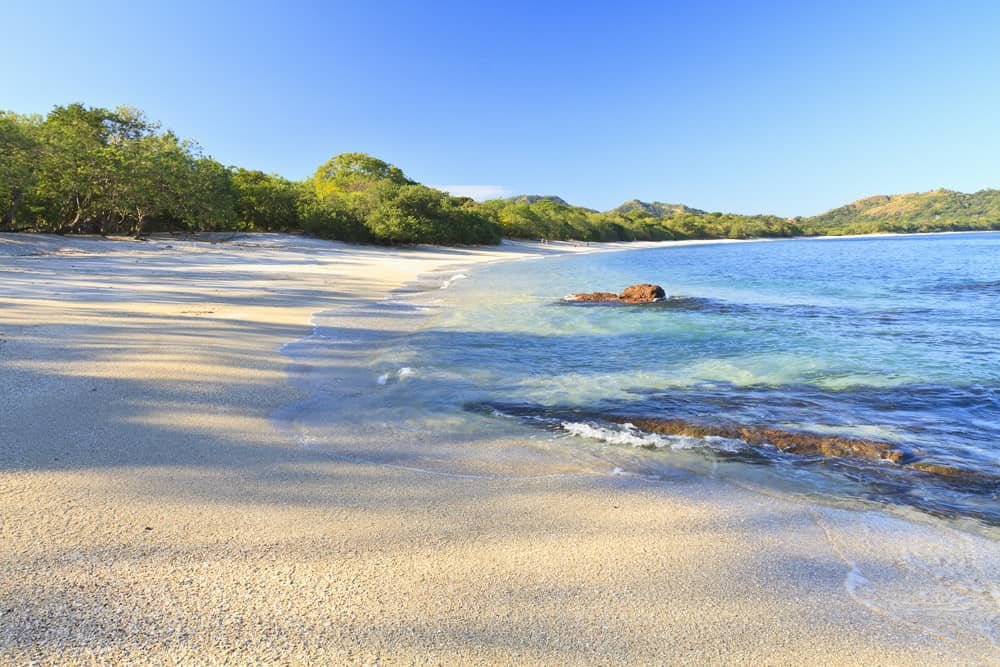
As we all know, Guanacaste is a haven for those who love the sun, tranquility, and breathtaking sunsets. Below, I’ll share a selection of Guanacaste’s most beautiful beaches.
In the Guanacaste region, not all beaches are alike: some, like Tamarindo or Playas del Coco, are highly developed, bustling with activity, and now attract large numbers of North American tourists. Others, more unspoiled and authentic, offer a calmer, more natural setting. To avoid unpleasant surprises and choose the beach destination that truly suits you—whether it’s a quiet beach, a surf spot, or a lively beach resort—it’s essential to get expert guidance.
Our on-the-ground experts are here to guide you through this important decision.
Treat yourself to a campervan adventure and discover the treasures of Guanacaste
In our opinion, Guanacaste is an ideal region for campervan travel: its dry climate, numerous developed campgrounds, unspoiled wilderness areas, and safe environment make it the perfect setting for an immersive, free-spirited adventure close to nature.
Let yourself be tempted by this unique experience, combining total freedom with discoveries off the beaten path.
What about you? Are you ready to explore Guanacaste?
– Click here for more information aboutGuanacaste and the Nicoya Peninsula.