Published on June 16, 2021
For many years, the environment was considered an inexhaustible resource. Following a global awakening, we now know that this is not the case.
Accurate information and environmental education are essential for raising awareness about respecting and protecting global biodiversity. Many global initiatives have been launched with the goal of communicating to as many people as possible the essential actions needed to preserve our beautiful natural world.
Costa Rica, a source of inspiration for the rest of the world
Costa Rica is considered a leading destination for providing quality environmental education to its citizens and tourists. Dutch Prime Minister Mark Rutte highlighted Costa Rica’s role and leadership on environmental issues during the Climate Adaptation Summit in January 2021. Rutte noted that this small, green country is “one of the most climate- and environmentally-friendly nations and that, despite its size, it has been able to make a significant impact.”
The Costa Rican government has numerous ambitious and innovative plans aimed at achieving a healthy balance between economic and social development and environmental sustainability. Ten years ago, the country announced its goal of becoming carbon neutral, with a commitment to becoming a modern, green, and emission-free economy. That goal has now been achieved. The longer-term objective isto reach net-zero emissions by 2050.
More information on the 2018–2050 National Decarbonization Plan. Government of Costa Rica.
As part of its decarbonization plan, Costa Rica has announced another goal for the next four years: to become the first country in the world to have a comprehensive national strategy to eliminate single-use plastics.
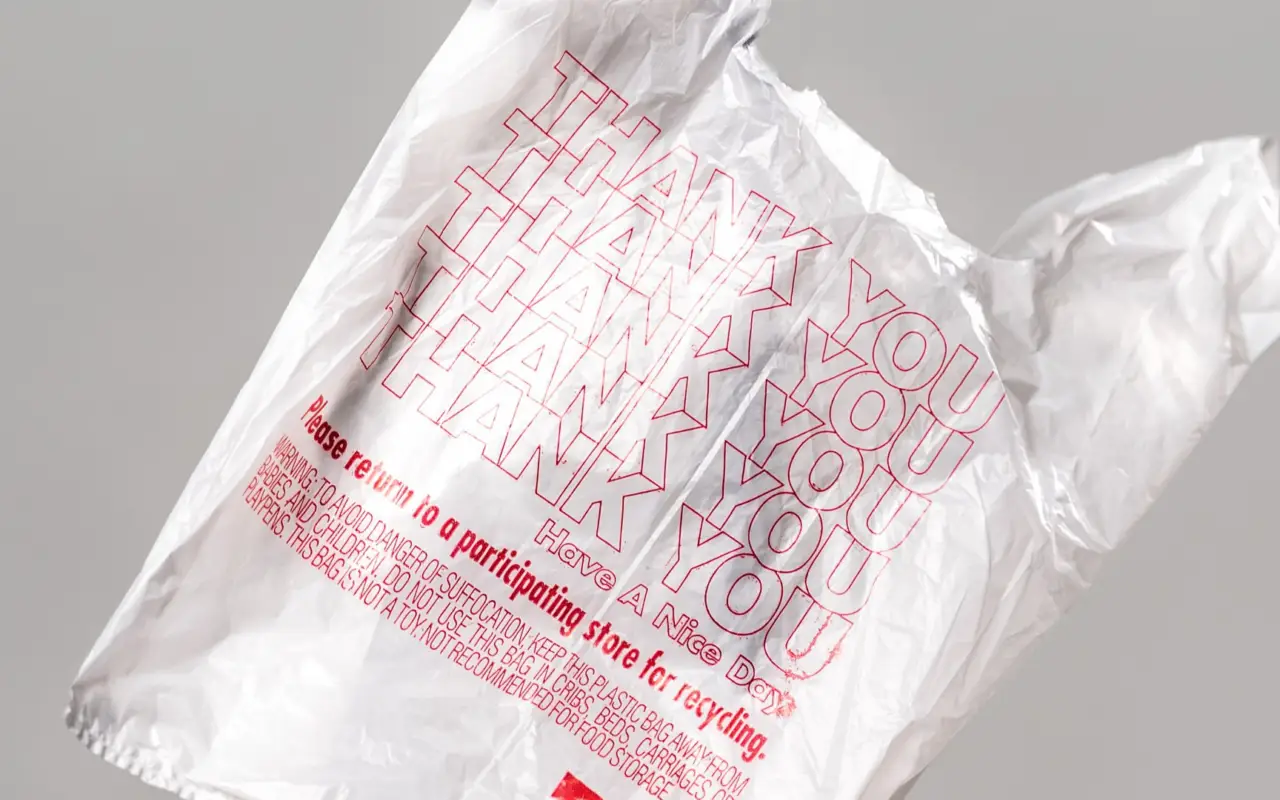
Single-use plastic is defined as plastic used only once and that takes hundreds of years to biodegrade, such as shopping bags given out in stores, plastic straws, and coffee cups with stirrers.
The country has formalized a national strategy to replace the use of this type of plastic with renewable and biodegradable alternatives. These new, more eco-friendly materials must biodegrade in less than 6 months in the environment.
Plastic is becoming increasingly harmful.
Today, we consume 20 times more plastic than we did 50 years ago. Here are some statistics on the use of this material:
-8% of oil production goes toward manufacturing plastic.
-50% of plastic products are used only once.
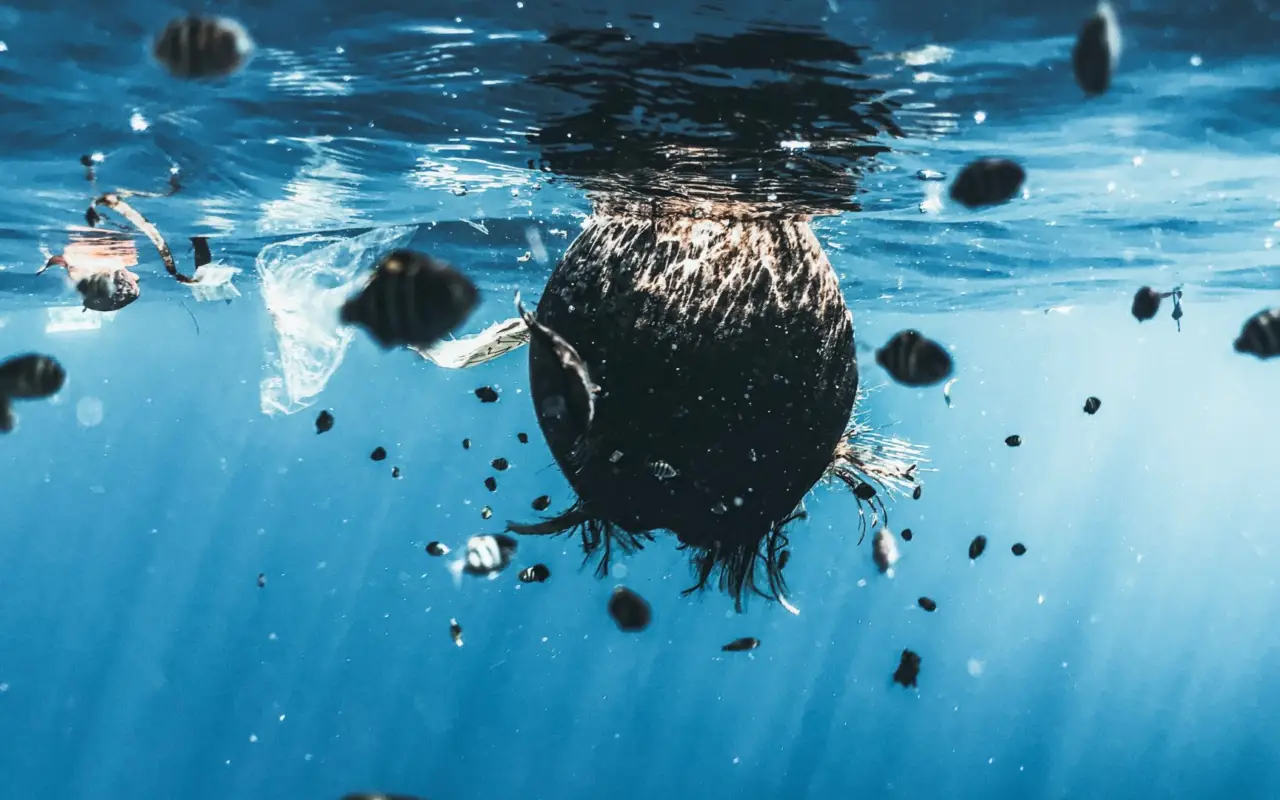
-8 million metric tons of plastic end up in the ocean every year.
-600 million plastic bottles are produced each year in Costa Rica.
-By 2050, there will be more plastic than fish in the oceans.
*Source: MarViva Foundation
To achieve its goal, Costa Rica’s Ministry of Environment and Energy issued Directive SINAC-DE-944-2020, which bans single-use plastics in protected areas of the National System of Conservation Areas (SINAC). It prohibits the consumption, use, and bringing of single-use plastic items into national parks, biological reserves, and national monuments effective February 25, 2021.
This means that anyone visiting a national park in Costa Rica is prohibited from bringing in single-use plastic items such as bottles, cutlery, or food packaging.
In Costa Rica, nearly 110 metric tons of plastic end up in the environment every day, which is why the American supermarket chain Wal-Mart is committed to helping prevent this figure from rising. This led to the launch of the #SinBolsaPorFavor (#NoPlasticBagPlease) initiative . Its goal is to eliminate single-use plastic bags starting January 1, 2021, in all Wal-Mart stores across the country.
“This is yet another step we’re taking to reduce our environmental footprint, go beyond what the law requires, and do so together with our customers, business partners, and suppliers—all while restoring and protecting the environment.” Mariela Pacheco, Deputy Director of General Affairs at Walmart.
Meanwhile, in Costa Rica, through the “More Women, More Nature” program , the National Forest Financing Fund (FONAFIFO) will invest more than $1.8 million in women-led environmental projects.
One of the selected projects was the planting of more than a thousand laurel trees in San Luis de Upala, led by Marielos Pérez.
“Planting these trees has been a blessing for my family because we’re caring for the environment and producing oxygen. Here, many birds and squirrels are making the area their home, more than ever before. The trees also help us mitigate the impacts of natural disasters because they act as a barrier during strong winds. Truly, nothing but good things.” Marielos Pérez, El Cacao.
Other environmental projects open to everyone
In addition to government plans, bills, and private-sector initiatives, there are many other environmental projects in Costa Rica that are open to everyone. Here are a few of them:
ECO-BLOCKS: The Eco-Friendly Brick That Is Revolutionizing the Construction Industry
What do you need?
Clean, dry plastic bottles with lids; they should hold between 1.5 liters and 3 liters. A tool to pack the materials tightly inside the bottle so that the contents are completely airtight.
What do you need to do?
Fill the bottle with non-recyclable waste such as cellophane, powdered milk bags, and coffee and snack packaging—these can be inserted whole or cut into small pieces.
Discover Greenwolf, a dedicated Costa Rican nonprofit
ECOINS: The Coin That Rewards Recycling
Ecoins is the first virtual eco-currency that promotes sustainability. It is awarded in exchange for recycled, reusable waste.
Recyclable materials are worth money. If you throw away a glass bottle, a plastic bottle, or an aluminum can, you’re throwing your money in the trash. That’s why ecoins will be the best incentive system to reward recycling and promote sustainable purchases and experiences.
PLANT MY TREE helps you plant trees easily and affordably
Planting trees is the most effective and sustainable way to combat climate change; trees absorb CO2 and release oxygen at the same time, thereby purifying our atmosphere and balancing temperatures and ecosystems.
Through the “PLANTA MI ÁRBOL” platform, they aim to provide a technological solution to the problems of deforestation and environmental imbalance. With just a few clicks, you can buy a tree, and they’ll plant it for you.
Tesoro Tico - Eco-Friendly and Sustainable Products.
Tesoro Tico is a platform that brings together local suppliers to distribute products that take an eco-friendly and sustainable approach to the environment. Tesoro Tico supports small and medium-sized Costa Rican businesses that lack the strategies, tools, or resources needed to promote their products or services. Among them are individuals from high-risk populations and those with special needs, providing them with more opportunities for their future.
Every purchase directly helps people in need, the planet, and the local economy.
There are many eco-friendly alternatives in Costa Rica, and more and more people are joining the movement to protect the environment.
In the face of new social, climate, and environmental challenges—such as solid waste management and its impact on people—the experiences of a small country can serve as a source of inspiration and commitment for the rest of the world.
The Safe Travels-certified Terra Caribea team helps you plan a trip that’s more environmentally friendly—and even more engaging. We listen to your wishes and find solutions that are good for the health of our planet.
Katherine, a “tica” committed to making Costa Rica even greener!