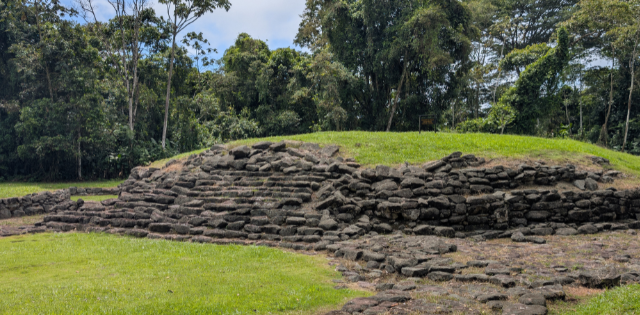
The golden rule in Costa Rica: travel light and dress in layers. The country takes you from a beach at 32 °C to a volcano at 15 °C in the same day. You don’t need much: lightweight, quick-drying clothing, a waterproof jacket, good hiking shoes, high-SPF sunscreen, mosquito repellent, and a passport valid for at least one day beyond your departure date. French nationals do not need a visa for stays of up to 180 days. Article updated in July 2026.
Costa Rica Checklist: Everything You Need to Pack for a Great Trip!
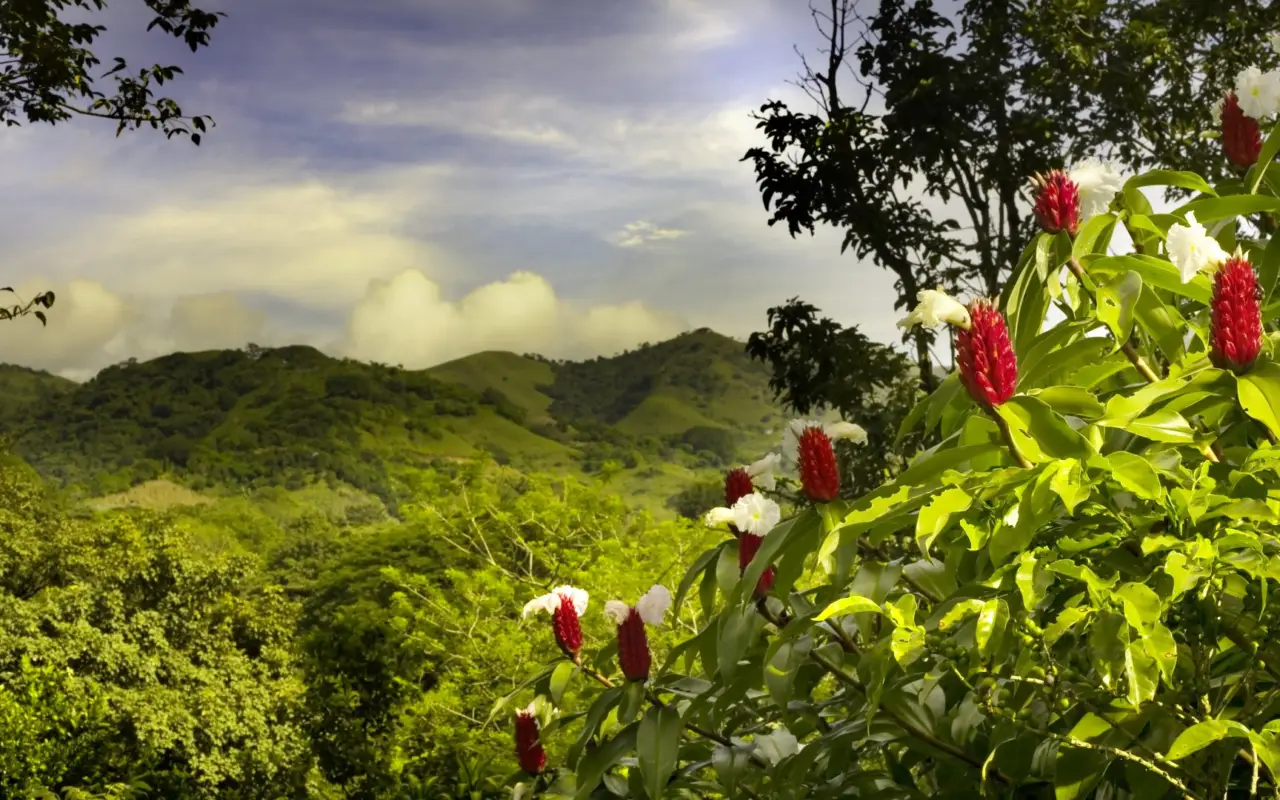
If you’ve made it this far, it means your trip is just around the corner! So you might as well know what to pack so you don’t miss a thing, because Costa Rica offers incredible diversity, from wild beaches to volcanoes, tropical rainforests, and authentic villages. In just a few hours, you can go from a humid coastal climate to the cool mountain air. This exceptional natural richness makes this country a unique destination… one you’ll want to prepare for thoroughly to enjoy it to the fullest.
The Essential Checklist for Costa Rica
Here is a list of essentials, regardless of the season or itinerary. Each traveler can then add their own personal items based on their needs and planned activities.
Documents and Administrative Matters
- A passport valid for at least one day beyond your departure date from Costa Rica, with one blank page
- Return ticket or onward ticket, either printed or accessible offline
- Proof of accommodations for the duration of the stay
- Proof of travel insurance covering medical care and repatriation, plus a copy
- A valid French driver’s license if you are renting a vehicle
- Debit or credit card, ideally with embossed numbers for rental agencies
- Some cash in colones for tolls, parking, and small purchases
- Photocopies or photos of all these documents, stored separately
Basic clothing
- Lightweight, quick-drying clothing for the tropical heat
- A long-sleeved shirt and lightweight pants for protection against mosquitoes and for excursions
- A warm sweater and a waterproof jacket or raincoat for high altitudes
- Swimsuit, cap or hat, sunglasses
- Sturdy, closed-toe hiking shoes and sandals or flip-flops
Health, protection, and accessories
- High-SPF, water-resistant sunscreen
- Effective mosquito repellent, especially for Tortuguero, Arenal, Dota, and the wetlands
- Basic first-aid kit and personal medications
- Headlamp for nighttime excursions and turtle watching
- Lightweight binoculars for wildlife viewing
- Reusable water bottle—water is safe to drink in most areas
- Waterproof pouch to protect your phone and documents while on a boat or at a waterfall
- North American-style plug adapters (Types A and B)
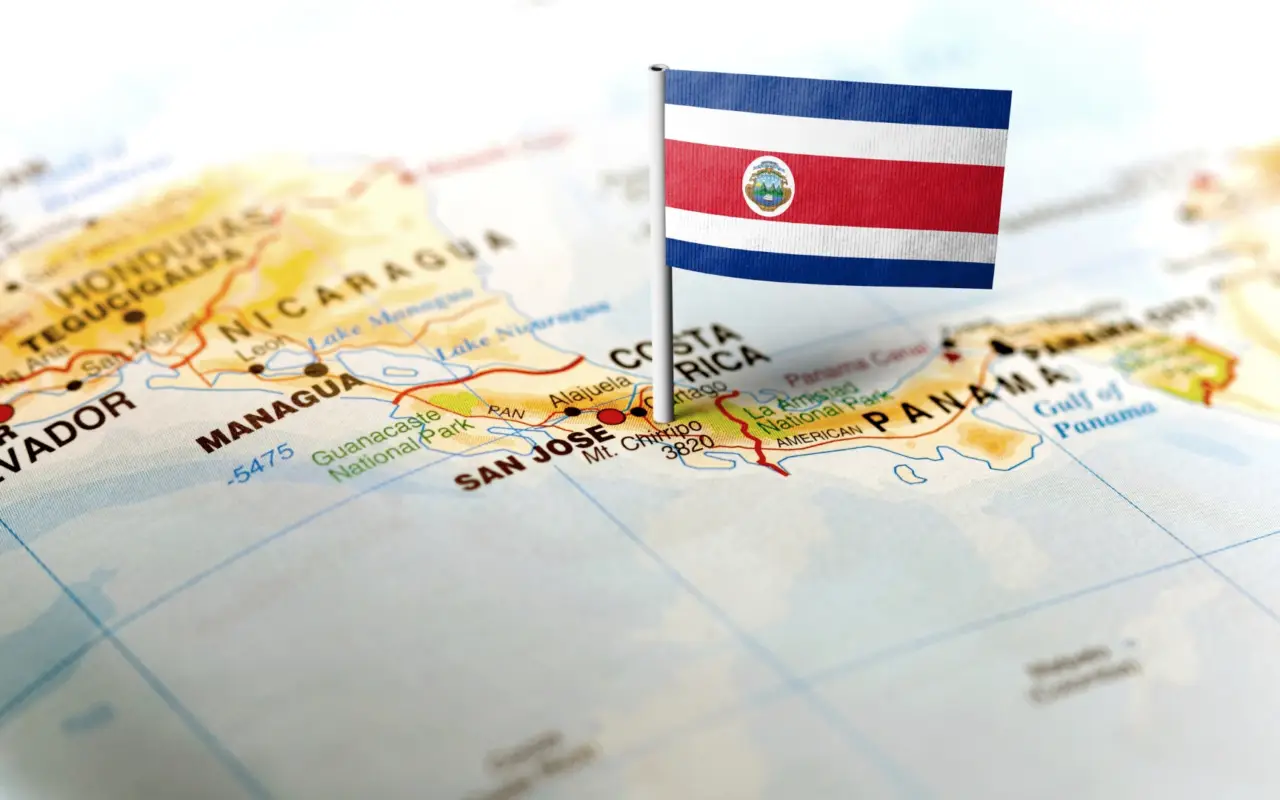
Preparing for Your Trip
Properly planning yourarrival, packing, and itinerary is the key to fully enjoying the Costa Rican experience. With so many landscapes and activities in a single country, it would be a shame to miss out on memorable moments simply because you didn’t plan ahead.
That’s where our expertise at Terra Caribea makes all the difference. Our mission? To guide you through every step of your adventure by providing a fully personalized travel itinerary, tailored to your travel preferences. In addition to a tailor-made itinerary, we include our top recommendations: hidden waterfalls, nature reserves, local restaurants, unique bars, unforgettable encounters… Real added value to turn a wonderful trip into an unforgettable experience.
Essential Administrative Documents for Traveling to Costa Rica
Even before you pack your suitcase, there are a few essential steps you need to take to ensure a smooth arrival in Costa Rica. Nothing too complicated, but it’s best to get started early to avoid any unpleasant surprises!
Passport
Let’s start with your passport. Good news for French citizens: no visa is required for a tourist stay of less than 180 days.
If you plan to rent a car —and we recommend it for exploring the country’s remote areas—your French driver’s license is sufficient, as long as it’s valid. Enjoy the scenic roads and unexpected stops!

Travel Insurance
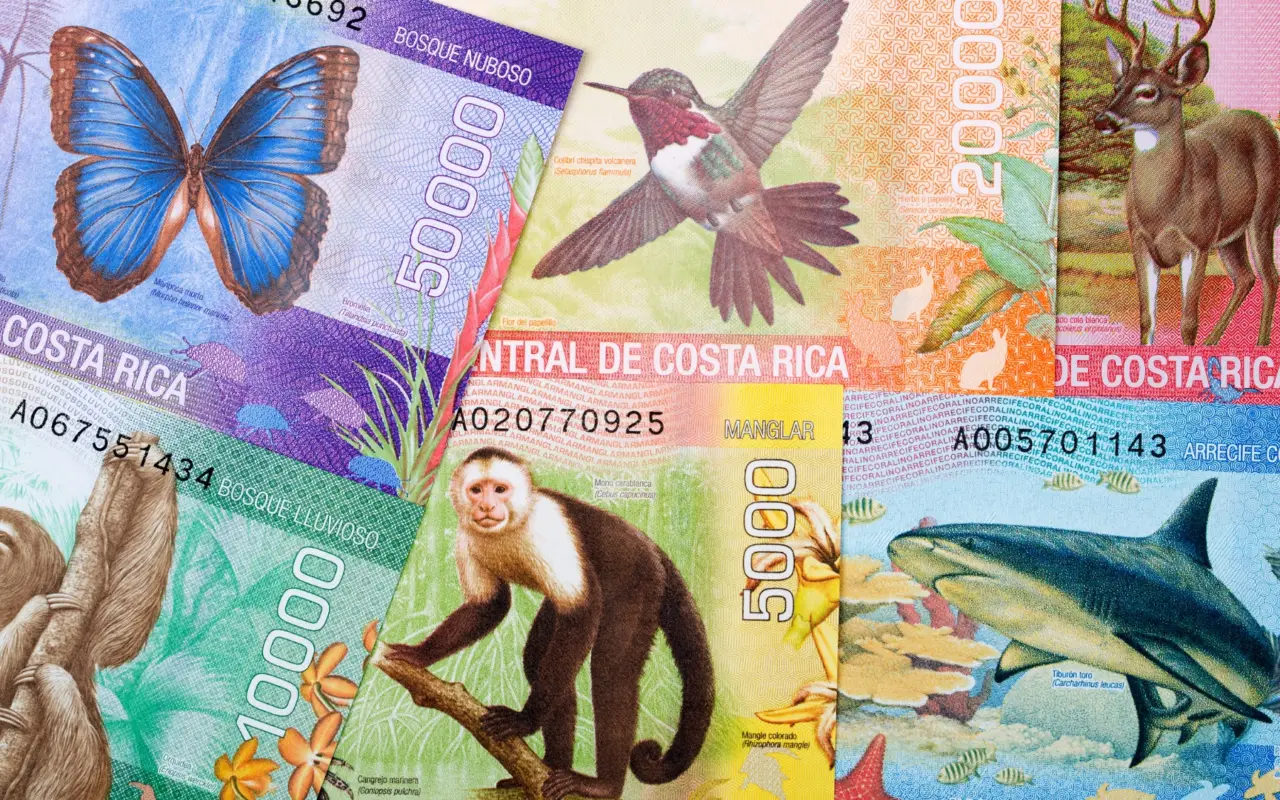
Although not mandatory, it is strongly recommended to cover medical care and repatriation—Terra Caribea recommends Chapka, which is a reliable option. As for health, the yellow fever vaccine is required only if you’re coming from a high-risk area. And finally, even though credit cards are widely accepted, be sure to carry some cash for small payments such as tolls, parking, or local purchases.
What Should You Wear in Costa Rica, Depending on the Region?
Costa Rica isn’t a destination with a single climate. In just one day’s drive, you can go from sea level to an elevation of over 1,500 meters. The best approach is to pack lightweight layers that you can add or remove as needed, rather than thick outfits. The table below summarizes the recommended clothing based on the type of region you’ll be traveling through.
| Region Type | Examples | Climate | Recommended Attire |
|---|---|---|---|
| Coast and Beaches | Guanacaste, Manuel Antonio, Osa, Caribbean Coast | Hot and humid, 28–34 °C, intense sunshine | Lightweight clothing, swimsuit, hat, sunscreen, sandals |
| Volcanoes and high altitudes | Arenal, Rincón de la Vieja, Poás, Central Valley | Mild to cool in the evening, with a chance of showers | Sweater, waterproof jacket, long pants, hiking shoes |
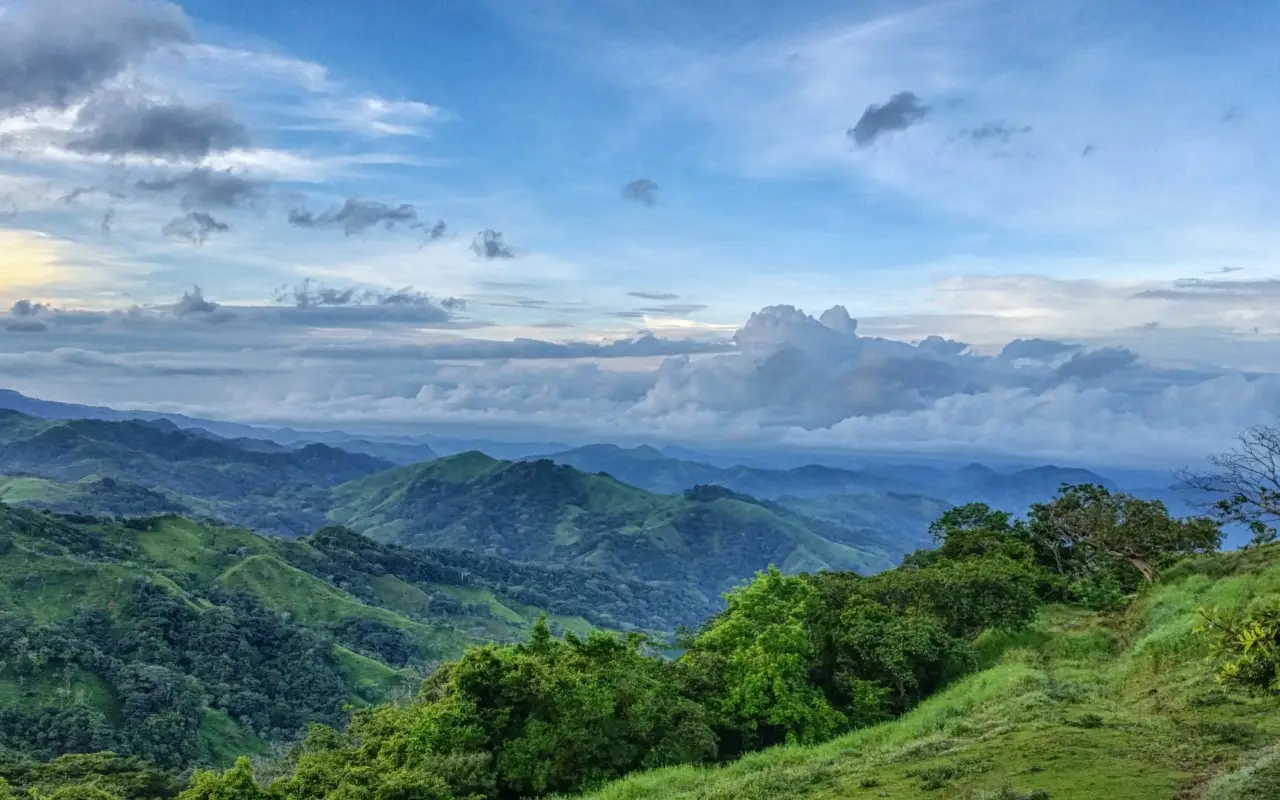
| Cloud forest | Monteverde, Santa Elena, San Gerardo de Dota | Cool and very humid, 12–20 °C, fog | Warm layer, waterproof windbreaker, closed-toe shoes |
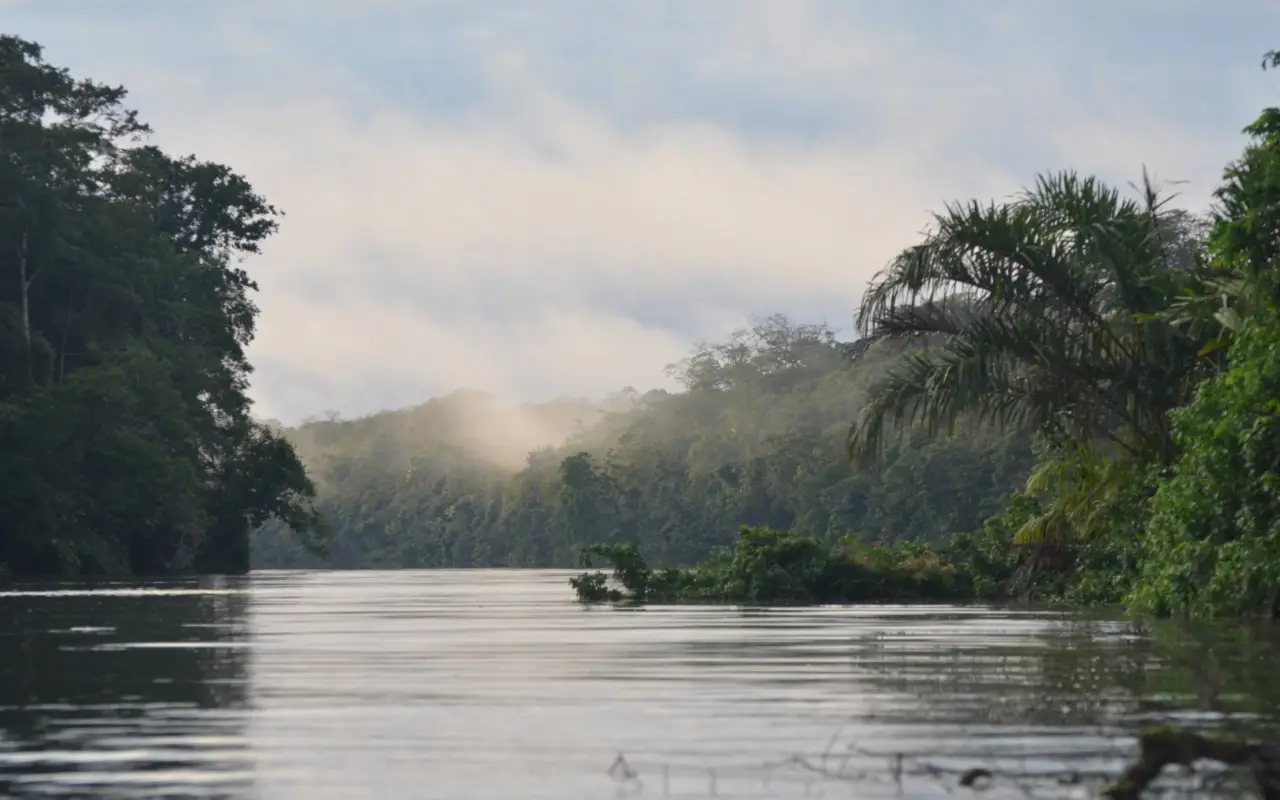
| Tropical rainforest | Tortuguero, Sarapiquí, Corcovado | Hot, humid, frequent rain, mosquitoes | Lightweight long-sleeved shirts, pants, mosquito repellent, waterproof bag |
| City | San José, Liberia, Cartago | Temperate, 20–26 °C | Casual but presentable attire, comfortable shoes |
With its diverse landscapes and climates, Costa Rica takes you in the blink of an eye from the tropical heat of the beaches to the cool, misty mountains and volcanoes. To make the most of your adventure without overpacking, it’s best to pack versatile outfits suitable for every setting.
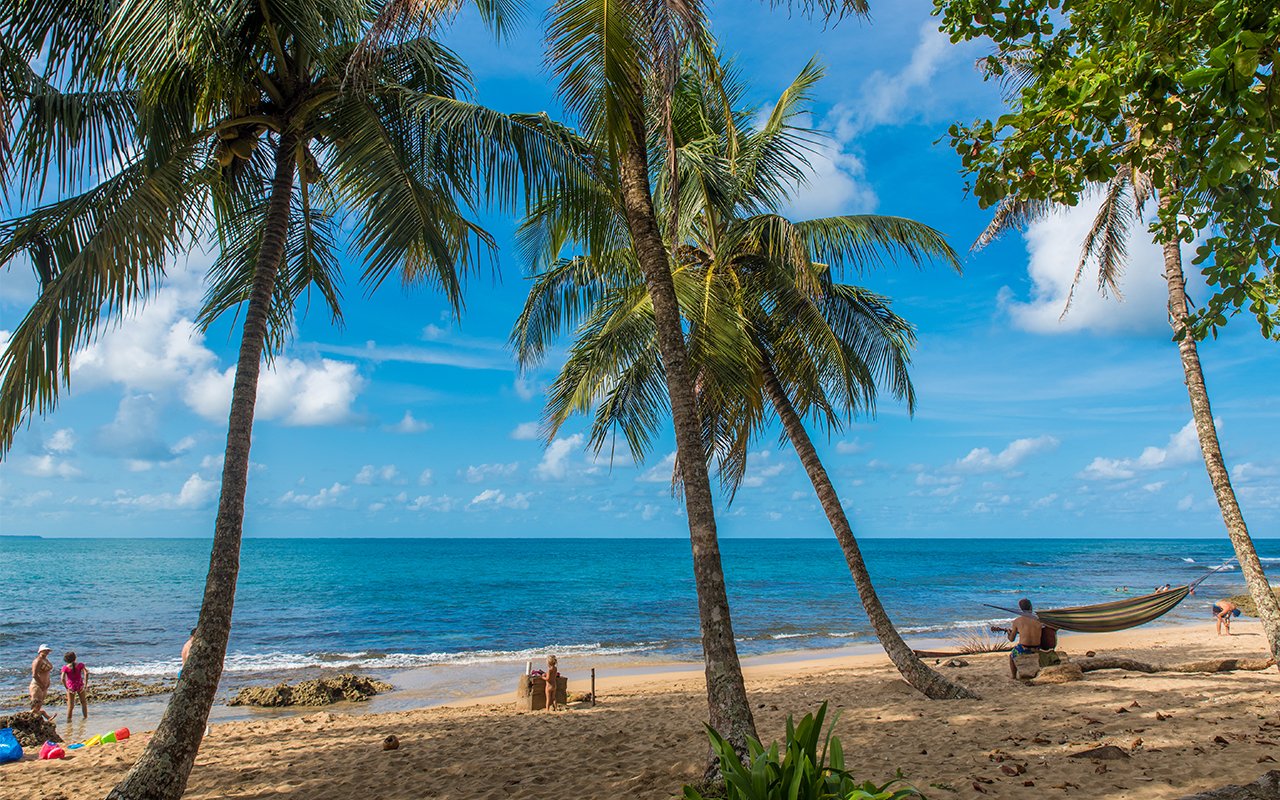
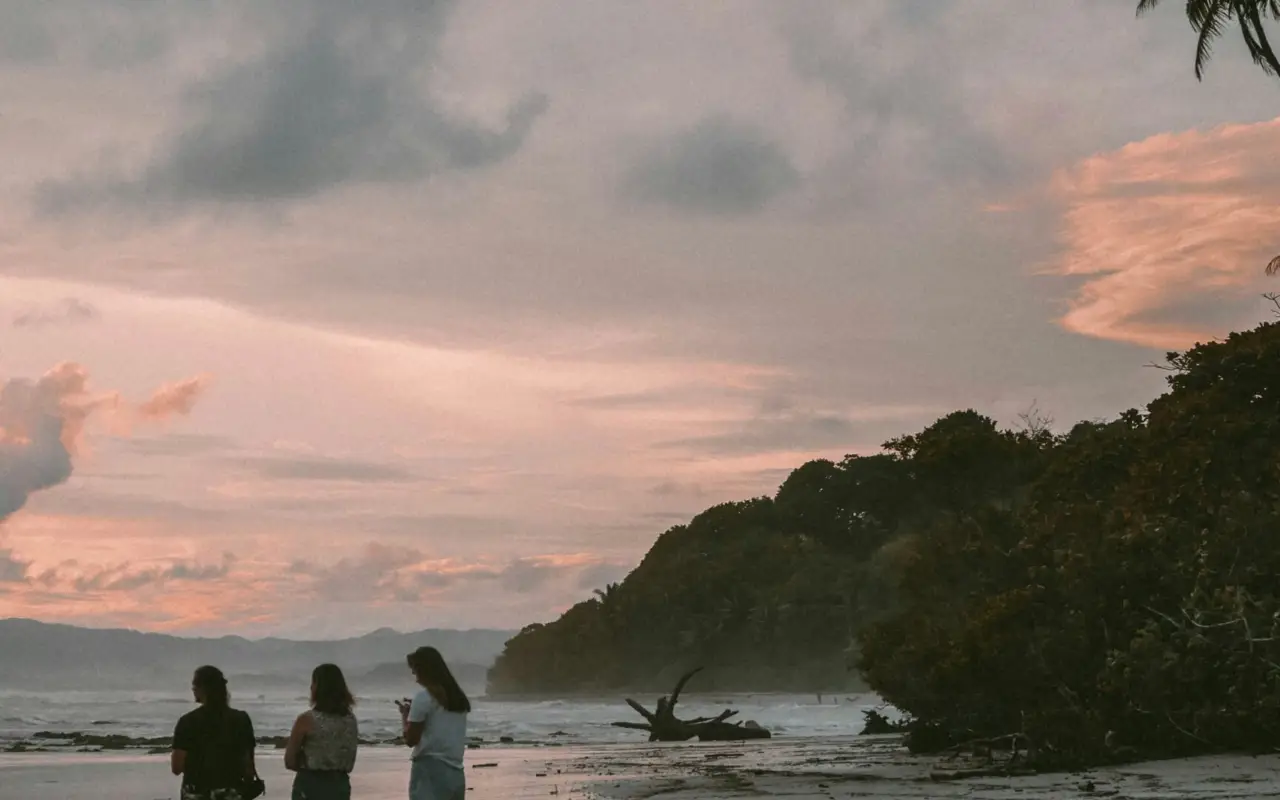
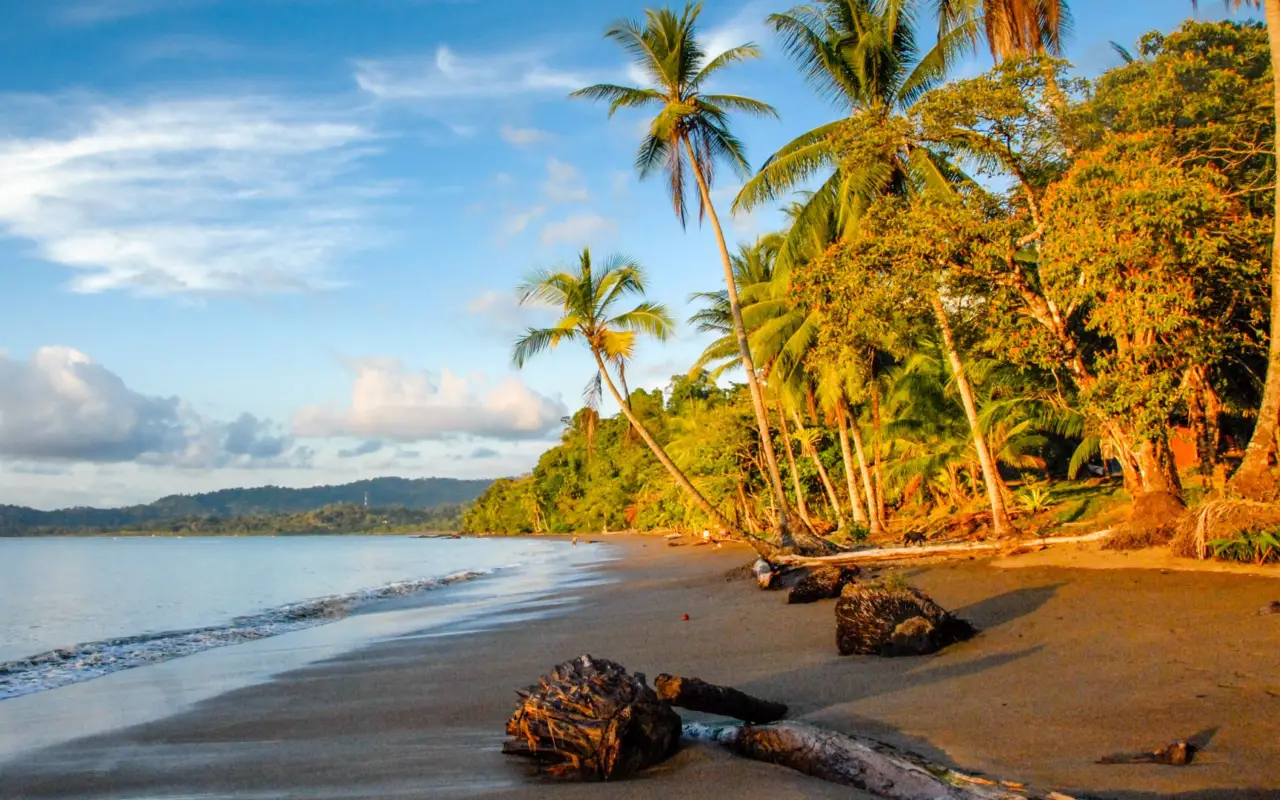
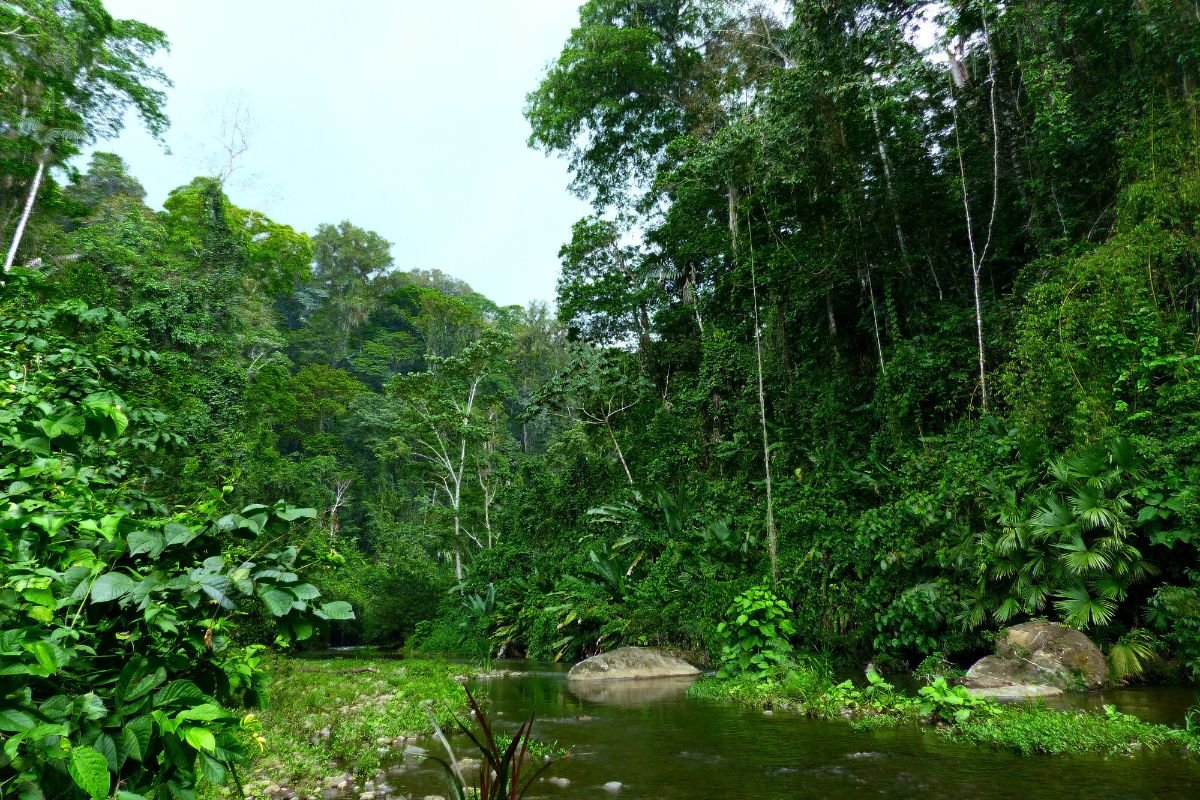
Along the coast and on the beaches, temperatures are high, and the sun beats down hard, even when the sky is overcast. Pack a swimsuit, sunglasses, a hat, and—most importantly—a good sunscreen. The tropical sun is unforgiving! I still remember the sunburn I got in Uvita after just a two-hour stroll along the beaches of Marino Ballena National Park…
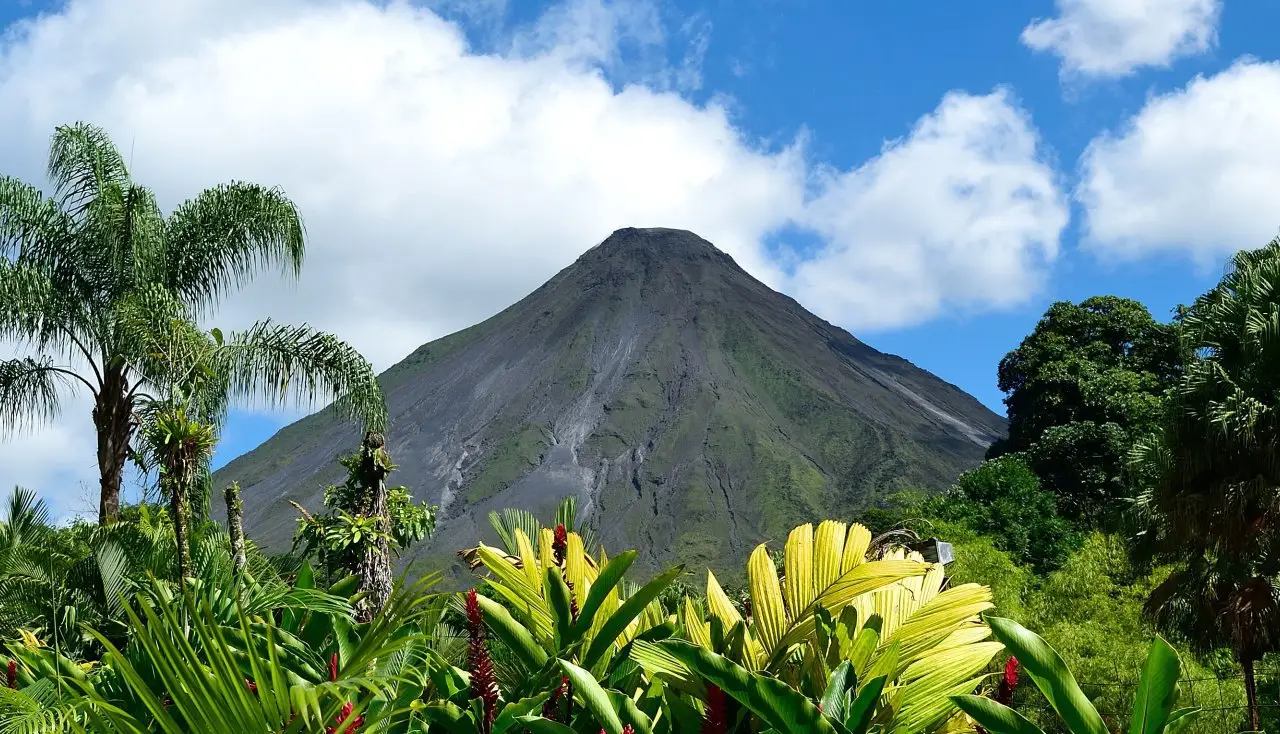
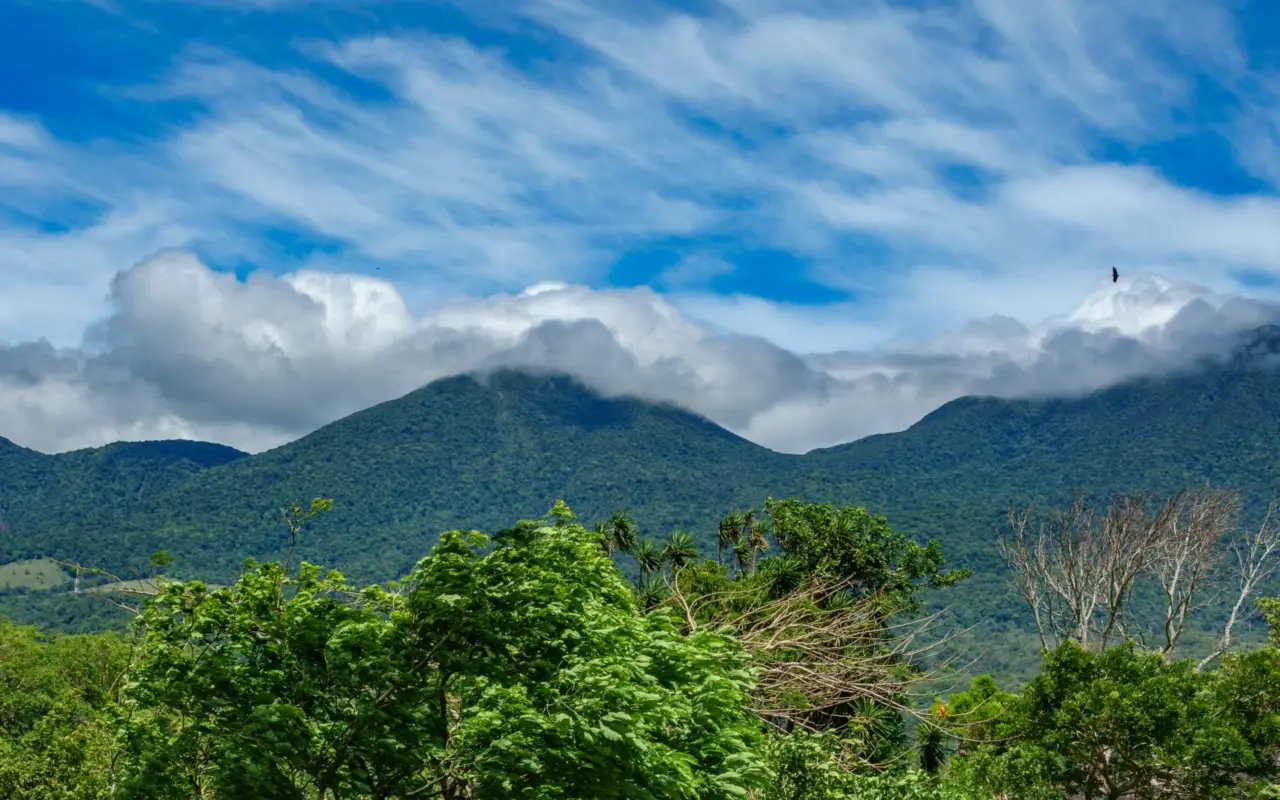
In high-altitude areas like Arenal, evenings can get chilly. A warm sweater, a rain jacket, and—most importantly—good hiking shoes will be your best allies for exploring the forest trails and volcanic terrain. And believe me, after getting caught in the rain during a hike at Rincón de la Vieja, I was really glad I at least had good shoes… even though I ended up soaked without an umbrella!
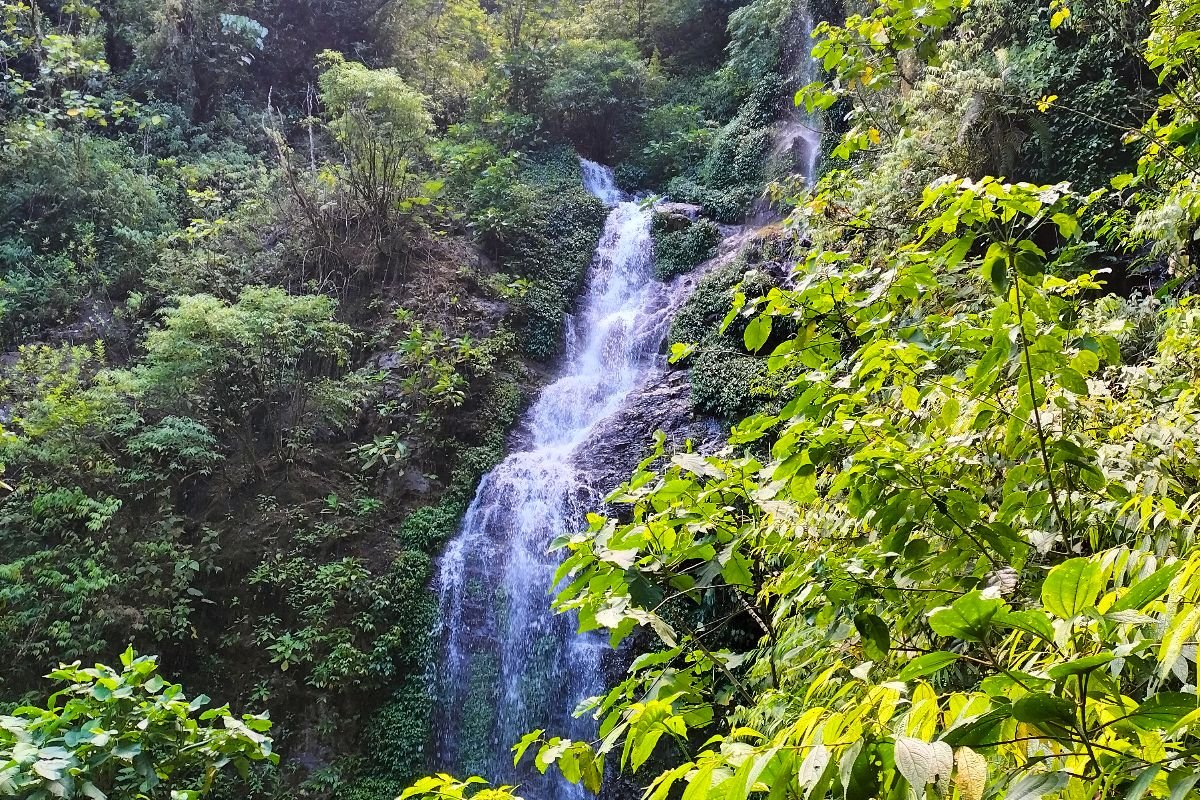
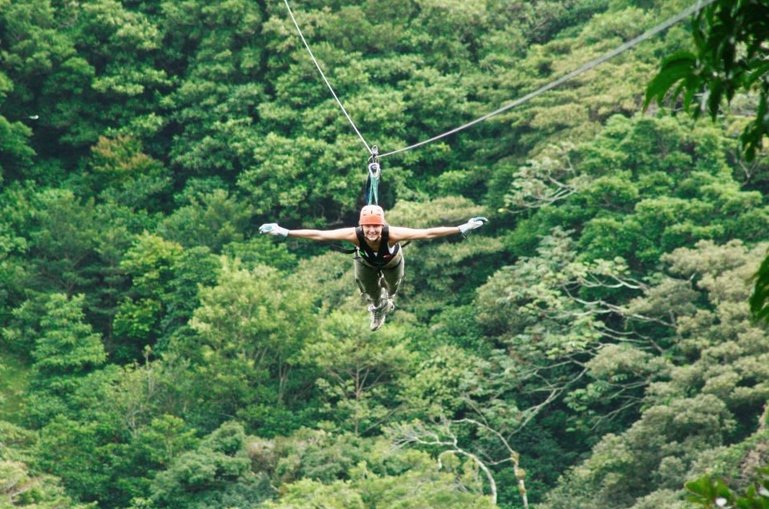
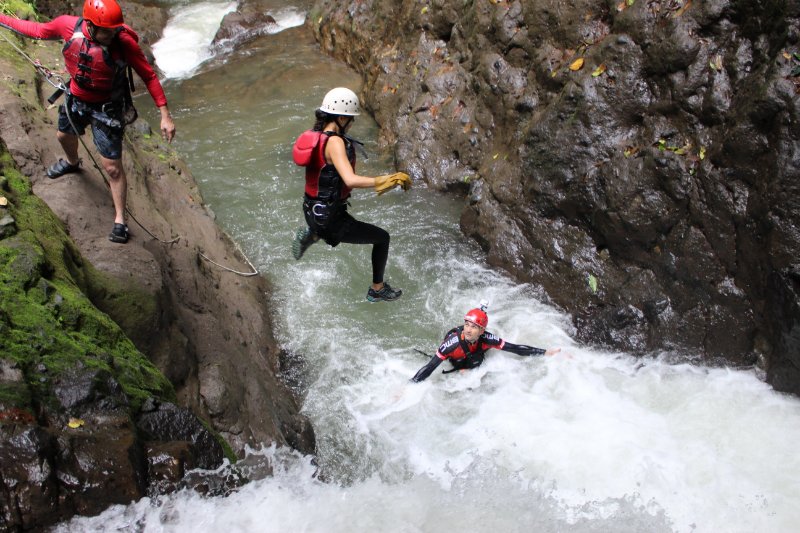
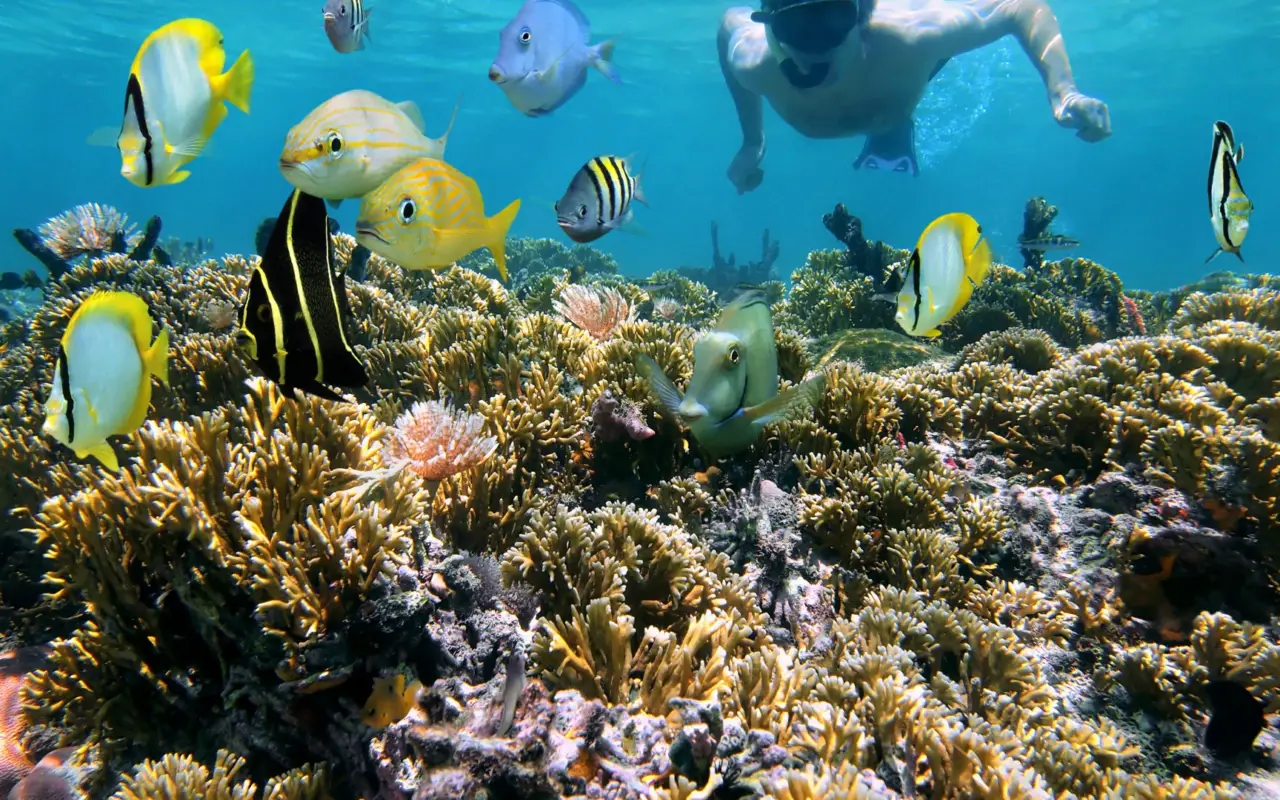
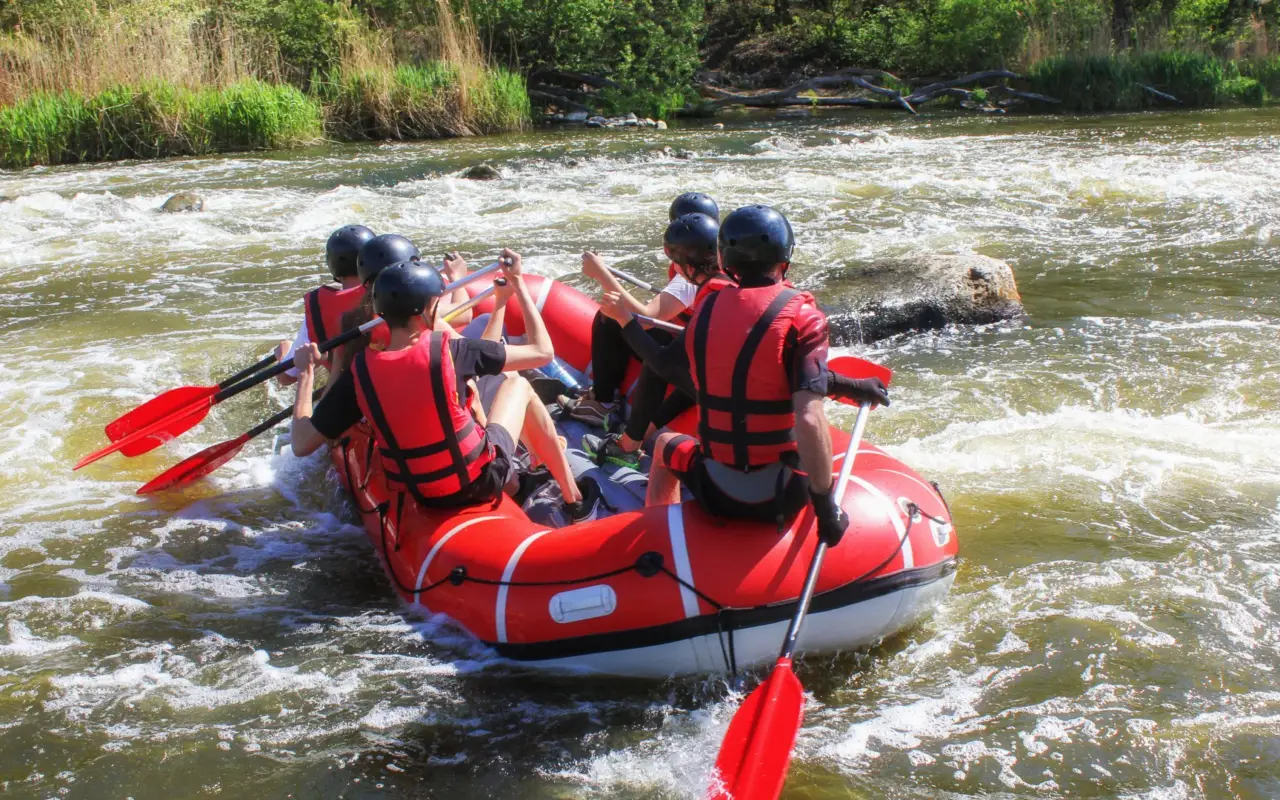
When it comes to sports activities, get ready to get moving: from zip-lining to rafting, hiking, and snorkeling, you’ll have plenty of opportunities to get your fill of thrills. Pack lightweight shorts, a long-sleeved top, and a waterproof pouch for your valuables. I experienced this firsthand: during the famous zipline ride in Monteverde, I was really glad I’d chosen long-sleeved clothing to protect myself from mosquitoes while still enjoying the adrenaline rush to the fullest!
Should you dress differently depending on the season?
Costa Rica has two seasons. The dry season, from December to April, brings clear skies and high temperatures: light clothing and sunscreen are essential. The green season, from May to November, is characterized by often brief showers in the late afternoon, with temperatures that are only slightly milder. The difference in what you need to pack for the two seasons is smaller than you might think: rain can occur in either season, and a waterproof jacket is essential year-round. During the green season, simply pack a second pair of shoes while the first pair dries, and bring more waterproof bags for your electronics.
What should you pack for a 15-day trip to Costa Rica?
A 15-day tour almost always takes you through several different types of regions: a few days at the beach, one or two stops at volcanoes, a cloud forest, and often a rainforest. The good news is that the length of the trip doesn’t fundamentally change what you need to pack: since the water is safe to drink and hotels often have laundry facilities, there’s no need to bring fifteen different outfits. Here’s a tried-and-true packing list for two weeks.
| Category | Recommended Quantity for 15 Days |
|---|---|
| Lightweight tops, T-shirts | 5 to 7, including 2 long-sleeved |
| Shorts and lightweight pants | 2 pairs of shorts and 2 pairs of pants, including one pair for hiking |
| Swimsuits | 2, so you always have a dry one |
| Warm layer | 1 sweater and 1 waterproof jacket |
| Shoes | 1 pair of closed-toe walking shoes, 1 pair of sandals |
| Underwear and socks | 7 sets, with a load of laundry halfway through the trip |
| Casual attire | 1 slightly dressier outfit for evenings |
Opt for a soft-sided suitcase, which is easier to fit into a rental car and to carry when moving between hotels frequently. And leave some room for the coffee, chocolate, and handicrafts you’ll be bringing back.
Other Essentials to Pack
In addition to essential clothing and documents, certain accessories can truly transform your experience in Costa Rica by providing greater comfort and safety, and opening up more opportunitiesfor exploration.
Mosquito Repellent for Tropical Areas
I strongly recommend that you bringmosquito repellent—it’sa must-have, especially if you’re visiting wetlands like Dota, Arenal , or Tortuguero, where mosquitoes are particularly prevalent. For trips into the wilderness or nighttime excursions—such asturtle watching in Tortuguero—a headlamp will be your most valuable ally.

Wildlife Viewing
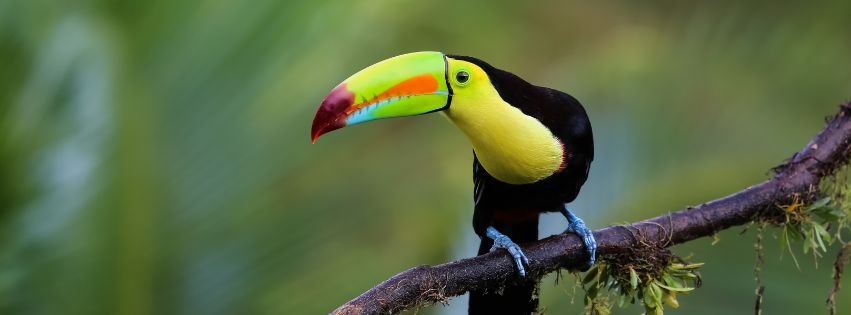
To better appreciate the local wildlife, a pair of lightweight binoculars will allow you to observe sloths, monkeys, and birdsin detail in nature reserves and national parks—animals that are often too elusive to be seen with the naked eye. Finally, to stay hydrated while respecting the environment, be sure to bring a reusable water bottle—the water is safe to drink in most regions.
And to provide you with the best possible support, we give each of our travelers a comprehensive guide to the essentials to pack, tailored to the areas you’ll be exploring during your trip.
The Ideal Suitcase Checklist
| Category | Must-Have | Recommended |
|---|---|---|
| Documents | Passport, return ticket, insurance | Photocopies, list of emergency numbers |
| Clothing | Lightweight clothing, raincoat, sweater | Long-sleeved mosquito-repellent shirts, formal attire |
| Shoes | Hiking shoes, sandals | Water shoes for waterfalls and rivers |
| Health | Sunscreen, mosquito repellent, first-aid kit | Long-lasting repellent, rehydration salts |
| Accessories | Water bottle, headlamp, adapter | Binoculars, waterproof pouch, microfiber towel |
| Electronics | Phone, chargers, Type A and B adapters | Power bank, camera, zip-top bags |
Practical details that are often overlooked
Electrical Outlets
Costa Rica uses the same standard as the United States: 120-volt power and Type A and B outlets with flat prongs. A North American adapter is essential for European devices. For sensitive equipment, make sure it is compatible with 120 volts.
Credit cards for car rentals
Most Costa Rican rental companies require a credit card—not a debit card—in the driver’s name to secure the deposit. A card with embossed numbers makes it easier to swipe. It’s a good idea to ask your bank for a statement confirming that the card is a “credit” card before you leave.
What Is Prohibited at Customs
Costa Rica strictly protects its ecosystems. Undeclared seeds, fruits, plants, and animal products will be confiscated upon arrival. Also, do not bring back any seashells, coral, or sand collected locally: their export is regulated.
Reusable Water Bottle Instead of Plastic Bottles
Tap water is safe to drink in the vast majority of regions in Costa Rica. A reusable water bottle reduces plastic waste and offers real savings over a two-week trip. In some remote areas, it’s best to drink filtered water provided by your accommodations.
Entry Requirements for Costa Rica in 2026
| Formalities | Details for French nationals |
|---|---|
| Visa | No visa required for tourist stays of up to 180 days |
| Passport | Must be valid for at least one day beyond the departure date, in good condition, and have one blank page |
| Departure Ticket | Return or onward ticket required upon entry |
| Supporting Documents | Proof of lodging and sufficient funds may be requested |
| Driver’s license | A valid French driver’s license is accepted for the duration of the tourist stay |
| Yellow fever | Vaccination required only for travelers arriving from a high-risk area |
| Transit through the United States | A passport valid for at least 6 months is recommended, and ESTA authorization is required |
An important note for those extending their trip to Panama or Nicaragua: both of these countries require a passport valid for six months beyond the date of entry, a stricter rule than that of Costa Rica. Check the validity of your passport based on your entire itinerary, not just Costa Rica.
Frequently Asked Questions About Packing for Costa Rica
What clothes should I pack for Costa Rica?
Lightweight, quick-drying clothes for the heat along the coast; a long-sleeved top and pants for mosquitoes and excursions; a sweater and a waterproof jacket for higher elevations; plus a swimsuit and good walking shoes. The key is to wear light layers rather than packing thick outfits.
Do you need a power adapter in Costa Rica?
Yes. Costa Rica uses Type A and B outlets, identical to those in the United States, at 120 volts. A North American adapter is required for European devices, and you should check that sensitive equipment is compatible with 120 volts.
What should you pack for a 15-day trip to Costa Rica?
Pack five to seven tops, two pairs of shorts, two pairs of pants (including one pair for hiking), two swimsuits, a sweater, a waterproof jacket, and two pairs of shoes. There’s no need to pack fifteen outfits: the water is safe to drink, hotels often offer laundry services, and a soft-sided suitcase is easier to carry when moving between destinations.
What to wear in Monteverde and the volcanic regions?
High-altitude areas like Monteverde, Arenal, or Rincón de la Vieja are significantly cooler and more humid than the coast, with evening temperatures that can drop below 15 °C. Be sure to pack a warm layer, a waterproof windbreaker, and closed-toe shoes—even if you’ve just spent several days in a swimsuit on the beach.
Is the tap water safe to drink in Costa Rica?
Tap water is safe to drink in the vast majority of the country. A reusable water bottle is therefore the best option—both economical and eco-friendly. In a few remote areas, rely on filtered water provided by your accommodations.
What documents are required to enter Costa Rica?
For French citizens, a passport valid for at least one day beyond the departure date is sufficient; no visa is required for stays of up to 180 days. A return or onward ticket is required upon entry, and proof of accommodations or sufficient funds may be requested. If transiting through the United States, ESTA authorization is required.
Should I bring mosquito repellent?
Yes, it’s essential, especially in humid areas like Tortuguero, Arenal, Dota, and Sarapiquí, and for late-afternoon excursions. An effective repellent combined with long-sleeved clothing offers the best protection, particularly during hikes and nighttime wildlife viewing.
Can we bring back natural souvenirs from Costa Rica?
No, not freely. The removal of shells, coral, sand, seeds, or plants is regulated to protect ecosystems, and these items may be confiscated. Opt for coffee, chocolate, and local handicrafts, which are easy to transport.
With our comprehensive checklist, you’ll have everything you need to pack your suitcase without forgetting a thing. At Terra Caribea, our support doesn’t stop there. We guide each of our travelers step by step, with personalized advice tailored to the regions you’ll be visiting and the activities you’ve chosen, so that your luggage and itinerary are perfectly suited to your needs. Pack your bags with peace of mind and set off on an unforgettable adventure in the heart of Costa Rica!
My final tip: be sure to leave a little room to bring back souvenirs!
¡PURA VIDA!
Sources
- France Diplomatie — Costa Rica, Entry and Stay Requirements, accessed in July 2026
- Costa Rican Tourism Institute (ICT), Visit Costa Rica — Entry Requirements, accessed in July 2026
- Public Service — Authorization for a Minor to Leave the Country (Cerfa 15646*01)
- U.S. Customs and Border Protection — ESTA authorization for transit through the United States
About the Author: Terra Caribea
Terra Caribea is a local, inbound travel agency based in Costa Rica with a presence in Panama as well. Our team consists of Costa Ricans and French nationals who live locally, regularly explore the country, and design each itinerary directly—without intermediaries—based on their firsthand knowledge of the region.
Our travel preparation tips are based on this firsthand experience and up-to-date official sources. We select our partners based on criteria of safety and sustainable management.