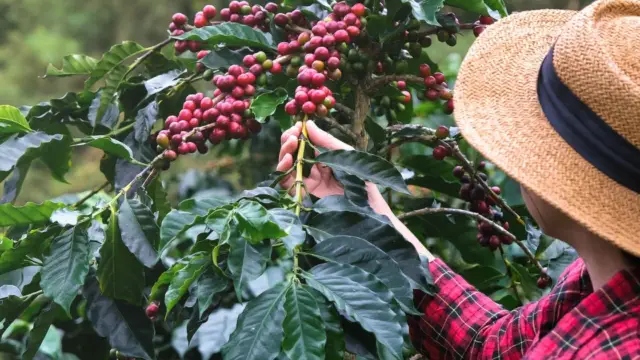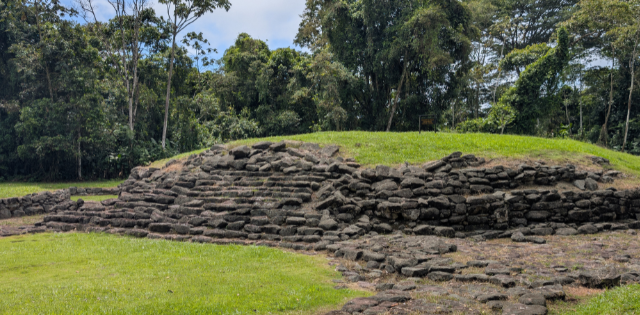
Costa Rica is often portrayed as a natural paradise. But behind the images of volcanoes and tropical forests, it is rural communities, farming families, cooperatives, and artisans who bring these regions to life. Staying with a local family in Costa Rica means sharing a space, a table, and conversations—and also understanding that tourism is just one activity among many: here, people grow coffee, sugarcane, and cassava; they raise a few animals; they maintain the trails; and adapt to climate changes.
“Aquí vivimos de la tierra… y con la tierra.”
That’s how a resident of the northern region sums up his daily life. Here, the forest, the crops, the rain, and the seasons aren’t just a backdrop. They shape the lives and daily routines of the locals, and Terra Caribea invites you to experience this for yourself.
Costa Rica, a country of nature… and committed communities
Costa Rica has made nature conservation a national priority. Today, more than 25% of the country’s territory is protected, and behind this environmental success story are men and women deeply attached to their land.
Pura Vida, a way of life rooted in the land
Pura Vida is more than just a phrase. It’s a way of approaching life with simplicity, gratitude, and respect. In rural Costa Rica, this way of life is reflected in:
- family farming, often passed down through several generations,
- a strong attachment to rural traditions,
- a slower pace of life,
- a growing commitment to preserving natural resources.
A discreet yet deeply warm culture
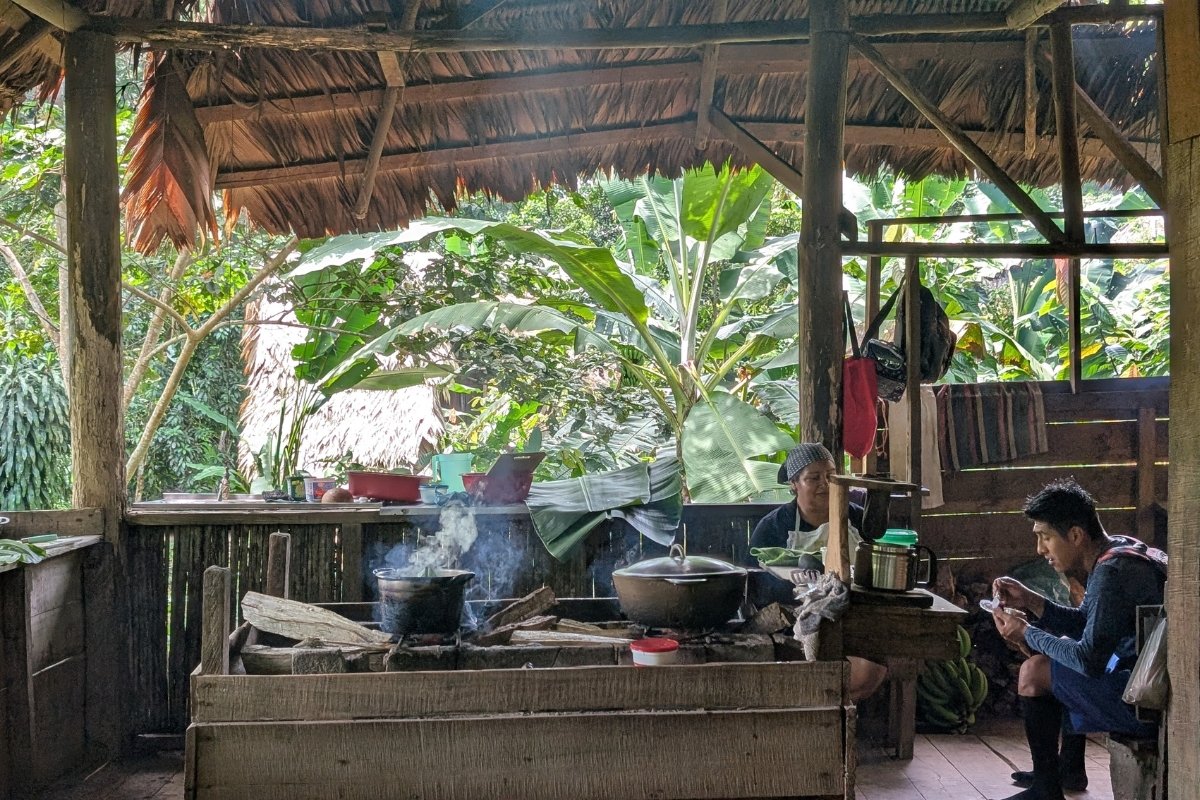
Costa Rican culture is sometimes less visible or well-known than that of other Latin American countries. It expresses itself gently through filter-brewed coffee in the kitchen, hand-made tortillas, a conversation about the harvest, or even a spontaneous invitation to help prepare a meal.
Hospitality is an integral part of this identity. Families who open their homes to travelers do so with pride, eager to exchange ideas, share their traditions, and help others discover their way of life.
Staying with Local Families in Costa Rica: Embracing Simplicity as a Common Ground
A homestay in Costa Rica sometimes means simple comforts in a family home or a small cabin near the finca: family furniture passed down from generation to generation, a fan instead of air conditioning, meals eaten at set times with the family, and so on.
This level of simple comfort often reflects the country’s rural way of life. But that’s precisely what makes the experience so special! Staying with a local means stepping outside international standards to experience something authentic and connect with people. Here are Terra Caribea’s homestay experiences:
In the Los Santos Region: Artisanal Coffee and Rural Traditions
In Providencia de Dota, in the Los Santos area, the Retana family reminds us that coffee is not just an export product— it is a family legacy and a connection to the land. This homestay experience offers insight into the current challenges facing artisanal coffee production, the intergenerational transmission of traditions, and the close link between agriculture and biodiversity.Spotting a quetzal or exploring a traditional coffee mill are all part of this rural heritage. Discover our tour featuring authentic encounters.
In the Southern Mountains: An Immersion with the Boruca Women
In the heart of Boruca territory, a women’s association works to preserve and pass on ancestral knowledge related to art, memory, and indigenous identity. This immersion offers a chance to discover the history of the Boruca people, their famous carved masks, and the symbolism of the Fiesta de los Diablitos, while sharing in the daily lives of the artisans dedicated to preserving their culture. From a hike to a sacred natural site to a visit to the community museum and a mask-painting workshop, the experience highlights the central role women play in cultural transmission and the resilience of the region.
The Camino de Costa Rica: Hiking and Staying with Locals
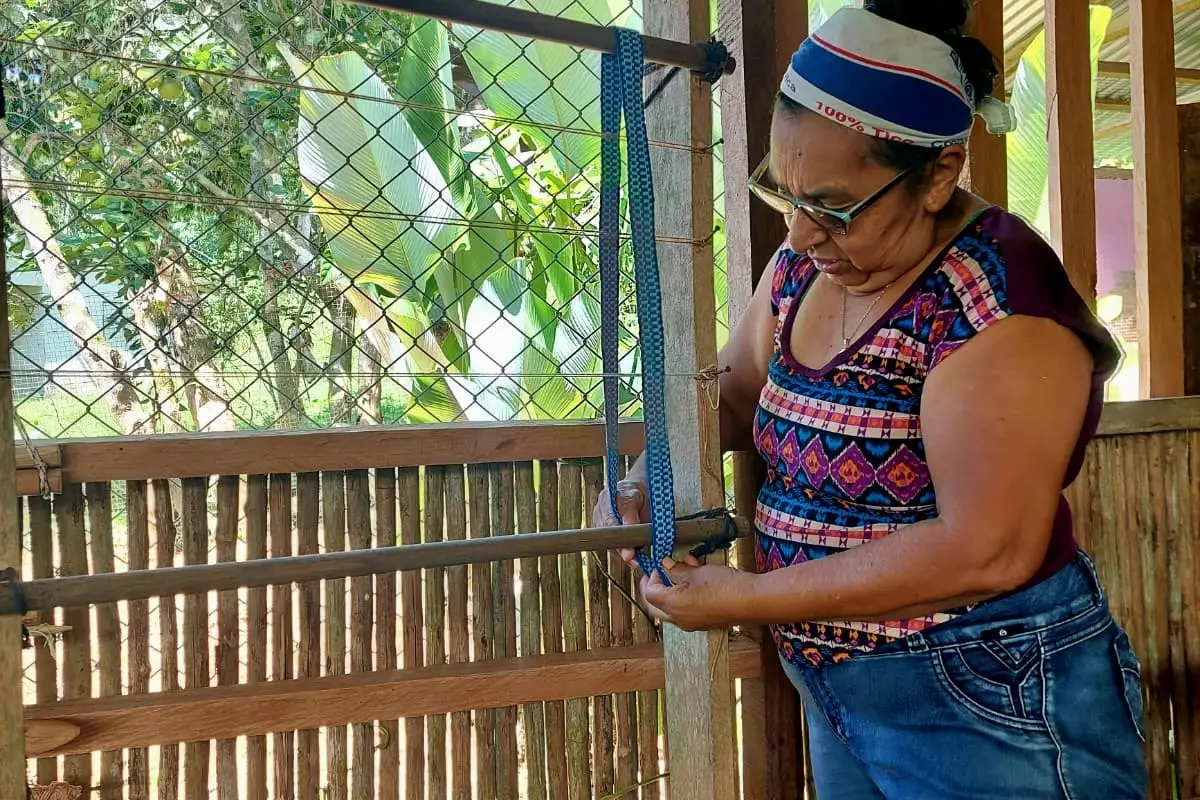
This trek connects the Caribbean coast to the Pacific, passing through rural villages. More than just a physical challenge, the Camino offers a glimpse into diverse—and sometimes fragile—social and agricultural realities. Stays with local families and in Indigenous communities punctuate the journey and offer a firsthand look at local dynamics: agriculture, adaptation to climate change, and social inequalities. The trail thus serves as a guiding thread for understanding the region’shuman and environmental diversity. Discover this adventure between the Caribbean and the Pacific.
What does volunteering with a host family in Costa Rica involve?
Homestay volunteering in Costa Rica attracts travelers who want to get involved in a meaningful and respectful way. In many rural communities, projects are designed and led locally. Depending on current needs, residents invite visitors to participate in specific initiatives. Community volunteering can take various forms: maintaining a community garden, providing occasional support at a school, improving a community building, or participating in an agroecological project.
Tasks vary according to the priorities set by the community, and my host families often remind me: your presence matters just as much as your actions! Sharing a meal, listening, asking questions, and understanding the history of the place are all integral parts of the experience.
In the northern part of the country: community immersion and volunteering with local families
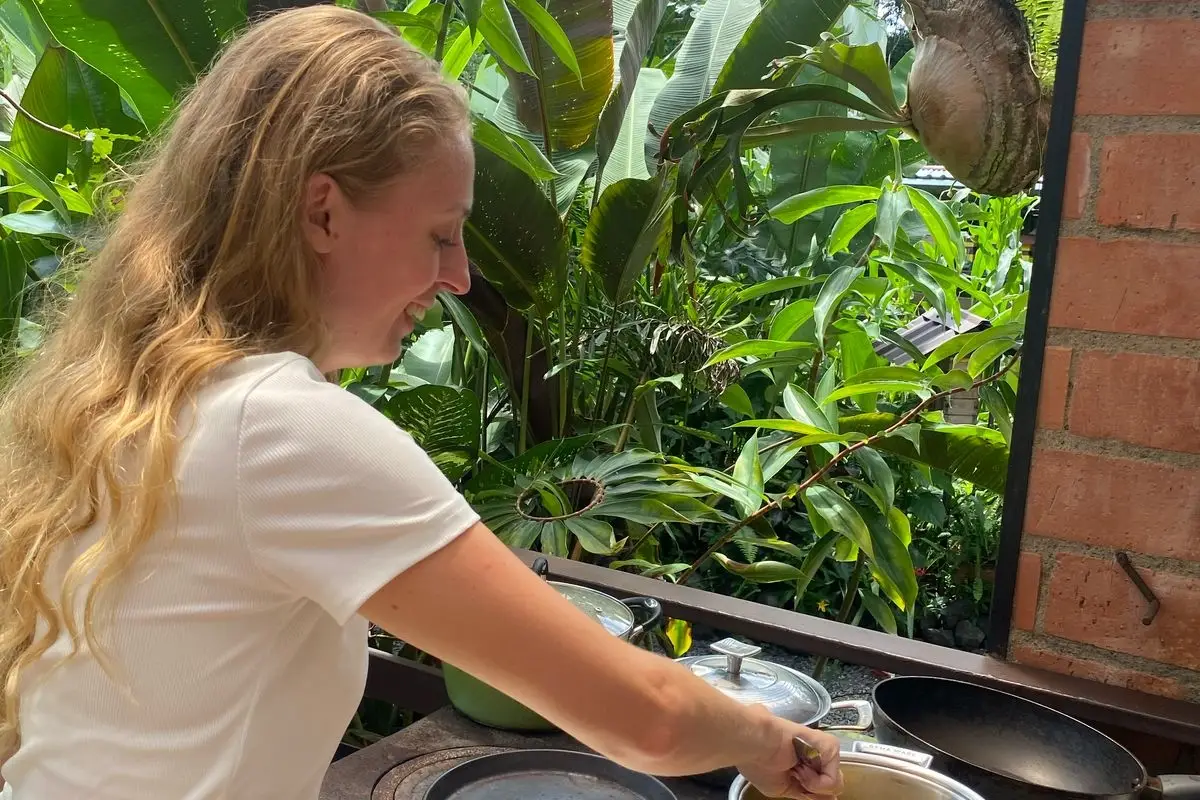
In northern Costa Rica, a family-run cooperative has developed a model of tourism integrated into community life. Visitors are hosted by local families and can participate, depending on current needs, in agricultural, educational, or community projects. The experience includes an introduction to rural life, an exploration of the rainforest, a shared cooking session with the women of the community, and a volunteer program designed and supervised locally. A day of volunteer work is organized around current needs: tending gardens, working at the school, or improving community infrastructure. Visitors do not replace local residents; rather, they support initiatives already led by the community.
Day-Long Homestay Experiences in Costa Rica: Sharing Local Expertise
Staying with a local family isn’t the only way to spend time with a community. Some families prefer to offer day-long experiences focused on a specific skill.
Guaitil in Guanacaste: Chorotega Pottery and the Passing Down of Artisanal Skills
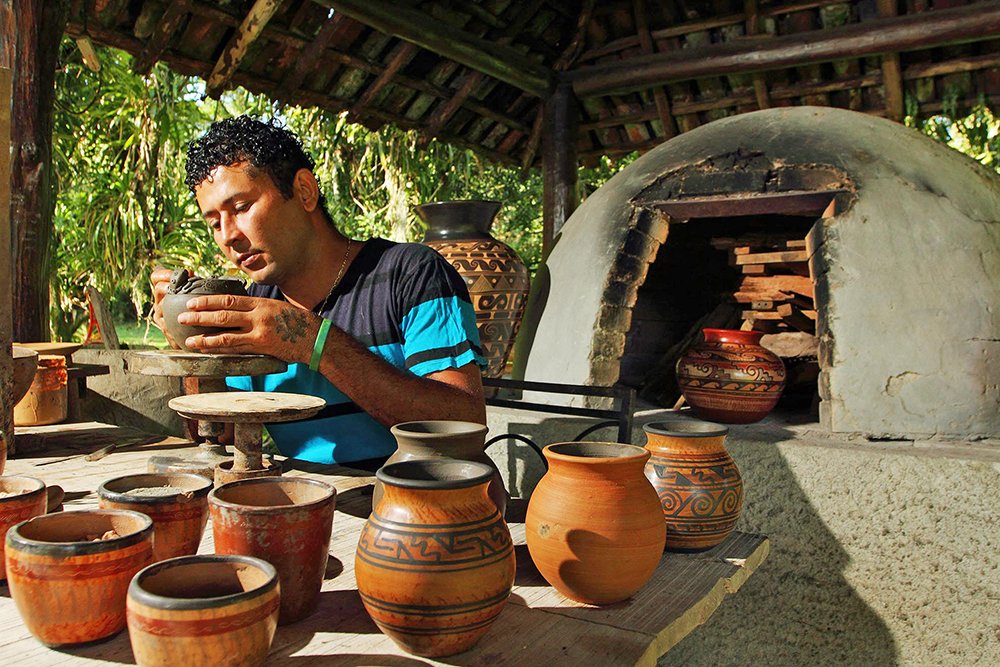
In Guaitil, Guanacaste, a family carries on the Chorotega tradition of hand-crafted pottery made with natural pigments and opens the doors to its workshop to share this artisanal expertise. The experience highlights a pre-Columbian heritage that remains very much alive, blending family traditions with contemporary adaptations. It offers an immersive look at the techniques, materials, and stories behind them.
Sarapiquí: Understanding Tropical Agriculture at the Heart of a Family Farm
In Sarapiquí, Don Rodolfo welcomes visitors to his family-run finca and shares his commitment to organic farming and the sustainable management of tropical crops. The tour takes visitors through pineapple and sugarcane plantations to explore agricultural practices, climate challenges, and how production coexists with local wildlife.
Pérez Zeledón Region: Family Farming and Traditional Cane Mill
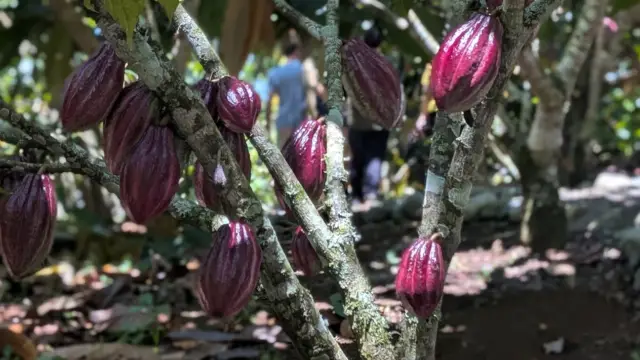
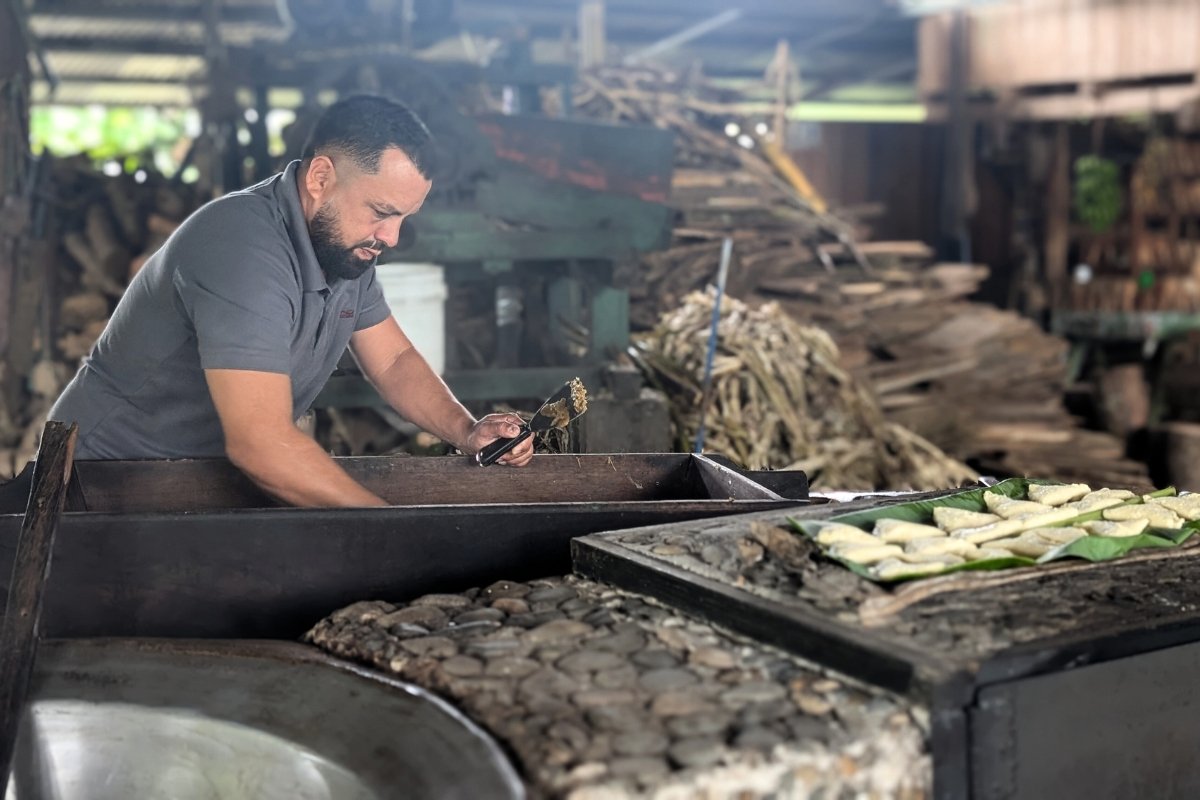
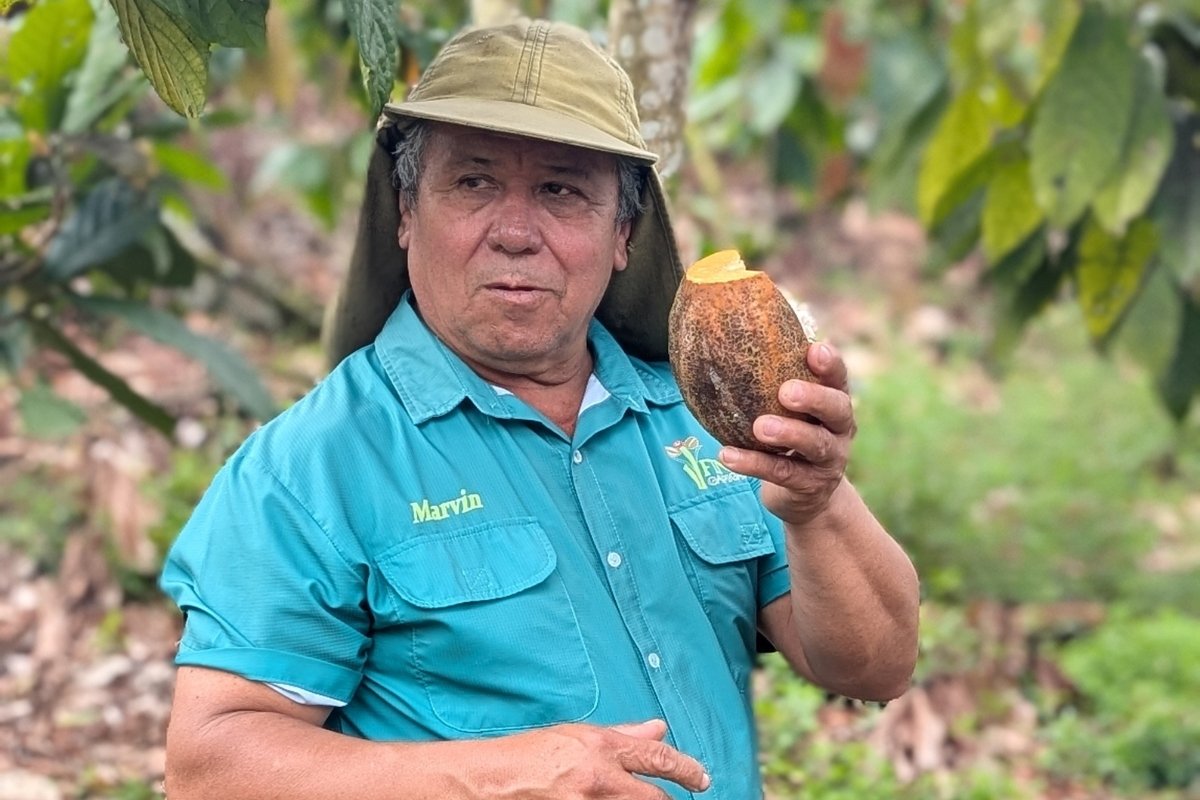
In the south of the country, Bernadita and Marín have developed an agroforestry model that integrates cacao, coffee, pepper, sugarcane, and endemic plants. Further on, at Nery’s place, the traditional sugar mill is still in operation to extract sugarcane juice, which is then processed into dulce de tapa or other sugarcane-based products. An immersive experience with local residents that reveals the close ties between agriculture, the transmission of knowledge, and the rural economy.
Arenal Region: Home-Style Cooking and Rural Traditions in the Shadow of the Volcano
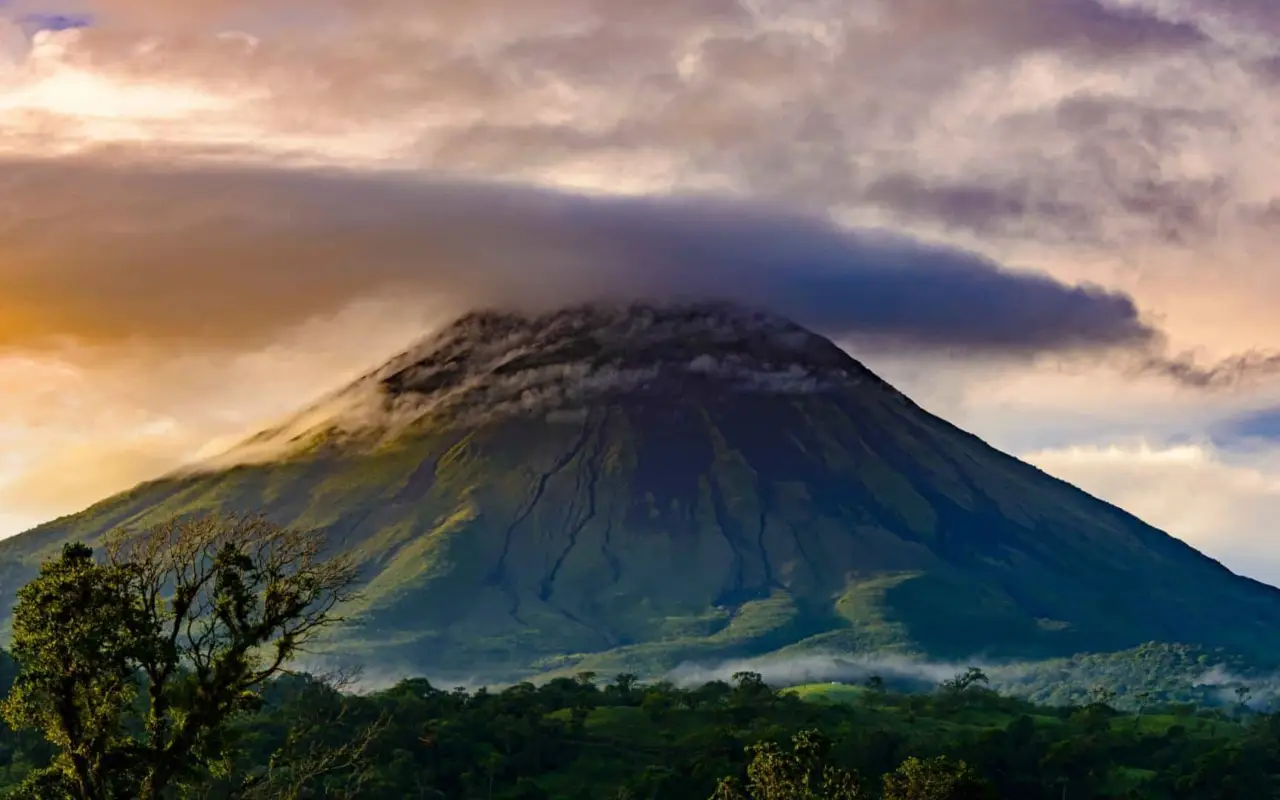
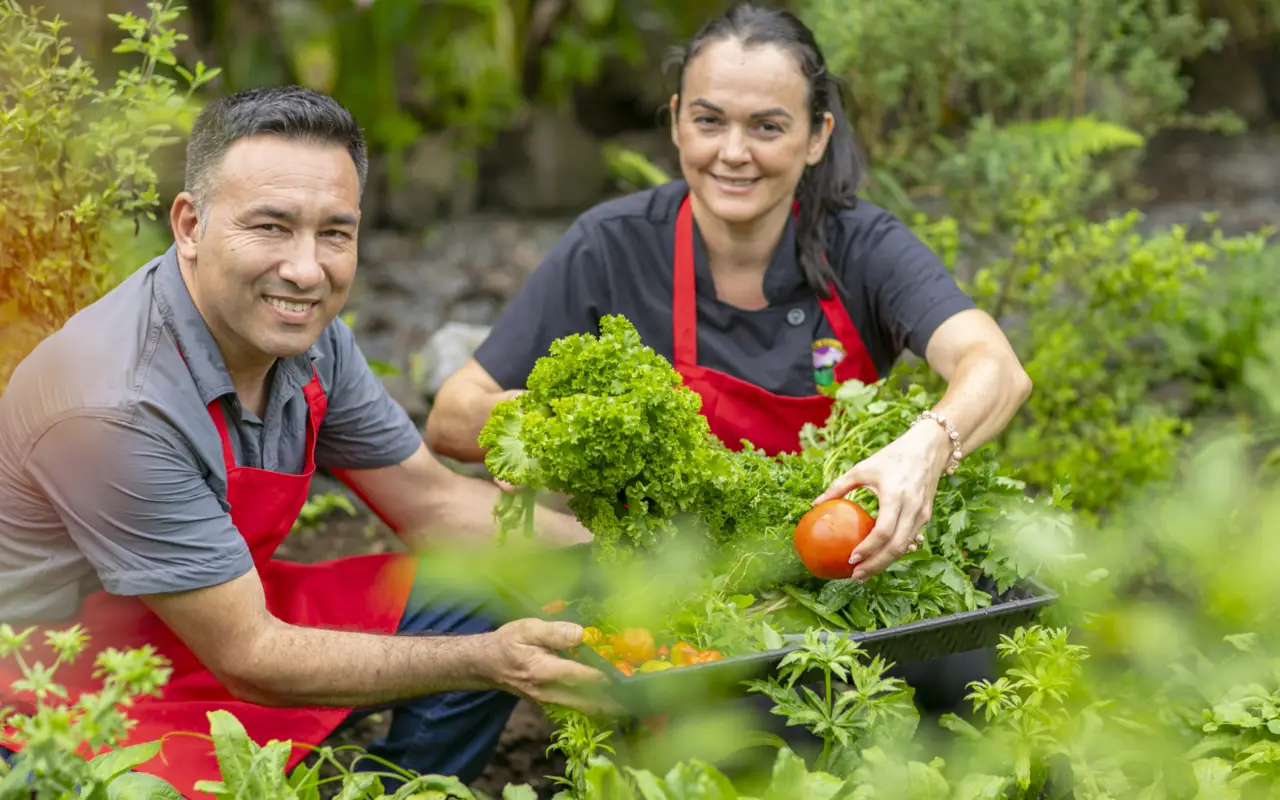
With the Arenal volcanoin the background , Greivin and Ivania open their home and invite visitors to explore their kitchen garden: medicinal plants, tropical fruits, vegetables, and aromatic herbs. The experience highlights knowledge related to plants, sugarcane processing, and seasonal cooking, all within a participatory setting.
Traveling Responsibly During a Homestay in Costa Rica
A homestay in Costa Rica isn’t a “turnkey” experience; it’s an invitation into a daily life that’s already in full swing. When families open their homes, they share an intimate space: a kitchen where meals are prepared, a living room where children do their homework, a garden that feeds the family.
In some regions, residents explain how tourism has helped sustain farming or finance a child’s education. In others, they also mention the challenges: economic dependence, rising land prices, and rapid changes in villages. A homestay allows you to understand the reality of Costa Rican life and to get a closer look at the country’s culture so you can appreciate it more fully.
As a responsible traveler, you can download our informational materials to learn about best practices to follow while you’re there:

FAQ – Homestay in Costa Rica
What is the level of comfort during a homestay in Costa Rica?
The level of comfort varies by region and family, and reflects the reality of rural households in the country. Most homestays in Costa Rica offer a private room. The bathroom may be shared, and air conditioning is rarely available in rural areas; you’ll usually find a fan or a mosquito net. The experience emphasizes simplicity and sharing in daily life rather than standardized hotel comfort.
Do you need to speak Spanish to stay with a local family in Costa Rica?
Speaking Spanish makes communication easier, but it’s not essential. Some families speak a few words of English. Gestures, shared meals, and group activities often create a common language. A homestay is also a great opportunity to learn a few local expressions!
Is a homestay in Costa Rica suitable for families with children?
Yes, as long as the children are open to an environment different from that of a traditional hotel. Homestays can be very enriching for young children: discovering farm animals, helping with cooking, and observing nature. It’s important to prepare children in advance so they understand the setting.
Is a homestay in Costa Rica safe?
The homestays in Costa Rica selected by Terra Caribea take place in established and well-organized communities. The
host
families regularly welcome travelers. As always, respecting local rules and using common sense are essential.
What is the difference between a rural hotel and a homestay in Costa Rica?
A rural hotel in Costa Rica is a tourist establishment located in the countryside, with private rooms and a traditional hotel setup. A homestay in Costa Rica involves staying in a family home or a small attached unit, sometimes with shared spaces and communal meals. The experience is based more on sharing daily life than on simply providing lodging.