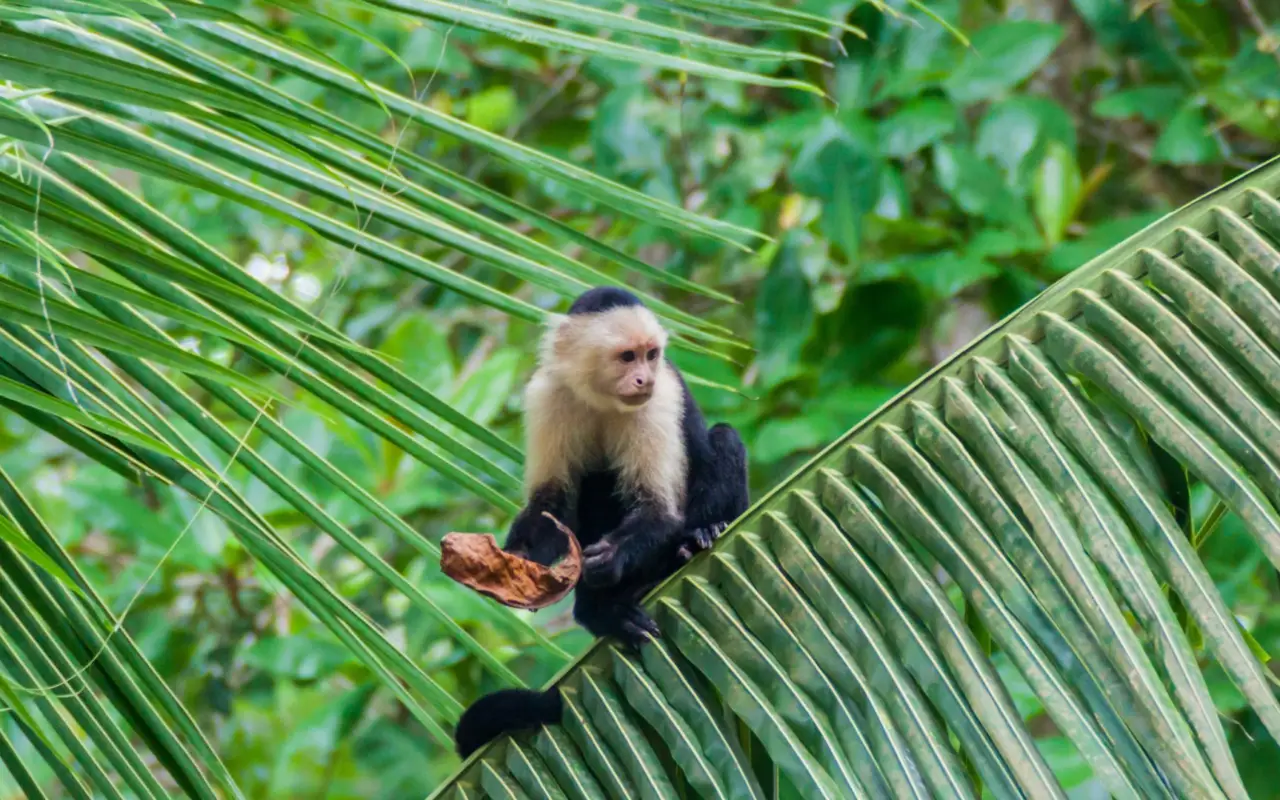
Jaguar Rescue Center, according to Axelle, a volunteer for two months
There are many animal shelters in Costa Rica. Many of them welcome volunteers to spend some time with them and the many animals in their care. One of my friends, Axelle, a young woman from Brittany, spent two months at the most renowned animal rescue center in the Southern Caribbean, the Jaguar Rescue Center. After this wonderful, altruistic experience, she answered a few of my questions:
Two months at an animal shelter in Costa Rica—tell us all about it!
As a huge animal lover, I decided to go volunteer at an animal shelter. After doing some research and reading reviews on the subject, I settled on the Jaguar Rescue Center—and thus, Costa Rica. There are three “categories” of people who work at the center: temporary volunteers (like me), who stay at the center for 1 to 4–5 months; permanent volunteers, who stay for at least 6 months up to a few years; and employees, who have been dedicated to the center for years.
As soon as I arrived, I felt a strong sense of camaraderie with the other volunteers, especially those staying in the center’s dormitory. The volunteers come from all over the world—Australia, Brazil, Italy, Spain, Germany, Denmark, and so on. The center allows you to meet people who share the same passion for animals. It’s a life-changing experience that I’ll recommend for the rest of my life!
What were your main responsibilities?
With a large number of volunteers rotating each month, it’s important to be very organized. We had rotating tasks every 2–3 hours. The center is very strict about hygiene and cleanliness. So part of the work involves cleaning the enclosures, cages, equipment, and the dishes the animals eat from, etc. Another part involves gardening and maintaining the center, not only to keep the place pleasant but also to welcome tourists in the best possible conditions.
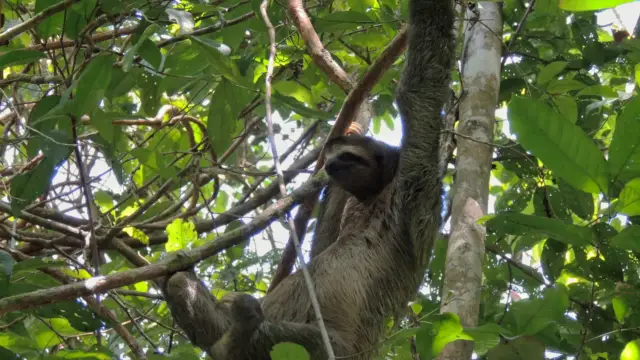
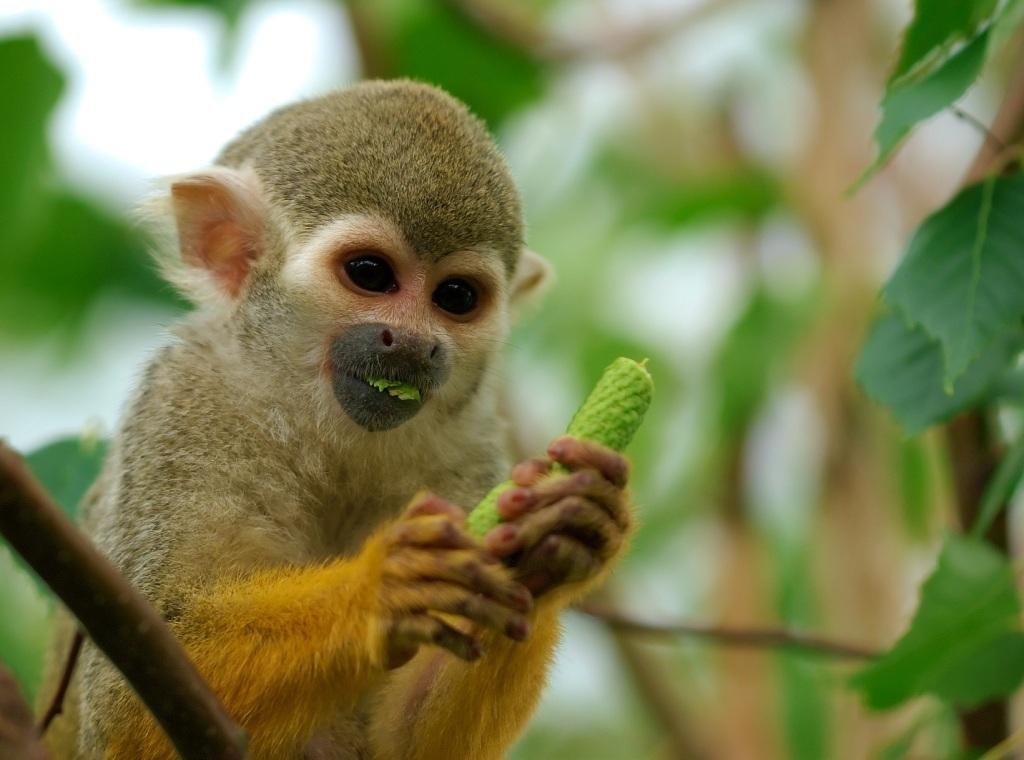
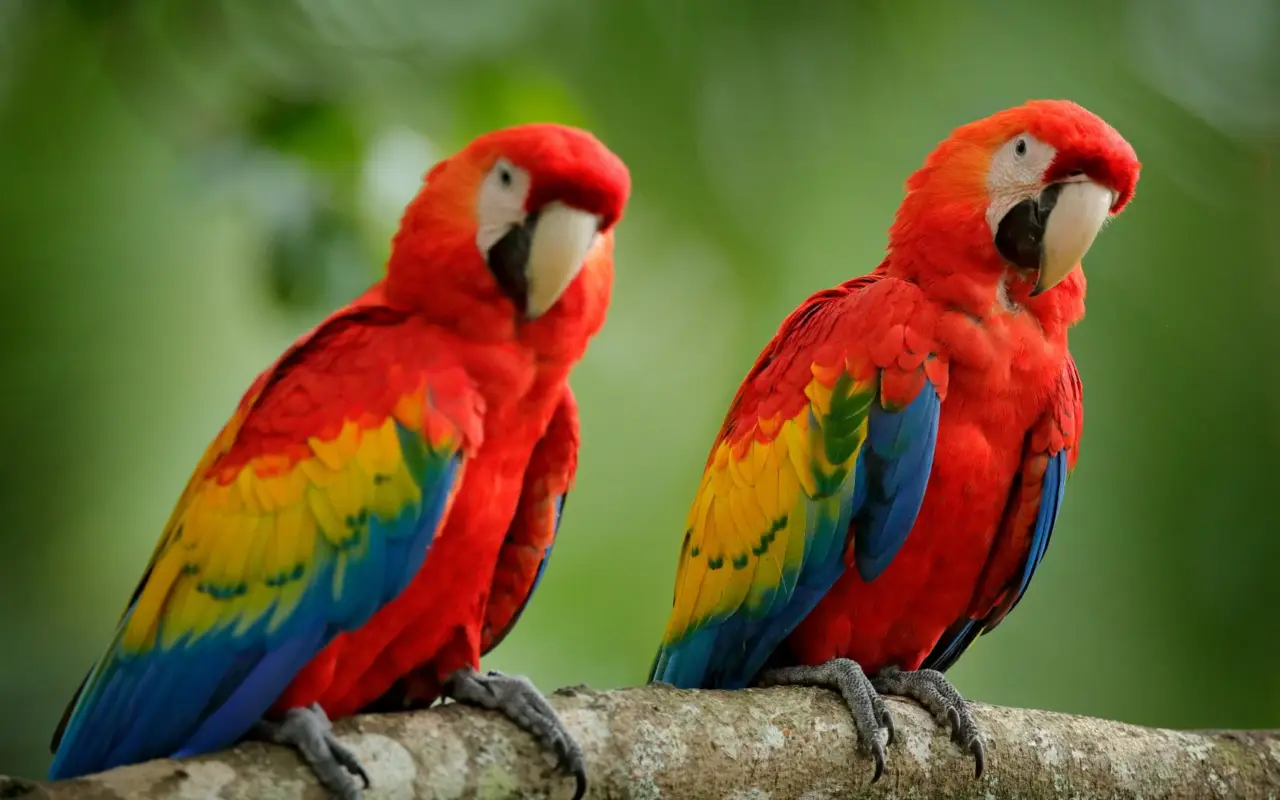
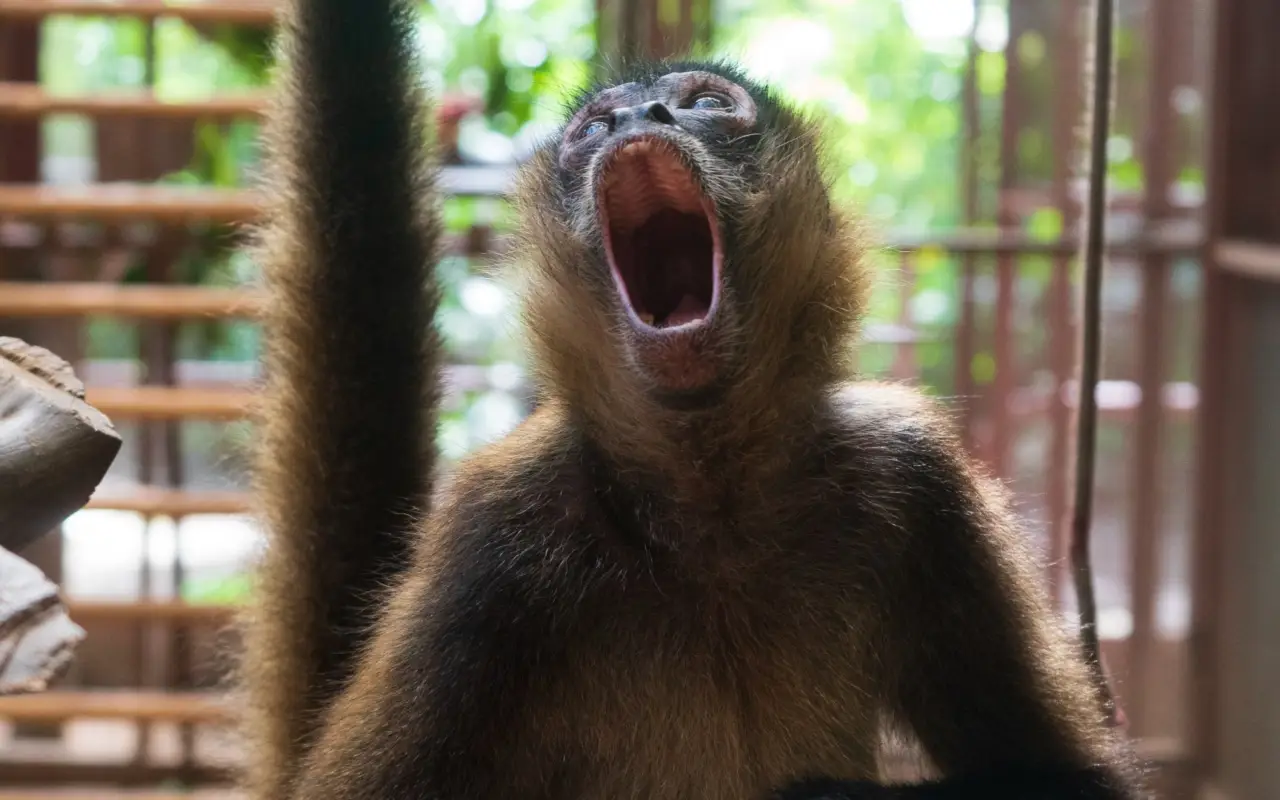
And finally, there’s work that involves more direct interaction with the animals: monitoring the sloths, keeping an eye on the birds, caring for baby monkeys (one at a time if it’s very small and can’t be with the others, or 5–6 in an enclosure), or going into the forest with adolescent and adult monkeys to help them readapt to life in the wild until they’re ready to be released.
What is the purpose of an animal shelter?
The Jaguar Rescue Center was established to care for injured, abandoned, or orphaned animals that would not have been able to survive on their own in the wild without outside help. The goal is to rehabilitate the animals so they can be released back into the wild. Unfortunately, this doesn’t always happen, as some animals may die at the center, or, in the best-case scenario, survive but require lifelong care and therefore remain at the center for the rest of their lives.
How do the animals get to the center?
The center is quite well-known in the Puerto Viejo area. So when people see injured animals or animals in distress, they call the center, which then comes to pick them up and bring them to the facility. We also received calls from national parks such as Manzanillo National Park and Cahuita National Park.
What are this center's projects and goals?
It’s important to note that the center receives no government funding. Tourists who visit the center are therefore the main source of support for keeping the center running, purchasing medical supplies, buying equipment for the center, and so on. They also rely on a large number of donations from around the world.
With this money, the center hopes to one day expand so it can take in more animals, as it is currently receiving too many new arrivals and its facilities (the veterinary hospital and enclosures) are becoming too small.
Your Most Memorable Encounter with an Animal
Definitely the howler monkeys! I was able to interact with them many times.
So if you’re passing near Puerto Viejo de Talamanca, be sure to visit this center—which is open every day (except Sundays)—to meet all these happy animals. The Jaguar Rescue Center also has a reserve not far from the center, called La Ceiba, where they release animals that are ready to return to the wild. Guided tours led by a volunteer are also available.
I’d like to thank Axelle for leaving a lasting impression on the hearts of all these little wild animals and for sharing her heartwarming experience.
Laura, local travel agent & animal welfare advocate