In a country like Costa Rica, where biodiversity and conservation are at the heart of the economy and national identity, training means becoming more competent for the destination, for our local partners, and for our travelers. At Terra Caribea, we regularly participate in workshops, conferences, and training sessions to strengthen our expertise. Check out all our commitments to sustainable tourism to learn more.
In this article, we’ll help you better understand the challenges of conservation in Costa Rica so you can turn your trip into an experience that’s both enriching and respectful.
Why Conservation Is a Key Issue in Costa Rica
Costa Rica, a Model of Environmental Protection
Today, approximately 26% of Costa Rica’sland area and 30% of itsmarine area are protected. In practical terms, this means that these areas are governed by specific regulations designed to preserve ecosystems, restrict certain human activities, and ensure the sustainable management of natural resources. A true model for ecotourism, these figures are the result of several decades of policy focused on conservation and sustainability—a trend that continues despite the new challenges the country faces.
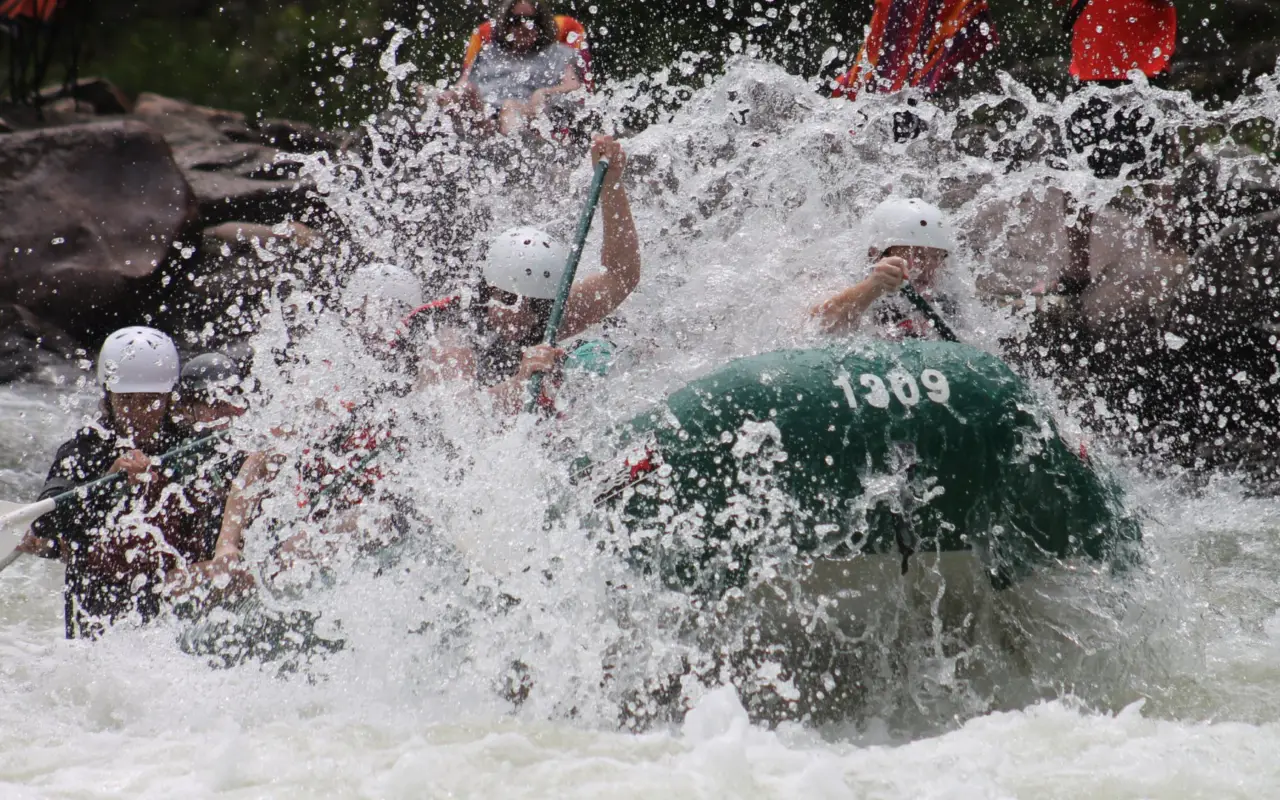
Outdoor Adventures and Hidden Gems of Costa Rica
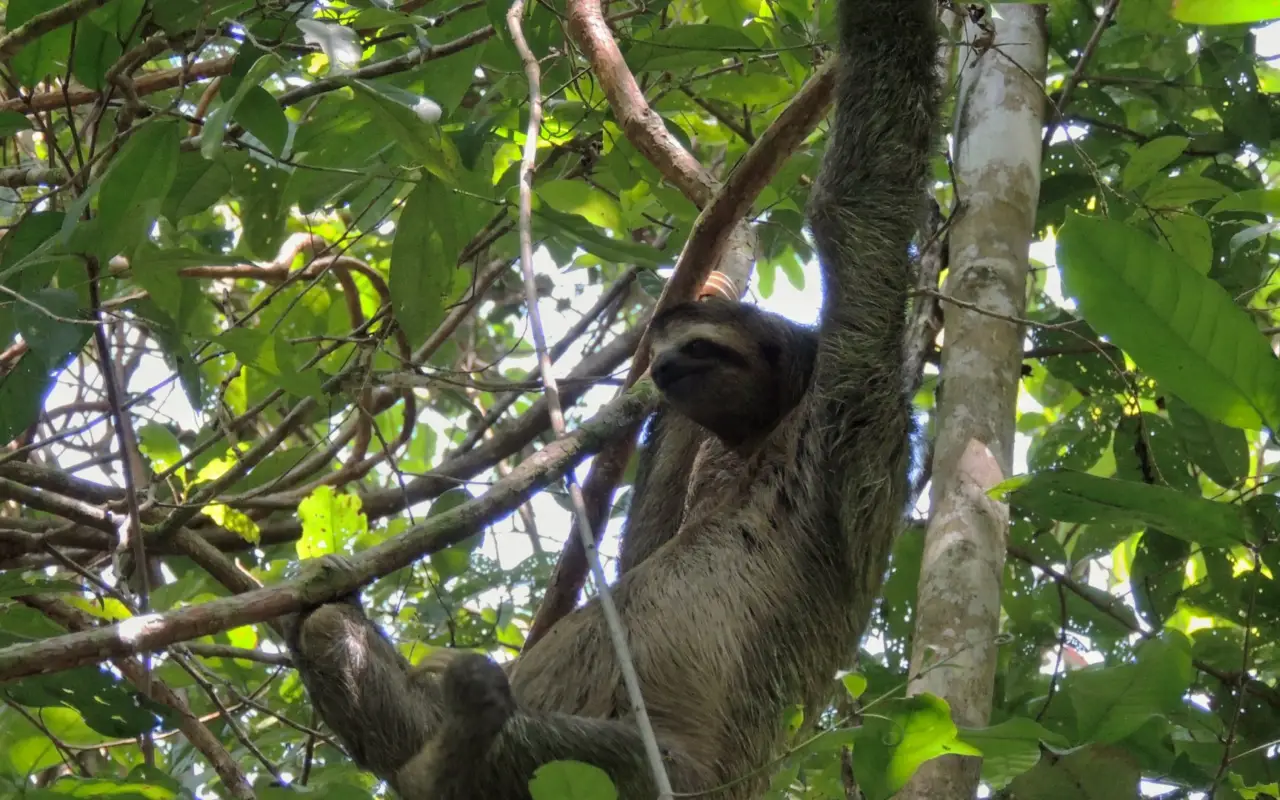
My Journey Through Costa Rica’s Ecosystem
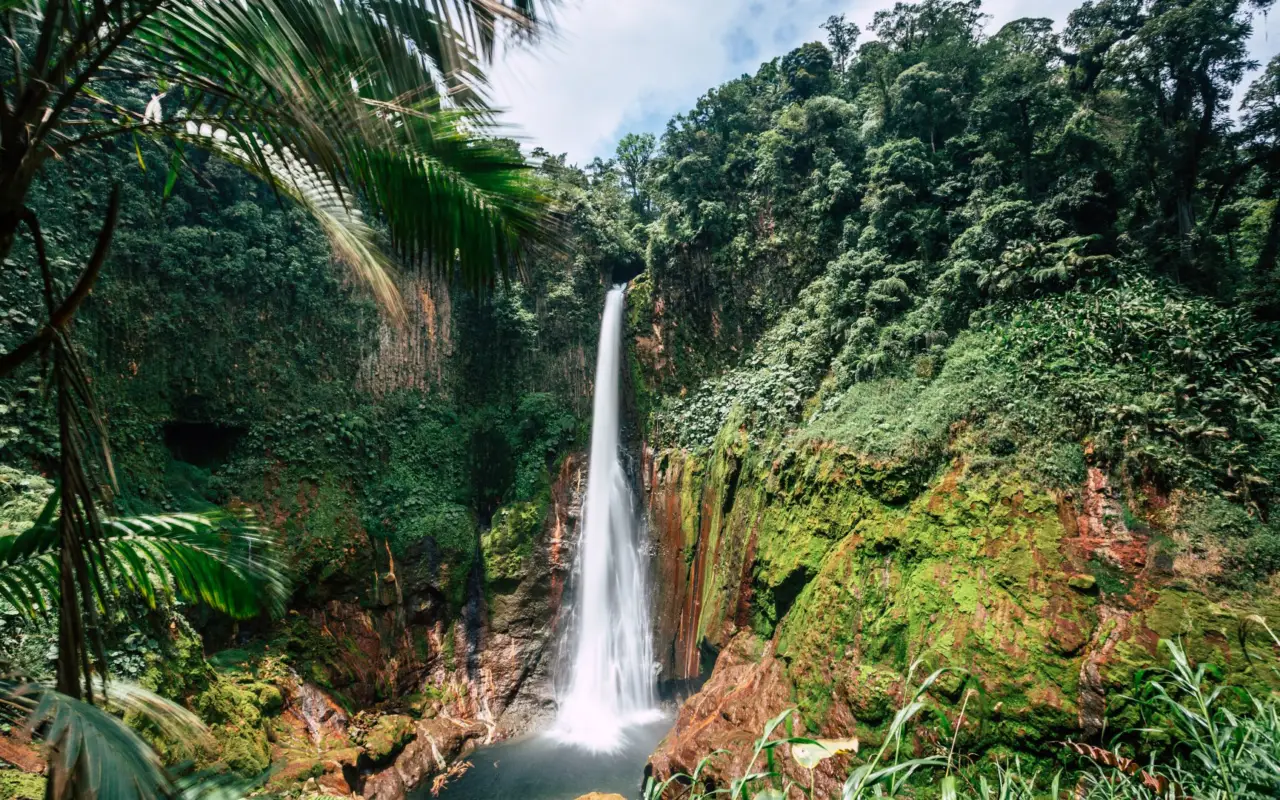
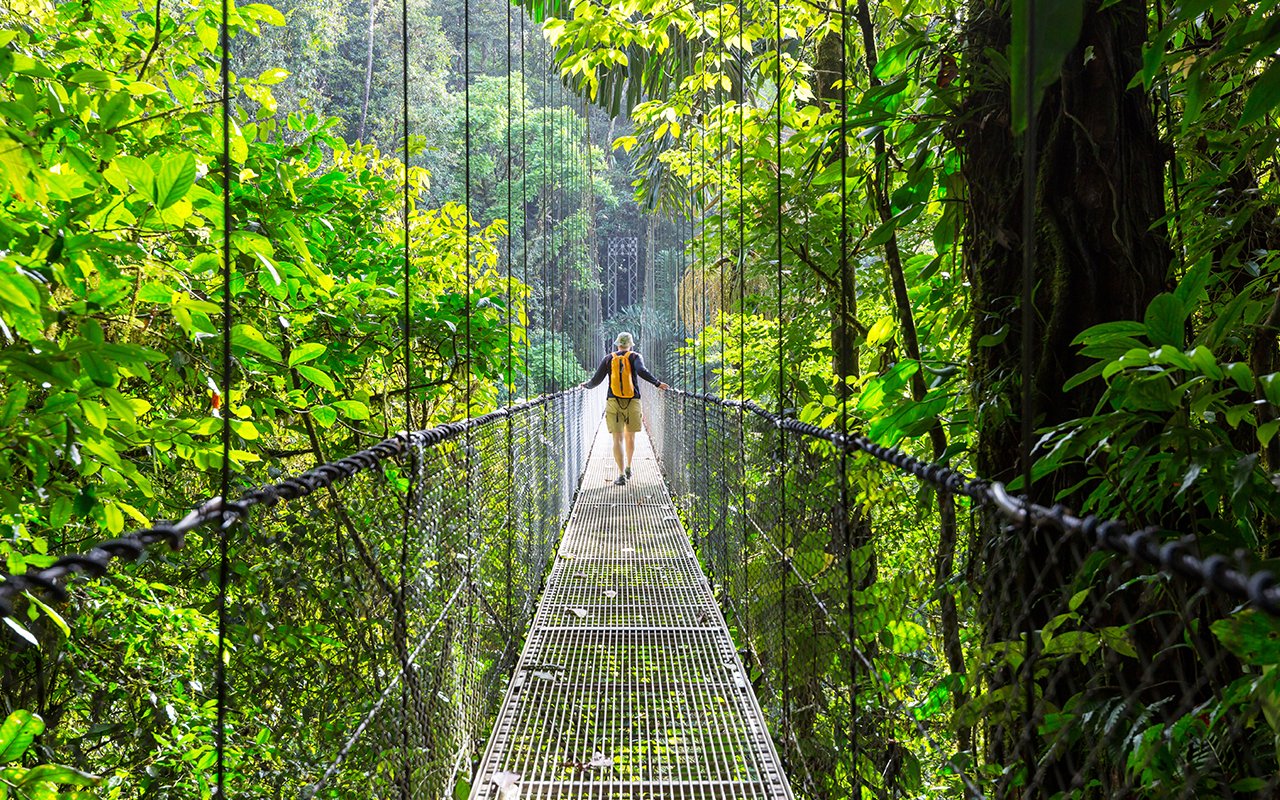
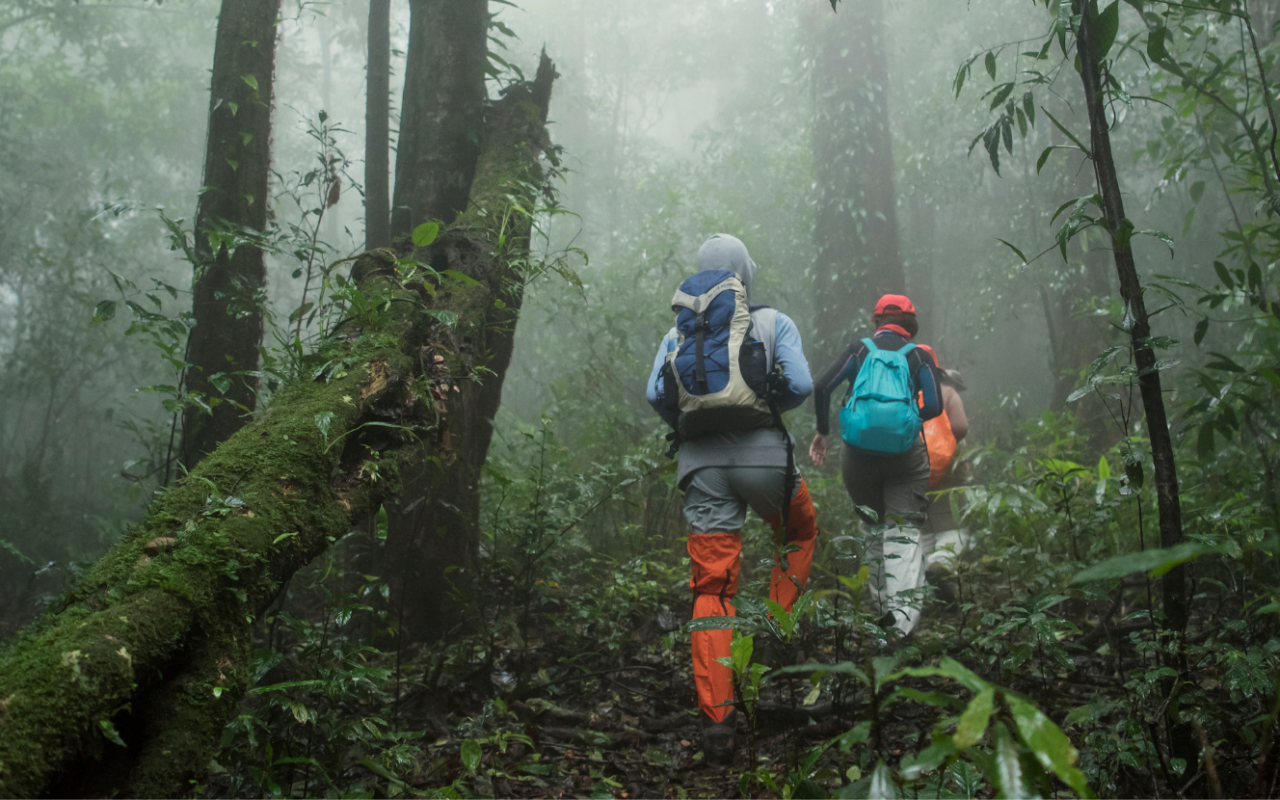
Treks and Hikes in Costa Rica Natural Sites and Exploration
The Different Categories of Protected Areas in Costa Rica
In Costa Rica, the National System of Conservation Areas (SINAC) encompasses various categories of protected areas, allowing management to be tailored to the specific conditions of each region and its ecosystems:
- National Parks: Areas of high ecological value open to the public under controlled conditions.
- Biological reserves: largely intact areas dedicated to scientific research and the strict conservation of biodiversity.
- Wildlife refuges: areas used to protect specific ecosystems, flora, and fauna, particularly endangered species.
- Protected areas: territories managed for soil protection and the regulation of natural resources.
- Forest reserves: protected forests focused on resource conservation and sustainable use.
- Natural monuments: natural, geological, or cultural features recognized for their special value.
- Wetlands: aquatic ecosystems (swamps, mangroves, lagoons) recognized for their ecological role.
- Biological corridors: areas that serve as “natural bridges” between protected areas, facilitating species migration.
- Urban parks: natural areas integrated into urban areas that contribute to local conservation.
The Limitations and Challenges of the Conservation System
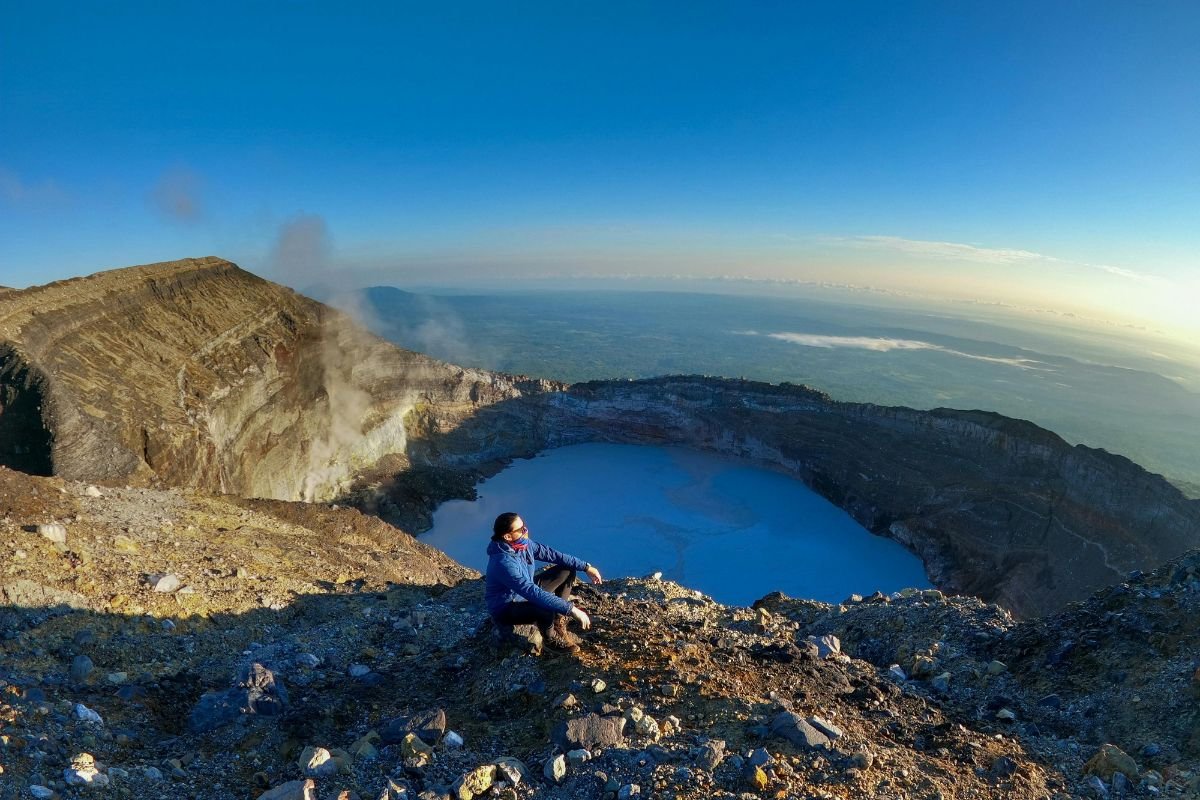
However, the implementation of these measures faces several limitations: a lack of human and financial resources, growing pressure from tourism, increased needs for scientific research, and the sometimes incomplete enforcement of existing laws. These challenges serve as a reminder that conservation is an ongoing process that requires a continuous commitment not only from institutions but also from the tourism sector and visitors.
The Importance of Responsible Behavior
Costa Rica attracts many travelers every year thanks to its exceptional biodiversity. To ensure that this natural wealth remains intact, it is essential that everyone adopt behaviors that respect the natural environment. The country has established a legal framework to protect its biodiversity, but conservation also depends on everyday actions in the field.
Among the essential practices to adopt when visiting natural areas:
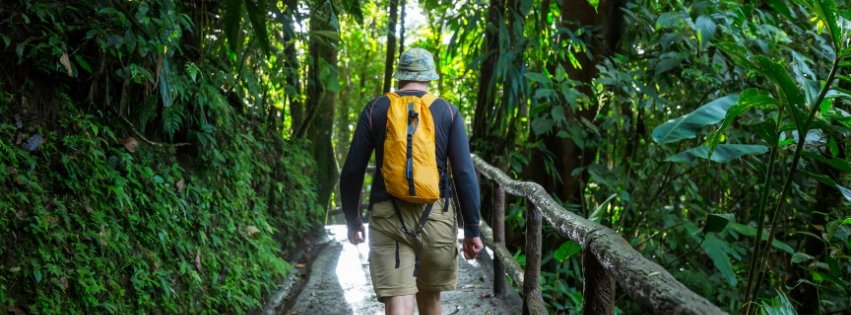
- Stay on marked trails: straying off the trails can damage fragile vegetation and accelerate soil erosion.
- Do not take anything (plants, rocks, shells, etc.): these elements play a role in the balance of ecosystems and often serve as resources or shelter for other species.
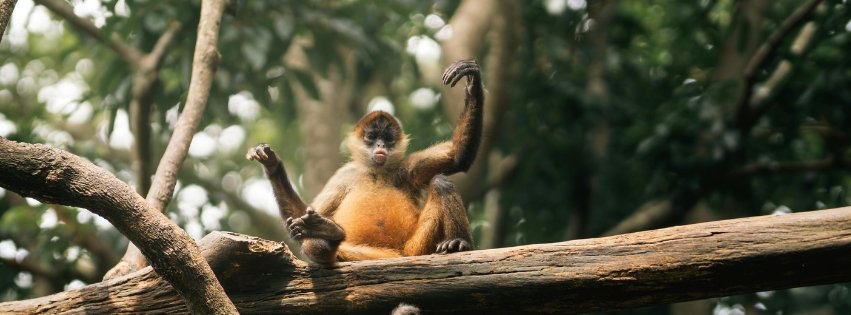
- Do not feed or touch animals: this alters their natural behavior, encourages dependence on humans, and increases the risk of disease and conflict.
- Keep noise to a minimum and respect the peace and quiet of the surroundings: noise disturbs wildlife, particularly in breeding or resting areas.
- Do not leave trash behind and take everything you bring with you: trash pollutes the soil and water and attracts animals to unsuitable food sources.
- Avoid using harmful chemicals near aquatic ecosystems: certain sunscreens or personal care products can be toxic to corals and aquatic wildlife.
- Avoid taking selfies and posing for close-up photos with wildlife: these practices cause stress to the animals and normalize risky behavior.
These actions, which may seem simple at first glance, directly contribute to the protection of natural habitats and the sustainability of ecosystems, while enhancing the quality of the travel experience. Check out our resources for sustainable travel in Costa Rica
Traveling with a Local Guide in Costa Rica
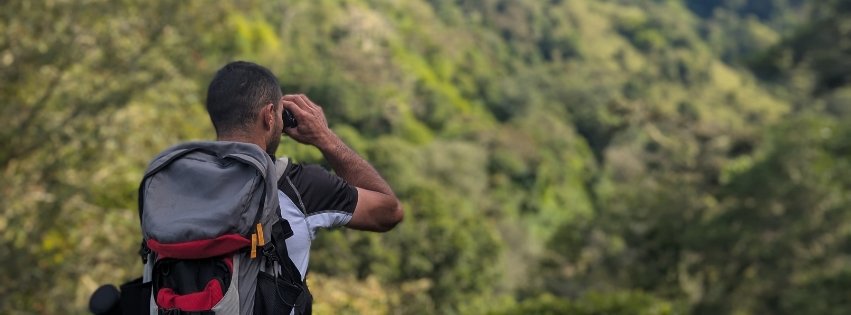
Traveling with a local guide in Costa Rica is about more than just comfort or logistics. The guide plays a central role as a bridge between visitors, the land, and local communities. They provide essential insights for understanding the landscapes, ecosystems, and human realities that shape them.
The Key Role of the Local Guide During an Activity
Their role encompasses several complementary aspects:
- providing reliable and context-rich information,
- demonstrating respect for the environment and local communities,
- ensuring the safety of participants in environments that can sometimes be challenging,
- contributing to local social and economic development by creating jobs and supporting local expertise,
- facilitating an understanding of cultural norms and local customs to avoid misunderstandings and foster respectful interactions,
- go beyond merely consuming landscapes by giving meaning to the experience,
- encourage a more mindful relationship with the region, based on listening, understanding, and respect for the places we visit.
Finally, at Terra Caribea, we believe that our work goes beyond simply organizing trips. Providing information, putting things into context, and raising awareness are integral parts of our mission. As intermediaries, we are constantly reflecting on our responsibility in the ecological transition and in sharing knowledge: what tools can we provide travelers to help them understand the region and explore it respectfully?