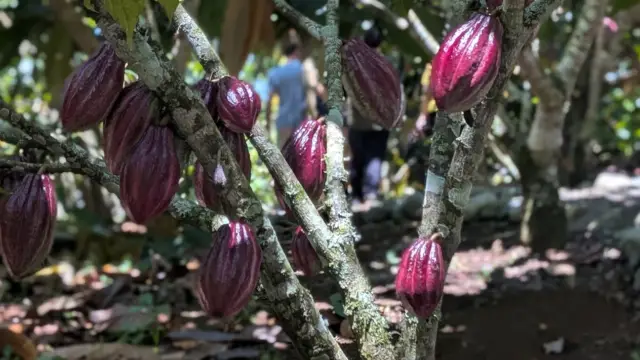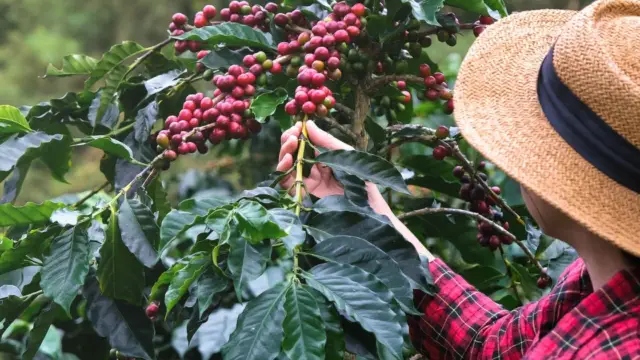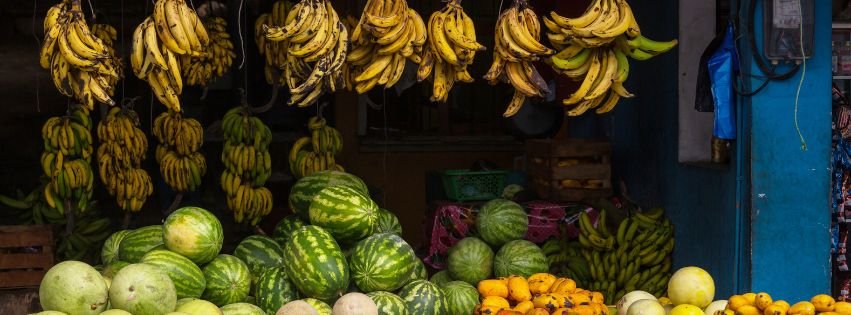
In Costa Rica, tropical fruits are a part of everyday life. They can be found at local markets, in supermarkets, and at roadside stands—often freshly harvested depending on the season and region of the country. Mangoes, pineapples, papayas, mangosteens, and passion fruit—some are familiar, while others are much more local and sometimes surprising. In this article, you’ll discover where to buy fruit in Costa Rica, the main harvest seasons, how Costa Ricans enjoy them, and which fruits to prioritize tasting during your trip—for a culinary experience rich in flavors and surprises! This is your chance to (re)discover Central America’s iconic tropical fruits.
Where can you buy tropical fruits in Costa Rica?
Farmers’ markets: the best place to discover local fruits
The ferias del agricultor are farmers’ markets held weekly in most cities in Costa Rica, often on weekends and mainly in the morning. They’re usually the best place to buy fresh, local, and seasonal tropical fruits. The selection at the stalls varies depending on what’s currently in season, which gives you a better understanding of the seasonal availability of fruit in Costa Rica. Don’t hesitate to ask for a taste before buying.
You’ll find:
- fruit sold by the kilo,
- local varieties sometimes not found in supermarkets,
- prices that are often more affordable, and higher-quality produce,
- an authentic atmosphere, where you can support the local economy through responsible consumption.
Some practical tips:
- bring cash in colones
- arrive early to take advantage of the widest selection—stores are usually closed in the afternoon
Supermarkets and Urban Markets
Major retailers offer most common fruits year-round: pineapples, bananas, papayas, mangoes, and coconuts are available there almost all year long, but the value for money isn’t as good. In San José, some city markets, such as the Central Market, also offer fresh fruit, often already prepared as fresh juice.
Roadside Stalls
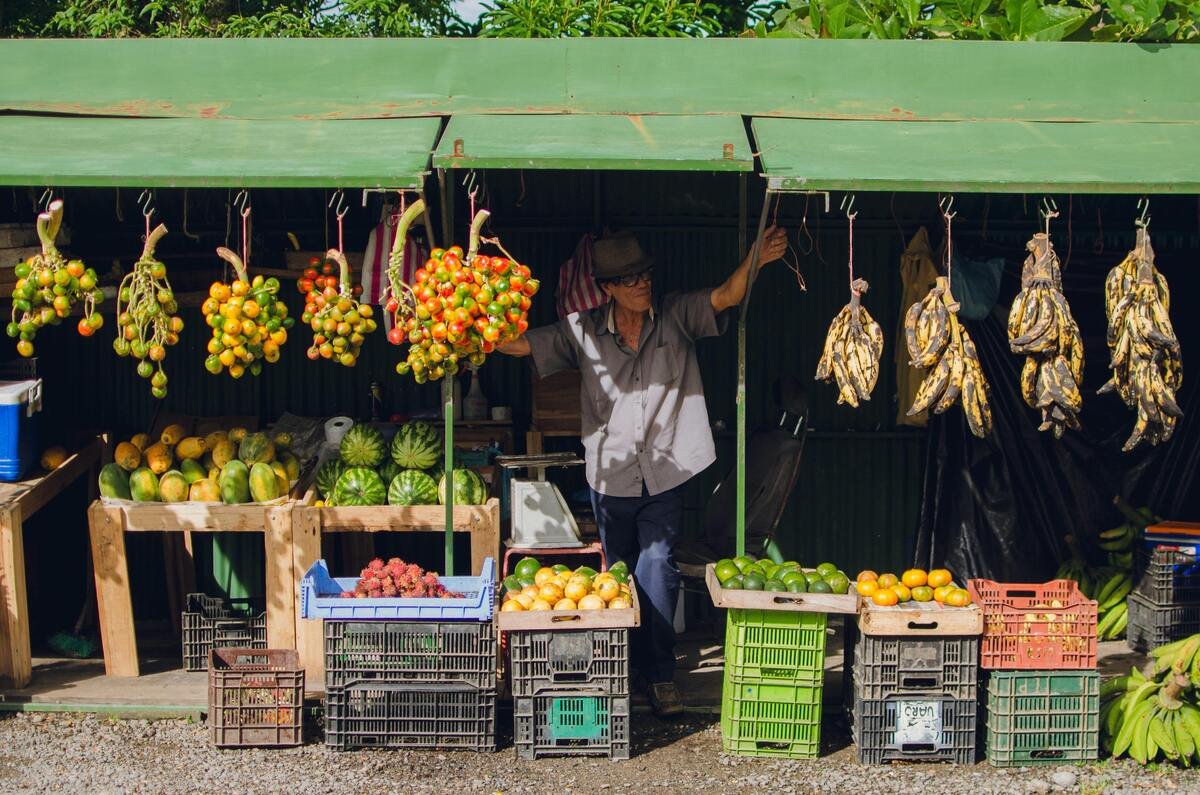
In some rural areas, it’s common to see small stands selling freshly harvested fruit: mangoes, pipa fría (fresh coconut water), pineapples, or pejibaye, depending on the season.
These stops often give you the chance to taste very ripe fruit, sometimes harvested that very same day. The Costa Rican adventure also includes the luxury of finding the best fruit during your road trip—so make the most of it!
For beginners, watch out for this pitfall when shopping: here, we distinguish between bananas and plantains: Although they look similar, plantains are eaten cooked in various forms (patacones, maduros, soups, etc.) and are considered more of a vegetable than a fruit. They cannot be eaten raw as a snack because they are hard and have very little sugar.
Which fruit is in season when?
Costa Rica has a wide variety of climates, but there are generally two main seasons: the dry season (December through April) and the green season, which corresponds to the rainy season (May through November). The appeal of the ferias is that they let you see right away which fruits are most common during your trip.
Not all fruits are available year-round. Here are a few useful pointers:
- Mangoes are often more plentiful toward the end of the dry season; in fact, the best ones are found in the Central Valley, near Alajuela, which is known for its bountiful mango trees.
- Pineapples are available year-round, but they’re sweeter during certain periods; Sarapiquí is highly recommended for its delicious pineapples.
- Passion fruit and citrusfruits vary by region and altitude; we recommend enjoying them as drinks or desserts to avoid their tartness.
- Some very local fruits are only available at markets for a few weeks; feel free to ask for recommendations when you’re there.
How do the Ticos eat fruit on a daily basis?
In Costa Rica, fruit is available at almost any time of day.
At breakfast
Papaya, pineapple, banana, or watermelon are often served with breakfast at sodas, hotels, or in Costa Rican homes. You’ll have the chance to see this for yourself at every traditional breakfast you have during your trip—a great way to get your fill of vitamins first thing in the morning.
Fresh juices and aguas frescas
Natural juices, or aguas frescas, are extremely popular. The fruits are blended with or without sugar, and with water or milk depending on the recipe and your personal preferences.
Some of the most common flavors include maracuyá (passion fruit), cas, guanábana (with milk), blackberry, tamarind, strawberry, mango, and pineapple.
You’ll also often find “limonadas de hierba buena, ” a traditional drink made with fresh lemon and a plant that’s very similar to mint in both taste and appearance.
As a snack or side dish
Some fruits are eaten plain, sliced, or with more unexpected accompaniments. The pejibaye, for example, is often served with mayonnaise after being cooked.
Which fruits should you try first on a trip to Costa Rica?
A trip to Costa Rica is the perfect opportunity to discover new, unfamiliar fruits—or to rediscover your favorites right at the source. You’ll be surprised by how delicious they are!
Pineapple
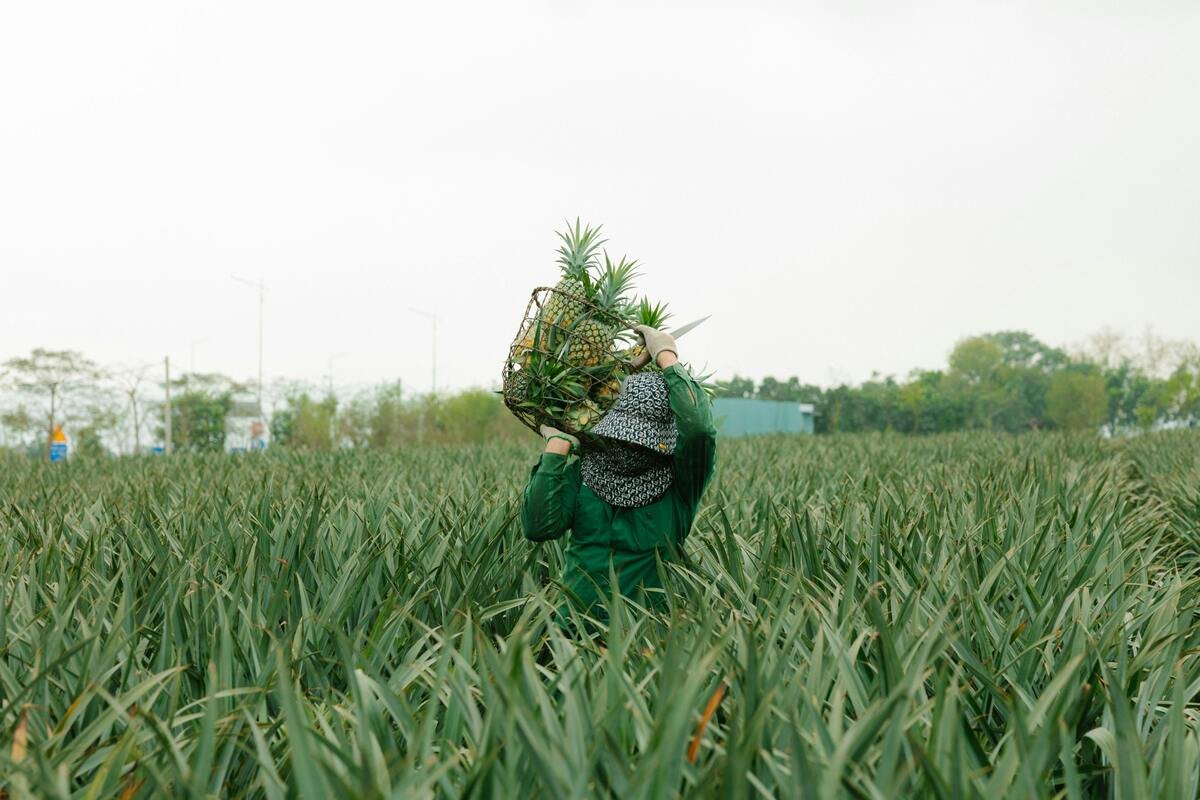
Name(s): piña
Taste & texture: Very juicy, sweet flesh with low acidity when ripe.
How it’s eaten in Costa Rica: on its own, as fresh juice, or for breakfast.
When it’s most common: available year-round, often particularly flavorful between March and July.
Mango
Name(s): mango / manga, depending on size
Taste & texture:
- sweet flesh, more or less fibrous depending on the variety; very fragrant in the smaller ones
- firm, crisp, and milder in flavor; light green and not very juicy for the large ones (manga).
How it’s eaten in Costa Rica:
- fresh, as a snack, or in juice. Some small local mangoes are eaten right on the street.
- For green mangoes, enjoy them fresh in a bag with salt and lemon juice—or even chili pepper—a must-try
When they’re most common: mainly at the end of the dry season and the start of the rainy season.
Papaya
Name(s): papaya
Taste & texture: tender flesh, slightly musky, and very juicy.
How it’s eaten in Costa Rica: mainly for breakfast or in smoothies.
When it’s most common: available almost year-round.
Passion fruit
Name(s): maracuyá Taste & texture: tart pulp with crunchy seeds.
How it’s eaten in Costa Rica: mainly as fresh juice or aguas frescas.
When it’s most common: varies by region; often available for much of the year.
Soursop
Name(s): guanábana / corossol
Taste & texture: white, creamy, and slightly floral flesh.
How it’s eaten in Costa Rica: mainly as juice or in smoothies.
When it’s most common: often available during the rainy season.
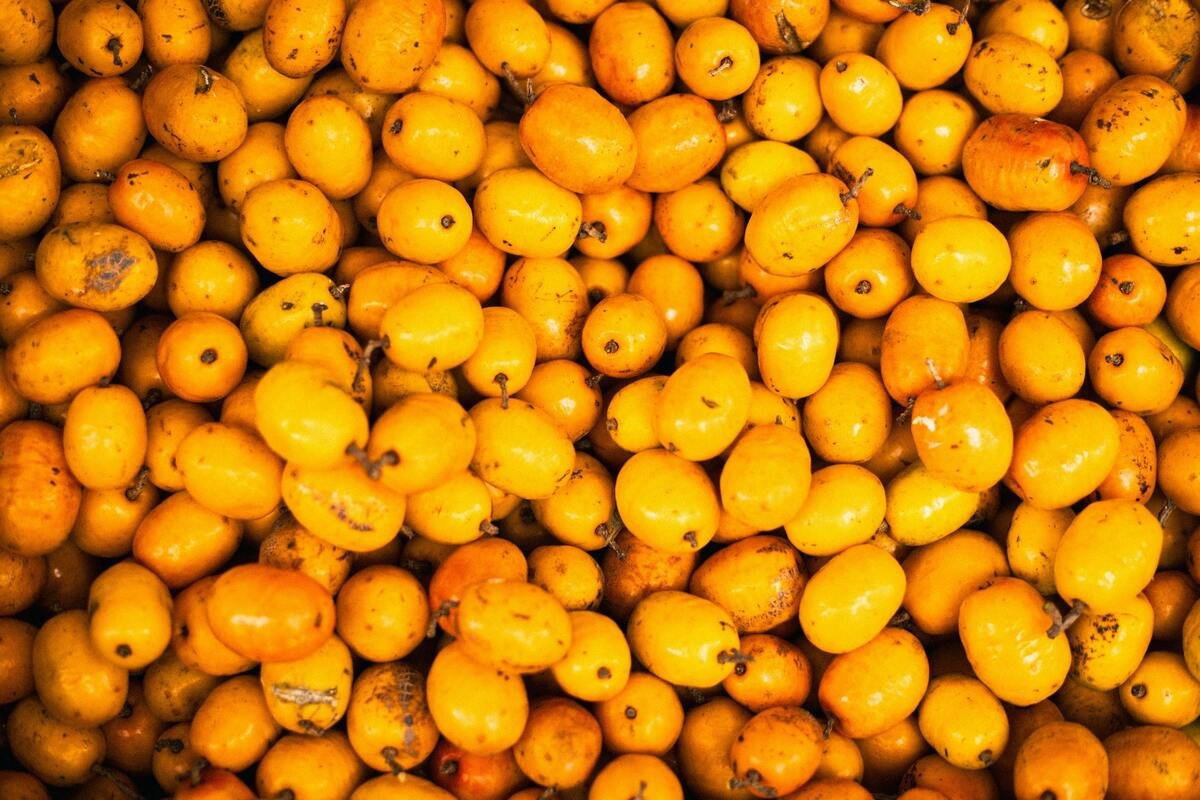
Pejibaye
Name(s): pejibaye / palm fruit
Taste & texture: a dense, mealy texture; the taste is similar to that of a chestnut or sweet potato.
How it’s eaten in Costa Rica: boiled and then served with mayonnaise.
When it’s most common: mainly during the rainy season.
A Few Simple Steps to Buy More Local
- Choose seasonal fruits whenever possible,
- bring a reusable bag to the markets,
- shop directly at local farmers’ markets to discover regional produce.
Discovering Costa Rica’s tropical fruits is an integral part of the trip. From local markets to fresh juices at sodas and fruit sampled along the roadside, they also offer a better understanding of Costa Rican eating habits and the country’s agricultural diversity.
Depending on the season and the regions you visit, some fruits will be more abundant than others, making every trip unique. Now that you know all about them, all that’s left to do is taste them!