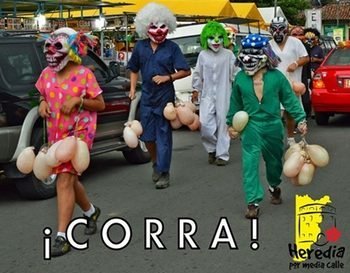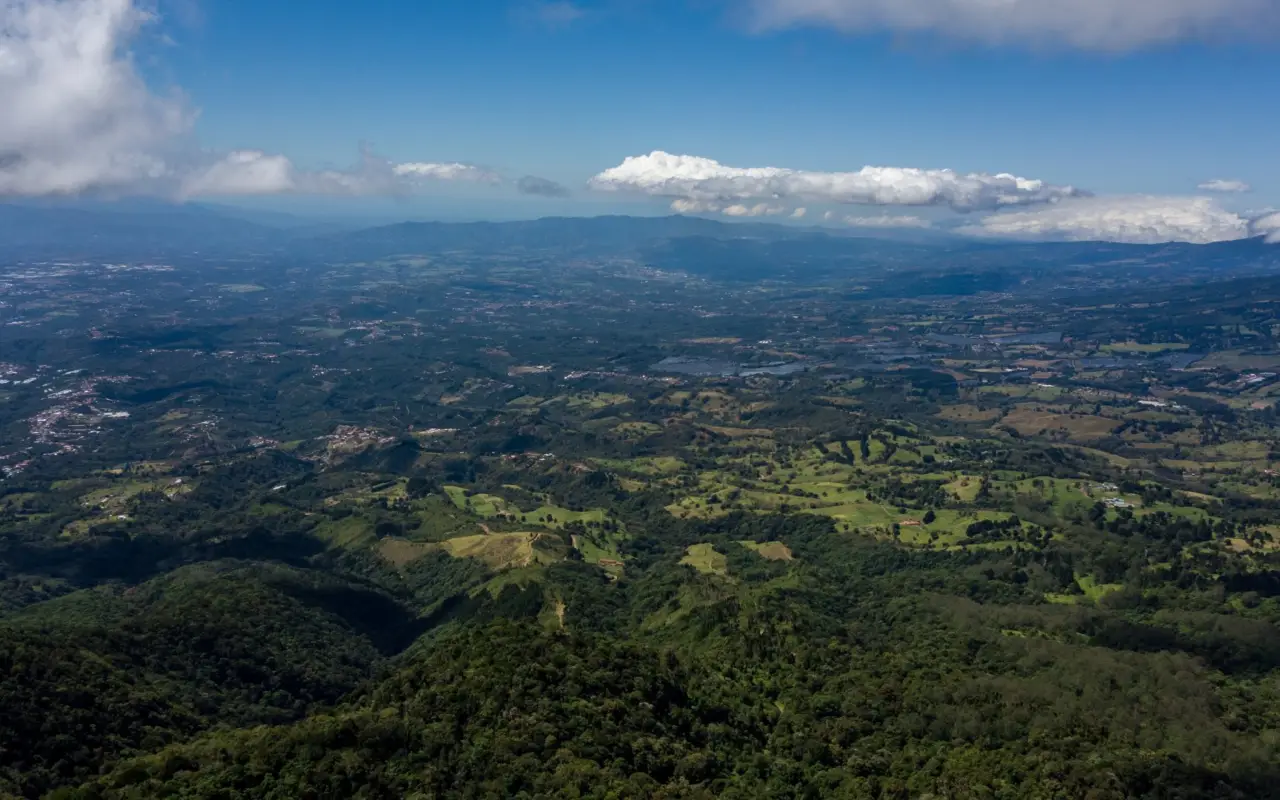
As is the case every year in Barva, a parade ofhandcrafted maskswill fill the streets of this mountain town this weekend. This festival is held in honor of Saint Bartholomew, an apostle of Jesus and the town’s patron saint, whose feast day falls on August 24.
Barva, one of the oldest towns in the country, was founded in 1613 under the official name “San Bartolomé de Barva.” Although the festival is also celebrated in other parts of the country, it is in Barva that it is most significant.
Patron saint festivalsare celebrated not only with religious rituals, but also by enjoying traditional meals and dancing to the music of local bands, known as“cimarronas.”
But that’s not what makes this festival so special… While some are dancing, others are getting ready;
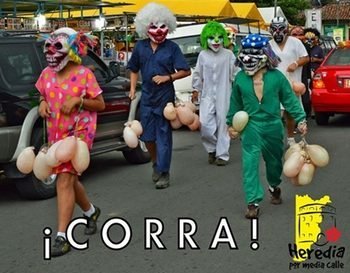
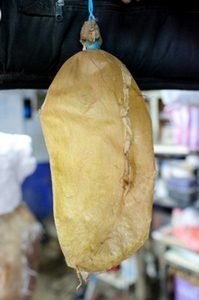
The dozens of clowns parading down the street have a unique trait all their own. In fact, tradition dictates that they parade with something very smelly and painful: pig or cow bladders inflated or filled with water, tied to a string, which they use to hit (willing) people on the street. A massive chase then ensues throughout the city.
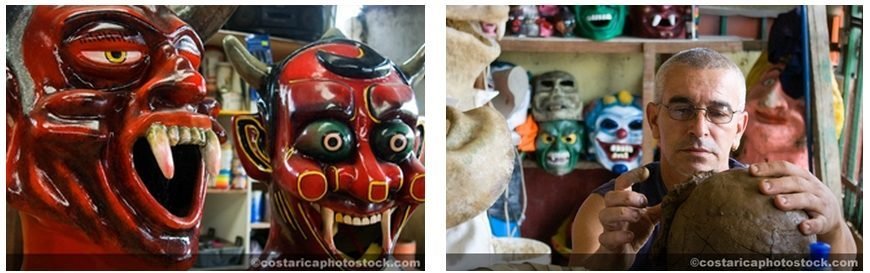
Although the exact origin of this tradition is unknown, we know a little more about“El baile de las Mascaradas,” the festival’s main event. A concept imported from Spain to the Americas, it consists of a street parade in which participants dress up in large masks with exaggerated features. Whether they are handmade, purchased, or rented, the masks feature religious motifs (fairy-tale characters, devils, grim reapers, skulls, etc.) or popular figures (local and international celebrities, etc.).
Just like society,traditionsalso evolve. The photo below is one of the oldest depicting the festival. It’s clear that the clowns’ costumes and masks were less frightening than they are today. However, the tradition of using pig bladders remains unchanged.
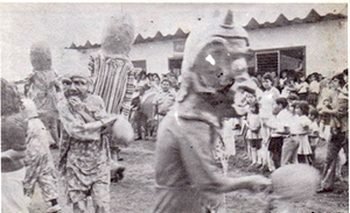
About fifty“masquereros”(mask makers) are still active in the capital, and no fewer than fifteen in the small town of Barva, where Don Luis Fernando Vargas is one of the most famous in the Central Valley. As a staunch defender of masked traditions, the Barva Museum of Folk Arts displays a selection of masks, ranging from the oldest to the most surprising. For, just like society, traditions evolve. The photo above is one of the oldest depicting the festival. It’s clear that the clowns’ costumes and masks were less frightening than they are today, but the tradition of using pig bladders remains unchanged.
Don Vargas also teaches a weekly class at the Museum of Folk Arts, and all materials are purchased and paid for by the government. This is surely the best example of a people who wish to preserve their traditions.
Below is a video in Spanish that was filmed in 2011 during the Barva festivities.