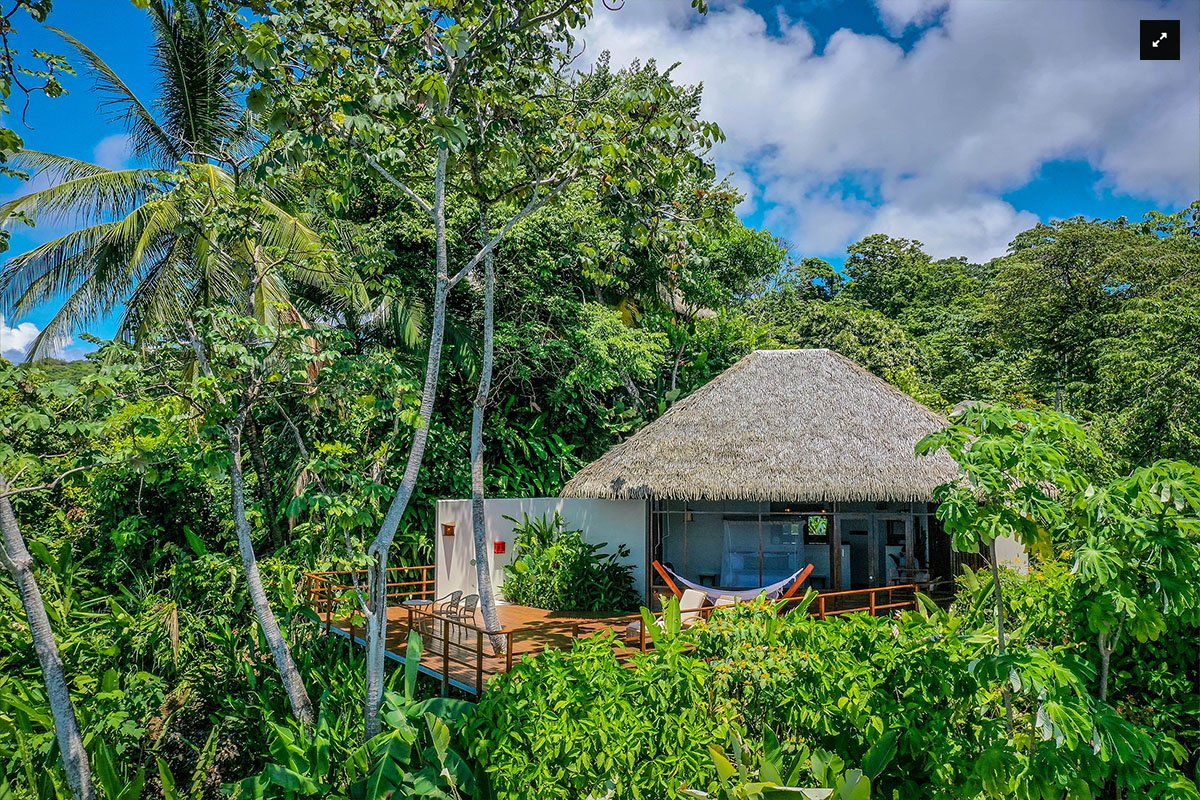
An ecolodge in Costa Rica is a type of lodging designed to minimize its impact on the surrounding natural environment; they’re often located deep in the forest or on the edge of a nature reserve. The best ones are spread across different regions: Lapa Rios on the Osa Peninsula, the Maquenque Eco Lodge in Boca Tapada, El Silencio near the Poás Volcano, and Harmony in Nosara. Expect to pay between 80 and over 300 euros per night, with prices higher for top-tier properties. The most reliable indicator for avoiding “greenwashing” remains the CST certification, created by the Costa Rican government in 1997.

What is an ecolodge, and what sets it apart in Costa Rica?
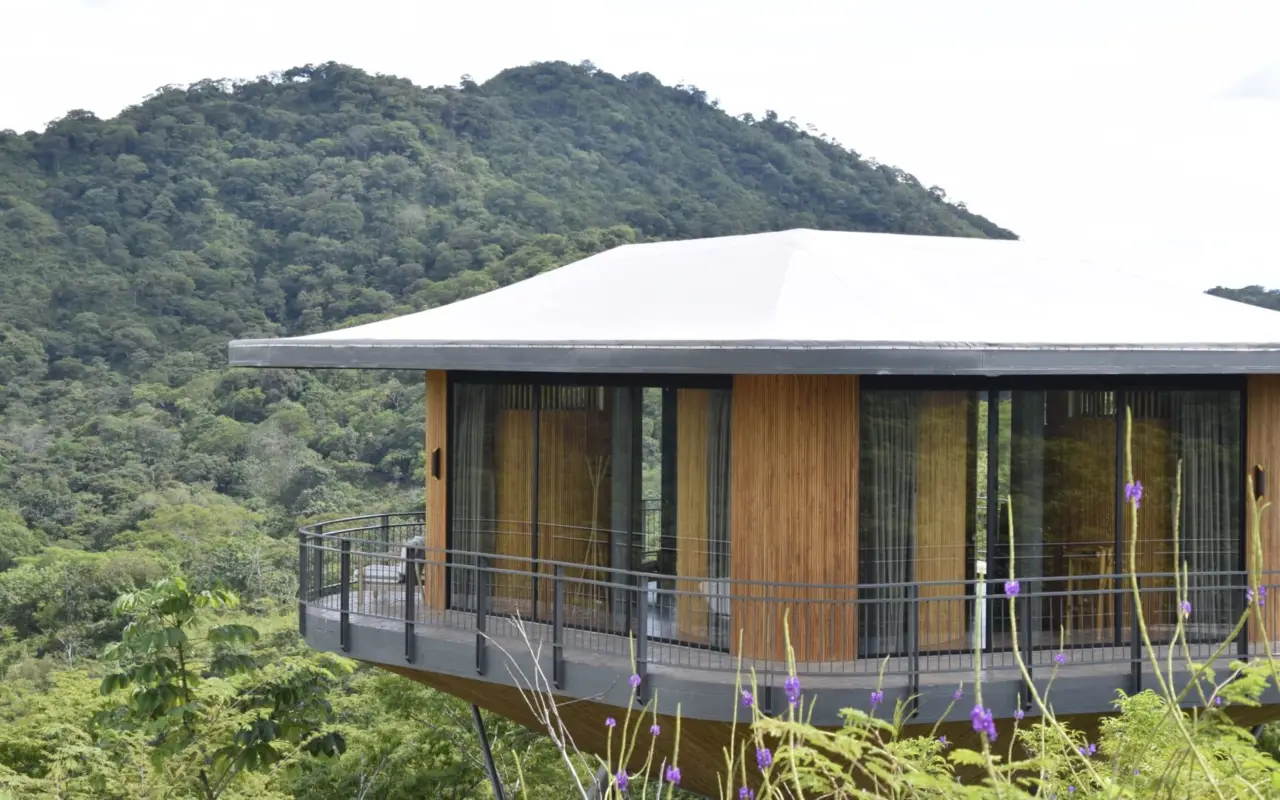
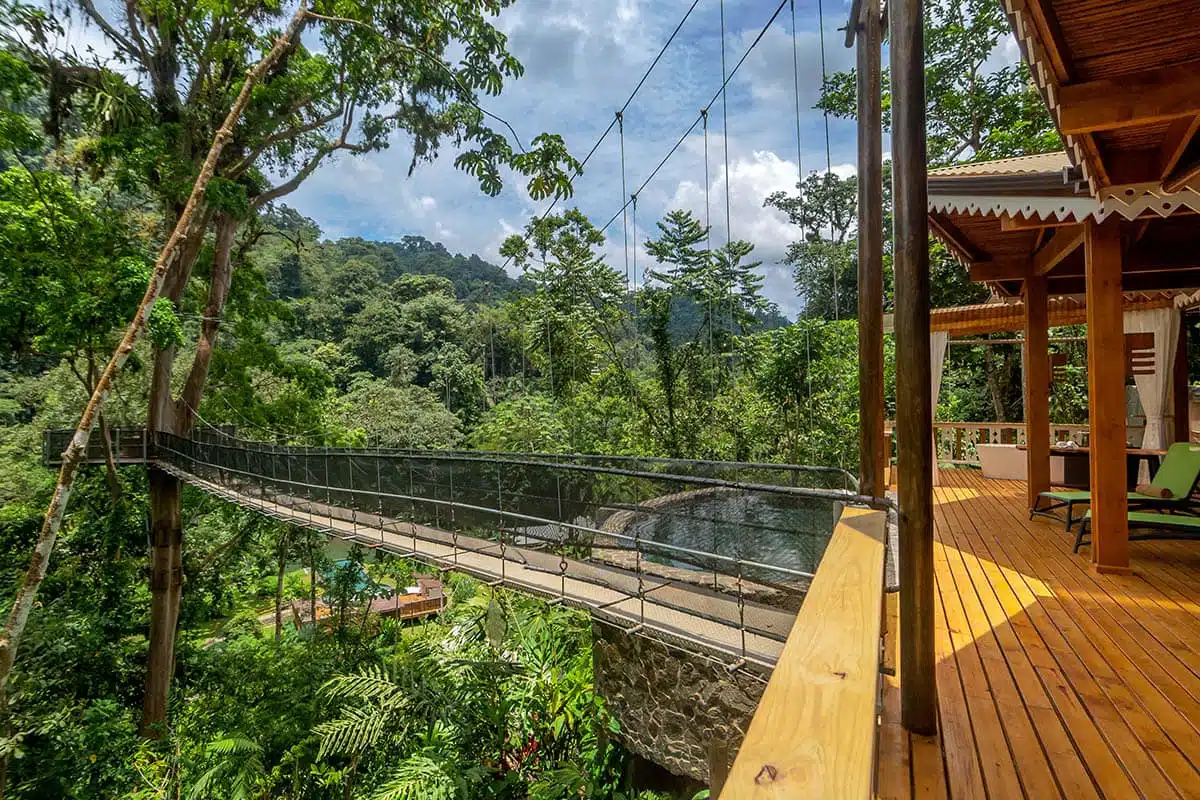
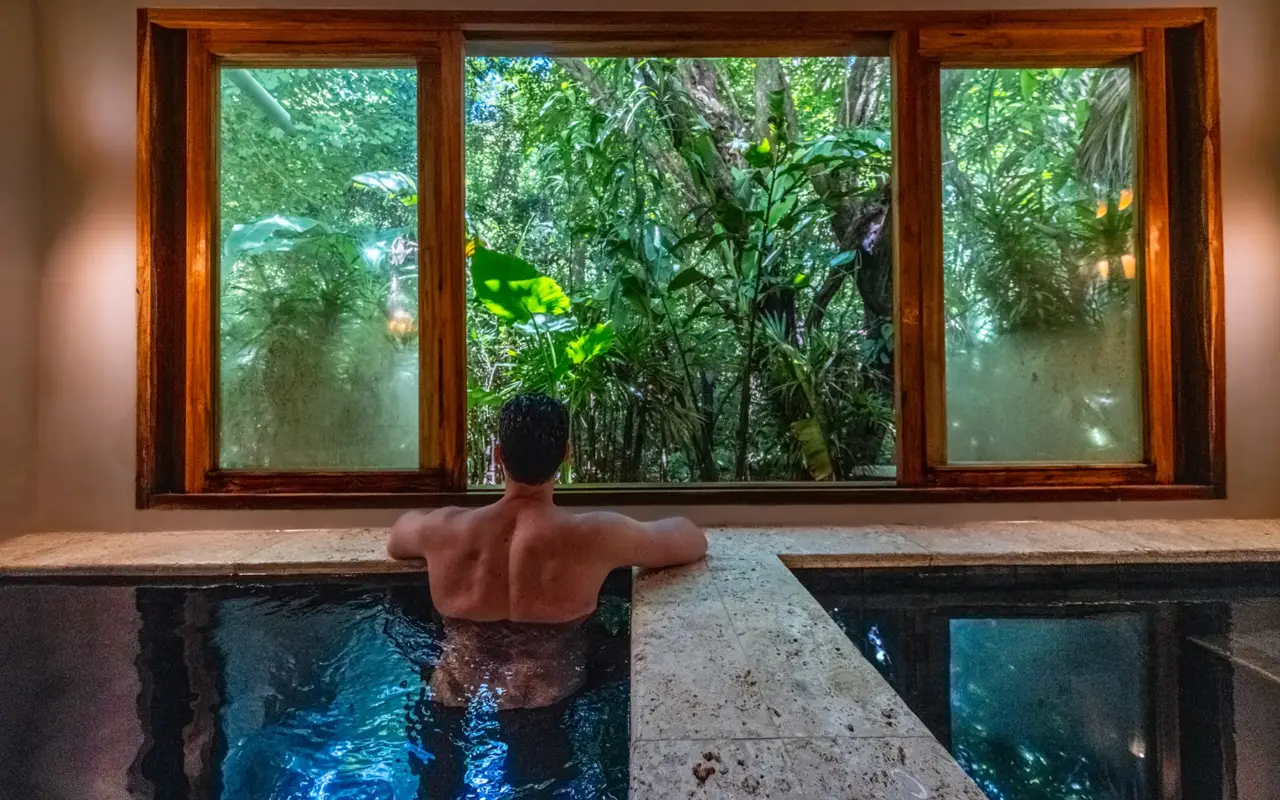
An ecolodge is a lodging facility built and managed to minimize its ecological footprint. Local materials, renewable energy, water and waste management, and integration into a preserved ecosystem: these are the hallmarks of the concept. In Costa Rica, this model is far from a mere footnote; it forms a significant part of the country’s tourism offerings.
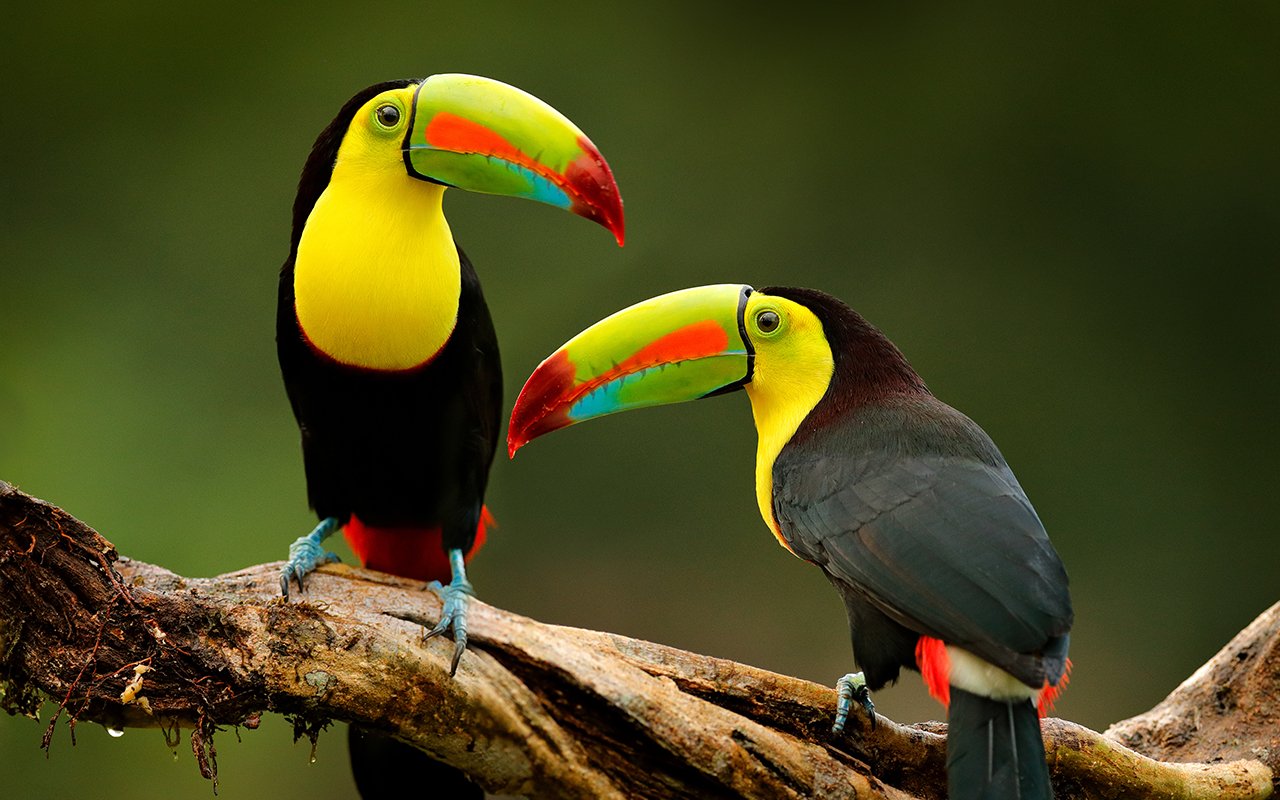
The reason lies in the country’s geography and a long-standing policy choice. Costa Rica is home to nearly 6% of the world’s biodiversity within a territory twice the size of Belgium. According to the Costa Rican Tourism Institute (ICT), approximately 25% of its land area is designated as protected areas. Staying there often means sleeping on the edge of a national park, with howler monkeys and toucans as neighbors.
CST certification: the only truly official benchmark
The term “ecolodge” is not a protected designation. Any establishment can use it. To distinguish a genuine commitment from a mere marketing ploy, there is only one authoritative benchmark: CST certification (Certificación para la Sostenibilidad Turística).
Created in 1997 by the ICT, it was one of the world’s first sustainable tourism labels. It evaluates each establishment based on its management of water, energy, and waste, its contribution to conservation, and its local roots. It is recognized by the Global Sustainable Tourism Council (GSTC) and currently has two levels: BÁSICO and ELITE. CST-certified accommodations offer a guarantee that the label “eco” alone can never provide.
For our part, Terra Caribea is certified by Travelife and Esencial Costa Rica. We select accommodations for our travelers based on these same criteria. You can review our sustainable tourism labels and certifications to understand our evaluation criteria.

The Best Eco-Lodges in Costa Rica, Region by Region
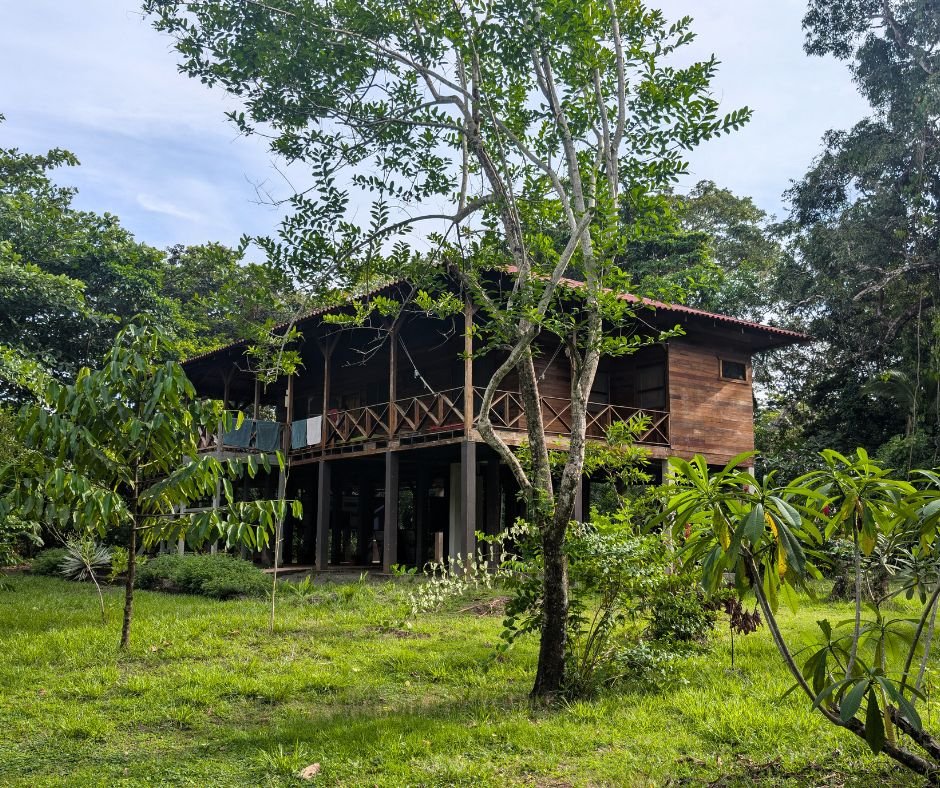
There isn’t “one” best lodge, but rather a variety of lodges, each excelling in its own setting. The right question isn’t “which one?” but “where?”, since the choice depends on the region you’re visiting. Here are a few recommendations, based on firsthand experience, from our local advisors.
| Region | Featured Lodge | What Makes It Unique | Who it’s for |
|---|---|---|---|
| Osa Peninsula | Lapa Rios | Private reserve facing the Pacific Ocean, canopy tour | Wildlife, breathtaking nature |
| Northern Plains (Boca Tapada) | Maquenque Eco Lodge | Treehouses, birdwatching | Families, birds |
| Monteverde | San Luis Ecolodge | Cloud forest, scientific project | Curiosity, learning |
| Bajos del Toro / Poás | El Silencio Lodge & Spa | Volcanic valley, waterfalls, spa | Relaxation, couples |
| Pacuare River | Pacuare Lodge | Access by raft, remote jungle | Adventure, thrills |
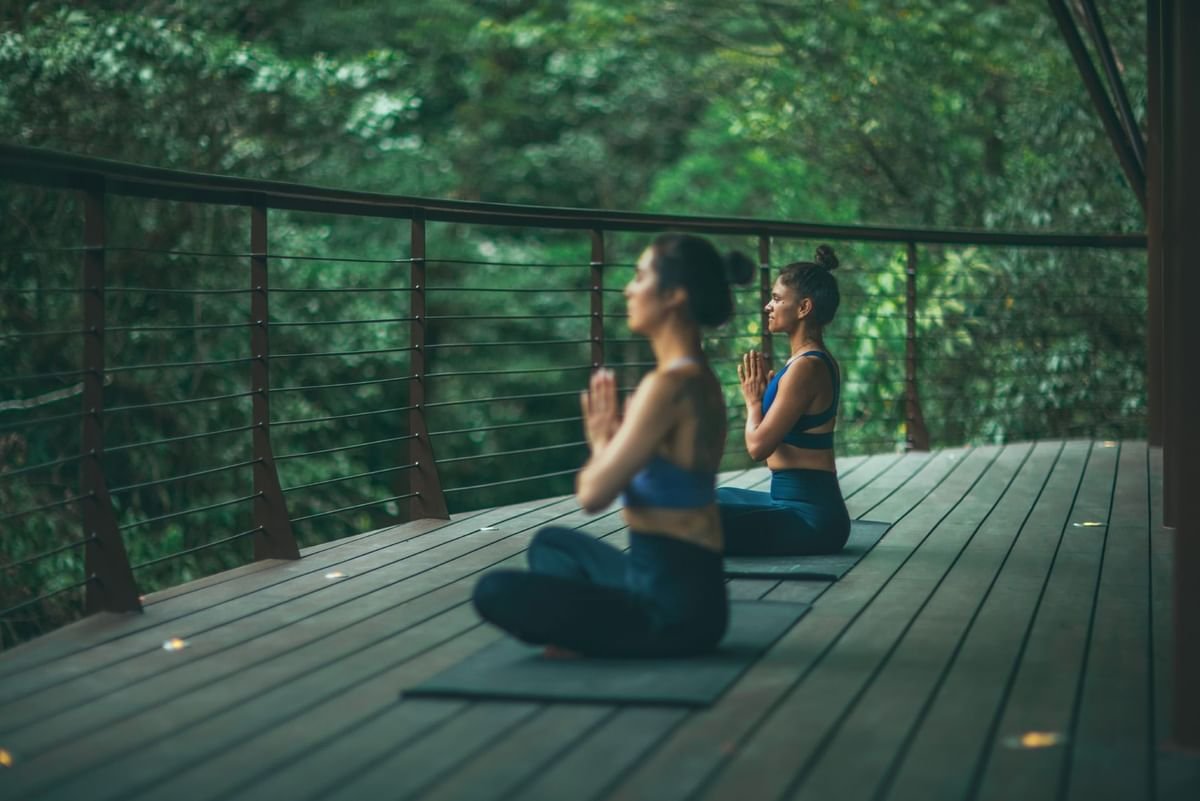
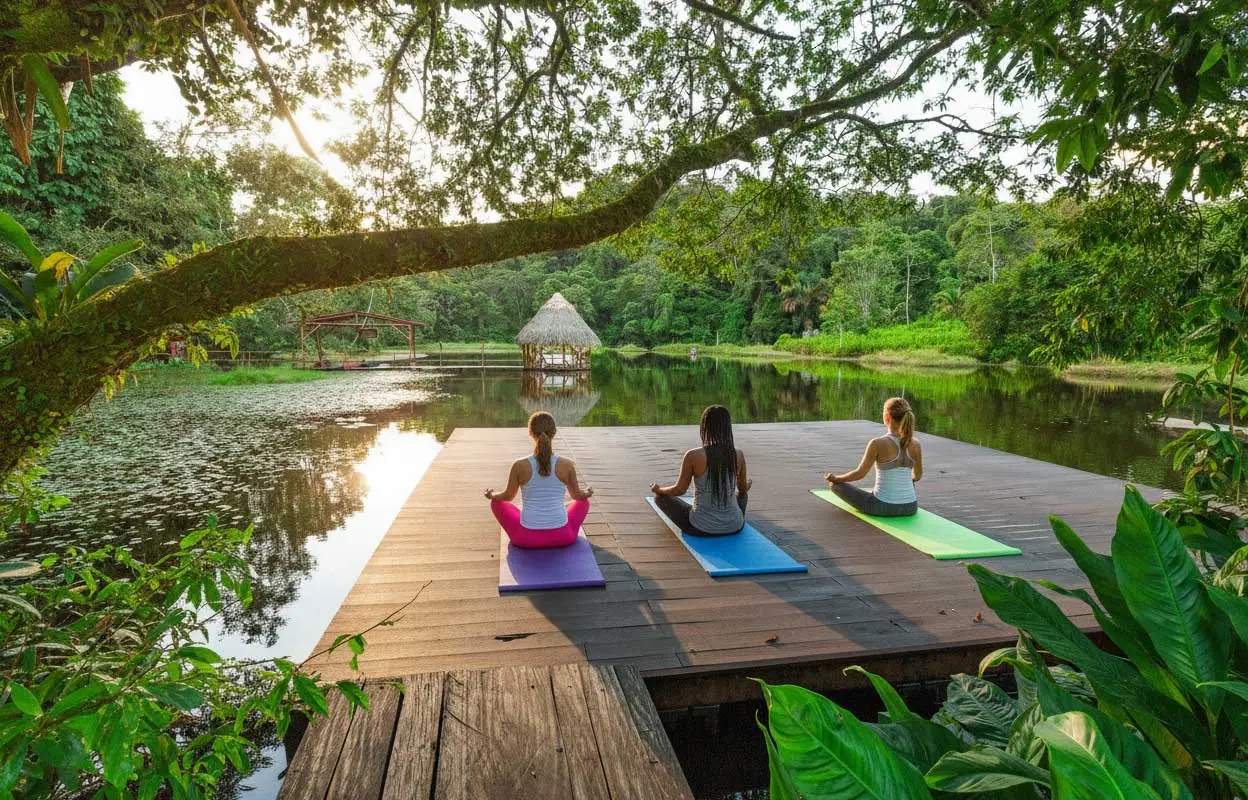
| Guanacaste / Nicoya | Harmony (Nosara) | Surfing, yoga, unspoiled beach | Surfers, wellness |
Osa Peninsula and Corcovado National Park
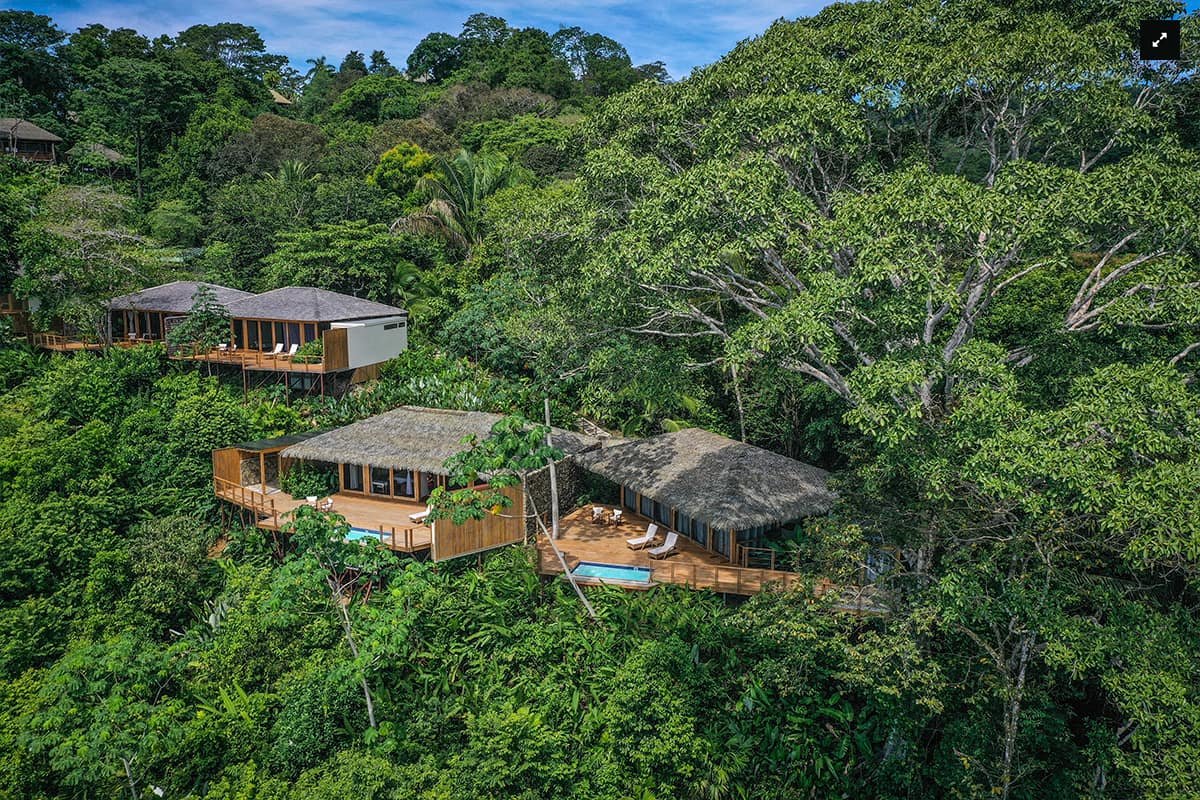
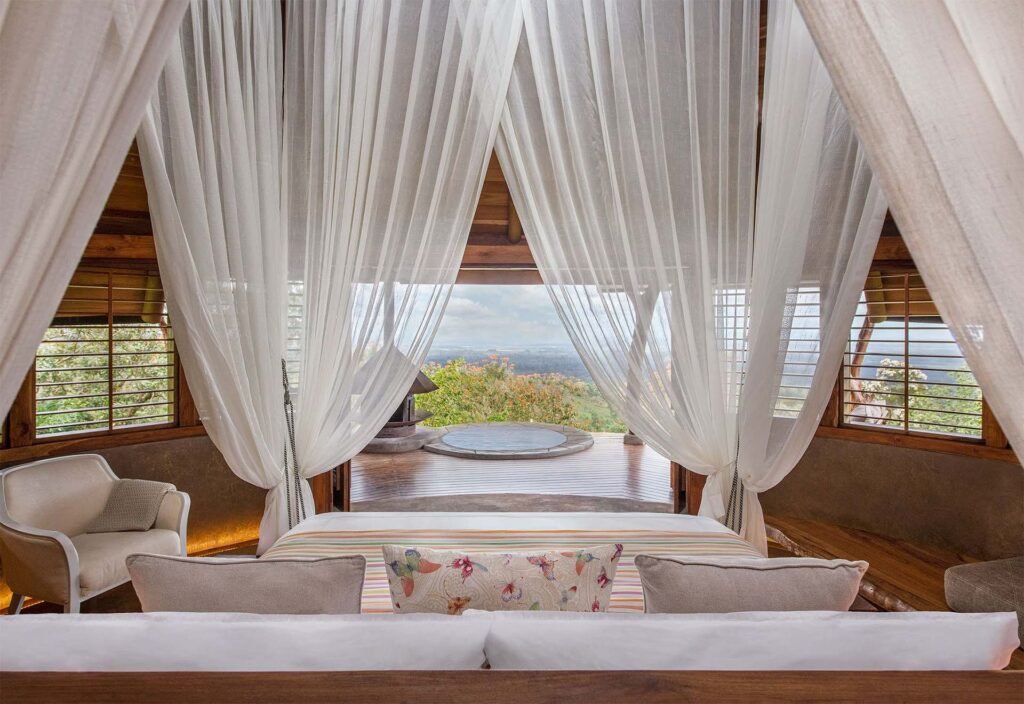
This is the country’s wildest region. Lapa Rios, one of the country’s oldest luxury resorts, protects several hundred hectares of primary forest overlooking the Gulf of Dulce. Its open-air bungalows offer views of the canopy. Tiskita Jungle Lodge, further south, focuses on its tropical orchards and birdwatching. To plan your trip, visit our page on the Osa Peninsula and Corcovado National Park.
Northern Plains and Boca Tapada
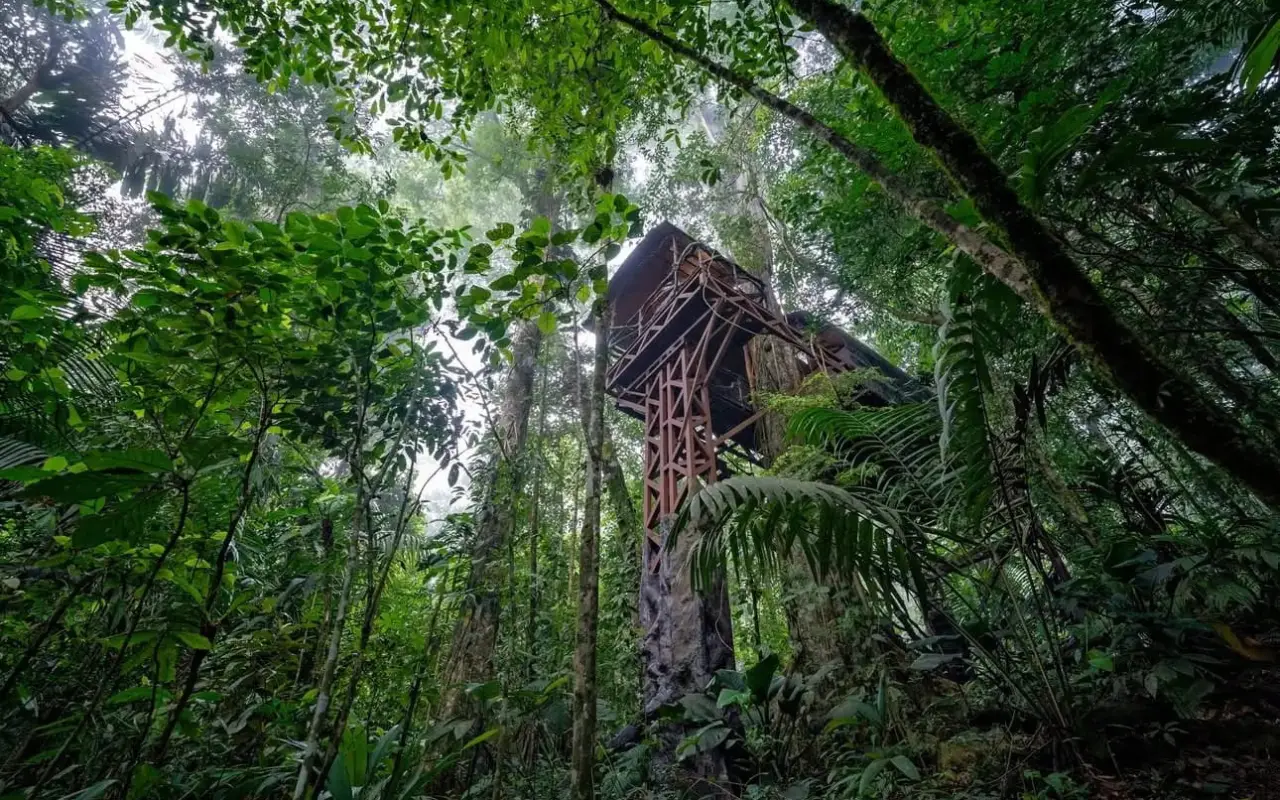
Far off the beaten path, the Boca Tapada region, north of San José, is home to a remarkable variety of birdlife. The Maquenque Eco Lodge is located on a 60-hectare private reserve along the San Carlos River. More than 550 bird species have been recorded there. Its treehouses, perched 12 meters above the ground, remain one of the few opportunities in the country to spend the night in the trees. We’ve dedicated a detailed article to it: Maquenque Eco Lodge—Sleeping in the Trees in Boca Tapada. This stopover pairs well with visits to the Sarapiquí and Caño Negro regions.
Monteverde and the Cloud Forest
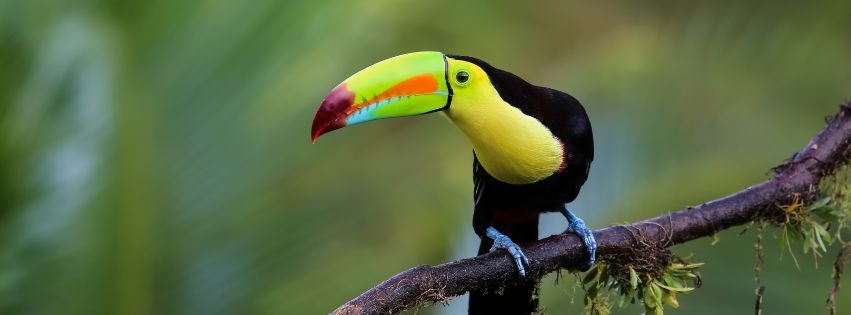
In Monteverde, the high altitude creates a permanent fog that sustains a unique flora. The San Luis Ecolodge, run by biologists, combines lodging, research, and environmental education. People come here to understand the cloud forest as much as to admire it. Learn more about the region on our Monteverde and the Gulf of Nicoya page.
Northern Volcanoes: Poás and Bajos del Toro
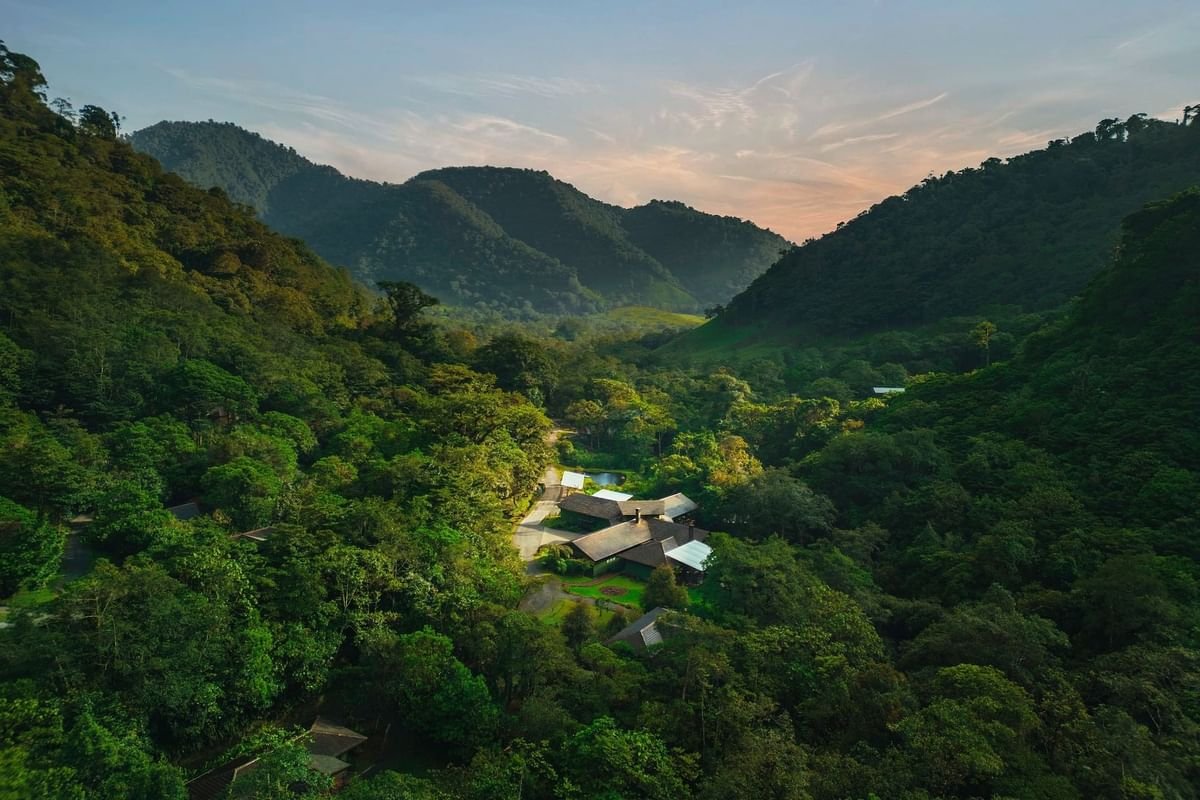
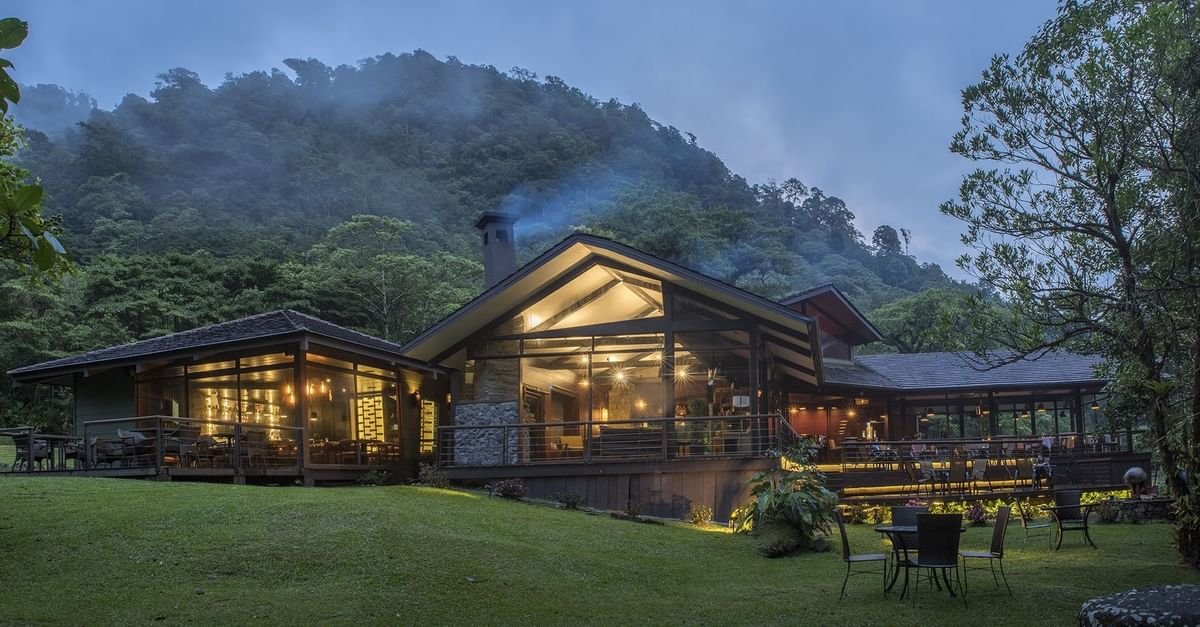
Nestled among the volcanoes, El Silencio Lodge & Spa is located in a reforested valley in Bajos del Toro, near Poás. With waterfalls, hiking trails, farm-to-table cuisine, and a spa, this destination focuses more on relaxation than adventure. Near Arenal, several lodges offer views of the volcano. To locate these destinations, see our page on the volcanoes of the northwest.
Pacuare River and Guanacaste
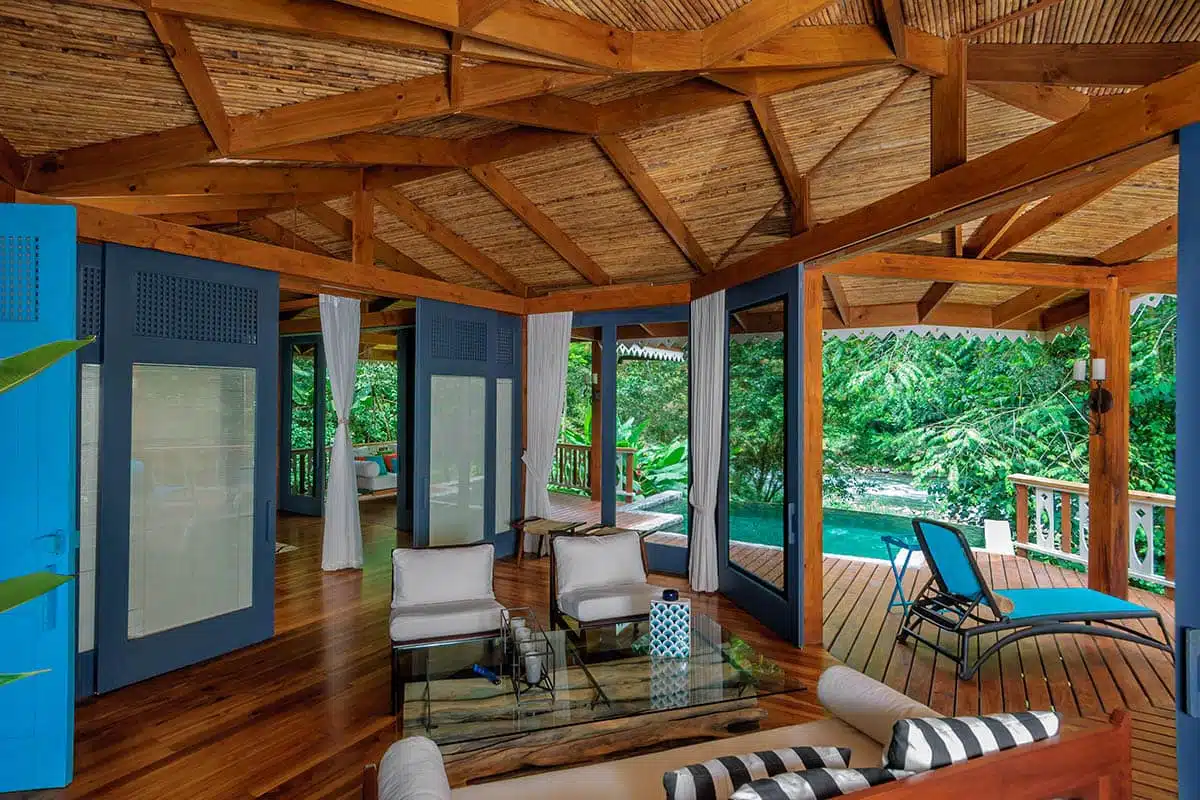
The Pacuare Lodge is well worth the effort: you reach it by rafting down the Pacuare River, which cuts you off from the rest of the world the moment you arrive. In contrast, on the Guanacaste coast, Harmony in Nosara attracts surfers and yoga enthusiasts, with a commitment to sustainability that has been evident since its opening. This final stop is linked to our page on Guanacaste and the Nicoya Peninsula.
How to Choose Your Ecolodge in Costa Rica?
The best option isn’t necessarily the one with the most stars—it’s the one that fits your itinerary and your travel style. Four criteria will help you make your decision.
- Location. Choose a lodge based first and foremost on the regions you’ll be traveling through. There’s no point in aiming for Osa if your trip stays in the north.
- Certification. Check for the CST label. It’s your safeguard against greenwashing.
- Type of experience. Birdwatching, adventure, relaxation, beach—each lodge has its own focus. Le Maquenque appeals to birdwatchers, while Harmony is perfect for surfers.
- Budget and season. Rates drop during the green season (May through November), when the forest is at its densest.
How much does a night at an ecolodge in Costa Rica cost?
Prices vary widely depending on the category and season. Here are the market ranges we’ve observed, excluding special offers. At the high end, lodging and some guided activities are often included, which puts the listed price into perspective.
| Category | Estimated Price / Night | What’s typically included |
|---|---|---|
| Budget | €80–150 | Single room, breakfast, on-site trails |
| Mid-range | €150 to €300 | Comfort bungalow, half-board, activities at an additional cost |
| High-end | €300 and up | Full board, private guides, spa, transfers |
Incorporate an ecolodge into your itinerary
This type of accommodation isn’t an end in itself—it’s a stop along the way that sets the pace for your trip. Most of our tours include one or two such stays, chosen for their location. For a truly unique night, check out our unusual accommodations in Costa Rica. Birdwatchers will want to check out our birding tour. And for group travel, our family-friendly tour exploring natural wonders includes several nature lodges.
Eco-lodges and Ecotourism: Why Costa Rica Sets the Standard
The success of these accommodations stems from a broader context. The country has built its tourism model on conservation. A quarter of its territory is protected, and more than 98% of its electricity is generated from renewable sources, according to the ICT. This type of lodging extends that philosophy right into the guest room.
To learn more, our guide to sustainable tourism and ecotourism in Costa Rica puts these lodgings into context. Our page on national parks and reserves will help you choose which natural areas to explore in conjunction with your lodge.
Frequently Asked Questions About Eco-Lodges in Costa Rica
What is an ecolodge in Costa Rica?
It’s a type of lodging designed to minimize its impact on the surrounding natural environment: local materials, renewable energy, water and waste management, and immersion in a preserved ecosystem. In Costa Rica, many are located on the edge of a national park or private reserve.
What is the best ecolodge in Costa Rica?
There’s no single answer. Lapa Rios stands out on the Osa Peninsula; Maquenque Eco Lodge is ideal for birdwatching in Boca Tapada; El Silencio is perfect for relaxation near Poás; and Harmony is great for surfing in Nosara. The best choice depends on your itinerary.
How much does a night cost?
Expect to pay 80 to 150 euros for a budget option and 150 to 300 euros for a mid-range option. In the high-end category, starting at 300 euros, lodging and guided activities are often included.
How can you tell if an ecolodge is genuine and avoid greenwashing?
Check for CST certification, issued by the Costa Rican Tourism Institute since 1997 and recognized by the GSTC. It evaluates water, energy, and waste management, as well as the property’s local ties. The word “eco” alone, without a certification label, guarantees nothing.
Where can you stay in the trees in Costa Rica?
The Maquenque Eco Lodge, in Boca Tapada, offers treehouses perched 12 meters high in the heart of a 60-hectare reserve. It’s one of the few experiences of its kind in the country. We cover it in detail in our dedicated article.
Which region should you choose for your trip?
The Osa Peninsula for wildlife, the northern plains for birds, Monteverde for the cloud forest, the volcanoes for relaxation, and Guanacaste for the beach and surfing. Each region has its own top spots.
When is the best time to stay at an ecolodge?
The dry season (December through April) offers clear skies. The green season (May through November) makes the forest denser, the wildlife more active, and rates more affordable. Both periods are equally good depending on your priorities.
Can you combine stays at multiple ecolodges in a single trip?
Yes, and it’s even recommended. A two- to three-week itinerary allows you to visit two or three lodges in different regions, offering a variety of landscapes and experiences. Our travel advisors will tailor these itineraries to your needs.
Let’s Plan Your Ecolodge Trip
Choosing the right lodge, at the right time, in the right region—that’s what our Costa Rica-based travel advisors specialize in. We know these lodges inside and out—their strengths and limitations—because we send our travelers there year-round. Request your personalized quote, and we’ll create an itinerary tailored just for you.
Article written by the local experts at Terra Caribea, your travel agency in Costa Rica.
Sources
- Costa Rican Tourism Institute (ICT), CST certification program: ict.go.cr
- Visit Costa Rica (ICT), page on sustainability, protected areas, and renewable energy: fr.visitcostarica.com/sustainability
- Global Sustainable Tourism Council (GSTC), CST standard recognition: gstc.org