Costa Rica is often associated with its tropical forests, volcanoes, and national parks. But the country’s richness also lies in its culture. Eight indigenous peoples live in Costa Rica today and carry on languages, traditions, skills, and worldviews that are an integral part of the country’s identity.
The Bribri, Cabécar, Boruca (or Brunca), Chorotega, Huetar, Maleku, Ngäbe, and Térraba peoples are spread across 24 indigenous territories, located primarily in the country’s rural and mountainous regions. Some of these territories are located in particularly well-preserved areas, notably in the Talamanca Mountain Range and southern Costa Rica.
For travelers wishing to discover another side of Costa Rica, visiting an indigenous community can be a particularly enriching experience. It offers a deeper understanding of the country’s history, as well as the opportunity to discover vibrant cultures, traditional skills, and a unique connection to the land and biodiversity.
Indigenous Peoples and Communities of Costa Rica
Costa Rica is home to indigenous peoples descended from Mesoamerican and South American cultures. Today, these communities account for less than 2% of the country’s total population.
Costa Rica’s Indigenous Peoples: Key Statistics
Costa Rica officially recognizes eight indigenous peoples spread across 24 territories.
These groups are the Bribris, the Cabécares, the Borucas or Bruncas, the Chorotegas, the Huetares, the Malekus, the Ngäbe, and the Térrabas.
The indigenous population represents a minority of the national population. However, its cultural and historical significance far exceeds its demographic weight. Indigenous peoples have preserved numerous traditions, languages, and forms of knowledge related in particular to agriculture, medicinal plants, crafts, and biodiversity.
Indigenous territories are particularly concentrated in southern and eastern Costa Rica, notably in the regions of Talamanca, the Talamanca mountain range, the Osa Peninsula, and the Buenos Aires area. Indigenous territories are also found in Guanacaste, the Central Valley, and the northern plains.
Where do Costa Rica’s Indigenous peoples live?
Costa Rica’s Indigenous peoples live in territories that are very different from one another.
The Bribri and Cabécar peoples are found primarily in the Talamanca region, one of the country’s most mountainous and biologically diverse areas. The Borucas live mainly in southwestern Costa Rica, while the Ngäbe are found in several territories in the south of the country and near the border with Panama.
In the north, the Guatuso territory is associated with the Maleku people. The Chorotegas have historical ties to Guanacaste, while the Huetares live primarily in the territories of Quitirrisí and Zapatón. The Térraba people, or Brörán as they identify themselves today, are primarily associated with the Térraba territory in the south of the country.
Indigenous territories are not, however, static spaces. They are inhabited by contemporary populations who, like people elsewhere in Costa Rica, face the country’s economic and social changes, as well as specific challenges related to the protection of their lands, culture, and natural resources.
The Indigenous Peoples of Costa Rica
The Bribri People
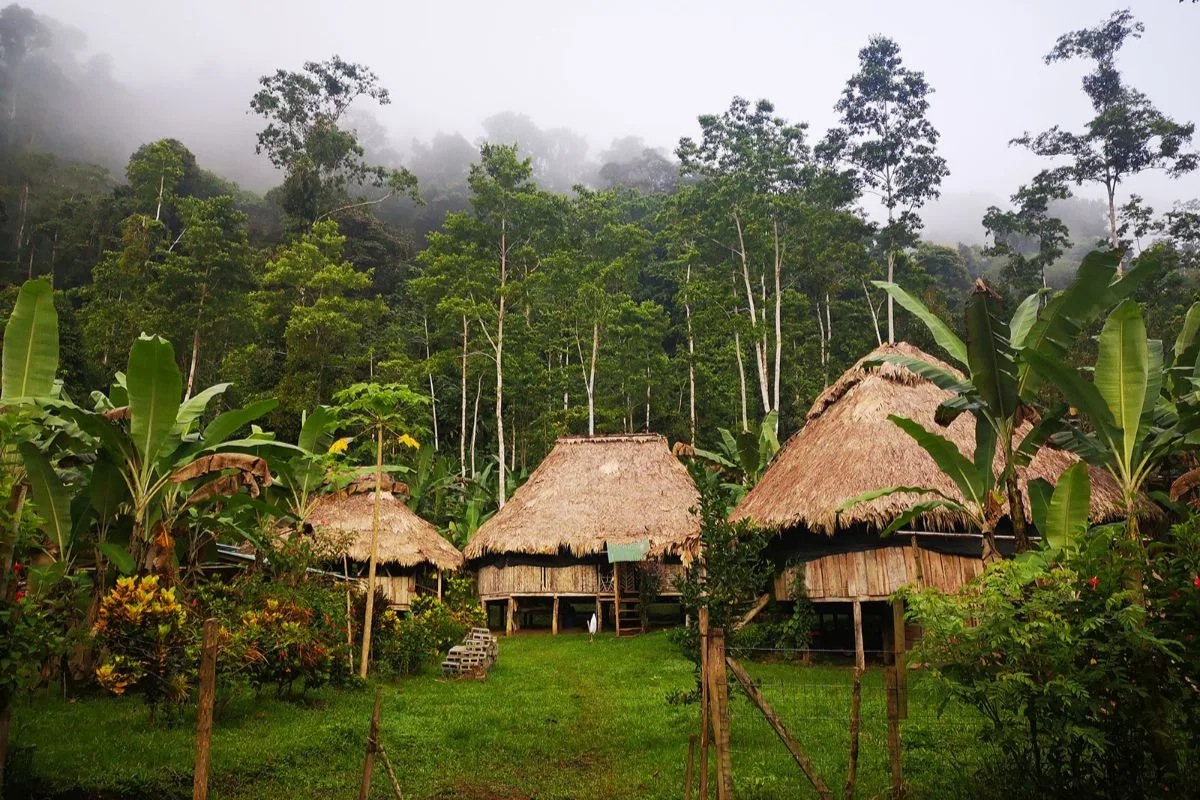
The Bribri are one of the largest indigenous groups in Costa Rica. They live mainly in the Talamanca region in the southeastern part of the country, particularly around the territories of Talamanca Bribri, Këköldi, Salitre, and Cabagra.
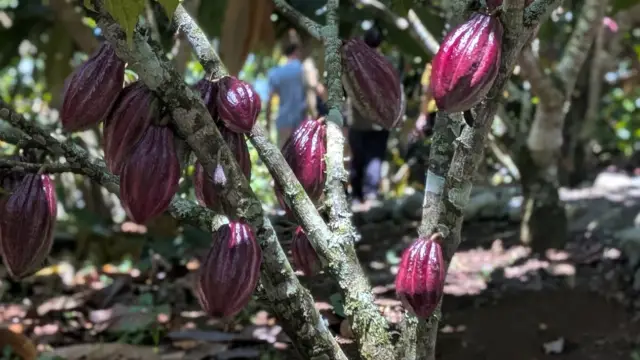
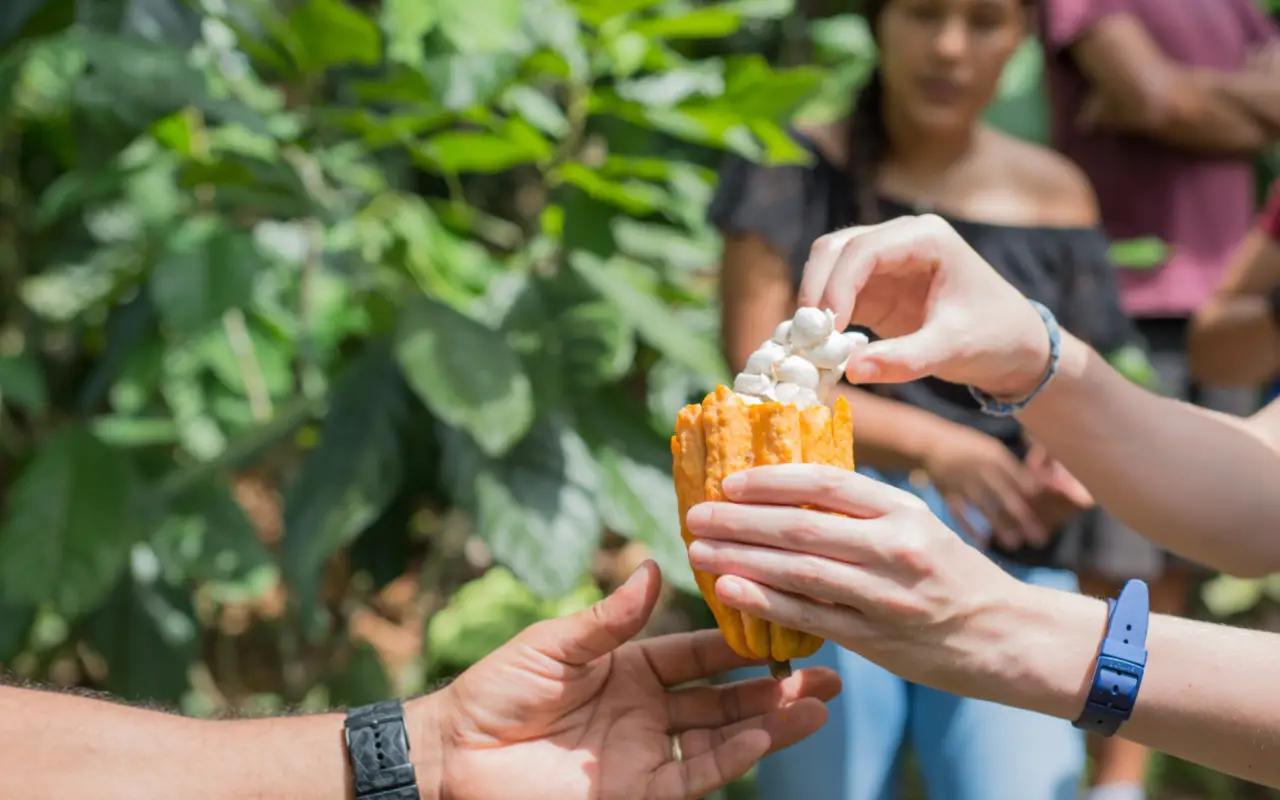
Bribri culture is closely tied to the forest and the land. Cacao, in particular, plays an important role in their culture and traditions. The cultivation of this plant is not limited to agricultural purposes; cacao also has symbolic and spiritual significance.
The Bribri language is still spoken and is an essential part of the people’s identity.
Traveling up the Yorkin River, just a stone’s throw from Panama, you’ll reach a Bribri indigenous community, where the facilities on site allow visitors to share a unique experience with the locals.
The community grows its own food and trades bananas and cacao for other goods. The village also serves as a starting point for visits to hot springs and waterfalls.
The Cabécares Tribe
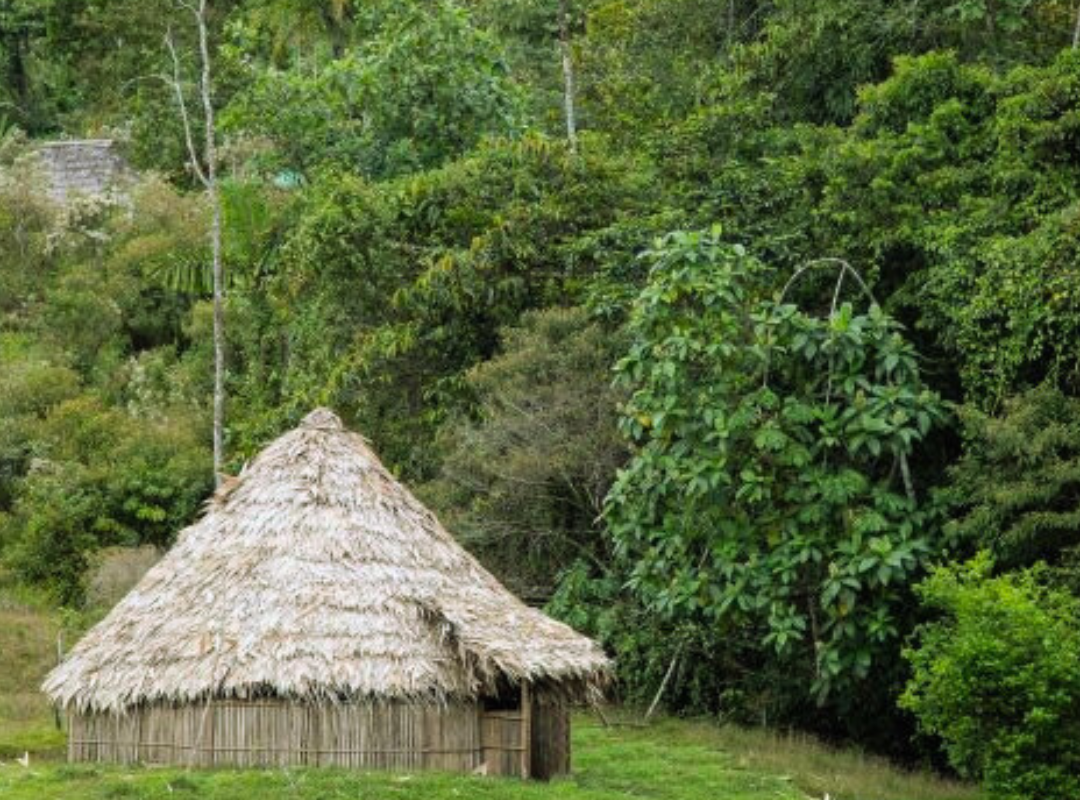
The Cabécares live mainly in the Talamanca Mountain Range and have several indigenous territories spread across the provinces of Limón, Cartago, and Puntarenas.
Today, they are one of the largest indigenous peoples in Costa Rica.
The Cabécar language is still spoken, and the transmission of traditional knowledge plays an important role in their cultural life. Agriculture, knowledge of the forest, and the traditional use of certain plants are particularly important parts of this heritage.
Cabécar territories are often difficult to access, and some communities remain largely closed to tourism. It is therefore essential not to view these territories as mere tourist attractions: any visit must be organized in collaboration with local stakeholders and in accordance with the rules established by the communities.
The Térrabas and the Brörán People
The Térraba people, also referred to as Teribe in some sources, are primarily associated with the Térraba region in southern Costa Rica.
In the contemporary context, the term “Brörán” is also used by members of the people to refer to their identity.
Like other Indigenous peoples of southern Costa Rica, the Brörán have preserved a significant part of their cultural identity despite historical changes and pressures on their territory.
Their history is also linked to the Teribe peoples of Panama, with whom they share cultural roots.
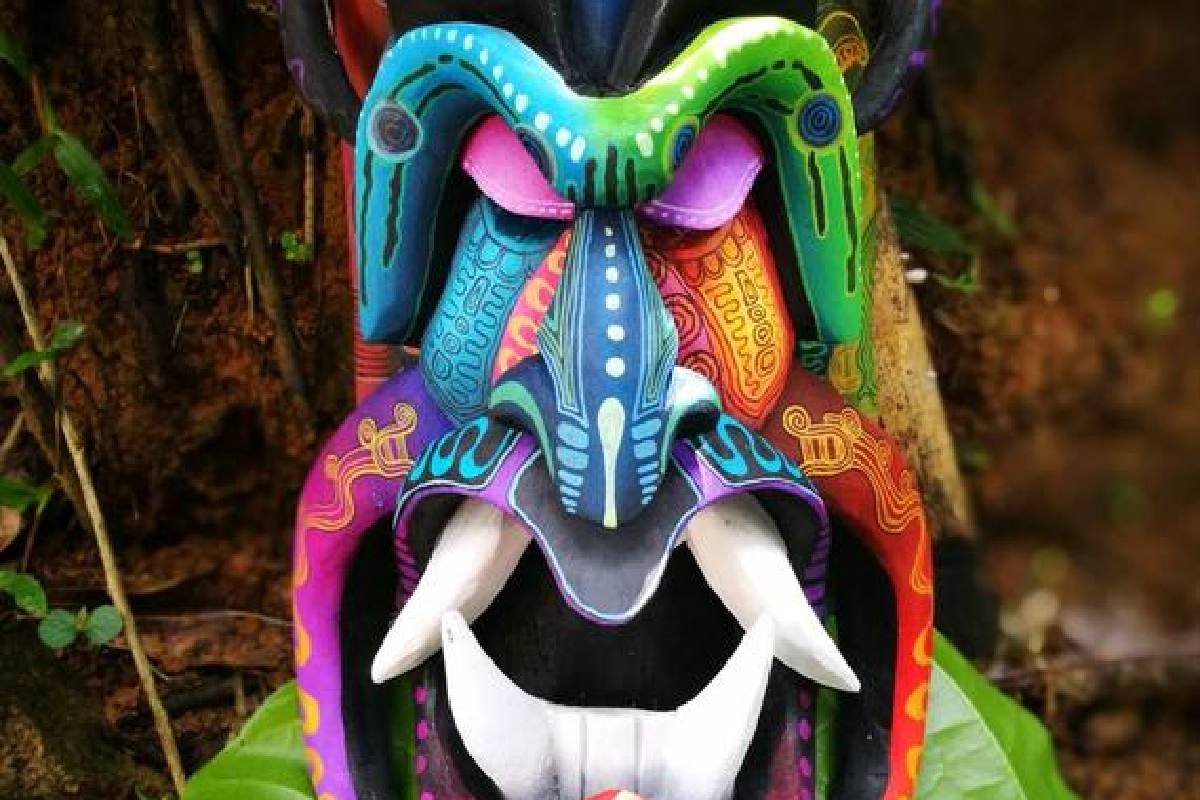
The Borucas or Bruncas
The Borucas, also known as the Bruncas, live primarily in southwestern Costa Rica, in the Buenos Aires region and the Térraba Valley.
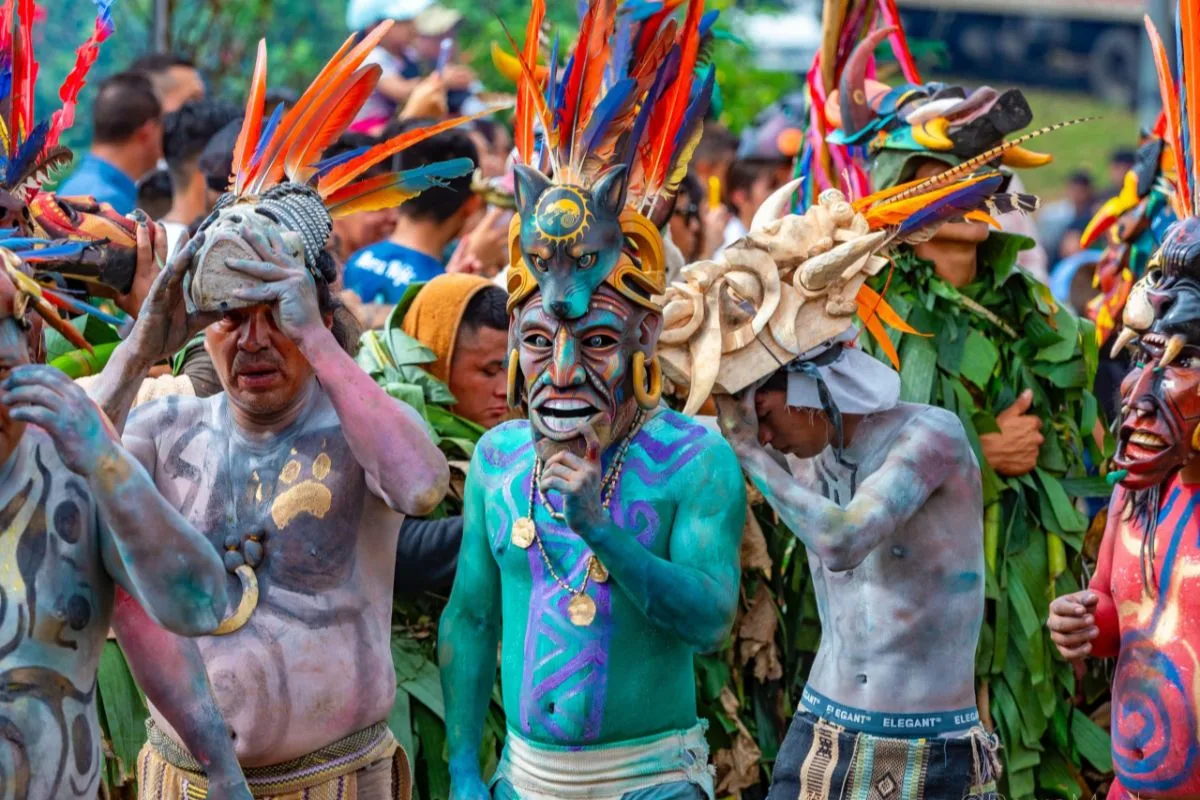
They are particularly known for their handicrafts, especially their carved and painted wooden masks. These masks are closely associated with the famous Fiesta de los Diablitos, a traditional celebration that usually takes place between late December and early January.
This festival symbolically commemorates the Boruca people’s resistance against the Spanish conquistadors. The characters and masks play a central role in this cultural performance.
During the festival, battles are staged between the Borucas (the demons) and the Spanish conquistadors (the bull). During the festival, they wear large, colorful wooden (balsa) masks depicting mythical animals and drink “chicha,” a fermented corn-based alcoholic beverage.
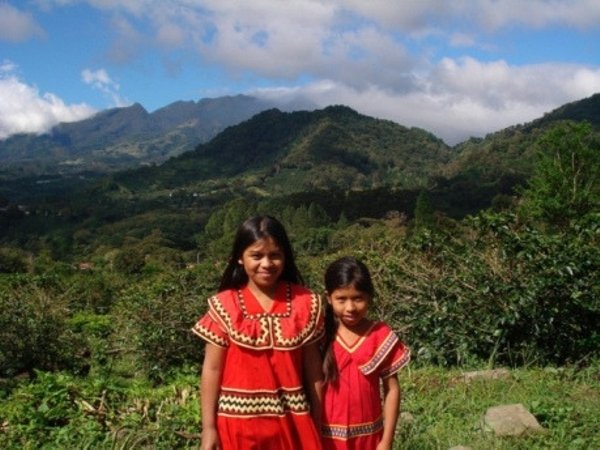
The Ngäbe, sometimes referred to as Ngöbe or Guaymí in historical sources, live primarily in southern Costa Rica, particularly in several areas near the border with Panama.
The Ngäbe people maintain a strong cultural identity and their own language. Traditional crafts and clothing play an important role in their culture.
The presence of the Ngäbe people in Costa Rica is also linked to the history of population movements between Panama and Costa Rica. The current border does not correspond to the historical cultural space of these populations.
In certain regions of southern Costa Rica, visitors can discover community initiatives that offer a deeper understanding of the Ngäbe people’s culture and daily life.
The Malekus
The Malekus, also known as the Guatusos, live mainly in northern Costa Rica, in the Guatuso region of Alajuela Province.
They are one of the country’s smallest indigenous groups.
Maleku culture is closely tied to the forest, plants, and natural resources. The Maleku language is still spoken and is an essential part of their cultural identity.
Some communities welcome travelers as part of community-based tourism initiatives. These encounters offer the chance to discover the history of the Maleku people, their traditions, their crafts, their relationship with nature, and certain plant-related knowledge.
For travelers, this is one of the most accessible ways to experience an Indigenous culture in northern Costa Rica.
They have preserved their language and customs. They live primarily off the cultivation of cacao, pejibaye, and palm oil.
During a stop in a Maleku village, you’ll have the opportunity to learn about their history and traditions (medicinal plants, handicrafts, etc.). In the village, you’ll enjoy a traditional meal while watching an ancestral ceremony. You’ll also have the chance to purchase their painted bark cloth, statuettes, pottery, and wooden bows.
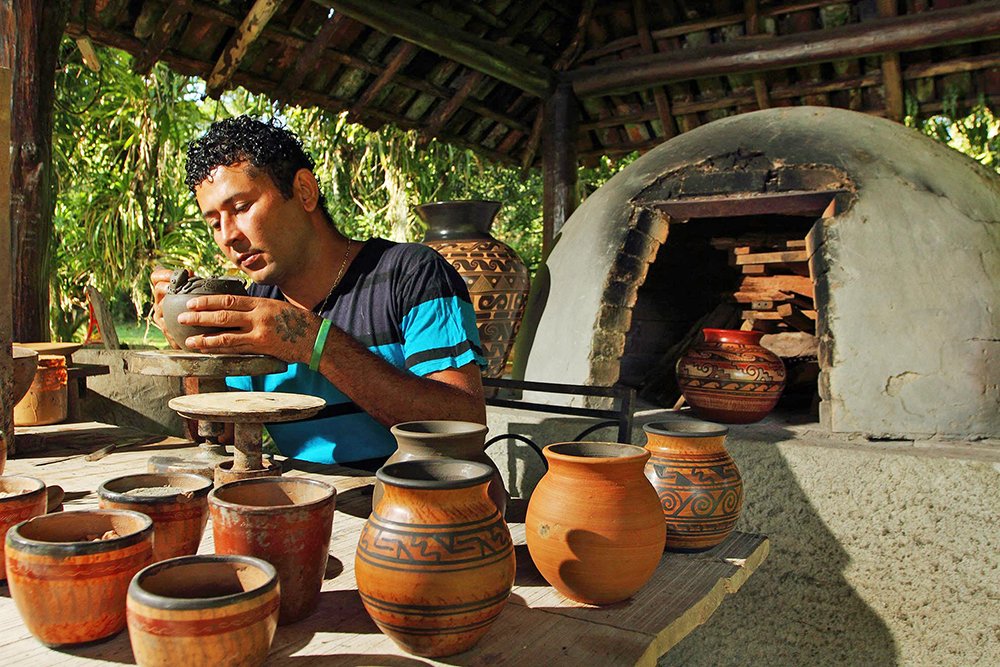
The Chorotegas
The Chorotegas are historically associated with Guanacaste and the Nicoya Peninsula.
Their history is unique among the indigenous peoples of Costa Rica, as their cultural origins are linked to Mesoamerica, unlike most other indigenous peoples in the country, who are associated with the Chibchan cultural sphere.
The Chorotega language is no longer spoken today, but their cultural identity and certain traditional skills have endured.
The Chorotegas are particularly known for their pottery and ceramics traditions, whose forms and patterns are inspired by ancient traditions.
The Huetares
The Huetares live mainly in the territories of Quitirrisí and Zapatón, in central Costa Rica.
Once much more numerous, they have been severely affected by colonization and changes to the land.
The Huetar language has disappeared as a commonly spoken language, but part of the cultural heritage has been preserved through artisanal skills, knowledge of plants, and certain traditions.
The Huetar people also serve as a reminder that Costa Rica’s Indigenous culture is not limited to the country’s most remote regions: some of their territories are located relatively close to San José and the Central Valley.
They are known for their use of medicinal plants and for celebrating the “Fiesta del Maíz” (“Corn Festival”). Since the land where they live is not very fertile, corn is one of the only crops they can grow. They use natural pigments to dye their clothing and also create a small amount of ceramic pottery, which they sell at “ferías” (markets).
If you’re particularly interested in discovering the indigenous cultures of Central America, we recommendPanama: there you can meet the Kuna, Embera, Wounaan, Naso, and Ngobe peoples, who have preserved their ancestral cultures.
Meeting Indigenous Peoples During a Trip to Costa Rica
Discovering Costa Rica’s Indigenous culture requires a different approach than a typical tourist visit.
It’s not about “visiting a tribe” or attending a folk show, but rather about meeting communities that decide for themselves how they want to share their culture with visitors.
There are several experiences to consider during a trip.
Discovering Bribri Culture in Yorkín
In the Talamanca region, certain community-led initiatives allow visitors to reach Bribri communities by boat and explore their natural environment.
Depending on the programs offered, visitors can explore cacao plantations, the forest, local cuisine, handicrafts, or certain aspects of Bribri culture.
The experience is particularly rewarding when organized directly through a local community initiative and when the economic benefits truly go to the local residents.
Meet the Malekus in northern Costa Rica
In the Guatuso region, some Maleku communities welcome travelers who wish to discover their culture.
This encounter can be an opportunity to learn more about their history, their relationship with the forest, their traditions, and their crafts.
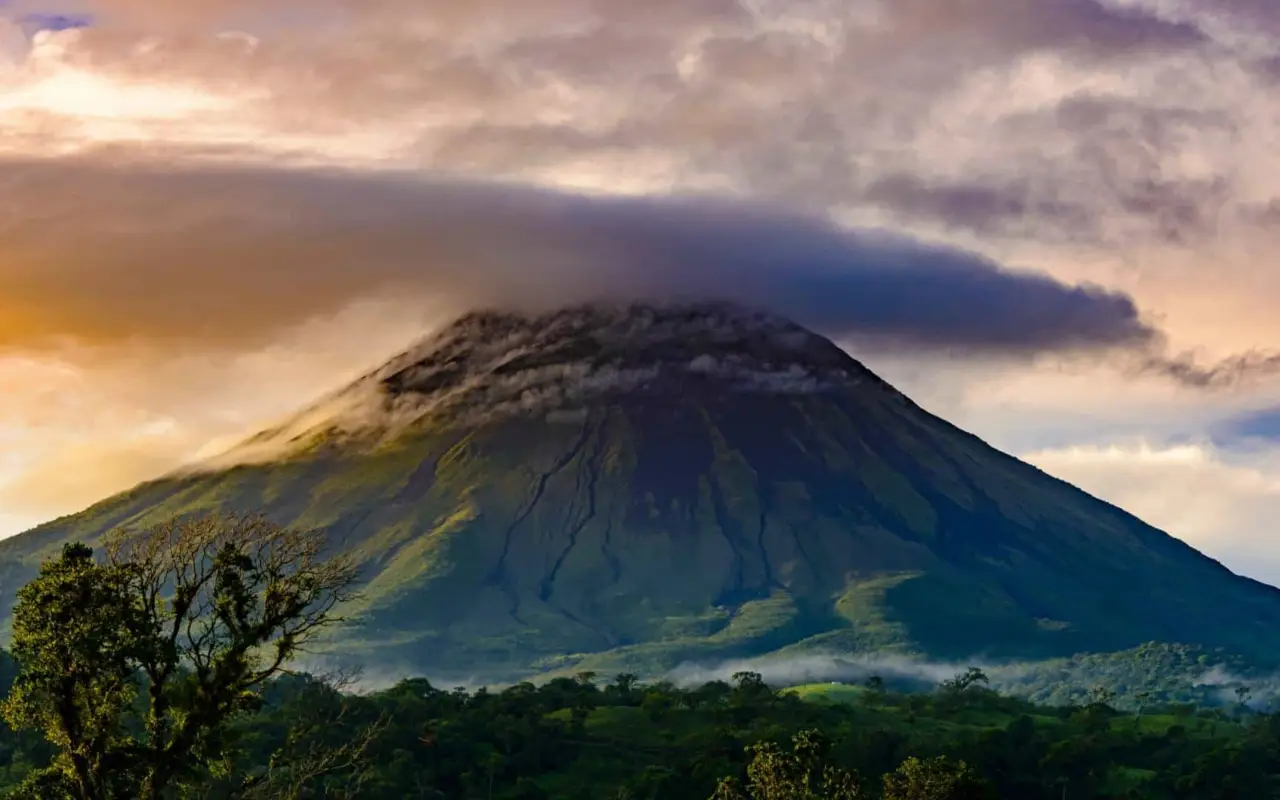
This stop can easily be incorporated into an itinerary that combines the Arenal Volcano region, the northern plains, and an exploration of Costa Rica’s biodiversity.
Discover Boruca culture in the south
A stop in Boruca offers the chance to discover another aspect of Costa Rica’s indigenous culture.
Handicrafts, woodcarving, and mask-making play an important role in passing down cultural traditions. The Fiesta de los Diablitos is also one of the country’s most iconic cultural events.
Visiting outside of the festival period allows you to see the artisans at work and gain a deeper understanding of the significance of these traditions.
How can you visit an Indigenous community responsibly?
An encounter with an Indigenous community must, above all, be a respectful one.
It is best to prioritize community-based tourism initiatives organized or endorsed by local residents. This ensures that the community retains control over how its culture is presented and that the economic benefits truly benefit the residents.
A few simple rules can help you travel more responsibly:
- ask before taking photos of people;
- respect areas considered private or sacred;
- Do not enter a territory or community without permission;
- avoid touching or handling cultural artifacts without permission;
- buy directly from artisans whenever possible;
- respect the rules set by each community;
- Do not view traditions as merely a spectacle for tourists.
Tourism can help promote indigenous cultures and support certain local economies, provided it is organized in collaboration with the communities and not simply around them.
Why are Indigenous peoples important to Costa Rica?
Indigenous peoples are an integral part of Costa Rica’s history and cultural diversity.
Their contribution goes beyond the preservation of ancient traditions. Their knowledge of plants, ecosystems, agriculture, and biodiversity also constitutes a living heritage.
In many regions, the relationship between culture and the environment is particularly strong. The forest is not merely viewed as an economic resource; it is also linked to spirituality, identity, and the transmission of knowledge.
Discovering these cultures therefore offers a deeper understanding of another dimension of Costa Rica, beyond the country’s image as merely a destination for nature and ecotourism.
FAQ – Indigenous Peoples of Costa Rica
How many Indigenous peoples are there in Costa Rica?
Costa Rica officially recognizes eight Indigenous peoples: Bribri, Cabécar, Boruca or Brunca, Chorotega, Huetar, Maleku, Ngäbe, and Térraba.
How many Indigenous territories are there in Costa Rica?
The eight indigenous peoples are spread across 24 officially recognized indigenous territories.
Which is the largest Indigenous group in Costa Rica?
The Bribri and the Cabécar are among the country’s most populous Indigenous peoples. The Cabécar, in particular, are spread across a large number of territories in the Talamanca Mountain Range.
Can you visit an Indigenous community in Costa Rica?
Yes. Some communities offer community-based tourism experiences. The best-known opportunities involve the Bribri, Maleku, and Boruca cultures. It is recommended to go through a local organization and to respect the guidelines set by each community.
Where can you meet the Bribri people in Costa Rica?
The Bribri people live mainly in the Talamanca region, in the southeastern part of the country. The community of Yorkín is particularly well-known for its community-based tourism experiences, which are accessible from the region near the border with Panama.
Where can you experience Maleku culture?
Maleku culture can be experienced in the Guatuso region, in northern Costa Rica, not far from the Arenal Volcano area.
Which indigenous group is known for its masks?
The Borucas, or Bruncas, are particularly known for their carved and painted wooden masks, which are closely associated with the Fiesta de los Diablitos.
Can we talk about “tribes” in Costa Rica?
The term “tribe” is still used in some online research, but the preferred term today is “indigenous people.” Costa Rica officially recognizes eight indigenous peoples.
What’s the best way to experience Costa Rica’s Indigenous culture?
The best approach is to participate in an organized visit directly with a community or through a community-based tourism initiative. This allows you to experience the local culture in a respectful setting and helps generate direct economic benefits for the communities involved.