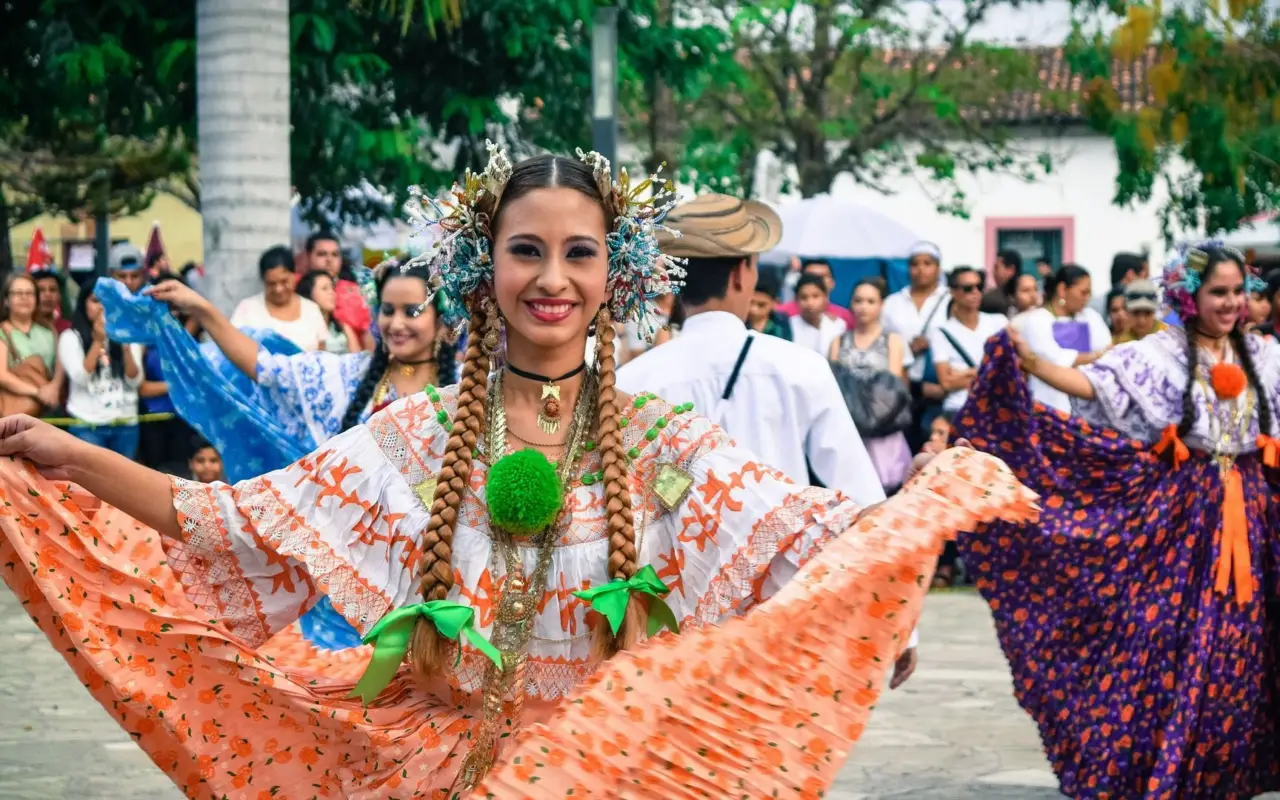
Music in Costa Rica is an integral part of daily life and reflects the country’s rich cultural heritage. A variety of styles blend together, shaped by the diverse influences the country has experienced over the centuries. Trust us—these very styles will have you moving the moment you hear them! Not to mention its captivating and unmissabletraditional dances , which will also leave a lasting impression on you…
Let us take you to the heart of Costa Rica’s intangible cultural heritage. Join us as we explore these regions to discover its human expressions and understand the soul of this beautiful country.
The Folk Heart of Costa Rica: Guanacaste
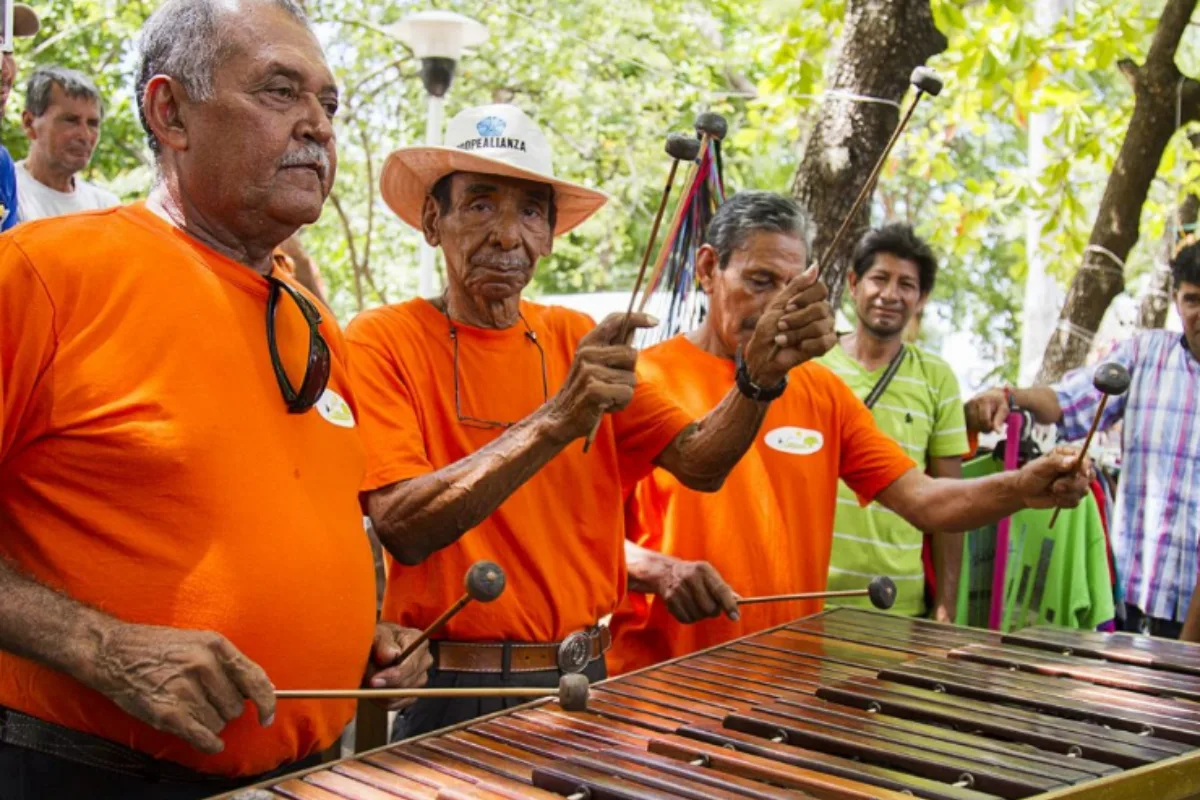
In the Guanacasteregion , music and village festivals go hand in hand. Here, the marimba reigns supreme! This iconic instrument, often handcrafted from local wood, has accompanied folk dances and community gatherings for generations .
Guanacastean rhythms tell the story of a rural region shaped by livestock farming and life on the haciendas (rural farms). Traditional dances , with their colorful dresses and rhythmic steps, evoke Spanish culture. Indeed, the era of Spanish colonization left its mark on the people and their cultures, and this is particularly evident in Guanacastean culture.
Today, Guanacaste’s local cultural identity is celebrated during patron saint festivals such as the traditional festivities in Santa Cruz in January, the festivals in Liberia in April/May, the celebration of the Anexión on July 25, and school events.
Indigenous Territories: Living Musical Traditions (Bribri and Boruca)
Long before the arrival of European or Afro-Caribbean influences, the indigenous peoples of Costa Rica already had their own forms of musical expression. Among the Bribripeople in the Talamanca region , music is closely linked to spirituality and the transmission of knowledge. Traditional songs accompany ceremonies, mythological tales , and important moments in community life.
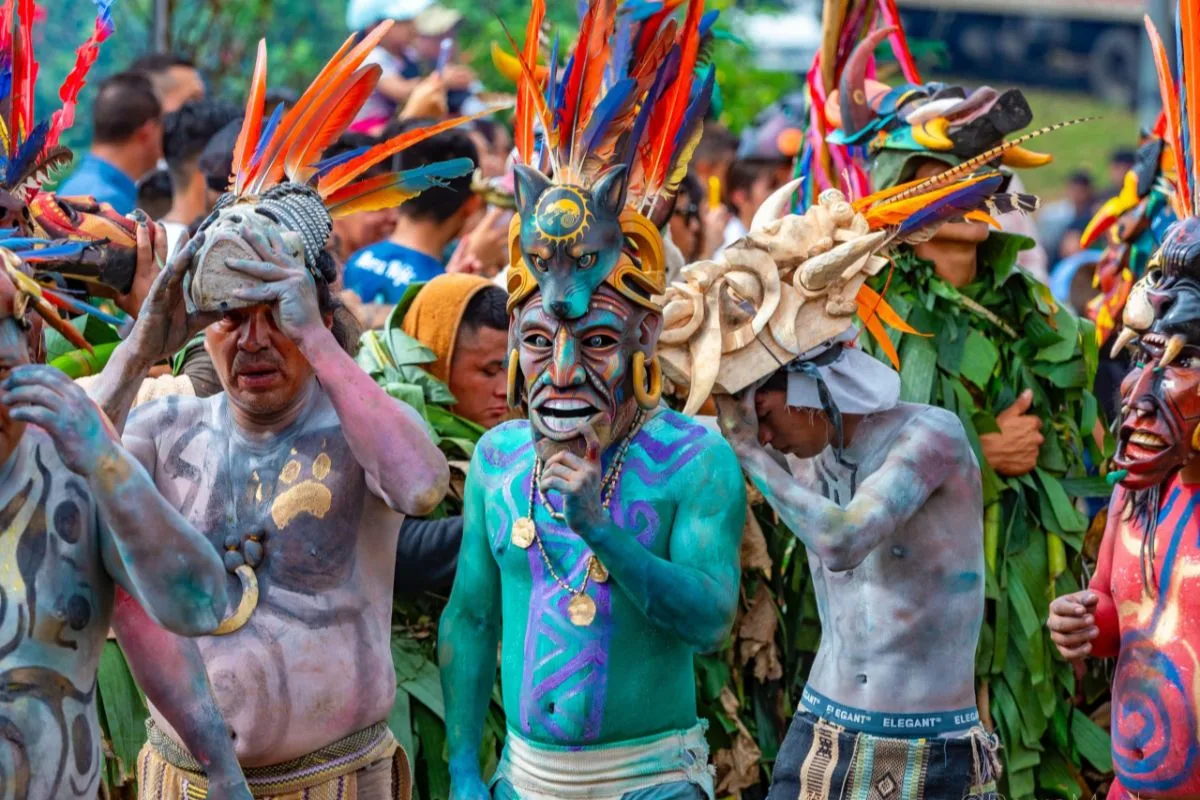
Among the Borucapeople in the south of the country, music plays a central role in cultural celebrations, such as the famous Fiesta de los Diablitos, where music, dance, and masks tell the story of the Boruca people’s resistance and history . The instruments are often simple—drums, flutes, maracas—but rich in symbolism and memory.
These traditions, still alive today, serve as a reminder that Costa Rican culture has been shaped by a variety of heritages, including that of the indigenous peoples.
Caribbean Coast: Afro-Caribbean rhythms and Jamaican influences
On the Caribbean coast, the musical atmosphere changes completely. Here, the sounds are more rhythmic, more festive, and deeply influenced by the Afro-Caribbean heritage and migration waves—particularly from Jamaica —at the end of the 19th century.
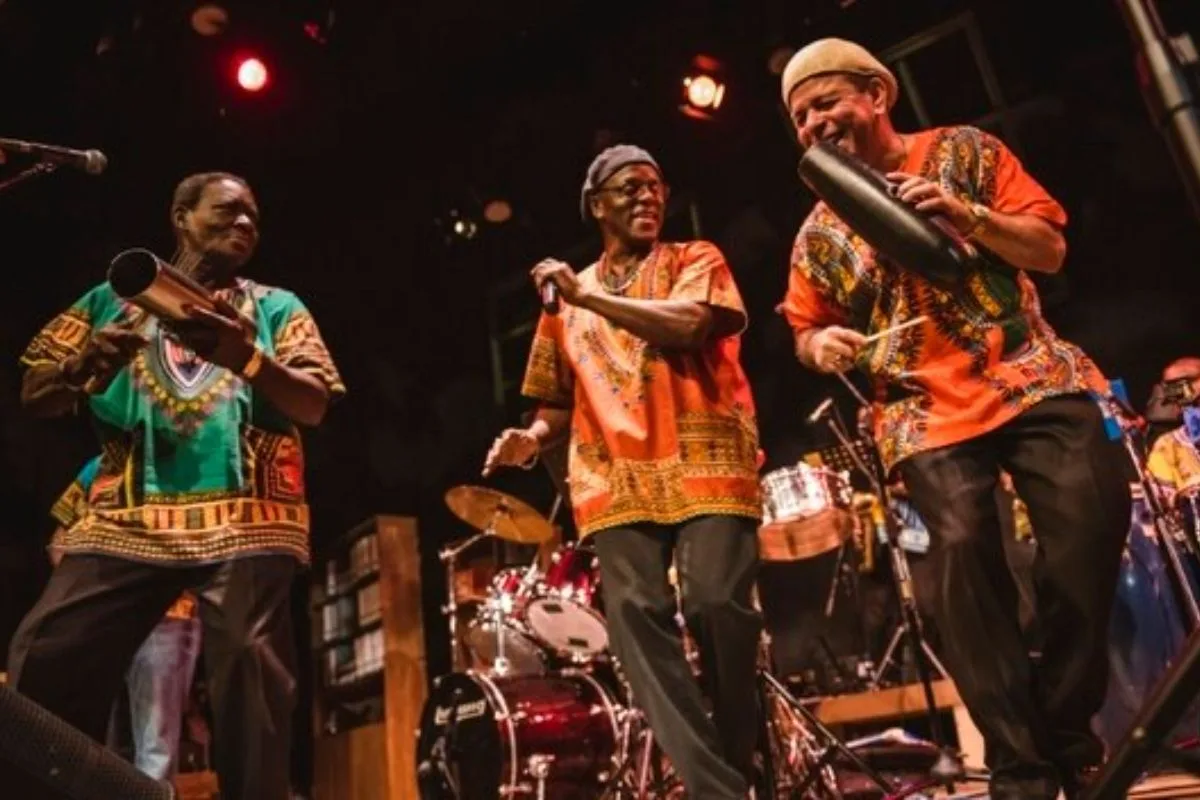
Calypso, which originated in villages like Cahuita and Puerto Viejo, reflects the region’s daily life, humor, and social realities. Over time, other styles have gained prominence, such as reggae and dancehall, which are now ubiquitous in local life. Whether at festivals, in bars, or simply on the streets, the Caribbean coast will welcome you with music.
San José and the Central Valley: A Subtle, Yet Deeply "Tica" Culture
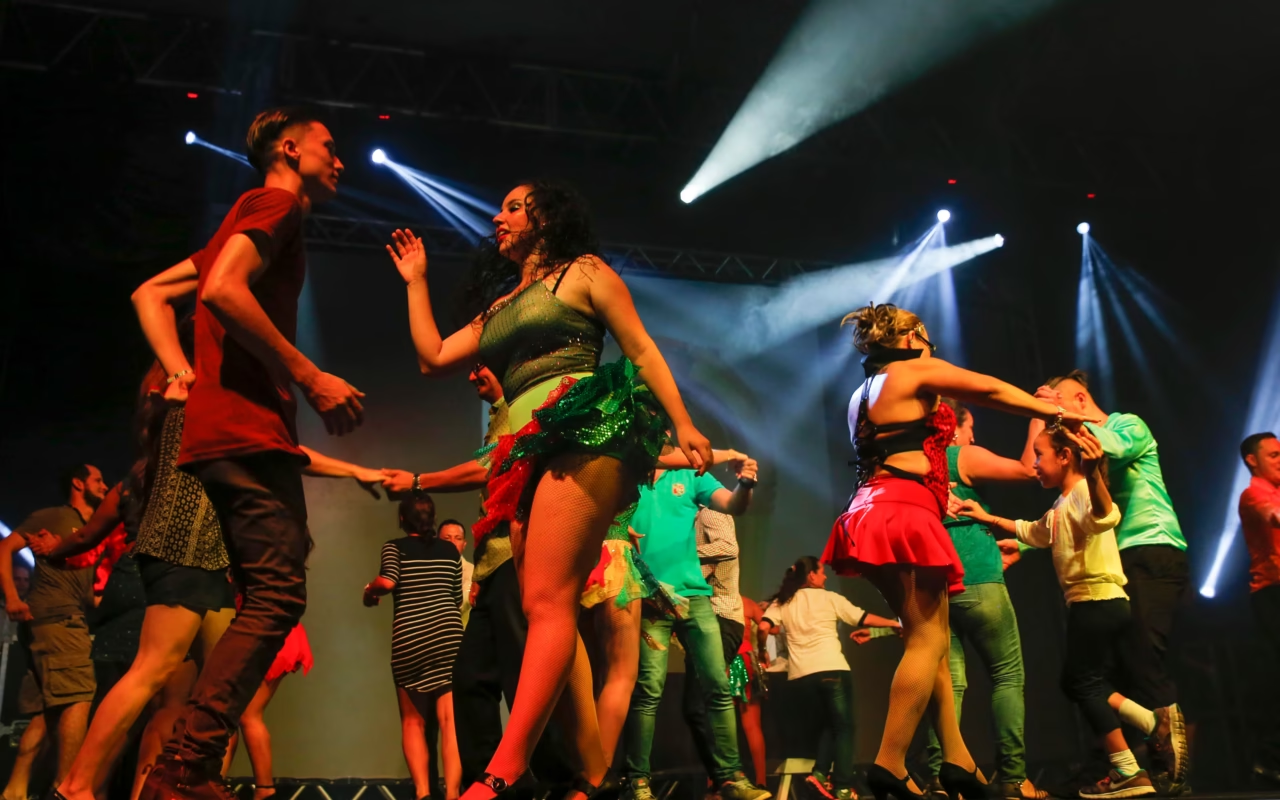
Although San Joséis often just a quick stop on the way to or from a trip, it’s definitely worth spending a little time there. The atmosphere here is quite different. In the Central Valley, “Tica” culture is experienced in a more everyday, more urban way . The large local markets, downtown neighborhoods, and dance halls are popular spots that bring together people of all ages.
Then there’s swing criollo, a popular dance unique to Costa Rica that originated in the working-class neighborhoods of San José. A lively blend of cumbia and local rhythms, it also reveals another facet of the country—perhaps more understated, but just as culturally rich.
Every year, around September 15, the capital is transformed to celebrate Costa Rica’s independence, a holiday shared with its Central American neighbors such as Nicaragua, Honduras, and El Salvador. The streets fill with parades, marching bands , and, above all, the famous faroles : small, colorful lanterns made by children and proudly carried at nightfall. It’s a heartwarming family tradition that leaves a lasting impression on many travelers visiting during this time.
Terra Caribea recommends local artists and bands!
- Los Brillanticos, and especially: Mi Forma de Sentir
- Walter Ferguson, particularly “Cabin in the Wata”
- Café Sura, a reggae band from Costa Rica
- Easy, a reggae-rock band from Costa Rica
- Percance, a ska band from Costa Rica
- Malpais, a traditional band from Guanacaste
- Sonambulo Psicotropical, an Afro-Latin fusion band
In Costa Rica, every region has its own surprises in store—and that’s what makes it so charming! Discovering indigenous traditions, new and lively sounds, incredible folk festivals, and meeting extraordinary people—that’s what we offer you at TERRA Caribea.
Take the time to immerse yourself in this culture and feel the vibrant, unique spirit of Costa Rica. It’s an invitation to slow down, share, and travel differently… Immerse yourself and experience the Pura Vida spirit to the fullest!
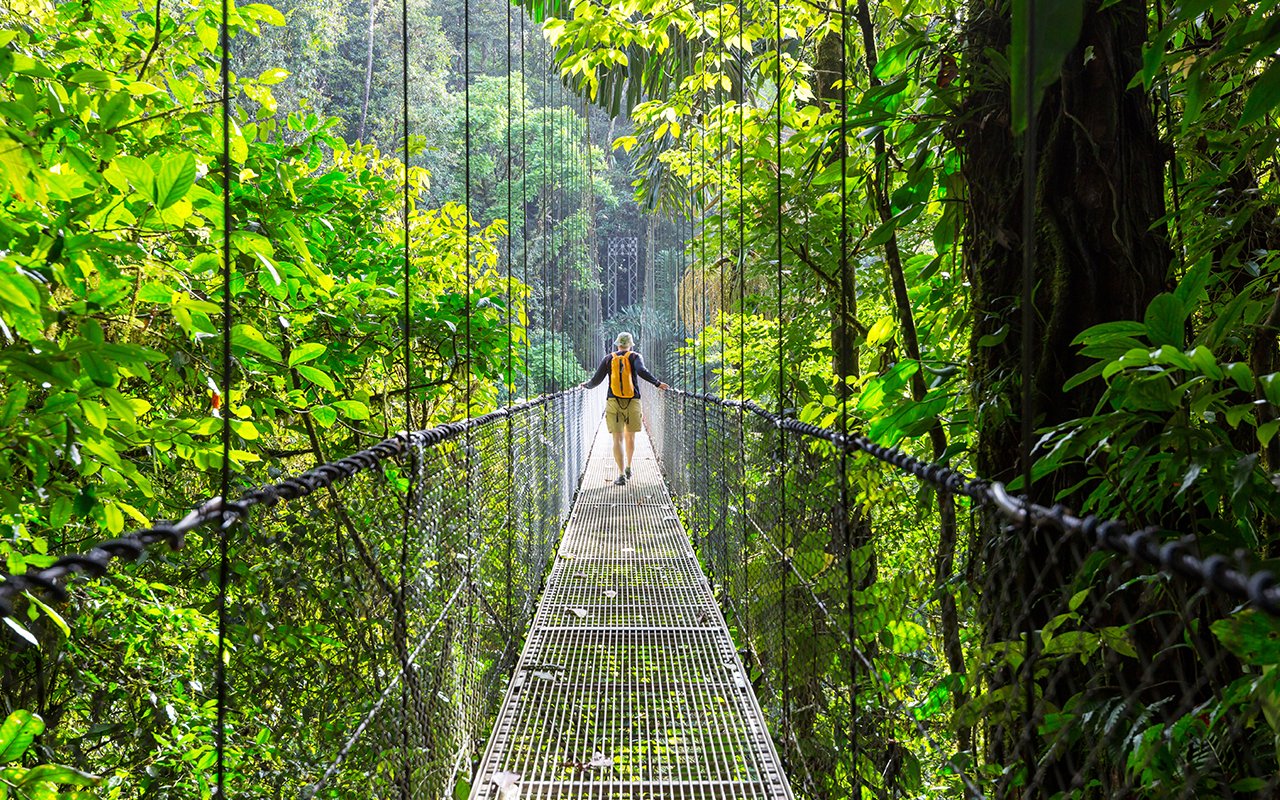
Treks and Hikes in Costa Rica Natural Sites and Exploration
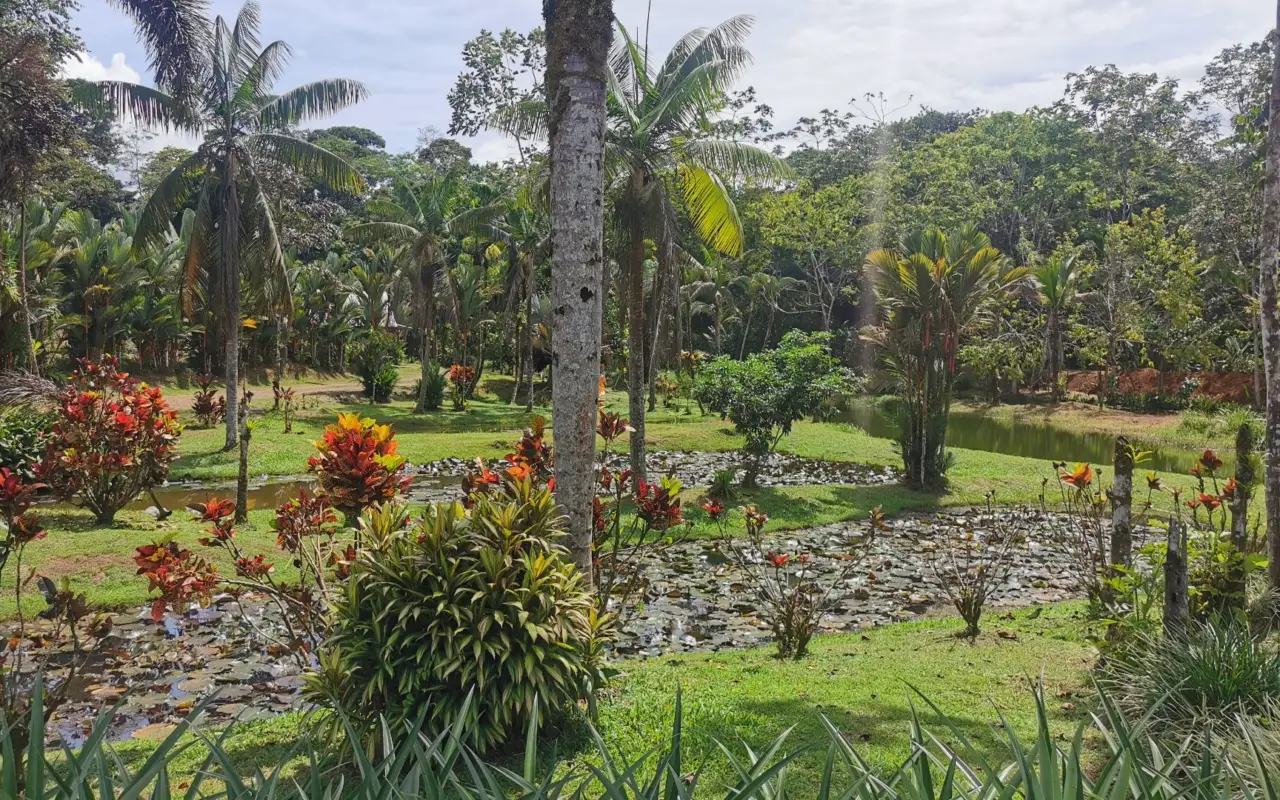
An ecotourism adventure in Costa Rica!