Everything You Need to Know About the Mercado Central in San José
The Mercado Central in San José is a covered market in the city center where people come as much to buy ingredients as to eat on-site or do their daily shopping. More than just a “place to visit,” it’s a space defined by its daily rhythms: opening hours, types of stalls, visitor habits, and small services. This article provides specific historical context, explains what you’ll find there and what it’s used for, and offers practical information to help you understand the place and navigate it easily and respectfully.
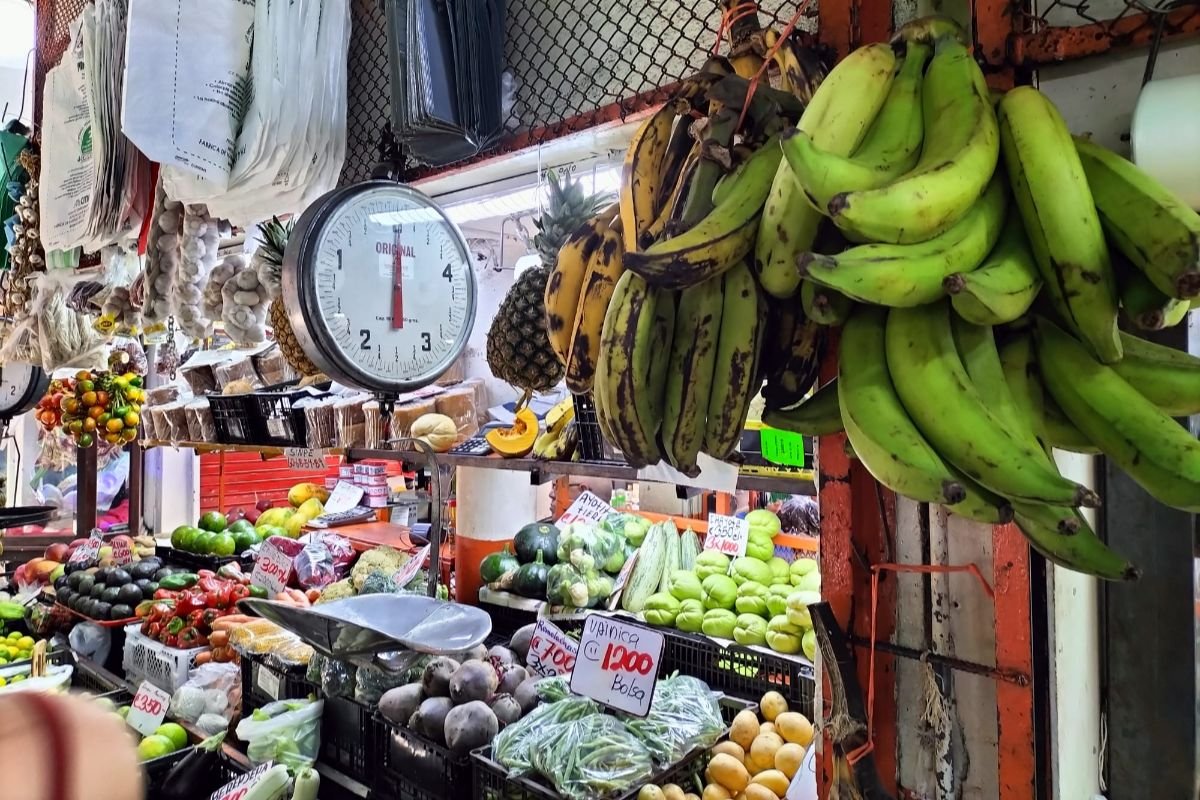
Why is the Mercado Central important in San José?
A Place for Everyday Life
The Mercado Central in San José is a bustling hub that combines grocery shopping, light dining, and services. Open from 6:30 a.m. to 6:30 p.m . every day except Sunday, it serves as a neighborhood market for some of the city center’s residents and workers, with crowds often being particularly large on Saturdays.
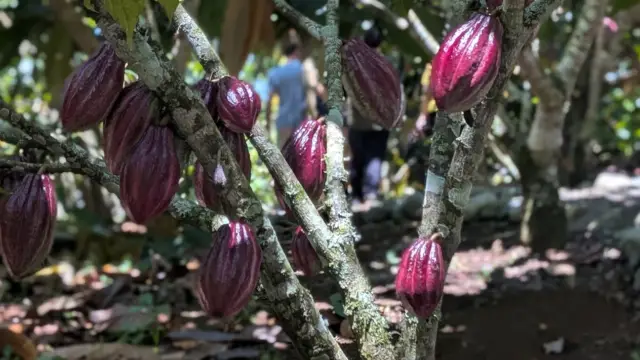
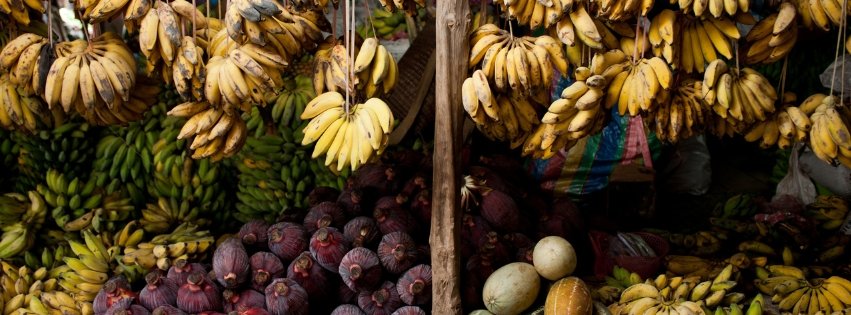
With more than 200 shops, it features food stalls (fruits, vegetables, meats, fish, eggs, grains) and stalls offering everyday essentials: herbs, condiments, kitchenware, as well as shoe repair, coffee roasting, flowers, cocoa, wooden and leather goods, and other services. The market is often described as an important venue due to the continuity of the commercial and social practices it has fostered for over a century. Check out our article on exotic fruits from Costa Rica.
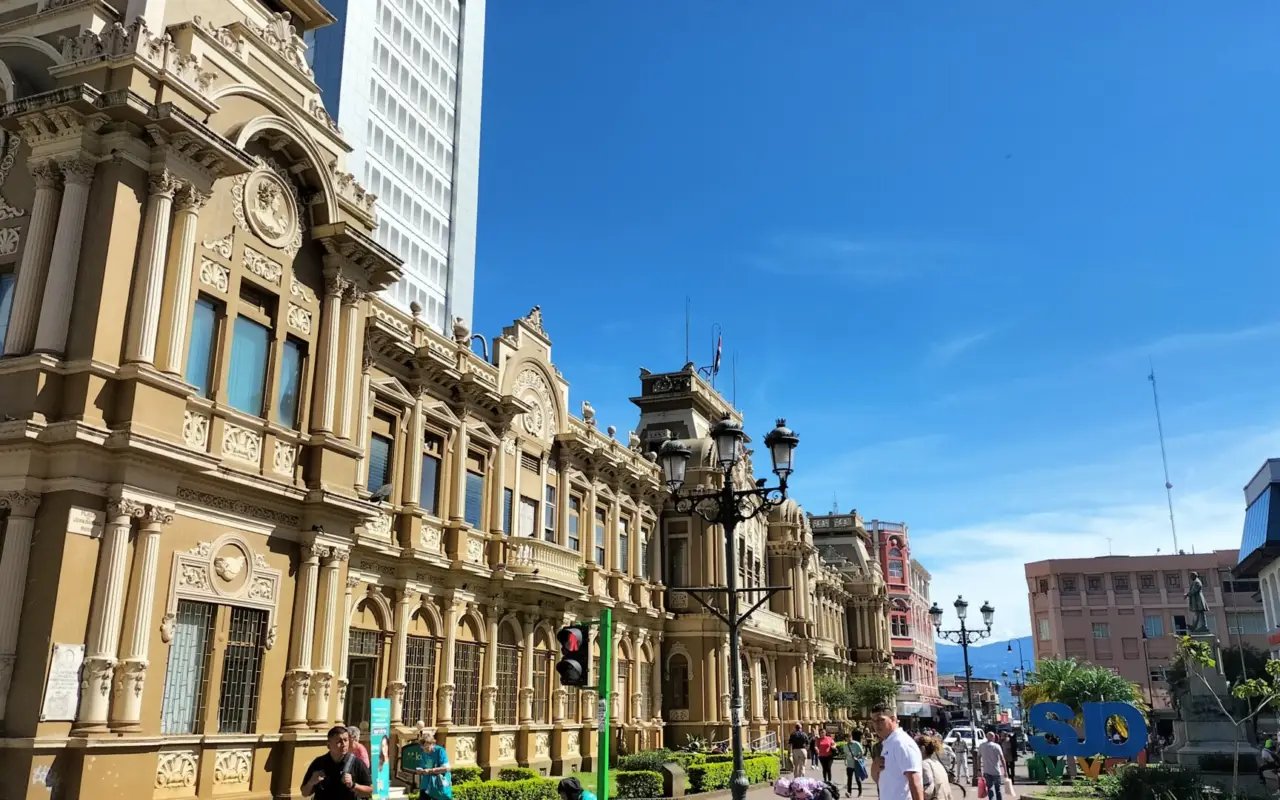
A Downtown Landmark
Built in the heart of the capital and spanning an entire city block, the market is bordered byMain Avenue 1.
It is located in an area home to several of San José’s urban landmarks, including the Plaza de la Cultura, the National Theater, and the Gold Museum. This location partly explains its popularity: the market is a regular stop for visitors in a bustling downtown area.
- Check out our Costa Rican cultural calendar to find out about upcoming events.
Historical Milestones of San José's Central Market
1880: A Municipal Project
The covered market was built in 1880 by the Costa Rican government. Prior to that, trade took place primarily as open-air markets in the main square, in front of the Metropolitan Cathedral, with weekly gatherings. The Costa Rican writer Manuel Gonzales describes this atmosphere in *El Clis de Sol*, noting in particular the constant movement of carts.
As the population grew and the need for a permanent space arose, the city developed a building that could remain open all week, featuring warehouses for goods and a designated area for carts. This transition to a covered market accompanied the gradual organization of urban commerce.
Building Renovations and Heritage Preservation
Originally, the architecture was described as neoclassical in style, with red-brick walls. The earthquakes of 1888 damaged the building and led to the demolition of the second floor. Renovations took place over time, particularly in the 1940s.
In the 1990s, a modernization project proposed demolishing the market—which was considered to give “a bad image of San José”—to make way for a shopping center. The project did not come to fruition: public outcry ensued, and the market was preserved. It was designated a Costa Rican architectural and historical heritage site in 1995, a status often associated with the site’s symbolic place in the city’s collective memory.
What We Find at the Market and What It Says About Our Customs
Everyday Cooking Ingredients and Products
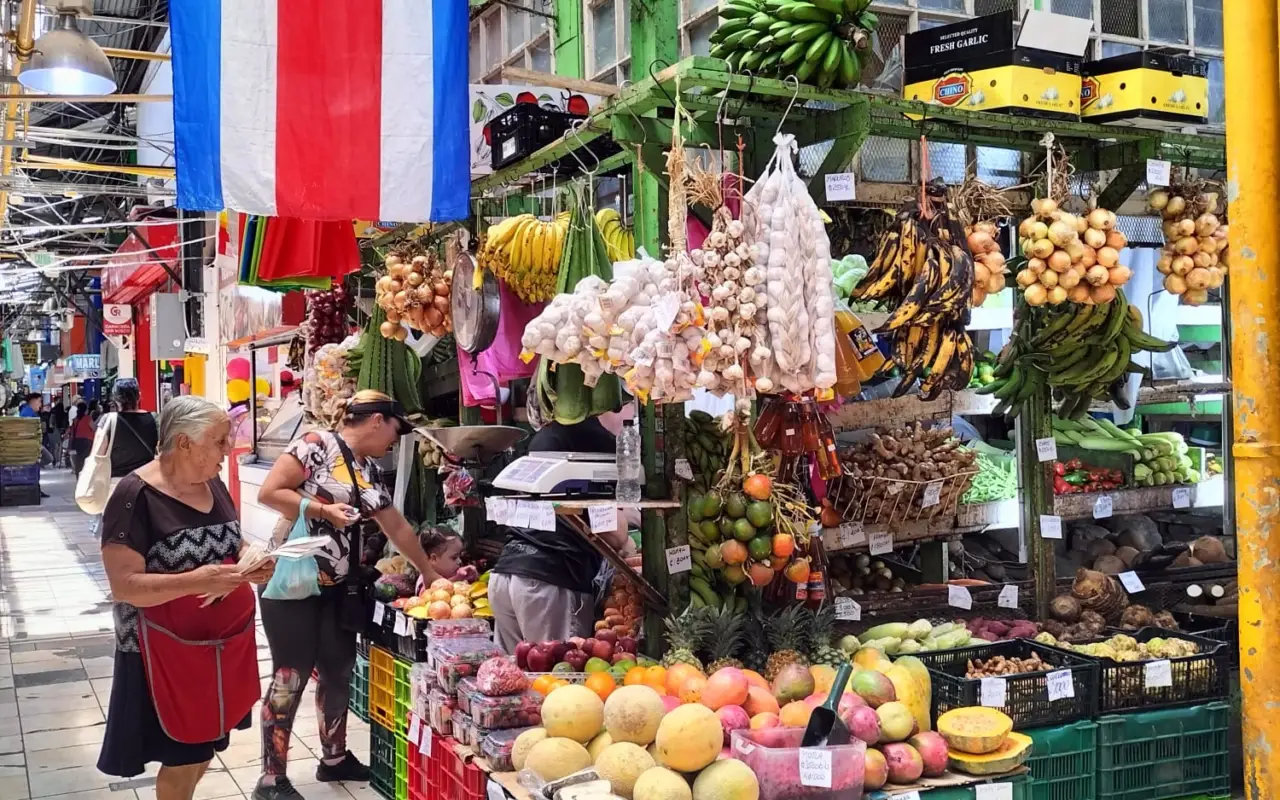
The Mercado Central is home to a wide variety of ingredients used in local cuisine: fruits, vegetables, meats, fish, eggs, grains, as well as staples often considered essential, such as rice and red beans. You can also find items useful for home cooking: herbs, condiments, and various kitchen utensils.
Some stalls offer more specialized products associated with traditional dishes. For example, plantain leaves are used to wrap tamales (a dish made with corn dough, rice, and meat).
Goods and Handicrafts
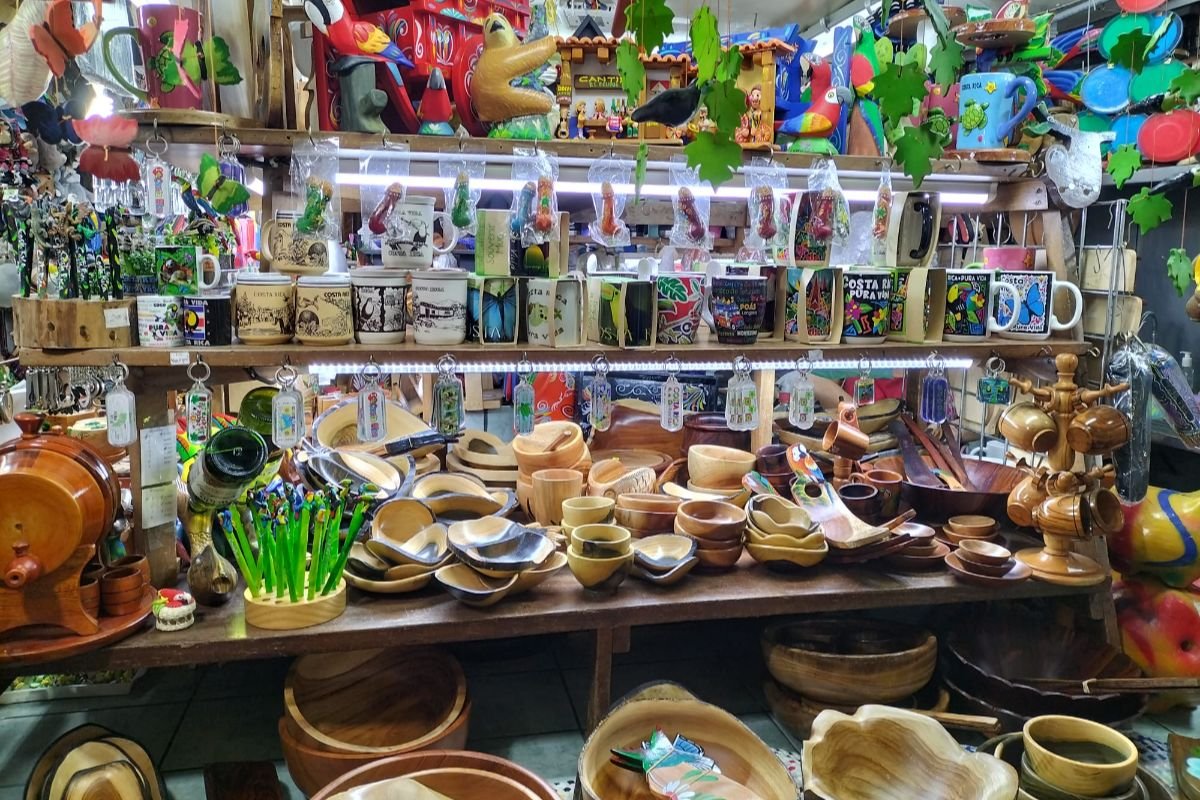
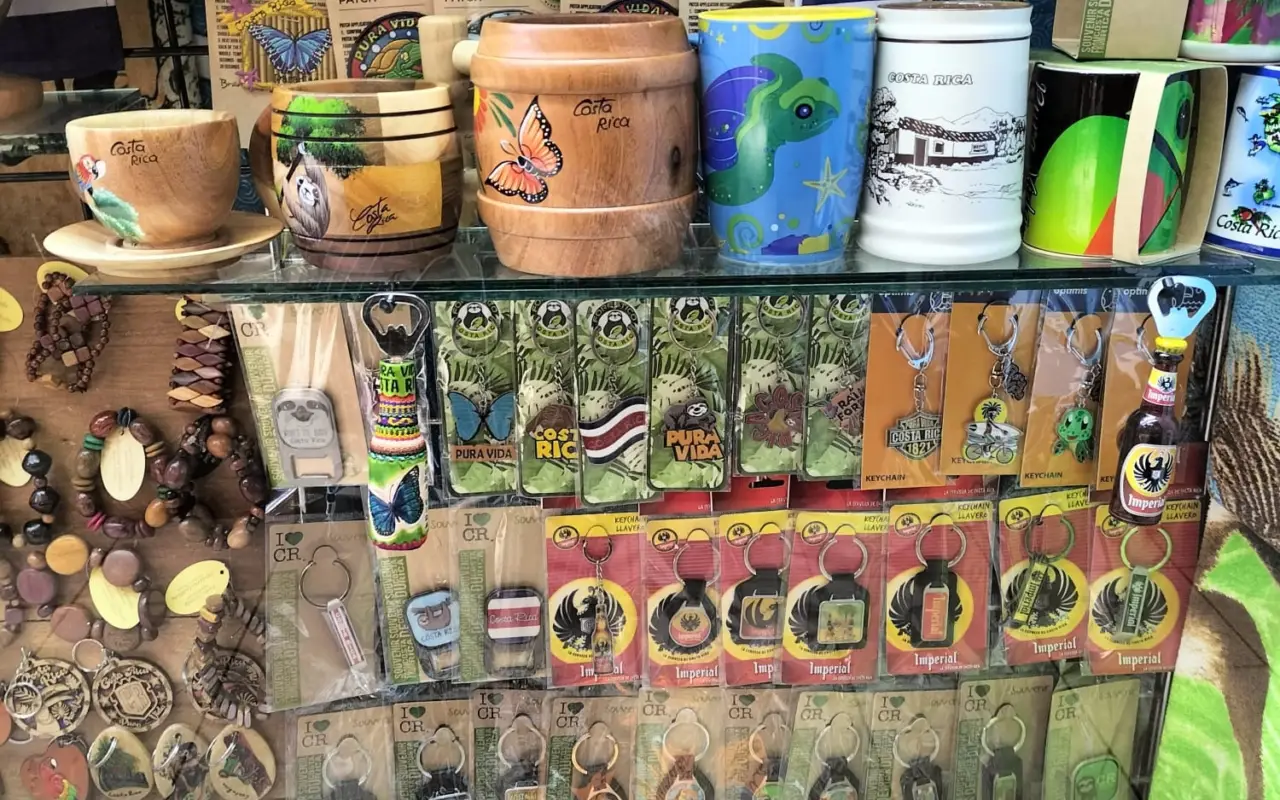
Beyond food, the market features stalls sellinghandicrafts, textiles, everyday items (mugs, pottery), and sometimes items marketed as “traditional.” To avoid the “catalog” effect, the key is to understand what’s actually being sold: everyday items, souvenirs, and household goods. Check out our article on how to choose responsible souvenirs in Costa Rica.
The text also mentions the “nigüentas, ” a figurine of a young girl picking fleas off herself, described as a good-luck charm found in many homes in Costa Rica and other Latin American countries.
Eating In at the “Sodas”
The market is home to “sodas, ” small eateries serving simple, everyday meals. They’re a staple of the market: people come here for a quick bite, especially during breakfast and lunch hours. Typical dishes include gallo pinto and casado. You can also find foods that are harder to come by elsewhere, such as traditional “sorbetera” ice cream —including the famous Sobertera de Lolo Mora, which has been making its delicious recipe since the early 20th century!
Plants and Folk Remedies
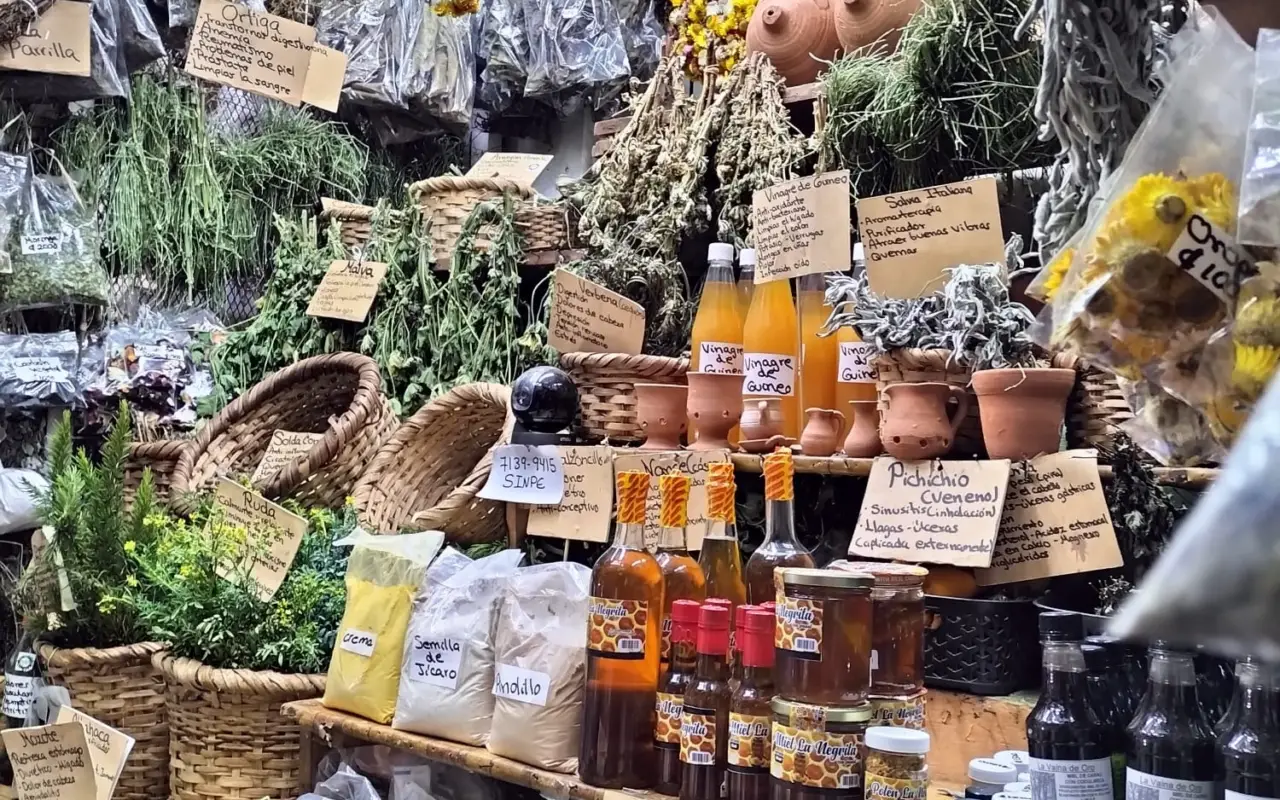
The Mercado Central features stalls selling so-called “medicinal” plants and herbs, often recognizable by their hanging bouquets and pre-packaged blends. There, you’ll find plants used for everyday purposes, such as herbal teas, baths, rubs, or preparations associated with family traditions sometimes referred to as “grandmother’s remedies.” These stalls highlight the role of domestic knowledge and herbal traditions in daily life, alongside other health practices.
Symbolic Landmarks and Religious Practices
In the center of the market stands the Sagrado Corazón de Jesús, recognized as the patron saint of the Mercado Central de San José and as a landmark for the community of merchants. Passersby sometimes stop there and touch the display case to receive a blessing. This gesture serves as a reminder that, in this bustling place, religious practices can also take on a discreet, everyday form, integrated into the flow of daily life.
Every year in July, a Mass is held that brings together hundreds of people. It is also an opportunity to share stories and pay tribute to merchants who are deeply involved in the life of the market. For example, Alvaro Mora Jimenez, 68, owns a traditional ice cream shop where five generations of his family have worked.
Tips for Visiting the Central Market in San José
- For photos: Ask for permission before photographing a person, a stall, or an area clearly “occupied” by someone.
- To encourage interaction: To start a conversation, stick to simple, specific questions: “How do you use this? How do you prepare this?”
- For payments: Bring some cash for small purchases, as some stalls don’t always accept cards.
- For sodas: If you plan to have lunch there to try a soda, aim for mealtimes, and if possible, avoid the midday rush (you’ll have an easier time finding a seat).