Discover another side of Costa Rica—one that’s more rural and mountainous
Article written by Camille Bintz, Terra Caribea’s right-hand woman since 2022
What are the benefits of a reconnaissance trip to the southern mountains?
On November 22, 2023, I set out alone from San José with the goal of discoveringa different side of CostaRica —one that’s more rural and mountainous.
Because yes, Costa Rica is also about the land, the local character, and the cool mountain air.
I wanted to show that you can visit the “Land of Green Gold” for exotic landscapes that are different from the usual must-see beaches and volcanoes featured in documentaries about the country—the ones that shape the collective imagination of this destination. To that end, I’m sharing a travelogue that traces my journey and the various discoveries that marked this exploratory trip through the mountains of Costa Rica!
And, as you’ve come to expect, to accompany this travelogue, we also invite you to check out an itinerary directly inspired by my journey —one that lets you discover these hidden gems while enjoying a well-rounded trip.
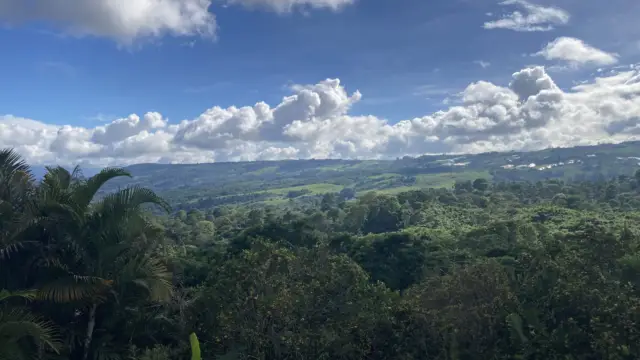
Step 1 - Turrialba: Volcano, Adventures, and Unique Accommodations
So off we go to Turrialba, one of my favorite places in Costa Rica, located in the southern part of the Central Valley. The idea is to discover new places to stay and activities in this vast area centered around the volcano of the same name, but also to rediscover this region that we already knew—a region that deserves to be explored more thoroughly through different stops, each highlighting different aspects.
And, unsurprisingly, I wasn’t disappointed—see for yourself:
Aquiares: A Major Coffee-Producing Region
I began this trip in Aquiares, a picturesque village located a little further northwest of the city of Turrialba.
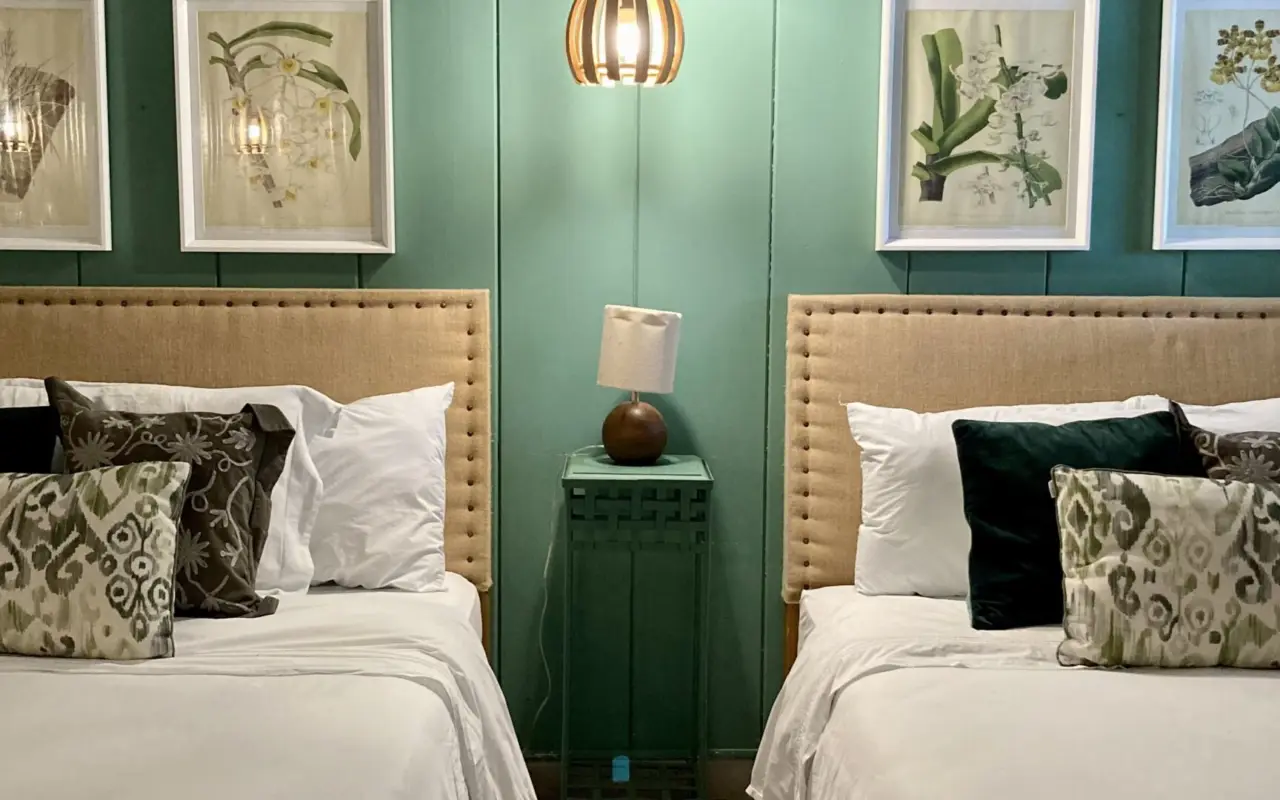
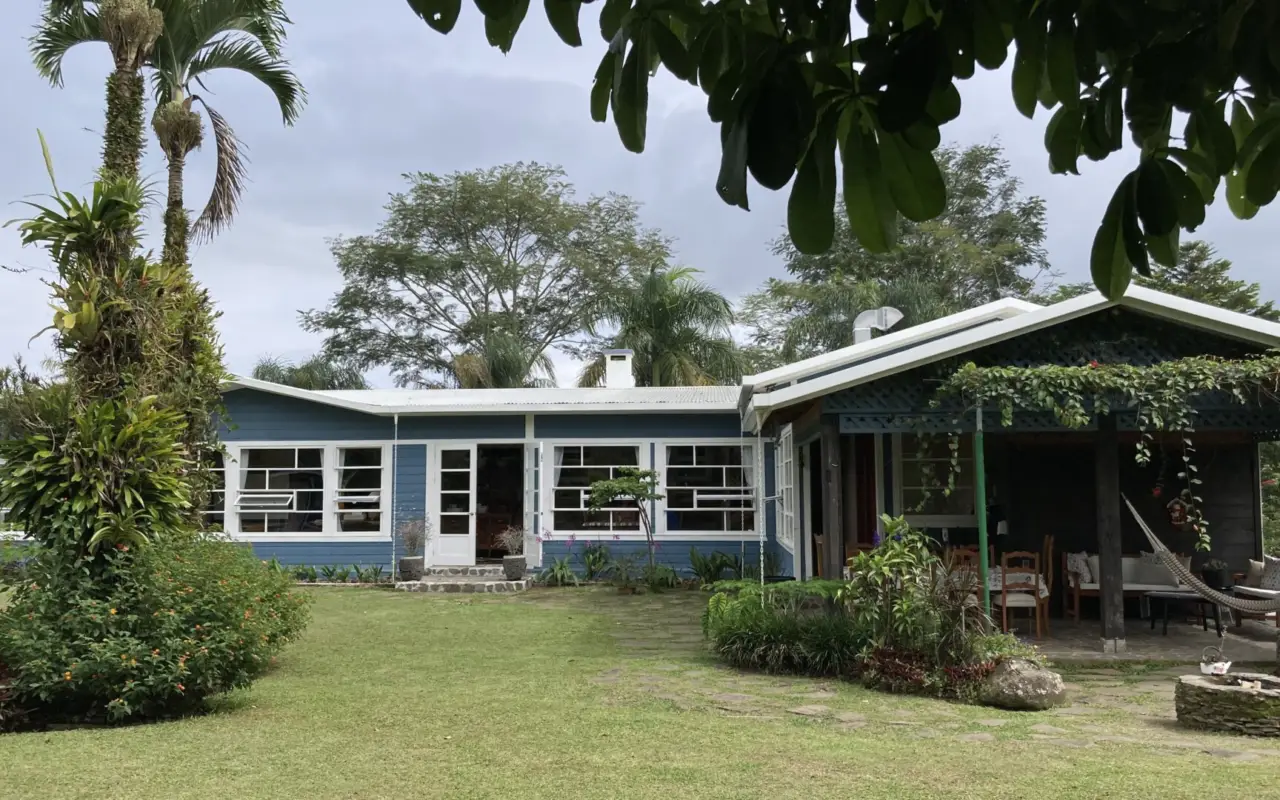
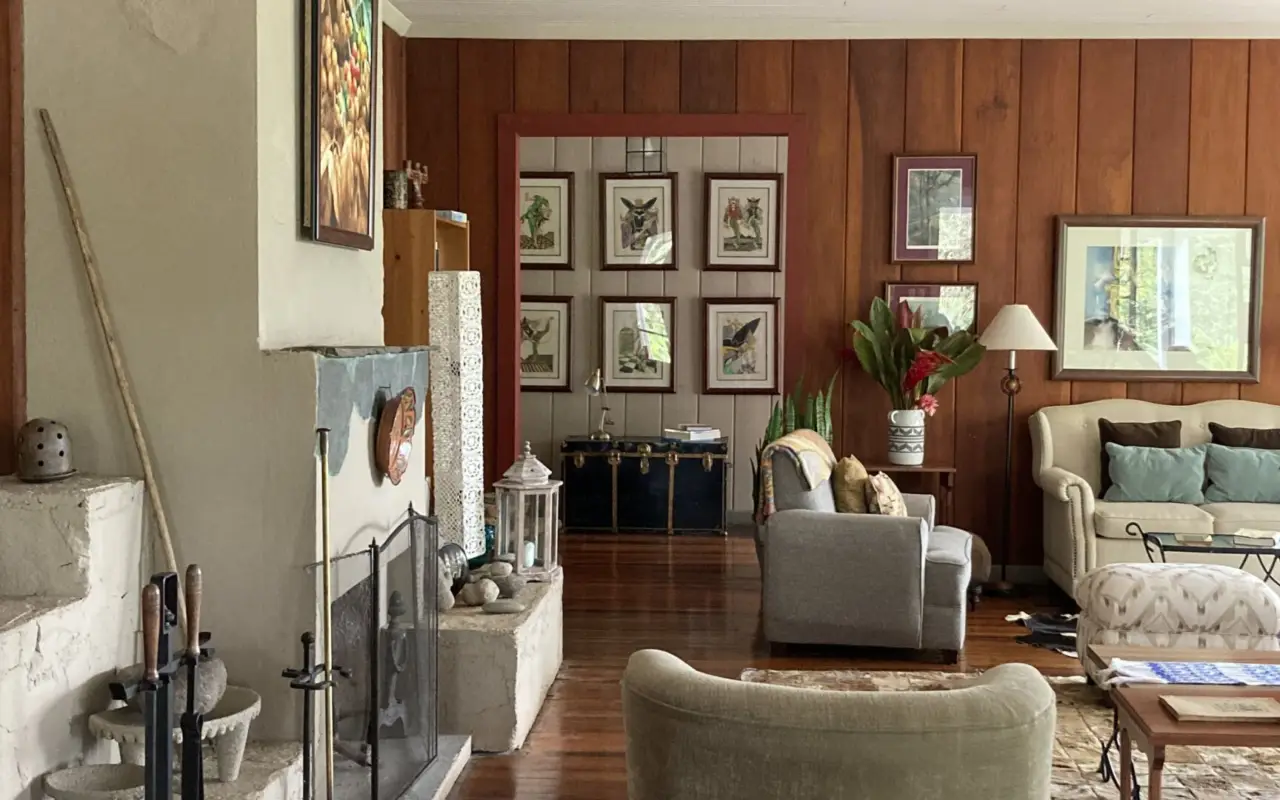
This peaceful and particularly beautiful spot, surrounded by lush greenery and waterfalls , is home to a little gem of a place to stay: Casa Hacienda La Esperanza. Nestled in the hills above Aquiares, this hacienda is the former family home of the owners of the coffee company that has made the village famous. They decided to transform it into a guesthouse that retains the comfort and warmth of a home. Indeed, its five rooms make us feel right at home, and the warm welcome we receive plays a big part in that.
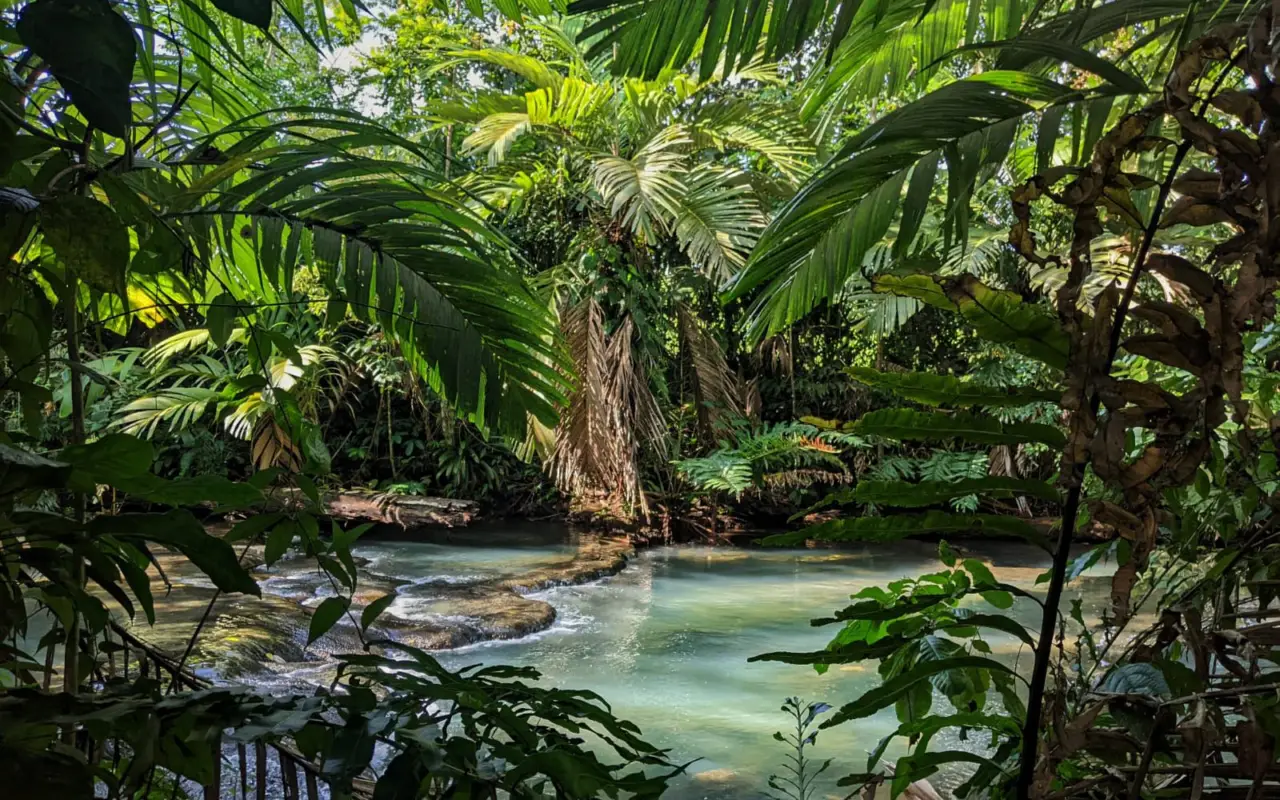
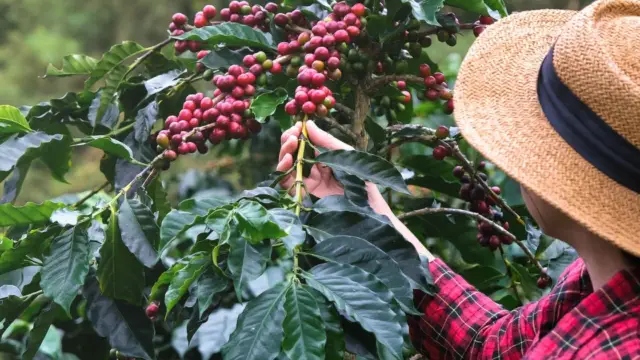
This trip also gave me the chance to take a coffee tour—Aquiares’ specialty. It was very interesting, allowing me to discover the various processes and the history of “black gold” in this region. Katherine, the guest relations manager, then took me to the Aquiares waterfall, hidden below in the forest. It’s a peaceful spot where you could easily spend an entire afternoon unwinding and recharging. It’s also possible, upon request, to organize a picnic there.
Climbing Turrialba Volcano:
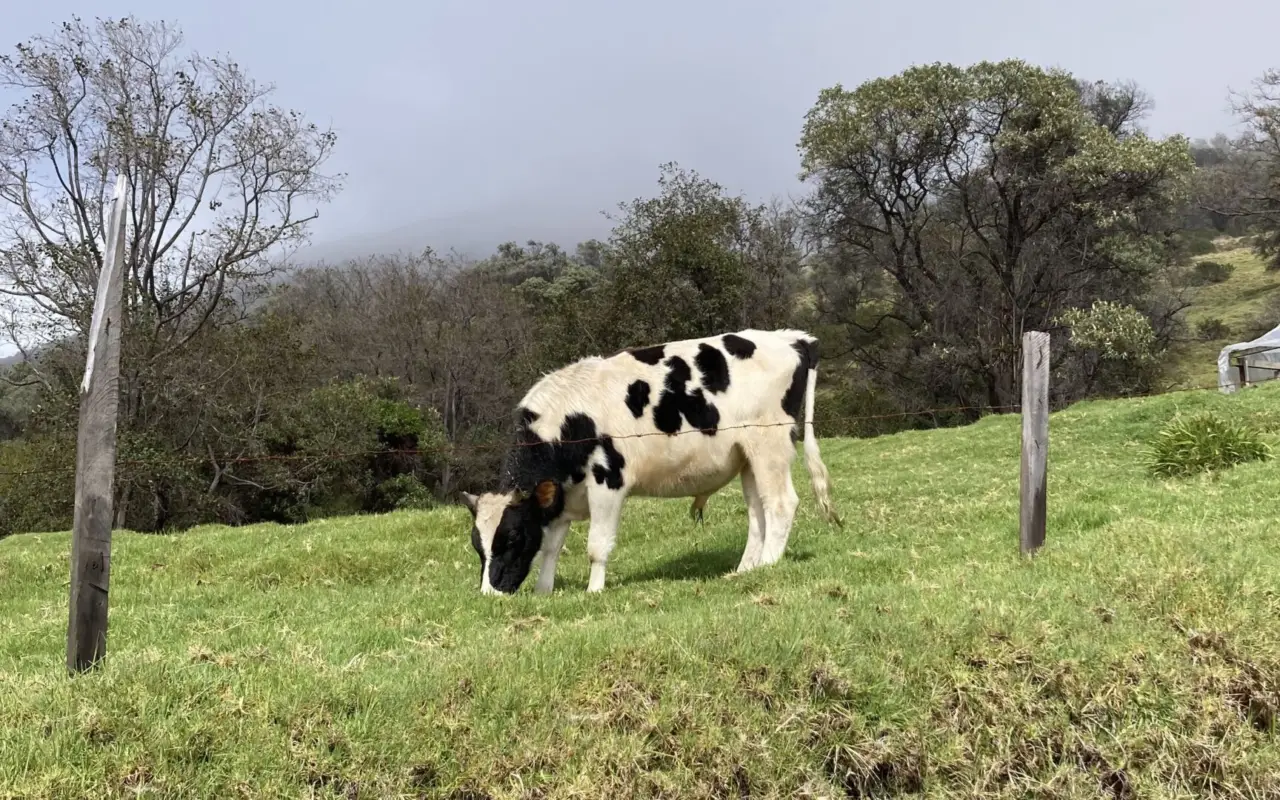
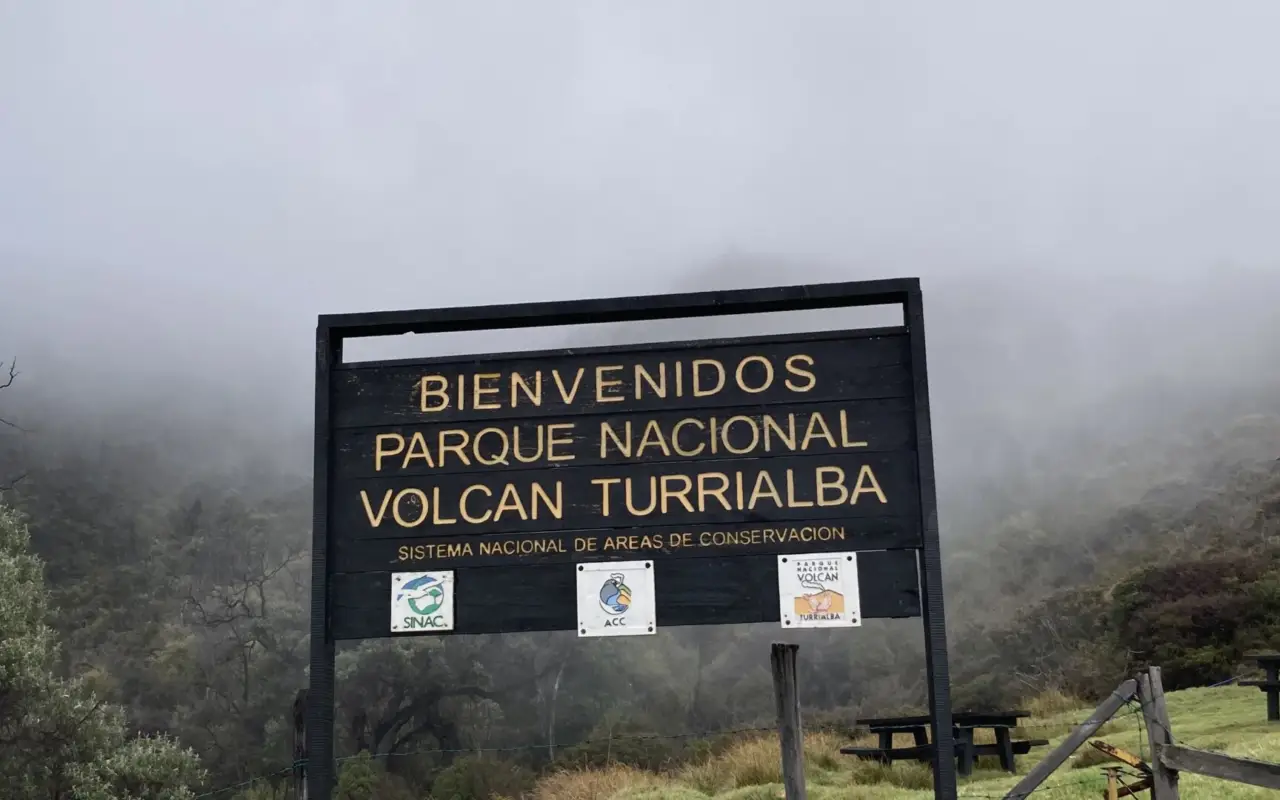
This getaway was also an opportunity to set out on an adventure and explore Turrialba Volcano, which had long been closed to visitors due to the pandemic.
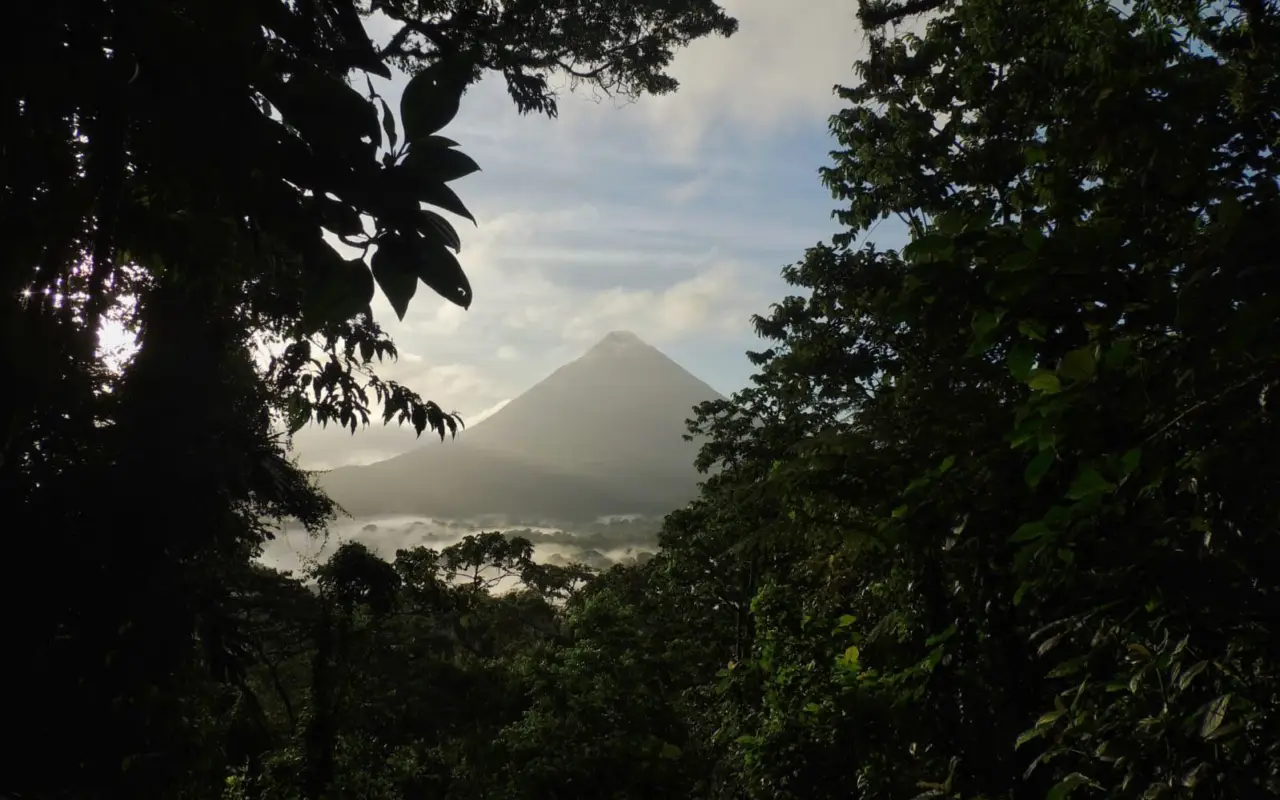
So I laced up my hiking boots and set out to conquer the volcano, whose summit sits at an elevation of 3,340 meters. A beautiful 9-kilometer round-trip hike awaited me, and the road leading to the starting point was stunning.
The climb is fairly short, but the elevation gain is significant. My guide, Alejandro, tells me that it’s good training for climbing the famous Cerro Chirripo, Costa Rica’s highest peak, located in the southern mountain ranges.
I learn a lot about how volcanoes work, as well as about the area’s wildlife. In particular, it’s home to a jaguar (which has left its claw marks on some of the tree trunks I see along the way) and numerous species of birds. When I reached the summit, unfortunately, a thick cloud blocked my view of the lagoon… It’s okay—nature has its way—I’ll be back!
A long-standing partner and a unique sporting experience:
I’ve just come down from my volcano, my head filled with beautiful images, and I’m heading to one of our long-standing partners: the Hacienda Monteclaro.
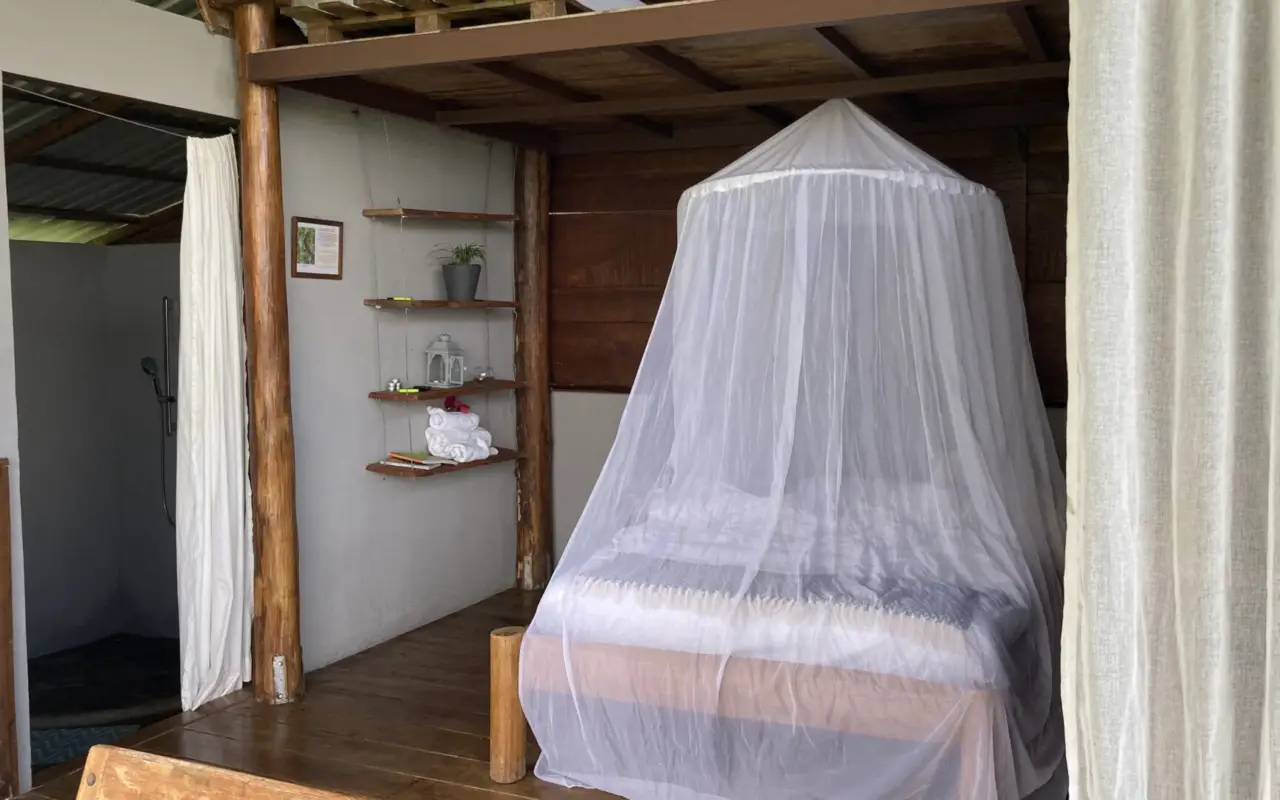
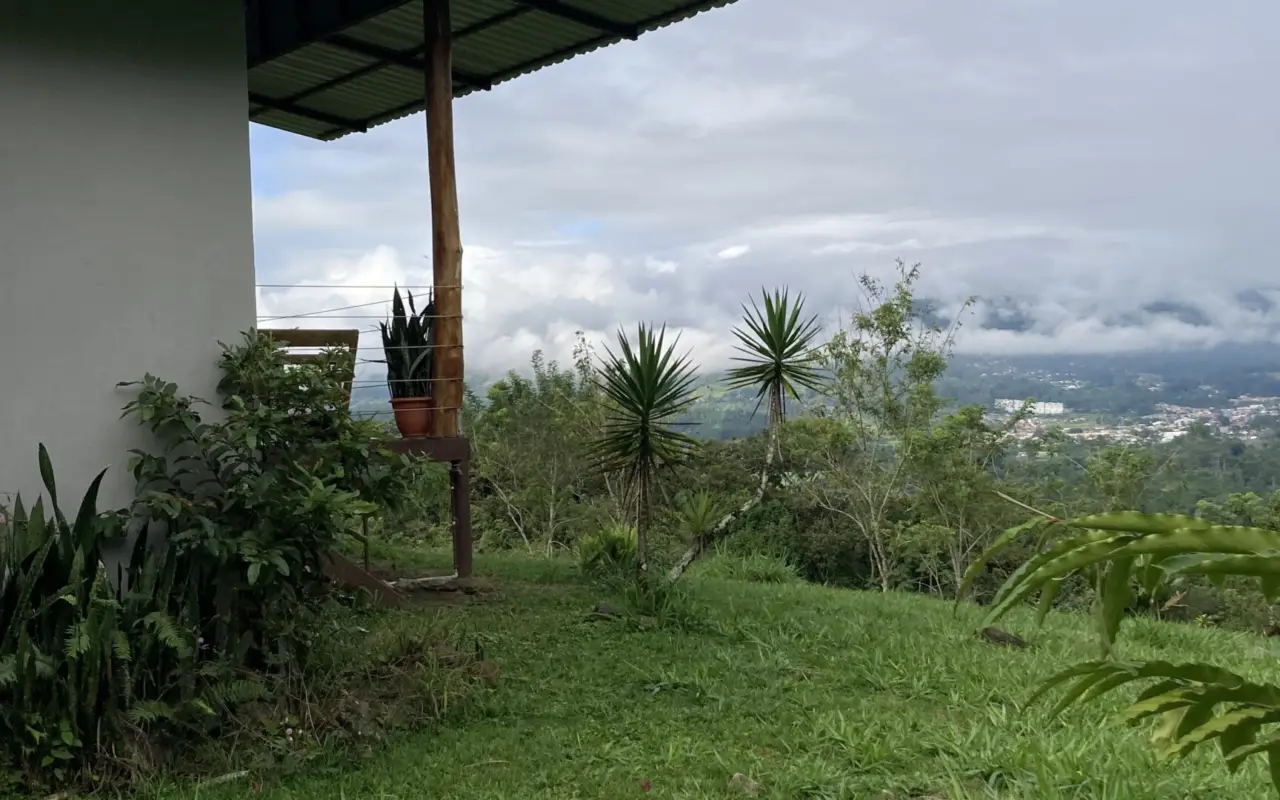
This is a lodging nestled in the heart of nature with a unique layout—it consists of“eco-decks,” which are cabins set in the wilderness, partially open to the outdoors, without electricity or hot water, but with an exceptional view! They’re nicely decorated and the bedding is comfortable—I slept like a baby! You do need a certain taste for adventure, but what a wonderful experience—it’s no wonder this place has been one of our hidden gems for many years.
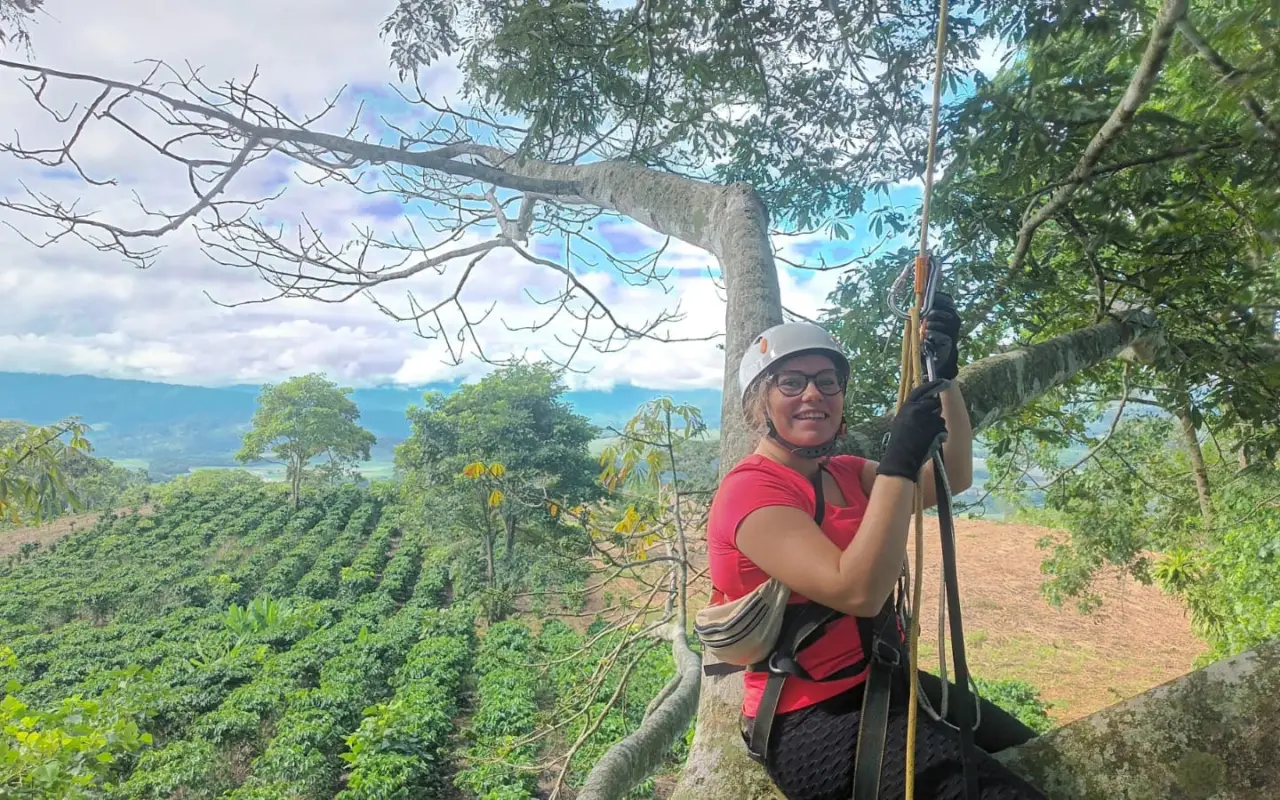
The adventure continued the next morning with a truly unique activity. I climbed into Ernest’s(very) old 4×4—he’s in charge of welcoming guests and managing the property—which took me to a tree about ten meters tall, overlooking the estate’s coffee plantations. And off we go for atree-climbingsession—I strap on my harness, he takes the time to go over the technical details and safety instructions with me, and there I am, climbing this magnificent ceiba tree.
The idea is to enjoy a unique athletic experience, push your limits, and learn more about this tree and the environment around us. A timeless moment, punctuated by a snack break in a hammock woven by Ernest and adrenaline rushes as we swing from branch to branch.
Perfect experiences for immersing yourself in nature:
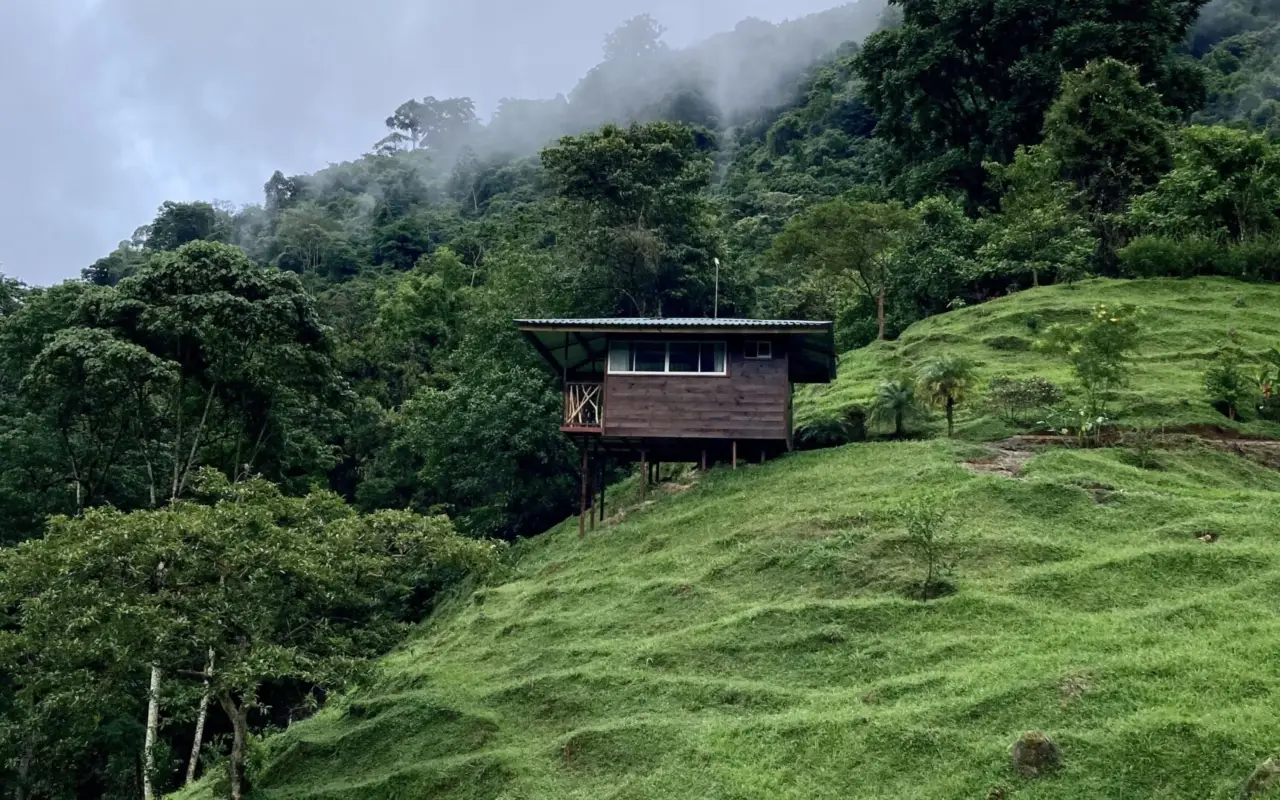
I spent mylast night in Turrialba at a somewhat secluded spot. It took me a while to get there—the Hotel Rivel is well hidden—and I drove up a winding forest road. Getting there was a challenge, but what a reward awaited me!
The view is extraordinary, with the forest, river, and meadow allin view. The hotel consists of three cabins scattered across the property, each offering privacy and breathtaking views. I wake up to the sound of the river; the night was cool, but they’ve thought of everything with plenty of blankets.
The hotel has hiking trails on the property, allowing guests to explore the flora of this tropical forest area, as well as the many bird species found on the grounds. A true retreat off the beaten path, perfect for nature lovers and those curious to discover a different side of Costa Rica.


Step 2 - The Orosi Valley: Where Culture Meets Nature
The Orosi Valley and Lake Cachi:
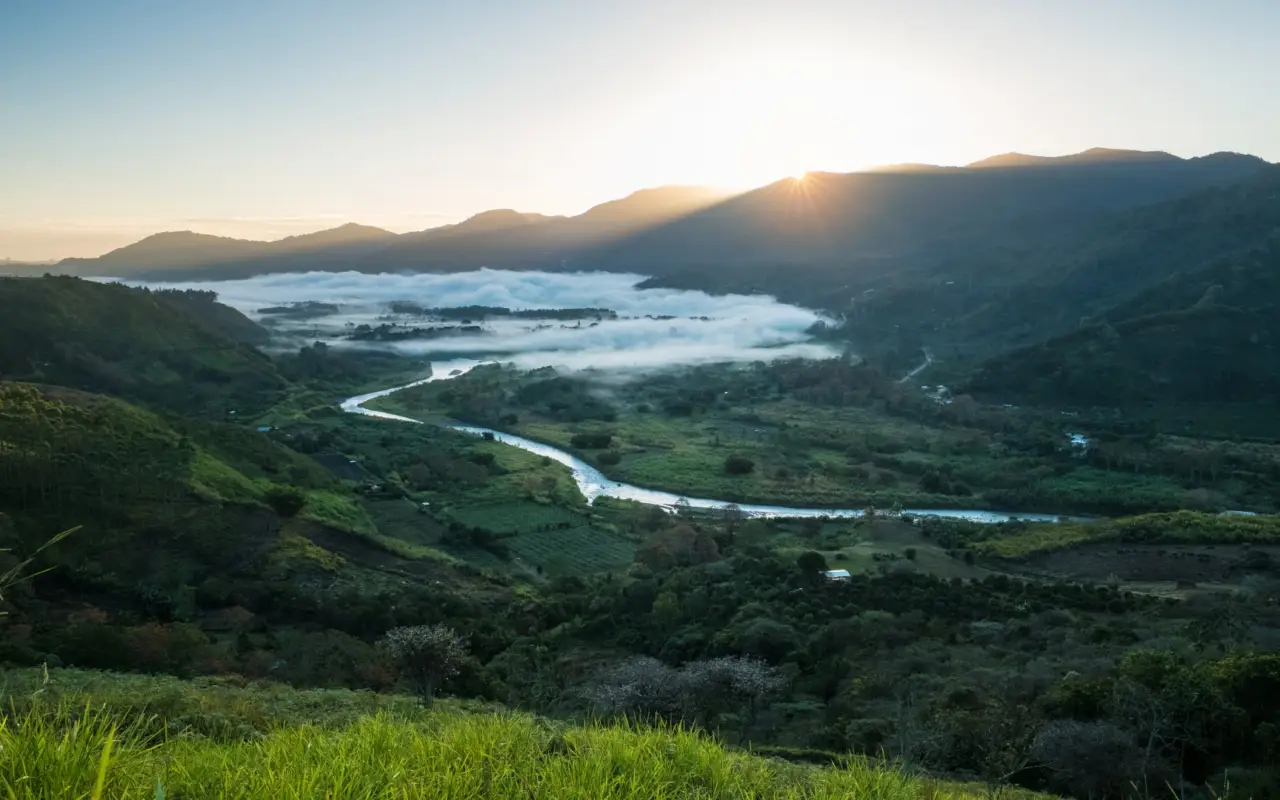
Next , we head to the Orosi Valley, specifically the villages of Orosi, Cachi, and Ujarras. The goal of this leg of the trip is to explore this region, which we know little about, far from the usual tourist routes.
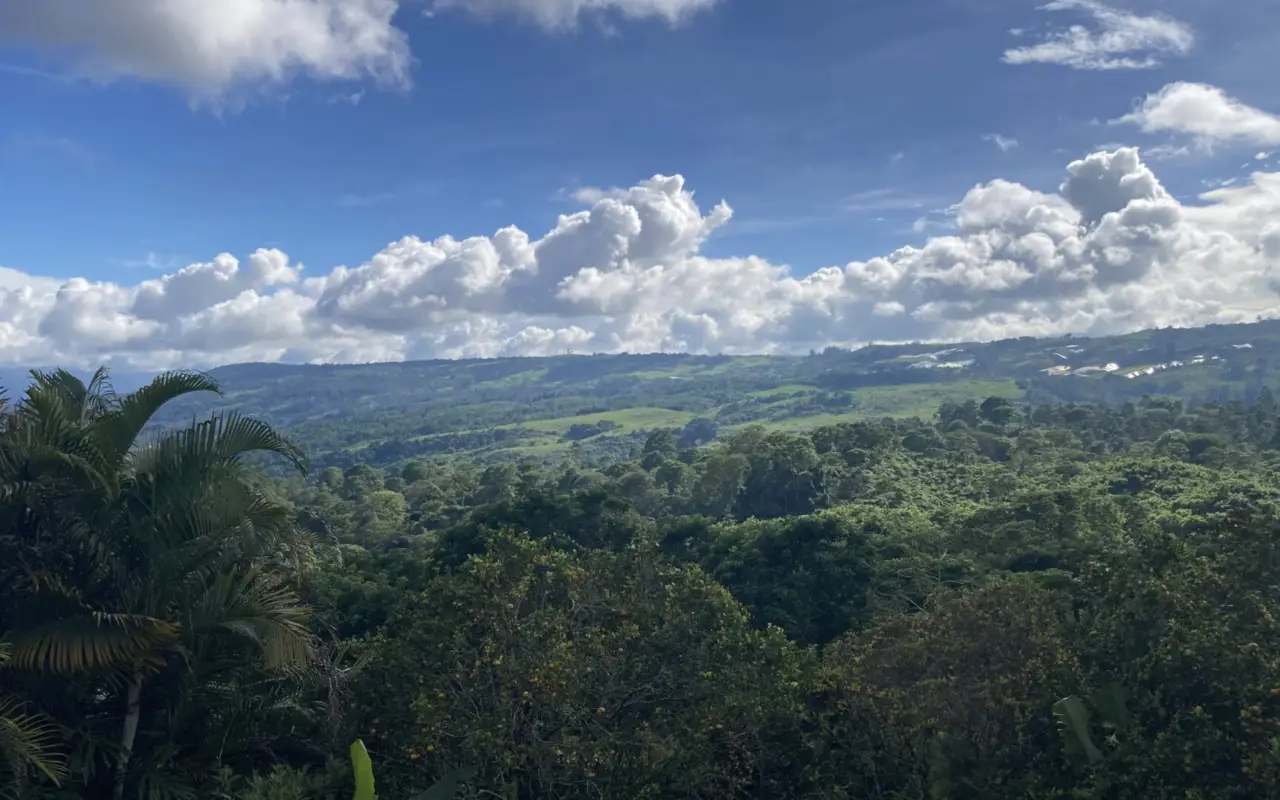
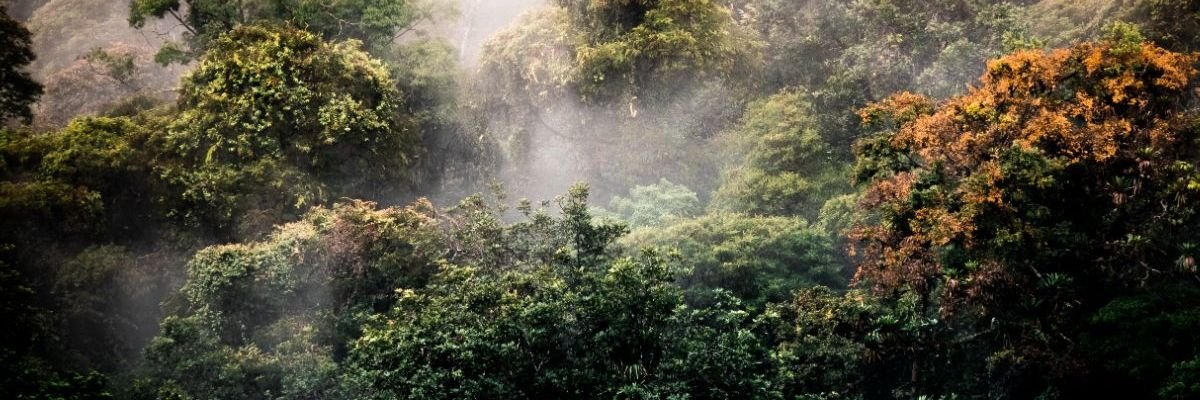
I realize that this is a magnificent region ,and I take in the stunning,unspoiled landscapesalong the way—mountains, rivers, and tropical forest.
It’s a rural area; I see horses and cows in the meadows, grazing along the mountainsides, between streams and coffee plantations. After all, it’s also a coffee-growing region.
I stop for lunch by the peaceful Lake Cachi—it’s a very pleasant spot. I then head to my hotel for the night, which has a waterfall right on the property—from there, you can spot many species of birds. I take advantage of the tranquility around me to unwind and read a book.
The small town of Orosi: a cultural site
The next day, I was back on the road, heading for the town of Orosi, which had been described to me as a cultural destination—a rarity in Costa Rica, a country where nature is ever-present wherever you go.
So I strolled through this small town and visited the famous colonial church and its small adjoining museum. It’s an interesting stop if you’re in Orosi.
I also visitedthe Orosi Lodge, a hotel located right in the town center and run by a charming German couple who know the region very well. They spoke to me about the area with great passion and offered plenty of advice.
Ujarras: The Final Stop in the Orosi Valley
I then headed to Ujarras, located about 20 minutes from Orosi.
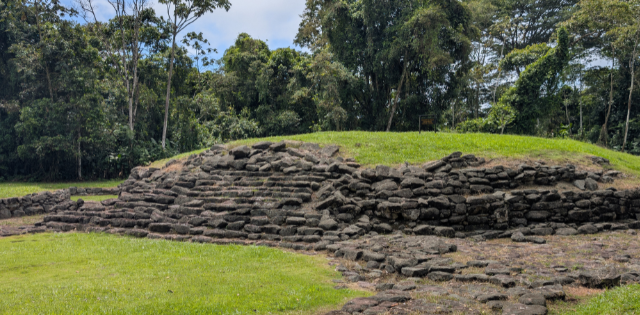
Before heading to the hotel, I took the opportunity to visit the ruins of Ujarras, the remains of a 17th-century colonial church that has become an important pilgrimage site. The visit is quick—it’s more like a stroll through a park—but it’s a nice change of pace.
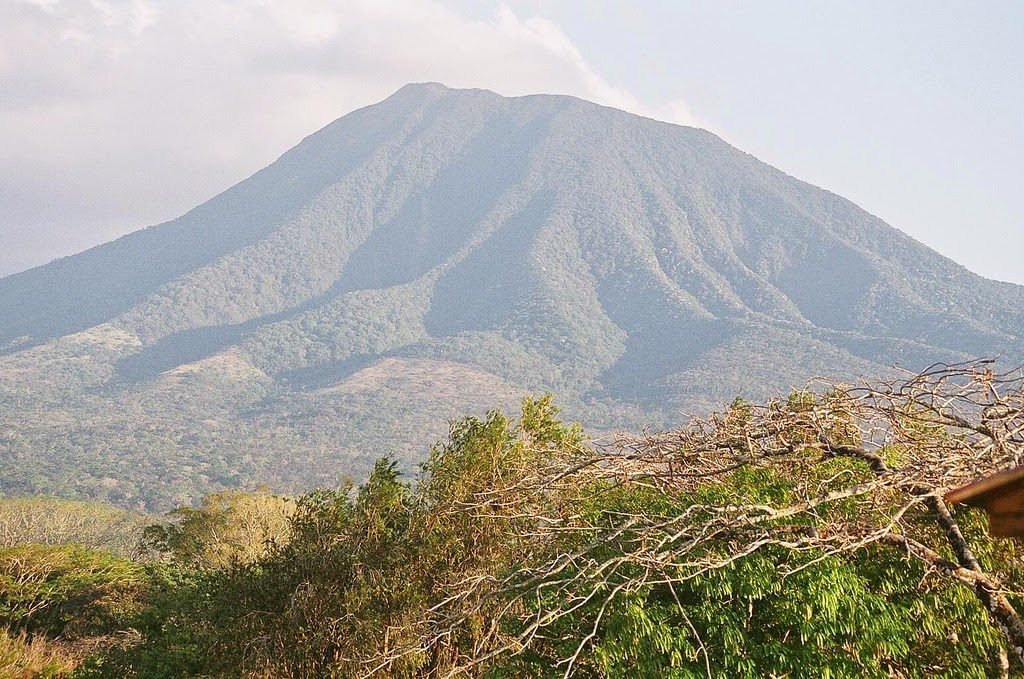
Then I headed to the Rinconcito Verdehotel for my last night in the Orosi Valley. It’s a charming place, offering a breathtaking view of the valley. From my room’s balcony, I can see a sweeping panorama of the towns of Ujarras, Orosi, and Cachi, even as rain threatens in the late afternoon. The dark clouds lend an air of foreboding yet great beauty to this landscape, which I take the opportunity to enjoy as I wrap up my day.
Step 3 - Copey & San Gerardo de Dota: A Breath of Fresh Air and Fine Dining
Dota Trip: First Stop in the Land of the Quetzal
And here I am back on the road heading for the Dotaregion , a place that’s truly stolen my heart. In this part of the country, I’m greeted by cool temperatures —ones I’d grown accustomed to as a Frenchwoman but had somewhat forgotten. Well-prepared, I slip on my down jacket and set off to make new discoveries in the land of green gold!
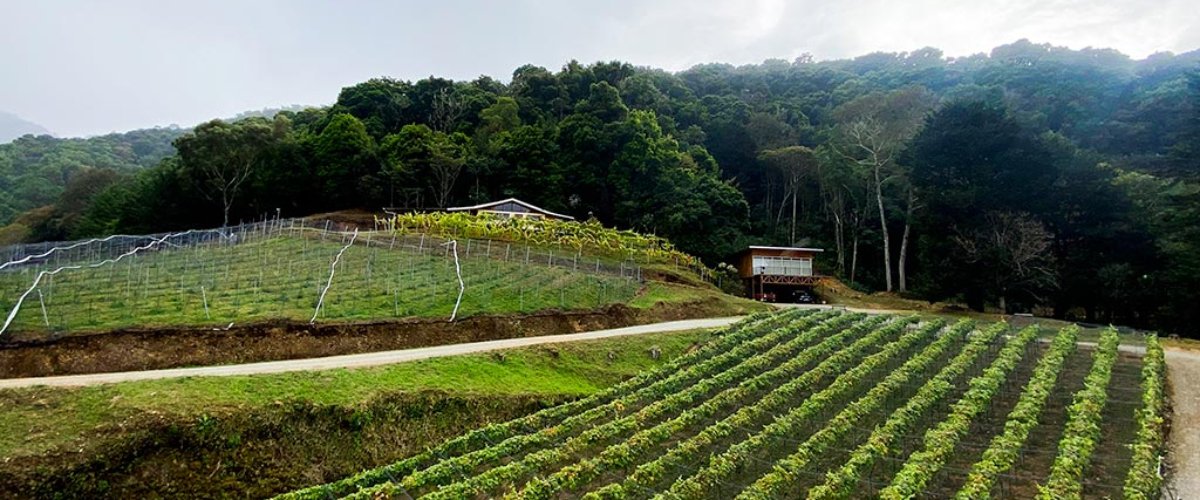
First stop: Copey de Dota. This village is known, like the entire region, for its diverse birdlife — including the famous quetzal—as well as its forests, but I also discover its culinary offerings . Fruit tours, tastings of local products, gourmet walks, wine tours… all of this is possible in Copey de Dota.
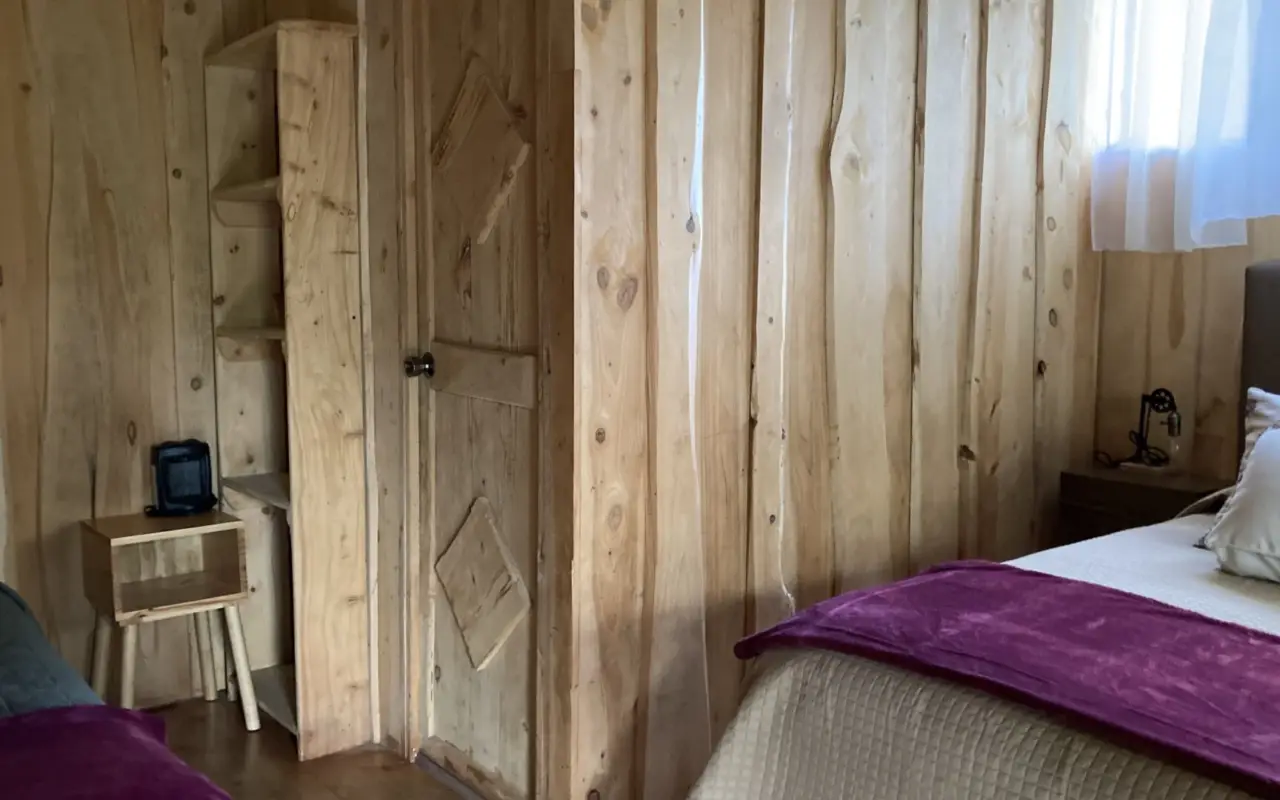
The Cedrela Ecolodge, where I stayed, is a well-known dining spot in the region. Most of the ingredients are local—some are even grown on-site—and everything I tasted there was delicious, from dinner to breakfast. The place is a lush, green oasis of peace and tranquility, and the cozy little wooden cabins make me want to stay there for a whole week.The ecolodge features a 7-kilometer hiking trail, perfect for hiking and natureenthusiasts.
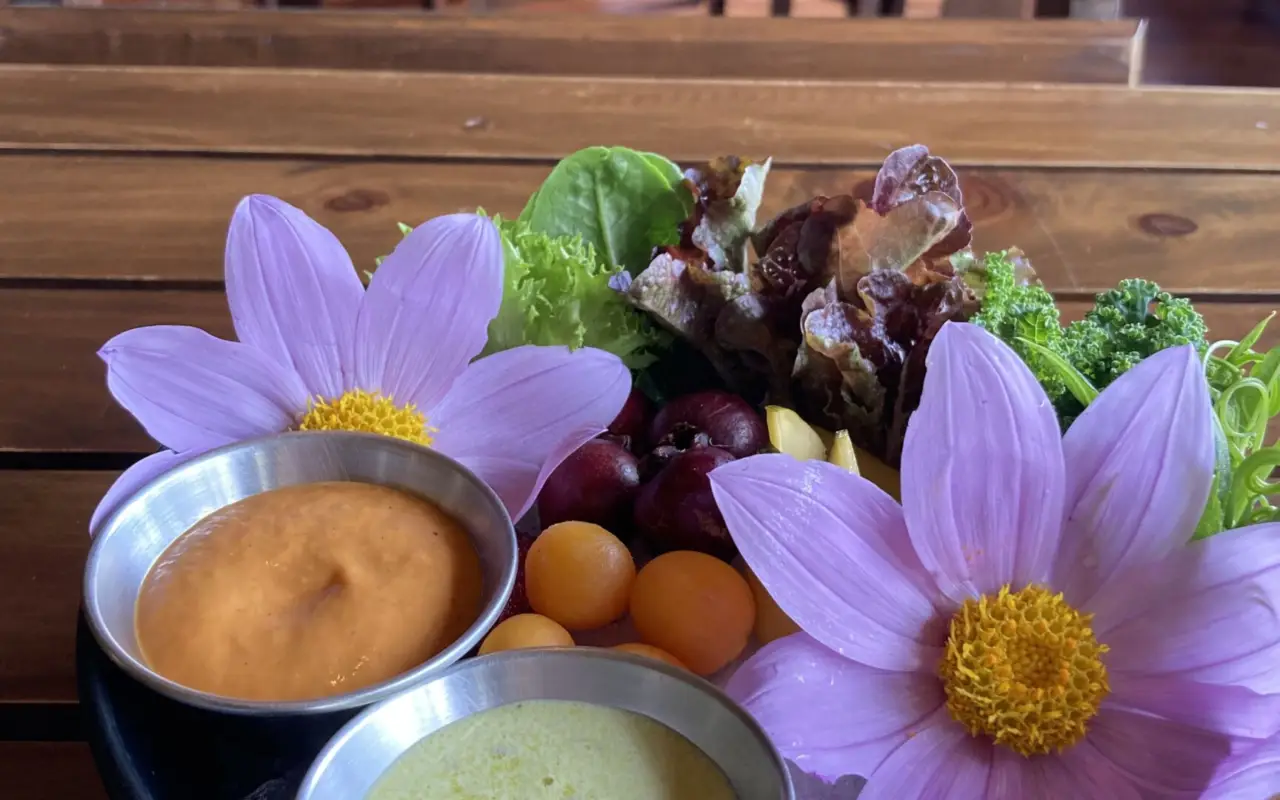
I also gotto enjoy a gourmet tour offered by the ecolodge.
On the agenda: exploring the produce grown on the property. I learned more about the fruits and vegetables they use in their kitchen and the region’s suitability for growing them. The tour culminated in a gourmet lunch, including an appetizer, starter, main course, and dessert. I thoroughly enjoyed it!
San Gerardo de Dota: Second Stop in the Land of the Quetzal
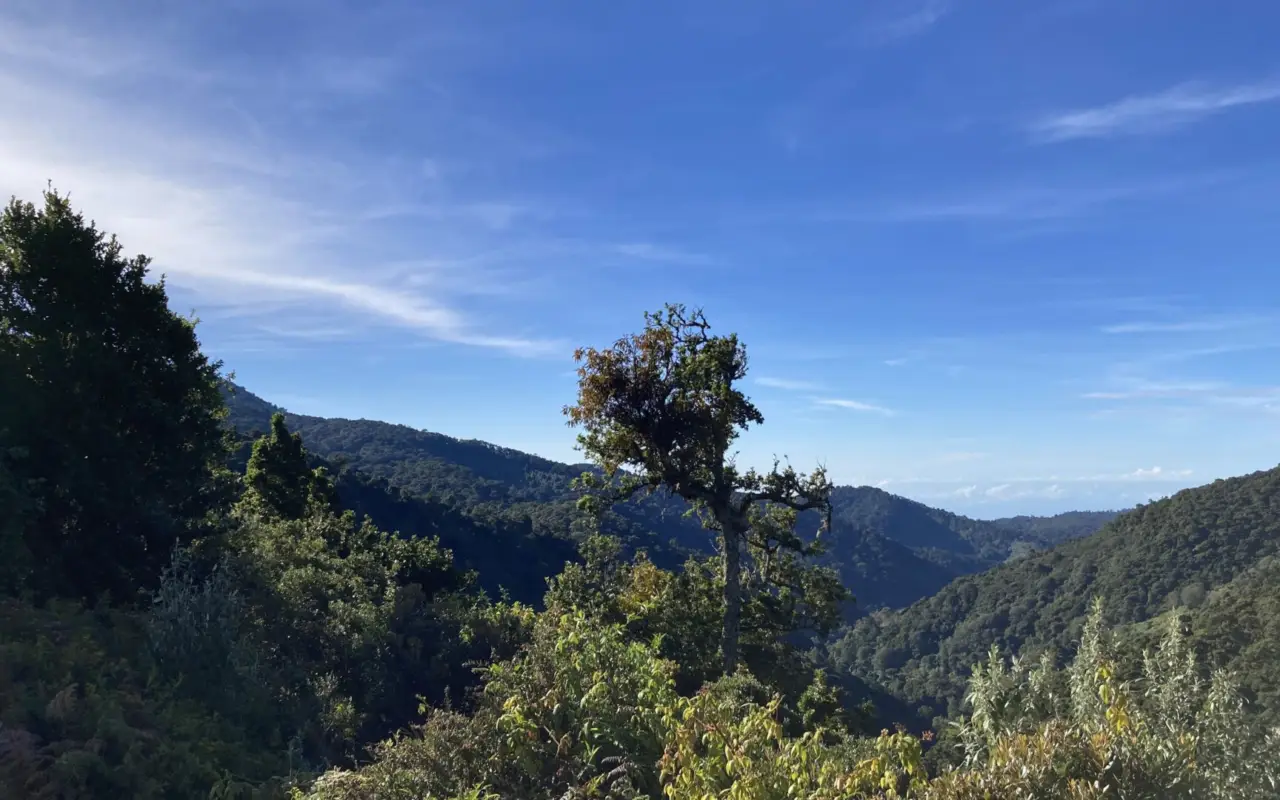
Then I headed to San Gerardo de Dota —a must-visit destination for birdwatchers. I actually saw the legendary quetzal there; I got up early to have the privilege of catching a glimpse of it. During my stay in Dota, I was able to breathe in plenty of fresh air and enjoy the region’s many hiking trails and waterfalls, surrounded by breathtaking natural beauty—just the way I like it!
I also made a lovely discovery when it came to lodging: the Lauraceas Lodge (website currently under maintenance), a family-run hotel with four wooden cabins that are bothmodern and comfortable. A truly wonderful discovery, both for the quality of the accommodations and the hospitality, as well as for its location and the activities the lodge offers. It features a stunning garden where you can take a stroll and also offers the chance to go out and spot the quetzal. A real little slice of paradise!
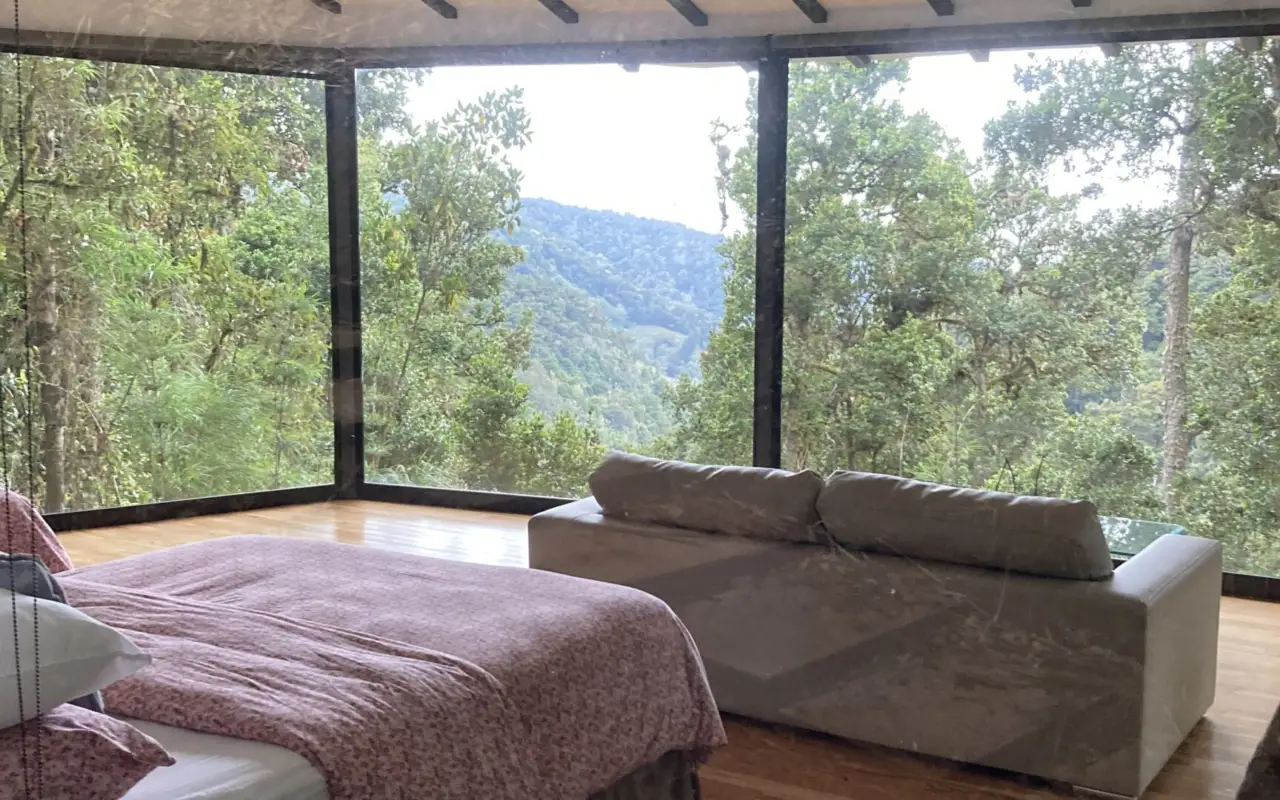
I ended my stay near San Gerardo de Dota at the DanticaHotel . It’s a place we were already familiar with, but I really wanted to visit it. It was a wonderful experience! It’s an extraordinary property, with modern and colorful decor that reflects Costa Rican culture. The hospitality is impeccable, and the rooms are scattered throughout the grounds, which also feature numerous hiking trails where you can stroll and take in the surrounding nature. My room offered a panoramic view of the forest, which I took advantage of to watch a fantastic sunset and sunrise, surrounded by hummingbirds that visited my terrace. The hotel’s restaurant is also worth a visit.
Step 4 - Mastatal: One Last Stop Off the Beaten Path
Hacienda Las Vainillas: A Perfect Way to End My Reconnaissance Trip
The end of my trip is approaching, and I’m hitting the road again to head to the final leg of my journey a little further north. Mastatal is located inland, in the hills, more or less in the middle of the forest between Parrita and San José, within Cangreja National Park—a site still off the beaten path. Mastatal itself is a tiny village, and I’m heading there specifically to check out one place in particular: Hacienda Las Vainillas.
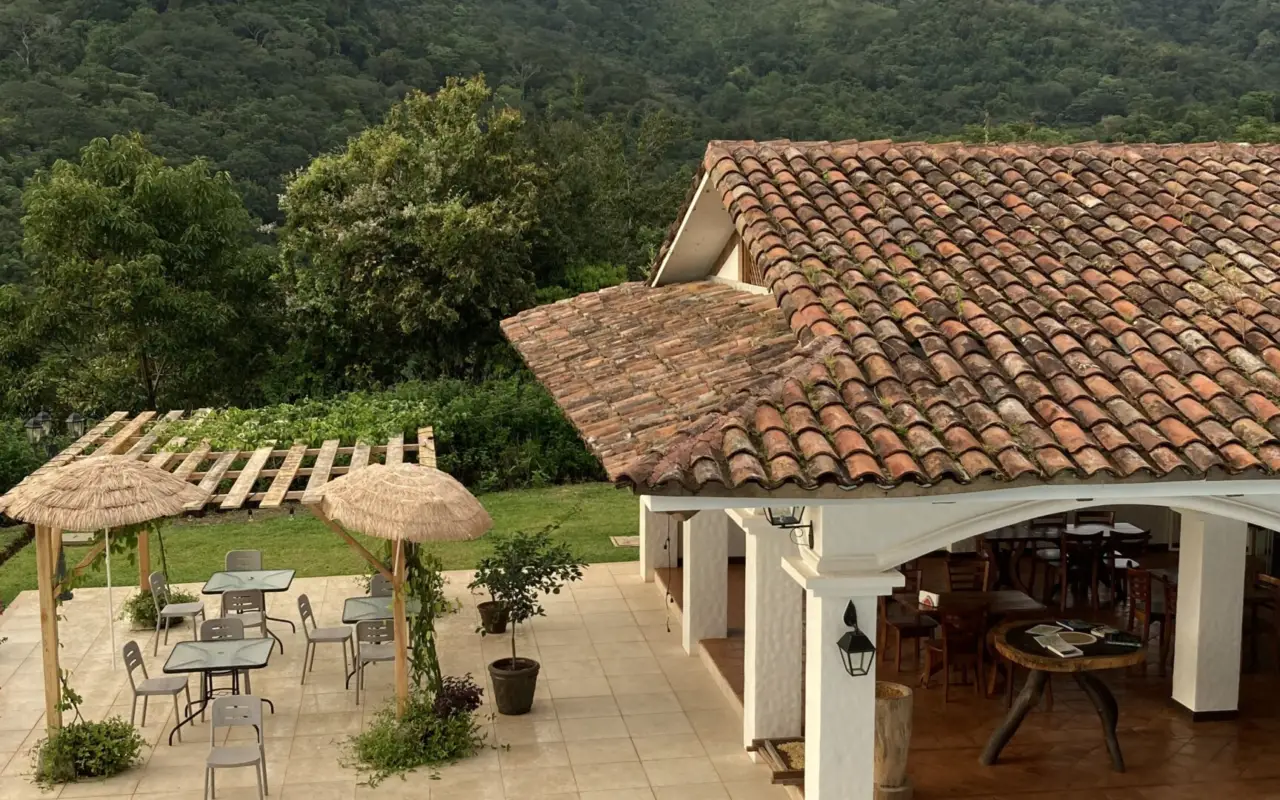
Run by a charming French couple (Frédérique and Philippe), I’m immediately drawn to this place, which offers a superb view of Cangreja National Park and, from my room,a view overlooking the Pacific Ocean .
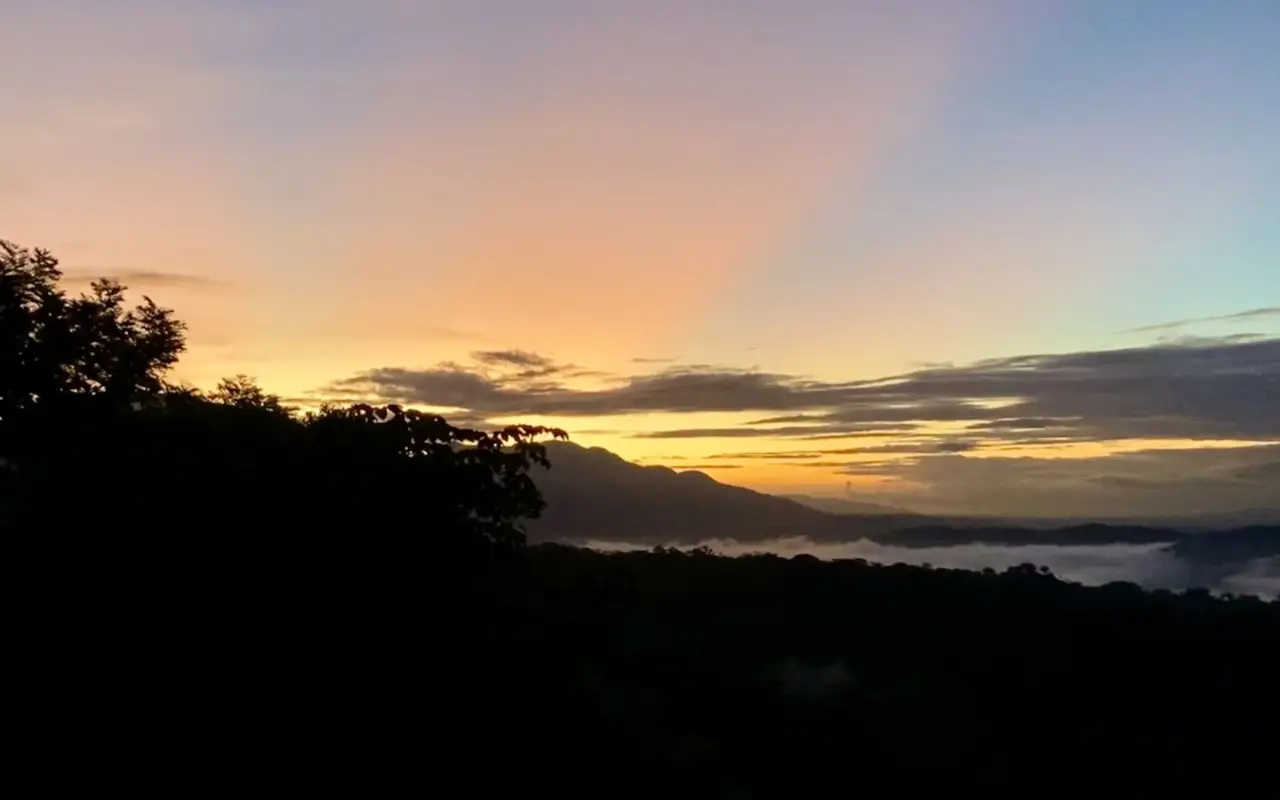
I spent a lovely evening there, enjoying a beautiful sunset and the pool, followed by an excellent meal prepared by Frédérique. The five rooms are tastefully decorated and very comfortable, and mine has one major perk: that famous view of the Pacific Ocean when the sky is clear (luckily, that was the case during my stay). I naturally wake up very early and get to witness one of the most beautifulsunrises I’ve ever seen.
I enjoy a hearty breakfast, and then it’s off on one last adventure before leaving. Philippe takes us, along with two other travelers, on a tour. Passionate about orchids and vanilla, he takes us to the greenhouse that houses these magnificent flowers and tells us that when he first arrived at this property they’d just purchased, he quickly discovered wild vanilla plants, which gave him the idea to pursue this activity as well. So he teaches us a lot about the subject as we stroll through the forest.
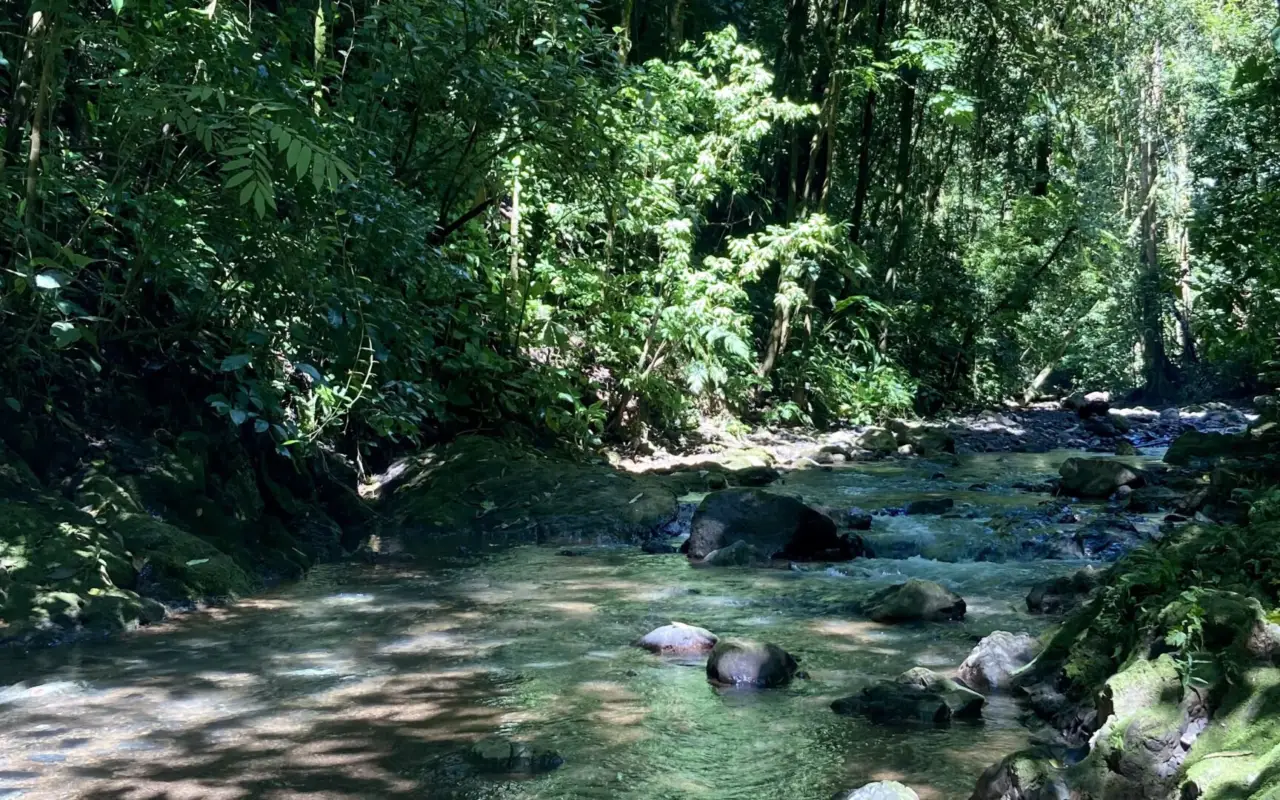
We continue this vanilla tour and find ourselves in the heart of the rainforest, where nature reigns supreme. The trails lead us to streams and waterfalls, and we take the opportunity to cool off for a moment before heading back to the hacienda.
Unfortunately, I have to hit the road fairly early, but I know that Philippe still had many wonderful things to show me if time had allowed. I’ll be back—that’s for sure!
A wonderful exploratory trip through an interesting region:
So it is with wonderful memories of places and people that I return to San José, traveling alonga beautiful road lined with forests, mountains, and villages. This is a route that deserves to be highlighted, as it connects the Central Valley to the Pacific Coast via the “Puriscal” area (known for its high-quality chicharrón, a Tica specialty), thereby avoidingthe main highway (Route 27), which is sometimes congested and doesn’t offer the same scenic beauty!
During this exploratory trip, I was able to discover another side of Costa Rica— a more rural one—offering different climates (often quite cool), as well as off-the-beaten-path experiences, just the kind we love to offer our clients.
A big thank you to all the service providers who made this wonderful trippossible, allowing me not only to discover their establishments and activities but also to learn about their way of life and sustainable practices.