The Lesser-Known Panama: Discovering the Country in a Different Way
Is your idea of travel all about having extraordinary experiences, without that superficial tourist vibe? If you want to get to know Panama in a different way, follow me! I’ve traveled the length and breadth of this smallCentral American country, climbed its mountains, sampled the local culture, and walked along the sandy shores of its islands . Every region holds its own little treasures and offers authentic encounters. Let’s explore my tailor-made trip to experience Panama in a different way.
Discover Panama’s Natural Beauty
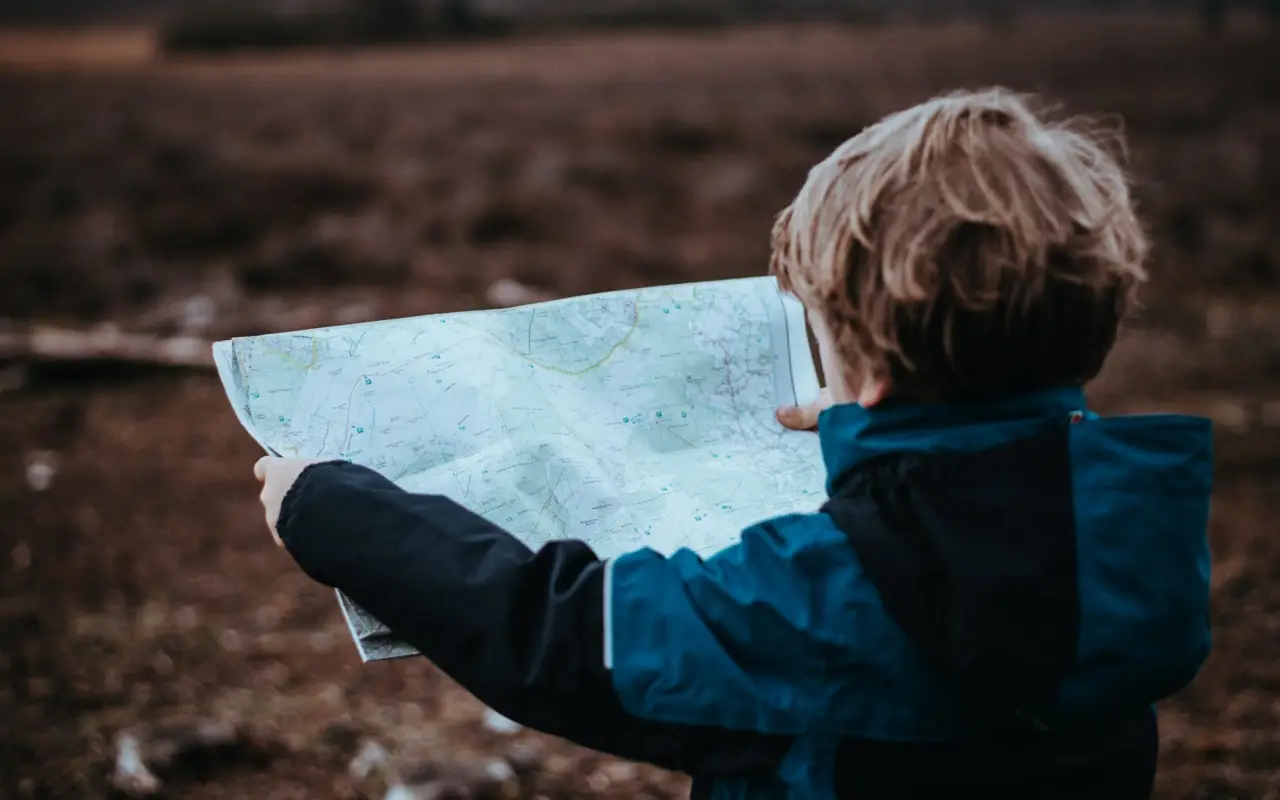
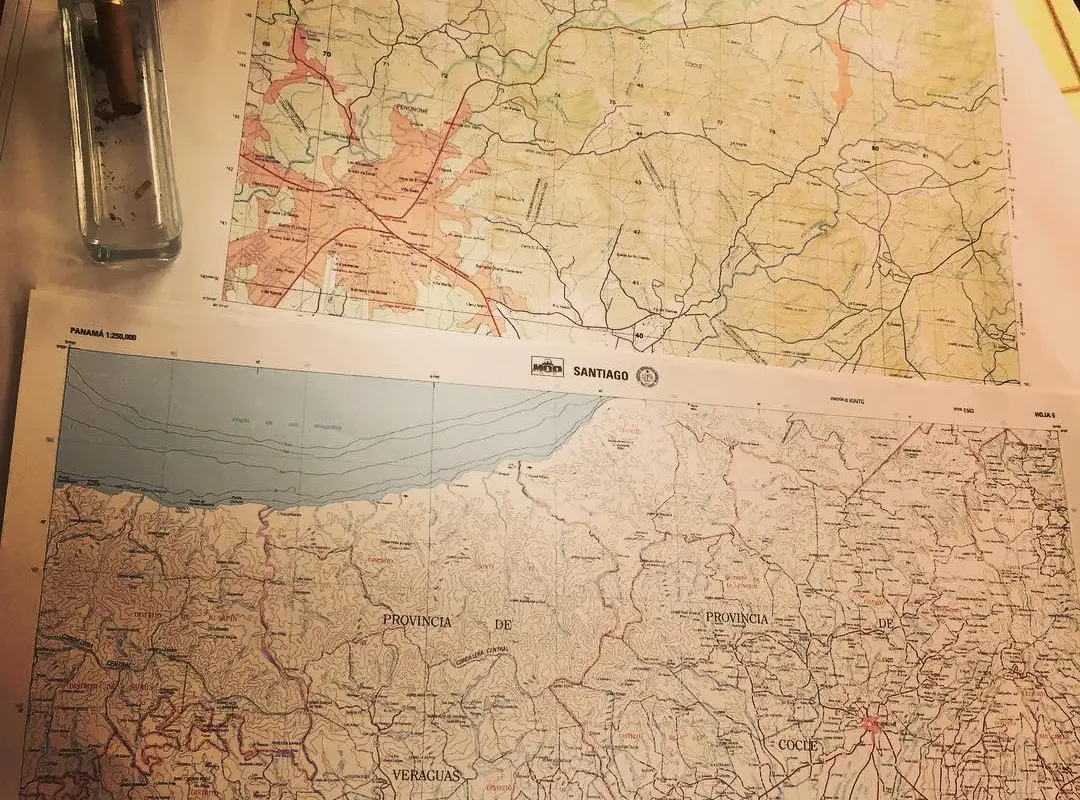
Since I have a soft spot for waterfalls, I’m planning my 4×4 route starting from Panama City. I head to the University of Panama to pick up some paper maps of the Chiriquí and Santa Fe de Veraguas regions. After all, Waze and Google Maps don’t know everything—and, let’s face it, they don’t have that adventurous spirit! And so, off I go on a tour across the whole of Panama.
Valle de Anton and El Chorro Waterfall
I start in Valle de Anton with a leisurely hike to El Chorro Macho Waterfall (70 m high): a marked trail with small footbridges leads me through the rainforest. As a passionate hiker, I then tackle the steep climb up Cerro La Silla. I have to battle the strong wind to keep from falling during the climb. The hike is magical at sunset, with views stretching from Cerro Picacho and San Carlos Lagoon all the way to the Baru Volcano.
Hike in Santa Fe de Veraguas
Santa Fe de Veraguas
My next stop is Santa Fe de Veraguas, on the edge of the national park. A roughly 2-hour round-trip hike awaits me under a gray sky threatening rain. The suspense builds as I climb the rocks along the river. In the distance, I hear the powerful roar of the waterfall. I imagine its shape and height. Perhaps it will be surrounded by small lagoons? Will the current be so strong that we’ll have to shout to hear each other? Here I am at last at the base of the Las Golondrinas waterfall. Flowing over imposing rocks, nestled amid lush, untamed vegetation, it splashes all around.
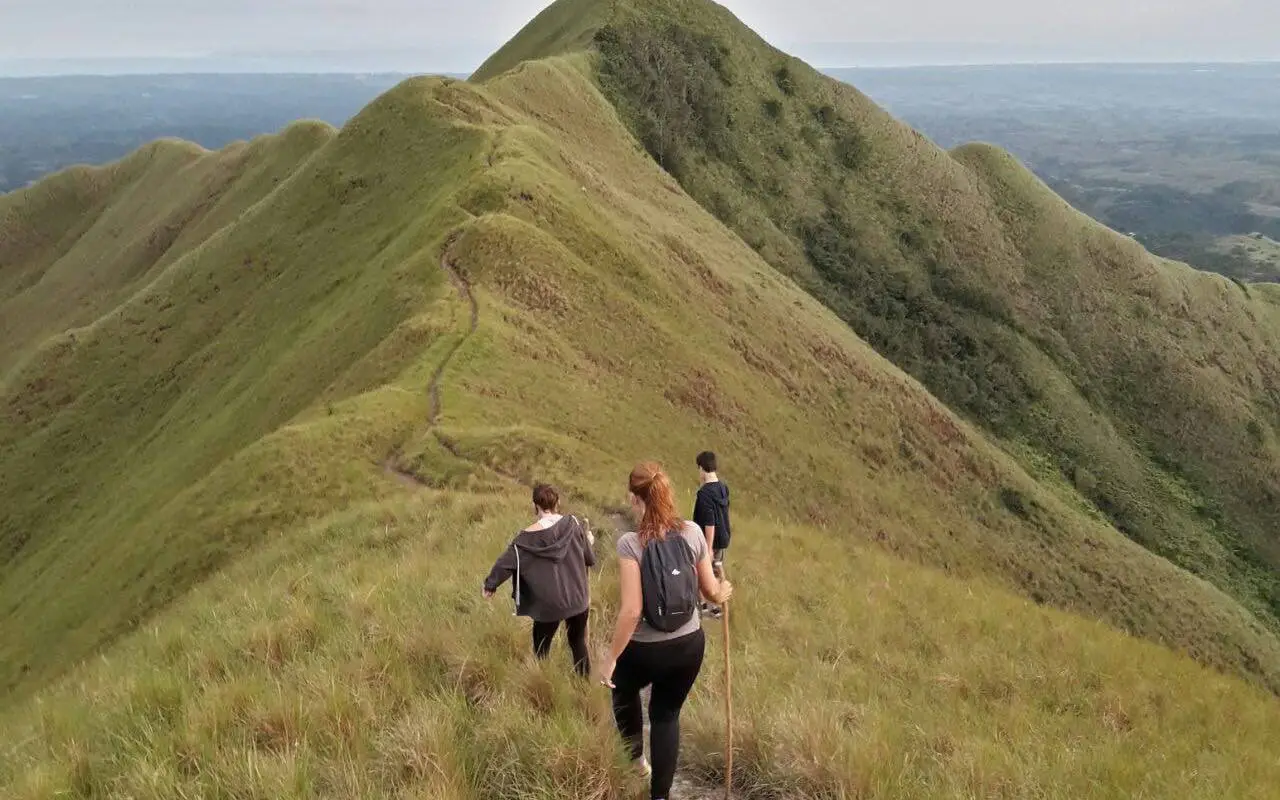
Baru Volcano
Not far from there, I spot Mount Baru, the country’s highest peak at 3,475 meters. I’m planning to hike up it—about a 12-hour trek—possibly spending a night in a tent halfway up. But today’s weather conditions—specifically, heavy downpours—prevented me from making the climb. Besides, it’s best to have a clear view once you reach the summit. In any case, I’d forgotten my down jacket—yes, the weather can be freezing, down to 0 degrees… So I’ll save it for next time!
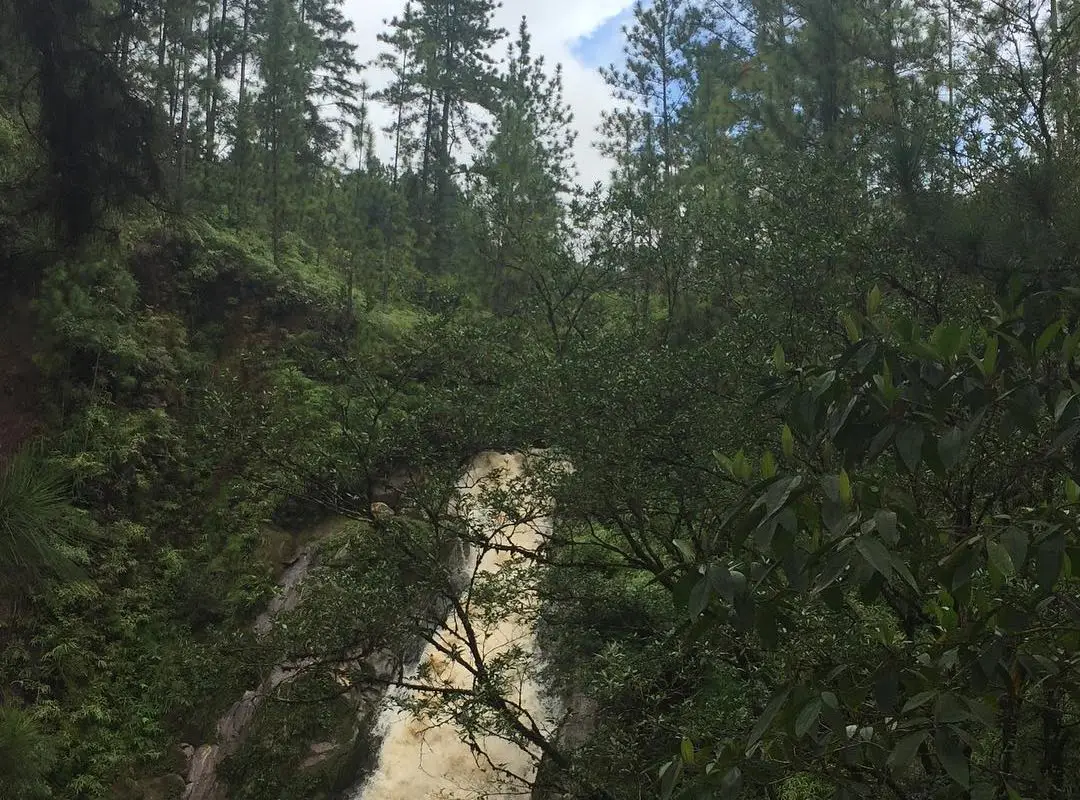
Boquete
On my way back to the capital, I decide at the last minute to stop in Boquete.
Looking for adrenaline and thrills, I launch myself onto a zipline in the area. I soared over a dense forest and a raging torrent—everything around me was damp.
Be sure to reserve your spot on one of these ziplines—you’ll be floating on cloud nine!
The Darien: A Different Kind of Travel, Far from Tourist Areas
Let’s head to eastern Panama: the Darien is much less crowded, perhaps due to the lack of roads. In fact, boats are the preferred mode of transportation. Here I am in a canoe on Lake Bayano, about a two-hour drive from Panama City. This reservoir was created in 1976 when the dam was built. The tops of the submerged trees protrude above the water’s surface. We paddle into a cave—a bit of cool air, a few bats hanging from the ceiling—and it feels like we’re in a truly fantastical movie.
On the coast, explore Panama’s hundreds of sparsely populated islands
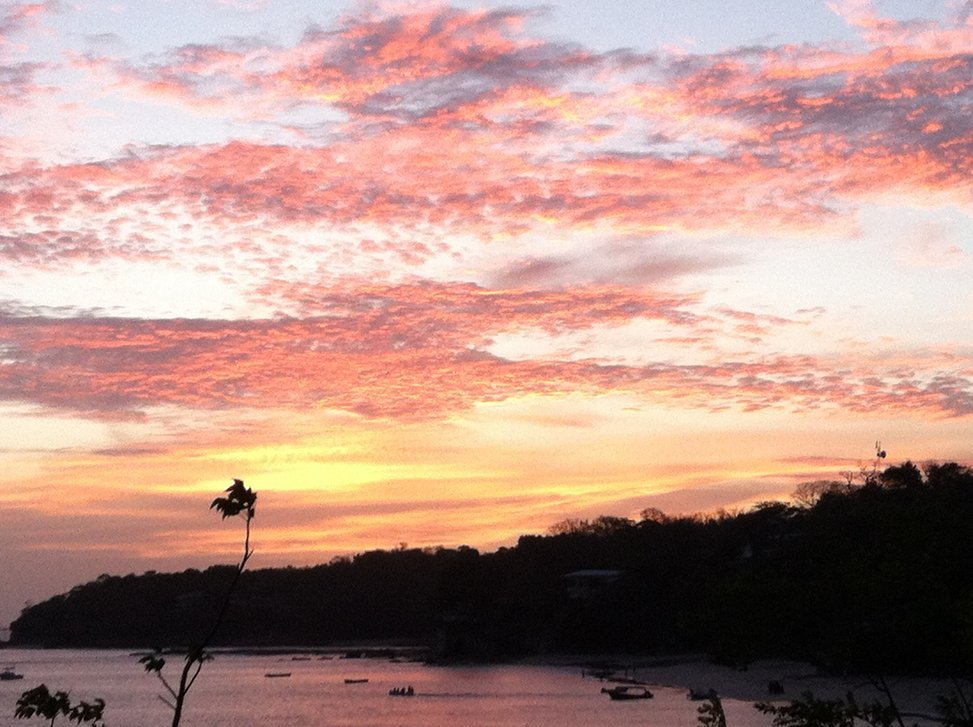
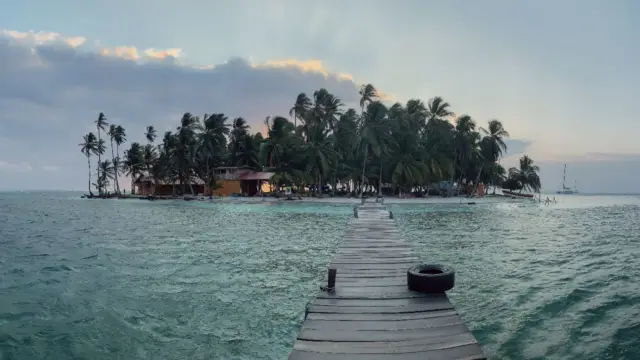
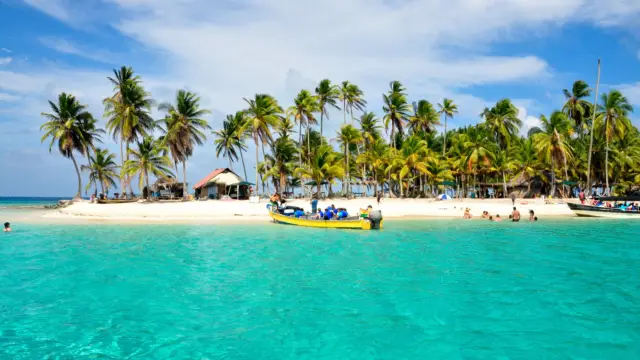
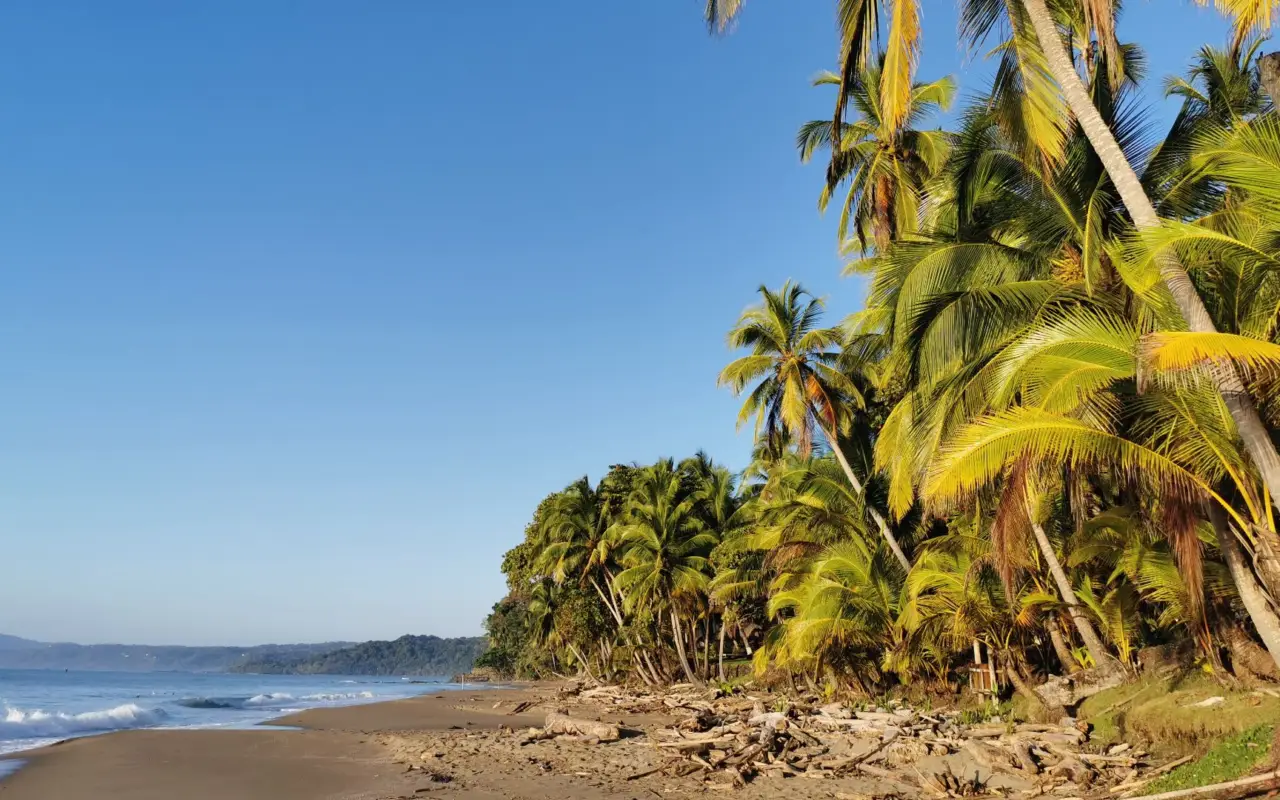
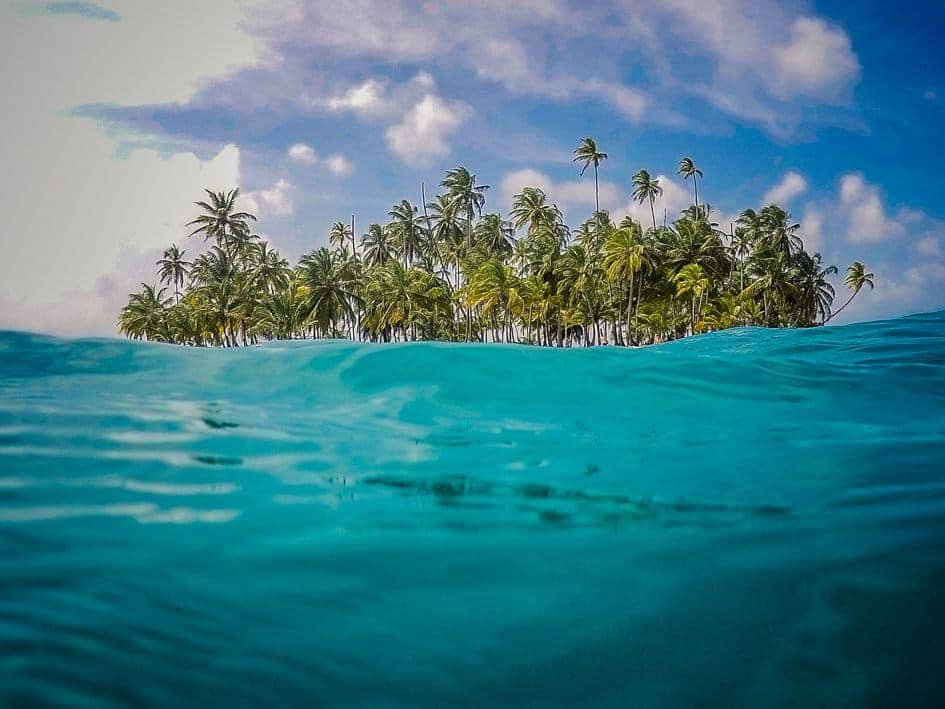
“Every resident of Panama could own their own island—there are so many of them,” I’ve had this catchphrase in mind ever since I set foot on the sand of more than thirty of these little corners of paradise. Where are they? Everywhere, since the country is an isthmus wedged betweenthe Atlantic and PacificOceans.
You’re never bored on a boat: admiring sunsets, snorkeling in crystal-clear waters, sunbathing in a meditative state, swimming alongside gigantic whales, eating an empanada (a local stuffed pastry) on a temporary sandbar. What a treat!
Montuosa Island
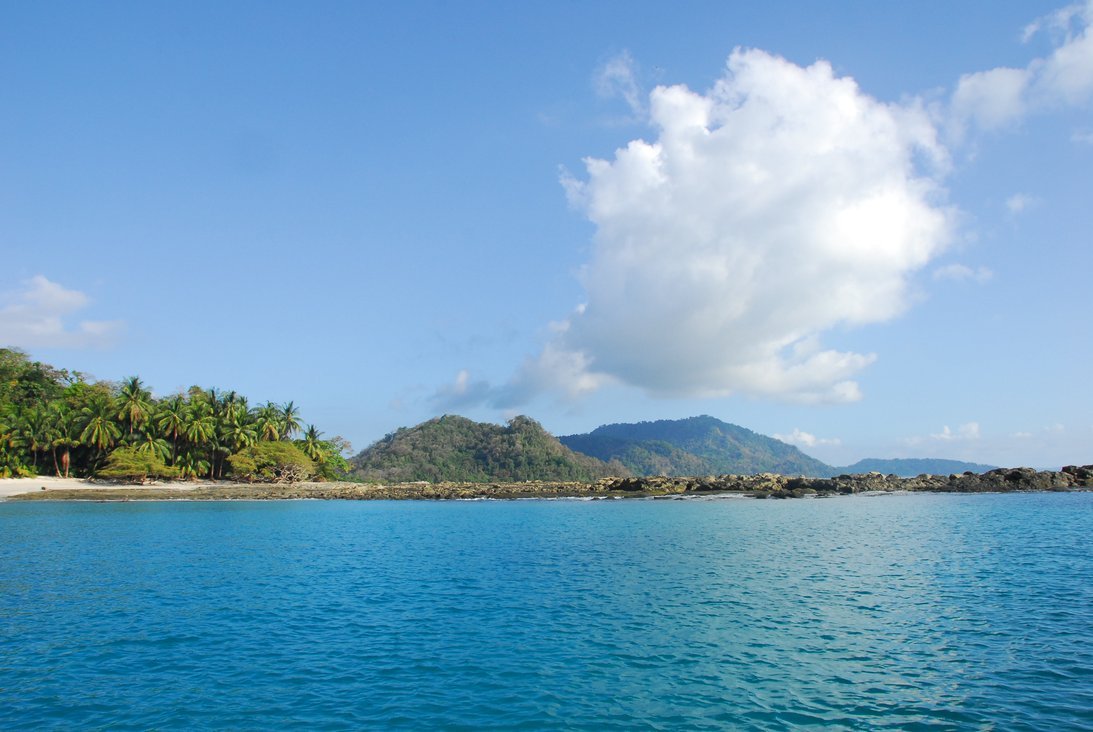
As I step onto the beach on Montuosa Island, I’m spellbound by so much untamed beauty. Everything is both serene and rugged. When night falls, I can’t sleep—I’m too excited to watch the stars twinkling brightly through the indispensable mosquito net!
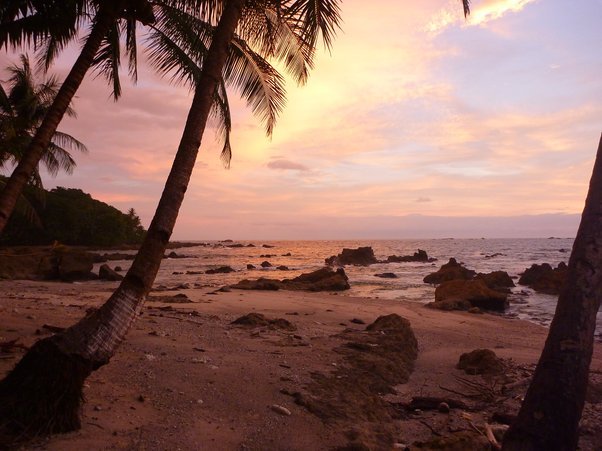
Coiba Island
The next day, I set off for Coiba Island, a national reserve and marine protected area. That day’s snorkeling will remain etched in my memory forever: my first encounter with a whale shark—stunning and majestic—as it rose from the depths, mouth wide open to snap up plankton. At dusk, oh, what a frightening surprise: a crocodile was swimming beneath the boat where I was sleeping. The extraordinary biodiversity of this region invites you to dive for hours on end to discover the marine life. Not to mention that the island is home to endangered species such as the crested harpy eagle.
The Las Perlas Archipelago
Let’s set out from Chiriquí towardthe Las Perlas Archipelago, home to 183 islands, few of which are inhabited. A mask, snorkel, and fins are your must-have gear for diving into their turquoise waters. Here are a few of my favorites for exploring the country off the beaten path:
- Walking along the white sand of the magnificent, long beach at Viveros, with no one else around, is absolutely sensational.
- On Contadora Island, I explore an abandoned, supposedly haunted hotel from the ’80s, not far from a shipwreck; at dusk, deer leap and run right in front of me. What a magical atmosphere!
- San José feels like an island at the end of the world, with waves crashing over the enormous rocks in the middle of the bay. The natural landscape is rugged, and the seabed is fantastic. While sailing from San José to Pedro Gonzalez, a marine mammal bumped into the boat’s hull. We can see dozens of other mammals arching their backs at the water’s surface; they look like dolphins or perhaps orcas… I do some research and discover they’repygmy orcas. Discovering each new species is a delight.
On the cultural front: understanding and discovering the people
My first impression of Panamanians: there isn’t just one stereotype, but rather many facets to the Panamanian identity. Panama is an ethnic melting pot, a truly multicultural hub. The predominantly mestizo population (people of mixed Indigenous and Spanish descent) coexists with Indigenous communities; the best known are the Emberá, the Kuna (renamed Gunas since 2011), and the Ngöbe-Buglé.
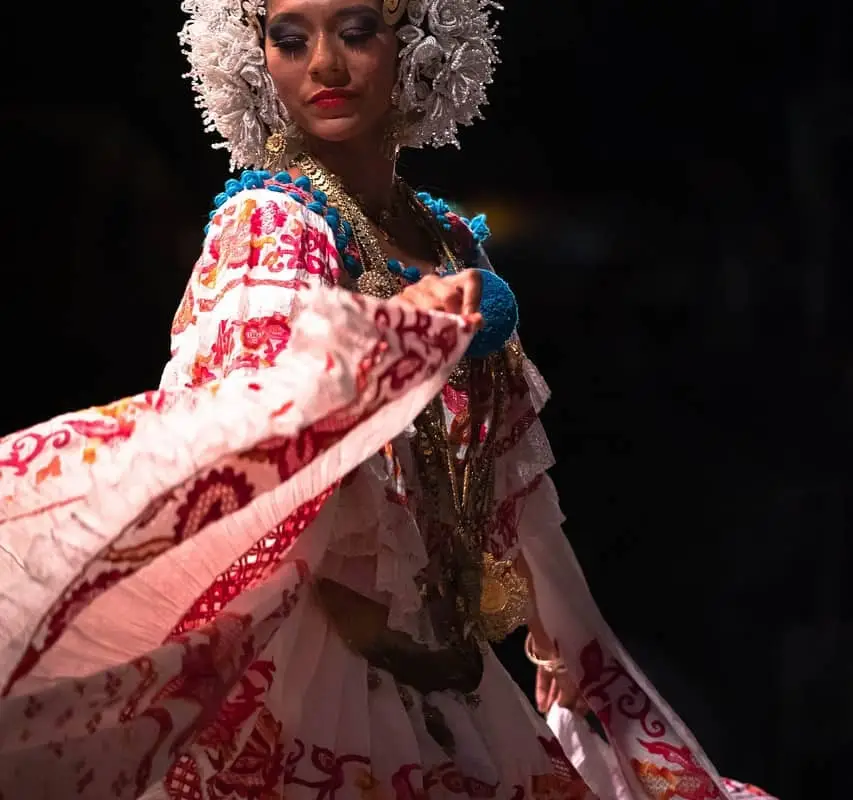
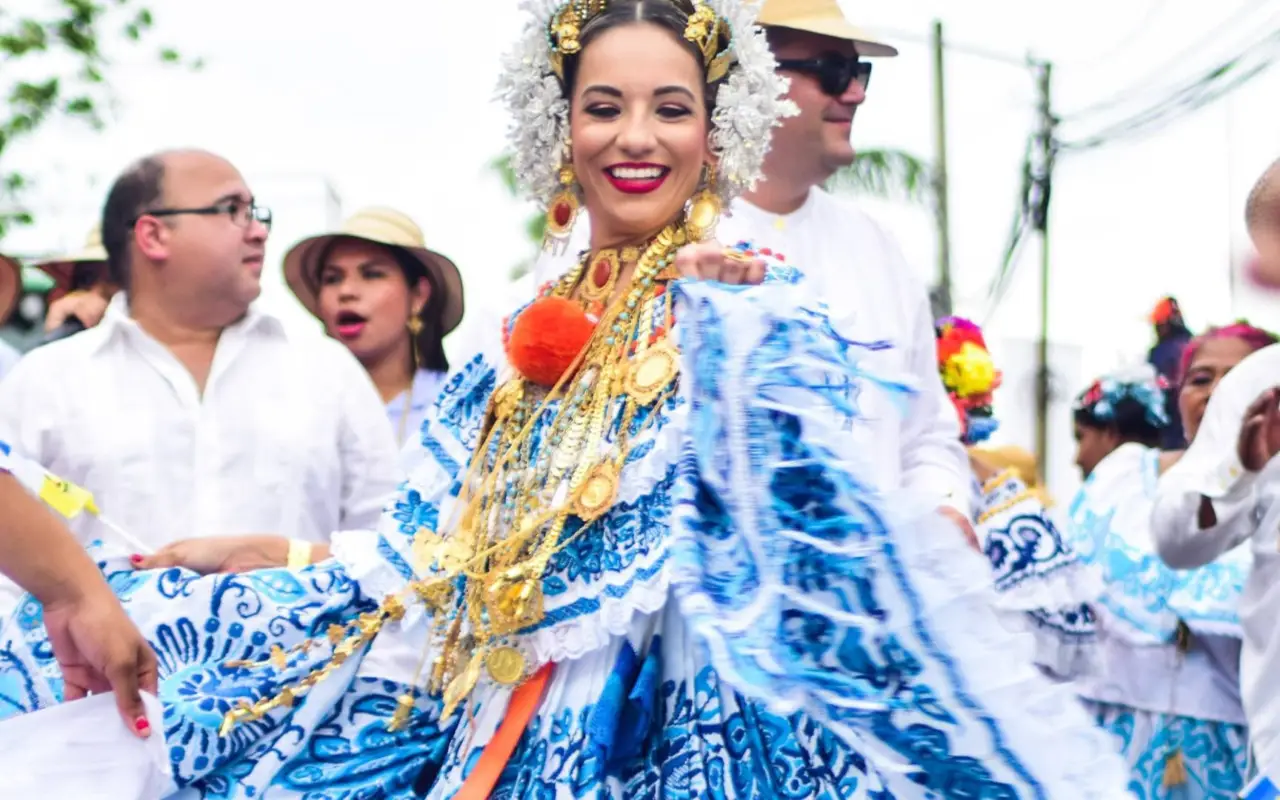
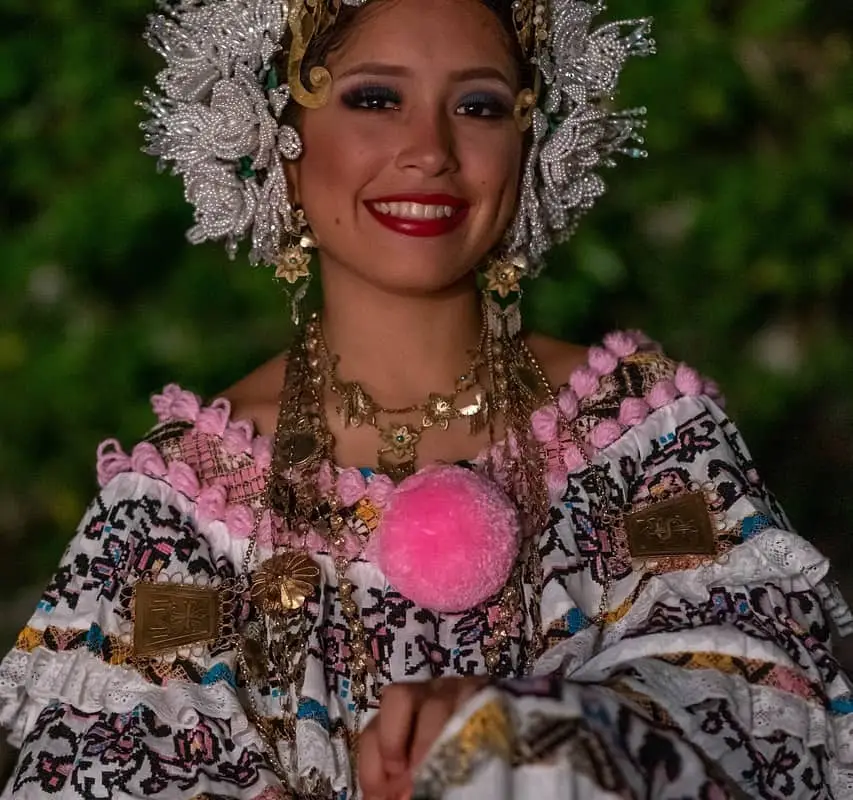
The classic cultural tour for a visitor who has just arrived usually includes encounters with locals,textile crafts, and thePolleras parades , which showcase Panamanian folklore during ceremonies.
The Gunas of San Blas
In San Blas, everything makes you feel as though you’re in a different country—the cultural contrast with the rest of Panama is so striking. Indeed, the Gunas enjoy autonomous status within Panama and preserve their own rituals and traditions. A lancha (boat) drops me off on the banks of the village of Corazón de Jesús. Barefoot, I make my way through a maze of bamboo huts. Every Guna is going about their business: a fisherman is gutting and scaling the day’s catch, a woman is embroidering a mola (a traditional blouse featuring vibrant colors on a black background). I step into a dimly lit eatery. Here, there’s noarroz con pollo y guandu (a dish made with rice, chicken, and peas)—the capital’s signature dish—but simply a delicious grilled fish served with rice.
The Sombrero Pintao
Further inland, certain traditions live on, such as the sombrero pintao. In the Coclé region, many locals wear this headwear. Note that I’m not referring to the famous Panama hat, which originates from Ecuador, but rather to this white headwear with fine stripes. An interesting detail: men always flip up the front brim. The techniques and processes used to make it were designated as Intangible Cultural Heritage by UNESCO in 2017.
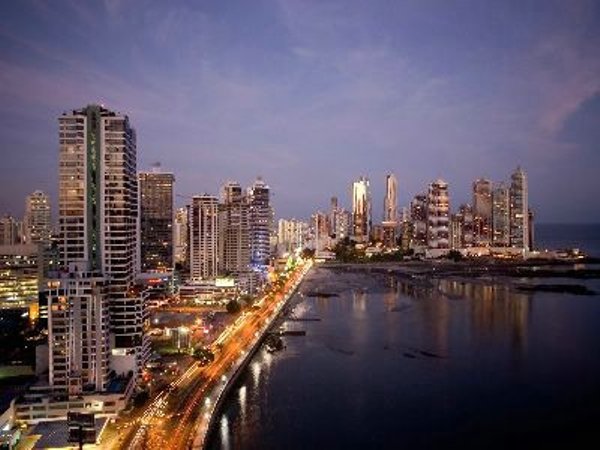
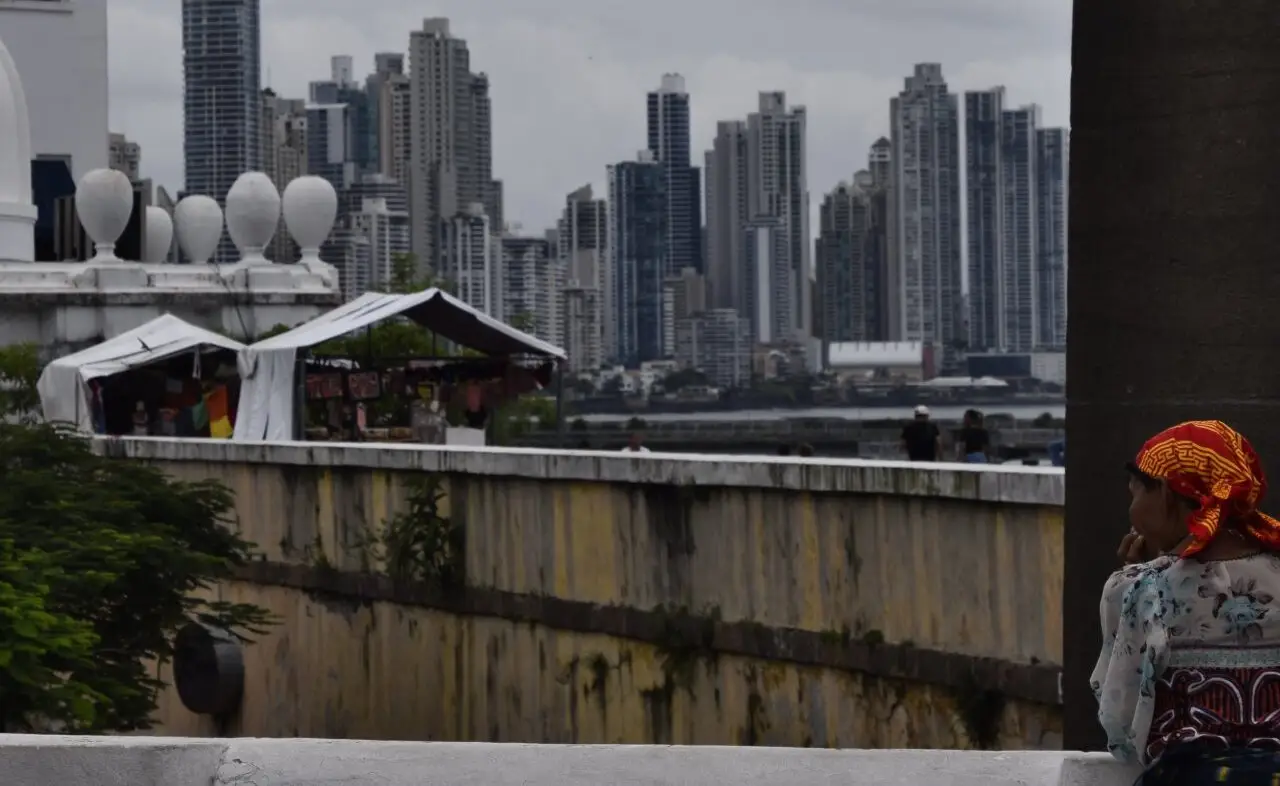
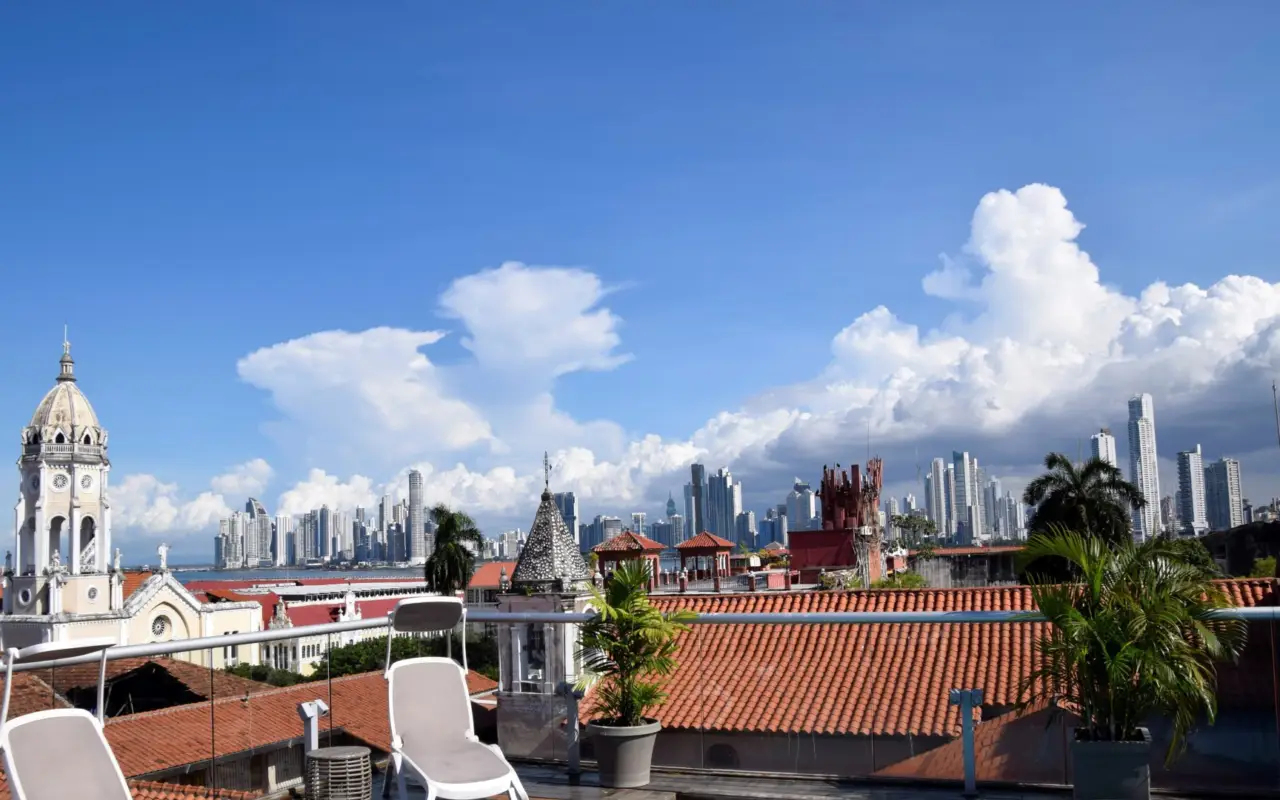
In the heart of Panama City, a striking contrast emerges: on the one hand, skyscrapers and chic restaurants; on the other, retro shop signs painted on the street walls, and the procession of Guna women, dressed in their molas and fine orange pearl necklaces laced all the way down to their calves.
Coffee
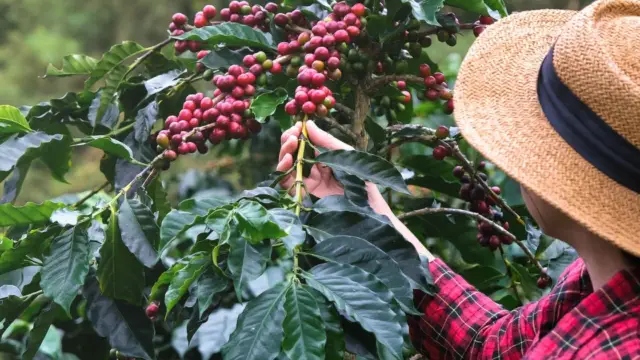
The history of coffee is also an integral part of Panama’s authentic identity. Not far from Costa Rica, the slopes of the Chiriquí mountains yield various varieties of coffee beans. The Geisha, with its floral aromas of lemon and jasmine, is the most expensive variety in the world.
Don’t let that stop you from taking a stroll through the plantations! As a fan of this hot drink myself, I really enjoyed visiting various coffeefincas (farms) in Boquete. The roasters passionately explain the entire process, from planting and harvesting to tasting. It’s an experience you won’t want to miss!
The adventure is far from over. I dream of going on an extreme hike in the heart of the Darien, walking across the suspension bridges in Boquete, paddling through the mangroves of Bocas del Toro, and the list goes on.
So, are you convinced and ready to pack your bags to experience the hidden charms of Panama?