Traveling in Costa Rica means discovering exceptional natural beauty, rich cultures, and a delicate balance between conservation and tourism development. This charter was designed as a simple, practical guide to assist travelers while they’re there. It does not aimfor perfection, but offers guidelines and essential behaviors for traveling with respect, curiosity, and common sense.
By adopting these practices, everyone can help preserve ecosystems, support local communities, and enjoy a more authentic experience, in harmony with the Pura Vidaspirit .
1. Plan your trip carefully and get to know your destination
Before you leave, it’s essential to take the time to learn about the local culture, customs, and unique characteristics of the regions you’ll be visiting. This includes traditions, certain etiquette rules, attitudes toward time, and tipping practices.
At Terra Caribea, we prepare for each trip well in advance of departure. Three weeks before arriving in Costa Rica, our travelers receive a comprehensive packet to help them with their preparations: travel requirements, safety and health information, practical advice, as well as sources of inspiration such as films, books, and documentaries. This allows them to gradually immerse themselves in the atmosphere of the “Land of Green Gold” and begin their journey even before takeoff.
2. Be open to the local culture
Traveling also means taking the time to understand the places you visit. Learning aboutCosta Rica’s history, the unique characteristics of each region, and their social and cultural contexts helps you better understand local ways of life and the realities of the country.
Recognizing that it can be difficult to fully appreciate a country’s cultural richness during a trip that’s sometimes short on time, we’ve decided to take it a step further: our team has created a series of podcasts to listen to while traveling between destinations. These podcasts introduce each region, its cultural identity, and the issues it faces, helping our travelers develop a deeper and more informed understanding of the area.

3. Show respect and kindness
Costa Rica is known for the warm welcome and kindness of its people. The famous “Pura Vida” is more than just a phrase: it reflects a mindset based on simplicity, respect, and kindness in human relationships. Smiling, greeting others, saying thank you, and being patient are simple gestures that go a long way toward making interactions easier. Most Costa Ricans speak English, and even though Spanish remains the official language, any effort to communicate is always appreciated.
4. Reduce Waste While Traveling
Reducing the use of single-use plastic is a major challenge. Water bottles, reusable cutlery, and cloth bags: these small items make a big difference. When trash cans are scarce—especially in national parks or on certain beaches—it’s important to keep your trash with you until you can dispose of it properly and, whenever possible, to sort it.
To support this initiative, you can add a small eco-friendly kit, which your travel planner will give you upon arrival. It includes a water bottle, reusable cutlery, a toothbrush, and a tote bag. Feel free to contact us for more information.

5. Managing Water and Energy Consumption
Costa Rica is known for its extensive use of renewable energy, but that does not mean its resources are unlimited. In some regions, access to water and electricity can be more unreliable, particularly during the dry season or in rural areas. Even on vacation, it’s still important to practice good habits: turn off unused electrical appliances, limit the length of your showers, and reuse linens when accommodations offer this option.

6. Respect wildlife and its habitats
Observing animals in their natural habitat is one of the great privileges of traveling to Costa Rica. However, this close encounter comes with a responsibility: it is essential to keep your distance, never feed the animals, and respect their peace and quiet so as not to disrupt their natural behavior. Check out our article on protected areas in Costa Rica.
Many nature-related activities are governed by specific codes of conduct, particularly when wildlife is present or when there is interaction with it. At Terra Caribea, we share these codes with our travelers to ensure that their experiences are respectful, responsible, and in harmony with local ecosystems.
7. Protect the natural and cultural sites you visit
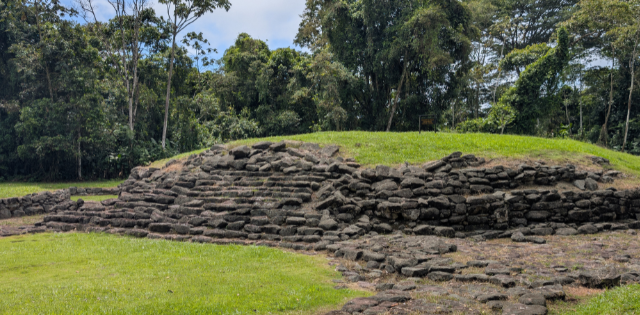
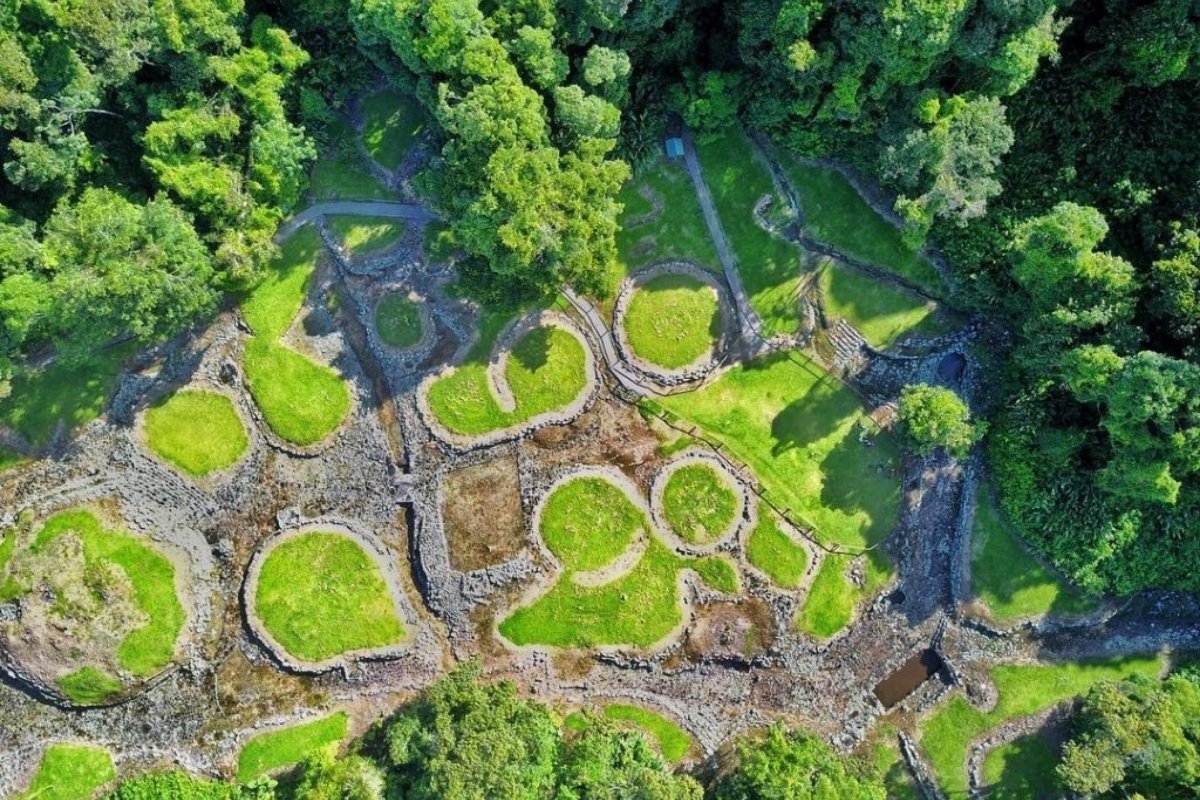
Costa Rica’s natural and cultural sites are often fragile and strictly regulated. Staying on marked trails, observing visiting hours, and following local guidelines helps limit erosion, damage to historical sites, and overcrowding at certain locations. Refraining from taking any natural or cultural items and following the rules in effect helps preserve these places for the long term. Review the various codes of conduct associated with these visits.
8. Eat local and seasonal foods
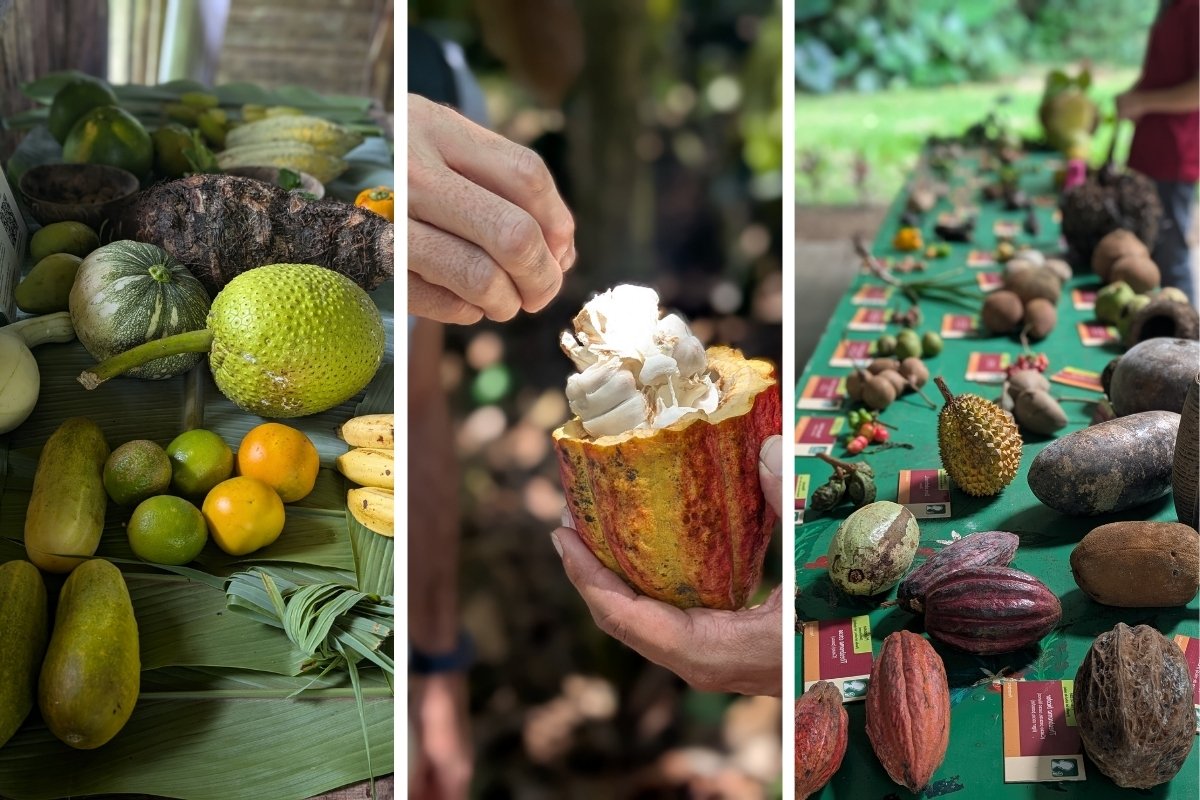
Try local cuisine, choose fresh, seasonal produce, and buy directly from producers: these choices support the local economy while offering a more authentic experience that’s often tastier and more affordable. Check out our article on tropical fruits from Costa Rica.
Our team maintains a guide to great spots, specially designed for our travelers on the ground, in which we list a selection of small local shops where you can find beautiful, unique items to take home.
9. Support local initiatives
Supporting local organizations and NGOs in Costa Rica is a concrete way to extend the positive impact of your trip. Through donations, responsible visits, or one-time initiatives, these organizations play an essential role in protecting the environment and fostering the development of local communities. A simple, sometimes unassuming gesture can contribute to meaningful projects and make a lasting difference to the future of the regions you visit.
At Terra Caribea, we’ve created a page dedicated to our travelers that we share with them before their arrival, listing local NGOs by region in Costa Rica and by type of project. This selection allows everyone to get involved as they wish—before, during, or after their stay—by supporting meaningful initiatives that are grounded in the realities on the ground.
10. Report any irregularities observed
As travelers, you may be the first to witness problematic practices. Whether it’s sexual exploitation, human rights violations, animal abuse, or behavior harmful to the environment, your feedback is essential. We reserve the right to terminate any partnership with service providers who do not meet our ethical and environmental standards, in accordance with our Supplier Charter.
The Terra Caribea Team