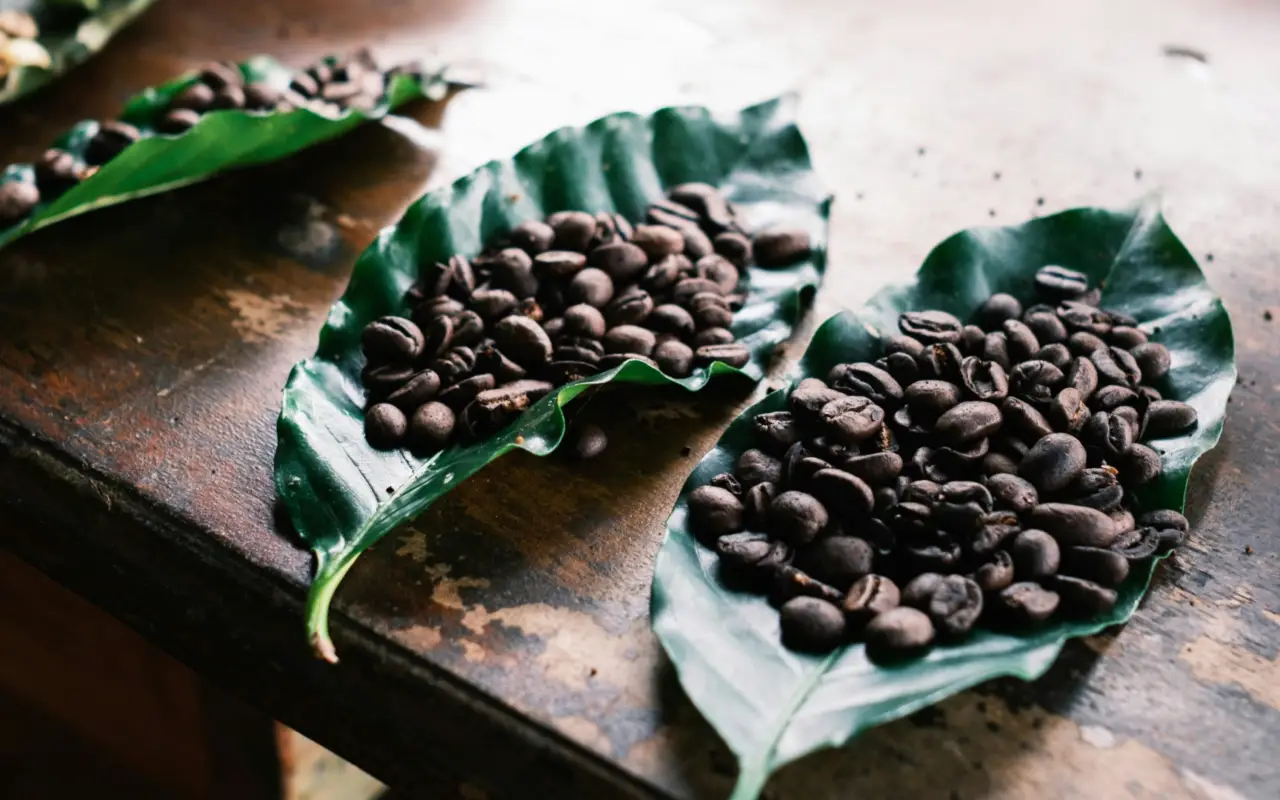
My little Costa Rica is more than just its lush nature and exceptional biodiversity. It’s also a land of coffee, like my region, Los Santos, whose beans are among the most prized in the world. Although our national production accounts for only about 1.2% of the global total, our ideal geographic and climatic conditions provide the perfect combination for a cup of excellent quality, with a delicate aroma and subtle flavors.
I’m Esteban, a travel designer at Terra Caribea and—of course—a coffee lover! For me, coffee is best discovered through a journey across Costa Rica, and tasting it is an essential part of your trip. This guide offers an overview of the different coffee-growing regions, tips for savoring local coffee, immersive experiences, and recommendations for buying authentic coffee.
A Brief History of Costa Rican Gold Grain
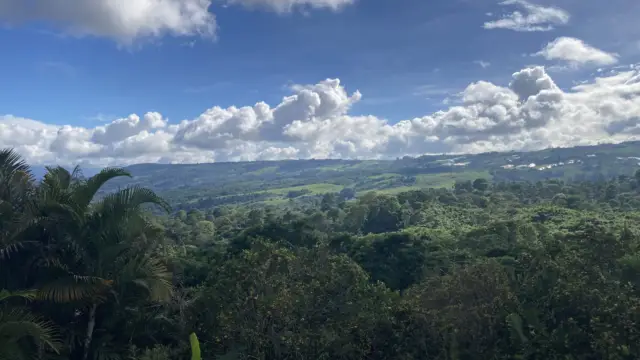
Introduced in the late 18th century, coffee quickly became an economic and cultural mainstay. As early as 1820, the country was exporting its first bags of coffee to Europe. The prosperity brought by this “golden bean” (Grano de Oro) helped finance major infrastructure projects, such as the National Theater, while forging a national identity proud of its rich agricultural heritage.
Today, Costa Rican coffee benefits from a sustainable production system and exemplary traceability, overseen by the Costa Rican Coffee Institute (ICAFE). All varieties grown are Arabica, selected for their finesse and aromatic complexity.
Coffee-Producing Regions: A Journey for the Senses
Originally, Costa Rica had officially recognized eight distinct coffee-growing regions since 2001. However, an update in 2024 reduced that number to seven as a result of crop specialization. Each of these regions is distinguished by a unique sensory profile, shaped by altitude, climate, soil, and local farming practices.

Northern Region
Provinces: Guanacaste, Puntarenas, and Alajuela
Elevation: 600 to 1,300 meters
Coffee is grown here in both humid and dry areas, on volcanic soils, particularly in Hojancha, Monteverde, and Fortuna. Production is on the rise thanks to the arrival of new producers and micro-roasters. The harvest season runs from August through January. The coffee has a light body, with slightly salty and bitter notes. Perfect for a gentle introduction to coffee.
Western Valley
Provinces: Alajuela (San Ramón, Naranjo) and San José (Puriscal)
Elevation: 700 to 1,700 meters
Coffee grows on volcanic soils, with varieties such as Caturra, Catuaí, and Obatá. Coffees from this region are renowned for their citrusy acidity and unique flavor profiles.
Central Valley
Provinces: San José (Aserrí, Desamparados), Heredia, Alajuela, and Cartago (Tres Ríos and Orosí)
Elevation: 600 to 1,600 meters
The region features volcanic soils. Cultivated varieties include Caturra, Catuaí, Geisha, and Bourbon. Innovative production methods are used. This region combines tradition and innovation in coffee cultivation. Its coffees are characterized by balanced aromas with notes of chocolate, fruit, and honey.
Los Santos
Province: San José (Tarrazú, Dota, and León Cortés)
Altitude: 600 to 2,200 meters
Grown on fertile mountain land, the coffee consists mainly of the Caturra and Catuaí varieties, along with Obatá, Catimor, and F1. It is the country’s most productive region, renowned for the quality of its coffees and its role in local development. The cup is intense, fruity, and floral, with an excellent aftertaste.
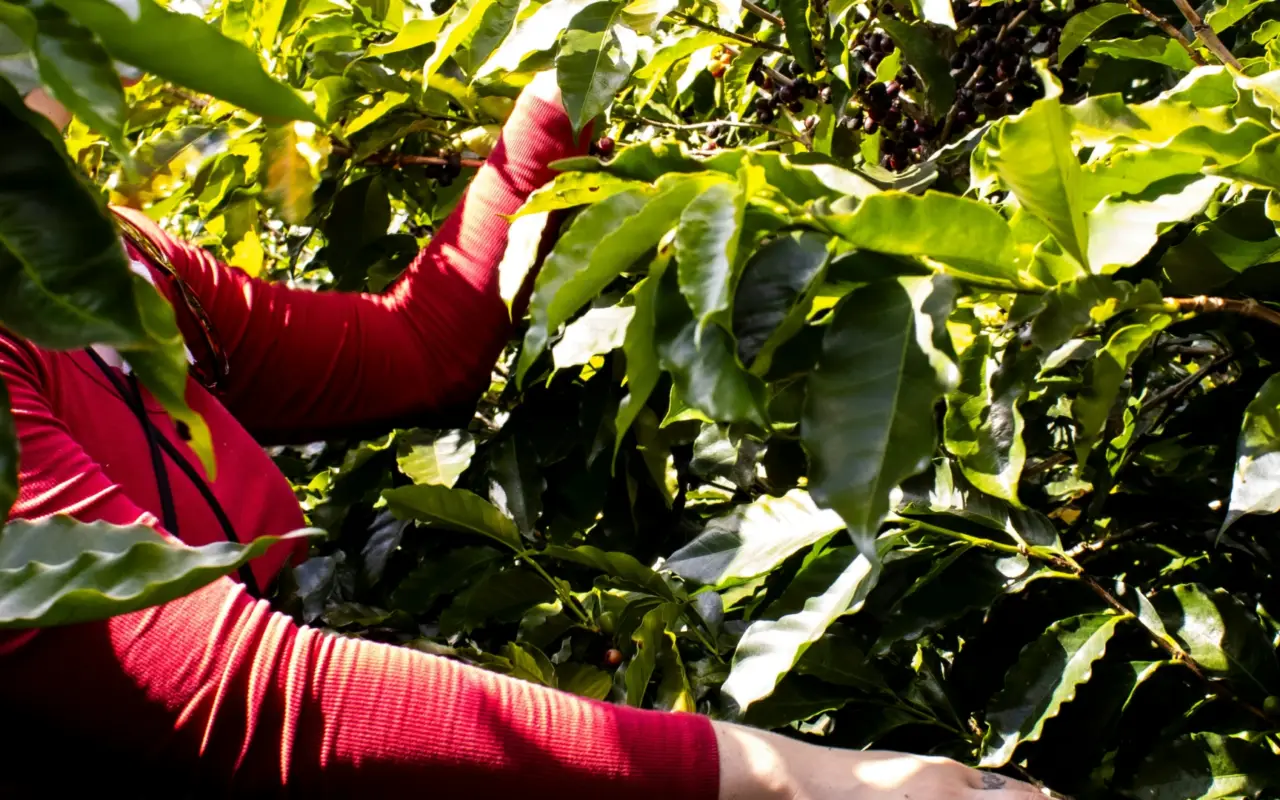
It’s my favorite—I was lucky enough to harvest it by hand in my youth, since it’s my home region.

Pérez Zeledón
Province: San José
Elevation: 600 to 1,900 meters
The main varieties are Sarchimores, Catimores, Caturra, Catuaí, Villa Sarchí, and Geisha. The coffee grows in a variety of soil types, with annual rainfall ranging from 2,175 to 3,345 mm. The region is known for its best agricultural practices and the diversity of its microclimates. The coffee here offers a variety of aromas: floral, citrus, and sweet notes.
Turrialba
Province: Cartago
Elevation: 600 to 1,400 meters
Coffee is grown on volcanic and alluvial soils. Varieties such as Caturra and Red Catuaí are grown there in the shade of leguminous trees and forest species, particularly laurel. This region benefits from well-distributed rainfall, consistent temperatures, and varied altitudes. The cup is characterized by being light and smooth, ideal for sensitive palates.

Coto Brus
Province: Puntarenas
Elevation: 700 to 1,500 meters
Varieties such as Sarchimor, Cavimor, and Catimor are grown on soils derived from the tropical rainforest. The coffee grows in the shade of trees, which help create a favorable microclimate. Approximately 88% of the production is destined for export. Its flavor is characterized by floral and citrus notes and a smooth, sweet profile.
The Art of Enjoying Coffee in Costa Rica
In Costa Rica, coffee is part of everyday life. Traditionally, it is prepared using a chorreador—a cloth filter mounted on a wooden stand—which allows for a slow brew that brings out the full aromatic richness of the beans. More recently, other methods have emerged, including the vandola, an artisanal brewing method invented by Costa Rican Minor Alfaro that combines precision with traditional craftsmanship.
Coffee is most often drunk black and without sugar, to savor its purity. The classic , mildercafé con lecheis also popular . Overall, Costa Rican coffee stands out for its delicacy and balance, a far cry from the bitterness of some mass-produced coffees.
From Plant to Cup
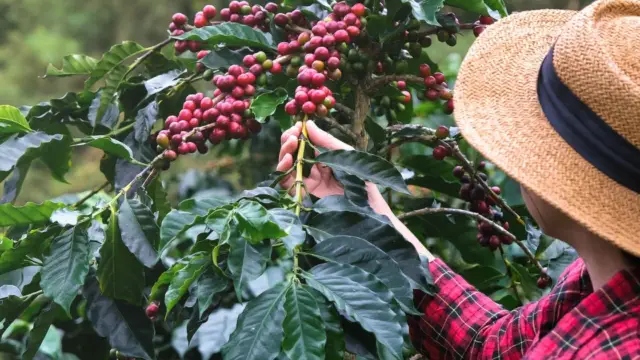
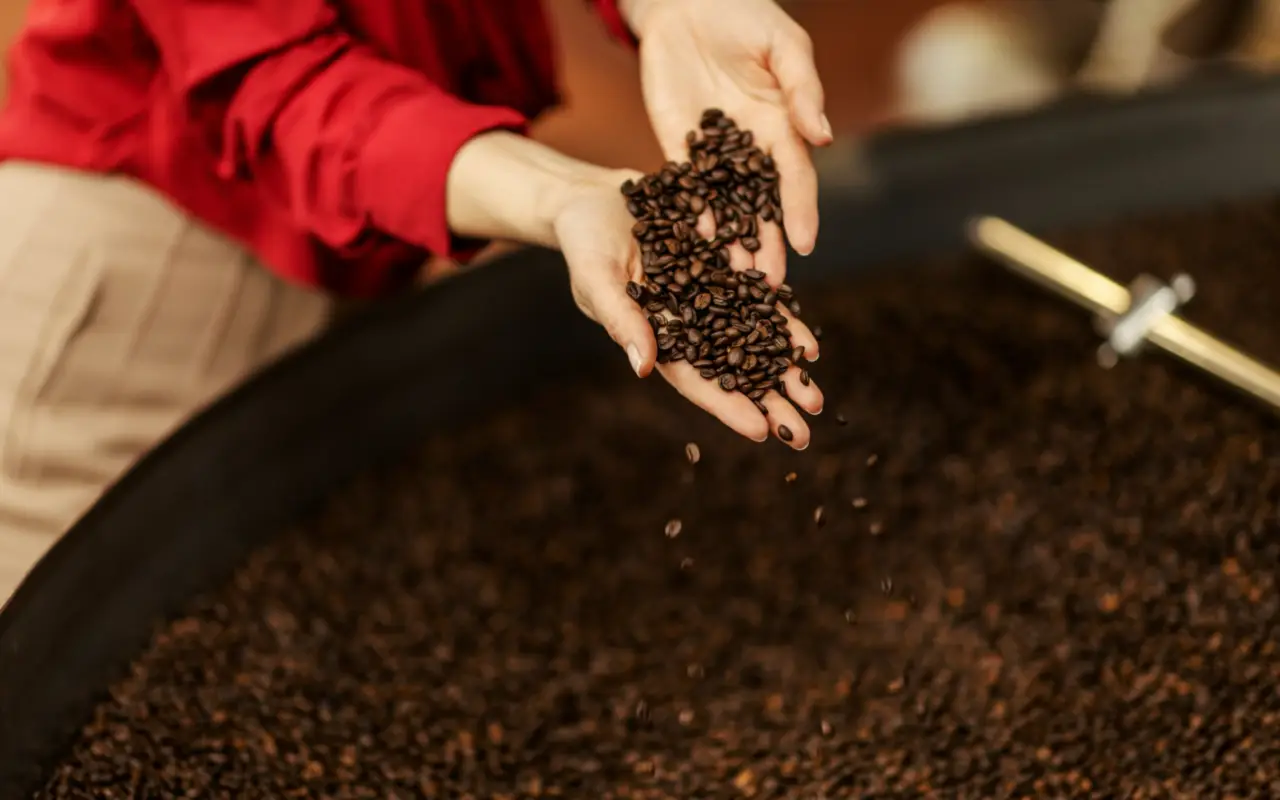
For an authentic immersion in the world of coffee, several local families and cooperatives open their doors to curious travelers. You’ll be able to follow every step of the production process: from harvesting the coffee cherries to artisanal roasting, including sun-drying, and of course, a tasting of exceptional coffees. These experiences, often organized by rural communities, allow you to discover local traditions and directly support the farming families.
Take this expertise home with you!
If you’d like to bring home an authentic souvenir or extend the experience once you return home, Costa Rica offers many options for purchasing high-quality coffee. Local markets, such as the Mercado Central in San José or the one in Heredia, are great places to buy whole beans or ground coffee at reasonable prices. Cooperatives such as Coopetarrazu and Coopedota, meanwhile, offer coffees that are often organic, sourced locally, and produced in an environmentally responsible manner. You’ll also find excellent selections in specialty shops in San José or Escazú, particularly at Caféoteca, Café Bohío, and Don Mayo. Finally, for a last-minute purchase, the airport offers a varied selection, although prices there are higher.
Tips for Storing This Wonderful Beverage
To best preserve the aromas, it’s recommended to choose freshly roasted whole beans. Proper storage is essential: keep your coffee in an airtight container, protected from air, moisture, and light. The grind should be suited to your brewing method, whether you’re using a drip coffee maker, a French press, or an espresso machine. Finally, the water should never be boiling: a temperature between 90 and 95 °C is ideal for preserving the subtleties of the flavor.
Choosing traceable, fair-trade coffee or coffee grown by small-scale producers helps support a supply chain that is both ethical and sustainable for the country. Because Costa Rican coffee, beyond its quality, embodies true craftsmanship and a vibrant culture. Whether you’re discovering it for the first time or are already a connoisseur, it offers a new experience to savor every time.
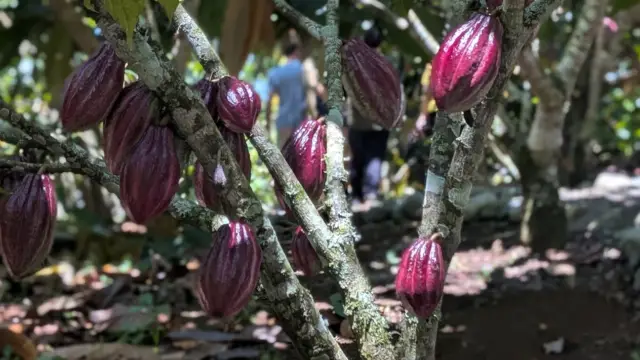
To extend the experience and further awaken your taste buds, dive into our article dedicated to cacao.