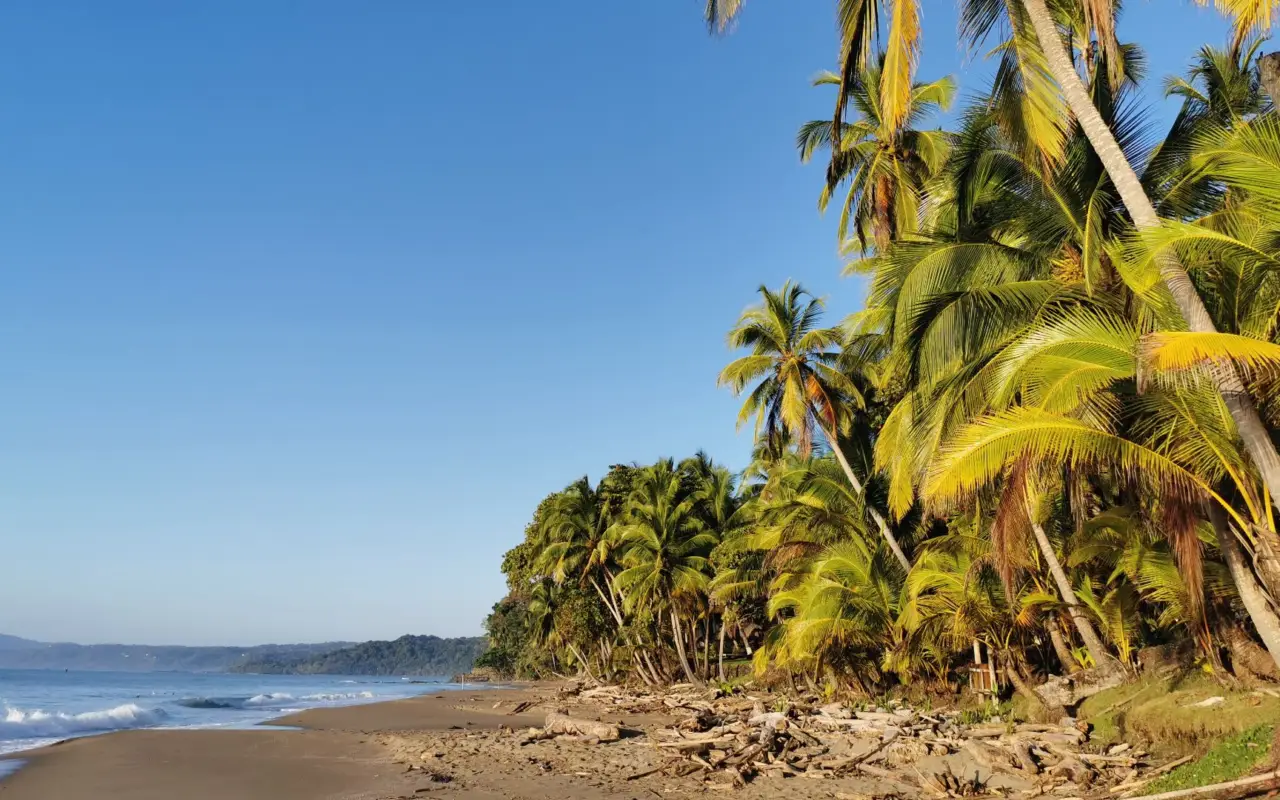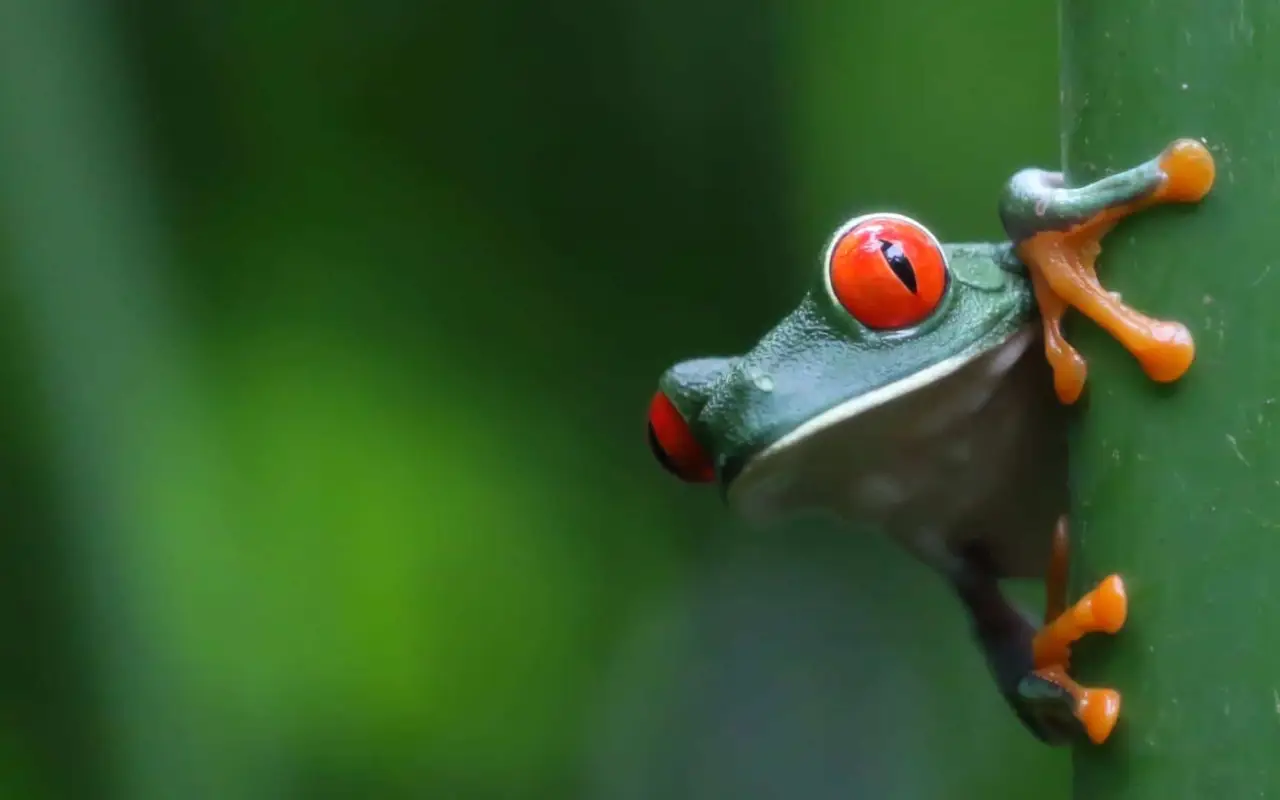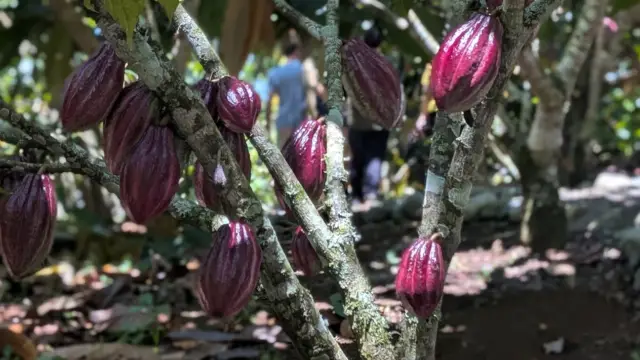
Experiencing the Christmas season in the tropics is quite different from what Europeans are used to. They generally associate it with cold weather, snow, or fires in the fireplace…Whereas in Costa Rica, it’s the dry season—perfect for sunshine, the beach, and vacations!
Costa Rica, like most countries in Central and South America, celebrates Christmas and New Year’s in the warmth. In fact, in the “Land of Green Gold,” December marks the start of the dry season—that is, our version of summer. December also marks the end of the school year and the start of winter break, as well as the end of the national soccer league season (which is incredibly important), while most people are thinking only about vacation and Christmas !
To illustrate this, take, for example, the department stores and shopping malls that fill their windows with beachwear andother beach-related items, which sit side by side with Christmasdecorations and toys. Thus, a common sight is that of strolling down San José’s Central Avenue in shorts and T-shirts under bright sunshine, all surrounded by“colachos” (Santa Clauses), accompanied by reindeer, sleighs, (fake) snowflakes, and decorated Christmas trees.
Experience the Magic of Christmas in Costa Rica
Christmas lights and decorations:
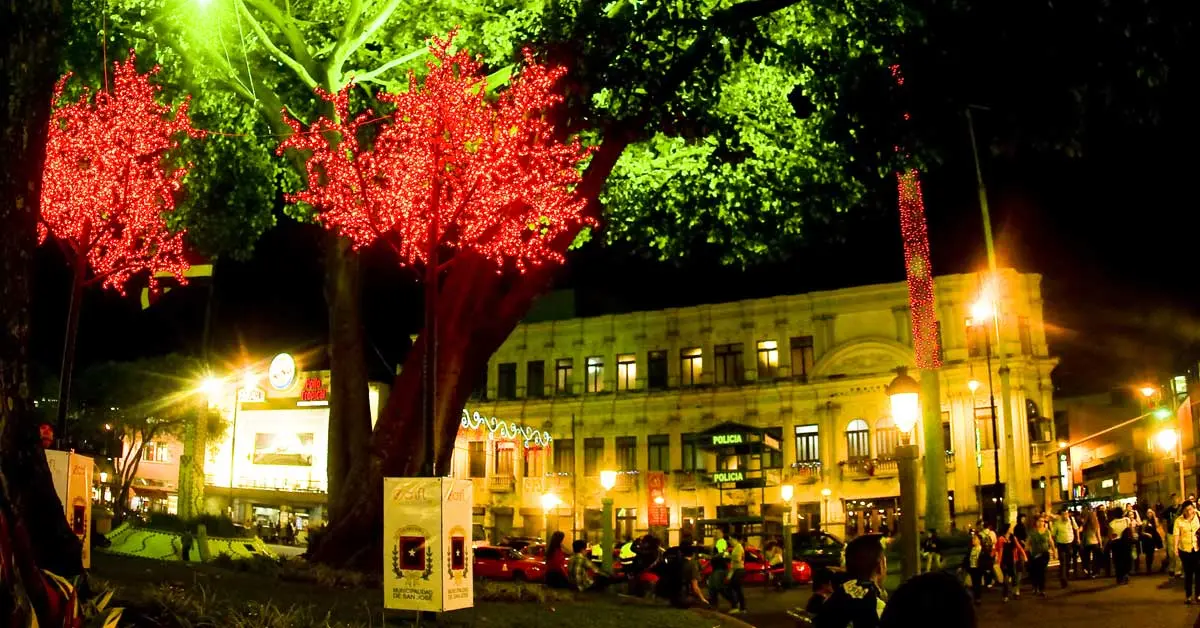
Just like in Western cities, as Christmas approaches, every town and village in Costa Rica is decked out in colorful lights: the streets, the trees in the parks, store windows, and even every house proudly display a array of multicolored lights and decorations that bring the magic of Christmas to life !
Sometimes, people are so passionate about this tradition that you’ll see house decorations comparable to those in American movies, which are often shown on TV during this time of year.
Now, a few activities traditionally mark the start of the Christmas season.
First, on December 1 in San José ( also a public holiday celebrating the abolition of the army in Costa Rica), there’s a festival calledthe “avenidazo”: in the evening, the main avenue fills with small traditional music groups (known as“cimarronas”), whose music sets the rhythm for the procession of people in costumes, performing various traditional dances and sometimes wearing large masks… In the past, small packets of white confetti were also handed out , and people would have fun throwing them at one another, mimicking a snowball fight. However, for health reasons and to reduce pollution, confetti has been banned from this activity. Furthermore, the lighting of large trees and the facades of famous buildings marks the arrival of the Christmas festivities. Examples include the illumination of the Children’s Museum and the large Christmas tree in front of the National Children’s Hospital.
San José’s “Festival de la Luz”:
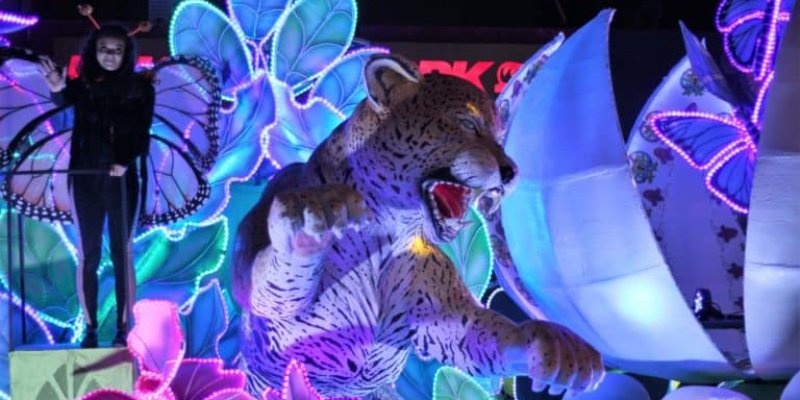
One of the highlights of the Christmas season is the San José Festival of Lights, which takes place a few days after the “Avenidazo” celebration (for example, in 2023, the festival is scheduled for December 16). This festival features a parade of floats illuminated from all sides, accompanied by marching bands setting the pace for the procession, as well as acrobats and dancers—all led by a marshal: a person recognized for their achievements and who is a prominent figure in Costa Rica. Athletes, singers, journalists, and even the famous Franklin Chang—a Costa Rican astronaut and engineer—have marched in this place of honor.
Check out more photos on the festival’s official website: photos from the Festival de la Luz
Christmas Traditions in Costa Rica
Christmas Mass: A Deeply Rooted Catholic Tradition
Costa Ricans remain a people deeply attached to simple traditions rich in religious significance. That’s why in Costa Rica, it’s not Santa Claus (known as“Colacho,” or more commonly in the Spanish-speaking world as“SantaClos”) who brings gifts to children on the night of December 24. Instead , it is the “Child Jesus”—that is, Jesus himself—whose role is to leave gifts under the tree or next to the nativity scene (“pasito” or“portal”) for the whole family, but especially for the children.
As you can see, Costa Rica is a Catholic country with traditions that are still very much alive. This explains why it’s quite common to attend“Christmas Mass,” which is celebrated at midnight between December 24 and 25. Thus, after Christmas dinner—where, as tradition dictates, one might have enjoyed a delicious roast pork— many families head to their parish churches, or—for residents of the capital—to the National Shrine or even the Metropolitan Cathedral to attend the Midnight Mass.
Christmas culinary specialties:
-
“Tamales”:
In Costa Rica, the magic of Christmas is experienced not only through sight—with shows and lights—but above all through smell and taste, with various culinary specialties unique to this festive season.
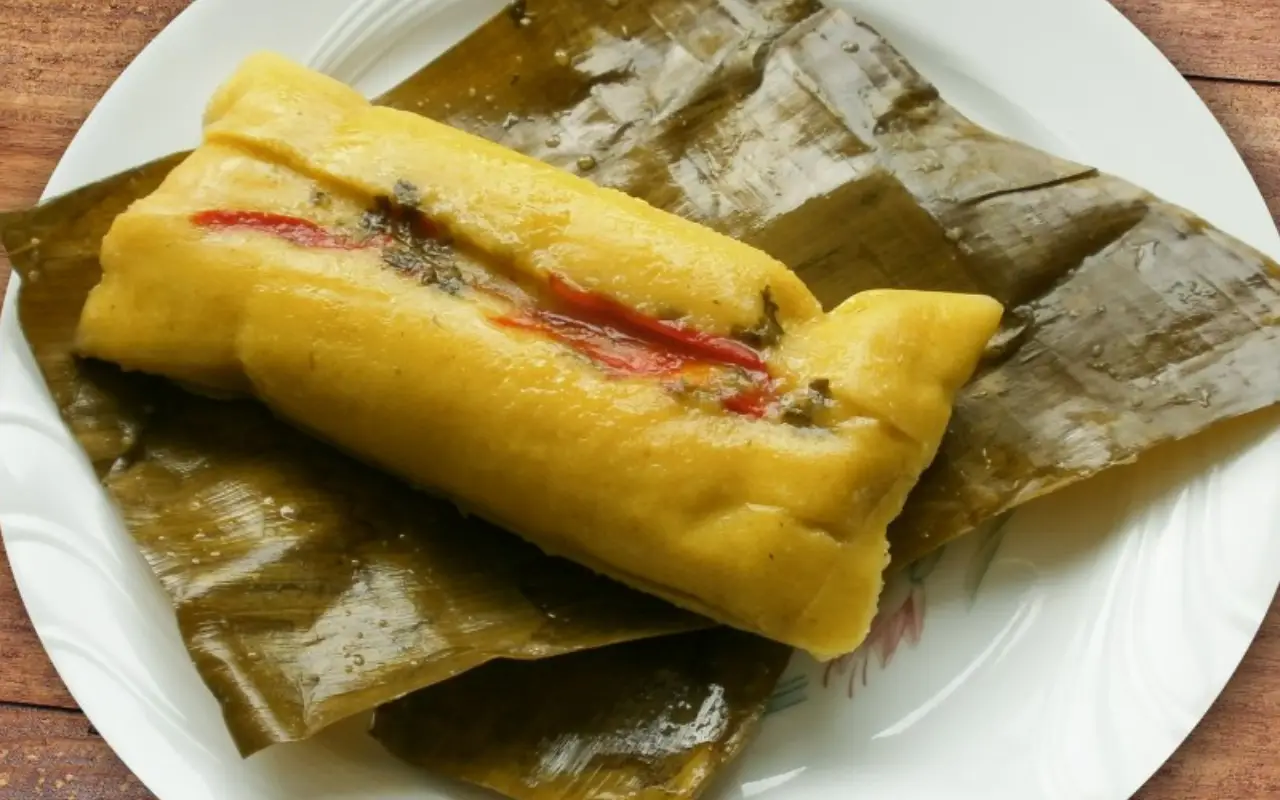
Thus, in Costa Rica, the month of December is synonymous with“Tamales,” the traditional dish made from corn dough, rice, small pieces of vegetables (most often carrots, peas, and green beans), as well as pork, all steamed and tightly wrapped inside a banana leaf (which you don’t eat!). The distinctive aroma is inevitably associated with this time of year. P.S.: Never forget a little bit of traditional Lizano brand salsa (a source of national pride)!
Find the traditional recipe (in Spanish): Tamales con salsa Lizano
-
“Rompope”:
Another culinary specialty is“rompope,” an alcoholic beverage made with egg yolks, vanilla, cinnamon, milk, and sugar. Both refreshing and creamy, this drink is available year-round on supermarket shelves and is especially popular during the holiday season on Costa Rica’s beaches.
Make way for the festivities in the capital, San José!
The Zapote Festivities!
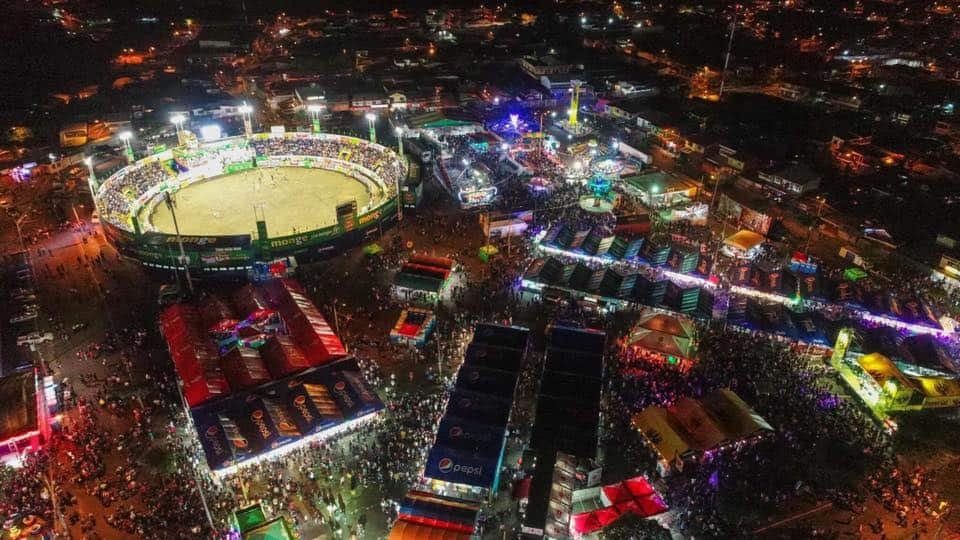
Zapote is a neighborhood in the canton of San José, the capital of Costa Rica, located east of the city. This neighborhood is famous throughout the country because it’s where the Zapote Festivities take place. These festivities begin on Christmas Day and continue through the first week of January. A large bullfighting arena is set up there , where “corridas à la tica” take place— events in which dozens of amateur bullfighters try to avoid being gored by the bull. It’s also an opportunity to see traditional bullfighting shows (without killing the bull) and rodeos. In Costa Rica, it’s illegal to kill or injure the animal, and the bull often participates in several festivities throughout the country, which gives it a certain degree of fame.
Turnout for these festivals is massive. The arena is usually packed, as is the area outside it, since the surrounding area features “Chinamos”— fairground stalls offering food and drinks, music, and dancing (Editor’s note: keep in mind that in Costa Rica, practically everyone dances). Another highlight of these festivities is the array of attractions and classic fair rides, offering fun for young and old alike!
“Tope” and the San José Carnival are no exception:
The“tope” and the San José Carnival are also highly anticipated events in the capital during this festive season.
The “Tope” Horse Parade:
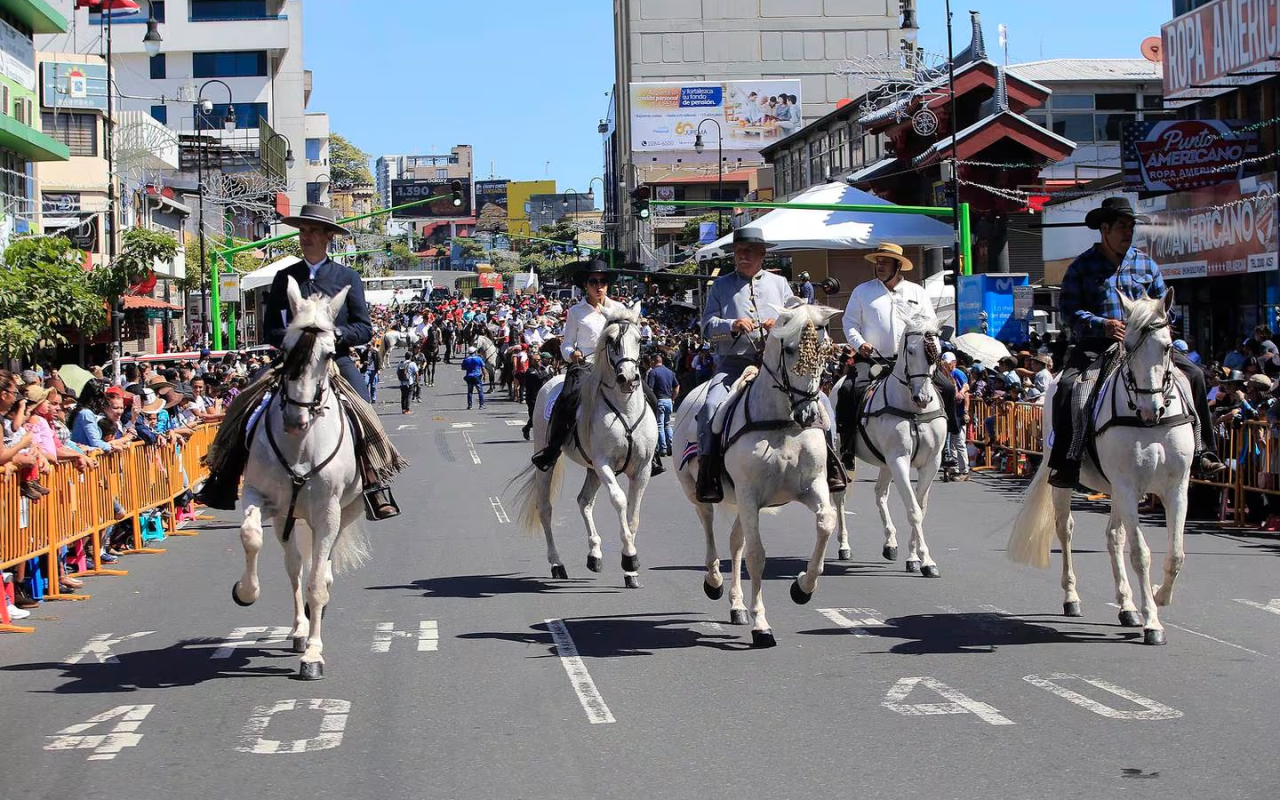
The“tope” is a horseback procession—that is, a parade of riders and horses. There are many such parades throughout the year and across the country, but the one in San José is the most famous and eagerly anticipated by all equestrian enthusiasts; note that this year, it takes place on December 26. The“tope” winds through the capital’s main avenues, drawing crowds of people—usually dressed for the occasion in jeans, boots, plaid shirts, and hats—for the perfect cowboy look.
The San José Carnival:
Meanwhile, the San José Carnival, which is making a grand return in 2023, features a multitude of dancers, musicians, a few floats, as well as parades of vintage cars, clowns , and many other surprises to the delight of spectators.
Find all the major events that shape Costa Rica’s cultural life on our Cultural Calendar!
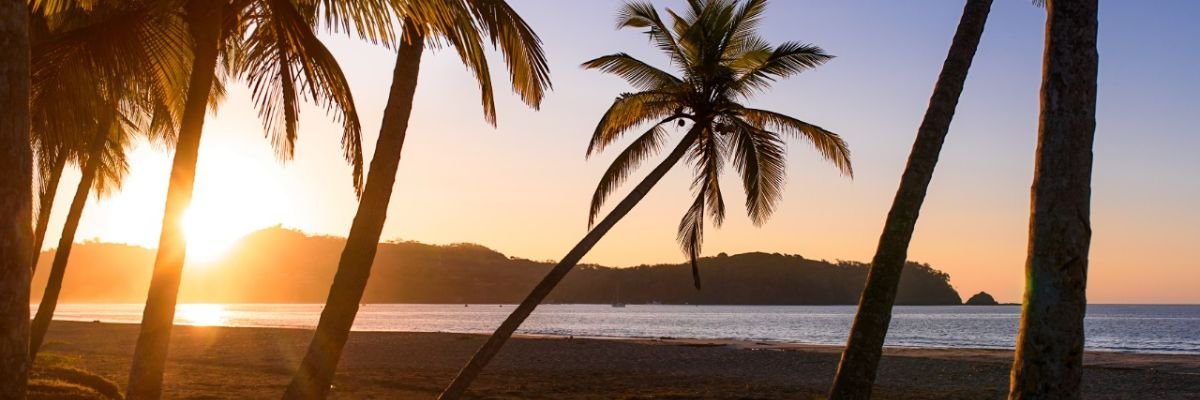
Otherwise, as for the rest of the holidays, we spent them with family, including the all-too-familiar task of packing our bags, because, as is customary when summer approaches, it’s quite common to look for a beach destination (most often on the Pacific coast , particularly in Guanacaste) to spend New Year’s with family and friends.
Because Christmas in Costa Rica means Christmas at the beach!
Written by Esteban, a native of Costa Rica and travel designer at Terra Caribea, who describes himself as follows:
“I’m from the Los Santos region, south of the Central Valley, an area that produces the best Tarrazú coffee in the country. I’m particularly fond of authentic experiences—I love discovering them and would be delighted to tell you all about them!”