Water Sports in Costa Rica
Rafting: For Thrills
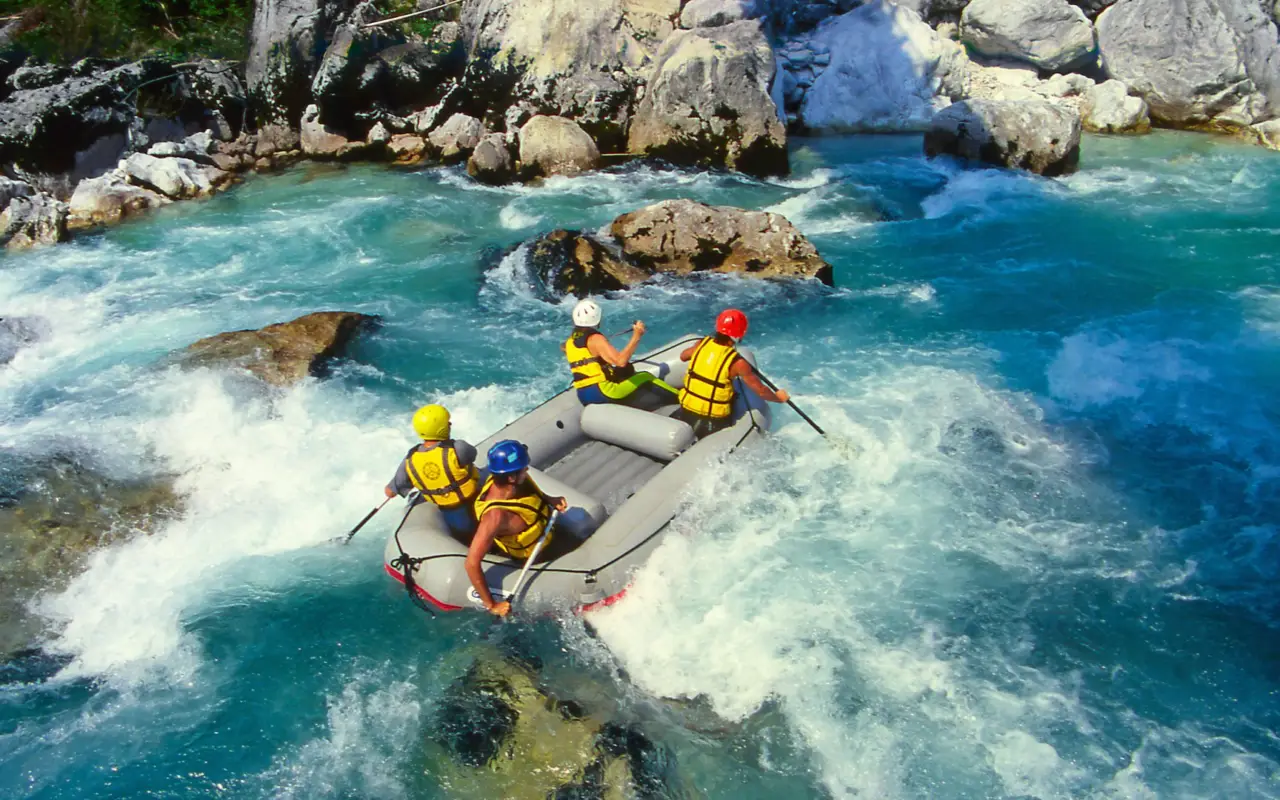
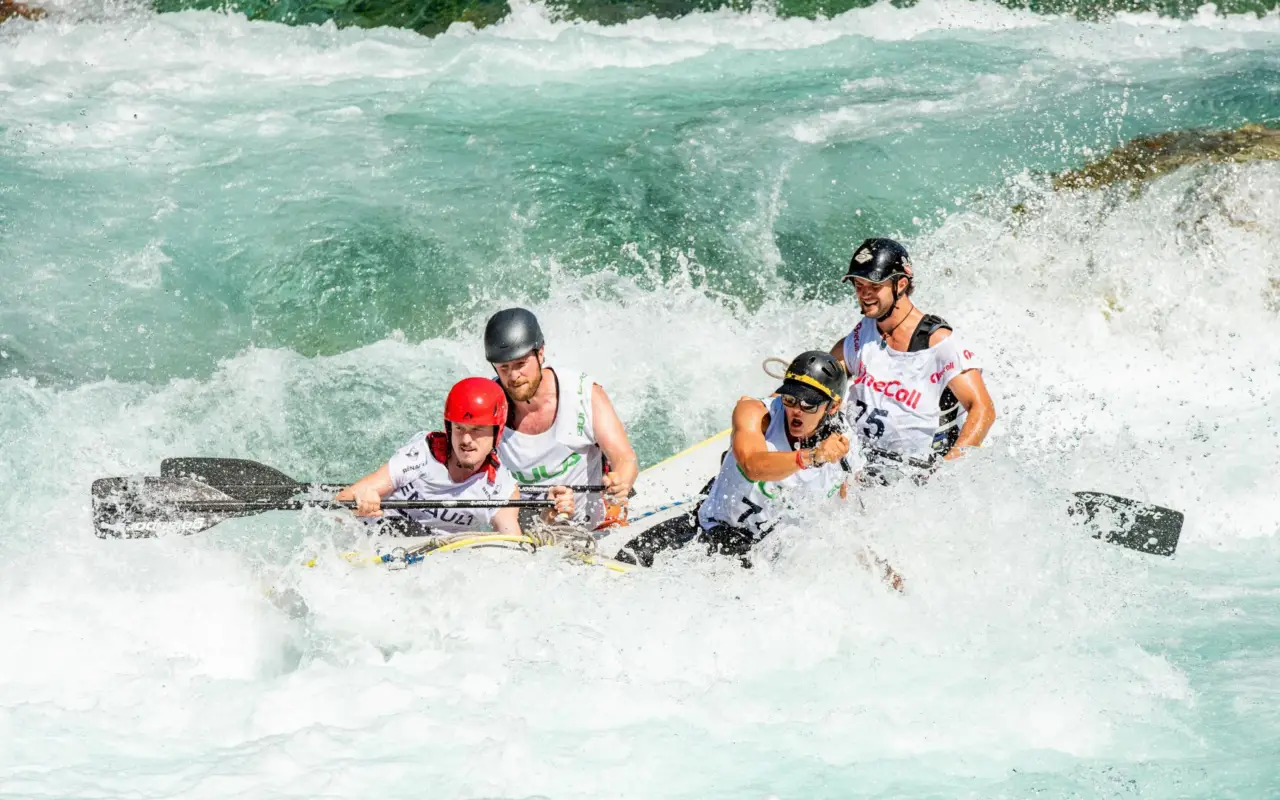
Whitewater rafting is one of the main water sports you can enjoy in Costa Rica. In fact, this is why the country hosted the World Rafting Championships in 1998 and 2011. These championships took place on the Reventazón and Pacuare rivers.
This activity is well-established in the country and strictly regulated in accordance with international standards. The many streams and rivers that flow through the country are accessible to everyone: from Class I (easy) to Class IV (difficult). The best season for rafting is from June to October, due to the volume of water flowing into the rivers, but it is possible to raft year-round.
Pacuare River
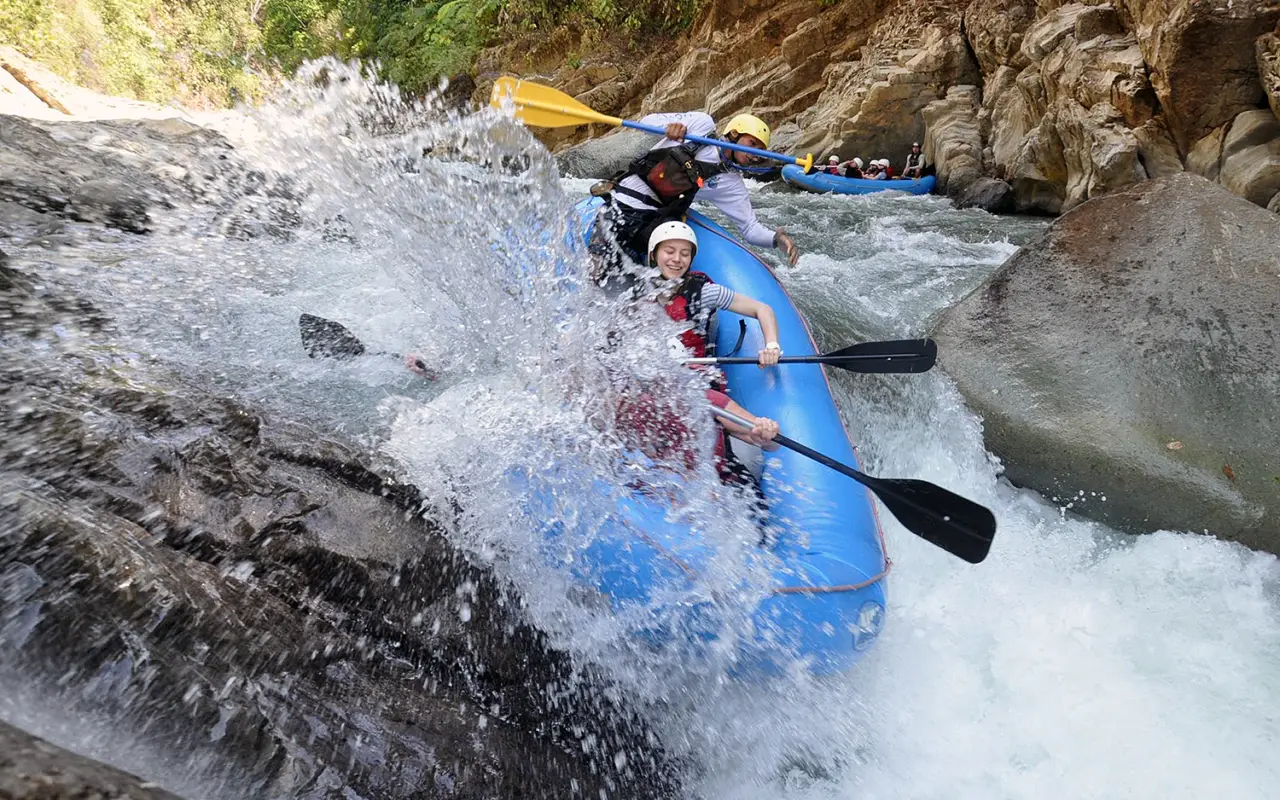
The best rafting spot in Latin America, thePacuare Riveroffers wild rapids to navigate. With its combination of tropical river scenery, waterfalls, and vibrantly colored wildlife, rafting on the Pacuare River is truly a one-of-a-kind experience.
With Class III and Class IV rapids running along the Talamanca mountain range, you can be sure this experience will leave you with incredible memories that will last a long time! Note that for the ultimate thrill, you can take a night rafting trip on the Río Pacuare. We can also offer you a rather unique experience: reaching your lodge by raft.
Sarapiquí River
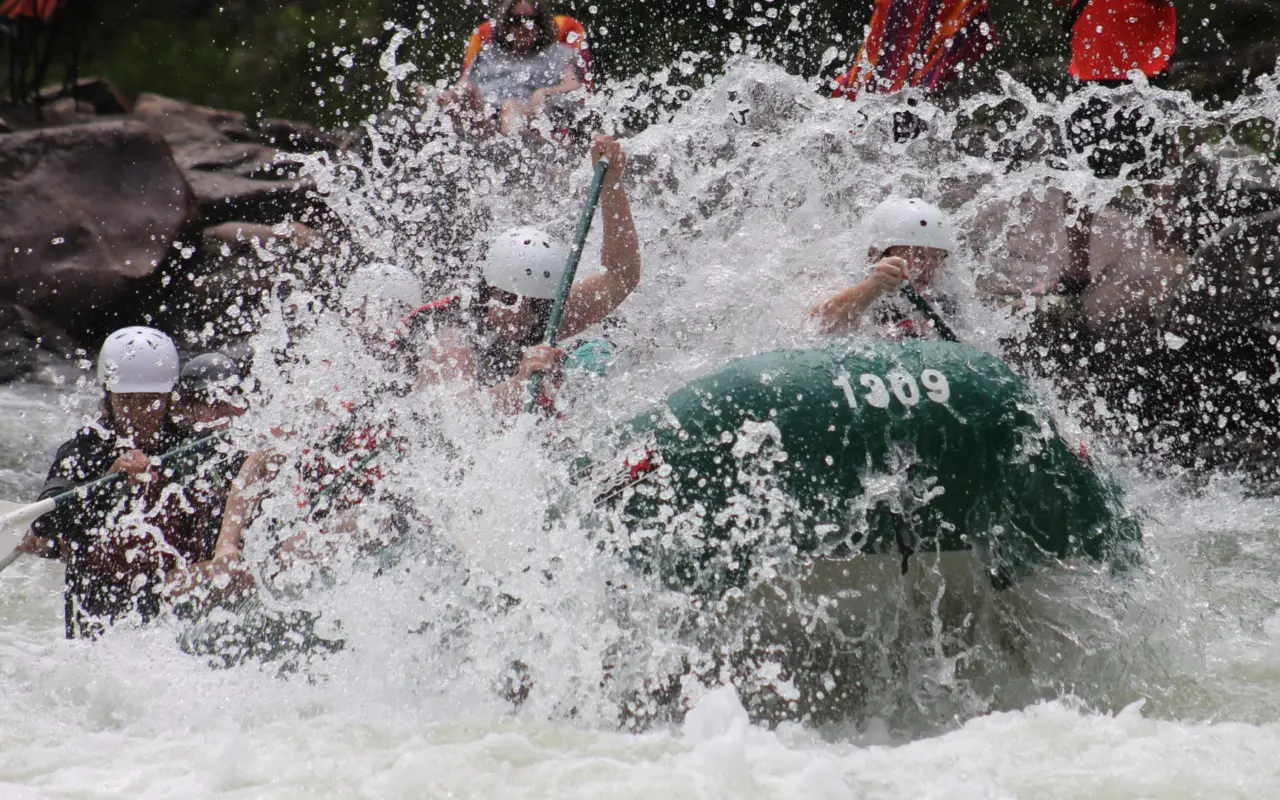
The Sarapiquí River, nestled in the heart of the rainforest, features Class III rapids set amid calm waters—a perfect spot for beginners.
A relaxing time for the whole family—and for the more adventurous, there are Class IV rapids to tackle, such as “The Terminator,” “Dos Locos,” and “The Pipeline”; you’re sure to get wet!
Savegre River
You’ll float down the Savegre River on a raft, through the heart of the rainforest and the river’s gorges, near Manuel Antonio.
Along the way, you’ll stop to observe the local wildlife—cormorants, toucans, and kingfishers—and to swim in natural pools or at the base of waterfalls. This adventure through Class II and III rapids is perfect for the whole family.
Río Naranjo
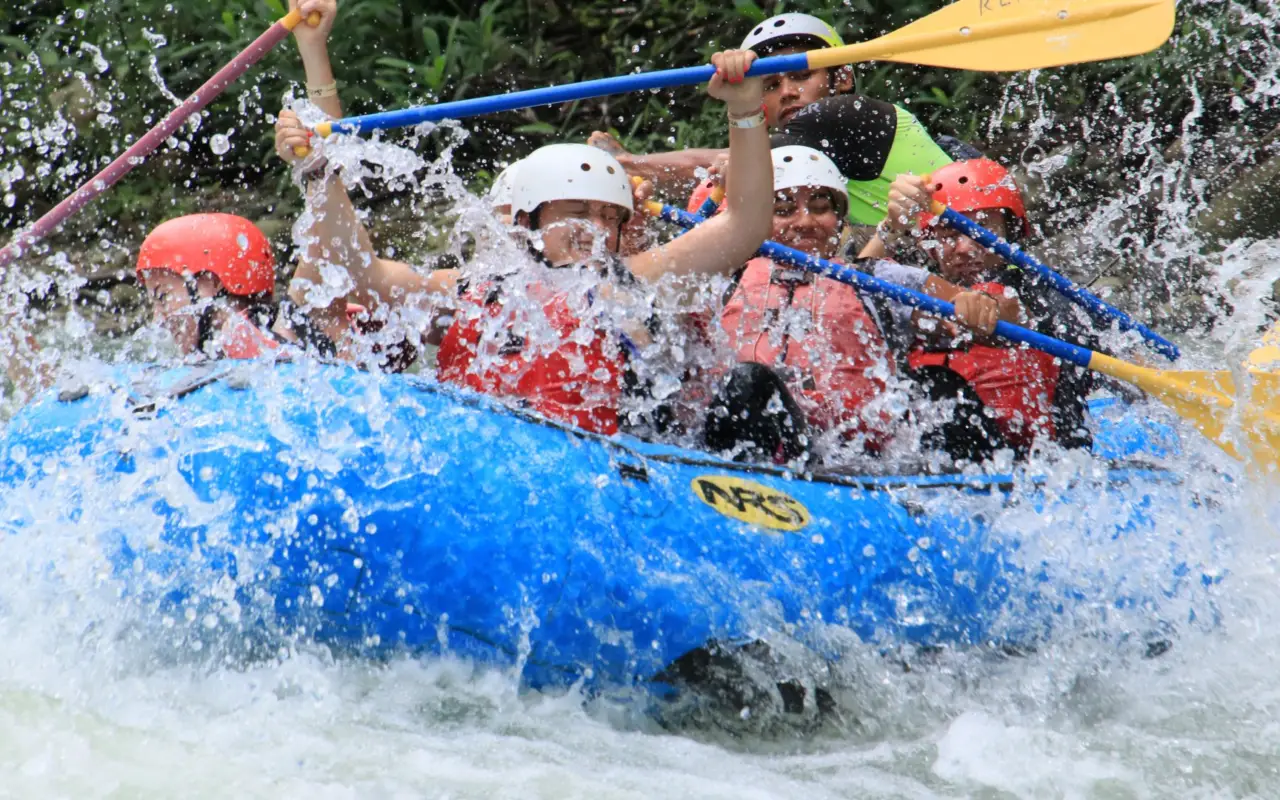
This river is suitable and ideal for all skill levels. You can enjoy a family rafting trip down Class III–IV rapids while taking in the magnificent scenery of the Pacific plains and the region’s wildlife.
On the other hand, for thrill-seekers and adventure lovers, you’ll navigate the El Chorro section of the Naranjo River, which requires more technical skill to navigate the Class IV+ rapids along the canyon.
Río Balsa
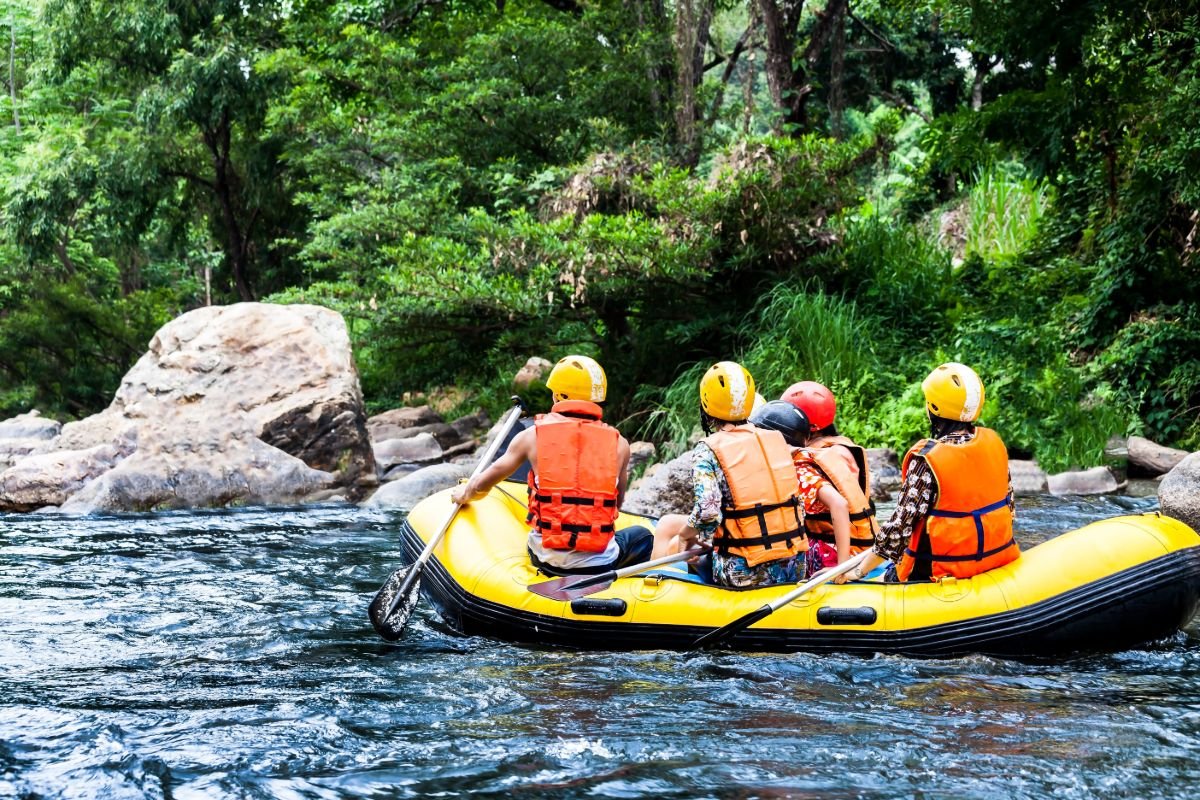
Come raft down the rapids of the Río Balsa in the Arenal Volcano region. This rafting trip is suitable for all skill levels—from families navigating Class II and III rapids to experienced rafters tackling the Class IV rapids section . The Balsa River promises thrilling whitewater experiences as well as calm stretches where you can jump in and swim.
Kayaking, Both on the Ocean and on Rivers
With more than 1,200 km of coastline, two gulfs, and a multitude of tropical estuaries, Costa Rica is a beautiful playground for sea kayaking. Discover the joy of kayaking in an almost endless expanse of water and explore small, secluded coves where you can observe the local flora and fauna in complete tranquility.
Isla Damas
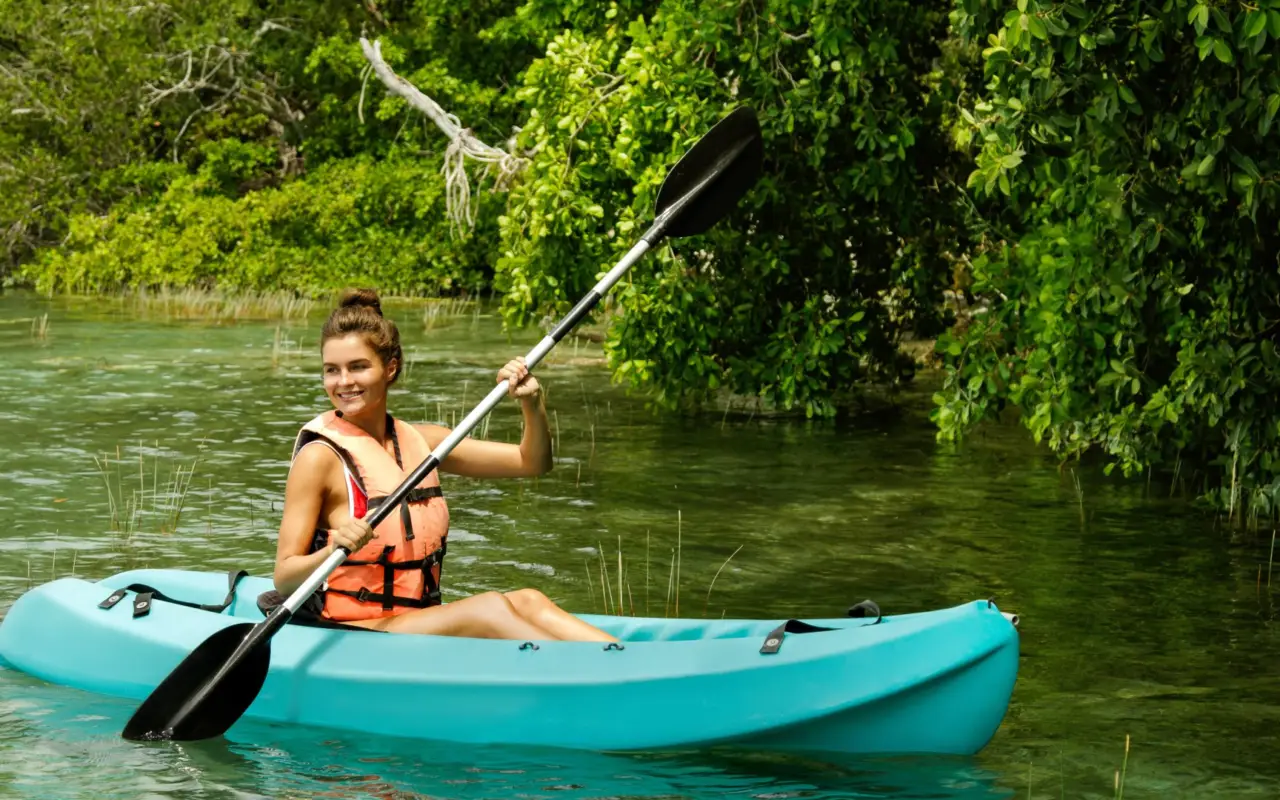
A trip to the Damas Islands, a mangrove-covered peninsula jutting out into a bay in the Manuel Antonio region. Crisscrossed by countless swamps and canals, this vast mangrove forest stretches along the coast from Parrita to Quepos. As you paddle, you’ll have the chance to explore this ecosystem and spot coatis, red crabs, capuchin monkeys, and various species of snakes that share the habitat with crocodiles and caimans. Tour schedules are based on the tides.
Lake Arenal
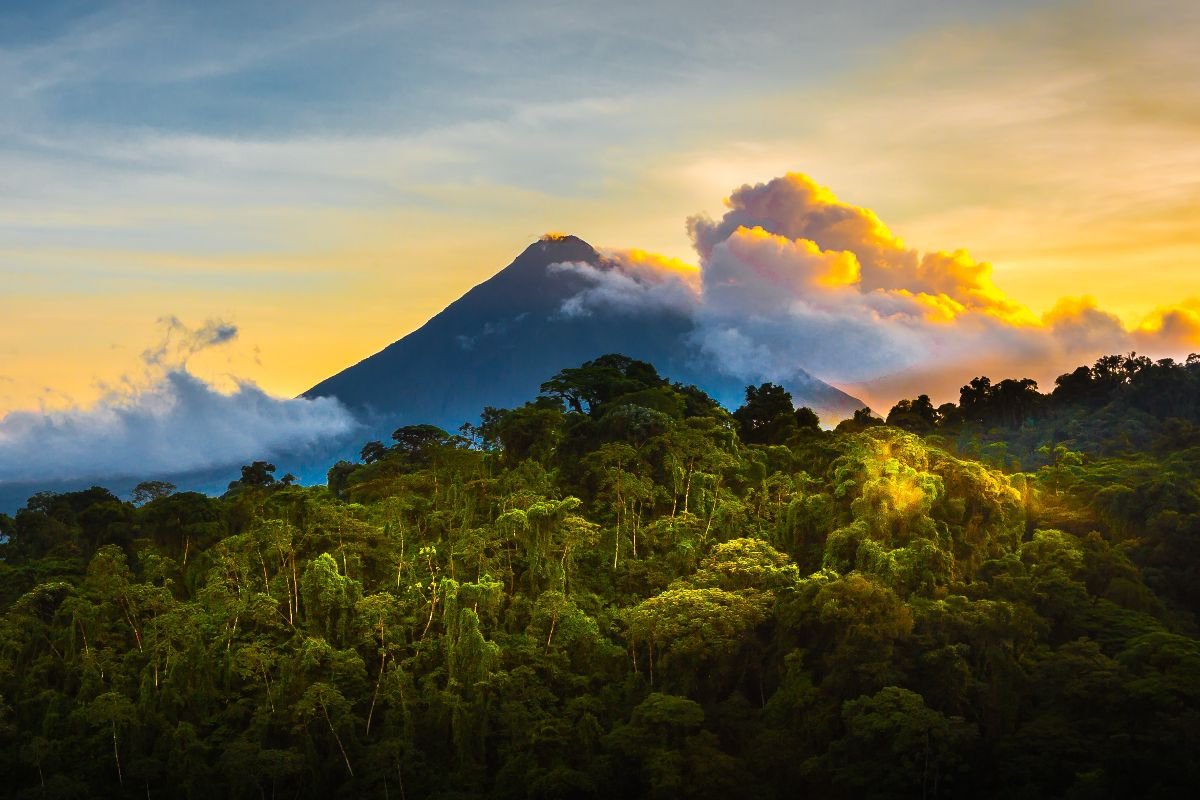
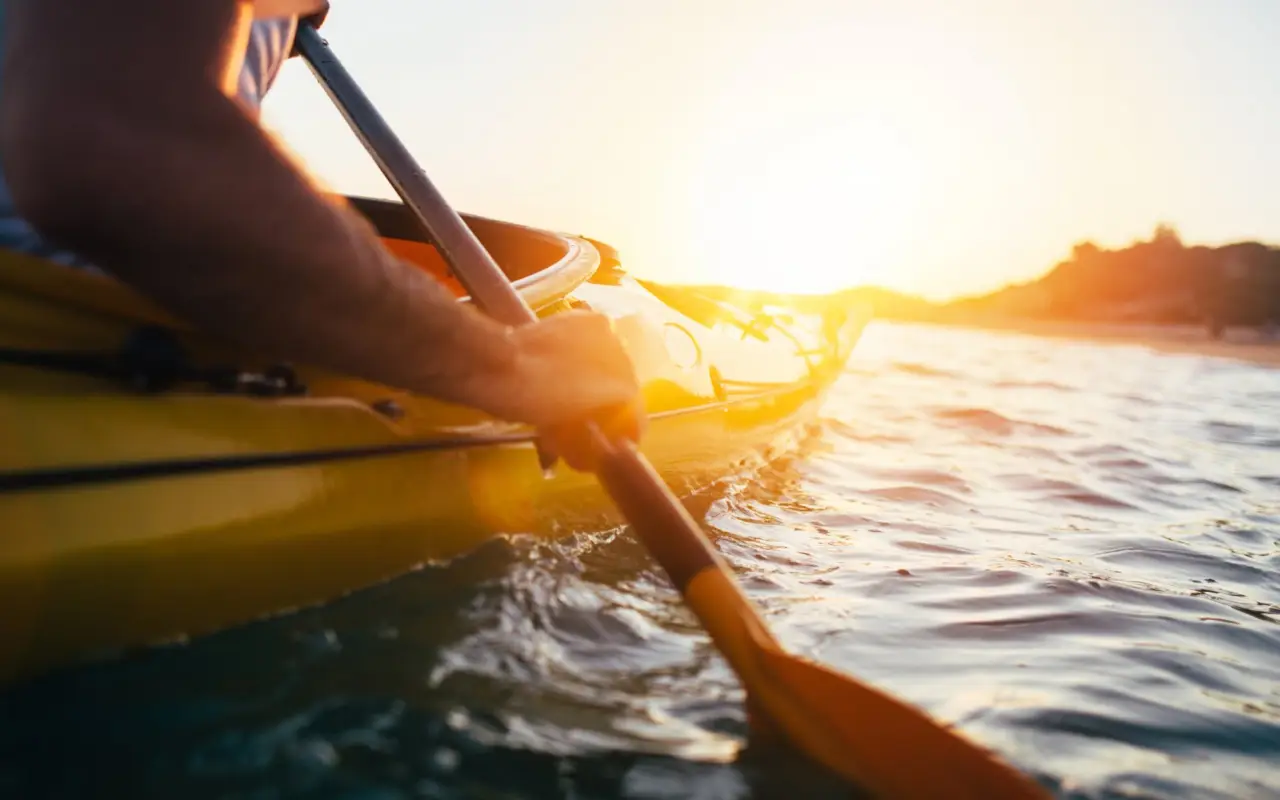
Located at the foot of the active Arenal Volcano, the lake is a great playground for many water sports. On a kayaking trip, you’ll enjoy breathtaking views of the volcano—if it deigns to show itself—and you can visit one of the small islands in the lake.
You’ll likely hear the calls of howler monkeys and spot some of the 400 species of birds. Also, if you attach a fishing rod to the back of your kayak, you might catch one of the 10 species of fish found in the lake! As another activity, we can offer you stand-up paddleboarding tours.
Golfo Dulce
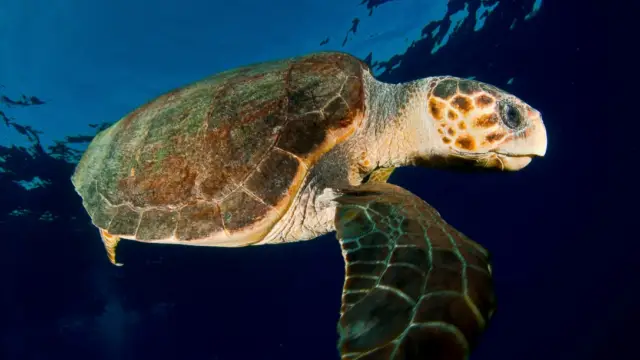
Come paddle through the clear, calm waters of Golfo Dulce, located on the Osa Peninsula, Costa Rica’s wildest region. You can cruise the ocean and perhaps spot dolphins, manatees, and sea turtles; or explore the jungle as you navigate through the mangroves.
Boca Tapada
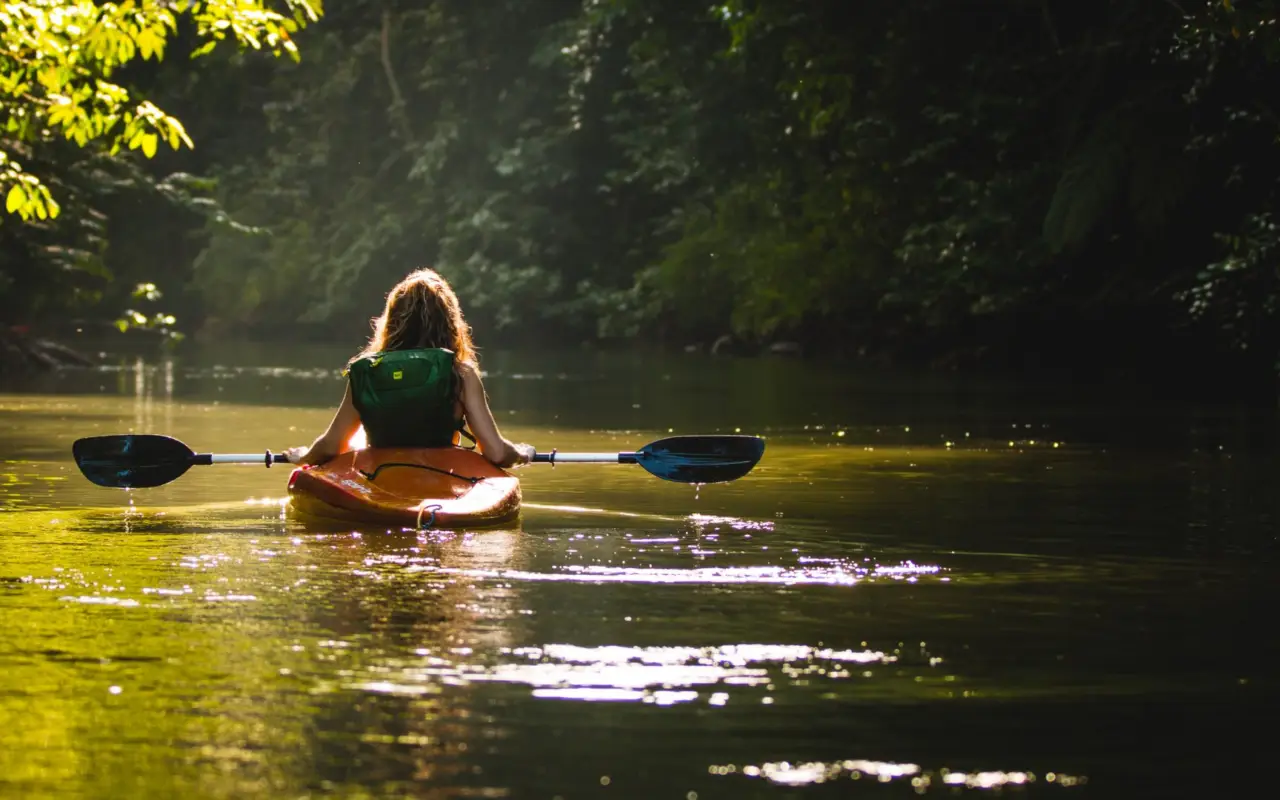
An ideal region in the north of the country to enjoy a kayaking excursion or a floating safari on the San Carlos River. The floating safari is an activity for the whole family, during which you’ll be accompanied by a naturalist guide who will help you discover the region’s flora and fauna.
This is an off-the-beaten-path destination that’s not very crowded. You’ll be able to see exotic animals such as crocodiles, turtles, iguanas, and monkeys.
Kitesurfing, Riding the Wind
Costa Rica offers a long kitesurfing season with strong, reliable winds almost every day from November through late April—ideal for kitesurfers looking to escape the cold winter months back home. The country has two main spots where you can go kitesurfing:
Bahía Salinas
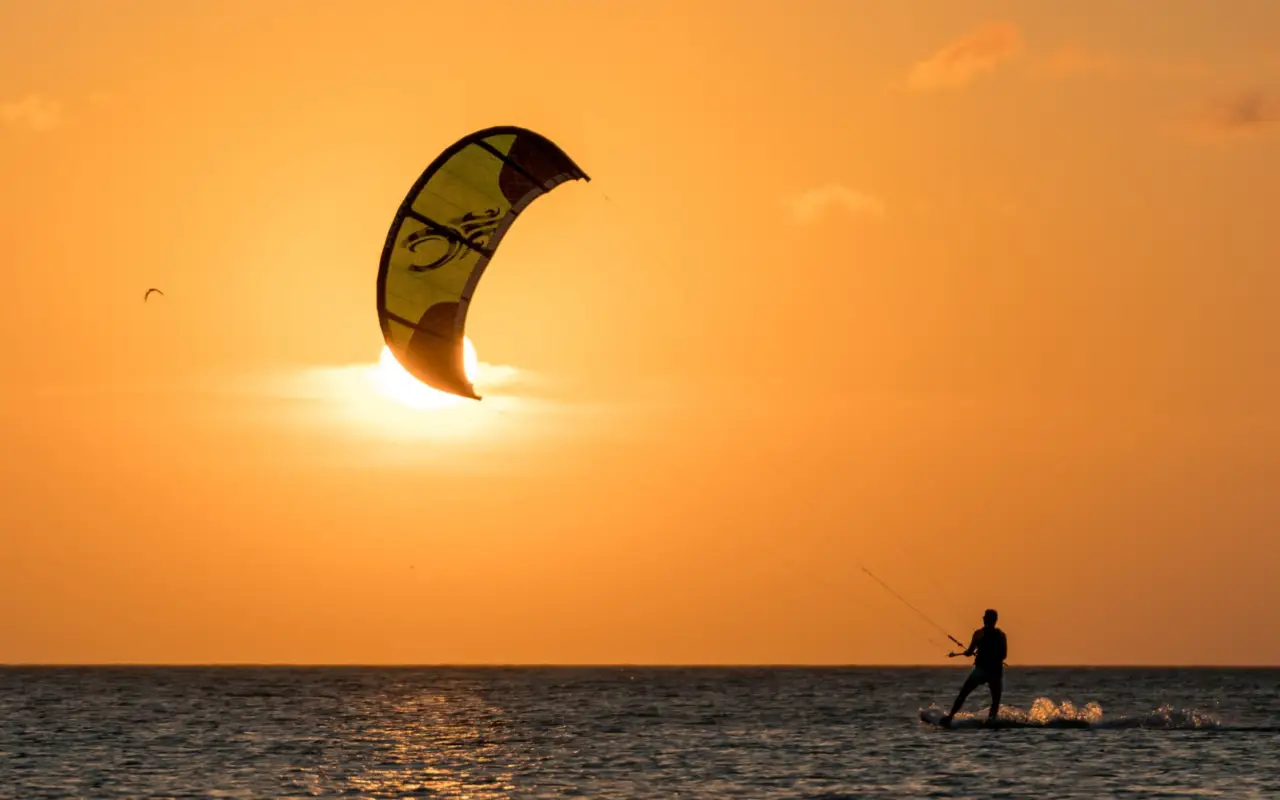
Located in northern Guanacaste, Bahía Salinas is constantly swept by winds, making it ideal for kitesurfing, especially from early December through April. The wind there averages between 20 and 25 knots, and waves can reach heights of 1m to 1m50. A unique feature of this spot isBolaños Island, located in the center of the bay. It is a rocky island with a white-sand beach.
Part of Bahía Salinas, Copal Beach is a world-renowned kitesurfing spot—come enjoy the windy season from November through April.
Lake Arenal
According to some world kitesurfing champions, Lake Arenal, located at an altitude of 1,700 meters, is “one of the top five places in the world to practice this sport.”
Strong, steady winds, water temperatures around 20 degrees all year round, swells reaching up to 1 meter in height—all with a view of the volcano—make this a unique spot for kitesurfers! The northernmost part of the lake is the most popular among kitesurfers.
Be sure to check theWindGuruwebsite for the forecast at the location where you plan to kitesurf.