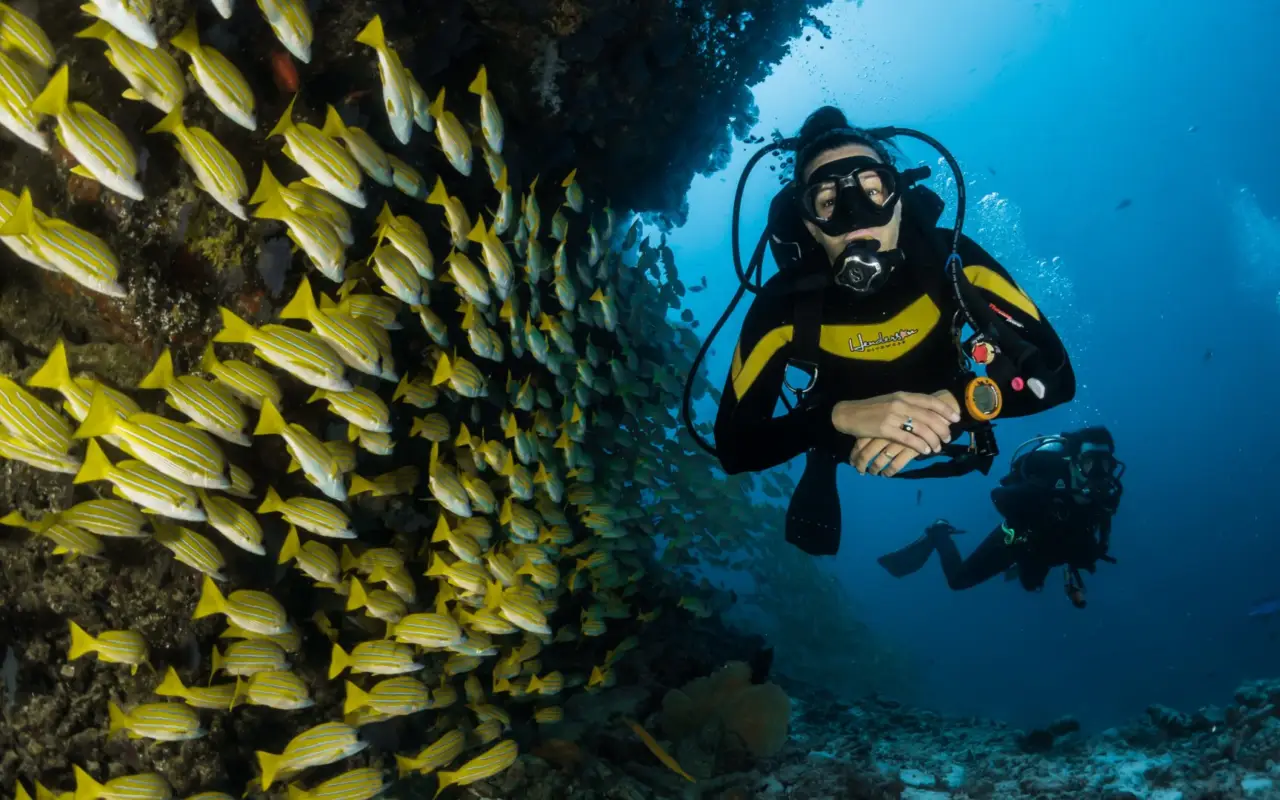
Costa Rica offers diving opportunities on two oceans. On the Pacific side, Isla del Caño and the Islas Murciélagos are home to a dense concentration of pelagic wildlife—sharks, rays, and turtles—in waters ranging from 24 to 29 °C. On the Caribbean side, Cahuita and Manzanillo are particularly well-suited for reef snorkeling. Visibility is best from December through April on the Pacific side and peaks in March, September, and October on the Caribbean side. Article updated in July 2026.
The Best Scuba Diving and Snorkeling Spots in Costa Rica
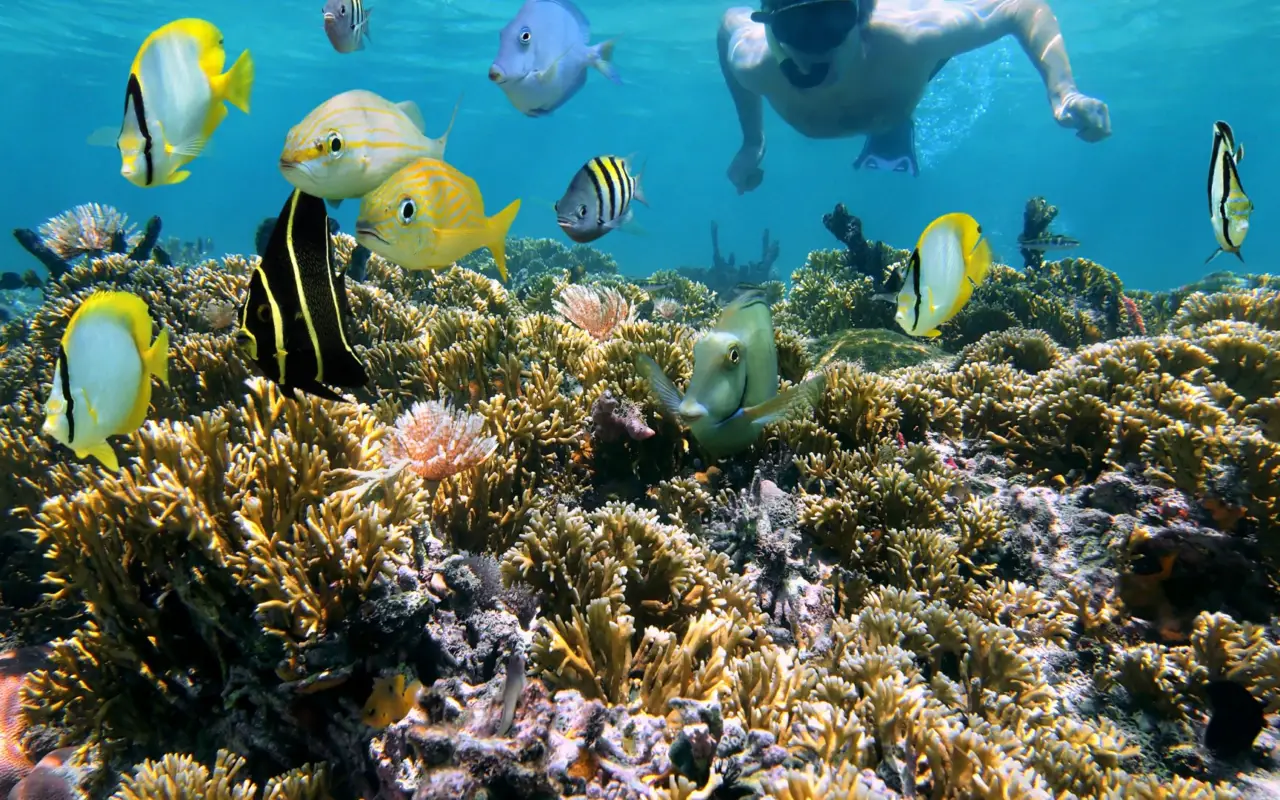
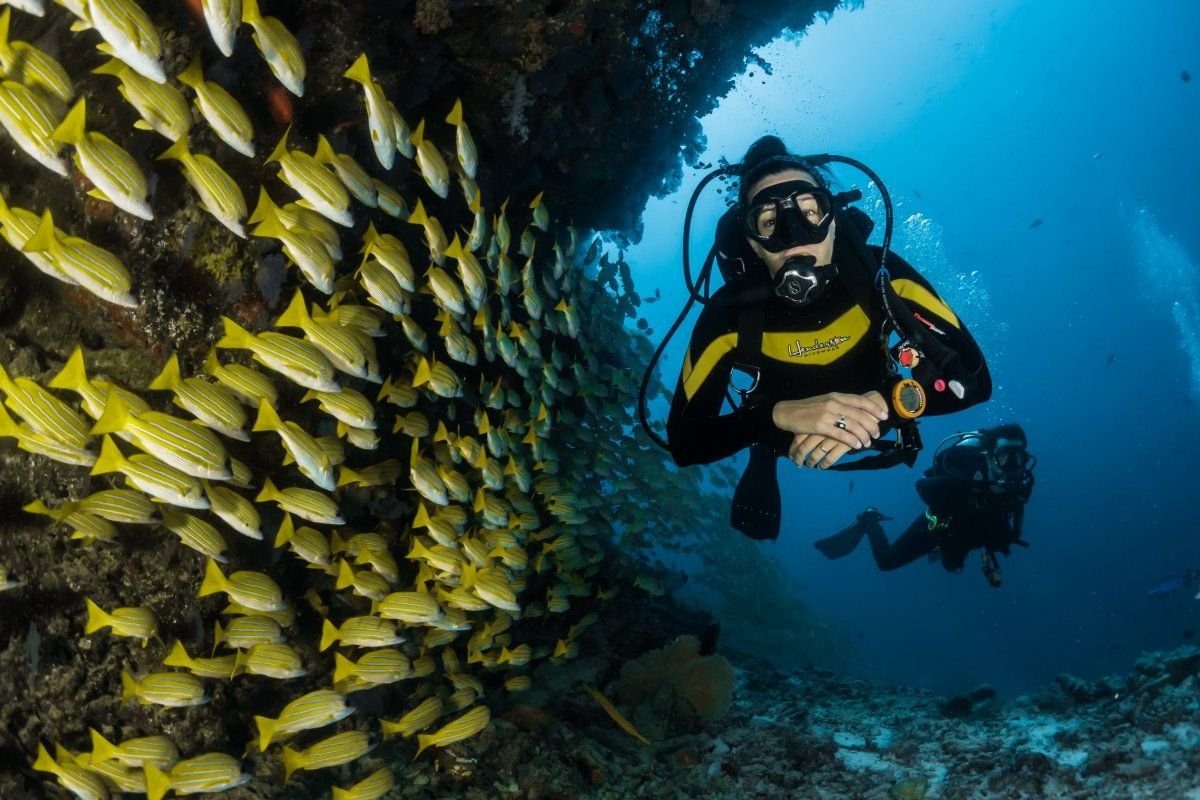
Costa Rica has become one of the most popular international destinations, particularly for scuba diving and snorkeling, as well as for its incrediblebiodiversity(the country is home to 6% of the world’s biodiversity!). In fact, a few years ago, readers of Rodale’s Scuba Diving magazine voted the Pacific Coast as one of the top 5 destinations in the world for experienceddivers.
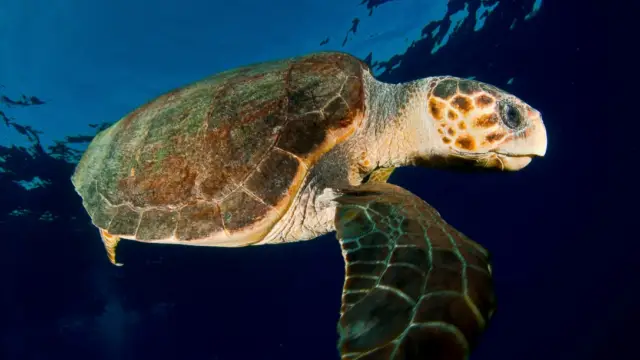
In Costa Rica, manta rays, barracudas, sharks, sea turtles, and coral reefs thrive peacefully in waters ranging from 24 to 27°C. Although diving is possibleyear-round, the best time is during the dry season, from November through April.
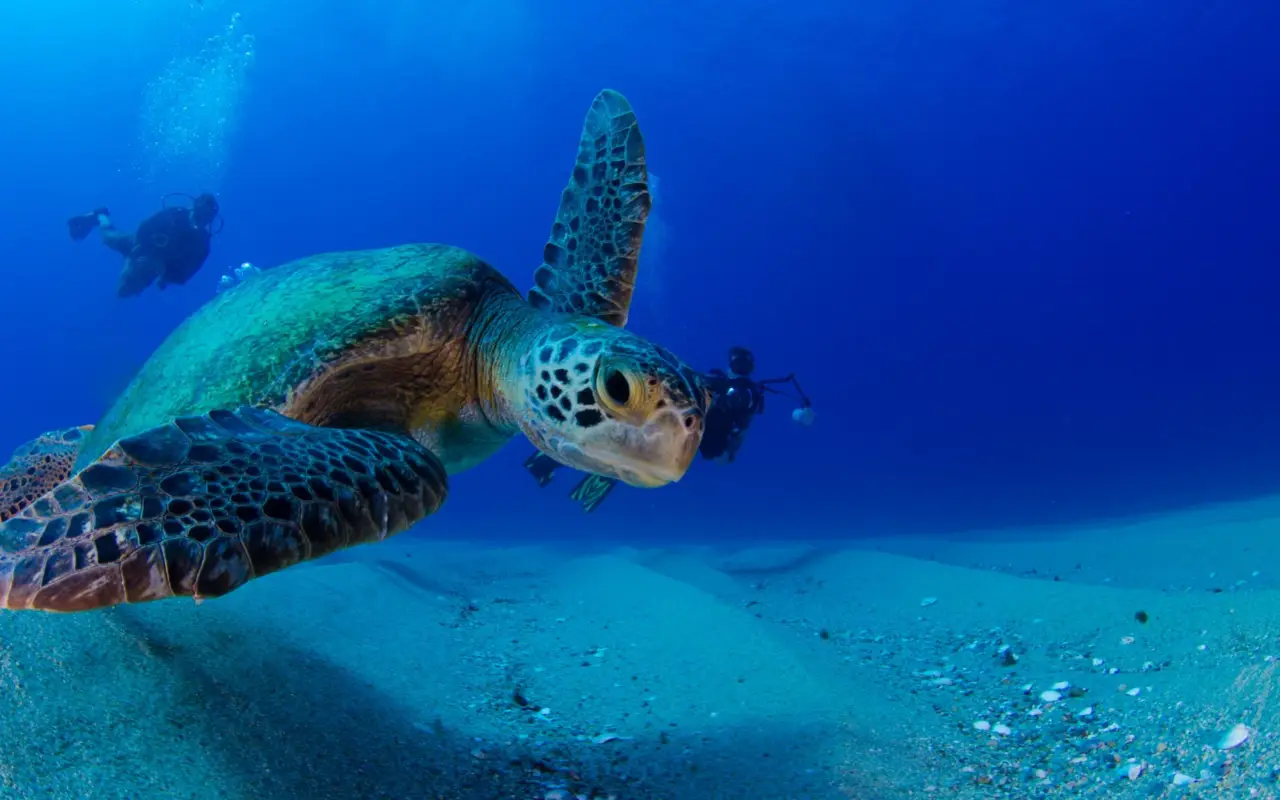
Where can you go diving in Costa Rica?
Comparison of Costa Rica’s Top Dive Sites
| Region | Region | Required Level | Best time to visit | Iconic Species | Access |
|---|---|---|---|---|---|
| Isla del Caño | South Pacific, Osa Peninsula | From beginner to advanced | December through April | Whitetip sharks, rays, turtles, barracudas, moray eels | Boat from Drake, Sierpe, or Puerto Jiménez |
| Murciélagos Islands | Northern Guanacaste, Santa Rosa National Park | Confirmed, strong currents | May through November | Bull sharks, manta rays, leopard rays, trevally | Boat from Playas del Coco or Papagayo Gulf |
| Marino Ballena National Park | South Pacific, Uvita | Snorkeling and introductory dives | July through October and December through April | Humpback whales, dolphins, parrotfish, sea turtles | Boat trips from Uvita or Bahía Ballena |
| Playa Ocotal, Hermosa, and Coco | Northern Nicoya Peninsula | Introductory course and Level 1 | November through April | Manta rays, stingrays, schools of fish, reef sharks | Day trips from Playas del Coco |
| Isla Tortuga | South of the Nicoya Peninsula, Gulf of Nicoya | Snorkeling | December through April | Reef fish, turtles, corals | Day trip from Montezuma, Santa Teresa, or Puntarenas |
| Cahuita and Manzanillo | Southern Caribbean Coast | Snorkeling only in Cahuita; scuba diving prohibited | March, September, and October | Parrotfish, lobsters, hard corals, angelfish | From the beach in Cahuita, by boat to Manzanillo |
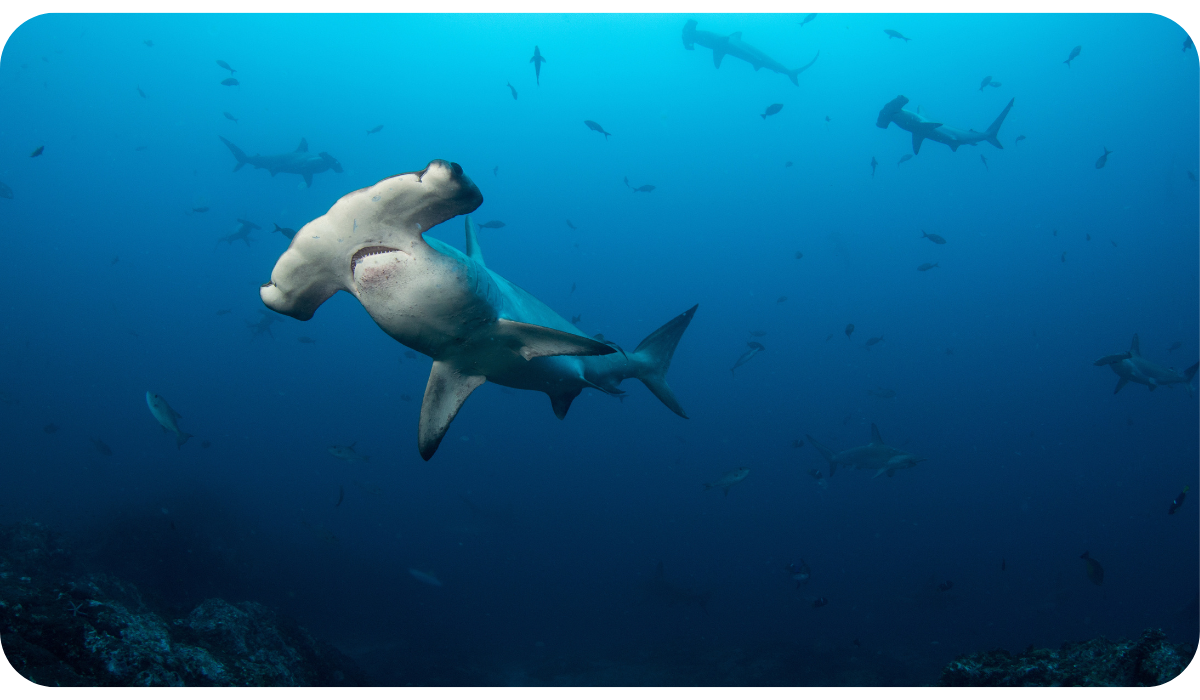
| Isla del Coco National Park | Pacific Ocean, more than 500 km offshore | Experienced divers only; cruise only | June through November for shark shoals | Hammerhead sharks, silky sharks, manta rays, tuna | 32 to 36 hours by boat from Puntarenas |
Osa Peninsula – Isla del Caño
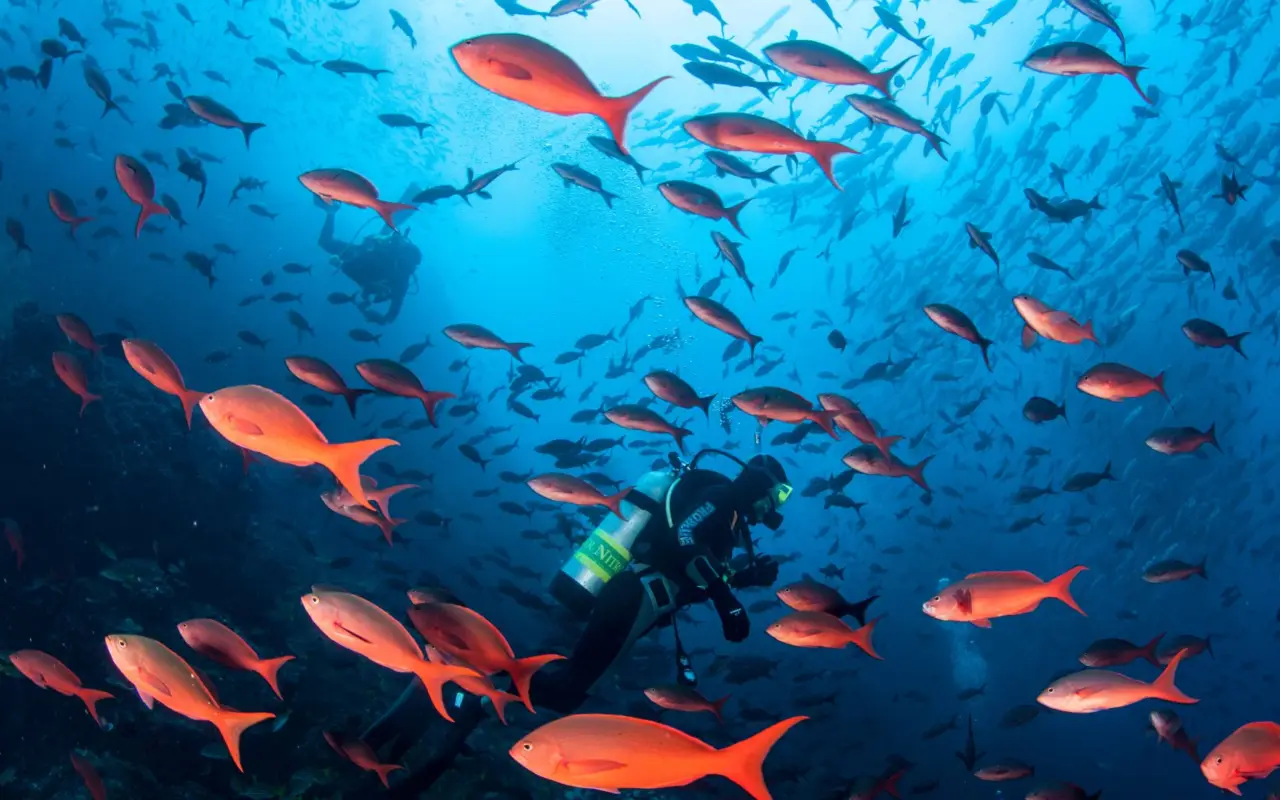
A highly protected island in Costa Rica, Isla del Caño is a true natural gem. To preserve it as best as possible, daily access is limited. Visitors can enjoy either scuba diving or snorkeling there. You’ll often encounter small whitetip sharks, schools of barracudas, groupers, Moorish idols, and pufferfish.
With its shallow coral reefs, Isla del Caño is a true underwater sanctuary. Dive in the designated areas and admire the underwater flora and fauna: corals, lobsters, fish, turtles, rays, moray eels… You might even spot trevally, dolphins, and whales swimming in the waters off the island.
Papagayo Gulf – Murcielagos Islands
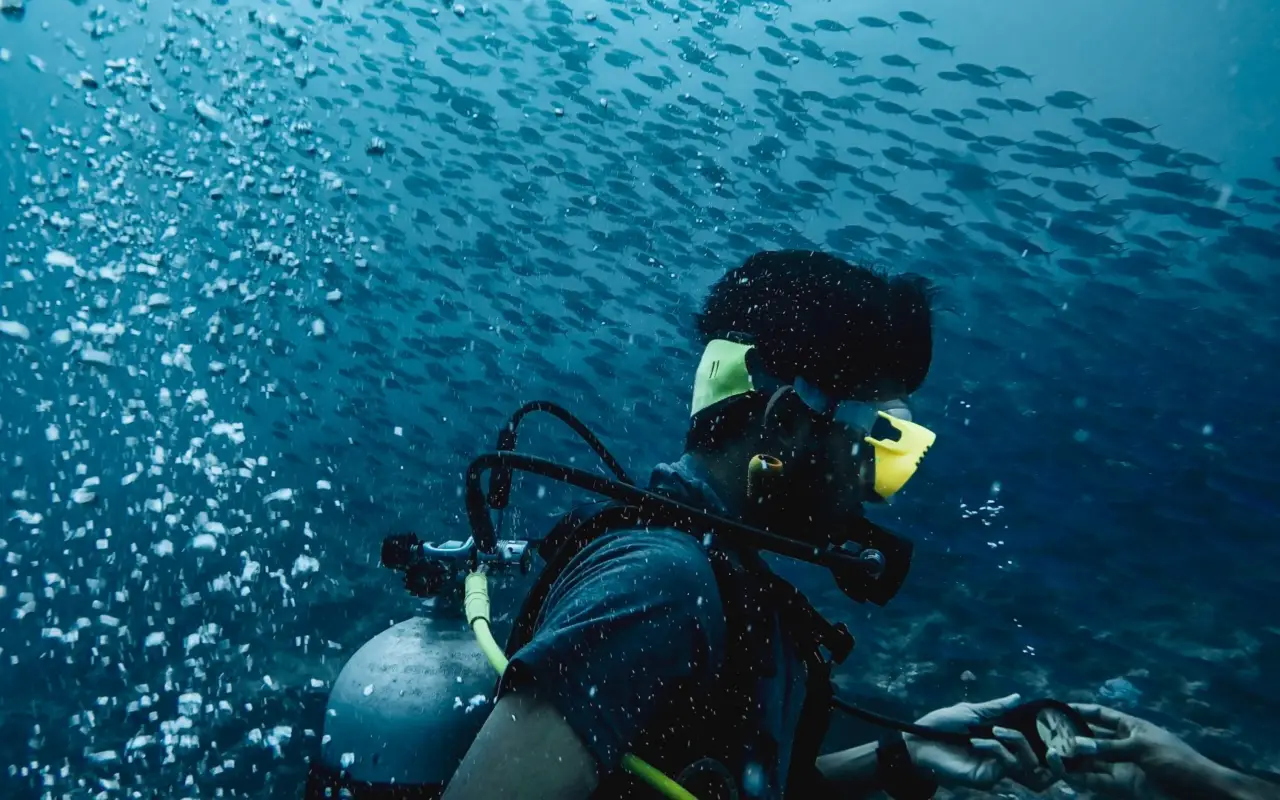
Forming the northern part of Santa Rosa National Park, the Murciélagos Islands are a true paradise for experienced divers. Be careful, however, of the waves and unpredictable strong currents. It’s not uncommon to spot sea bream, mackerel, swordfish, leopard rays, manta rays, or even schools of bull sharks here! That’s surely why this site is often compared to Cocos Island!
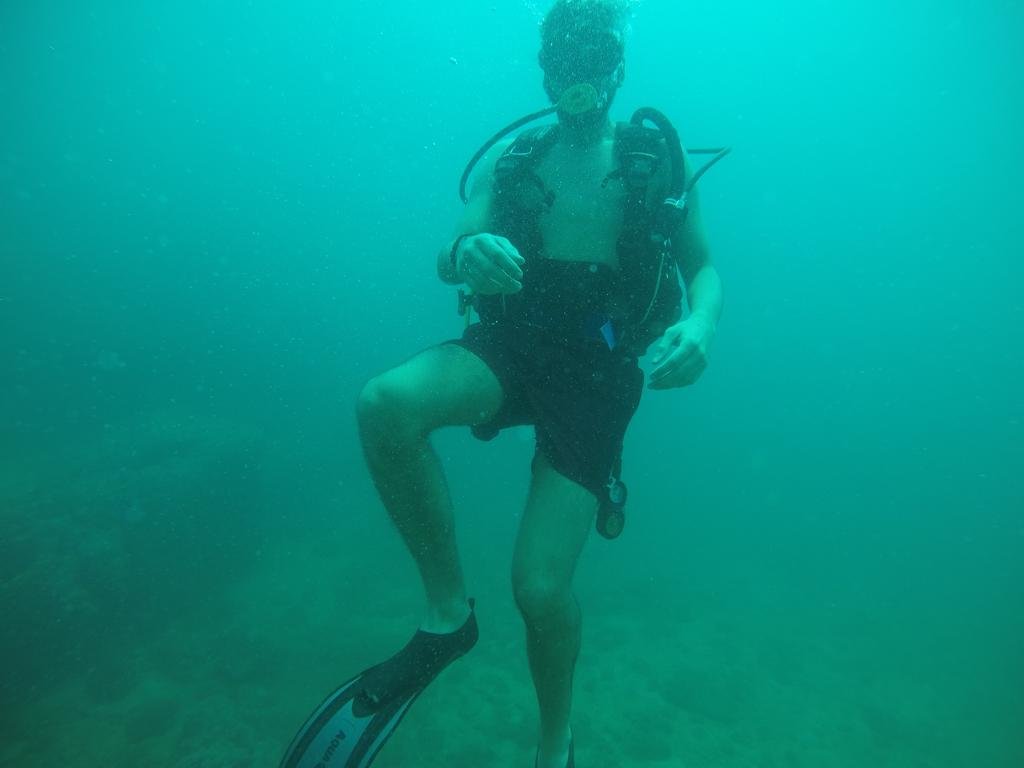
South Pacific – Marino Ballena National Park
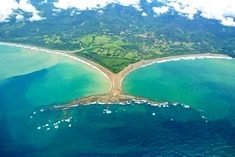
Composed of three small islands known as “Las tres hermanas” (The Three Sisters), Ballena Island forms the largest coral reef on the Pacific coast of Central America. Parrotfish, whales, dolphins, butterflyfish, sea turtles, and starfish can be seen in the waters of Marino Ballena National Park.
Northern Nicoya Peninsula – Playa Ocotal, Hermosa, Coco
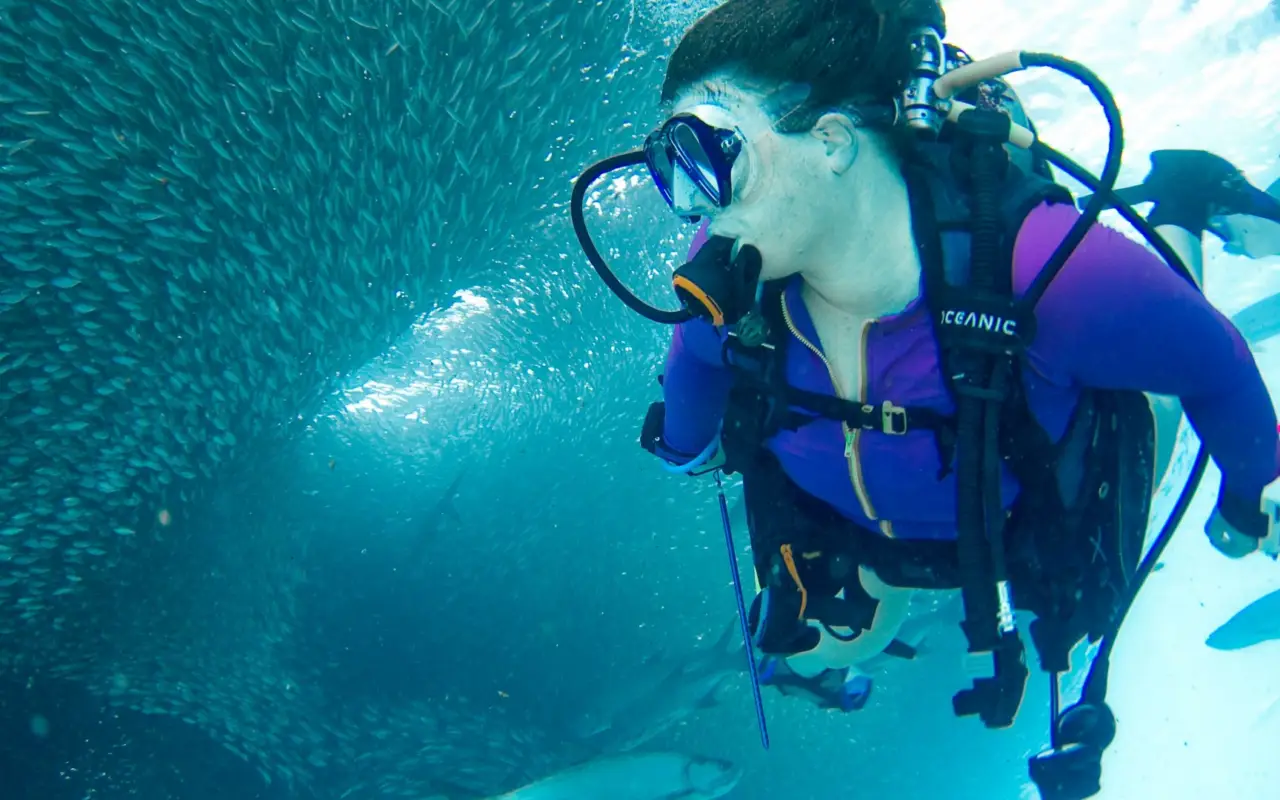
We recommend taking a trip to Playa Coco, where several dive shops offer good value for the money. Even though the coral isn’t spectacular, you’ll be able to see a high density of marine species there. In this region of Costa Rica, it’s often possible to spot manta rays and sharks.
Southern Nicoya Peninsula – Isla Tortuga
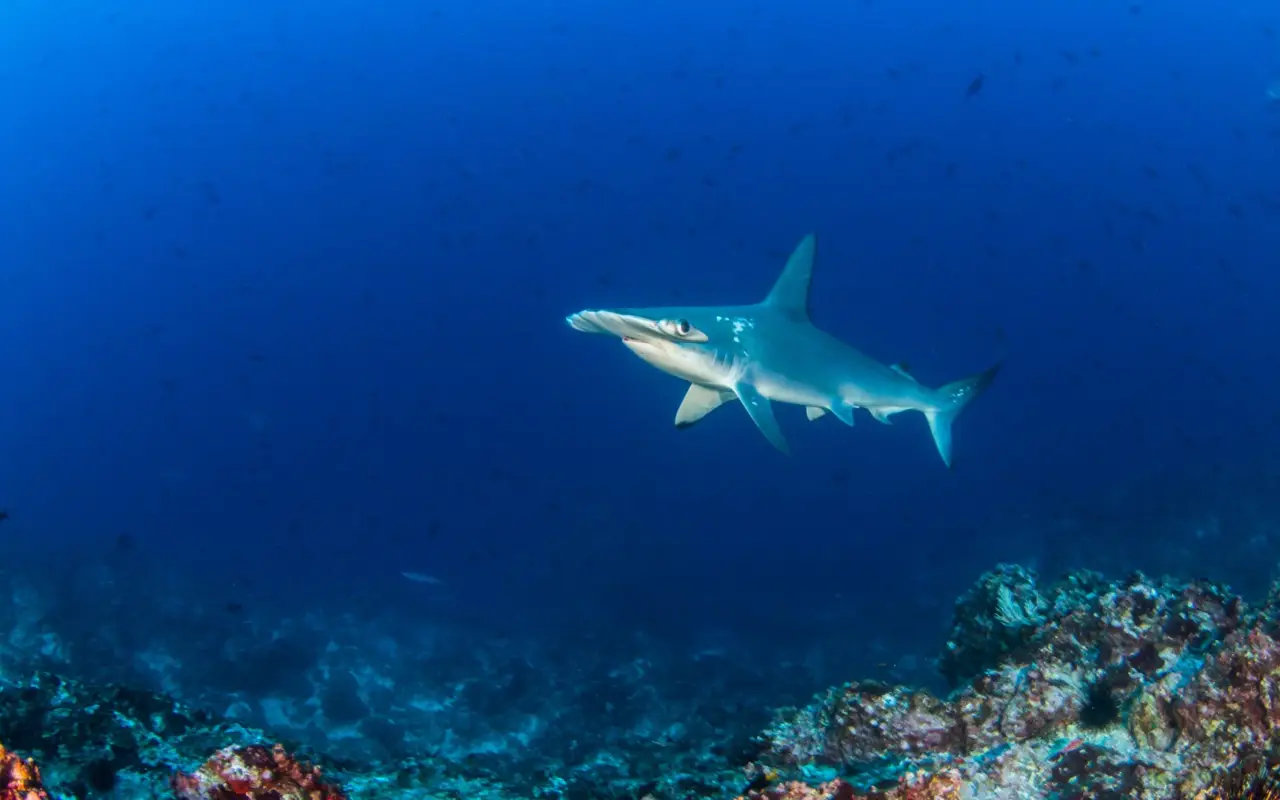
Known for its idyllic beaches, Isla Tortuga is also a great spot for snorkeling, thanks to the beautiful coral reefs and fish found near the island. It’s ideal for a day trip from Santa Teresa, Montezum, or even Puntarenas.
Caribbean Coast – Cahuita, Puerto Viejo, Manzanillo
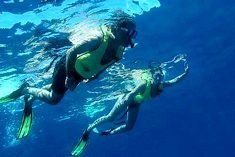
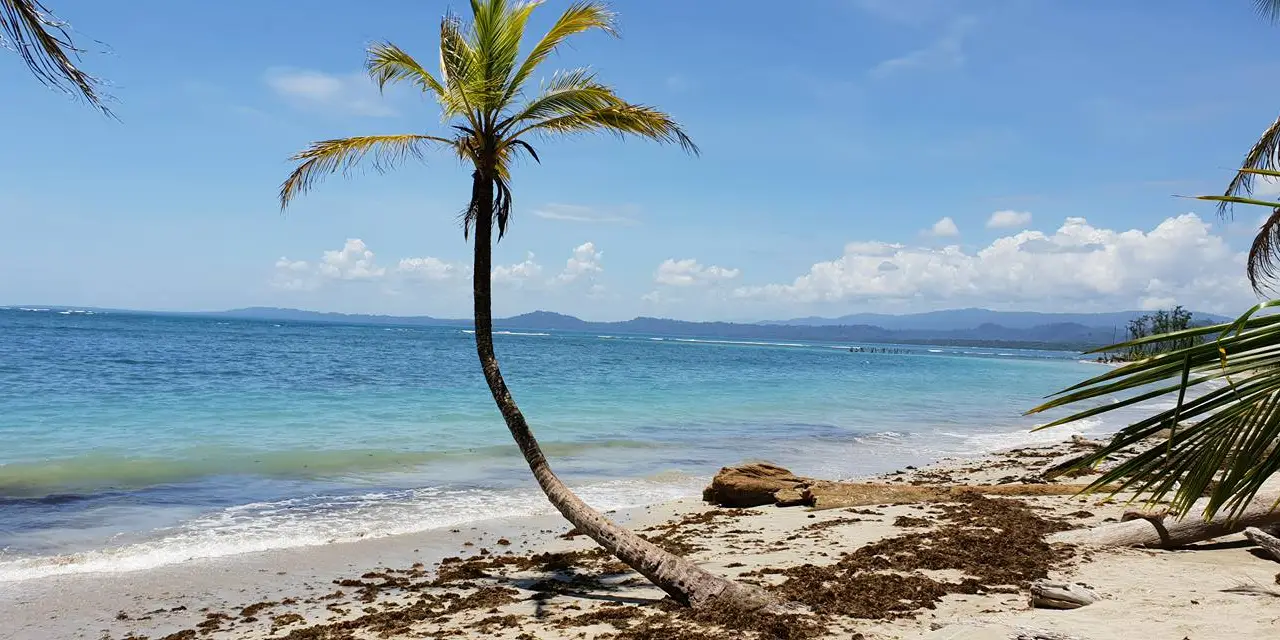
While differing from the Pacific coast in several ways, the Caribbean coast does not currently have many dive sites; however, the few that are there manage to stand out. On this side of the country, the fish are more colorful, and the waters are home to small coral reefs. What’s more, visibility is generally better in the Caribbean, especially when it’s not raining and the swell is light!
In Cahuita National Park, snorkeling is allowed, but scuba diving is not. Head to the beach, then swim for a few minutes to reach a beautiful coral reef where you can see parrotfish and lobsters.
Coco Island
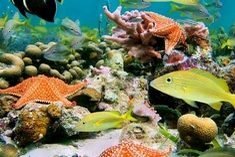
Located more than 500 kilometers southwest of Costa Rica, Cocos Island National Park embodies the ultimate myth of the unspoiled island. As a side note, it helps mark the border between Costa Rica and Ecuador! Uninhabited, it was designated a UNESCO World Heritage Site in 1997. It’s impossible to stay overnight on the island, and only a few boats are authorized to organize extended diving trips there. The seabed around Cocos Island is home to a wealth of marine life renowned throughout the world!
When is the best time to explore Costa Rica’s seabed, depending on the season?
The dry season, from December to April, offers the best visibility along the Pacific coast. The wet season, from May to November, stirs up more nutrients and attracts pelagic wildlife: this is the time to see bull sharks at the Murciélagos Islands and schools of hammerhead sharks at Cocos Island. The calendar below summarizes the best times to visit depending on the type of marine life you’re hoping to see.
| Season | Pacific Coast | Caribbean Coast | Highlights |
|---|---|---|---|
| December through April | Dry season, better visibility, calmer seas | Ocean is often rough, except during the March window | Northern Hemisphere humpback whales, rays, sea turtles |
| May through June | Start of the green season, waters richer in plankton | Frequent swells and rain | Bull sharks arrive at the Islas Murciélagos |
| July through October | Visibility varies; abundant pelagic life | September and October, the calmest months of the year | Southern Hemisphere humpback whales, hammerhead sharks at Isla del Coco |
| November | Transition period, with visibility gradually improving | Return of the rains | End of bull shark season |
Water temperatures remain stable year-round in Costa Rica, ranging from 24 to 29 °C depending on the location and depth. A 3-mm wetsuit is sufficient in most cases. A 5-mm wetsuit is more comfortable at sites prone to cold upwellings, particularly at the Islas Murciélagos and Isla del Coco, where the thermocline can cause the temperature to drop by several degrees.
Costa Rica’s Seabed: What You Need to Know in 2026
A National Campaign to Protect Reefs Ahead of El Niño 2026/27
The collective campaign “Unidos por los Arrecifes de Costa Rica” was launched in July 2026 to reduce human pressure on the country’s coral reefs ahead of the El Niño episode predicted for 2026–2027. Costa Rican reefs still bear the scars of the massive bleaching event of 2023–2024, and another episode of warming waters would exacerbate the thermal stress on the corals. The campaign brings together scientists, coastal communities, clubs, fishermen, and tourism operators around concrete actions: anchoring to buoys rather than the reef, reducing single-use plastics, and adhering to catch size limits and closed seasons.
A Payment for Marine Services Program for Hammerhead Sharks
In April 2026, Costa Rica’s Ministry of Environment and Energy (MINAE) and the FUNBAM fund announced the creation of a payment for marine services program to reward the release of hammerhead sharks caught accidentally. The program is modeled after the terrestrial model of payments for environmental services: 544 people who make their living harvesting shellfish were already under contract in 2026, spread across 15 associations along the Pacific coast, with a target of 600 beneficiaries for the year. The program relies on 24,000 hectares of protected mangrove forest.
Isla del Coco, 27 times larger since 2021
Isla del Coco National Park expanded from 2,034 km² to 54,844 km² in December 2021, pursuant to Decree 43368-MINAE. The same reform expanded the Bicentennial Marine Management Area to 106,285 km². Costa Rica has thus increased the proportion of its waters under protection from approximately 2.7% to nearly 30%. Specifically, the seamounts that serve as a corridor for hammerhead sharks between Cocos Island and the Galápagos are now part of a protected area.
A local agency committed to coral restoration
Terra Caribea supports coral restoration programs in Costa Rica and selects its partners based on sustainable management criteria: dive group size, guide training, and anchoring practices. Our teams regularly test the sites we offer, allowing us to tailor each itinerary to the actual conditions of the season.
What rules must be followed in marine protected areas?
Isla del Caño is classified as a biological reserve and is subject to strict regulations by SINAC, the Costa Rican agency that manages protected areas. The reserve covers 320 hectares of land and 5,800 hectares of marine area, with five coral platforms ranging from 0.8 to 4.2 hectares. The following access conditions apply:
- Advance reservation required through SINAC; reservations are named and non-transferable, and a valid ID must be presented upon arrival.
- Accompaniment by a certified local guide registered with ACOSA’s sustainable tourism program is mandatory.
- Underwater activities are permitted only in areas marked by buoys, with a maximum of ten people at any one time in the designated marine area.
- It is strictly prohibited to move or remove any marine objects, whether living or dead: shells, corals, starfish.
- Land access is restricted: only the marine area is open to visitors.
- Drones are subject to licensing by the Costa Rican Civil Aviation Authority.
At Marino Ballena National Park, established in 1989 and Costa Rica’s first marine national park, the rules primarily concern cetacean observation: minimum distance, limited approach time, and a prohibition on crossing the animals’ path. The park protects 5,160 hectares of marine area and 171 hectares of land along a 15-kilometer stretch of coastline.

Frequently Asked Questions About Diving in Costa Rica
When is the best time to dive in Costa Rica?
From December to April on the Pacific coast, when the dry season offers the best visibility and calmer seas. Experienced divers looking for large pelagic species tend to prefer May through November, which is the season for bull sharks at the Islas Murciélagos and schools of hammerhead sharks at Isla del Coco. On the Caribbean coast, September and October are the best months.
Do you need to be an experienced diver to dive at Isla del Caño?
No. Isla del Caño welcomes both first-time divers and experienced divers alike, thanks to its shallow and generally sheltered coral reefs. However, you must be accompanied by a certified guide registered with ACOSA, and the number of people allowed in the designated marine area at any one time is limited to ten.
Can you go snorkeling in Costa Rica without a certification?
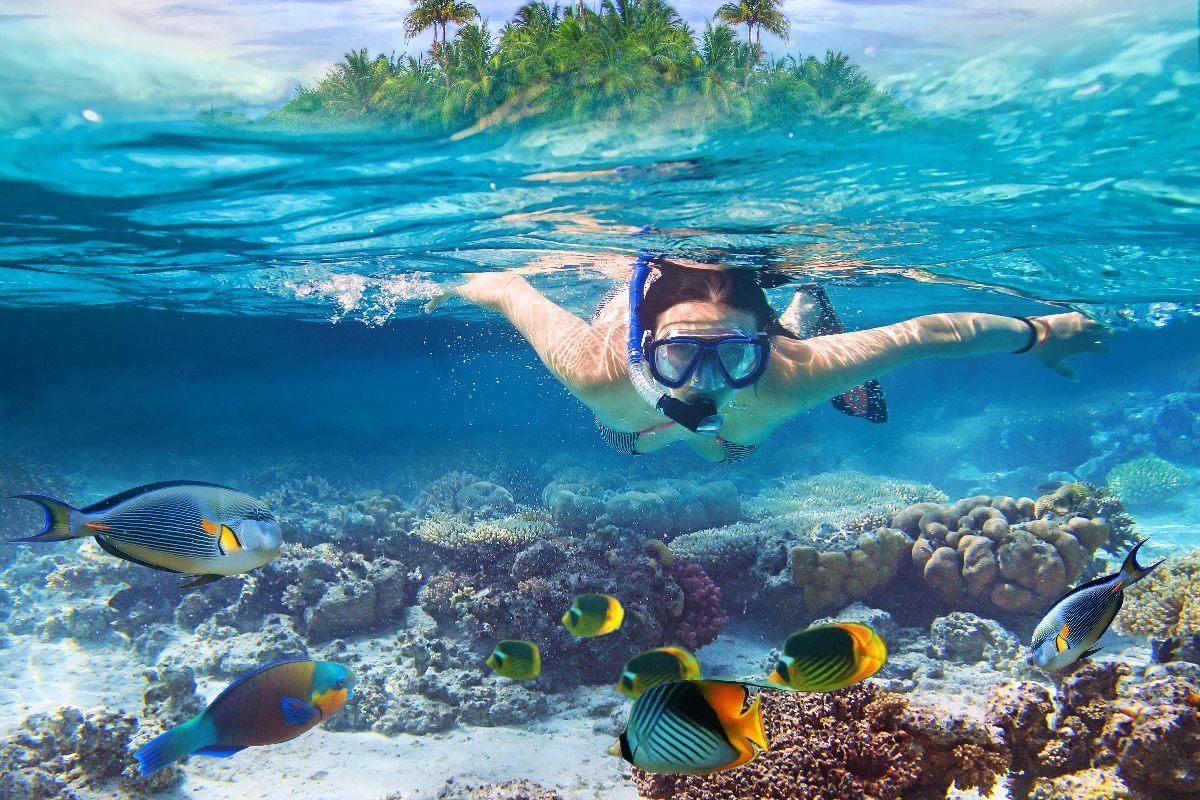
Yes, snorkeling requires no certification. The best sites accessible without a certification are Isla del Caño, Isla Tortuga in the Gulf of Nicoya, Marino Ballena National Park, and Cahuita National Park, where you can swim out to the reef from the beach. Scuba diving is still prohibited in Cahuita.
What’s the difference between the Pacific Coast and the Caribbean Coast?
Costa Rica’s Pacific coast attracts large marine life—sharks, manta rays, schools of barracuda, and sea turtles—at sites that are sometimes exposed to strong currents. The Caribbean coast has fewer developed dive sites but features more colorful coral reefs, abundant reef fish, and often better visibility when the swell is low.
How do you get to Isla del Coco, and how long does it take?
Coco Island is located more than 500 kilometers southwest of the Costa Rican coast and is accessible only by cruise ship, after a 32- to 36-hour voyage from Puntarenas. No shore excursions are possible: the island is uninhabited and has been a UNESCO World Heritage Site since 1997. Cruises generally last 8 to 10 days.
What is the water temperature in Costa Rica?
The water temperature ranges from 24 to 29 °C year-round, depending on the dive site and depth. A 3-mm wetsuit is suitable for most dives. A 5 mm wetsuit provides more comfort at sites prone to cold upwellings, particularly at the Islas Murciélagos and Isla del Coco.
Can you see whales in Costa Rica?
Humpback whales can be observed from a boat, but never while diving. Marino Ballena National Park and the waters around Isla del Caño are home to two distinct populations: the southern hemisphere population from July through October, and the northern hemisphere population from December through April. This dual season makes whale watching possible for much of the year.
How many whale-watching trips should you plan for a Costa Rica tour?
Two to four dives are sufficient for a typical 15-day nature tour, usually concentrated into a single day at Isla del Caño or from Playas del Coco. A trip focused on marine life requires setting aside three to five days on a single coast, and a cruise to Isla del Caño alone takes 8 to 10 days.
Planning Your Diving Trip to Costa Rica with a Local Agency
Exploring Costa Rica’s underwater world requires balancing three factors: the season, the participants’ skill level, and the chosen coastline. A single itinerary cannot combine the bull sharks of Guanacaste in September with the maximum visibility of the South Pacific in February. Terra Caribea designs each program around these practical considerations, factoring in boat transfer times and access quotas for marine protected areas.
Want to explore Costa Rica’s oceans? Contact our on-site team to design an itinerary that combines the seabed, tropical forests, and volcanoes, at a pace that suits you.
Sources
- SINAC, National System of Conservation Areas — Isla del Caño Biological Reserve fact sheet, accessed in July 2026
- SINAC / ACOSA — Ballena Marine National Park fact sheet, accessed in July 2026
- Executive Decree 43368-MINAE — expansion of Isla del Coco National Park and the Bicentennial Marine Management Area, December 2021
- UNESCO, World Heritage List — Cocos Island National Park, inscribed in 1997
- MINAE and FUNBAM — payment for marine services dedicated to hammerhead sharks, April 2026
- “Unidos por los Arrecifes de Costa Rica” campaign, launched in July 2026

About Terra Caribea
Terra Caribea is a local, inbound travel agency that has been based in Costa Rica since 2008 and also operates in Panama. Our office is located in the Central Valley, between San José and Heredia. Our team consists of Costa Ricans and French nationals who live locally and design each itinerary directly, without intermediaries.
We select our water sports partners based on safety and sustainable management criteria, and we support coral reef restoration programs. The agency is Travelife-certified.