Hollywood in Costa Rica: When the Movies Come to the Heart of the Jungle
What comes to mind when you think of Costa Rica?
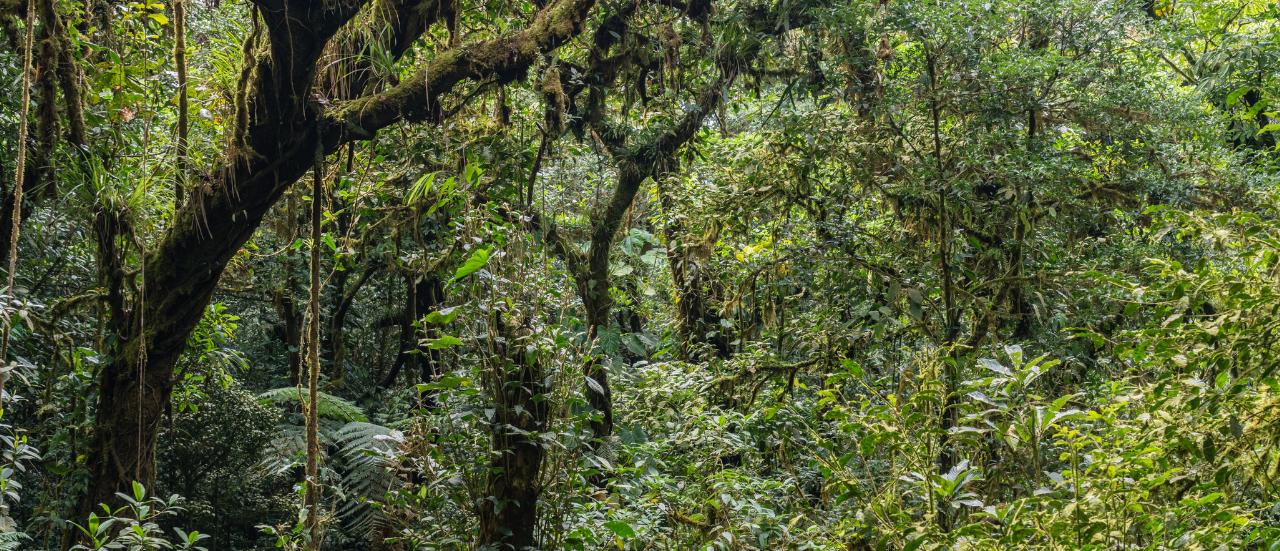
A lush jungle, majestic volcanoes, pristine beaches alongthe Pacific Ocean, or one of the world’s richest biodiversity hotspots? With its spectacular landscapes and almost surreal natural settings, Costa Rica has been attracting Hollywood filmmakers in search of adventure, mystery, and exoticism for decades.
From historical films to science-fiction blockbusters, as well as productions inspired by the country’s wilderness, Costa Rica has a long history with international cinema.
From the conquistadors to big-budget Hollywood productions
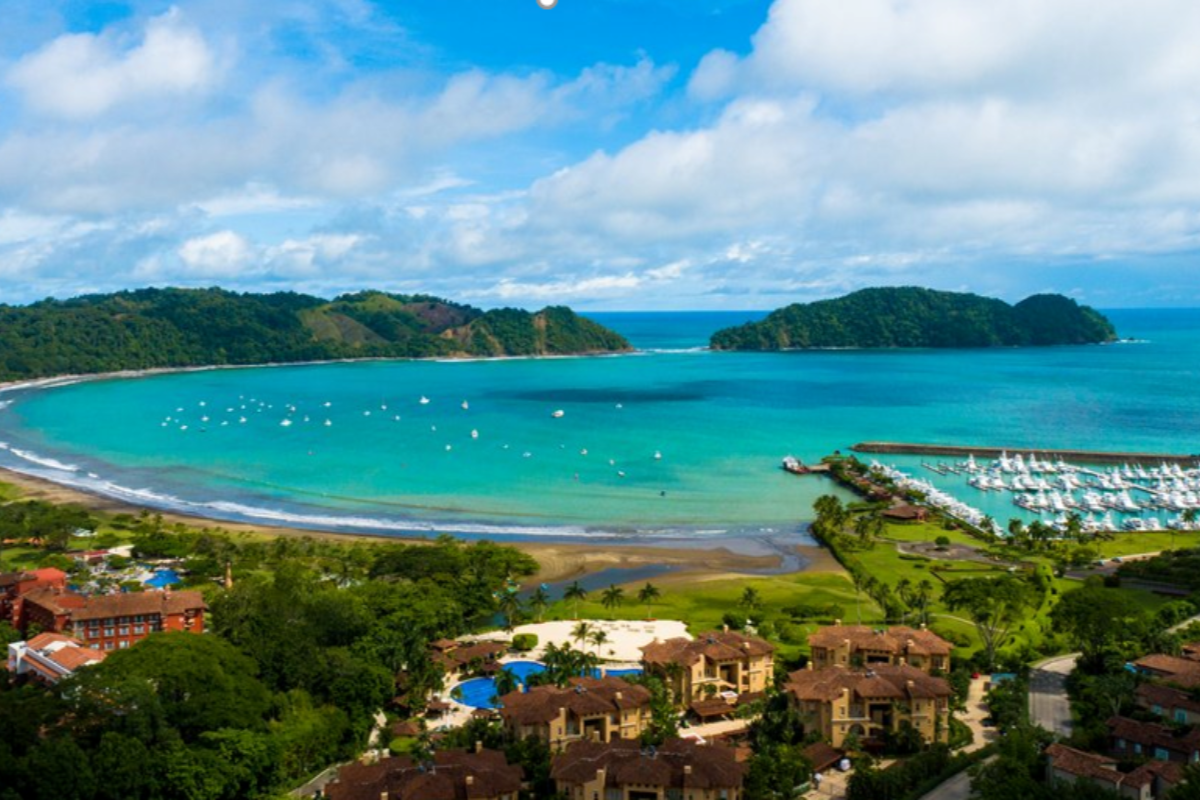
In the early 1990s, Ridley Scott chose the Puntarenas region—and more specifically, Playa Herradura—to film much of *1492: Conquest of Paradise*.
The deserted beaches, tropical vegetation, and largely unspoiled landscapes of the Pacific coast made it possible to perfectly recreate the atmosphere of the “New World” during the time of Christopher Columbus. The region was still largely untouched by tourism at that time. The filming of the movie played a major role in bringing international attention to Playa Herradura and its surroundings.
Landscapes Perfect for Science Fiction
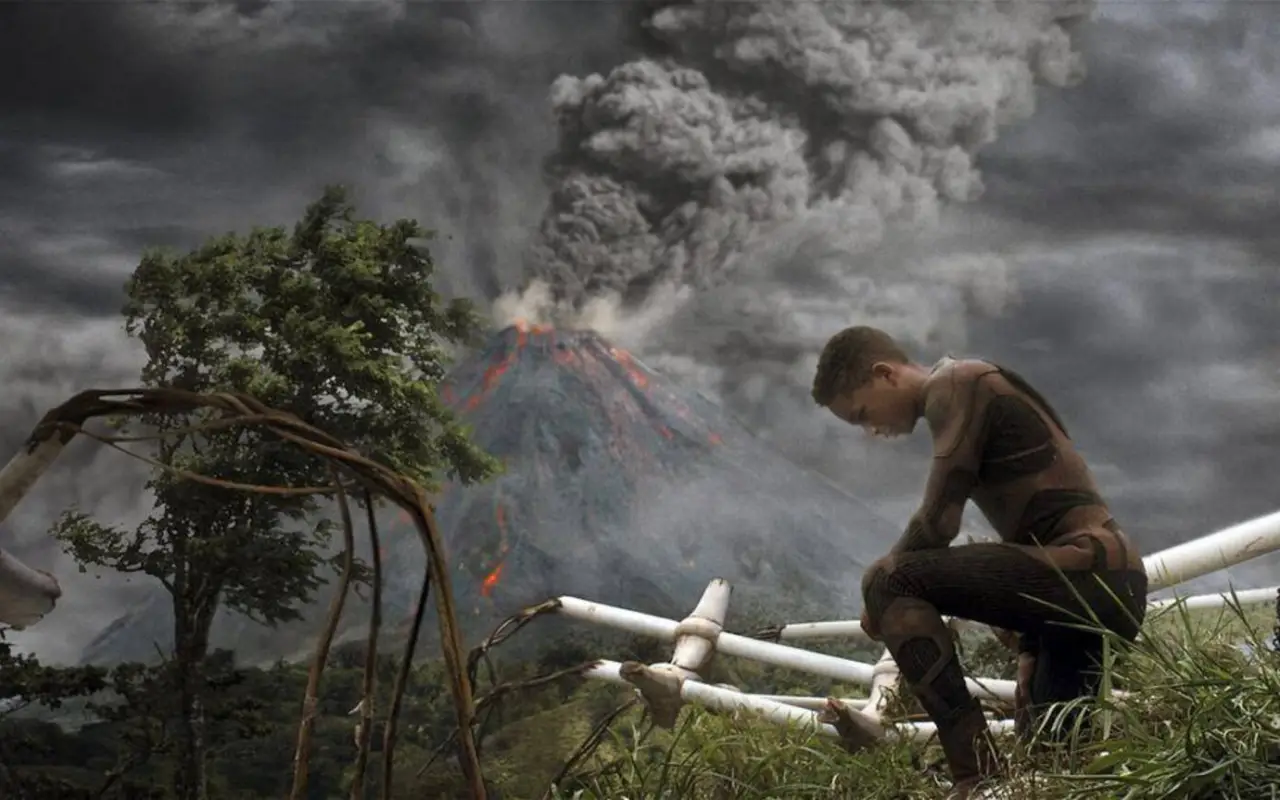
With its volcanoes, primary forests, and sometimes almost supernatural atmosphere, Costa Rica also inspires many science-fiction filmmakers. In 2012, the crew of *After Earth* set up camp at the foot of the Arenal Volcano. Its imposing conical silhouette, often shrouded in clouds, along with the dense jungle surrounding it, provided the perfect backdrop for this futuristic, abandoned Earth.
Filming, however, proved more complicated than expected: the local wildlife seemed to want to be part of the movie, too! Several animal experts, including herpetologists, were called in to secure certain filming areas against snakes and other tropical animals.
Costa Rica, the perfect setting for mysterious worlds
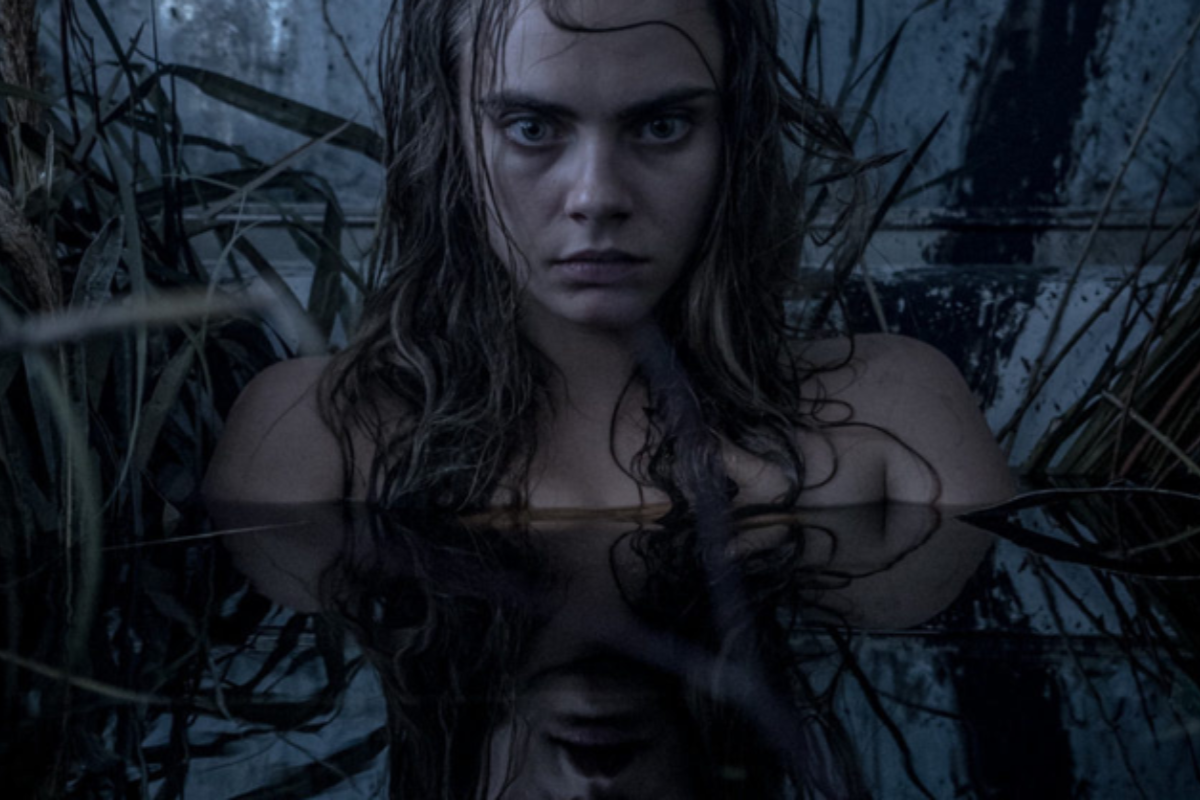
About 100 kilometers from the Arenal Volcano, the Sarapiquíregion also welcomed a Hollywood film crew: the cast and crew of *Suicide Squad*.
Some scenes featuring the character June Moone, played by Cara Delevingne, were filmed at Hacienda Pozo Azul. The wild, misty landscapes of this tropical agricultural region helped create a mysterious, almost supernatural atmosphere.
When Costa Rica Turns into Africa… or Peru
One of Costa Rica’s greatest assets is the incredible diversity of its landscapes and microclimates. In just a few hours’ drive, you can go from tropical beaches to volcanic mountains or cloud forests.
This diversity often allows filmmakers to recreate other regions of the world without leaving Central America.
This is particularly true of *Congo*. Although the story is set in Central Africa, much of the filming took place in the Costa Rican jungle around San Carlos. The region’s dense, untamed vegetation provided the perfect backdrop for recreating the equatorial African atmosphere.
The same goes for *Paddington*. Scenes depicting the famous bear’s native Peru were partially filmed in Monteverde. The region’s famous cloud forests helped recreate the tropical atmosphere of the South American Andes.
The Jurassic Park Myth: A Very Costa Rican Inspiration
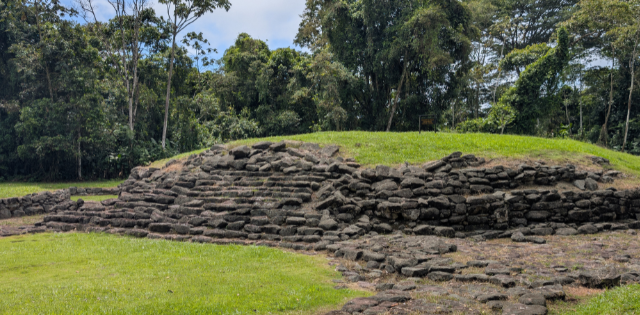
When people talk about movies and Costa Rica, one film almost always comes up: *Jurassic Park*. Contrary to popular belief, however, the film was not shot in Costa Rica. Most of the scenes were filmed in Hawaii. But the connection between Costa Rica and *Jurassic Park* remains very strong.
The fictional island of Isla Nublar is largely inspired by Isla del Coco, a wild island off the Pacific coast of Costa Rica. Designated a UNESCO World Heritage Site, this volcanic island, covered in dense jungle, possesses a particularly mysterious atmosphere that fueled the film’s imagination.
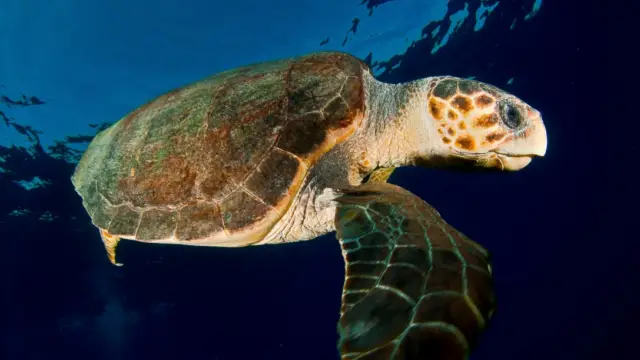
Even though you probably won’t run into a Tyrannosaurus rex there, Isla del Coco is still home to an impressive array of wildlife: hammerhead sharks, tiger sharks, dolphins, orcas, and barracudas all thrive in its deep waters.
Costa Rica also inspired certain sound elements in the film. To create the dinosaurs’ roars, the sound design teams used sounds from real animals. The T-Rex’s roar, for example, combines the cries of elephants, tigers, and alligators, while some of the Dilophosaurus’s sounds resemble the calls of howler monkeys found in the tropical forests of Central America.
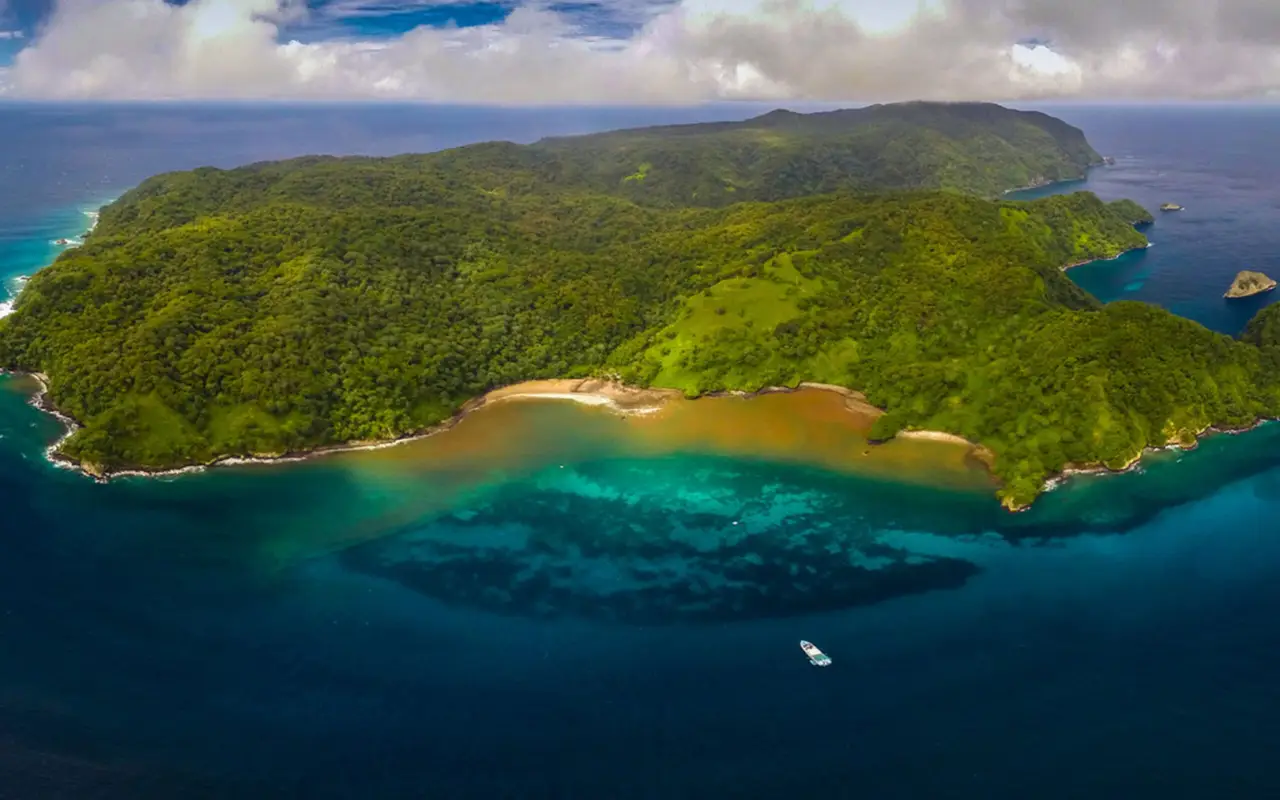
Costa Rica continues to attract international film productions
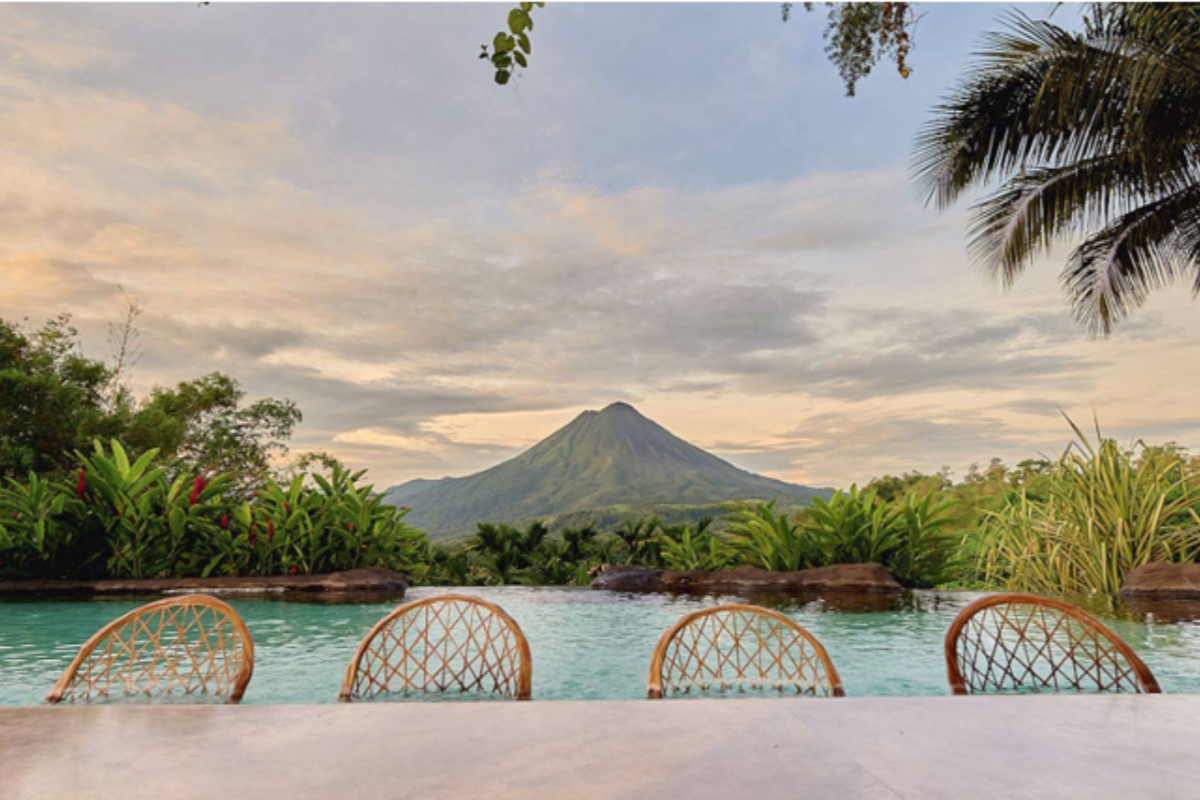
Even today, Costa Rica attracts many international television and film productions.
World-famous shows such as *The Bachelor* and *The Amazing Race* have filmed several episodes there, showcasing the volcanoes, suspension bridges, pristine beaches, and adventure activities for which the country is renowned.
With its diverse landscapes, exceptional biodiversity, and unique atmosphere, Costa Rica continues to offer filmmakers a life-size playground where adventure seems possible at every turn. And it’s probably no coincidence that Hollywood loves Costa Rica so much: here, nature already looks like a movie set!