Costa Rica's National Parks and Nature Reserves
Costa Rica is the ideal destination for nature lovers and ecotourism enthusiasts. Thanks to its biodiversity, Costa Rica is home to some of the world’s richest flora and fauna.
As you travel through the country, you’ll have the opportunity to see numerous birds, insects, amphibians, mammals, and other exotic species: whales anddolphins, sea turtles, iguanas, and crocodiles, spider monkeys and sloths, colorful frogs, butterflies, and snakes are sure to be there. You’ll also discover incredible vegetation in the 190 national parks, nature reserves, and protected areas: tropical rainforests and dry forests, cloud forests, and mangroves.
For the most enthusiastic travelers, we offer tours to sites ideal for nature observation, led by anaturalist guide.
Here is a “geographical” breakdown of Costa Rica’s main national parks and reserves:
Northern Plains
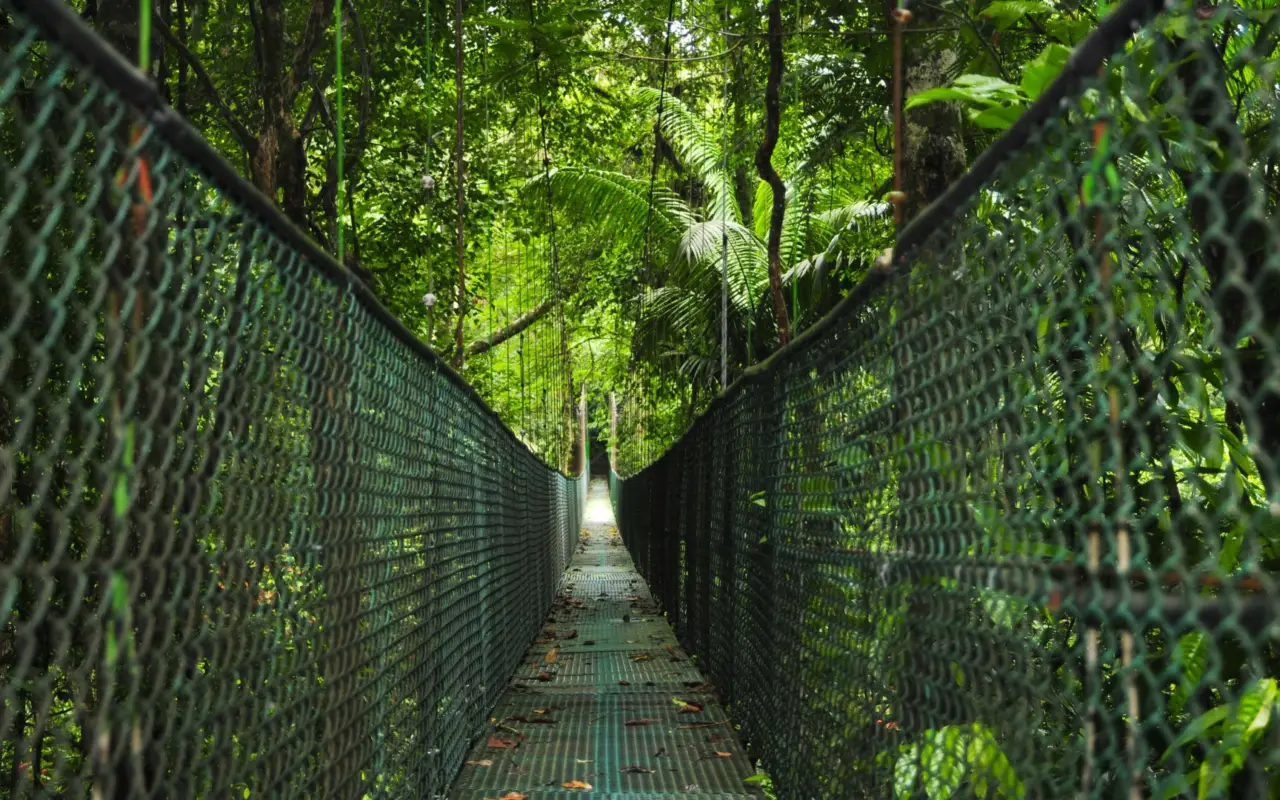
La Selva and La Tirimbina – Reserves and Biological Stations
The La Selva Biological Station is a private research center managed by the Organization for Tropical Studies. This mid-altitude rainforest (largely untouched) is an extraordinary refuge for thousands of animal and plant species and has become an internationally renowned center for research and education.
The La Tirimbina Reserve also offers nature trails, including evening excursions to observe nocturnal wildlife (bats, frogs, insects, etc.)—an experience not to be missed.
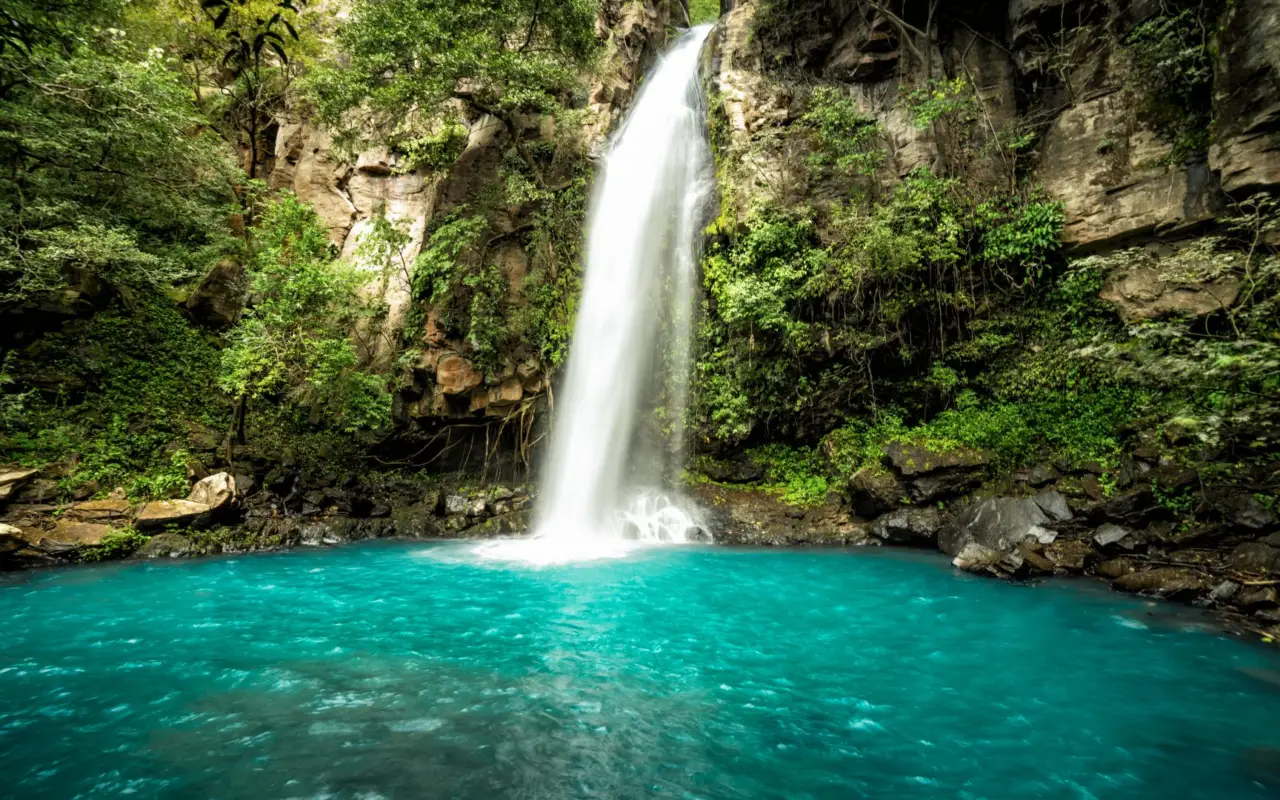
Rincon de La Vieja National Park – Fumaroles and Waterfalls
At an elevation of 1,916 meters, this park features various areas and offers numerous hiking opportunities. You can observe the volcano’s fumaroles, swim in a stunning waterfall, or enjoy a mud bath or the hot springs fed by the volcano.
Don’t miss the Cangreja Waterfall and its turquoise waters.
The park’s landscapes vary greatly depending on the season.
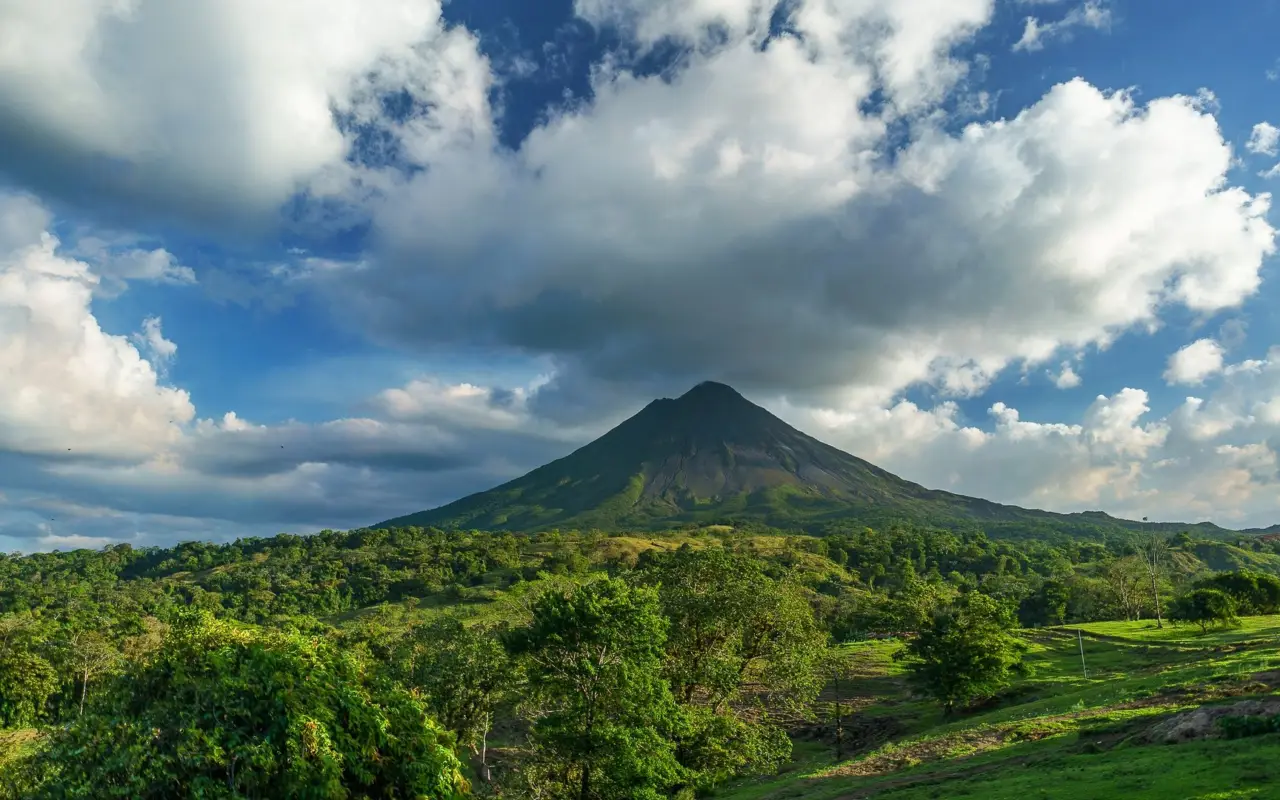
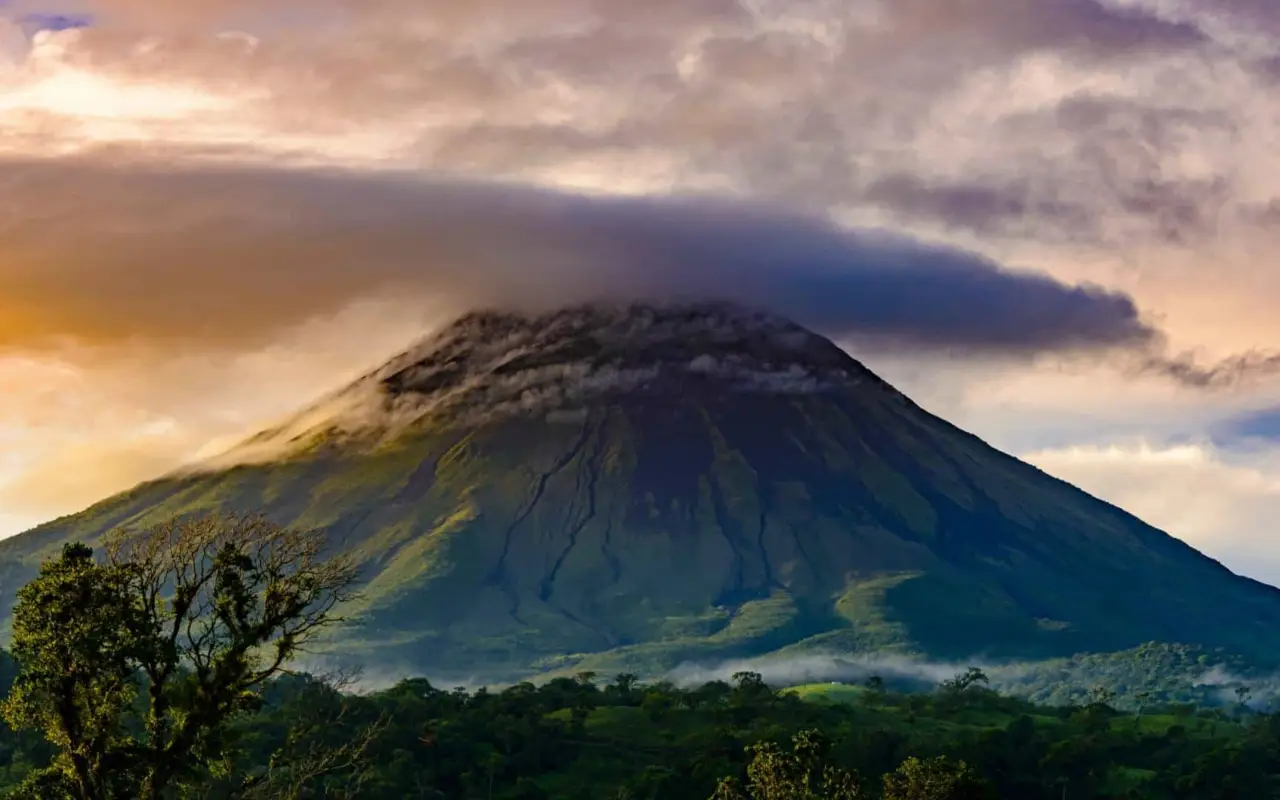
Arenal National Park – The Country’s Most Beautiful Volcano
At an elevation of 1,633 meters, the Arenal Volcano is the country’s most beautiful volcano thanks to its perfectly conical shape.
It towers over the La Fortuna region and was the most active volcano until 2010.
There are several trails to choose from, and you can enjoy views of the volcano and the lake, or even catch a glimpse of a 400-year-old tree.
If you enjoy birdwatching, don’t miss this stop—half of Costa Rica’s bird species have already been recorded in this park.
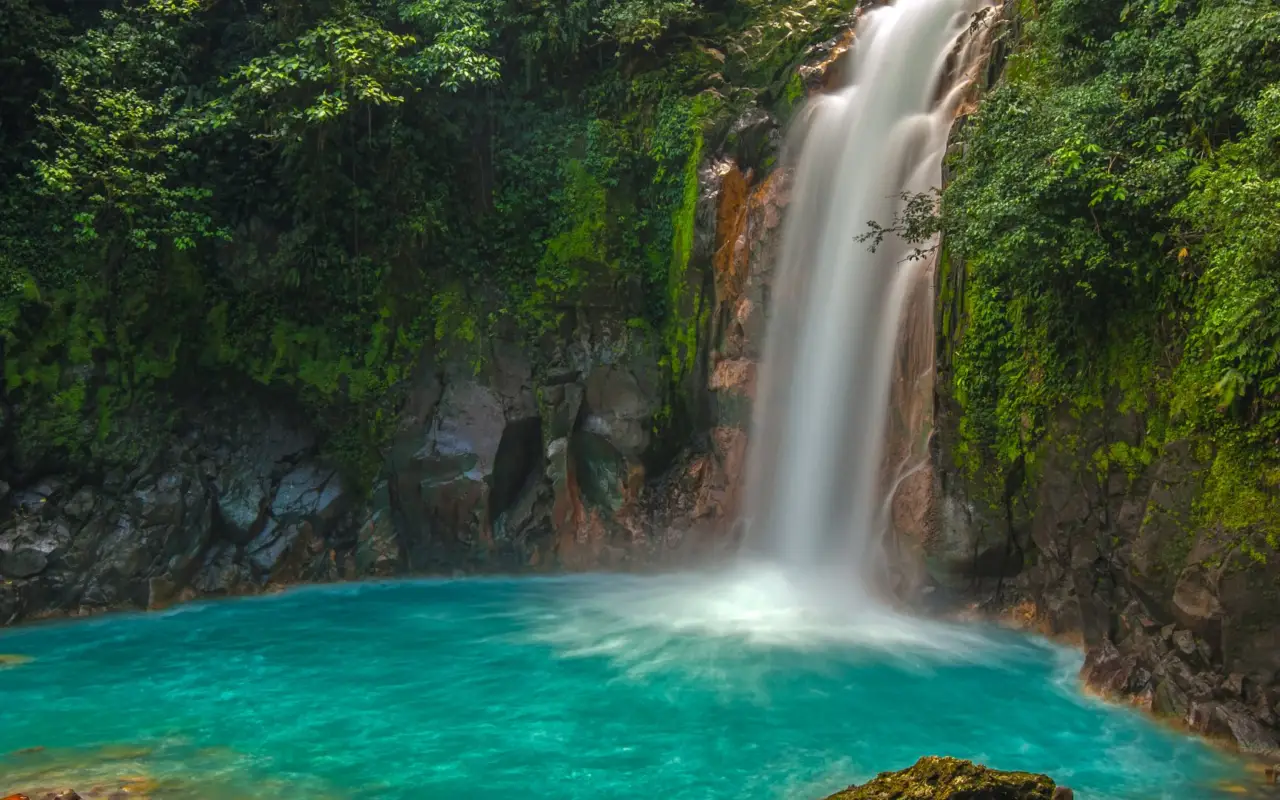
Tenorio National Park – The Sky-Blue Waterfall
At an elevation of 1,916 meters, you won’t visit this park for its volcano but rather for its turquoise waterfall: the Rio Celeste.
You’ll discover the incredible phenomenon that gives the water its color during a 3-hour hike with several stops to observe the stream in the heart of the rainforest.
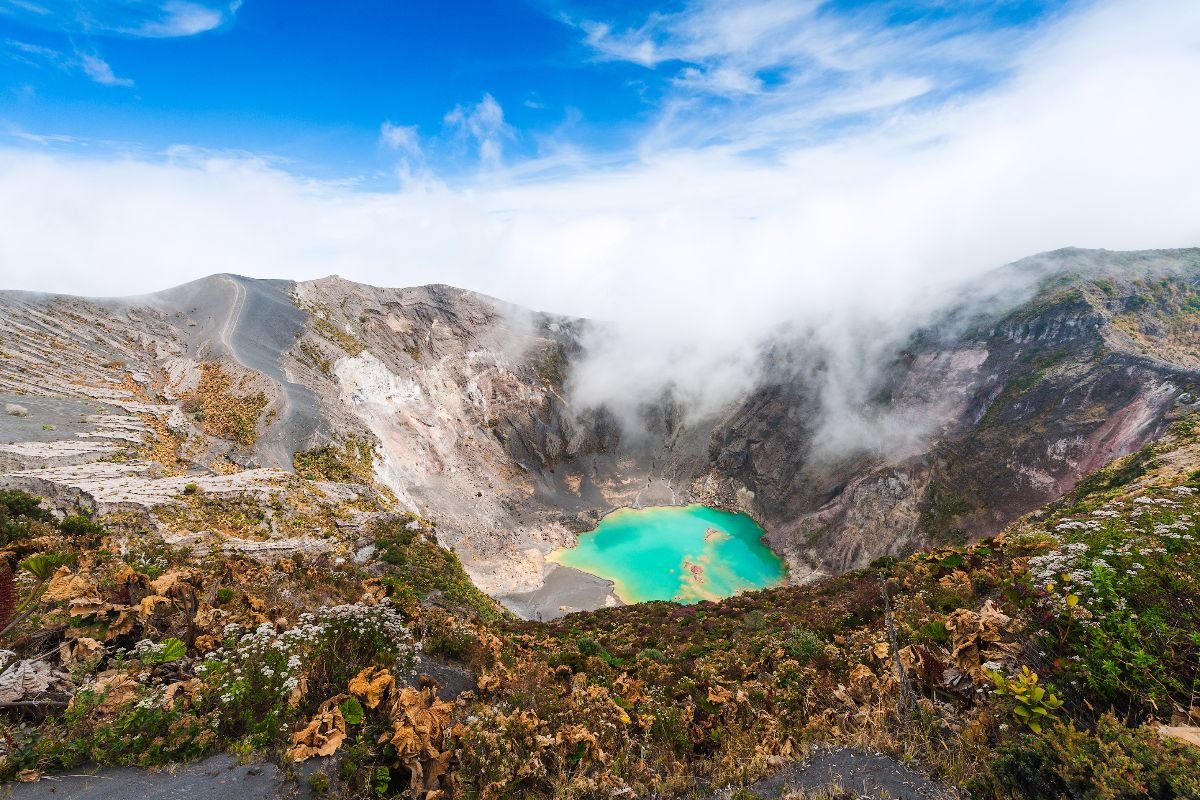
Irazú National Park – Crater Viewing
If you want to see what the inside of a volcano looks like, be sure to visit the country’s highest volcano.
You’ll be able to see five craters and breathtaking scenery during a hike at an altitude of 3,432 meters.
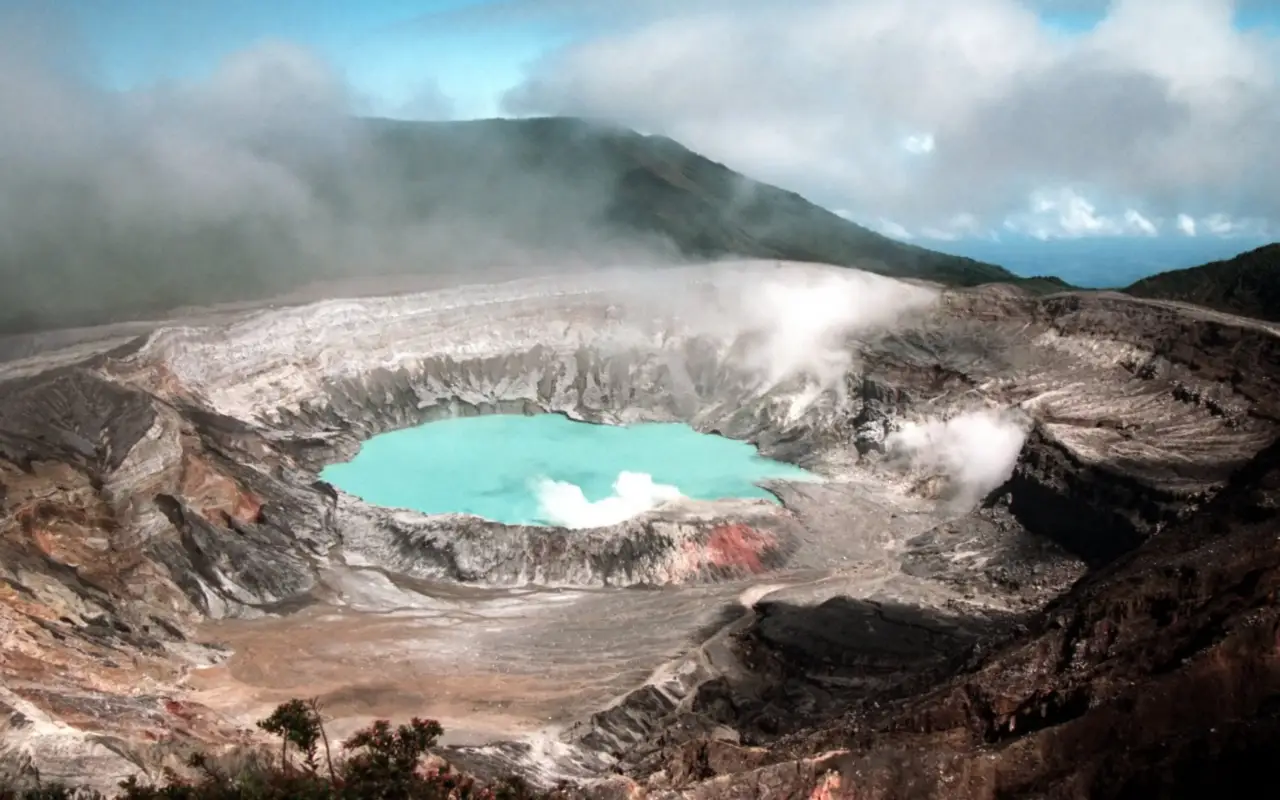
Poás National Park – Crater Viewing
At an elevation of 2,708 meters, you can see the volcano’s immense crater as well as its lagoon. The visit is time-limited, but the scenery is well worth the trip.
Feel free to combine this visit with a trip to La Paz Waterfall Gardens to enjoy the waterfalls and see a variety of animals.
The Caribbean Coast
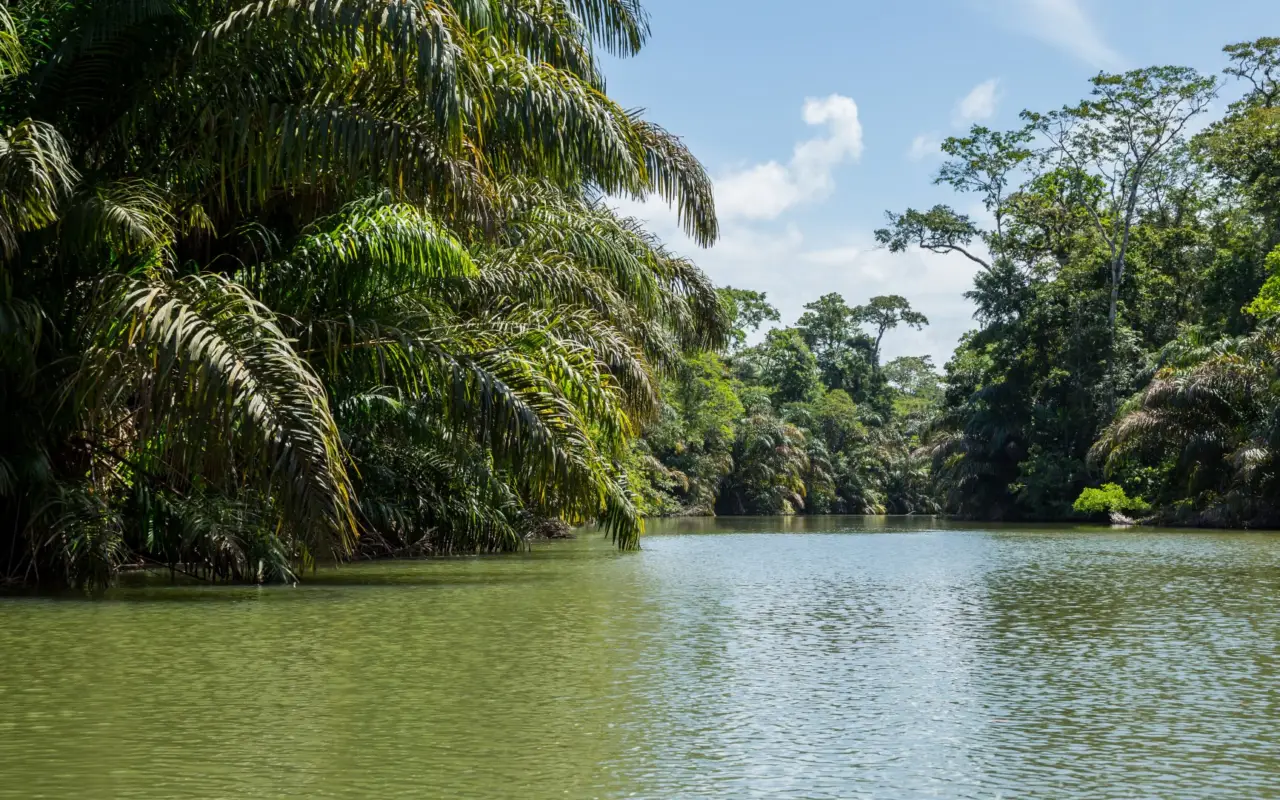
Tortuguero National Park – Canal Cruises
The most lush region inLimón Provinceis undoubtedly Tortuguero National Park. Located on the northern Atlantic coast, it is a vast expanse of protected land. The park, an ideal spot for observing flora and fauna, is best explored on boat tours.
Its canals will leave you with unforgettable memories, especially thanks to its landscapes, which have been compared to a miniature “Amazon rainforest.”
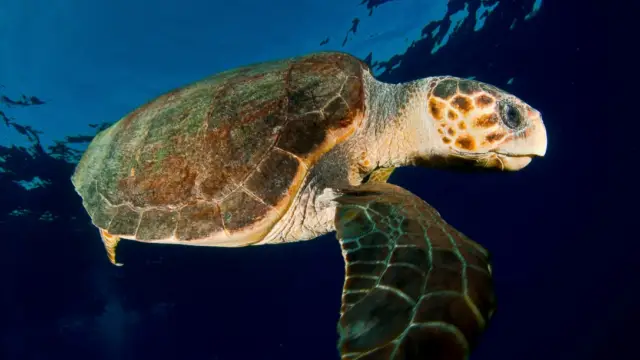
It is also a prime nesting site for green sea turtles (from July through October).
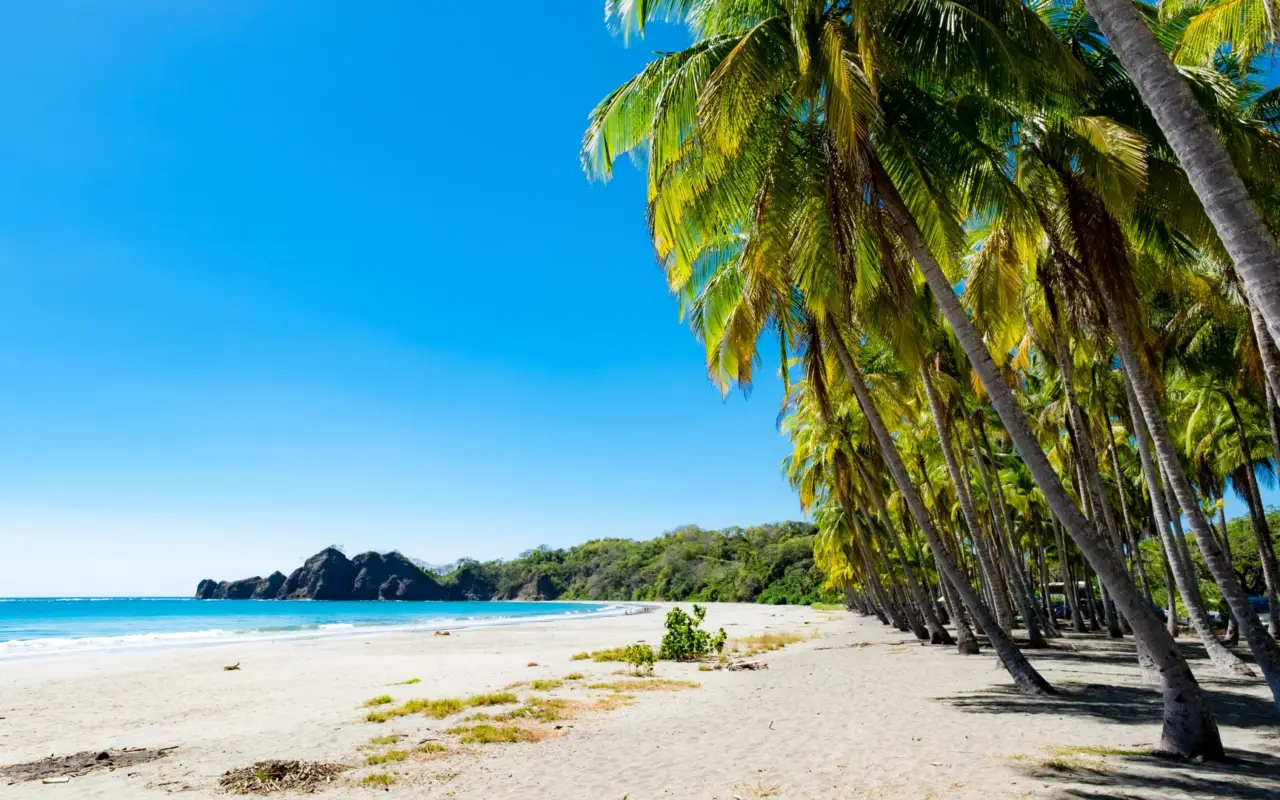
Cahuita National Park – Wildlife, Flora, and Underwater Life
Just a stone’s throw from the Caribbean village ofCahuita, the national park of the same name was established in 1978 with the primary goal of protecting the stunning coral reef that visitors can explore on a snorkeling excursion. It features mangroves, a tropical rainforest, and two white-sand beaches lined with coconut palms. In addition toswimming, snorkeling, beach activities, and nature observation,hikingis an excellent way to explore the park from one area to another.
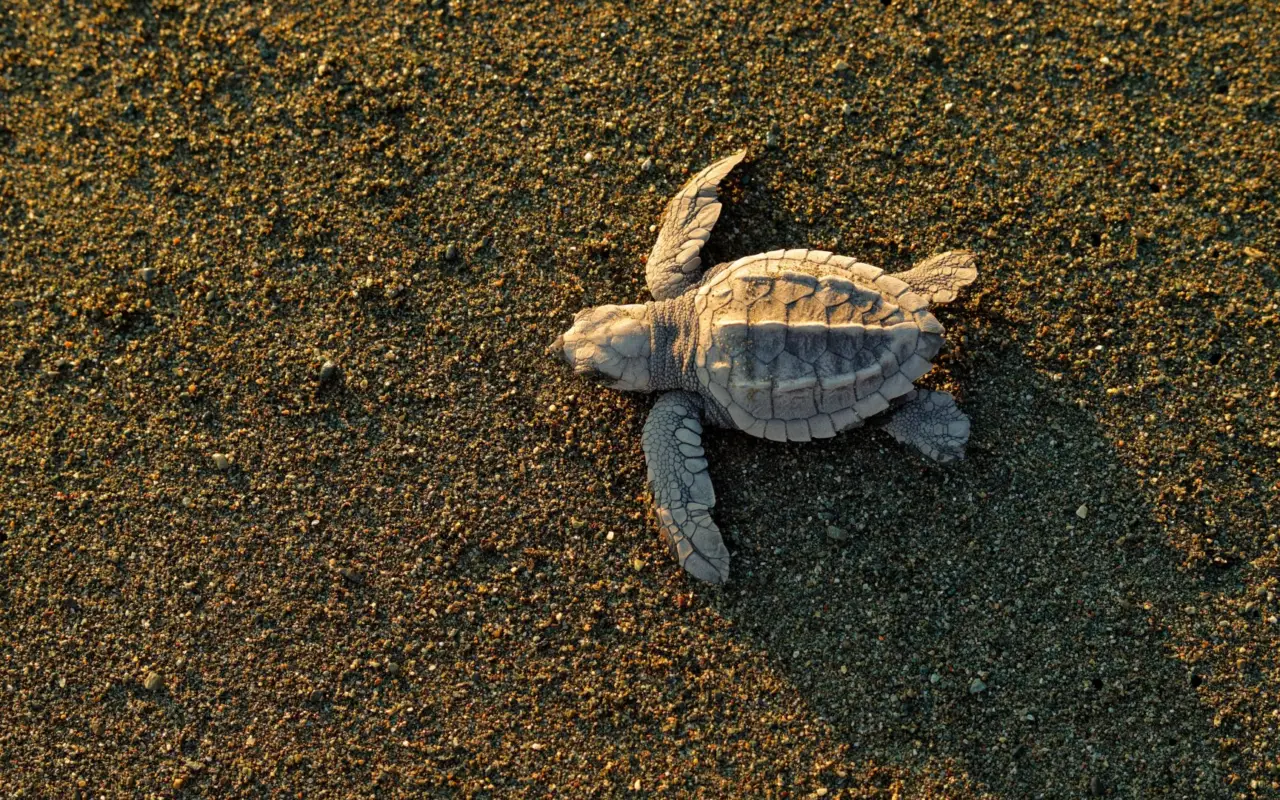
Gandoca Manzanillo Reserve – Hiking and Marine Wildlife
TheGandoca Manzanillo site consists of a mosaic of habitats that extends into the Caribbean Sea, where several species of sea turtles nest. You may be lucky enough to witness leatherback turtles laying their eggs in the village of Gandoca. On land, the reserve is home to a mangrove swamp and a tropical rainforest.
Manatees and Tucuxi dolphins inhabit the lagoons and estuaries, which are also important breeding grounds for sharks, fish, and lobsters.
Various trails welcome hikers, winding through the jungle and along the beach.
Mountain Ranges and Cerro de la Muerte
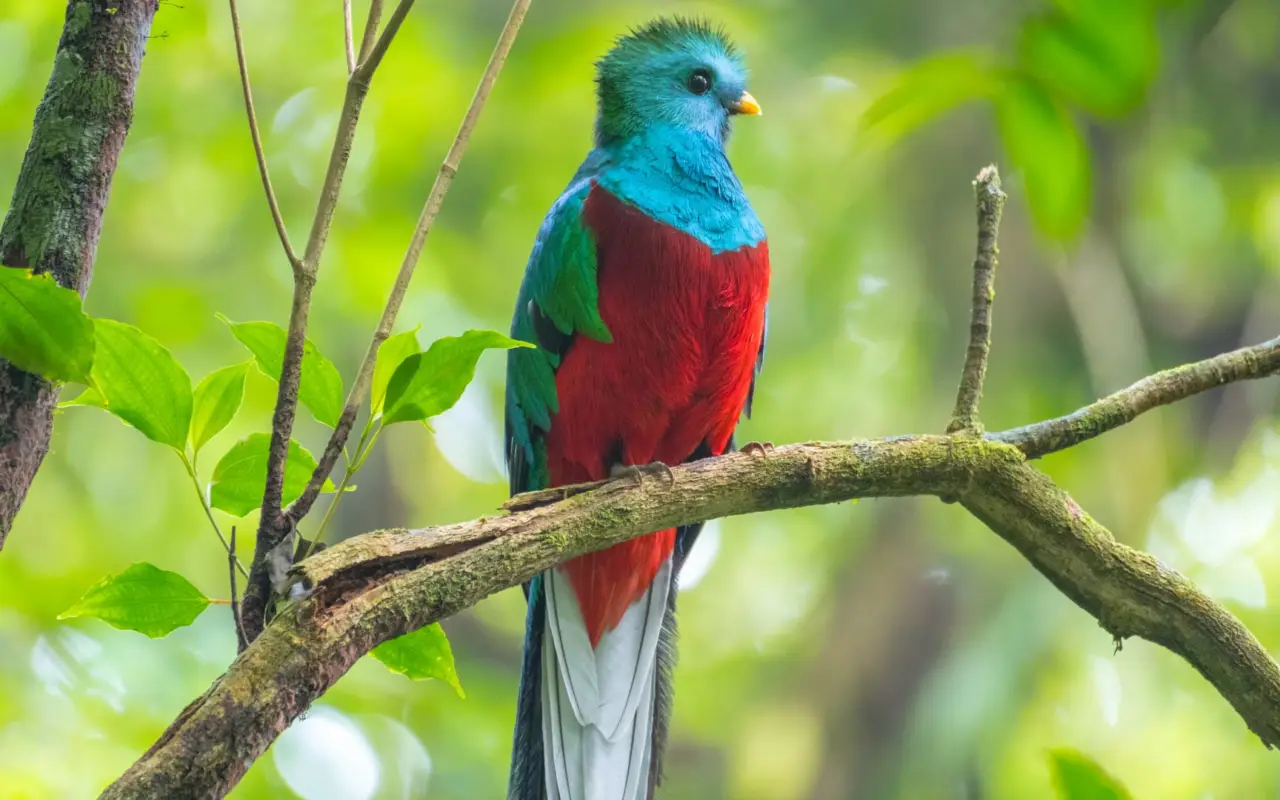
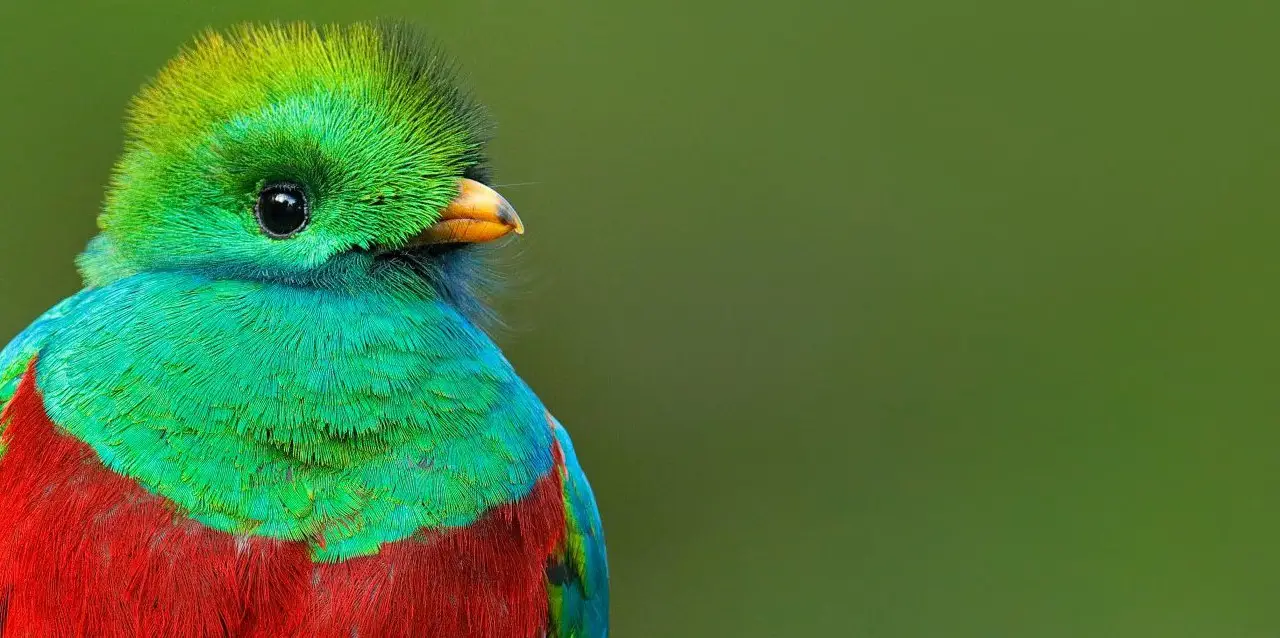
San Gerardo de Dota – Spotted Quetzal Sighting
Found only in Central America, thequetzalis considered one of the most beautifultropical birds in the world. It inhabits the cloud forest at altitudes between 1,500 and 3,000 meters. Since its habitat is difficult to access and the bird is very shy, it is very hard to spot.
Luck and patience are the only keys to successfully spotting it. San Gerardo de Dota, at the bottom of the steep Rio Savegre valley, is the best place to spot it, accompanied by a nature guide on a morning excursion.
South Pacific
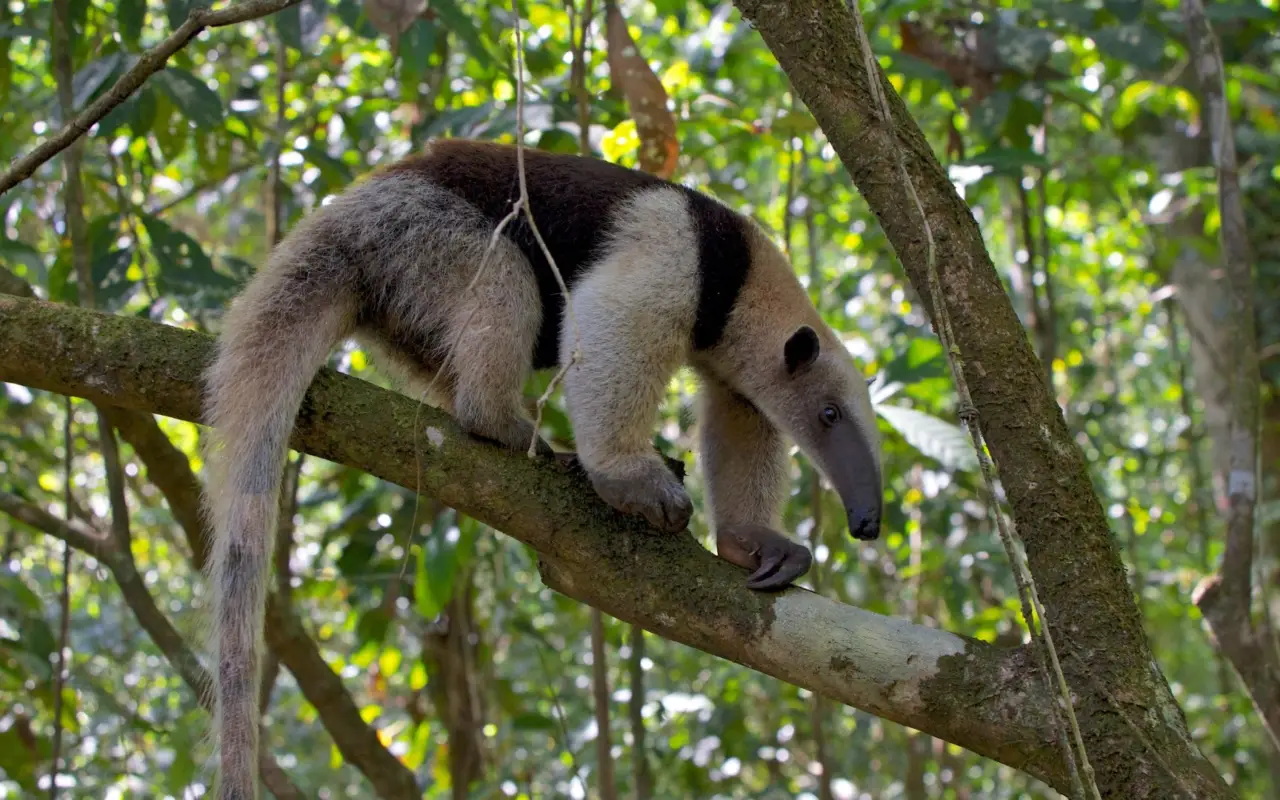
Corcovado National Park – A Tropical Jungle Off the Beaten Path
National Geographic has calledCorcovado National Park“the most biologically diverse place on Earth.” It is the last large expanse of pristine tropical rainforest in Central America.
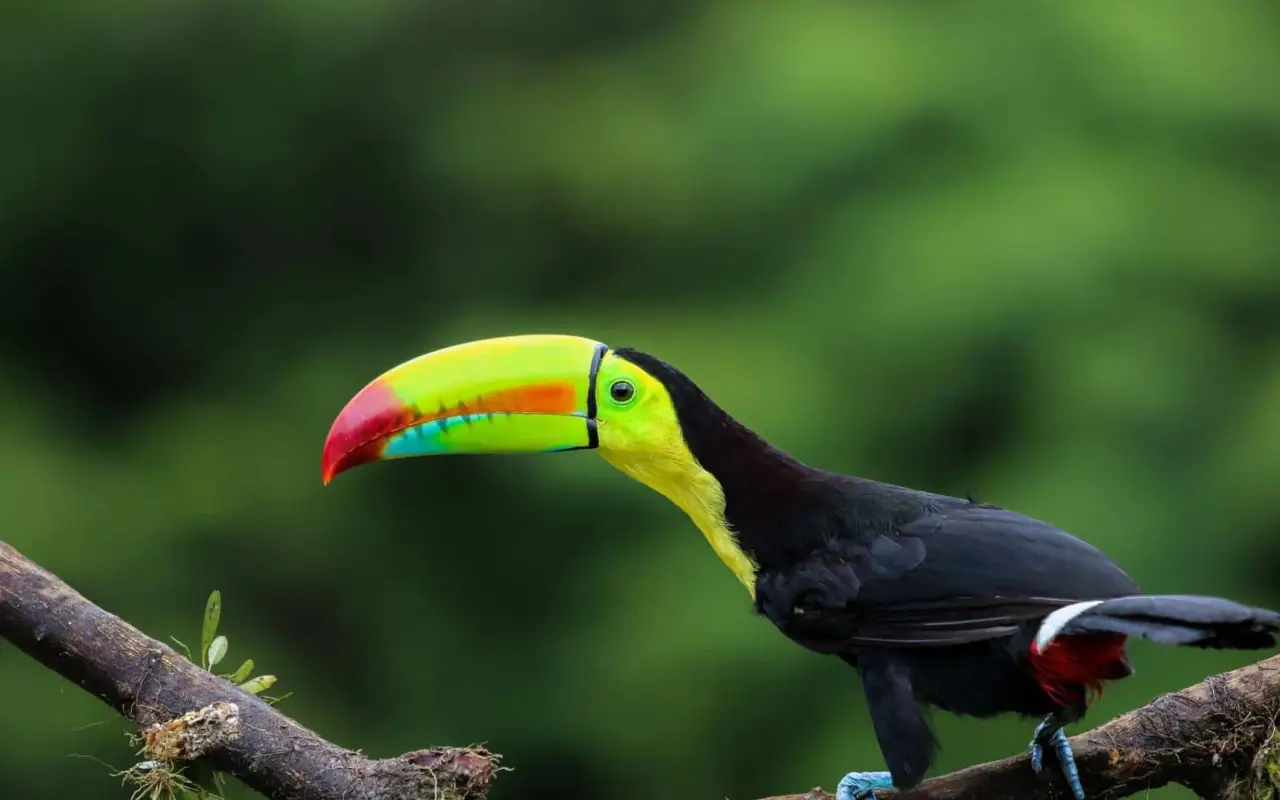
It is home to more than 500 species of trees, not to mention a healthy population of jaguars, coatis, toucans, and snakes. Its remarkable wildlife attracts the attention of tropical ecologists as well as visitors who come to explore this remote site and discover a wide variety of animals, including Baird’s tapir, the giant anteater, and the world’s largest bird of prey, the harpy eagle.
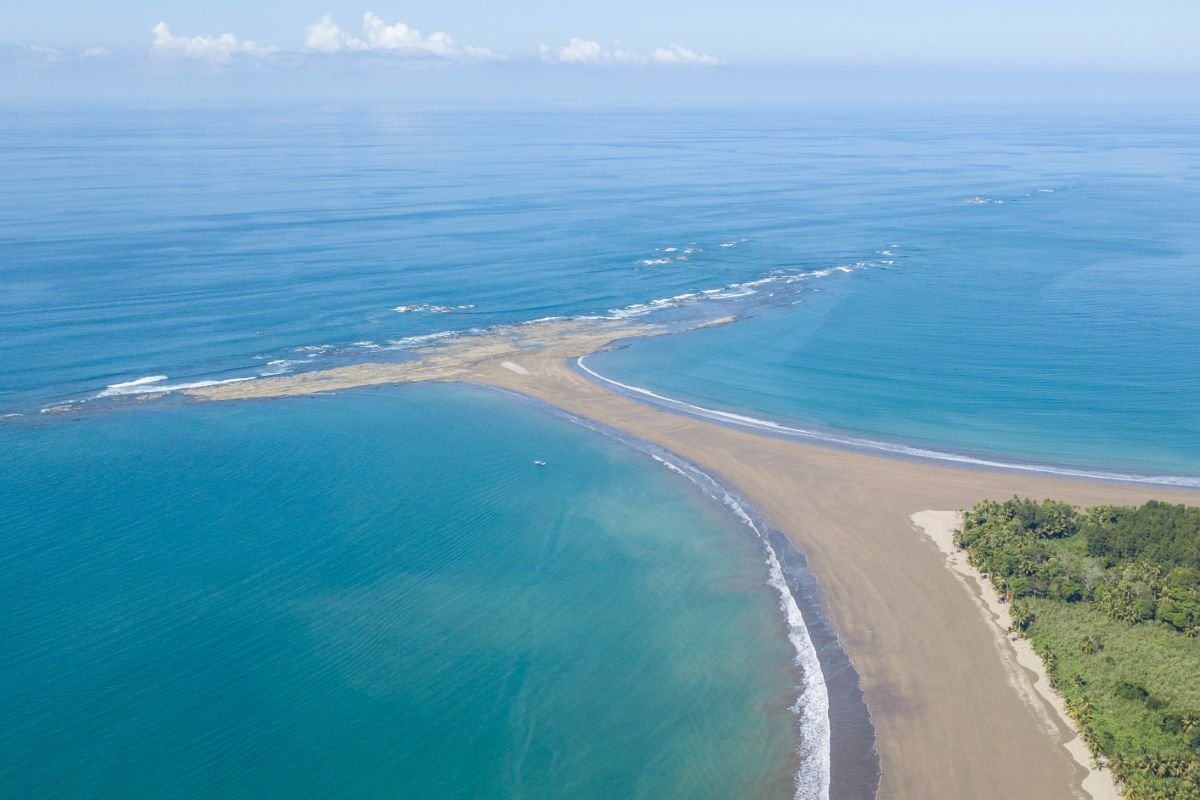
Isla del Caño Reserve & Ballena Marine Park – Whale and Dolphin Watching
Set sail for an ocean adventure in search of dolphins and humpback whales off the southern Pacific coast. Isla del Caño (departing from Bahía Drake on the Osa Peninsula) and Ballena Marine Park (off the coast of Dominical) offer the best conditions for supporting a rich variety of marine life, including marine mammals.
It is a special place where orcas, rorquals, six species of whales (including the blue whale and the humpback whale), several species of dolphins, and sea turtles live.
The best time for whale watching is from November through April and from July through October.
Central Pacific Coast
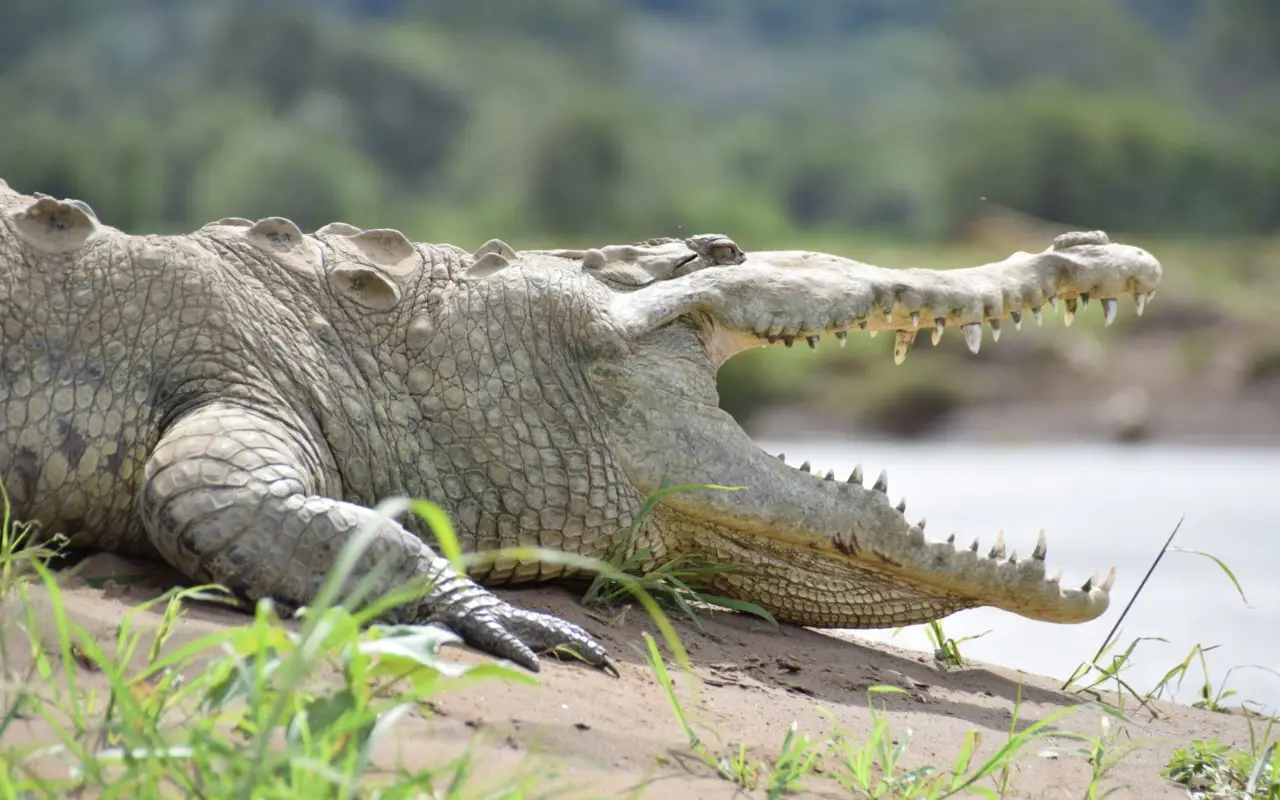
Barú Wildlife Refuge – Hiking in the Heart of Nature
The Finca Barú del Pacífico National Wildlife Refuge is a private refuge located about 2 kilometers north of Dominical. It is home to a mangrove forest where you can spot crocodiles and caimans. The reserve also serves as a habitat for numerous bird species, such as herons, chocuacos, and brown pelicans. Sea turtles of the loras and caret species come to lay their eggs on the beach of the same name. A variety of excursions allow you to explore the entire reserve. We can also offer you an overnight stay in the reserve’s jungle.
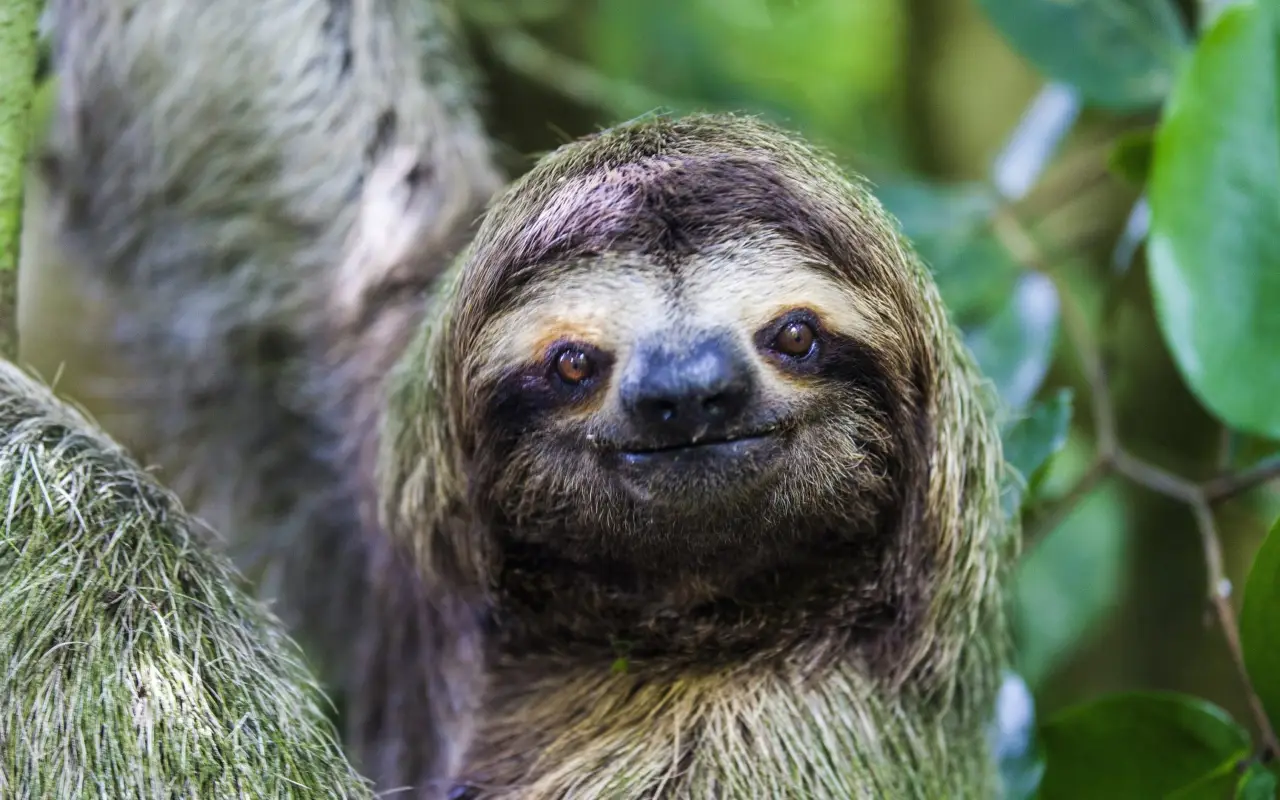
Manuel Antonio National Park – Sloths, Titi Monkeys, and Beaches
Manuel Antonio National Park is a true paradise dotted with coconut palms. This idyllic setting is further enhanced by an abundance of wildlife, including iguanas, howler monkeys, capuchin monkeys, sloths, and squirrel monkeys. The park also features four beaches: some are ideal for swimming, others for exploring the seabed with masks and snorkels, and still others for lovely walks along the white sand. Twelve hectares of mangroves round out the park’s biodiversity.
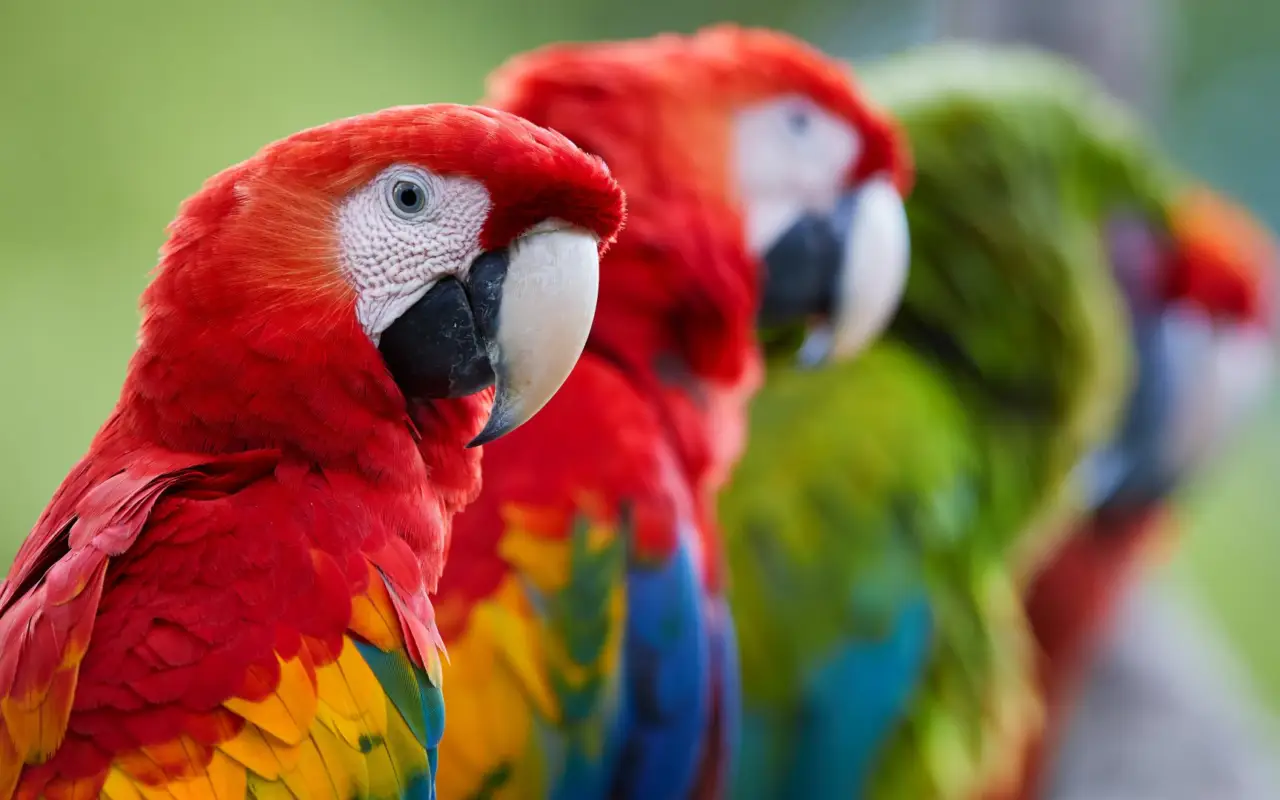
Carara National Park – Macaw and Crocodile Watching
Situated between dry and rainforests,Carara National Parkwill amaze you with the variety of its habitats—and, consequently, its wildlife. Although relatively small (52 km²), it boasts one of the country’s greatest levels of biodiversity. The birdlife here is spectacular, particularly the scarlet macaws, which migrate twice a day between the forest and the nearby coastal mangroves. Huge crocodiles have made their home near the park, along the banks of the Tarcoles River.
Monteverde and the Gulf of Nicoya
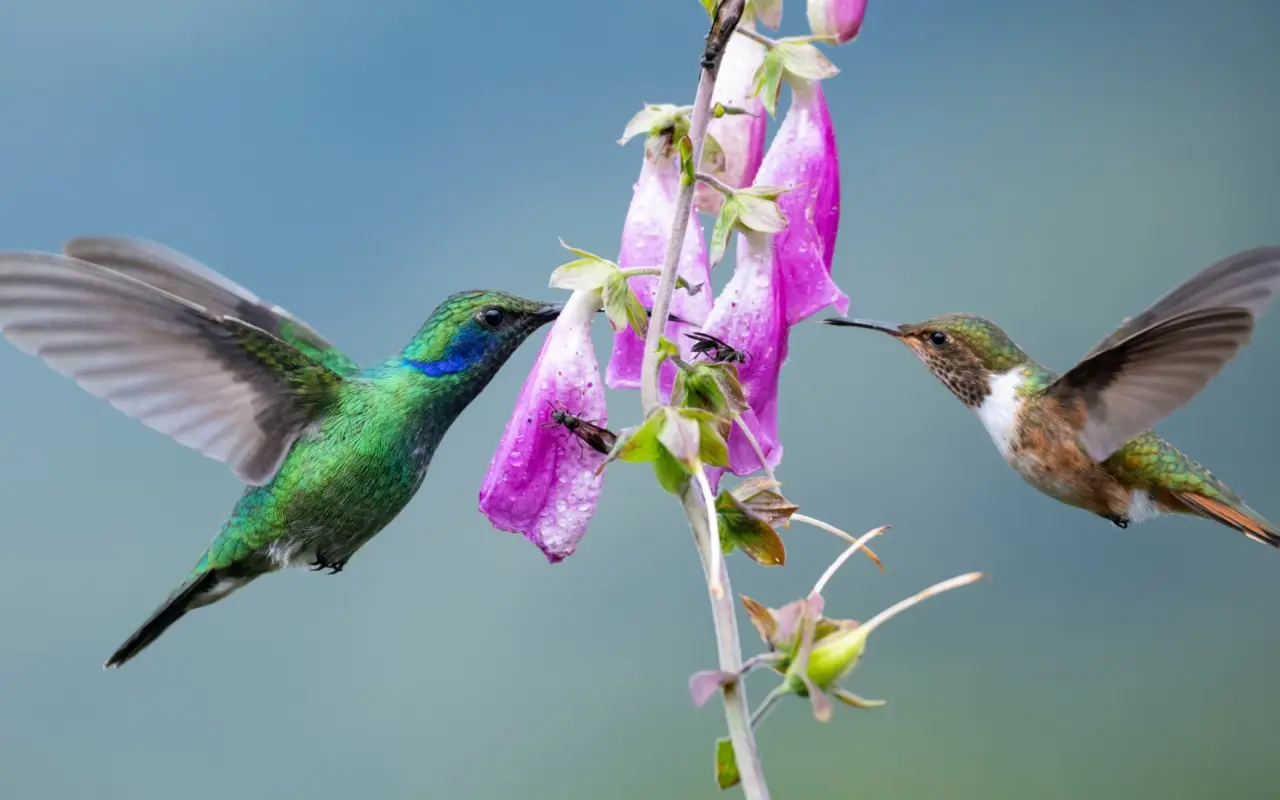
Monteverde – Cloud Forest and Orchids
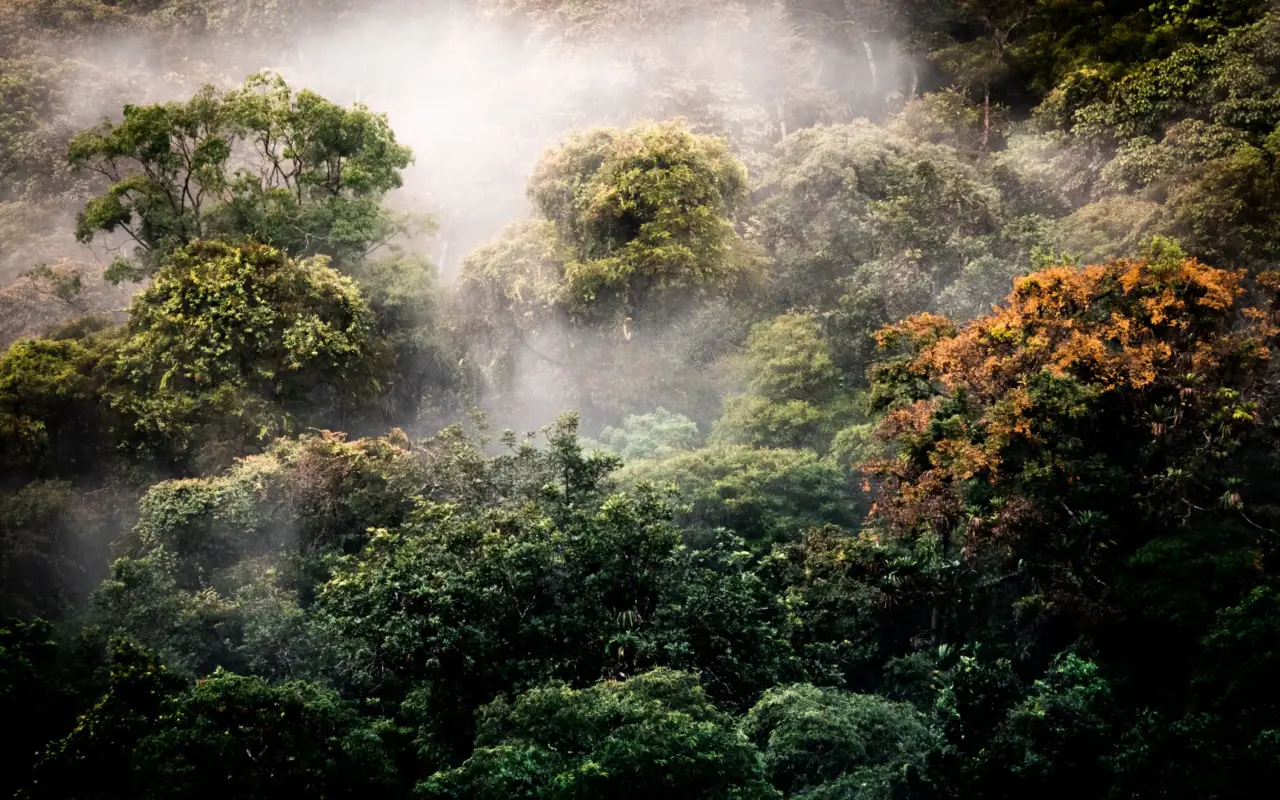
TheMonteverderegion is one of the greenest in Costa Rica. The Monteverde Biological Reserve and theSanta Elena and Curi Cancha cloud forest reserves are home to a wide variety of flora and fauna, most of which are “unique” in the world.
The various trails (hiking and walking paths on the suspension bridges) offer opportunities to observe the surrounding vegetation. Several hundred species of birds, butterflies, amphibians, and mammals have been identified there. In addition, there are thousands of plants and insects.
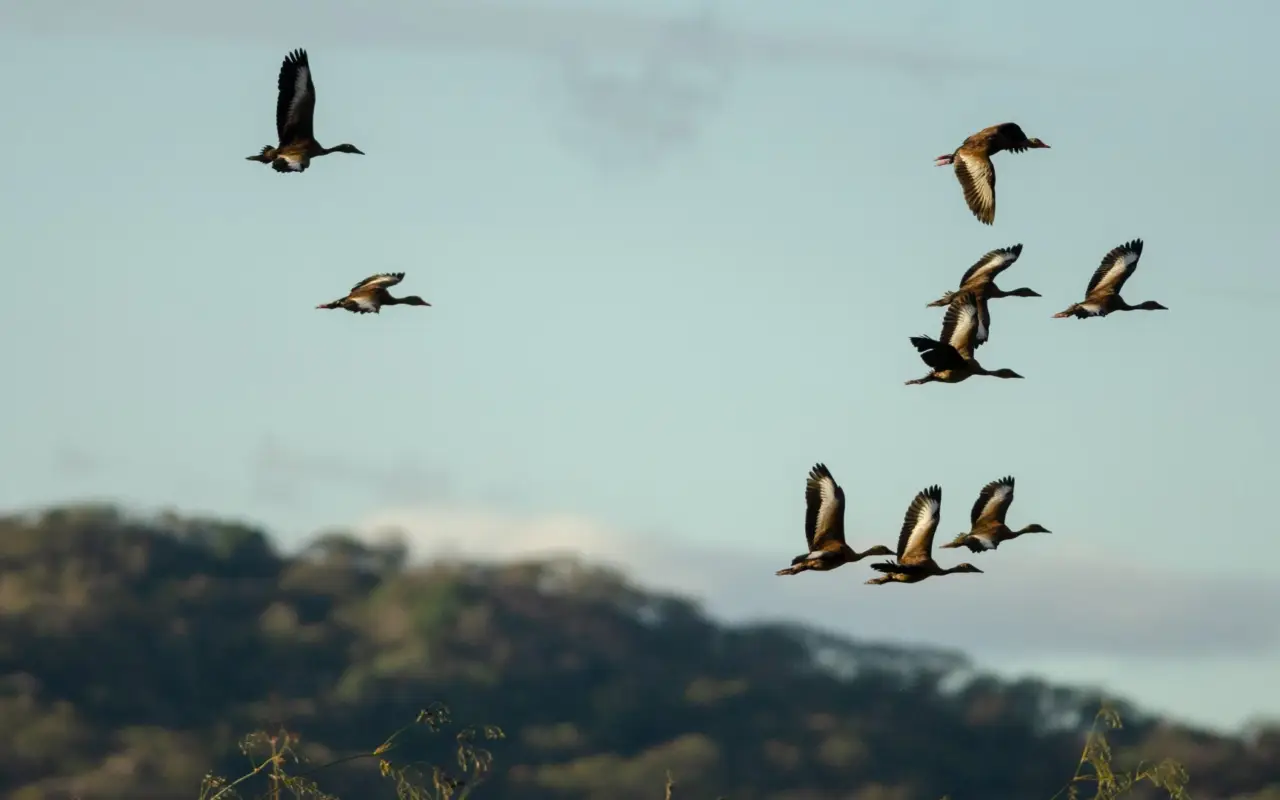
Palo Verde National Park – A Birdwatching Stop
If you’re passionate about birdwatching, you’ll love visiting Palo Verde National Park, where 279 bird species have been recorded. The park’s rich avian diversity is largely due to the fact that it is home to a dozen different types of natural habitats. These include lowland tropical dry forest, consisting of wooded hills, saltwater and freshwater lagoons, mangroves, marshes, and vast grasslands.
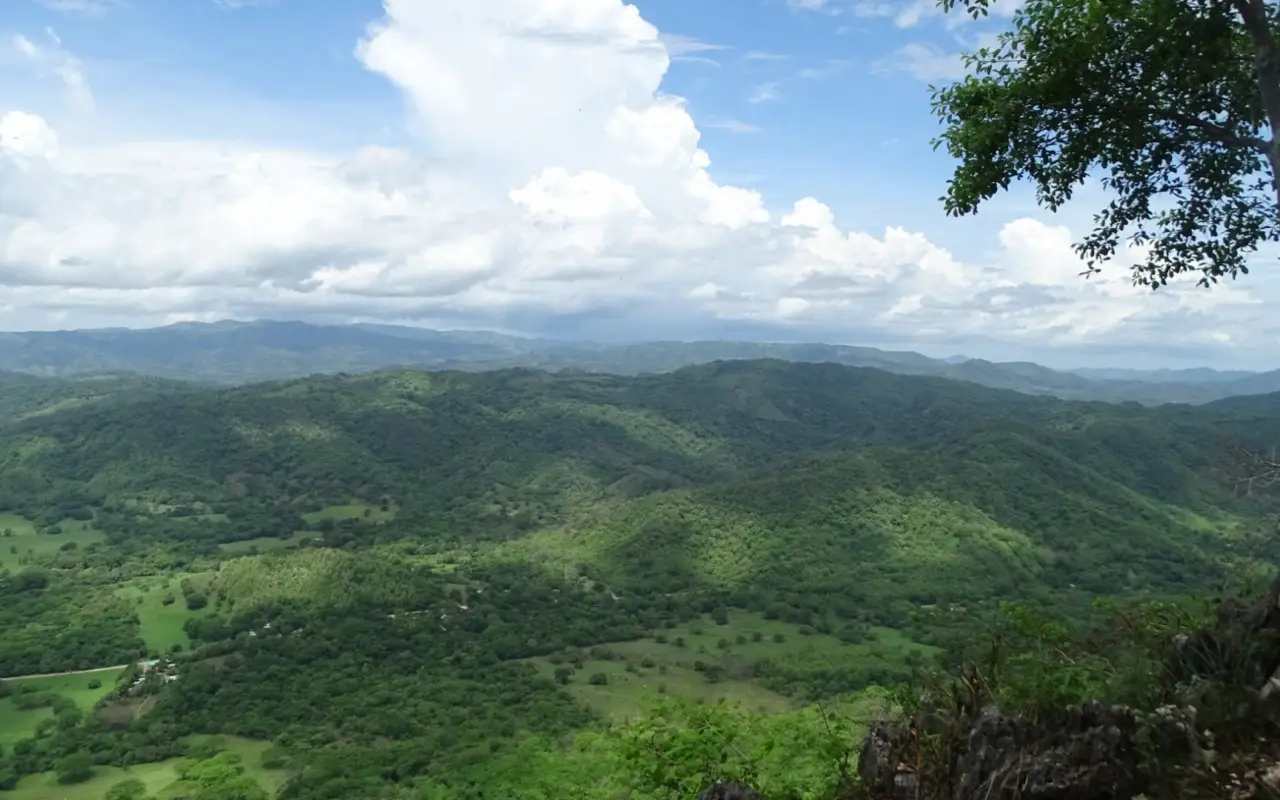
Barra Honda National Park – Caving
The perfect destination to try your hand at caving! This park features 19 explored caves, including the main one, Terciopelo, which you can explore for yourself. This expedition must be done with a guide. Alternatively, you can simply hike through the park and enjoy the view of much of the Nicoya Peninsula.
Guanacaste and the Nicoya Peninsula
Currently being drafted:
- Santa Rosa National Park
- Playa Ostionale Nature Reserve
- Karen Mogensen Nature Reserve